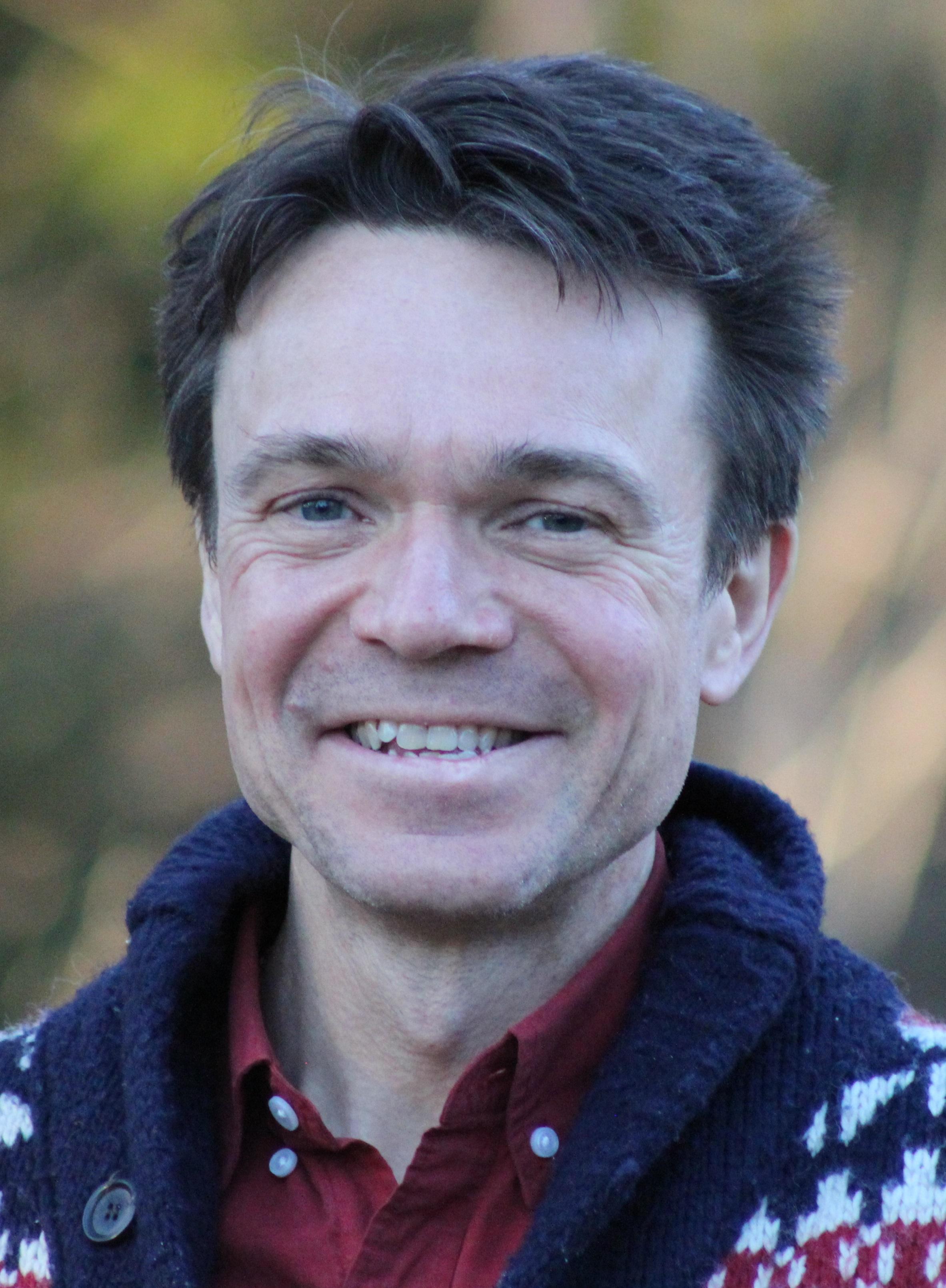
Bradley Buchsbaum is an Associate Professor and Senior Scientist at the Rotman Research Institute, Baycrest , Toronto, Canada. His research focuses on cognitive neuroscience, particularly on working memory, episodic memory, and functional neuroimaging using fMRI. PhD in Cognitive Science (2003) from University of California, Irvine BSc in Bio-Psychology (1997) from University of California, Santa Barbara His lab investigates how memories are stored, represented, and reactivated in the brain, combining functional neuroimaging, eye-tracking, and computational modeling. Key areas include multivariate statistics, machine learning applications in neuroimaging, and quantifying memory fidelity through behavioral and neural data. Recent publications emphasize neuroimaging methodology (e.g., MRI data consistency checks), memory pattern completion mechanisms, and feature-specific neural reactivation during episodic recall. Research trends highlight interdisciplinary approaches merging cognitive neuroscience with advanced statistical techniques. Lab team includes post-doctoral fellows (Stephen Rhodes), graduate students (Carolyn Guay, Corey Loo, Michael Bone, Nick Hoang, Ryan Barker), and research assistants. The lab actively develops open-source tools like rMVPA and neuroim2 for fMRI analysis.
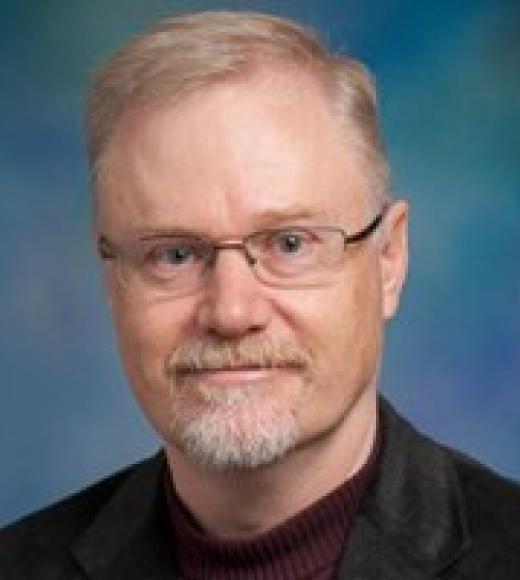
Dr. Debora M. Lee Chen is an Associate Professor of Clinical Optometry at the University of California, Berkeley’s School of Optometry & Vision Science. She serves as Co-Chief of the Binocular Vision Clinic and Chief Mentor for the Residency in Vision Therapy and Rehabilitation. Her roles also include Berkeley Optometry Disability Officer and active participation in institutional committees like the Clinical Curriculum and Instruction Committee and the Berkeley Optometry Curriculum Committee. Her research focuses on binocular vision disorders, pediatric vision, amblyopia, strabismus, traumatic brain injury, cerebral visual impairment, and innovative treatments using mobile applications. She teaches courses such as Optometry 240 (diagnosis/treatment of binocular vision anomalies), Optometry 241L (advanced strabismus management), and clinical specialty clinics (430B, 441A-C). Key research areas include pediatric vision challenges, neurodevelopmental conditions, and vision-related learning disabilities. She emphasizes community health, including barriers to eye care access and school-based screening initiatives. Her work bridges clinical practice with cutting-edge technologies like AI-driven optometry solutions. Dr. Chen’s contributions extend to neuro-optometric rehabilitation, particularly for patients with acquired brain injuries and developmental differences. She advocates for inclusive healthcare practices through her roles on the Disabled Student’s Program advisory committee and DEIB initiatives.
Fulvio Domini is a Professor in the Department of Cognitive, Linguistic and Psychological Sciences at Brown University. He joined Brown in 1999 after completing his MSc in Electrical Engineering and PhD in Experimental Psychology at the University of Trieste, Italy. His research focuses on how the human visual system processes 3D information to enable interaction with the environment, combining computational modeling with behavioral experiments. Key areas include perception-action coupling, depth cue integration, and visuomotor adaptation. Education: Masters in Electrical Engineering, University of Trieste, Italy PhD in Experimental Psychology, University of Trieste, Italy Research Interests: 3D vision and depth perception Integration of stereo and motion cues Perception-action link in grasping movements Computational modeling of visual processing Funded Research: Multiple NSF grants including BCS #1827550 ($523,550, 2018) Investigates temporal integration of visual cues and affine shape representations Teaching: Courses include Computational Vision, Perception, and immersive reality simulations. Recent courses: CLPS 1591 (Vision for Action/Perception), CLPS 0540 (Simulating Reality). Lab: Active research on visuomotor control and perception mechanisms, with a focus on dynamic environments and adaptive systems.
Steve Luck is a Distinguished Professor at the University of California, Davis, holding appointments in the Department of Psychology and the Center for Mind and Brain (CMB). He served as CMB Director from 2009–2019 and is affiliated with the UC Davis MIND Institute and the Center for Neuroscience. His research focuses on attention, working memory, and cognitive dysfunction in psychiatric disorders (e.g., schizophrenia), employing ERP recordings, eye tracking, and behavioral methods. He is a leading developer of ERP methodologies, including the ERPLAB Toolbox and global ERP Boot Camp workshops. Education: Ph.D., Neurosciences, UC San Diego, 1993 M.S., Neurosciences, UC San Diego, 1989 B.A., Psychology, Reed College, 1986 Research Interests: Dr. Luck explores mechanisms of cognitive control, with a focus on working memory's role in guiding attention. His lab investigates ERP correlates of attentional deficits in schizophrenia and develops standardized ERP protocols. Recent work emphasizes multivariate decoding of EEG signals and transdiagnostic neurocognitive biomarkers. Awards: Troland Award (2001) APA Distinguished Scientific Award (1998) McGuigan Young Investigator Prize (2004) Elected Fellow, Society of Experimental Psychologists and AAAS Teaching & Leadership: Professor Luck pioneered hybrid course formats in Cognitive Science and teaches advanced topics in perception and cognitive neuroscience. He co-founded the UC Davis Cognitive Science major and advocates for innovative undergraduate education models. Labs & Collaborations: The Luck Lab integrates clinical and basic research, collaborating globally on ERP method development and schizophrenia biomarker studies. Key projects include ERP Core resources and the CNTRACS consortium for neurocognitive reliability studies.
Katarzyna Chawarska is the Emily Fraser Beede Professor of Child Psychiatry at Yale School of Medicine, with primary affiliation in the Child Study Center and secondary appointments in Pediatrics and Statistics. She is a leading expert in autism spectrum disorders (ASD), directing the NIH Autism Center of Excellence, the Social and Affective Neuroscience of Autism Program, and the Yale Toddler Developmental Disabilities Clinic. Education: PhD in Psychology, Yale University (2000) Post-Doctoral Fellowship, Yale University School of Medicine (2000) MS in Psychology, Yale University MPhil in Psychology, Yale University MA, Jagiellonian University (1986) Her research focuses on identifying early diagnostic markers and novel treatment targets in ASD, particularly in infants at risk due to familial, genetic, or perinatal factors. Her work integrates clinical assessment, neuroimaging, eye-tracking, and longitudinal design to understand the neurodevelopmental trajectories of autism. Her recent publications explore disrupted functional connectivity, atypical visual attention, social anhedonia, and familial recurrence in autism. She employs advanced methodologies including fMRI, eye movement dynamics, and machine learning to identify biomarkers. Her research spans developmental neuroscience, clinical psychology, genetics, and pediatric psychiatry, with strong emphasis on early detection and intervention. Scientific Awards: No specific awards mentioned in the provided text. Dr. Chawarska is the Principal Investigator on active clinical trials, including studies on emotional development in infants at risk for ASD and regulation of visual attention and emotion in autism. She mentors research through her lab and collaborates extensively with experts such as Fred Volkmar, James McPartland, and Frederick Shic. She leads the Chawarska Lab, which is part of the Center for Brain & Mind Health and the Wu Tsai Institute at Yale.
Rob van Beers is an Assistant Professor at the Faculty of Behavioural and Movement Sciences at Vrije Universiteit Amsterdam, with affiliations to Neurocontrol, IBBA, and AMS - Sports. His research focuses on human motor control, spatial perception, and computational modeling using Bayesian approaches to understand sensory-motor integration under uncertainty. He holds ancillary roles as a Researcher at Radboud University (Nijmegen) since 2015 and serves on the Editorial Board of the Journal of Neurophysiology since 2015. His work contributes to UN Sustainable Development Goals related to health and well-being. Key research interests include motor learning dynamics, sensorimotor adaptation, and the neural basis of spatial orientation. Recent studies explore Alzheimer’s impacts on motor adaptation and Bayesian inference in vestibular path integration. Teaching responsibilities include courses on linear systems dynamics, physical measurement techniques, and motor systems regulation. His work spans 42 peer-reviewed articles, with datasets published on platforms like Dryad and Zenodo.
Robert S. Allison is a Professor in the Department of Electrical Engineering & Computer Science at York University's Lassonde School of Engineering. His research focuses on human perceptual responses in virtual environments, stereoscopic vision, and eye movement analysis. He is affiliated with the York Centre for Vision Research, Sensorium (Digital Arts & Technology), and the Centre for Innovation in Computing at Lassonde. His research interests include depth perception in natural and virtual environments, human-computer interface design for VR, machine vision applications, and the measurement of human motion. He has supervised multiple graduate students and contributed to over 260 publications. His work spans topics like cybersickness mitigation, display lag effects, and perceptual adaptation in VR. Key grants include NSERC-funded projects on perception in virtual environments and collaborations with institutions like the Australian Research Council. His teaching includes courses on human perception in human-computer interaction and digital logic design. Recent articles highlight advancements in understanding motion perception, VR-induced sickness, and multisensory integration. He collaborates widely, with affiliations including the VISTA program and York's Connected Minds initiative.
Emily Cross is a Full Professor at the Department of Humanities, Social and Political Sciences at ETH Zurich, leading the Social Brain Sciences Professorship since spring 2023. She previously held professorships at Bangor University (Wales), University of Glasgow (Scotland), Macquarie University (Australia), and Western Sydney University's MARCS Institute (Australia). Her research centers on how embodied experience shapes social learning and perception across diverse contexts. Key contributions include identifying neural signatures of embodied expertise using dancers, developing embodied neuroaesthetics theory, uncovering neurocognitive foundations of visual learning across lifespans, and pioneering paradigms for human-robot social engagement. Her interdisciplinary approach bridges technology, performing/visual arts, and social sciences to explore experience-dependent plasticity at brain and behavioral levels. Recent publications (2024-2025) demonstrate intense focus on human-robot interaction dynamics, aesthetic movement perception, and context-dependent social cognition. Work increasingly examines self-disclosure mechanisms to robots, cultural influences on robot acceptance, and neural correlates of movement synchrony, reflecting her expanding influence at the neuroscience-robotics intersection. Scientific awards include: Philip Leverhulme Prize for Psychology Jacob Bronowski Award from British Science Foundation Young Talent Award from Dutch Neuroscience Society RoboHub and Insight Analytics top women in robotics listings Australia’s Superstars of STEM (2022) Cross passionately trains next-generation scientists with emphasis on research ethics. Her work attracts major funding from ERC, NIH, Fulbright Commission, ESRC, EPSRC, and UK Ministry of Defence. She serves on UNESCO’s International Bioethics Committee (co-rapporteur for neurotechnology ethics report) and as Associate Editor for International Journal of Social Robotics. She leads ETH Zurich's dynamic Social Brain Sciences group, which embraces interdisciplinarity through research paradigms bridging technology, performing/visual arts, and biological/social sciences, while maintaining active roles in editorial boards and conference committees including Intelligent Virtual Agents and Affective Computing meetings.
David Mann serves as an Associate Professor at Vrije Universiteit Amsterdam in the Faculty of Behavioural and Movement Sciences, with additional appointments at the Institute for Brain and Behavior Amsterdam (IBBA) and Amsterdam Movement Sciences - Sports (AMS). His research focuses on the intersection of vision science, sports performance, and cognitive processes, particularly examining how visual impairments affect athletic performance and everyday functioning. Dr. Mann's research interests center on visual impairment in athletes, gaze behavior during sports performance, visual search patterns, and talent identification. His work spans multiple disciplines including sports psychology, cognitive neuroscience, and adaptive sports, with particular emphasis on how visual field and acuity limitations impact performance in basketball, football, and ball sports. His fingerprint analysis reveals strong expertise in Visual Impairment (100%), Athletes (91%), Visual Acuity (67%), Visual Field (53%), Visual Search (37%), and Gaze Behavior (33%). His recent publications demonstrate a consistent focus on understanding the relationship between visual perception and sports performance. Key research trends include examining quiet eye duration in basketball shooting, the effects of vision loss on naturalistic search, the role of cognitive skills in youth football performance, dynamic anticipation in sports, and how people with vision impairment use gaze to hit balls. These studies employ methodologies including eye tracking, cognitive testing, and performance analysis across various sports contexts. Dr. Mann currently serves as Director of the International Paralympic Committee (IPC) Classification Research and Development Centre for Athletes with Vision Impairment, demonstrating his leadership in this specialized field. He is also active in teaching as Course Coordinator for Talent and Talent Identification. His research portfolio includes an active project titled "Developing sensory-cognitive predictors of everyday functioning with visual impairment" running from January 2023 to December 2025, which he conducts with colleague C. Olivers. Dr. Mann has supervised 6 PhD theses and teaches courses including Master Research Project, Talent and Talent Identification, and Talent Identification and Development.
Ivan Selesnick is a Professor of Electrical and Computer Engineering at the NYU Tandon School of Engineering, with joint appointments in Biomedical Engineering and Radiology. He holds affiliations with the Center for Advanced Technology in Telecommunications (CATT) and leads the Selesnick Lab. His research focuses on signal and image processing, sparse signal models, wavelet analysis, and biomedical applications. He received his degrees from Rice University (BS, MEE, PhD in EE) and has been recognized with prestigious awards including the Alexander von Humboldt Fellowship (1997), NSF Career Award (1999), and IEEE Fellow (2016). Education: BS, MEE, and PhD in Electrical Engineering from Rice University (1990, 1991, 1996). He joined NYU Tandon in 1997 and served as a visiting professor at the University of Erlangen-Nuremberg in 1997. Research Interests: Signal Processing, Sparse Signal Models, Wavelet Analysis, Biomedical Signal Processing, and Optimization Techniques. His work emphasizes applications in medicine, imaging, and engineering systems. Awards: In addition to his fellowships, he received the Jacobs Excellence in Education Award (2003) and the Budd Award for Best Engineering Thesis (1996). He has held editorial roles at IEEE Transactions on Image Processing, Signal Processing Letters, and Computational Imaging. Teaching: Courses include Signals, Systems, and Transforms (EE 3054), Digital Signal Processing I/II (EL 6113/EL 7133), Wavelets and Filter Banks (EL 7163), and Biomedical Signal Processing (EL 9133). Labs and Affiliations: Director of the Selesnick Lab, involved in NYU Tandon Future Labs (business incubators) and CATT (telecommunications research). His research spans biomedical sensing, radar signal processing, and algorithm development for medical diagnostics.
Professor Hans Gellersen is a faculty member at the Department of Computer Science, Aarhus University. His research focuses on human-computer interaction, virtual/augmented reality, eye tracking, and multimodal interaction. He leads projects exploring gaze-based interfaces, natural input techniques, and XR applications. Key interests include improving interaction efficiency in 3D environments and addressing accessibility challenges in extended reality systems. Recent work emphasizes dynamic eye dominance analysis for foveated rendering, multimodal input cascades (hand-head-eye), and gaze-assisted 3D object manipulation. He investigates user performance in VR/AR systems, calibration methods for eye tracking, and collaborative mixed reality tools. Notable contributions include frameworks for spatial interfaces, gesture fusion, and accessibility adaptations for users with movement disorders. His publications span top venues like CHI, IEEE VR, and ACM Transactions on Computer-Human Interaction. Research themes include gaze-hand coordination, implicit calibration systems, and reconfigurable collaboration spaces. Current projects explore seamless interaction techniques that combine gaze with physical movements and environmental cues.
Mathias Benedek is an Associate Professor at the Institute of Psychology, Faculty of Natural Sciences, University of Graz, Austria. He directs the Creative Cognition Lab and is actively involved in several research networks, including the "Complexity of Life" profile area, the "Brain and Behavior" research network, and the "FUTURE EDUCATION" research network at the University of Graz. His research focuses on the cognitive and neural mechanisms underlying creative thinking, with particular emphasis on the role of memory processes, metacognition, and eye movement patterns during creative ideation. Dr. Benedek's work bridges psychological theory with empirical research methods including eye tracking, neuroimaging, and computational modeling of creative processes. His research has important implications for understanding how creative potential develops and how it can be assessed and nurtured in educational and professional contexts. Dr. Benedek's publication record demonstrates a consistent focus on creative cognition across multiple dimensions. His recent work has expanded into emerging areas such as human-AI collaboration for creative tasks, automated assessment of creativity using large language models, and the relationship between physical activity and creative performance. His research shows a strong trajectory toward more ecologically valid methods for studying creativity in real-world contexts, moving beyond traditional laboratory paradigms. Seraphine Puchleitner Anerkennungspreis (PhD Supervision Award), University of Graz, 2021 William-Stern-Preis, German Psychological Society, 2019 Research Prize, University of Graz, 2017 Research Prize (Publication Category), Initiative Gehirnforschung, 2016 Berlyne Award, Division 10, American Psychological Association, 2015 Dr. Benedek has demonstrated strong commitment to mentoring the next generation of researchers, as evidenced by his 2021 PhD Supervision Award. His research has been supported by multiple grants from national and international funding bodies, though specific grant details are not provided in the available information. His professional service includes leadership roles in the Initiative Gehirnforschung Steiermark since 2010 and active membership in several psychological societies across Europe and North America. Dr. Benedek leads the Creative Cognition Lab at the University of Graz, which employs a multidisciplinary approach to studying creative processes. The lab integrates methods from cognitive psychology, neuroscience, and computational modeling to investigate the mechanisms underlying creative thought. Current research projects examine the relationship between eye movements and internal cognitive processes, the development of automated assessment tools for creativity, and the application of creativity research to educational contexts.
Mikael Johansson is a Professor at Kungliga Tekniska Högskolan (KTH), specializing in Control Technology . He teaches and coordinates courses such as Distributed Optimization (FEL3311) and various advanced-level degree projects in computer science, electrical engineering, and systems engineering. His research spans Control Systems , Machine Learning , and Optimization , with a focus on asynchronous algorithms, federated learning, and applications in energy systems and construction. His work includes 15 recent publications on topics like neural networks, distributed optimization, and battery technology. Notable areas of contribution are in asynchronous learning, federated learning with privacy constraints, and quasi-Newton methods for optimization. His research bridges theoretical advancements with practical applications in urban design, healthcare, and autonomous systems.
Prof. Constantin A. Rothkopf is a W3 Professor at the Department of Psychology, Technische Universität Darmstadt, and a secondary member of the Department of Computer Science. He serves as Founding Director of the Centre for Cognitive Science and founding member of the Hessisches Zentrum für Künstliche Intelligenz (hessian.ai). He is also part of the European Laboratory for Learning and Intelligent Systems (ELLIS) and the DAAD Konrad Zuse Schools of Excellence in Artificial Intelligence (ELIZA). His research focuses on the interplay between perception and action, using computational models and experimental studies in humans. Current work includes eye-tracking studies in naturalistic environments, inverse optimal control models, and developing algorithms for virtual agents. Education: Ph.D. in Neuroscience and Informatics from the University of Rochester, followed by postdoctoral research at Frankfurt Institute for Advanced Studies (FIAS). He has held visiting professorships at Central European University (2017) and Columbia University (2023). Awards include an ERC Consolidator Grant (2022) and SCENE Project Funding (2025). Research Interests: Active vision, decision-making under uncertainty, sensorimotor control, and computational modeling. Key themes include how humans use sensory input to form beliefs, make decisions, and act in dynamic environments. Grants/Awards: ERC Consolidator Grant (2022), SCENE Funding (2025) Labs/Teams: Centre for Cognitive Science, hessian.ai, ELLIS Unit Darmstadt
Jeffrey D. Schall is the E. Bronson Ingram Professor of Neuroscience at Vanderbilt University School of Medicine, where he has been a faculty member since 1989. His research focuses on the neural mechanisms underlying executive control, visual attention, and decision-making processes, particularly in relation to eye movements and cortical processing. Research Interests: Dr. Schall's work centers on cognitive neuroscience, with emphasis on how the brain controls attention, resolves conflict, and regulates speed versus accuracy in decision-making. He investigates neural correlates of error detection, distractor inhibition, and oculomotor control using electrophysiological and behavioral methods in primates and humans. His studies often involve the supplementary eye field and medial frontal cortical areas. Recent Research Trends: Analysis of his recent publications shows a strong focus on cortical mechanisms of cognitive control, including theta-band error signals, distractor positivity, and neural dynamics of speed-accuracy trade-offs. His work bridges experimental neuroscience with theoretical models of attention and executive function. Scientific Awards: E. Bronson Ingram Professor of Neuroscience Advising and Grants: While specific students and grants are not listed in the provided text, Dr. Schall leads an active research program with extensive publication output and editorial engagement. His long tenure and named professorship suggest a history of successful mentoring and external funding. Labs and Teams: Though no lab name is provided, Dr. Schall directs a neuroscience research group at Vanderbilt focused on cognitive control and visual processing. He collaborates widely with experts in attention, perception, and cognitive neuroscience across institutions.