
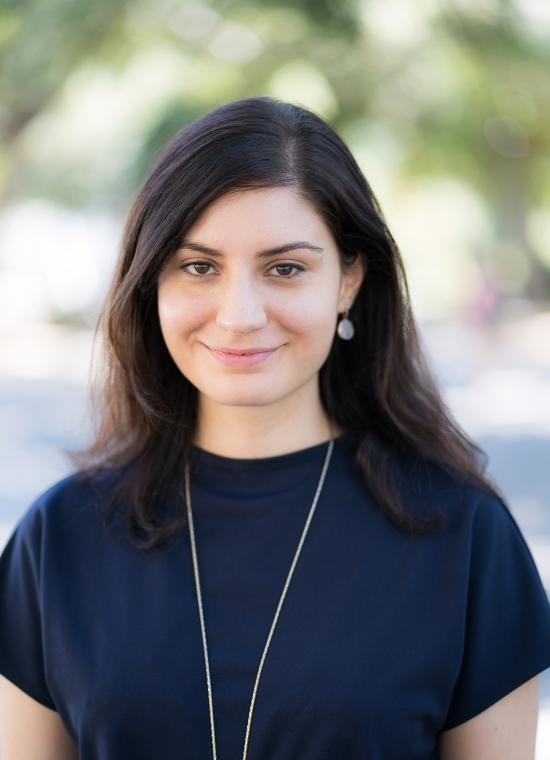
Alexandra Papoutsaki is an Associate Professor of Computer Science at Pomona College since 2017. Her research focuses on Human-Computer Interaction , particularly in webcam-based eye tracking and shared gaze for remote collaboration . Ph.D. in Computer Science from Brown University M.Sc. in Computer Science from Brown University B.Sc. in Computer Science from Athens University of Economics and Business Her work spans personal informatics , crowdsourcing methodologies , and remote usability testing , with recent projects examining collaborative drawing interfaces, baby tracking reflection, and digital health communities. Earlier contributions include computational biology research in genome-wide survival analysis and pan-cancer mutation networks. Key trends in her publications include: Remote collaboration tools enhanced by eye tracking Personal data systems for health and creative domains Foundational work in crowdsourcing quality control Interdisciplinary approaches combining computer science with psychology and medicine Scientific recognition includes: NSF CRII Grant (2020-2022) Wig Distinguished Professor Award (2020) Best Paper at RECOMB (2013) She has developed multiple open-source platforms including WebGazer for scalable eye tracking and Remotion for mobile usability testing. Her research team has published extensively in top venues like CHI, IMWUT, and IJCAI.
جستوجوی استاد و پژوهشگر
استاد راهنما، استاد دانشگاه یا پژوهشگر مناسب برای مسیر پژوهشیتان را پیدا کنید و با او ارتباط بگیرید.
نمایش ۱۶-۳۰ از ۱٬۰۳۲ استاد راهنما
اطلاعات این پروفایلها از صفحات عمومی دانشگاهها جمعآوری شده و ممکن است بهروز نباشد.
Dr James Herbert-Read is an Associate Professor and Whitten Lecturer in Marine Biology at the Department of Zoology, University of Cambridge. He serves as Deputy Head of Department (Postgraduate Education) and leads the Marine Behavioural Ecology Group. His research focuses on understanding how animals, particularly marine organisms, collect and process information from their environments to make behavioral decisions, with emphasis on social interactions, adaptation mechanisms, and ecological constraints. His group employs theoretical frameworks, controlled experiments, and quantitative field studies to investigate behavioral diversity in marine species. Key themes include collective behavior, predator-prey dynamics, camouflage strategies, and the impacts of environmental stressors on animal decision-making. Recent publications highlight work on lionfish vocalization mechanisms, cuttlefish camouflage, citizen science applications in marine research, and behavioral responses to visual and acoustic noise. Scientific awards and affiliations include: Whitten Lecturer in Marine Biology Associate Professor, University of Cambridge He has supervised research projects on topics such as: Social attraction in invasive fish species Evolution of coordinated movement Neurophysiological basis for leadership in shoals Maternal effects on offspring exploration

David Whitney is a Professor of Psychology at the University of California, Berkeley , with affiliations in Cognitive Science and Neuroscience . His research focuses on visual perception, particularly how humans process information in cluttered environments through mechanisms like ensemble perception , serial dependence , and perceptual crowding . He employs techniques such as psychophysics, fMRI, and TMS to study these phenomena. Whitney's recent work examines serial dependence in schizophrenia, emotion perception in crowds , and medical image analysis for dermatology and radiology. His studies reveal how the brain uses dynamic predictive templates and motion cues to stabilize perception despite neural processing delays. Publications span Current Biology , Nature Reviews Psychology , and PLoS ONE , with a strong emphasis on interdisciplinary applications of perceptual science. Scientific contributions include foundational studies on visuomotor control , blind spot filling-in , and holistic face processing . His lab investigates perceptual stability across eye movements, spatial localization, and cross-modal interactions. Whitney has received grants such as NIH EY018216 to support his research on motion-dependent visual coding. Detailed information about his work is available on the Whitney Lab website .
James Warwick Bisley is a Professor of Neurobiology in the School of Medicine at the University of California Los Angeles (UCLA). His research focuses on the neural mechanisms underlying visual attention, eye movement control, and spatial processing in the brain. Dr. Bisley has made significant contributions to understanding how the brain guides attention and eye movements during visual search tasks, particularly through his work on the lateral intraparietal area (LIP) and frontal eye field (FEF). Dr. Bisley earned his PhD in Neuroscience from the University of Melbourne in December 1997. His research has been consistently supported by NIH funding, including R01 grants R01EY027968 (2018-2022) and R01EY019273 (2008-2019), where he served as Principal Investigator investigating neural processing in covert attention and the neural mechanisms underlying the guidance of visual attention. His research interests span visual attention, neural remapping, eye movement control, and the neural basis of spatial cognition. Dr. Bisley's work has demonstrated how brain areas like LIP and FEF contribute to visual attention and eye movement planning through the creation of priority maps. His recent publications show an expansion into haptic feedback applications in robotic surgery, demonstrating the translational potential of basic neuroscience research to improve surgical technologies. Dr. Bisley's publication record from 2016-2022 reveals a dual research focus: approximately half of his work continues to explore fundamental mechanisms of visual attention and neural processing, while the other half applies these principles to enhance robotic surgical systems through improved haptic feedback and tactile sensing. This interdisciplinary approach bridges cognitive neuroscience with biomedical engineering to address practical challenges in medical technology. Neural processing in covert attention (NIH R01EY027968, 2018-2022) The Neural Mechanisms Underlying the Guidance of Visual Attention (NIH R01EY019273, 2008-2019) Dr. Bisley has established himself as a leading researcher in visual neuroscience, with numerous highly cited publications in top journals including Journal of Neuroscience, Cerebral Cortex, and Proceedings of the National Academy of Sciences. His collaborative work spans multiple disciplines, connecting basic neuroscience with engineering applications to create innovative solutions for medical challenges.

James Tungمشاهده پروفایل
دانشیار
James Tung is an Associate Professor at the University of Waterloo’s Faculty of Engineering, Department of Mechanical and Mechatronics Engineering. His research focuses on assistive technology, rehabilitation engineering, and mobility solutions for individuals with disabilities. He leads the Neural and Rehabilitation Engineering (NRE) Lab, which develops wearable sensors, robotics, and machine learning tools to enhance mobility and monitor motor rehabilitation. He teaches courses including BME 355 (Physiological Systems Modelling), BME 540 (Neural and Rehabilitation Engineering), and ME/MTE engineering modules. The lab collaborates with clinical and industry partners to translate research into practical solutions, addressing real-world mobility challenges and aging demographics. His research spans real-world gait analysis, fall risk assessment, and prosthetic design, with a focus on pediatric neurodevelopmental disorders and elderly mobility. The NRE Lab emphasizes interdisciplinary work, combining biomechanics, robotics, and data science to improve healthcare outcomes. Lab Alumni: Includes researchers like Robin Murdock (Myant Inc.), Andrew Hart, and Raj Senthilkumar, contributing to prosthetics and gait analysis. Partnerships: Engages clinical and industry stakeholders for knowledge translation and commercialization. Current projects include developing smart rollators, biofeedback prosthetics, and sensor-based assessment tools to address mobility limitations in aging populations and individuals with disabilities.
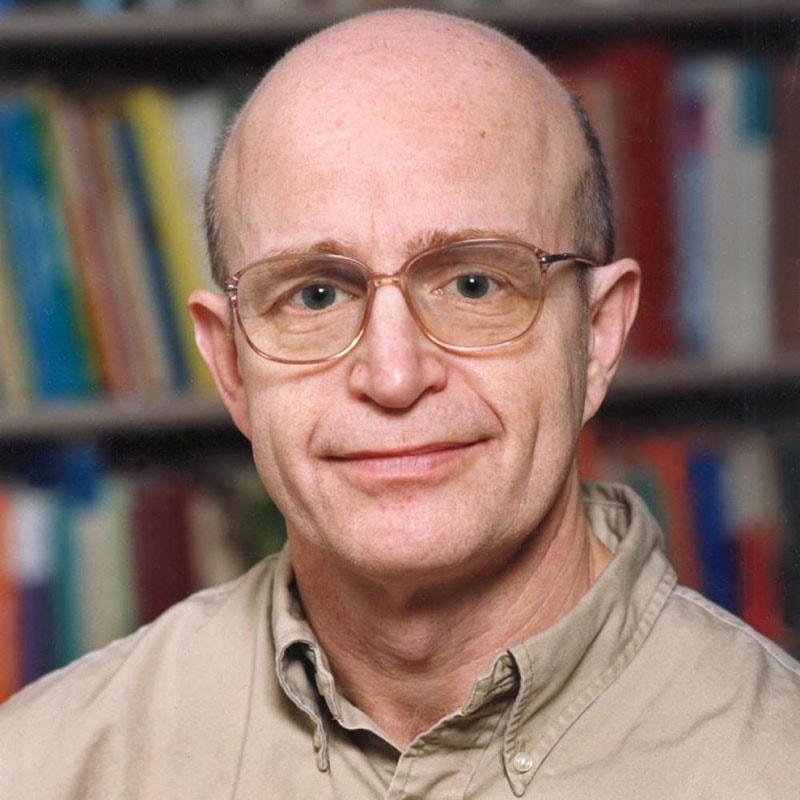
John R Anderson is the Richard King Mellon University Professor of Psychology and Computer Science at Carnegie Mellon University (CMU), affiliated with the Department of Psychology within the Dietrich College of Humanities and Social Sciences. His research focuses on understanding higher-level cognition, particularly mathematical problem-solving, through the development of the ACT-R cognitive architecture—a computational framework simulating human cognitive processes. This architecture integrates behavioral, neural, and educational data to model learning and decision-making. Anderson’s work bridges cognitive science, neuroscience, and educational technology. He investigates how brain imaging (e.g., fMRI, EEG) can reveal the temporal dynamics of cognitive processes and improve instructional methods. His research emphasizes analyzing brain activity time courses to uncover underlying mechanisms of problem-solving and skill acquisition. Key Research Themes: Cognitive architectures, neural correlates of learning, computational models of memory, and intelligent tutoring systems. Notable Contributions: Development of the ACT-R architecture, integration of neuroimaging with cognitive modeling, and studies on skill transfer and learning strategies. Anderson’s publications include seminal books like Cognitive Psychology and Its Implications and How Can the Human Mind Occur in the Physical Universe? His work has advanced understanding of associative memory, strategic decision-making, and the application of cognitive models in educational technology. His lab, the ACT-R Research Group, collaborates across disciplines to model complex cognitive tasks and their neural foundations. Current projects analyze real-time brain activity to refine educational interventions and improve human-machine interaction.
Patrick Sturtمشاهده پروفایل
دانشیار
Patrick Sturt is a Reader in Psychology at the University of Edinburgh's School of Philosophy, Psychology and Language Sciences. His research focuses on syntactic processing in language comprehension, computational models of incremental parsing, anaphor resolution, and eye movements in reading. With over 100 publications and more than 3,300 citations, he is a recognized expert in psycholinguistics and language processing. Dr. Sturt's research interests span multiple areas of language processing. He investigates how humans comprehend sentences in real-time, with particular focus on syntactic structures, agreement phenomena, and anaphoric reference. His work often employs eye-tracking methodologies to examine the moment-by-moment processing of linguistic information. He has made significant contributions to understanding how readers handle syntactic ambiguities, garden-path sentences, and the role of prediction in language comprehension. His recent publications demonstrate a strong focus on cross-linguistic studies, particularly examining language processing in Mandarin Chinese and Korean. Many of his studies investigate how syntactic and semantic information interact during comprehension, and how linguistic structures like honorifics, classifiers, and non-canonical word orders are processed. His work bridges theoretical linguistics with experimental psycholinguistics, providing empirical evidence for models of sentence processing. Dr. Sturt actively supervises PhD students including Carine Abraham, Wenjia Cai, Chiuchou Hao, Ruomeng Zhu, and Christy Gu. He teaches Psychology of Language 1 and 2 at the MSc level, as well as Data Analysis for Psychology in R for first-year undergraduates. His teaching reflects his research expertise, providing students with both theoretical knowledge and practical analytical skills. Based in Room G29 of the Psychology Building at 7 George Square, Edinburgh, Dr. Sturt maintains regular office hours on Tuesdays from 3-4pm, providing accessibility to students and colleagues. His email address is patrick.sturt@ed.ac.uk.
Jan Borchers is a full professor of computer science and head of the Media Computing Group, an endowed Chair in the Computer Science Department at RWTH Aachen University. He serves as deputy member of the Faculty Council for Mathematics, Computer Science and Natural Sciences (2024-2026) and previously headed the Computer Science Department's Examination Board from 2015 until February 2025. Borchers established his research group in 2003, pioneering modern HCI academic research and teaching in Germany, and opened Germany's first Fab Lab in 2009. Borchers received his PhD 'summa cum laude' in computer science from Darmstadt University of Technology in 2000. Before joining RWTH Aachen, he held faculty positions at Stanford University and ETH Zurich. His PhD thesis, 'A Pattern Approach to Interaction Design,' became the first book to bring design patterns to HCI. His research focuses on Human-Computer Interaction with particular interest in new user interfaces for soft robotics, textile user interfaces, 3D printing and personal fabrication, augmented reality, wearable and tangible computing, interfaces for software development, deceptive patterns, and interactive guides and exhibits. He is a member of ACM, SIGCHI, SIGCHI Germany, and GI, and introduced the Interactivity format to the CHI conference in 2005. Recent publications reveal a strong emphasis on deceptive patterns/dark patterns in UI design, textile interfaces, and the impact of generative AI on creative teamwork. His work spans from fundamental research in interaction techniques to practical applications in smart homes, accessibility, and children's interfaces, with a consistent focus on usability and user-centered design. IDC 2025 Best Work in Progress: 'If They Have No Choice, They'll Accept!' CHI'25 Student Games Competition Winner: 'The Deceptive Dungeon' RWTH-Wissenschaftsnacht 2024 Best Science Slam: 'Usability: 4 Prinzipien guter User Interfaces' Multiple CHI/UIST Honorable Mentions and Best Paper awards spanning two decades Author of influential books including 'A Pattern Approach to Interaction Design' and 'Arduino In A Nutshell' Borchers has provided extensive consulting, training, and user interface design services to major clients including AirBus, Apple, ARD, Bayer, Children's Museum Boston, Daimler, Handelsblatt, OTIS, Scout24, TEDx, and Deutsche Telekom. He actively organizes the Computer Science Department's weekly Faculty Lunch since 2003 and coordinates the department's public relations and web presence since 2010. He leads the Media Computing Group, which has become a leading German lab in terms of archival publications at CHI, the top international conference in HCI. Since March 2025, he serves as faculty patron for TechLabs Aachen, a student initiative providing practical digital skills training.

Gunnar Blohmمشاهده پروفایل
استادیار
Gunnar Blohm is an Assistant Professor in the Department of Biomedical and Molecular Sciences at Queen's University, affiliated with the School of Medicine and Faculty of Health Sciences. His research focuses on sensorimotor neuroscience, particularly 3D sensorimotor control, eye-hand coordination, and computational modeling of neural processes. He holds a Ph.D. from Université Catholique de Louvain and has held postdoctoral positions at York University and his alma mater. Cross-appointed to the School of Computing, Department of Psychology, and Department of Mathematics and Statistics, he is also Vice-Director of the Connected Minds initiative. His research integrates behavioral experiments, brain imaging (MEG/EEG), and patient studies to understand how sensory information is transformed into goal-directed actions. Key areas include visuomotor transformations, multisensory integration, and Bayesian processes in neural computations. Blohm leads the Computational Sensorimotor Neuroscience Lab, emphasizing collaborative projects like Neuromatch Academy and contributions to open science initiatives. Affiliated with Queen's Centre for Neuroscience Studies and Ingenuity Labs, his work bridges computational approaches with clinical applications, aiming to develop frameworks for understanding brain dysfunction and clinical tools. His recent articles explore topics like saccade dynamics, pupil responses, and generative adversarial collaborations in scientific discourse.

- Neurobiology of psychosomatic disease
- Computational and translational psychosomatics
- Sensorimotor gaze control
- +۳ مورد دیگر
Prof. Dr. Nadine Lehnen is a Research Group Leader at the Department of Psychosomatic Medicine , Faculty of Medicine, Technical University of Munich (TUM). Her work bridges computational neuroscience and psychosomatic disorders, focusing on the central nervous system (CNS) mechanisms underlying functional symptoms that lack organic explanations. Research Focus : Functional somatic disorders, sensorimotor processing, vestibular system dysfunction, and computational modeling of symptom pathogenesis. Key Collaborations : EURONET-SOMA Group, interdisciplinary teams in neuroscience and clinical psychology. Her recent studies explore sensorimotor dysregulation in irritable bowel syndrome, post-COVID symptoms, and functional dizziness, emphasizing transdiagnostic mechanisms. Publications highlight translational approaches combining computational and experimental methods to redefine understanding of persistent physical symptoms. She mentors students such as Dr. Lena Schröder and Dr. Dina von Werder, contributing to training in psychosomatic research. While no specific awards are listed, her work has been supported by institutional affiliations and collaborative grants.

Professor Kaat Alaerts is a leading researcher at KU Leuven's Faculty of Movement and Rehabilitation Sciences, where she serves as Head of the Neurorehabilitation Research Group and Professor in the Department of Rehabilitation Sciences. Her work bridges neuroscience, psychology, and rehabilitation science to develop innovative interventions for stress regulation and social-cognitive functioning, with a particular focus on autism spectrum disorder and related conditions. Her primary research interests span neurorehabilitation , oxytocin research , autism spectrum disorder , stress regulation , mindfulness and meditation , neurostimulation , and social cognition . Dr. Alaerts employs a multidisciplinary approach that combines neuroscientific, physiological, and behavioral methods to study both clinical effectiveness and underlying brain mechanisms of neuromodulatory interventions. The research output demonstrates a strong focus on exploring the therapeutic potential of oxytocin, particularly for autism spectrum disorder. Her work examines both the standalone effects of oxytocin and its synergistic effects when combined with mindfulness training or other interventions. A growing body of research also investigates the gut-brain axis in autism and the role of microbiome composition in social and stress-related difficulties. Dr. Alaerts has received notable recognition including the KAGB Clinical Medicine Award in September 2024 for her work on oxytocin administration in children with autism. Her research group has also been honored with multiple "Belgium's got talent" prizes from the Belgian College of Neuropsychopharmacology and Biological Psychiatry. As a dedicated mentor, Dr. Alaerts supervises numerous PhD students and postdoctoral researchers, including Margaux Evenepoel, Jellina Prinsen, Elise Tuerlinckx, and others who have made significant contributions to the field. Her research is supported by multiple substantial grants, including several ongoing projects running through 2028-2029 that investigate oxytocin's role in stress regulation for breast cancer survivors, autism, and other conditions. The Neuromodulation Laboratory, which Dr. Alaerts leads, focuses on three core domains: oxytocin neuropsychopharmacology, contemplative science and combinatory approaches, and neuroregulation techniques. The lab operates within a multidisciplinary network that includes the LBI - KU Leuven Brain Institute and maintains strong collaborative relationships across various research institutions.

Ana Serranoمشاهده پروفایل
دانشیار
Ana Serrano is an Associate Professor at Universidad de Zaragoza, Spain, where she is affiliated with the Graphics & Imaging Lab in the EINA (Edificio Ada Byron) school. She earned her PhD at the same institution under the supervision of Prof. Diego Gutierrez and Prof. Belen Masia, and completed a postdoctoral fellowship at the Max-Planck-Institute for Informatics under Prof. Karol Myszkowski. Her research focuses on visual computing , particularly in computational imaging , material appearance perception and editing , and virtual reality . She is especially interested in developing perceptually-driven methods that leverage knowledge of the human perceptual system to enhance user experiences and assist content creation in immersive environments. Her recent publications (2023–2025) span top-tier venues such as SIGGRAPH, CVPR, IEEE TVCG, and Eurographics. These works explore topics like saliency prediction in 3D and 360° video, crossmodal perception in VR, gloss modeling, radiance fields, and perceptual evaluation of immersive content. The research demonstrates a strong integration of machine learning, human perception, and computer graphics to solve real-world problems in visual computing. She has received several prestigious awards, including: Eurographics 2023 Young Researcher Award VGTC VR 2024 Significant New Researcher Award Eurographics 2020 PhD Award Adobe Research Fellowship (honorable mention, 2017) NVIDIA Graduate Fellowship (2018) Ana Serrano actively supervises PhD and Master’s students and has taught courses such as Virtual Reality, Computational Imaging, and Deep Learning applications. She serves as an Associate Editor for Computer Graphics Forum , ACM Transactions on Applied Perception , and Computers and Graphics , and has held leadership roles in major conferences including Eurographics (Tutorials co-chair, 2023), ACM SAP (Program co-chair, 2022), and CEIG (Program co-chair, 2022). Her professional service includes extensive program committee and reviewer roles for SIGGRAPH, IEEE VR, ISMAR, and others. She leads a vibrant research group focused on human perception in virtual environments, with current projects on computational models of attention and perception, integrated with physiological signals. Her lab, the Graphics & Imaging Lab, fosters interdisciplinary collaboration and innovation in visual computing.
Prof. Helen Blank is a Professor leading the Multisensory Perception Group and the Prediction in Communication Lab at the Institute for Systems Neuroscience, University Medical Center Hamburg-Eppendorf. Her work focuses on understanding how sensory information is integrated and predicted in contexts like speech perception and face recognition. She holds a Marie Curie Fellowship for her research on prior information's role in human communication. Fluent in German, English, and French, she contributes to experimental medicine and systems neuroscience. Her research spans predictive coding, neuroimaging, and clinical applications in Parkinson’s and developmental disorders. Education: Not explicitly stated in text, inferred as advanced degrees in neuroscience or related fields. Her research interests emphasize multisensory integration, predictive processing in speech and vision, and the neural bases of perception. Recent articles explore topics such as pupil responses to auditory surprise, face expectation hierarchies, and audio-visual speech processing. Awards include the Marie Curie Fellowship supporting her predictive communication work. She leads interdisciplinary teams within the Center for Experimental Medicine, advancing knowledge on perceptual mechanisms and their clinical implications.

Professor Christian F. Doeller is a leading cognitive neuroscientist serving as Director of the Department of Psychology at the Max Planck Institute for Human Cognitive and Brain Sciences (MPI CBS) in Leipzig and Vice President of the Max Planck Society (since 2023). His roles include honorary professorships at the University of Leipzig (2019) and TU Dresden (Cognitive Neuroscience of Learning and Memory). He holds a PhD in Psychology from Saarland University (2005) and has held positions at institutions such as UCL (London), Radboud University (Nijmegen), and NTNU (Trondheim). His research focuses on spatial navigation, memory systems, and cognitive mapping in the human brain, leveraging neuroimaging (fMRI, EEG) and computational modeling. Key areas include hippocampal/entorhinal cortical function, grid cells, and the neural basis of spatial and conceptual representations. Recent work explores non-Euclidean spatial cognition, value-based decision making using grid-like maps, and hormonal influences on navigation. His lab combines experimental psychology, neuroimaging, and theoretical neuroscience to understand how brains build predictive models of environments and concepts. Publications emphasize cognitive maps, neural representations of space/value, and memory formation mechanisms. Over 100 journal articles span high-impact journals like Nature Neuroscience , Neuron , and Current Biology . His work bridges basic research and translational applications in neurodegenerative disorders and spatial cognition deficits.

- Neuroscience
- Psychology
- Cognitive Science
- +۳ مورد دیگر
Kris Baetens is a Professor in the Department of Psychology Brain, Body and Cognition at Vrije Universiteit Brussel (VUB). His research focuses on the neural mechanisms underlying social cognition, mentalization, and inhibitory control, particularly exploring the role of the cerebellum and prefrontal cortex in these processes. He employs techniques such as transcranial direct current stimulation (tDCS), EEG, and fMRI to investigate cognitive and clinical phenomena. Leading projects like ANI423 (neural correlates of inhibitory control in adolescents) and FWOAL1160 (cerebellum's role in social cognition). Recipient of the EUTOPIA Young Leaders Academy fellowship (2024-2026). Active collaborations in the PRISM network for mental health research. Key research interests include: - Cerebellar contributions to cognitive and social functions - Neurostimulation techniques for mental health interventions - Mentalizing processes in social action prediction - Personality and learning mechanisms His articles consistently analyze the interplay between neural structures like the cerebellum and behavioral outcomes in clinical and cognitive contexts. Recent work emphasizes applications of tDCS in treating alcohol use disorders and disordered eating, highlighting translational research in non-invasive brain stimulation. Advising/Grants: Supervises student research projects and manages grants from FWO and OZR agencies. Labs/Teams: Core member of the PRISM network and involved in the EUTOPIA fellowship initiative.
فقط ۷۵۰ نتیجه اول نمایش داده میشود. برای رسیدن به نتایج دقیقتر، جستوجو را با فیلترها محدودتر کنید.