Nathaniel Alan Brunsell is a Professor and Director of the Environmental Studies Program at the University of Kansas. His research focuses on biometeorology, remote sensing of surface energy balance, and climate change impacts. He leads the Environmental Studies Program, overseeing interdisciplinary environmental research and education. Key research areas include land-atmosphere interactions, turbulence measurements using scintillometry and eddy covariance, and the ecological consequences of regional climate change. He collaborates on NASA missions like ECOSTRESS to advance evapotranspiration measurement capabilities. His grants include leadership in the Konza Cluster for the AmeriFlux Network and contributions to studies on urban heat islands and carbon cycle science. Brunsell teaches courses such as Land-Atmosphere Interactions, Atmospheric Turbulence, and Microclimatology, integrating theoretical and applied aspects of environmental science. His work bridges field observations, remote sensing, and numerical modeling to address challenges in climate science, sustainable agriculture, and environmental policy.
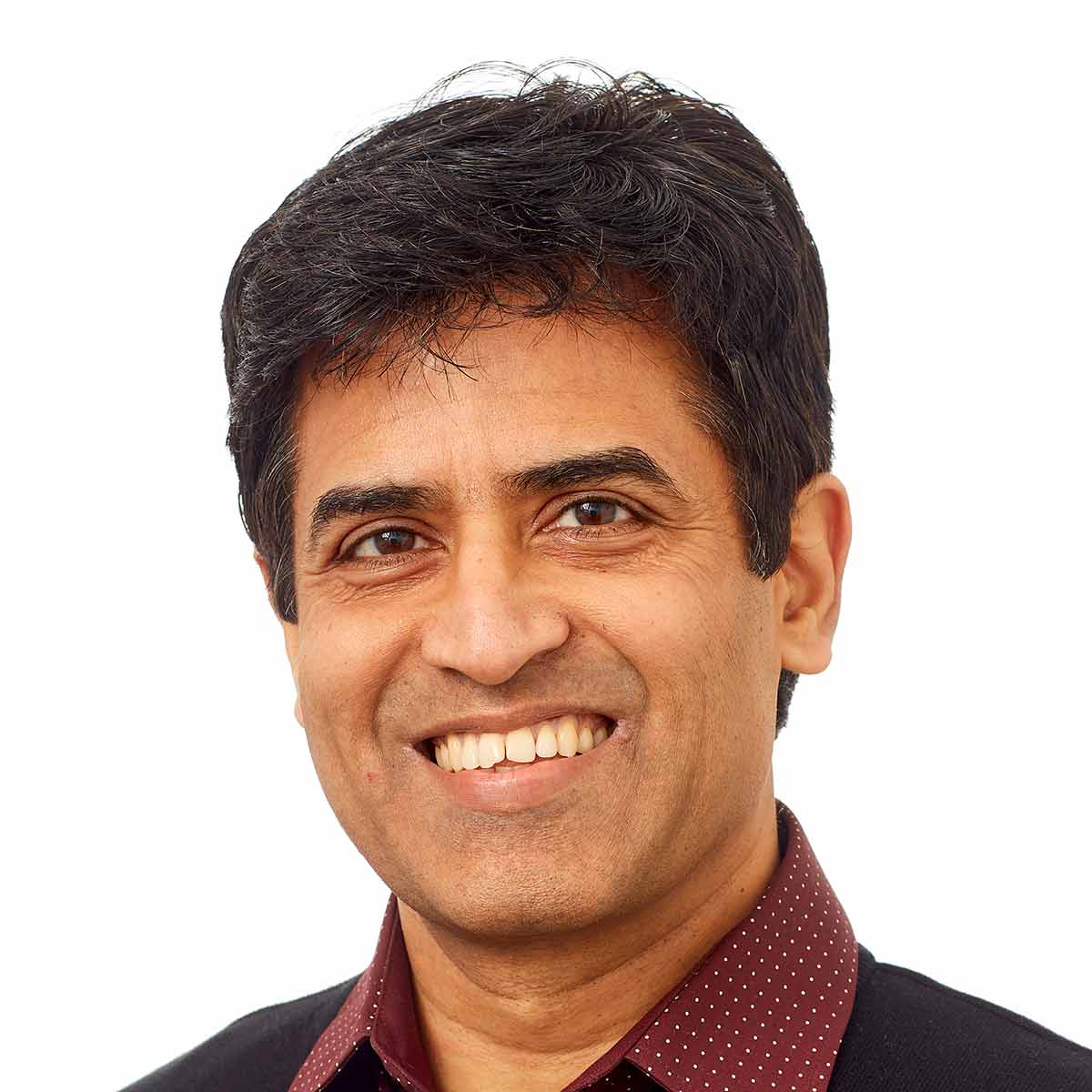
Prem Kumar is a Professor in the Department of Physics at Swansea University, holding a Personal Chair position. He is affiliated with the Particle Physics and Cosmology Theory (PPCT) group. His research focuses on the intersection of Quantum Field Theory and String Theory/Gravity, including specialized areas like gauge/gravity duality and supersymmetric Yang-Mills theories. Kumar earned his undergraduate degree in Electrical Engineering from the Indian Institute of Technology Madras and a PhD in Theoretical Physics from Carnegie Mellon University. He held postdoctoral positions at the University of Washington and Cambridge University before joining Swansea under a 5-year PPARC Advanced Fellowship. He has been a faculty member since 2005 and Professor since 2012. His research employs analytical and computational methods to explore quantum phenomena in high-energy physics, thermal field theories, and random matrix applications in theoretical frameworks. Recent publications analyze atmospheric physics and climate extremes, with recurring themes in synoptic-scale precursors to extreme weather and climate model downscaling. Scientific awards include the prestigious PPARC Advanced Fellowship and Personal Chair recognition. Kumar actively advises postgraduate students and contributes to theoretical physics research groups exploring quantum-gravitational interactions.
Maria Shahgedanova is a Professor in the Department of Meteorology at the University of Reading, Faculty of Science. She serves as Programme Co-Director for the MSc in Environmental Management and teaches climatology and climate change at both undergraduate and postgraduate levels. She is affiliated with key research groups including the Walker Institute, Water@Reading, and the Environmental Science Research Division. Research Interests: Her work centers on climate change and variability in extratropical Eurasia and mountainous regions, with emphasis on the mountain cryosphere, glacier dynamics, water resources, and natural hazards. She investigates the impacts of light-absorbing impurities on snowmelt, uses stable water isotopes in hydrological assessments, and develops meteorological forecasts for early warning systems. Her research is particularly focused on Central Asia and High Mountain Asia. The recent publications reflect a strong trend in climate-hydrology interactions in glacierized environments, with increasing emphasis on disaster risk reduction, isotope hydrology, and climate adaptation. Much of her work integrates remote sensing, modeling, and field data to assess future water security and hazards under climate change. University of Reading Engagement and Impact Award (2022) Schlumberger Foundation Fellowship Climate and Cryosphere (CliC) Fellowship Contributing Author, IPCC SROCC Chapter on High Mountain Areas Maria leads multiple international research projects funded by IAEA, UKRI, the Royal Society, and GCRF. She supervises PhD students including Qiao Li and Saule Suleimenova, and mentors postdoctoral researchers such as Dr. Gavkhar Mamadjanova and Dr. Vadim Yapiyev. She leads the Mountain Observatories working group at the Mountain Research Initiative (MRI) and established the Central Asia Research and Adaptation Water Network (CARAWAN), enhancing regional collaboration and capacity building. Her team’s work at the Tuyuksu Mountain Observatory has gained international recognition, including coverage in the New York Times . She actively collaborates with ECMWF, WMO’s Third Pole Regional Climate Change Network (TPRCC), and IAEA’s GLOWAL network, demonstrating strong engagement in global climate science initiatives.
Dr. Hesham El-Askary is a Professor of Computational and Data Science at Schmid College of Science and Technology, Chapman University . With expertise in Global Climate Change, Remote Sensing, and Natural Disasters , his research spans atmospheric aerosols, marine ecosystems, and sustainable resource management. He holds a Ph.D. in Computational Sciences from George Mason University. B.Sc. Alexandria University M.Sc. George Mason University (×2) Ph.D. George Mason University His research interests focus on: Dust storm monitoring via remote sensing Climate change impacts on sea-level rise and coral reefs Renewable energy for sustainability Hydrological extremes and drought analysis AI/ML applications in environmental science Marine habitat and coastal zone management Recent publications highlight his work in: Machine learning for groundwater vulnerability Land surface temperature trends Coral reef monitoring in the Red Sea Solar energy optimization in Egypt/UAE Drought prediction in Mediterranean regions Awards & Grants : Chapman University Senior Wang-Fradkin Professorship (2015) Regional Coordinator for EU Horizon 2020 GEO-CRADLE Project ($3M, 2016) Saudi Environmental Management Award (2006) Funding from NSF, NASA, USDA, and EU As a IEEE and AGU member , he bridges environmental science with advanced computational methods.
Lesley De Cruz is a Research Fellow at Vrije Universiteit Brussel's Electronics and Informatics department within the School of Electronics and Computer Science, with concurrent research affiliation at the Royal Meteorological Institute of Belgium since 2012. Current projects include climate-resilient urban modeling through BRGEOZ464 and flood prediction systems under FWOAL1127. Research focuses on AI-driven climate modeling with expertise in nonlinear dimension reduction (DIRESA framework), urban climate resilience, and renewable energy meteorology. Key methodologies integrate deep learning with environmental physics for applications including real-time flood prediction offshore wind farm optimization LEGO-based urban climate prototyping regional climate downscaling Recent publications (2023-2025) demonstrate strong trends in geospatial AI for environmental systems, with 64% focusing on climate change impact analysis, 54% on urban applications, and 51% on control measure development. The DIRESA framework represents a significant contribution to nonlinear dimension reduction in climate informatics. Awards include: Matìère Grise Science Communication Trophy (2024) Major media recognition for breakthrough rainfall prediction model (2021) Supervises multiple PhD candidates and leads public engagement initiatives including CurieuCity and Dag Van de Wetenschap. Current grants total 12 active projects (2021-2029) with €2.8M+ funding, primarily focused on climate adaptation and sustainable technology development. Labs and teams include the Climate Informatics Group at VUB and collaborative networks with Ghent University and the Flemish Institute for Carbon-Aware Technologies.
Dr. Thao Linh Tran is a Research Fellow at the Australian National University (ANU), affiliated with the Institute for Climate, Energy & Disaster Solutions and the Research School of Earth Sciences. Her research focuses on tropical cyclogenesis, tropical cyclone dynamics, and aerosol interventions. She joined ANU in 2022 to investigate mechanisms and predictions for tropical cyclones using coupled atmosphere-ocean models. Education PhD in Meteorology, University of New South Wales Canberra (2022) Research Interests Tran’s work addresses tropical cyclone characteristics, climate change impacts on cyclones, and aerosol-based interventions. She employs pseudo-global warming simulations and observational data to study future cyclone behavior in Southeast Asia. Her interdisciplinary approach bridges climate science with disaster risk reduction. Labs/Teams She collaborates with groups including: Earth Systems Research Team Extreme Events and Future Scenarios Group Risk, Vulnerability, and Resilience Initiative Tran’s prior career as a broadcast meteorologist emphasized science communication, producing disaster awareness programs for television and participating in World Meteorological Organization campaigns to enhance public climate literacy.
Assoc. Prof. Dr. İsmail Dabanlı is an Associate Professor in the Department of Civil Engineering at Istanbul Technical University. He has held this position since 2021 after serving as an Associate Professor at Istanbul Medipol University from 2019 to 2021, where he also served as Deputy Head of Department from 2018 to 2020. His academic career began as a Research Assistant at Istanbul Technical University in 2011, where he later completed his Integrated Doctorate in Hydraulic and Water Resources Engineering. Dr. Dabanlı earned his Integrated Doctorate in Hydraulic and Water Resources Engineering from Istanbul Technical University between 2011 and 2017. He holds dual bachelor's degrees from the same institution: a Licence in Civil Engineering (2005-2010) and a Bachelor's Degree in Architecture (2007-2011). He also served as a Visiting Researcher at Clemson University from 2016 to 2017, expanding his international research experience. Dr. Dabanlı's research focuses on numerical modeling, hydrology, and risk analysis, with particular emphasis on climate change impacts, drought assessment, and water resources management. His work spans both theoretical developments in trend analysis methodologies and practical applications across Turkey, Algeria, and the Mediterranean basin. He has developed and applied innovative statistical approaches for analyzing hydroclimatic variables including precipitation, temperature, and sea surface temperatures, with significant contributions to the Innovative Trend Analysis (ITA) methodology. His publication record shows a strong focus on Mediterranean climate systems, drought characterization, and flood analysis. His recent work has increasingly addressed practical climate adaptation strategies, including urban water scarcity mitigation and UNESCO World Heritage site protection. The breadth of his research demonstrates a consistent trajectory from fundamental hydrological science to applied solutions for water management challenges under climate change. Dr. Dabanlı serves as a member of both the Chamber of Architects (since 2011) and the Chamber of Civil Engineers (since 2010), reflecting his interdisciplinary background that bridges civil engineering and architecture. His editorial work includes serving as Editor for journals related to climate change and water resources since 2018. As an academic advisor, Dr. Dabanlı has supervised graduate students including AYDIN KADRİ YURTSEVER (research on earthquake impacts on groundwater levels) and ALI ALTAS (research on probability-based drought analysis across Turkey). He has led significant research projects including the 'Determination of Long-Term Drought Trends Across Türkiye' (2023-2024) and the 'RESEARCH OF TOPKAPI PALACE HISTORICAL WATER SUPPLY ELEMENTS' (2021-2024), which connects historical water systems with modern engineering approaches. Dr. Dabanlı's work on Topkapı Palace's historical water supply systems demonstrates his interest in integrating historical engineering knowledge with contemporary water management challenges. His research portfolio shows a consistent trajectory from fundamental hydrological research to applied climate change impact studies with direct policy relevance, making significant contributions to both academic knowledge and practical water resource management solutions in Turkey and beyond.
Zaitao Pan is a Professor in the Department of Earth and Atmospheric Sciences at Saint Louis University's School of Science and Engineering. His research focuses on regional climate changes, mesoscale atmospheric phenomena, land surface processes, and ecosystem modeling, with interdisciplinary applications in geophysics and phytopathology. Ph.D., Iowa State University (1996) M.S., University of the Philippines (1983) B.S., Nanjing University (1978) Pan's work examines the interplay between climate systems and terrestrial ecosystems, particularly through land-atmosphere interactions, mesoscale weather dynamics, and climate change impacts on agricultural systems. His research includes modeling climate anomalies like "warming holes" and analyzing soybean rust dispersal patterns. Recent publications highlight his contributions to understanding climate feedback mechanisms, hydrological processes in flood simulations, and the influence of land use changes on regional climate systems. He has extensively studied the 1993 Midwest flood and developed methods for improving regional climate simulations through land surface parameterization.
Prof. Dr. Wolfgang Buermann is the Chair of Physical Geography and Climate Science at the Institute of Geography , University of Augsburg. His research focuses on climate impacts on ecosystems, carbon cycling, and biodiversity using Earth system models and satellite data. Education: Master of Science in Physics, University of Connecticut (1997) PhD in Earth and Environment, Boston University (2002) Research Themes: Land surface-atmosphere coupling, ecosystem responses to climate change, global carbon cycle, and novel satellite data applications for vegetation monitoring. Recent work highlights include studies on climate extremes, CO2 exchange in high latitudes, and carbon sequestration through rock weathering. Article Trends: His publications emphasize climate-vegetation interactions, carbon cycle feedbacks, and remote sensing innovations. Key topics include drought impacts on productivity, seasonal CO2 amplitude changes, and Amazonian climate dynamics. Grants: Secured over $2M in research funding from NASA, EU, UK, and German agencies. Team Affiliation: Leads the Physical Geography and Climate Science group at the University of Augsburg, collaborating with researchers like Prof. Dr. Christoph Beck and PD Dr. Andreas Philipp.
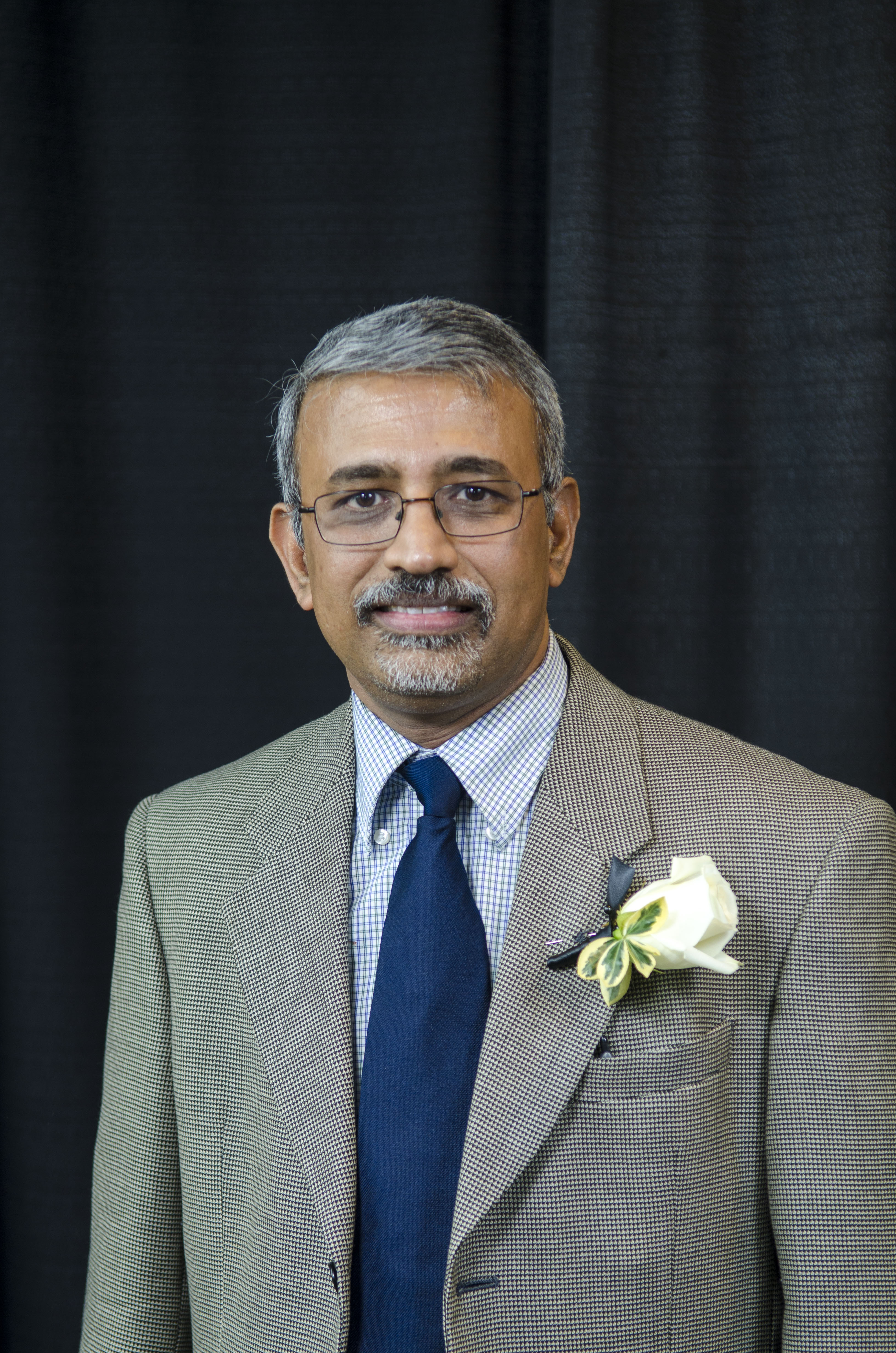
Rajagopalan Balaji is a Professor and Chair in the Department of Civil, Environmental, and Architectural Engineering at the University of Colorado Boulder, with a fellowship at the Cooperative Institute for Research in Environmental Sciences (CIRES). His work bridges climate science and water resources engineering, focusing on sustainable water management under climate variability. Education: B.Tech from NIT Kurukshetra (1989), M.Tech from Indian Statistical Institute (1991), and Ph.D. in Stochastic Hydroclimatology from Utah State University (1995). Research Themes: Climate drivers of hydrology, ensemble hydroclimate projections, decision support systems, Indian monsoon variability, big-data techniques, and Arctic sea-ice dynamics. Scientific Contributions: Over 50 peer-reviewed publications, including work on Science (2005) and Geophysical Research Letters (multiple). His Google Scholar articles (2025-2020) emphasize wildfire impacts on water quality, Bayesian forecasting models, and global lake storage trends. Awards: Devendra Lal Memorial Medal (2021), CIRES Fellow (2001-present). Students: Supervised 11 M.S. and Ph.D. students, including Katrina Grantz (Ph.D. 2005) and James Prairie (Ph.D. 2005). Applied Interests: Climate-informed reservoir operations, construction safety analytics, and paleoclimate reconstructions for modern water planning. His team develops tools like the SCHAAKE Shuffle for weather resampling.
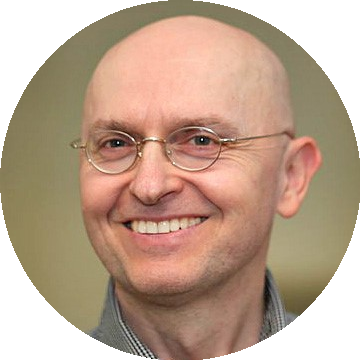
Andreas Riedl is an Assistant Professor at the Department of Geography and Regional Research, University of Vienna, where he serves as Head of the Hyperglobe Research Group and Vice-Director of Studies for Geography. His work bridges cartographic heritage with cutting-edge geospatial technology, focusing on spherical display systems for global data visualization. His educational background includes a Doctorate in Geography/Cartography from the University of Vienna (1987-1992) and an Industrial Engineering degree from HTL-Hollabrunn (1979-1985). Career milestones include research at Simon Fraser University (1995-1996) and software development at ITC Enschede (1996). Riedl's research centers on Hyperglobes —interactive 1.2-meter spherical displays that visualize weather patterns, continental drift, and climate change through dual 4K projection. His group operates these systems for public education, serving schools and museums with free demonstrations of geophysical phenomena, flora/fauna distributions, and extraterrestrial topics. Complementing this, he advances GIS applications in urban planning, 3D visualization, and multimedia geocommunication. Analysis of his 15 most recent publications reveals dual research trajectories: (1) Environmental hydrology studies quantifying dew/fog water inputs in grasslands using isotope tracing and micro-lysimeters, and (2) Media studies examining migration coverage, journalistic roles, and gender representation in news. Both strands emphasize data visualization's role in public understanding of complex systems. As an educator, Riedl supervises Master's theses on GIS implementation, 3D city modeling, and geovisualization. His students explore topics including e-charging infrastructure planning, infographic-style maps, and AR navigation systems, reflecting his commitment to applied spatial analysis. The Hyperglobe Research Group provides critical infrastructure for these projects through its spherical display technology and public engagement initiatives.
Dr. Michael Leonard is an Associate Professor in the School of Architecture and Civil Engineering at the University of Adelaide, affiliated with the Environmental Engineering department. His research focuses on applying numerical and statistical models to environmental engineering challenges, particularly flood risk assessment, hydrological modeling, and water security. He has expertise in stochastic rainfall modeling, multivariate extremes, and climate change impacts. Dr. Leonard’s work emphasizes understanding hazardous environmental systems and improving flood risk management strategies. He is eligible to supervise Masters and PhD students in these areas. His research interests include flood modeling, climate adaptation, and sustainable water resource management. He has contributed to projects such as coastal flood risk analysis, brackish groundwater desalination, and global hydrological change detection. His recent articles highlight trends in flood magnitude, rainfall extremes, and the integration of climate indices to predict hydrological extremes. He has also explored the implications of climate change on water distribution systems and infrastructure resilience. Dr. Leonard collaborates on initiatives like the Global Streamflow Indices and Metadata Archive (GSIM), advancing big data applications in hydrological analysis. His work bridges theoretical models with practical engineering solutions, addressing real-world challenges in water security and environmental sustainability.
Danielle Touma is a Research Assistant Professor at The University of Texas at Austin, affiliated with the Institute for Geophysics within the Jackson School of Geosciences. She holds an office at ROC and can be reached at danielle.touma@utexas.edu . Her research focuses on climate variability, extreme climate events, hydroclimatology, and natural hazards. She is based at 2305 Speedway Stop C1160, Austin, TX 78712-1692, and can be contacted at (512) 471-6048. Research Interests : Dr. Touma’s work examines the interplay between climate change and extreme weather phenomena, including wildfire risk amplification, hydroclimatic volatility, and the impacts of vegetation dynamics on precipitation regimes. She also explores attribution methods for linking extreme events to anthropogenic climate drivers, with a focus on nonstationary climate systems and multi-dimensional risk assessment. Key Contributions : Her research has highlighted the growing frequency of extreme rainfall events and their compounding effects on post-wildfire landscapes, as well as the role of stratospheric aerosol injection in fire weather mitigation. She has also contributed to understanding tropical cyclone precipitation patterns and the regional impacts of greenhouse gas emissions. Affiliations and Labs : As part of the Institute for Geophysics, she collaborates on projects addressing climate variability and natural hazards, leveraging advanced modeling and observational data to inform environmental policy and disaster preparedness.
Avantika Gori is an Assistant Professor in the Department of Civil and Environmental Engineering at Rice University. Her research focuses on coastal flood risk under evolving climate conditions, encompassing tropical cyclone climatology, probabilistic flood hazard assessment, and the interaction of hazards with urban development. She earned her B.S. and M.S. from Rice University and a Ph.D. from Princeton University. Research interests include compound flood hazards, climate impacts on storm systems, and resilience strategies for coastal communities. Notable grants include NASA Disasters Program funding for Houston-Galveston risk projections and NSF support for rural Texas flood resilience. She co-leads the CERCat research consortium and the AI for Climate Risk and Resilience initiative. Awards include the Wallace Memorial Fellowship and AGU Natural Hazards Award. Her team includes Ph.D. students and postdocs working on topics like compound hazards, machine learning applications, and flood modeling. She teaches courses on coastal hazards and fluid mechanics.
Robert Balling is a Professor at Arizona State University (ASU) within the School of Geographical Sciences and Urban Planning. He holds affiliations with the Urban Climate Research Center, Water Institute, and Global Drylands Center. His research focuses on climatology, global climate change, and GIS applications, with a particular emphasis on blending numerical climate models with observational data. Balling has authored four books on climate change and served as a science consultant to the United Nations. He directed the Master of Advanced Study in Geographic Information Systems (MAS-GIS) program and received the 2011 ASU Professor of the Year award from the Order of Omega Greek Honorary Society. Education: Ph.D. Geography, University of Oklahoma (1979); M.A. Geography, Bowling Green State University (1975); A.B. Geography, Wittenberg University (1974). Research Interests: Climatology, global climate change, GIS applications, precipitation patterns, urban climate dynamics, and water resource management. His work often involves analyzing climate model outputs, satellite-based observations, and historical climate data to assess climate variability and human impacts. Grants & Service: Balling has led numerous grants, including projects on climate adaptation, drought forecasting, and urban CO2 domes. He served as a Senior Fellow at the Goldwater Institute and contributed to the UN’s Intergovernmental Panel on Climate Change (IPCC). His presentations and lectures address climate change skepticism and policy implications. Awards: Recognized for his teaching excellence and contributions to climate science, including the 2011 ASU Professor of the Year award.