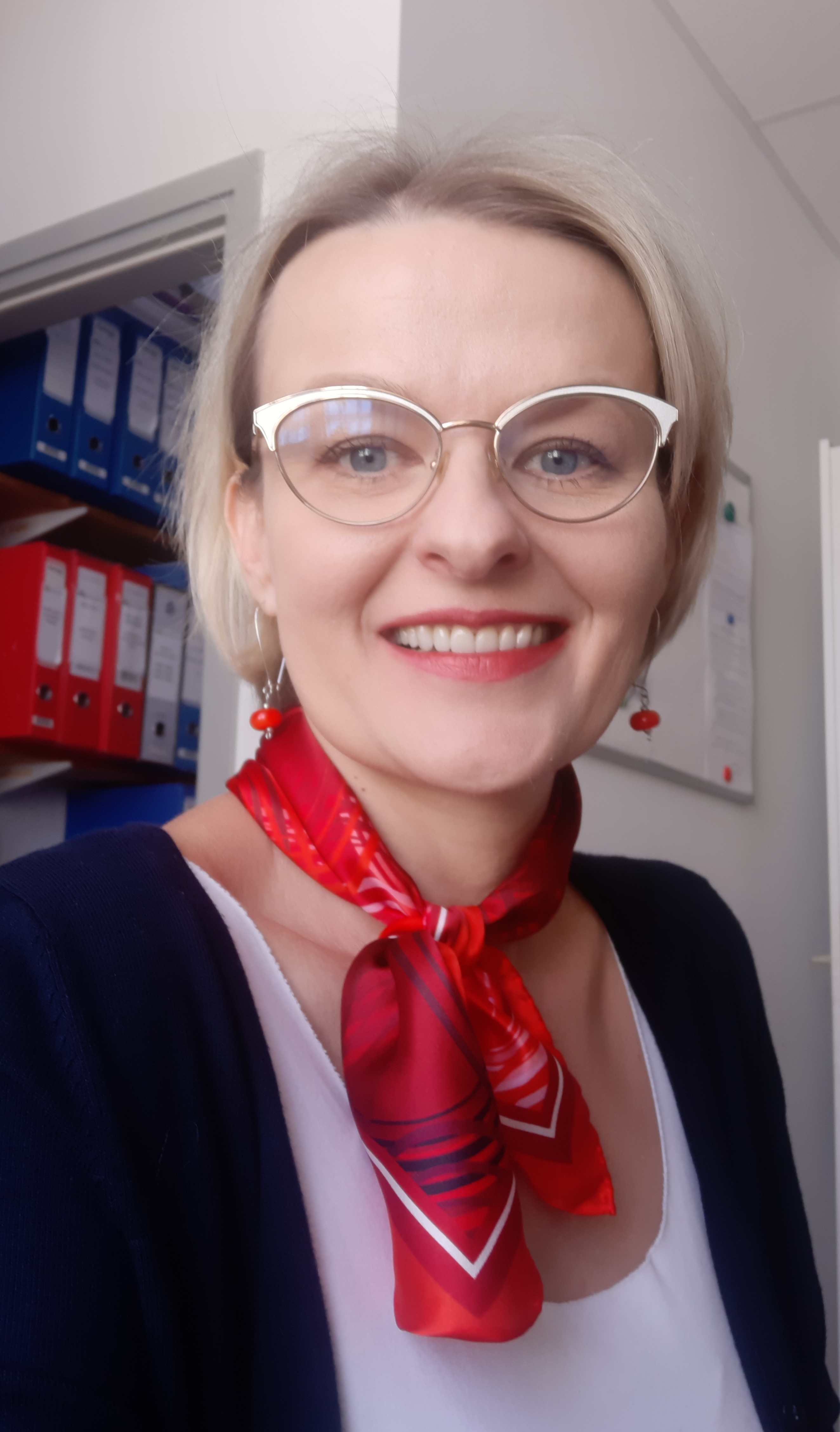
Samir Kalit is a Full Professor at the University of Zagreb, Faculty of Agriculture, Department of Dairy Science. His career spans over 25 years of academic work in cheesemaking and dairy science. PhD in Biochemical processes during ripening of Tounj cheese (University of Zagreb, 1999-2003) Master's research on somatic cells in Podravec cheese (University of Zagreb, 1995-1999) Bachelor's research on somatic cells in milk (University of Zagreb, 1989-1995) Professor Kalit's research focuses on cheese ripening dynamics, milk quality optimization, and traditional cheese preservation methods. His work bridges biochemical analysis with sensory evaluation of dairy products. Recent publications examine oil-ripening effects on goat cheese, salt content impacts on cheese texture, and biochemical changes during traditional cheese maturation. These studies span dairy chemistry, food microbiology, and sensory science. He coordinates multiple research projects including: Ecological production methods for cheese authenticity (2007-2013, MZOS) Technological parameters for traditional cheese protection (2007-2013, MZOS) Milk heat treatment optimization for sheep yogurt (2017, University of Zagreb) Professor Kalit also contributes to dairy education through courses in cheese technology, milk processing, and dairy waste management.
Assoc. Prof. Milna Tudor Kalit, PhD, is an Associate Professor at the Department of Dairy Science, University of Zagreb Faculty of Agriculture. Her work focuses on food safety , cheesemaking , and the biochemistry of cheese ripening , with a particular interest in traditional dairy products and their role in human diet. She teaches courses such as 'Biochemistry and Technology of Cheese Ripening' and 'Food Safety'. Education: PhD in Biotechnical Sciences (University of Zagreb Faculty of Food Technology and Biotechnology, 2012), thesis: 'Characterization of cheese in a sack according to free fatty acid profile, physicochemical and sensory properties' BSc in Food Technology (University of Zagreb Faculty of Food Technology and Biotechnology, 2005) Research Highlights: Milna investigates the physicochemical and sensory properties of traditional cheeses like Škripavac and Bračka skuta, and explores innovations in ice cream production, whey utilization, and functional dairy foods. Her work often involves sensory evaluation, proteolysis, and physicochemical analysis. Projects: She has led grants funded by the European Social Fund and University of Zagreb, including optimizing milk thermal treatment for sheep milk yogurt and mathematical modeling for milk standardization in traditional cheese production. Professional Involvement: Milna is a member of the editorial board of Mljekarstvo and Mlijeko i ja , the Croatian Association of Food Technologists, and an expert panel for cheese sensory evaluation.
Assoc. Prof. Ana-Marija Jagatić Korenika is an Associate Professor at the Department of Viticulture and Enology, Faculty of Agriculture, University of Zagreb. Her work spans research, teaching, and industry collaboration in wine chemistry and sensory analysis. Education PhD in Agricultural Sciences (University of Zagreb, 2015) MSc in Agricultural Sciences (University of Zagreb, 2008) Research Interests She focuses on enology , polyphenolic and aromatic wine composition , and sensory evaluation . Her studies explore yeast fermentation dynamics , alternative viticultural practices , and analytical methodologies like NMR and GC/MS. Projects Metabolomics and Molecular Markers in Grapevine Breeding (Croatian Science Foundation, 2023-2027, Coordinator) New Beginnings for Old Croatian Grape Varieties (EU Programs, 2019-2022, Coordinator) Mycorrhizal Applications in Viticulture (Zagreb County, 2016-2019, Coordinator) Professional Activities She leads the extracurricular Wine Group at the Faculty of Agriculture and serves as an international expert for wine sensory evaluation. Her collaborations include the University of Padova (DAFNAE) and Vinidea/Sive, with extensive involvement in EU-funded initiatives.
Assoc. Prof. Marin Mihaljević Žulj is an Associate Professor at the University of Zagreb, Faculty of Agriculture, within the Department of Viticulture and Enology. His research focuses on wine technology, chemical composition analysis, and fruit spirits production. PhD in Agriculture (2015), Faculty of Agriculture Zagreb Specializes in untypical aging off-flavors (UTA) in wines and analytical methods for aroma and phenolic compounds. Involved in projects addressing patulin reduction in apple products, protein stabilization in white wines, and revitalizing Croatian grape varieties. Directs research and teaching initiatives funded by the Croatian Science Foundation, EU programs, and University of Zagreb. His recent publications highlight advancements in GC-MS techniques, aroma profiling, and chemical stability in wines. Teaching responsibilities include wine technology, fruit spirits quality, and practical training in viticulture.
Prof. Sandra Voća serves as Full Professor in the Department of Sustainable Technologies and Renewable Energy Sources at the Faculty of Agriculture, University of Zagreb. Appointed to this rank in 2022 after progressive promotions from Assistant (1998) through Associate Professor (2012-2017), she teaches 12 specialized courses including non-invasive food processing methods, nutritional evaluation of horticultural products, and sustainable agricultural-energy systems management. Education: PhD (2007): Faculty of Agriculture, University of Zagreb. Thesis: Nitrification and denitrification ammonical nitrogen in waste water from coke produce of with mix bacteriological cultures MSc (2003): Faculty of Agriculture, University of Zagreb. Thesis: Fruit quality of strawberry (Fragaria x ananassa duch.) in different harvest time BSc (1991-1996): Faculty of Food Technology and Biotechnology, University of Zagreb Her research pioneers technological innovations in fruit/vegetable processing with emphases on nutritional preservation, bioactive compound analysis, and sustainable waste valorization. Current work integrates hydroponic cultivation, hybrid drying techniques, and non-destructive quality assessment to enhance Mediterranean crop value chains while reducing post-harvest losses. Key methodologies include ultrasound-assisted extraction and phytochemical profiling of wild edible species. Publication analysis (2009-2016) reveals consistent focus on bioactive compounds across strawberry, cherry, and Rubus species, with methodological evolution toward ultrasound extraction and waste-stream utilization. Research spans food chemistry, horticultural science, and sustainable engineering, demonstrating increasing interdisciplinary collaboration in later works. Research Leadership: Principal investigator for Croatian Science Foundation projects: Nutritive value of nettle (2020-2024), Hybrid drying of plant waste (2020-2023) Coordinator of Ministry of Agriculture initiatives: Ecological medicinal plant production (2019-2020), Modern plum drying technologies (2012-2014) Erasmus+ partner for sustainable agrofood systems development (2019-2021) University of Zagreb projects on garlic bioactives (2017), aronia antioxidants (2015), and food waste valorization (2014) Prof. Voća directs the Agricultural Engineering undergraduate program and contributes to national agricultural policy through Ministry of Agriculture committees. She serves on the editorial board of ACS journal and the Croatian Academy of Sciences' Agricultural Scientific Council, focusing on post-harvest technology standardization and knowledge transfer systems.
Martina Grdiša is an Associate Professor at the University of Zagreb, Faculty of Agriculture , based in the Department of Seed Science and Technology . She has been affiliated with the university since 2006, initially as a young researcher-teaching assistant, then as an Assistant Professor from 2015, and currently as Associate Professor. Education: PhD (2006–2011) : University of Zagreb, Faculty of Agriculture – Morphological, Chemical, and Genetic Diversity of Dalmatian pyrethrum (Tanacetum cinerariifolium) MSc (1998–2004) : University of Zagreb, Faculty of Agriculture – Genetic modification of plants for resistance to insects and diseases Research Interests: Her research spans medicinal and aromatic plants , insecticidal and repellent plants , plant genetic resources conservation , and the application of molecular methods in biodiversity analysis . She focuses particularly on Tanacetum cinerariifolium (Dalmatian pyrethrum), Salvia officinalis , and Helichrysum italicum , exploring their phytochemistry, genetic diversity, and conservation strategies. Scientific Projects: Coordinator: Genetic basis of insecticidal potential of Dalmatian pyrethrum (Croatian Science Foundation, 2017–2021) Coordinator: Smart Integration of Genetics with Sciences of the Past in Croatia (Horizon 2020, 2016–2019) Coordinator: Scientific Centre of Excellence for Biodiversity and Molecular Plant Breeding (CroP-BioDiv) (ERDF, 2018–2023) Multiple university-funded projects on molecular markers and genetic diversity of medicinal plants Editorial and Professional Roles: Scientific Editor for Agriculturae Conspectus Scientificus (Plant Sciences section, 2016–2020) Young Editor for Agriculturae Conspectus Scientificus (2006–2015)
Assistant Professor Juraj Benić is a control engineer at the School of Applied Mathematics and Informatics, Josip Juraj Strossmayer University of Osijek, Croatia . His interdisciplinary work bridges control theory, fluid power systems, IoT, and data-driven maintenance , with applications ranging from forestry vehicles to unmanned aerial systems. Education PhD in Control Theory and Mechanical Engineering, 2022 – University of Zagreb, Faculty of Mechanical Engineering and Naval Architecture MSc in Control Theory and Mechanical Engineering, 2017 – University of Zagreb, Faculty of Mechanical Engineering and Naval Architecture BSc in Control Theory and Mechanical Engineering, 2015 – University of Zagreb, Faculty of Mechanical Engineering and Naval Architecture Research Interests Prof. Benić’s core research areas include: Energy-efficient direct-driven hydraulic (DDH) systems for mobile machinery Hybrid-electric powertrains for forestry skidders and multirotor UAVs IoT-enabled predictive maintenance using convolutional neural networks and vibration analysis Fuzzy-logic and ontology-based controllers for electro-hydraulic systems Human-robot interaction and context-aware robotics Computational linguistics and digital corpora of Croatian dialects Publication Trends Since 2018 he has produced more than 25 peer-reviewed works. The 2023-2024 journal articles focus on hybrid UAV propulsion and comparative energy efficiency of hydraulic systems , while earlier works delve into fuzzy control ontologies , predictive maintenance via IIoT and fuel-saving hybrid skidders . Interspersed linguistic contributions showcase his versatility in digital dialectology. Scientific Awards & Recognition While explicit awards are not listed, he has delivered invited lectures (University of Maribor, 2021) and participated in study visits (South Kazakhstan State University, March 2024), indicating growing international recognition. Supervision & Collaboration He collaborates closely with colleagues from the University of Zagreb and University of Osijek, co-authoring with researchers such as D. Pavković, Ž. Šitum, M. Cipek, and D. Brezak. Student supervision is implied through experimental rigs and project descriptions, although specific advisee names are not provided. Laboratory & Field Infrastructure Research is supported by fully instrumented hydraulic test benches, a retrofitted deep-drilling rig, IoT accelerometer networks, and field-measurement campaigns on commercial skidders equipped with telematics (WIGO-E) for long-term fuel and energy-data logging.
Lidija Jakobek Barron is a full professor with tenure at the Polytechnic of Slavonia , specializing in Food Technology within Biotechnical Sciences. Her research focuses on the interactions of polyphenolic compounds with dietary fibers like β-glucan, antioxidant activity, and bioaccessibility during gastrointestinal digestion. Focus on phenolic compounds from apples, chokeberries, and other fruits Expertise in adsorption processes , in vitro digestion models , and food packaging applications Current student consultations on Mondays, 12–14 pm, at Franje Kuhača 18, Osijek Her recent work explores green extraction methods , starch-based packaging , and the thermodynamics of polyphenol-dietary fiber interactions , with over 20 publications since 2018. Contact: lidija.jakobek@ptfos.hr
Marko Vinceković is a Professor at the University of Zagreb Faculty of Agriculture , affiliated with the Division for Agroecology and Department of Chemistry . His work bridges colloid chemistry, polymer science, and agricultural innovation through advanced encapsulation technologies. Current research focuses on microencapsulation of bioactive components for plant nutrition/pest control and functional foods. International collaborations include roles at South Kazakhstan University, Polytechnic University of Marche, and Università degli Studi di Salerno. Research interests emphasize green technologies in agriculture, including: Biopolymer-based delivery systems Antimicrobial microcapsules Plant growth stimulation Food-grade colloidal formulations Novel extraction methods using electrical discharge Scientific projects funded by Croatian Science Foundation and EU programs address: Antimicrobial properties of bee venom Photoselective netting effects on crops Biomass ash-based soil amendments Metal ion-loaded microparticles Awards : Second prize in Cultural and Science category (Zagrebačka banka, 2018) ZICER award at Zagreb Start up factory (2018)
Professor Irena Srdanović is a distinguished full professor at the Faculty of Philosophy, Juraj Dobrila University in Puli, Croatia, where she serves as head of the Department of Asian Studies and head of study. She is internationally recognized as an expert in Japanese corpus linguistics, computer-assisted language learning, lexicography, and teaching Japanese as a foreign language. She founded the first accredited undergraduate and graduate Japanology programs in Croatia at the University of Juraj Dobrila in Puli, where she leads the Department of Asian Studies. Professor Srdanović completed her first level of Japanology at the University of Belgrade, earned her Master's degree at the University of Ljubljana, and received her PhD jointly from Tokyo Institute of Technology and the University of Ljubljana in 2009. She conducted research at the prestigious 21st Century COE Program and was selected as a Special Researcher at TITECH. She also spent a year at the National Institute for Japanese Language and Linguistics to further her expertise. Her research focuses on empirical approaches to language learning and description based on large Japanese language corpora (BCCWJ, CEJC, JpTenTen), applying new technologies in language learning. She has made significant contributions to corpus linguistics and lexicography, particularly through developing the grammar file for lexical and grammatical profiling of Japanese in the Sketch Engine system, and participating in building web corpora (JpWaC, JpTenTen, tourism corpus). She is especially noted for developing systems for extracting collocations and remote relations, which have improved educational and lexicographic resources. She actively involves students in research, from conference presentations to lexicographic projects. Professor Srdanović is the author and editor of several scientific monographs with international review, including 'Introduction to Japanese Linguistics,' a pioneering work in Japanology in the region, and 'Digital Resources for Learning Japanese' (University of Bologna). She publishes in prestigious journals (Rasprave, Metodički ogledi, Nihongo kyouiku, Springer Lecture Notes in Computer Science, ALA, Natural Language Processing), and is a member of the editorial boards of three international journals (Acta Linguistica Asiatica, Slovenščina 2.0, Tabula). She has delivered invited lectures at international conferences and has been a guest researcher at institutions across Europe and Japan. Japanese Ministry of Foreign Affairs' Award for promoting mutual understanding between Japan and Croatia (awarded August 8, 2024) As the founder of Japanology in Pula, she has initiated innovative teaching approaches, collaborations with cultural and economic institutions, and established numerous international academic connections. She has organized multiple international conferences and mentored numerous students. She was awarded the Recognition from the Japanese Ministry of Foreign Affairs for her contribution to the development of Japanese-Croatian cultural relations and for promoting friendly relations between Japan and other nations.
Marijana Erk is a Senior Researcher at the Ruđer Bošković Institute in Zagreb, Croatia, where she works in the Division of Molecular Medicine, Laboratory for Bioanalytics. With over two decades of research experience, she specializes in environmental toxicology, particularly focusing on metal pollution in aquatic ecosystems and the development of biomarkers for environmental monitoring. Dr. Erk received her PhD in Chemistry from the Faculty of Science, University of Zagreb in 2000, following an MSc in Oceanology from the same institution in 1995, and a BSc in Biology and Chemistry Education from J.J. Strossmayer University in Osijek in 1991. Her educational background spans chemistry, oceanology, and biology, providing a strong interdisciplinary foundation for her environmental research. Her research focuses on the assessment of metal exposure in aquatic environments using various biological indicators. She has pioneered work on metallothioneins as biomarkers of metal exposure, metal bioaccumulation in different aquatic organisms, and water quality assessment in Croatian rivers, particularly the Krka and Sava rivers. Her work often involves studying the hyporheic zone and the use of stygophilous organisms as environmental indicators. She employs advanced analytical techniques including chromatography, mass spectrometry, and electrochemical methods to study metal-protein interactions and metal distribution in organisms. Analysis of her recent publications reveals a strong focus on trace metal analysis in freshwater ecosystems, with particular attention to metal distribution in various organisms including fish, mussels, amphipods, and acanthocephalan parasites. Her research combines analytical chemistry techniques with ecological assessment to understand metal exposure pathways and effects, with increasing emphasis on the hyporheic zone as a critical interface between surface and groundwater. Dr. Erk has contributed significantly to the field through numerous publications in high-impact journals including Science of the Total Environment, Environmental Pollution, and Water. She has mentored several researchers, including supervising PhD theses, and collaborates extensively with national and international research groups. She leads research projects focused on environmental monitoring and assessment, working with a team of researchers to investigate metal pollution in Croatian waterways and develop improved biomonitoring techniques. Her laboratory employs a multidisciplinary approach that bridges analytical chemistry with ecological assessment to address complex environmental challenges.
Assoc. Prof. Marijana Tomić is an Associate Professor at the Department of Information Sciences and Technologies, University of Zadar. Her work focuses on bibliographic organization of information, digitization of cultural heritage, and Glagolitic manuscripts. She leads projects such as digitization of Zadar’s cultural heritage and crowdsourcing initiatives for historical manuscript transcription. Her research bridges digital humanities with library science, emphasizing Croatian cultural preservation. Education & Roles: Holds academic qualifications including Dr. sc. (PhD). Serves as course instructor for subjects like 'Digital Humanities' and 'Information Organization'. Office: 21, consults Tuesdays 1:30-3:00 PM. Research Interests: Specializes in cataloging standards, digitization techniques, and preservation of Croatia’s Glagolitic manuscripts. Explores collaborative digital tools and citizen science for cultural heritage projects. Active in EU initiatives like COST Action 21161. Projects: Led projects including 'Digitalization of Zadar-Šibenik texts in Glagolitic/Bosnian/Latin scripts', 'Protection of Zadar’s heritage from microbial damage', and 'Glagolitic watermark catalog (HAZU Foundation). Grants & Labs: Involved in Erasmus+ strategic partnerships and modular research projects. Collaborates in virtual research environments for early music and manuscript studies.
Associate Professor Željka Tomasović holds a PhD and is affiliated with the Department of Information Sciences and Technologies at the University of Zadar. Her research focuses on digital image processing, signal analysis, nanoelectronics, optoelectronics, and time-frequency analysis. She teaches courses including Programming I, Digital Image Processing, and Database Design. Her scientific interests span from nanotechnology applications in electronics to advanced signal processing techniques, with recent work emphasizing IoT security, digital humanities, and entropy-based denoising algorithms. She has published extensively on topics like spectrogram analysis, medical electrode failure detection, and non-stationary signal processing. Professional activities include mentoring students in computer science disciplines and participating in international conferences such as SpliTech. Dr. Tomasović maintains an active research agenda with projects addressing open science frameworks, digital competence development, and advanced signal feature recognition methods.
Dr. Ivana Dminić Rojnić is a Professor of Professional Studies at Veleri College, specializing in Biotechnology with a focus on plant protection and agricultural sciences. She teaches courses including Biometrics in Viticulture, Botany, Plant Physiology, and Olive Cultivation. Her research primarily addresses challenges in olive cultivation, particularly pest management and disease control in Istrian olive groves. She has authored over 15 peer-reviewed articles focusing on olive fruit flies (Bactrocera oleae), olive moths (Prays oleae), and pathogenic fungi affecting olive trees. Her work emphasizes organic pest control strategies, GIS applications for pest monitoring, and the impact of insecticides on olive yield. Key contributions include studies on yeast protein extracts for wine stability (2024), Pseudomonas savastanoi-induced olive knot disease (2009), and olive fruit fly dynamics using yellow sticky traps (2011). She collaborates closely with regional farmers to mitigate crop losses caused by invasive pests and diseases. No scientific awards or student advising records are listed. Her research extends to agricultural economics, analyzing pest-related economic impacts on olive farming (2007).
Urška Kosić is a Professor of Professional Studies specializing in agricultural microbiology and food processing technologies. Her work focuses on optimizing olive oil production, phenolic compound analysis, and biotechnology applications in food safety. She teaches courses such as Agricultural Microbiology, Olive Processing, and Wine Distillation Techniques. Her research explores topics like geographic variation in plant phenols, weed management in olive orchards, and processing aids' impact on olive oil quality. Key areas include the development of autochthonous Istrian cultivar utilization and sustainable agricultural practices. Recent studies highlight investigations into silicon foliar applications for olive yield improvement and sodium chloride vs. talc effects on olive oil compounds. She also examines biogenic amine formation in wines and olive oil quality degradation caused by pests like the olive fruit fly. No scientific awards are explicitly mentioned in available texts. Her advising and grant activities remain undocumented, though her courses suggest active involvement in student mentorship. No specific labs or research teams are referenced in the provided materials.