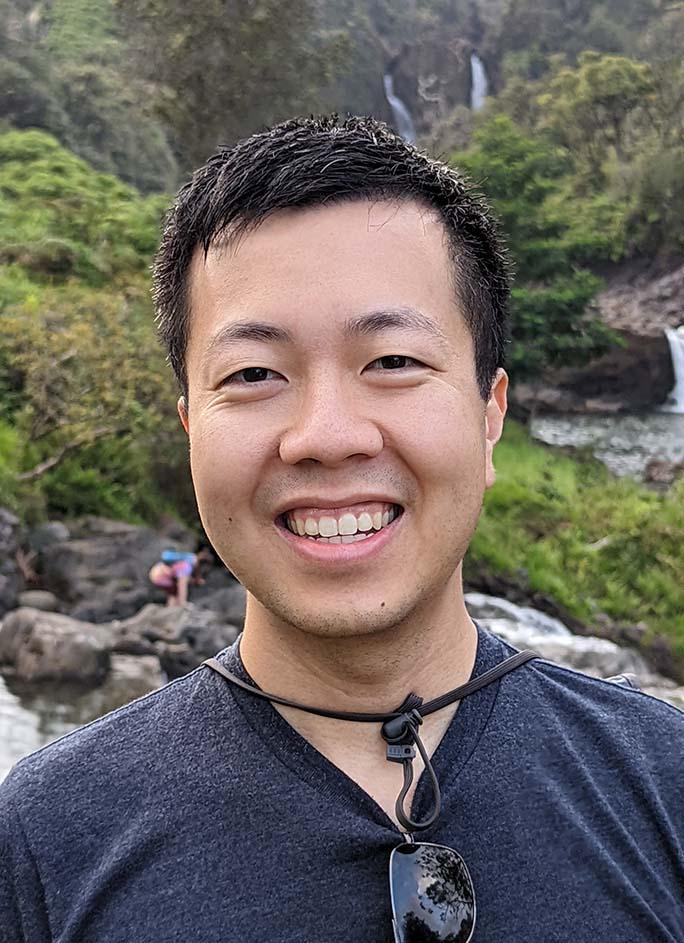
Jeff Huang is an Associate Professor and Associate Chair of Computer Science at Brown University. His research focuses on Human-Computer Interaction (HCI), with emphases on personalized systems using behavioral data, health informatics, and user interfaces. Huang holds a PhD from the University of Washington and degrees from the University of Illinois at Urbana-Champaign. His work is funded by NSF, NIH, and ARO, and he has received awards including the NSF CAREER Award and ARO Young Investigator Award. Education: PhD in Information Science, University of Washington (2013) MS in Computer Science, University of Washington (2013) BS and MS in Computer Science, University of Illinois at Urbana-Champaign (2007) Research Interests: His work spans health informatics (e.g., sleep tracking systems like Self-E and SleepCoacher), user interface design, and leveraging behavioral data for personalized systems. Notable projects include WebGazer (webcam eye tracking), filtered.ink (creative illustration tools), and Sochiatrist (mental health analytics). Teaching: He teaches courses on user interfaces, HCI, and research methods, including CSCI 0130/1300 (User Interfaces), CSCI 2300 (HCI Seminar), and CSCI 2000 (Research Methods). Awards: NSF CAREER Award Facebook Fellowship ARO Young Investigator Award Grants & Advising: Huang leads a research group advising over 50 students, many of whom have pursued academic and industry roles. His grants support projects in HCI, health tech, and collaborative systems.
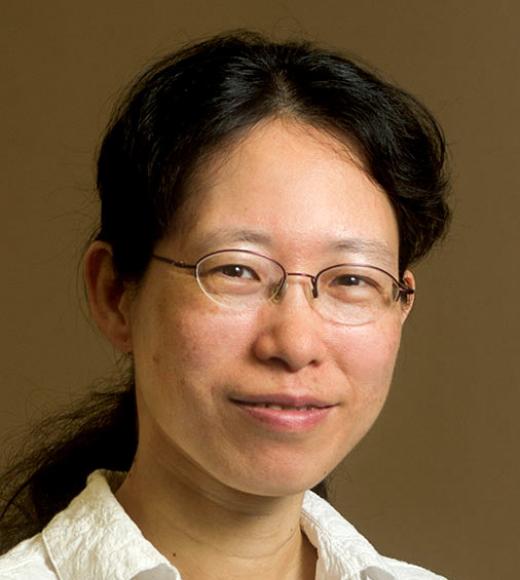
Dr. Xi Chen is a Professor in the Department of Chemistry at the University of California, Davis, where he has been a faculty member since 2003. His research spans carbohydrate chemistry, glycobiology, and cancer biology, with notable contributions to chemoenzymatic methods for glycoconjugate synthesis. Dr. Chen's work focuses on developing hybrid chemical-enzymatic approaches to synthesize complex carbohydrates and glycoconjugates, characterizing glycosyltransferase mechanisms, and designing enzyme mutants for improved catalysis. He also investigates carbohydrate-based diagnostics and therapeutics, particularly in cancer and inflammatory diseases. His recent publications highlight interdisciplinary studies linking carbohydrate metabolism to p53 tumor suppression pathways and RNA-binding protein regulation in cancer. Awards include AAAS Fellow (2015), ACS Isbell Award (2012), and NSF CAREER Award (2006). He earned his Ph.D. at Wayne State University (2000) and B.S. at Xiamen University (1994). Scientific Awards American Association for the Advancement of Science Fellow (2015) Dean's Team Award for Excellence (2013) Carbohydrate Research Award for Creativity (2013) ACS CARB Horace S. Isbell Award (2012)
Dr. Karen Cochrane is an Assistant Professor at the University of Waterloo, specializing in Human-Computer Interaction (HCI) with a focus on wearable and tangible computing for mental health and accessibility. Her research integrates soma design, autoethnography, and design fiction to address the needs of underrepresented communities, particularly those with disabilities. Key projects include developing assistive technologies for queer/crip identities, accessible gaming wearables, and tactile interfaces for sensory exploration. She explores embodied experiences through multidisciplinary approaches, blending traditional craft practices with modern computational tools. Her work prioritizes participatory design methodologies, collaborating with occupational therapists, disabled communities, and neurodivergent individuals to co-create inclusive technologies. Recent innovations include VARitouch (a haptic feedback device), Breathing Scarf (for emotional regulation), and adaptive switches for children with motor disabilities. Her research extends into sensory narratives, exploring how fabric and data can articulate bodily experiences through projects like Sensory Data Dialogues and Queer/Crip Body Mapping. While no formal grants or awards are listed, her publications reflect a strong focus on ethical technology, accessibility, and embodied interaction. Current projects emphasize the intersection of wearable tech with identity expression, mindfulness practices, and neuromotor rehabilitation. She actively designs prototypes that bridge clinical needs with creative technology solutions, though specific lab affiliations or team collaborations are not detailed in available texts.
Dr. Jennifer Evans is a Senior Lecturer in History within the School of Creative Arts at the University of Hertfordshire. Her academic career spans over a decade since completing her PhD at the University of Exeter in 2011, followed by two years of teaching there before joining Hertfordshire. She serves as the founding editor of the Early Modern Medicine blog and co-directs the Perceptions of Pregnancy research network with colleagues Leanne Calvert, Sarah Fox, and Chelsea Phillips. Her research focuses on the history of the body, medicine, and gender during 1550-1750, with particular emphasis on reproductive health, infertility, and miscarriage. Her scholarly work demonstrates deep engagement with both male and female experiences of health and sexuality in early modern England. Current projects include 'Wounded Wombs and Empty Cradles: Miscarriage and Pregnancy Loss in Early Modern England c.1600-1780' (Folger Shakespeare Library, 2025-2026) and 'Foraging for Early Modern Medicines 1600-1750' (AHRC-funded). Analysis of her recent publications reveals consistent thematic concentration on bodily experiences, particularly reproductive health across genders. Her work bridges medical history with gender studies, examining how bodily functions and dysfunctions intersected with social structures. The scholarship shows increasing attention to male experiences of reproductive health alongside traditional focus on women's histories, reflecting broader historiographical shifts toward more inclusive medical history. Dr. Evans actively supervises postgraduate students including Kiran Seera (PhD: 'Domestic Disorder: Crime, Kinship, and Space in Bedfordshire, c. 1650-1790') and has completed supervision of three PhD and two MA students. Her research has received substantial external funding including AHRC Early Stage Impact Accelerator Award funding for her foraging project that explores historical medicinal plant knowledge. She directs the Perceptions of Pregnancy researchers' network which has published two major collections and hosted multiple conferences. The network brings together scholars examining all aspects of fertility, pregnancy, childbirth and early parenthood from the seventeenth to twentieth century. Her public engagement includes numerous media appearances including BBC Radio 4's 'The Food Programme' (February 2024), BBC World Service's 'The Food Chain', and multiple television appearances.
Jian Zhao is an Associate Professor at the University of Waterloo's School of Computer Science, specializing in Information Visualization (InfoVis), Human-Computer Interaction (HCI), and Data Science. With a Ph.D. from the University of Toronto (2016), his research emphasizes interactive visualization techniques, AI integration in design processes, and socio-technical systems. He explores how human-AI collaboration can enhance data analysis, presentation, and user experience in complex systems. Key research areas include: 1) AI-Driven Design (e.g., code generation via sketching, infographic creation), 2) Health Informatics (therapeutic AI tools for autism support), 3) Immersive Technologies (VR/AR interfaces for presentations and education), and 4) Social Computing (remote family communication, multi-modal emoticons). His work bridges technical innovation with human-centered design principles. His publications (2021–2025) reflect a focus on interactive visualization frameworks (e.g., iTrace for cross-view data analysis), AI-human collaboration (CoLadder for hierarchical code editing), and specialized applications like TherAIssist for art therapy and EMooly for autism support. Zhao frequently explores novel interaction modalities , including gesture-based VR interfaces and sketch-based programming tools. He leads projects in computational notebooks (EDAssistant, Slide4N), visual analytics (MissBin for bipartite networks), and neurofeedback training games (Eggly). His work often emphasizes systematic design considerations for missing data, cross-view analysis, and contextual visualization in spatial AR environments.
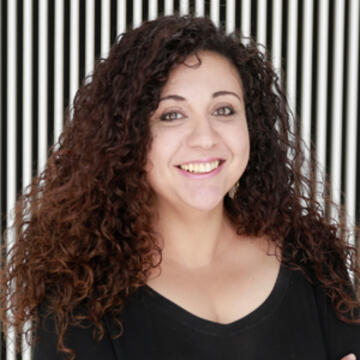
Dina El-Zanfaly serves as an Assistant Professor in the School of Design at Carnegie Mellon University (CMU), where she directs the hyperSENSE: Embodied Computations Lab. Her work bridges computational design and human-centered interaction, focusing on how physicality shapes sensory experiences and cognitive processes through intelligent systems. Education: PhD in Design and Computation, Massachusetts Institute of Technology (MIT) Master of Science in Design and Computation, MIT (Fulbright scholar) Her research critically examines computational methods for augmenting sensory perception, with emphasis on embodied sense-making in hybrid environments. She investigates co-creative interactions between humans and intelligent systems, exploring how computational tools empower designers and non-designers to shape products, social spaces, and interconnected technologies. Key questions address mutual learning between humans and machines through improvisation and creative production. Analysis of her 2022-2025 publications reveals dominant themes in mixed reality interfaces, AI-augmented skill acquisition (particularly in crafts and welding), and tangible co-creation with generative AI. Her work consistently integrates physical computing with mindfulness applications and privacy-aware smart environments, demonstrating interdisciplinary reach across education, manufacturing, and therapeutic contexts. Scientific Awards: Fulbright Scholarship As lab director, El-Zanfaly mentors students in computational making and embodied interaction projects. Her research is supported through initiatives like Fab Lab Egypt and collaborations with MIT, where she co-founded the Computational Making Group. She chairs major conferences including Fab15 in Egypt and serves on the DESFORUM program committee, indicating significant leadership in maker education and design research communities. She founded and leads the hyperSENSE Lab at CMU, which investigates computational embodiment through projects like Origami Sensei and Sand-in-the-loop. Previously, she co-established the Computational Making Group at MIT and co-founded Fab Lab Egypt (the first community maker space in North Africa/Arab world), demonstrating sustained commitment to global maker ecosystems and interdisciplinary team building.
Dr. Richard Y. Zhao is a tenured Professor in the Department of Pathology and Microbiology-Immunology at the University of Maryland School of Medicine. His research combines molecular biology, fission yeast genetics, mammalian biology, and virology to study virus-host interactions, particularly for HIV and Zika virus. He previously held academic positions at Northwestern University and Columbia University and has contributed to over 120 peer-reviewed articles. B.S., China Oceanography University (1981) M.S., Oregon State University (1995) Ph.D., Oregon State University (1991) Postdoctoral Training, Columbia University (1991-1992) Dr. Zhao's research focuses on: Virus-host interactions and pathogenicity High-throughput drug screening for antivirals Role of viral proteins in neuroinflammation and cancer Translational genomics in precision medicine His recent publications highlight SARS-CoV-2 ORF3a, Zika envelope proteins, and HIV protease inhibitors, emphasizing host-pathogen mechanisms across species. He has served on NIH panels and editorial boards for journals like Cell Research and Retrovirology . Scientific awards include: Fellow, American Academy of Microbiology (2019) Bernard L Mirkin Endowed Chair (2001-2004) Honorary Director, Shandong Gallo Institute (2009) Distinguished Service from SCBA (2015) Outstanding Service from CBA-USA (2016) Dr. Zhao also contributes to clinical diagnostics and personalized medicine through molecular testing and pharmacogenetics programs.
Dr. George Waddell is Performance Research and Innovation Fellow at the Royal College of Music (RCM), where he also serves as Area Leader in Performance Science for the BMus programme. Additionally, he holds an honorary Research Associate position in the Faculty of Medicine at Imperial College London. His work focuses on understanding and optimizing how performers learn, prepare, perform, and are evaluated, with particular emphasis on the role of technology in enhancing these processes. Dr. Waddell's research spans multiple domains within performance science, with significant contributions to understanding musicians' health and wellbeing, performance evaluation methodologies, and technology-enhanced learning. His work often bridges disciplines, connecting music performance with psychology, health sciences, and technology. As Area Leader in Performance Science, he oversees modules that integrate the latest scientific knowledge into musical training, and he designs and leads courses on research methods, performance psychology, and professional skills development. His research output demonstrates a consistent trajectory of innovation, with recent publications focusing on musicians' health, pandemic impacts on arts professionals, technology-enhanced performance training, and interdisciplinary applications of performance science. Dr. Waddell's work has expanded from traditional music performance contexts to broader applications in mental health (particularly postnatal depression interventions through songwriting) and cross-cultural studies of arts professionals' wellbeing. Dr. Waddell has secured significant research funding, including multiple Arts and Humanities Research Council grants totaling over £2 million, and has led the development of the RCM's Performance Laboratory featured in BBC News. He serves as Associate Editor for Frontiers in Psychology: Performance Science and on the editorial board for the Journal of Piano Research. As a doctoral supervisor, Dr. Waddell mentors several research students working on diverse projects within performance science. His collaborative approach is evident in his extensive co-authorship with colleagues across multiple institutions, particularly with Professor Aaron Williamon and other members of the Centre for Performance Science.
Michael Parzer is an Associate Professor in the Department of Sociology at the Faculty of Social Sciences. His academic work focuses on migration studies, refugee integration, and the intersection of artistic practice with social integration processes. He maintains an active research profile with extensive publication output and ongoing research projects that address contemporary migration challenges. Parzer's research interests encompass Migration Studies, Refugee Integration, Cultural Production, Social Inequality, Artistic Practice, and Transdisciplinary Research . His work often examines how migrants, particularly refugees, navigate social structures and cultural landscapes through artistic expression and musical activities. A significant portion of his recent research has focused on Ukrainian refugees and their integration processes in Austria. His publication record shows substantial scholarly output with 91 publications documented, including numerous articles in 2023 and 2024. His recent work demonstrates a strong focus on refugee experiences, particularly examining how artistic practices facilitate integration and shape social identities in post-migrant societies. The publications reveal a consistent engagement with methodological innovation, often employing transdisciplinary and participatory approaches. Parzer is currently leading or participating in multiple research projects including: MUsikCOnnect (MU_CO) (2023-2025): Developing an online platform for inclusive music education The Art of Arriving (2021-2024): Reframing refugee integration through artistic practices Migration Ties (2020-2022): Examining transnational connections based on migrants' social milieu His academic contributions connect with UN Sustainable Development Goals, particularly those addressing social inequality and inclusive societies. Parzer actively engages with public discourse through media contributions and academic presentations, demonstrating commitment to translating research into practical insights for policymakers and practitioners working in migration and integration fields.
Dr. Laurel Young is a Professor in the Department of Creative Arts Therapies at Concordia University, specializing in music therapy with a focus on gerontology, palliative care, and neurodiverse populations. She holds certifications in the Bonny Method of Guided Imagery and Music (FAMI) and has over 23 years of clinical experience across geriatrics/dementia, oncology, HIV care, and developmental disabilities. Her roles have included Professional Leader of Creative Arts Therapies at Sunnybrook Health Sciences Centre and teaching positions at Wilfrid Laurier University and Temple University. Dr. Young’s research spans multicultural competence in therapy, ethical frameworks, and the intersection of music with health and well-being. Key themes include end-of-life care for dementia patients, singing groups for autistic adults, and bereavement support through music. She has published extensively in peer-reviewed journals and books, including editorial leadership for Barcelona Publishers’ Qualitative Inquiries in Music Therapy Monograph Series (2012–2013). Her work emphasizes bridging research and clinical practice, with a focus on marginalized groups such as older adults, individuals with disabilities, and those facing chronic illnesses. Awards include the 2014 CAMT Research & Publications Award and teaching accolades from Wilfrid Laurier and Temple Universities. Current projects explore AI-assisted therapeutic technologies and community-based music interventions.
Patrick C. Shih is an Associate Professor of Informatics at Indiana University Bloomington's Luddy School of Informatics, Computing, and Engineering, where he directs the Societal Computing Lab (SoCo Lab). He holds leadership roles as Director of Graduate Studies for Data Science and Co-Director of the Animal Informatics MS/PhD track. His affiliations include core faculty positions in Health Informatics and Animal-Computer Interaction programs. Education: Ph.D. in Information and Computer Science (UC Irvine), M.S. in Information Networking (Carnegie Mellon University), B.S. in Computer Science and Engineering (UCLA). Previously held research positions at Microsoft Research and IBM Research. Research Focus: Develops sociotechnical systems to support health/wellbeing in underserved populations, including older adults, autistic individuals, and communities affected by health disparities. Designs technologies for animal-assisted interventions, animal welfare enhancement, and empathy cultivation. Major projects include mobile health interventions for stress management, Alzheimer's disease tools for African American communities, and physical activity promotion for autistic adults. Publication Trends: Recent work (2023-2025) emphasizes AI-driven health tools for vulnerable groups, including generative AI for Alzheimer's education, mobile apps for chronic disease management, and culturally tailored interventions. Research spans HCI, health informatics, and community-based participatory design, with strong focus on real-world applicability and health equity. Awards & Honors: ACM Senior Member (2020) NSF CAREER Award (2022) Multiple Indiana University teaching/mentoring awards (2016-2019) Euroinvent Silver Medal Award Best Paper Awards at ACM CSCW, ISCRAM Grants & Projects: $3.7M NIH grant for studying environmental stressors and cognitive decline in older adults (2024) NSF-funded mobile stress measurement app for midlife adults (2023) Mobile 'just-in-time' stress intervention for breast cancer survivors (2022) Labs & Teams: Leads the Societal Computing Lab (SoCo Lab) focusing on community-centered technology design. Collaborates with healthcare institutions, zoos, and community organizations. Develops interdisciplinary research teams for projects in health informatics, animal-computer interaction, and crisis response technologies.
Prof. Wolfgang Sting is a Professor of Theater Pedagogy/Didactics of Performing Arts at the University of Hamburg's Faculty of Education. He holds a position in the Department of Didactics of Linguistic and Aesthetic Subjects (EW 4). His career includes roles as Master's Program Director for Performance Studies and guest professorships internationally. Sting has led major research projects funded by Volkswagen Foundation, Körber Foundation, and others, focusing on intercultural theatre, performative education, and uncertainty in teaching. Education: Pädagogik, Philosophie, Psychologie, Theatre Studies (Bielefeld, Eugene, München) Habilitation: Volkswagen Foundation-funded project on Theatre Pedagogy (2000) Research focuses on Theatre Pedagogy's interplay with cultural education, intercultural practices, and performative methodologies. His projects like TUSCH and TheaterSprachCamp integrate theatre into school curricula. Recent work explores irritation as a pedagogical tool in performance-based teaching. Key awards include the 2025 ASSITEJ Prize for commitment to youth performing arts and the 2020 Hamburger Lehrpreis. He advises several scholarly boards including the journal Zeitschrift für Theaterpädagogik. Advisory roles include leading Performance Studies programs and supervising over 20 PhD students. Notable students include Alina Gregor (2023) and Virginia Thielicke (2015). Research projects span 25 years with ongoing work in Hamburg's TheaterSprachCamp initiative. Labs/Teams: Core contributor to the University's Theatre Education Lab, co-founder of the interfaculty Performance Studies program, and collaborator on the Theater in Schulen network.
Zhipeng Lu is currently an Associate Professor of Pharmacology and Pharmaceutical Sciences at the University of Southern California (USC) School of Pharmacy. His research focuses on understanding RNA molecules and their structural complexity as a second layer of genetic instructions beyond protein encoding. He directs the Lu Lab at USC, which develops and applies novel technologies to investigate RNA structures, interactions, chemical modifications, and functions in cellular processes and animal development. Dr. Lu's research interests center on "RNA machines" in living cells, with particular emphasis on how RNA molecules fold into structures and form intermolecular interactions to execute genetic instructions. His work spans multiple dimensions of RNA biology, including RNA structure-function relationships, RNA-protein interactions, RNA modifications, and the role of RNA in human diseases such as genetic disorders and viral infections. The lab combines computational, chemical, and biological approaches to elucidate fundamental mechanisms of RNA machines, with the ultimate goal of developing new understanding and therapies targeting human diseases. Analysis of Dr. Lu's publication history reveals a strong trajectory in RNA structure and interaction mapping technologies. His work has evolved from foundational studies on RNA processing and modification to developing innovative high-throughput methods like PARIS and RISE for analyzing RNA interactomes. Recent publications focus on specific RNA systems like XIST and snoRNAs, demonstrating how his lab has moved from method development to applying these tools to solve longstanding biological questions in epigenetics and RNA therapeutics. Dr. Lu has received numerous prestigious awards recognizing his contributions to RNA research: NHGRI K99/R00 NIH Pathway to Independence Award (2017-2022) RNA Society Scaringe Award (2017) Stanford University Jump Start Award for Excellence in Research (2016-2017) Damon Runyon-Sohn Fellowship (2015-2017) His research is supported by multiple funding sources from organizations including the National Institutes of Health and other foundations. The Lu Lab is actively recruiting PhD students and postdoctoral researchers to work on several cutting-edge directions including RNA structures, interaction networks, RNA modification mechanisms, and their roles in development and disease. The lab integrates biological, chemical, and computational approaches to advance RNA biology and push forward RNA medicine. The Lu Lab at USC is a dynamic research environment focused on "RNA machines" with recent highlights including solving aspects of the orphan snoRNA problem and discovering snoRNAs that control eMet tRNA activity. The lab's vision emphasizes creative exploration of RNA biology, with researchers encouraged to pursue innovative ideas much like "wild animals running in the African savannah." Current research directions include analysis of RNA structures, interaction networks, RNA modification mechanisms, and their roles in development and disease, with applications to genetic disorders, cancers, and viral infections.
Dr. Elinor Assoulin is a Lecturer in the School of Global Urban & Social Studies at RMIT University, Australia. She holds a PhD in visual methodologies and decolonized research, alongside a Master of Art Therapy and a Bachelor of Education. Her research focuses on integrating visual methodologies with Indigenous knowledges, particularly through her innovative 'Art Yarning' approach. She teaches research design across undergraduate, Honours, and Master’s programs and collaborates with health and justice sectors to address socio-cultural challenges. Education: Bachelor of Education, Master of Art Therapy, PhD in Visual Methodologies and Decolonized Research. Research Interests: Decolonized research, Indigenous methodologies, visual communication, art therapy in research, and ethical frameworks for Indigenous studies. She emphasizes bridging theory and practice through inclusive pedagogical strategies. Her publications span visual methodologies, intercultural communication, and ethical research practices. She is open to supervising postgraduate students and collaborating on interdisciplinary projects. Teaching Contributions: Coordinates Designing Social Science Research and contributes to research-focused subjects. Her teaching portfolio includes Social Work, Youth Work, and Education programs with courses like Indigenous Studies and Program Management & Evaluation. Collaborations: Engages with health and justice sectors, emphasizing practical applications of research. She has held non-academic roles as an Art Psychotherapist and Case Worker, enriching her academic work with real-world insights.
Dr. Terrah Foster Akard is a Professor of Nursing and Medicine at Vanderbilt University, where she holds appointments in the School of Nursing and serves as Associate Dean for Academic Affairs in the Graduate School. Her academic credentials include a Bachelor of Science from Jacksonville State University, a Master of Science in Nursing from Vanderbilt University, and a PhD in Nursing Science from Vanderbilt University. Her research program focuses on developing innovative psychosocial interventions for pediatric palliative care populations, with emphasis on: Legacy-making activities to improve quality of life Grief processing and continuing bonds in bereaved families Web-based recruitment and intervention delivery methods Novel approaches like animal-assisted interactions and digital storytelling She leads significant federally-funded projects including: NIH/NINR R01 on legacy interventions in pediatric palliative care (2014-2019) Rita & Alex Hillman Foundation grant for nurse-led storytelling interventions (2021) American Cancer Society funding for web-based pediatric oncology research Publication analysis reveals consistent focus on improving psychosocial outcomes through: Qualitative and mixed-methods exploration of family experiences with serious illness; Development and validation of digital health interventions; Investigation of pandemic impacts on vulnerable pediatric populations; Innovative methodologies for palliative care research involving children. Honors include: Fellowship in the American Academy of Nursing (FAAN) Robert Wood Johnson Foundation Nurse Faculty Scholar Award Professional service includes leadership roles in: Palliative Care Research Cooperative Hospice and Palliative Nurses Association Scientific Committee American Cancer Society Peer Review Committees