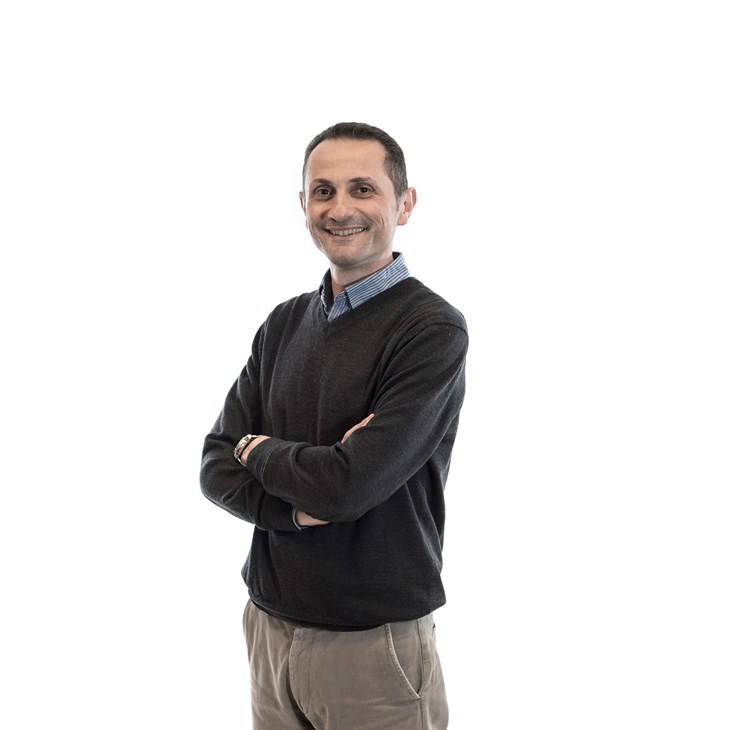
Adetola B. Adesida serves as a full Professor in the Department of Surgery within the Faculty of Medicine & Dentistry at the University of Alberta . His laboratory focuses on developing autologous cell-based tissue engineering strategies for cartilage and meniscus repair, leveraging interdisciplinary collaborations between chemists, biologists, clinicians, and material scientists. PhD in Pharmacy, Victoria University of Manchester (1999) Postdoctoral Research, Wellcome Trust Centre for Cell-Matrix Research Dual Fellowship, Harvard University/Massachusetts General Hospital (2006) Marie-Curie Fellowship, European Commission (2007) Dr. Adesida's research centers on stem cell biology and tissue engineering for musculoskeletal regeneration, with emphasis on: Meniscus and articular cartilage repair mechanisms Stem cell-chondrocyte interactions in 3D microenvironments Bioreactor conditioning (hypoxia, dynamic compression) Sex-specific responses in knee osteoarthritis models Space-related microgravity effects on joint tissues His work bridges fundamental mechanobiology with clinical translation through industry partnerships like CellCoTec. Recent publications demonstrate a strong trend toward 3D bioprinting of nasal and meniscal tissues, sex-dimorphic responses in osteoarthritis, and space medicine applications . Key themes include bioink development, molecular characterization of fibrochondrocytes, and prevention of post-traumatic joint degeneration through regenerative strategies. CIHR Research Award (2013) Harvard University/Massachusetts General Hospital Fellowship (2006) European Commission Marie-Curie Fellowship (2007) Dr. Adesida leads the Orthopaedic Tissue Engineering Laboratory , directing multiple CIHR-funded projects on meniscus regeneration using mesenchymal stem cells. His research integrates advanced bioreactor systems for mechano-hypoxia conditioning and collaborates with aerospace initiatives through Canadian Space Agency partnerships. Current work explores simulated microgravity effects on human meniscus models and develops clinically applicable matrices incorporating bioactive molecules for cartilage formation.