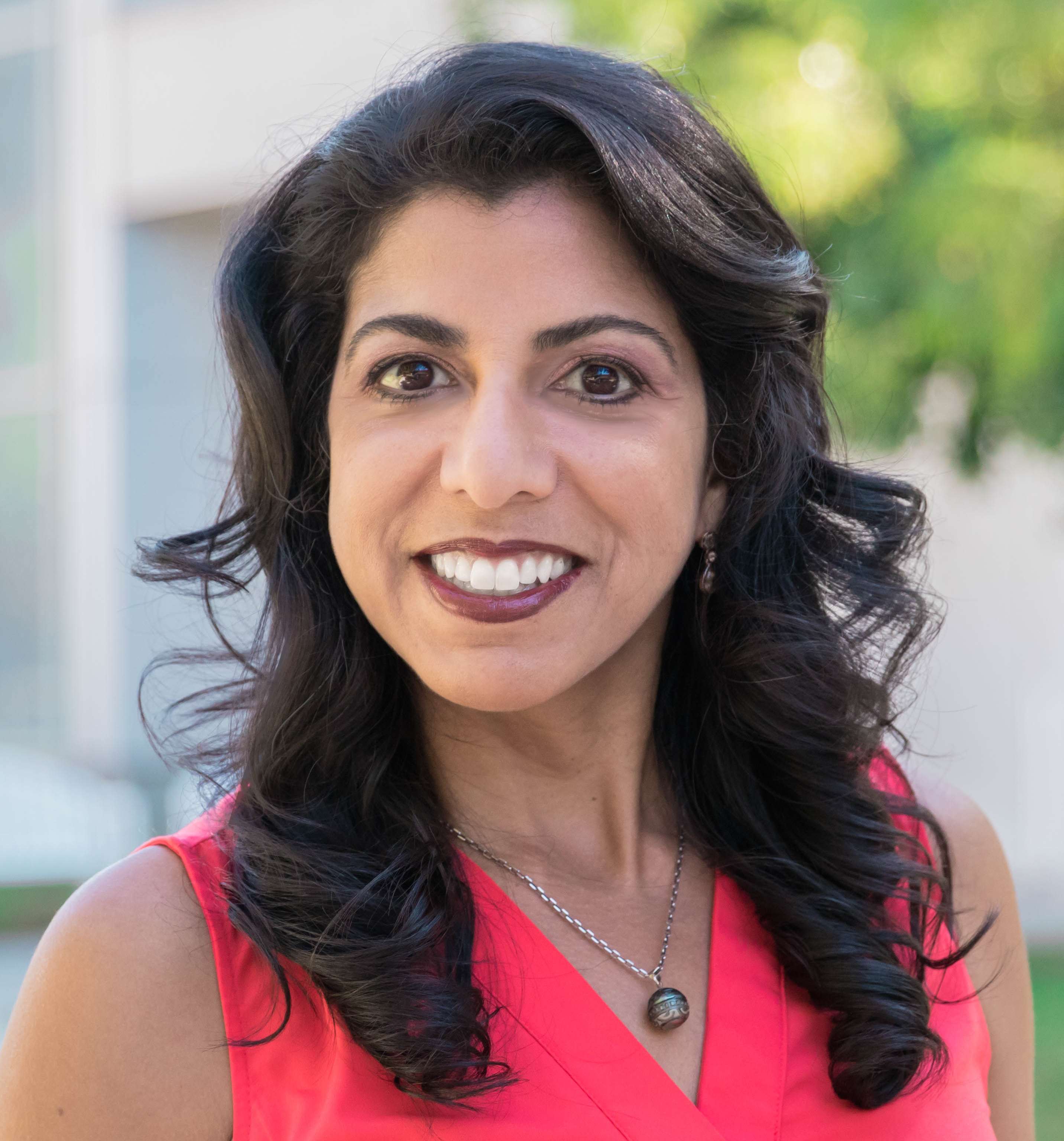
Raissa M. D'Souza is a Professor and Associate Dean of Research in the College of Engineering at the University of California, Davis. She holds joint appointments in the Department of Computer Science, Department of Mechanical and Aerospace Engineering, Graduate Group in Applied Mathematics, and Graduate Group in Physics. Her research focuses on complex networks, percolation theory, cascades, and interdependent systems, with applications to social, biological, and technological networks. She leads the Networks and Control research group and is a Founding Lead Editor of Physical Review Research . Her work spans interdisciplinary collaborations, including with the Santa Fe Institute and the Complexity Sciences Hub Vienna. Key awards include Fellowships from AAAS (2024), APS (2016), and the Network Science Society (2019), as well as the Euler Award for her contributions to network science. Dr. D'Souza has advised over 10 PhD students and has secured grants from agencies including the NSF. Her lab explores topics like explosive percolation, synchronization in oscillator networks, and network controllability. Notable recent work includes studies on exotic synchronization patterns and strategies for mitigating cascading failures in interdependent systems.
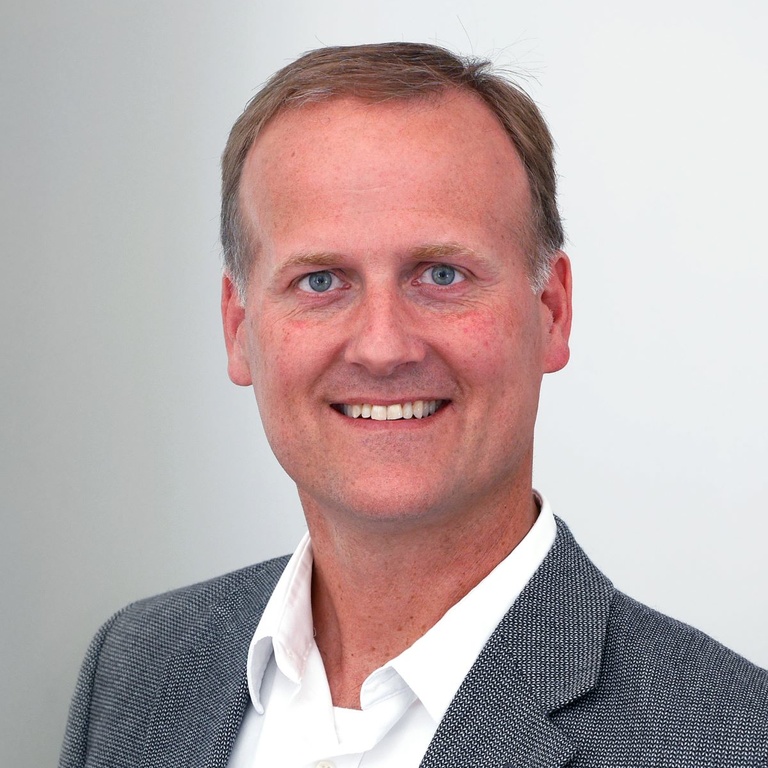
Paolo Gardoni is the Alfredo H. Ang Family Professor and an Excellence Faculty Scholar in the Department of Civil and Environmental Engineering at the University of Illinois Urbana-Champaign, with additional professorial appointments in Industrial & Enterprise Systems Engineering and Biomedical & Translational Sciences. He also serves as Director of the MAE Center and Editor-in-Chief of Reliability Engineering & System Safety. Education Ph.D. in Civil Engineering, University of California, Berkeley (2002) M.A. in Statistics, University of California, Berkeley (2001) M.Eng. in Structural Engineering, University of Tokyo (1997) Laurea (BS+MS equivalent) in Structural Engineering, Politecnico di Milano (1997) Research Interests Gardoni’s scholarship integrates probabilistic methods with large-scale infrastructure systems to advance reliability, risk, and life-cycle analysis. His work quantifies the performance of deteriorating systems under natural and anthropogenic hazards, models societal impacts of disasters, and develops decision frameworks for sustainable and resilient infrastructure. He also examines ethical, social, and legal dimensions of risk, and investigates optimal strategies for hazard mitigation, disaster recovery, and climate adaptation. Across more than 250 refereed journal papers, he has advanced sub-fields ranging from probabilistic mechanics and earthquake engineering to catastrophe bond pricing and engineering ethics, leveraging tools such as stochastic differential equations, Bayesian networks, and physics-informed machine learning. Awards & Honors Alfredo Ang Award on Risk Analysis and Management of Civil Infrastructure (ASCE, 2021) Best Paper Awards in ASCE Journal of Sustainable Water in the Built Environment (2019) and Geotechnical Research (2018 Telford Premium Prize) Fellowships and named professorships: Alfredo H. Ang Family Professor, Excellence Faculty Scholar, and courtesy or honorary professorships at Tsinghua, IIT Guwahati, Tongji, Jianghan, and Loughborough universities. Research Leadership & Funding Gardoni has secured over $58 million in research funding from NSF, DHS, NIST, USAID, Qatar National Research Fund, and other agencies. He directs the MAE Center—formerly an NSF Engineering Research Center—focused on multi-hazard engineering approaches, and is Editor-in-Chief of Reliability Engineering & System Safety (Elsevier, IF 9.4). He founded and formerly led the journal Sustainable and Resilient Infrastructure (Taylor & Francis) and serves on editorial boards of nine additional journals. Advising & Mentorship He has graduated 27 PhD and 35 Master’s students, many of whom now hold faculty positions worldwide. His group maintains an active pipeline of doctoral and post-doctoral researchers working on resilience analytics, infrastructure monitoring, and risk-informed decision-making. Laboratories & Collaborations He leads the MAE Center and is affiliated with the Critical Infrastructure Resilience Institute (CIRI) and the Biomedical and Translational Sciences group. International collaborations span the UK (Loughborough), India (IIT Guwahati), and China (Tsinghua, Tongji, Jianghan), fostering cross-disciplinary research in reliability and resilience engineering.
Laureate Professor Behdad Moghtaderi is a globally recognized chemical engineer at The University of Newcastle's School of Engineering. He leads research in clean energy technologies, including the GRANEX heat engine, greenhouse gas abatement, and chemical looping processes. His work addresses critical challenges in energy efficiency, renewable energy systems, and reducing fugitive methane emissions from coal mines. With over $48M in research funding and 220+ publications, he directs the Newcastle Institute for Energy and Resources (NIER) and holds leadership roles in national and international energy initiatives. Education: PhD (University of Sydney), MEng (University of Sydney), BSc (Shiraz University) Administrative Roles: Director of NIER, former Head of School of Engineering, and member of global energy advisory bodies Research interests span energy systems, combustion science, and sustainable technologies. Notable innovations include the VAMCO system for methane abatement and solar thermal GRANEX installations. Awards include the Carrick Teaching Citation and multiple engineering excellence recognitions. Scientific contributions include 14 PhD completions and over 20 funded projects. Current focus areas include hydrogen safety, carbon capture, and thermochemical energy storage. His labs (NIER) collaborate with industry partners like Siemens Energy and the Australian Hydrogen Council.
Prof. Dr.-Ing. Elisabeth Clausen is a Professor and Director of the Chair and Institute for Advanced Mining Technologies at RWTH Aachen University. She holds key roles in the Specialist Group for Raw Materials and Disposal Technology, serves as a rectorate representative, and leads the Commission for EU Research Funding. Her research spans Underground mining automation Acoustic emission diagnostics Sustainable mining systems Space resource extraction Advanced sensor technologies Her recent publications focus on autonomous mining machinery, underground communication systems, and acoustic emission analysis across 15+ studies from 2013–2025, with particular emphasis on Ultra-wideband positioning Thermographic detection Crack monitoring in planetary gearboxes Explosive atmosphere safety Mineral processing diagnostics Digitalization trends Prof. Clausen contributes to mining education reform through initiatives like CDIO™ and has developed innovative learning spaces in underground mines. She coordinates international educational labs and integrates sustainability into mining engineering curricula, with publications on Adaptive ventilation systems Mining education frameworks Future-proof mineral extraction Entrepreneurial mindset in engineering
Professor Frederic Coulon holds the position of Professor of Environmental Chemistry and Microbiology at the Cranfield Water Science Institute, part of Cranfield University's School of Management. His work focuses on transdisciplinary environmental science, including soil and water chemistry, bioremediation, wastewater treatment, and risk assessment. He leads research on microbial interactions in engineered systems, biodegradation of petroleum hydrocarbons, and emerging contaminants. His professional interests span soil and water chemistry, fate of chemicals in environmental systems, hazardous waste site remediation, and policy-influencing research. Key collaborators include BBSRC, NERC, Defra, and the European Commission. He has advised on contaminated land management and developed solutions for pragmatic risk-based remediation strategies. Research activities include microbial adaptations in cold environments, environmental monitoring technologies, and anaerobic digestion optimization. Over 200 peer-reviewed articles highlight his contributions to environmental engineering and science, with a focus on bioremediation, bioaerosol risk assessment, and sustainable waste management. Current projects address challenges in low-carbon remediation, landfill mining, and antimicrobial resistance in agricultural environments. He supervises multiple PhD students and collaborates internationally on initiatives like the UK-India vWa project and the REGENERATIS program for metallurgical site regeneration.
Yudhvir Seetharam is an Associate Professor in the School of Economics and Finance at the University of the Witwatersrand, where he teaches undergraduate and postgraduate courses in investments, risk management, fintech, and financial data science. He also supervises postgraduate students and is actively involved in research and editorial leadership. His research interests include: Behavioural Finance Financial Data Science Investor Psychology and Sentiment Analysis Fintech and Big Data in Finance Market Efficiency and Corporate Finance His recent publications (2023–2025) reflect a strong focus on textual sentiment, social media analytics, and market dynamics in emerging economies. He frequently uses alternative data sources such as Twitter, news, and Wikipedia to analyze investor behaviour and market reactions across African and global markets. His work spans journals in finance, economics, and data science, highlighting an interdisciplinary approach. Notable scientific awards and recognitions include: Mail & Guardian Top 200 Young South Africans (2017) – Business and Entrepreneurship Top 100 Most Influential Young South Africans (#59) Gauteng Premier’s Youth Service Excellence Award – Economic Development Global Top 100 Innovators in Data & Analytics (2024) Yudhvir holds several editorial positions, including Editor-in-Chief of the South African Journal of Economic and Management Sciences and Associate Editor of the Journal of Behavioral Finance (from 2025). He also serves as Chief Analytics Officer at FNB Business, blending academic insight with real-world financial innovation. He is a Fellow of the South African Institute of Financial Markets and a member of the Royal Society of South Africa. His work bridges academia and industry, with a strong emphasis on applying analytics to solve financial challenges.
Craig L. Just holds the Donald E. Bently Professorship in Engineering and serves as a Professor in the Department of Civil and Environmental Engineering at the University of Iowa's College of Engineering. He also works as a Faculty Research Engineer at IIHR—Hydroscience and Engineering. With a PhD in Environmental Engineering and Science (2001) and an MA in Chemistry (1994), both from the University of Iowa and University of Northern Iowa respectively, his career spans over two decades of academic and practical contributions. Education: PhD, Environmental Engineering and Science, University of Iowa (2001) MA, Chemistry, University of Northern Iowa (1994) BS, Chemistry, University of Northern Iowa (1992) Dr. Just's research focuses on water quality monitoring through sensor technology, freshwater mussel biosensing , pharmaceutical contaminant removal , and PCB exposure analysis from dredging operations. His work bridges environmental engineering with ecological health and sustainable systems. Recent publications highlight trends in anaerobic digestion optimization , PCB emission characterization , and machine learning applications for biogas prediction. He has extensively studied constructed wetlands , nitrogen cycling , and flood risk mitigation in agricultural and urban contexts. As director of the Iowa Wastewater and Waste to Energy Research Program, he leads initiatives connecting bioremediation , smart infrastructure , and community engagement . His projects span from hydrological modeling in Iowa to international water programs in Honduras.
Marie Kratz is a Full Professor at ESSEC Business School (Cergy, France), affiliated with the CREAR - Center of Research in Econo-finance and Actuarial Sciences on Risk . Her work bridges theoretical and applied domains in extreme value theory , heavy-tailed distributions , and risk management , with applications in finance, cybersecurity, and neuroscience. Research Focus : Extreme value theory, risk concentration, cyber risk modeling, Gaussian random fields, and pro-cyclicality in financial risk measures. Collaborations : Active collaborations with Michel Dacorogna, Marcel Bräutigam, and Sibsankar Singha on cyber risk and financial applications. Methodologies : Development of the Normex method for aggregated heavy-tailed risks, hybrid Gaussian-Pareto models, and near-explosive random coefficient autoregressive models. Awards and Recognition : No specific awards mentioned in the text.
Roles and Affiliations: Dibs Sarkar is a Professor in the Department of Civil, Environmental, and Ocean Engineering at Stevens Institute of Technology. He serves as the Founding Director of the Stevens Center for Sustainability and the Sustainability Management MS and dual-degree MS-MBA programs. He is also an Adjunct Research Professor at Michigan Technological University and has held prior positions at Montclair State University and the University of Texas at San Antonio. Education: PhD (1997) in Geochemistry from the University of Tennessee at Knoxville MS (1991) and BS (1988) in Geology from the University of Calcutta Research Interests: Dr. Sarkar’s work focuses on environmental sustainability through a multidisciplinary lens, including soil/water chemistry, green technology development, and risk assessment. His research integrates geochemical, biological, and engineering principles to address environmental contamination, sustainable remediation of PFAS, phytoremediation, and stormwater management. He emphasizes holistic approaches to environmental problems, such as using vetiver grass for lead and TNT cleanup and developing biochar-based solutions. Grants and Funding: He has secured over $17 million in grants as PI/Co-PI for projects like PFAS remediation, sustainable stormwater management, and acid mine reclamation. Recent funding includes DOE projects on phytoextraction and NJDEP-supported studies on PFAS in wastewater. Awards and Recognition: Fellow of the Geological Society of America (2011) Fellow of the Soil Science Society of America (2019) Research Excellence Award (2022) Top 40 Under 40 San Antonio Rising Star Award (2004) Advisory and Editorial Roles: He chairs the Sustainability Minor at Stevens, edits multiple journals (e.g., Current Pollution Reports ), and serves on panels for NSF, NIH, and professional societies like SETAC and AGU. He is a founding member of SIROM Scientific Solutions, an environmental R&D firm. Labs and Teams: His research group collaborates on projects at the Stevens Center for Sustainability, focusing on green technologies, sustainable infrastructure, and environmental policy. The group emphasizes interdisciplinary innovation, from lab-scale studies to field demonstrations.
David Lozinski is an Associate Professor in the Department of Mathematics and Statistics at McMaster University, Faculty of Science. His research spans combustion science, fluid dynamics, and financial mathematics. He has published extensively on topics like smoldering combustion, flame stability, and quantitative risk modeling. Teaching responsibilities include courses on risk management, actuarial mathematics, financial markets, and applied statistics. Research interests combine theoretical and applied mathematics with practical applications in combustion engineering and financial systems. Key contributions include studies on reverse smoldering mechanisms (1995), vapor diffusion flames (1995), and modern financial risk models (2024). Teaching spans undergraduate and graduate programs, covering mathematical finance, probability, and statistical inference. No scientific awards are listed in the profile. Active in curriculum development for financial mathematics programs, instructing courses like MFM 714 (Risk Management) since 2025 and STATS 3G03 (Actuarial Mathematics I) since 2024.
Anne Simone Dederichs is an Associate Professor in the Department of Civil and Mechanical Engineering at the Technical University of Denmark (DTU), specializing in Structures and Safety. She is actively engaged in research and teaching in fire safety engineering, combustion dynamics, and evacuation modeling. Her work spans academic, industrial, and policy-relevant domains, with strong collaborations across Scandinavia. Doctoral Degree, Dept. of Fire Safety Engineering, Lund University (1998–2004) Master of Science, Niels Bohr Institute, University of Copenhagen (1991–1997) Bachelor of Science, Niels Bohr Institute and Department of Mathematical Sciences, University of Copenhagen (1991–1996, 1991–1995) Her research focuses on fire safety engineering , evacuation dynamics , universal design in safety systems , and sustainable construction materials . She has led seminars and EU meetings on computational fluid dynamics in combustion and turbulent combustion, and she teaches in fire chemistry, fire dynamics, and risk management. Her work contributes to UN Sustainable Development Goals related to sustainable cities and inclusive design. Recent publications show a trend toward integrating digital tools like Building Information Modeling (BIM) into fire safety, analyzing evacuation inclusivity (e.g., on ships), and evaluating fire risks of new sustainable materials. Her research bridges experimental analysis, modeling, and real-world application in buildings and industrial settings. She has held external positions as a Senior Research Scientist at RISE (Research Institutes of Sweden) and as a Researcher at Lund University. She has supervised PhD projects on composite material aging and fire safety compliance through BIM. Anne is actively involved in project leadership and collaboration, particularly in Nordic research networks. She has organized post-graduate courses and authored teaching materials in fire safety and chemical kinetics.
Mohamed Ezzeldin is an Associate Professor in the Department of Civil Engineering at McMaster University. His work integrates structural engineering, seismic resilience, and machine learning for infrastructure risk management. Research Interests: Seismic behavior of reinforced concrete and masonry structures, blast mitigation systems, urban resilience modeling, and AI applications in construction risk prediction. Teaching: Instructor for courses including Structural Mechanics (CIVENG 2C04), Modern Methods of Structural Analysis (CIVENG 4K04), and Seismic Behavior and Design of Reinforced Concrete Systems (CIVENG 716). His publications focus on hybrid simulation testing, data-driven risk assessment, and bio-inspired structural designs. Recent work (2025) includes advancements in seismic analysis of nuclear facilities and urban resilience frameworks.
Professor Evangelos Boulougouris is Head of the Department of Naval Architecture, Ocean and Marine Engineering at the University of Strathclyde, where he also serves as Chair of the Maritime Safety Research Centre. He is a chartered professional engineer with over 28 years of internationally recognized research in maritime safety, design for safety, and holistic ship design. His work spans damage stability, autonomous vessels, alternative fuels, and ship survivability, with strong impact on international regulations through roles in IMO, ITTC, SNAME, and RINA. Research Interests: His primary research focuses on safety of marine operations, including damage and intact stability in waves, collision avoidance, ship evacuation, crashworthiness, and the integration of alternative fuels like ammonia and hydrogen. He leads cutting-edge work in multi-objective ship design optimization, risk modeling, and decarbonization strategies for advanced marine vehicles. The recent 15 publications highlight a strong trend toward digitalization and sustainability in shipping, combining machine learning for propeller optimization, CFD simulations for catamaran performance, real-time decision support in emergencies, and hybrid propulsion systems for zero-emission vessels. His work increasingly emphasizes climate resilience, port risk under extreme weather, and energy management in CTVs, aligning with global SDGs. Scientific Awards: 2020 Denny Medal SNAME ABS Captain Joseph H. Linnard Prize (2023) Safety 2020 Best Paper Award (2022) Honorable Mention for Vice Admiral E. L. Cochrane Award (2022) EU CHAMPIONS of Transport Research (HOLISHIP, TRA 2014) Greek Technical Innovation Award, Lloyd’s List (2009) 1st Prize, International SAFER SHIP Competition (1999) Advising and Grants: He actively supervises PhD students and has led numerous EU and UK-funded projects such as SEASTARS, SAFARI, EcoShipYard, and Digital Shipwright. As Principal Investigator and Co-I, he secures substantial research funding, coordinates knowledge exchange (KE) initiatives, and leads training programs across Europe. Labs and Teams: He leads the Maritime Safety Research Centre at Strathclyde, fostering interdisciplinary collaboration on ship safety, stability, and sustainable design. His team works closely with industry partners RCG and DNV, and engages in international networks through STAB, ITTC, and IMO committees.
Tamara Stojmenović is a faculty member at Singidunum University within the Faculty of Physical Culture and Management in Sports . She holds a Doctor of Medicine degree from the University of Belgrade (2003-2010), a Specialist in Sports Medicine from the University of Belgrade (2014-2017), and a PhD in Experimental and Applied Physiology with Sports Medicine from the University of Kragujevac (2011-2019). Her research focuses on Sports Medicine , Physiology , and Cardiorespiratory Fitness , particularly examining: Cardiovascular responses to exercise Post-COVID-19 physiological impacts on athletes Physical activity optimization through ventilatory threshold analysis Comparative physiological profiles across sports disciplines Recent trends in her publications include athlete cardiac health, strain-specific SARS-CoV-2 effects, and injury prevention in basketball players. Her work appears in journals like Journal of Clinical Medicine , Diagnostics , and Medicina (Kaunas) , covering topics from maximal oxygen consumption to sports injury epidemiology. Professional Contributions: Co-author of two textbooks: Corrective gymnastics and kinesitherapy in sports (2021) and Sports medicine - through questions and answers (2020) Presented at multiple conferences on topics including ACL rupture prevention and athlete overtraining Conducts applied research on sports performance, physical activity prescription, and injury rehabilitation
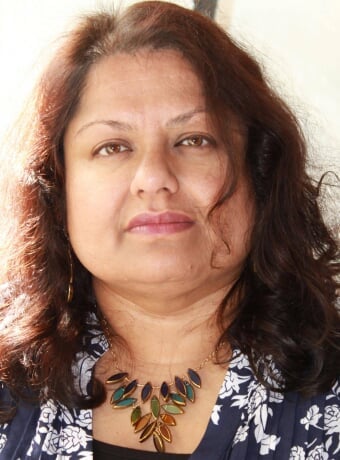
Rupali Datta is a Professor of Biological Sciences at Michigan Technological University (MTU), affiliated with the Great Lakes Research Center (GLRC). Her research focuses on applying plant biochemistry, genetics, and microbiology to address environmental contamination through phytoremediation and plant-microbe interactions. She holds a PhD from the University of Hyderabad, India. Dr. Datta collaborates with experts in environmental geochemistry, soil science, and analytical chemistry to study contaminant bioavailability in aquatic and terrestrial systems. Her work emphasizes remediation of heavy metals (arsenic, lead), explosives (TNT/RDX), antibiotics, and petroleum hydrocarbons using green technologies. She leads projects funded by agencies like the Department of Defense, EPA, and HUD. Key research areas include: Phytoremediation of contaminated soils and water using vetiver grass and hyperaccumulator plants Bioavailability of contaminants in human and environmental systems Development of sustainable remediation technologies like biochar and water treatment residuals Health effects of metal exposure in cell and animal models Recent grants include a $2.5M DoD project on PFAS remediation (2023–2025) and a HUD initiative to reduce lead bioavailability in residential soils (2021–2024). Dr. Datta’s lab also partners with SIROM Scientific Solutions, LLC, advancing environmental R&D. Her work bridges fundamental science and applied solutions, addressing global challenges in pollution and sustainability.