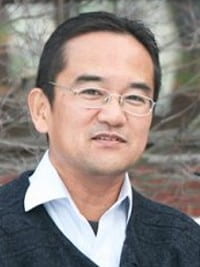
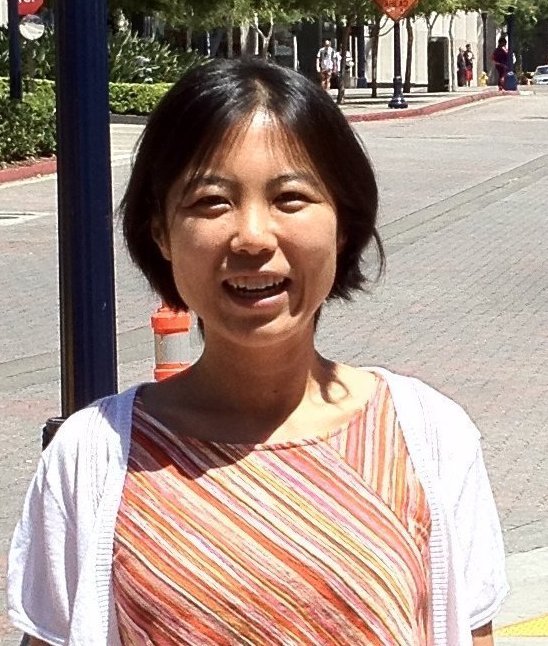
Dr. Filip Szczypinski is a Royal Society University Research Fellow and Assistant Professor of Chemistry Automation at Durham University, affiliated with the Department of Chemistry. His research integrates computational modeling, laboratory automation, and data-driven approaches to advance supramolecular chemistry and materials discovery. PhD in Chemistry from the University of Cambridge Postdoctoral research at Imperial College London and University of Liverpool His work focuses on digital supramolecular chemistry , combining: Dynamic covalent chemistry Molecular recognition systems Automated synthesis platforms Recent research explores: Explainable AI for molecular design Polymorphism prediction in organic cages Autonomous robotics for chemical discovery Key trends in his publications include computational modeling of synthetic feasibility, AI-driven molecular assembly, and sustainable chemical processes. Scientific Awards : Royal Society University Research Fellow His lab bridges computational design with robotic experimentation , aiming to transform supramolecular chemistry into a predictive discipline aligned with UN Sustainable Development Goals.
Daniel M. Russell is a traveling, free-range scholar and practicing scientist specializing in human-computer interaction, search research, and information literacy. He has taught courses at Stanford University and the University of Zürich, including the "HCI & AI" class at both institutions. Russell is actively engaged in understanding how people search for information, evaluate credibility online, and make sense of complex information landscapes. His research interests span several interconnected domains: Human-Computer Interaction with a focus on search and information retrieval systems Online research behavior and sensemaking processes Digital literacy and information evaluation skills Human-AI interaction and the future of search technologies Teaching effective search and research skills to diverse audiences Russell's work examines why people query Google for specific terms, why some users ask only one query while others iterate extensively, and what drives effective online research behaviors. He has developed numerous educational resources including lesson plans for teaching search skills at various levels, MOOCs on power searching, and the book "The Joy of Search: A Google Insider's Guide to Going Beyond the Basics." His recent publications reveal a strong focus on sensemaking in the digital age, human-AI collaboration, and information evaluation practices, particularly among younger generations. Russell investigates how people learn to search, the cognitive processes behind information seeking, and the evolving relationship between humans and search technologies. He actively shares his expertise through speaking engagements, workshops, and his popular SearchResearch blog where he posts weekly search challenges and solutions. Russell also maintains a presence on social media platforms including Bluesky and Twitter/X to disseminate insights about search behavior and information literacy.
Petri Myllymäki is a Professor of Artificial Intelligence and Machine Learning at the Department of Computer Science, University of Helsinki. He serves as Director of the Helsinki Institute for Information Technology (HIIT), Vice-Director of the Finnish Center for Artificial Intelligence (FCAI), and Director of the Helsinki Doctoral Education Network in ICT (HICT). His work bridges theoretical machine learning research with industrial applications, spanning probabilistic modeling, clustering, and data visualization. Current affiliations include: University of Helsinki, HIIT, FCAI, HICT, and ELLIS Executive Committee Global roles: UN High-Level Advisory Body on AI, AI/Robotics PPP (ADRA) for EU, and World Summit AI editorial board His research interests focus on Bayesian network structure learning, algorithm selection, and data science. Recent work emphasizes empirical evaluation of computational complexity and hybrid systems combining hashing with probabilistic models. Earlier studies include exploratory search intent modeling and genomic motif analysis. Notable scientific achievements include 37 Google Scholar h-index, 6700+ citations, and Ellis Fellowship. He has been recognized for contributions to theoretical machine learning and practical AI applications in Finland. As a founder of AI startups like Sprint.ai and Ekahau, Myllymäki has driven commercialization of machine learning technologies, resulting in fielded applications and patents across diverse sectors.
Dr. Yvonne Grimeland is an Associate Professor at the Department of Teacher Education (NTNU Norwegian University of Science and Technology), specializing in mathematics education and teacher training. Her work bridges theoretical mathematics and pedagogical practice. University : NTNU Norwegian University of Science and Technology Department : Teacher Education Academic Rank : Associate Professor Her research focuses on mathematics education , including early number sense development , fractions instruction , and teacher training . She has contributed to understanding how digital tools can assess mathematical competencies in early childhood education. Recent publications highlight her work in educational technology , such as the 2024 doctoral thesis on digital assessment tools, and 2023 studies on numeracy in preschool. Earlier works (2014–2017) explore algebraic structures and their pedagogical implications. Dr. Grimeland collaborates internationally, presenting at conferences like ICME-13 and the European Early Childhood Education Research Association . She also contributes to curriculum design and professional development in primary education. Contact: yvonne.grimeland@ntnu.no
Naoshige Uchida is a Professor of Molecular and Cellular Biology at Harvard University within the Faculty of Arts and Sciences. He leads the Uchida Lab, which focuses on understanding the neural mechanisms underlying sensory processing, decision making, and reward-based learning. His research employs a multidisciplinary approach combining behavioral paradigms, electrophysiological recordings, molecular tools, and computational modeling to investigate how neural circuits process information and guide behavior. Dr. Uchida's research interests center on the neuronal processes by which sensory information and memory about previous experiences guide animal behavior. His lab has developed sophisticated odor-guided perceptual decision tasks in rats and mice, combined with multi-electrode recording techniques to monitor neural activity during behavior. A major focus of his work examines dopamine signaling, particularly how dopamine neurons encode reward prediction errors and contribute to learning. His research spans multiple levels of analysis from neural circuit dynamics to computational principles of decision making. Analysis of Dr. Uchida's recent publications reveals a strong emphasis on dopamine signaling in the striatum, particularly in the tail region, and its role in value-based decision making, threat processing, and social behavior. His work increasingly integrates computational approaches including reinforcement learning models, deep learning for neural data analysis, and distributional coding frameworks. There is a clear trajectory toward understanding how neural circuits represent uncertainty, perform probabilistic inference, and implement hierarchical decision processes that bridge sensory input to behavioral output. Dr. Uchida has made significant contributions to understanding the neural basis of decision making, with particular emphasis on dopamine signaling and striatal function. His work has implications for understanding both normal cognitive processes and disorders involving disrupted reward processing. Through his leadership of the Uchida Lab, he continues to advance our understanding of how neural circuits implement the computations necessary for adaptive behavior. His research program involves extensive collaboration across disciplines, utilizing advanced techniques including multi-electrode recordings, optogenetics, viral tracing, and computational modeling. The lab maintains strong connections with other neuroscience research groups at Harvard and beyond, contributing to a vibrant research environment focused on understanding the neural basis of cognition and behavior.
Dr. Stefan Röder is a Senior Scientist and Platform Coordinator of Biobank and Data management at the Helmholtz Centre for Environmental Research – UFZ, Department of Environmental Immunology in Leipzig, Germany. With over 15 years of experience at the UFZ since 2008, his work focuses on the intersection of environmental exposures, epigenetics, and immune responses, particularly as they relate to allergic disorders and child development. Dr. Röder's research spans epidemiology of allergic disorders, epigenetics, pattern recognition, artificial neural networks, and software development. His work particularly focuses on analyzing data from cohort studies to understand how environmental exposures during pregnancy affect child development and immune responses. He has developed specialized tools like PatternMatchR and EpiVisR for analyzing and visualizing omics data, bridging computational approaches with immunological research. Dr. Röder's recent publications (2022-2024) demonstrate a strong focus on epigenetic mechanisms linking environmental exposures to health outcomes. His work frequently appears in high-impact journals across environmental health, immunology, and epigenetics. A significant portion of his research involves large consortium efforts like the Pregnancy and Childhood Epigenetics Consortium, examining DNA methylation patterns in relation to maternal factors, birth outcomes, and childhood diseases. Dr. Röder has been involved in numerous research projects including "Proxies of the Eco-exposome (2018-2022)", "InCeTo (2019-2023)", "MibiTox (start: 2020)", "nanoINHALE (start: 2024)", and "SafePol (start: 2025)". His work often involves analyzing data from cohort studies and developing computational tools for epigenetic research. Within the Environmental Immunology department, Dr. Röder works as part of a team led by Prof. Ana Zenclussen, collaborating with researchers including PD Dr. Anne Schumacher, PD Dr. Mario Bauer, and other scientists. He serves as Platform Coordinator for Biobank and Data management, indicating leadership in data infrastructure for the department.
Birgül Kutlu Bayraktar is a Professor at Boğaziçi University, Turkey, with a distinguished career spanning over two decades in information systems and educational technologies. Her work bridges theoretical computer science with practical applications in learning environments and corporate training. Her academic foundation includes: High School: BAL Undergraduate: Boğaziçi University, Electrical Engineering Masters: Michigan Tech University, Electrical Engineering Ph.D.: Ege University, Computer Engineering Professor Kutlu Bayraktar's research centers on Information Systems , Remote Education , Artificial Neural Networks , and Artificial Intelligence , with significant contributions to Recommender Systems , Learning Management Systems , and Serious Games . Her work explores how technology enhances educational outcomes, particularly through mobile and virtual environments, while addressing corporate e-learning adoption and location-based social applications. She emphasizes user experience and behavioral impacts in digital learning contexts. Analysis of her 2013-2020 publications reveals a strong trajectory in AI-driven educational tools, including mobile serious games for programming education and hybrid recommender systems for location-based services. Her research consistently connects theoretical models with empirical studies in Turkish and international contexts, demonstrating expertise in both quantitative analysis and human-centered design. Scientific Awards: No awards were documented in the source material. Regarding academic mentorship, the provided information does not specify supervisees or grant funding, though her extensive publication record suggests significant research leadership. No dedicated laboratories or formal research teams are mentioned, though her frequent collaborations with researchers like A. Bozanta and H. Kimiloglu indicate active interdisciplinary networks.
Brook Miller serves as an Adjunct Lecturer at the McCormick School of Engineering, Northwestern University, joining the faculty in 2021. He is a core faculty member of the MBAi (MBA in Analytics) Program, leveraging his dual expertise in engineering and business strategy through Kellogg School of Management affiliations. Education: BA in Computer Engineering, Georgia Institute of Technology MBA, Kellogg School of Management, Northwestern University Miller's research centers on data-business integration, specializing in data-led solutions for complex organizational challenges. His work spans modern data ecosystems, cloud architecture optimization for data-intensive applications, and practical implementation of exploratory data analysis (EDA) frameworks. He emphasizes bridging technical data infrastructure with actionable business intelligence, particularly in scaling data solutions for enterprise impact. Professionally, Miller founded EssentialHCP—a venture delivering rapid medical expert intelligence—and continues consulting while teaching MBAi 417: Data & Data Intensive Systems. This course develops student capabilities in Python-based EDA, data governance, and cloud architecture design through case-driven labs.
Aditi Mallavarapu is an Assistant Professor in the Department of Computer Science at North Carolina State University. Her research focuses on human-centered computing in open-ended learning environments, leveraging computational techniques and educational data mining to enhance exploration-based learning. She leads the iEXCEL (Innovation for EXperiential Complex, open-Ended Learning) Lab, which explores intersections between computer science, human-computer interaction, learning sciences, and complexity science. Ph.D. in Computer Science (2021), University of Illinois at Chicago M.S. in Computer Science (2014), University of Illinois at Chicago B.E. in Computer Engineering (2011), Savitribai Phule Pune University Her work spans intelligent systems for informal learning (e.g., museum exhibits, serious games), network science applications to interdisciplinary research communities, and data literacy frameworks. Recent projects include AI-driven environmental education simulations and tools for data advocacy co-designed with Black youth. Awards include the CIRCLS Emergent Scholar title (2021) and the Best Late Breaking Work Paper at AIED 2025. Her 2022–2025 publications address AI in science education, network methodologies for interdisciplinary expertise, data literacy frameworks, and collaborative design for immersive learning. She emphasizes practical approaches to educational technology, informed by her prior industry experience as a software developer. Emergent Scholar in Research by CIRCLS (2021) Best Late Breaking Work Paper award at AIED 2025
PD Dr. Thomas Rusch serves as Deputy Head of the Competence Center for Empirical Research Methods at the Vienna University of Economics and Business (WU Vienna), where he provides statistical consultation and supports faculty and graduate students in applying appropriate statistical methodologies. He has also taught at Harvard University (2019-2021) and FH Technikum, delivering courses in applied statistics, data analysis, computational statistics, and related fields. His educational background includes: Habilitation ("Venia Docendi") in Statistics, Vienna University of Economics and Business (2021) Doctoral studies in Social and Economic Sciences, majoring in Statistics, Vienna University of Economics and Business (2012) Master's degree in Statistics, University of Vienna (2010) Graduated with a degree in Psychology, University of Vienna (2008) Bachelor's degree in Statistics, University of Vienna (2007) Dr. Rusch's research focuses on improving various aspects of modern data analysis, with particular emphasis on discrete data analysis, data mining and statistical learning, exploratory data analysis and visualization, multivariate statistics, natural language processing, and psychometrics. His work bridges statistical methodology with applications in social and behavioral sciences, especially business research and youth mental health. He is particularly known for his contributions to multidimensional scaling, clustering algorithms, and psychometric modeling. His recent publications demonstrate a strong trend toward developing and applying advanced statistical methods to solve real-world problems. His work spans computational statistics, with a focus on R programming implementations, categorical data analysis, and applications in clinical psychology and business analytics. Many of his recent papers address challenges in data visualization, model stability, and the application of machine learning techniques to social science data. His scientific achievements have been recognized with multiple WU Awards for Outstanding Research Achievements (2017, 2018, 2019, 2021, 2022). As a statistical consultant, Dr. Rusch has advised numerous faculty members and graduate students on research methodology and data analysis. He has also been active in developing statistical software, particularly R packages for data analysis and visualization. His collaborative work extends to international projects, including research on youth mental health interventions in Kenya. He is actively involved in organizing academic events, such as the Vienna Workshop on Data and Model Visualisation, and serves as a reviewer for prominent journals in computational statistics.
Göran Falkman is an Associate Professor of Computer Science at the University of Skövde, working within the Department of Information Technology at the School of Informatics. His research spans artificial intelligence, machine learning, big data analytics, and human-computer interaction, with applications in transportation, healthcare, and defense domains. His educational background includes a PhD in Computing Science and he holds the Swedish academic title of Docent in Computer Science. He has supervised numerous PhD students including Niclas Ståhl, Rakesh Rana, Ulrika Ohlander, and Maria Riveiro. Falkman's research interests focus on developing AI systems that effectively support human decision-making. His work includes driver intention recognition, uncertainty quantification in deep learning, maritime anomaly detection, and cockpit interface design for fighter pilots. He has developed approaches for interactive clustering, visual data analysis, and information fusion that bridge the gap between complex algorithms and human understanding. His recent publications demonstrate a strong trajectory in applying deep learning to transportation safety, particularly driver intention recognition, while maintaining his longstanding interest in human-centered AI systems. His work shows increasing sophistication in uncertainty modeling and probabilistic approaches to machine learning. Falkman has led major research projects including BISON (Big Data Fusion), BIDAF (Big Data Analytics Framework), and collaborations with Saab Aeronautics on human-machine interfaces for distributed decision-making in aviation contexts. He has supervised numerous PhD students across diverse applications of AI, from drug design to fighter pilot teamwork, demonstrating his ability to guide research at the intersection of theory and practical application. His work consistently addresses the challenge of making complex AI systems transparent and trustworthy for human users.
Lisha Chen is an Assistant Professor in the Department of Statistics at Yale University, located at 24 Hillhouse Avenue, New Haven. Her academic work focuses on developing statistical methodologies for high-dimensional data analysis, with particular emphasis on applications in machine learning and medical research. She maintains active research collaborations as evidenced by her publication record in top statistical journals. Her core research explores: Dimension reduction techniques including multidimensional scaling and sparse modeling Advanced regression methods such as reduced-rank regression and variable selection Statistical learning applications in autism research using eye-tracking data Novel algorithms for imbalance learning and multivariate testing Her work bridges theoretical statistics with practical applications in medicine and social sciences. Analysis of her 12 most recent publications (2008-2014) reveals three primary research streams: Development of dimension reduction frameworks for visualization and analysis Innovation in variable selection methodologies for regression and classification Application of statistical learning to autism spectrum disorder research Her publications demonstrate consistent focus on solving high-dimensional problems through novel statistical computing approaches. At Yale, she has taught multiple courses including: Data Analysis (Fall semesters: 2006-2008, 2011-2013) Introductory Statistics (Spring 2013) Data Mining and Machine Learning (Spring semesters: 2007-2009, 2011-2013) Unsupervised Learning: Dimension Reduction and Clustering Analysis (Spring 2009)
Pavol Sojka is a PhD student at the Department of Applied Informatics , Faculty of Economic Informatics , University of Economics in Bratislava. He teaches courses such as Algoritmy a programovanie 1 , Jazyk R , and Python , focusing on programming and data analysis.
Maja Schlüter is a Professor at Stockholm University, affiliated with the Stockholm Resilience Centre (SRC), where she conducts interdisciplinary research on the dynamics of Social-Ecological Systems (SES) and their governance. Her work integrates empirical analysis with computational modelling to address systemic challenges like regime shifts, poverty traps, and sustainability transformations. Education: PhD in Applied System Science from Osnabrück University Previous Positions: Visiting researcher at Princeton University, researcher at UFZ Helmholtz Centre and Leibniz Institute Her research spans fisheries in the Baltic Sea and Mexico, agricultural systems in sub-Saharan Africa, and water governance in Central Asia. She leads two interdisciplinary teams— SES-LINK (funded by ERC grants) and CauSES (funded by the Swedish Research Council)—that bridge social sciences, philosophy, and natural sciences to refine causal reasoning and complexity-aware methodologies. Recent publications focus on process-relational perspectives for sustainability transformations, empirically grounded agent-based models, and causal plurality in SES research. Her work emphasizes the interplay of social-ecological interdependencies, using dynamical systems and agent-based models to resolve trade-offs between simplicity and complexity. Scientific Awards Swedish Research Council (VR) Interdisciplinary Research Environment (2019-2023) ERC Consolidator Grant (MuSES, 2017-2023) ERC Starting Grant (SES-LINK, 2012-2017) Branco Weiss Fellowship (2008-2009) Marie Curie Outgoing International Fellowship (2006-2007) Best Paper Award in Environmental Modeling and Software (2006) Robert Bosch Fellowship (1998-1999) Schlüter supervises PhD candidates like Rodrigo Martinez Pena and collaborates with global teams across marine ecology, political science, and computer science. Her methodological innovations aim to bridge empirical data with theoretical exploration for real-world sustainability solutions.
Martin Lacayo is a Postdoctoral Researcher at the University of Zurich's Interactive Visual Data Analysis (IVDA) Group. His work bridges exploratory data analysis, human-model collaboration, and reproducible scientific workflows, with a focus on environmental science applications. Education: PhD in Environmental Sciences from the University of Geneva Research Focus: Ecosystem services, open standards, and human-computer interaction for data analysis Contact: Room BIN 2.A.12, Binzmuehlestrasse 14, 8050 Zurich