Lile Jia is an Associate Professor at the National University of Singapore (NUS) in the Department of Psychology. Their research focuses on goal pursuit, self-regulation, and social cognition, with applications to academic achievement and creativity. Jia holds a Ph.D. from Indiana University and a B.Soc.Sci. (Hons.) from NUS. They lead the Situated Goal Pursuit (SPUR) Lab, employing a multi-method approach that combines experimental designs, longitudinal studies, big data analysis, and interventions to explore goal dynamics. Key research topics include self-control, temptations, national identification, intergroup conflicts, and creativity. While their recent publications analyze growth mindsets, ego depletion, and gratitude's role in goal contagion, no scientific awards or student advisement details are mentioned in the provided text.
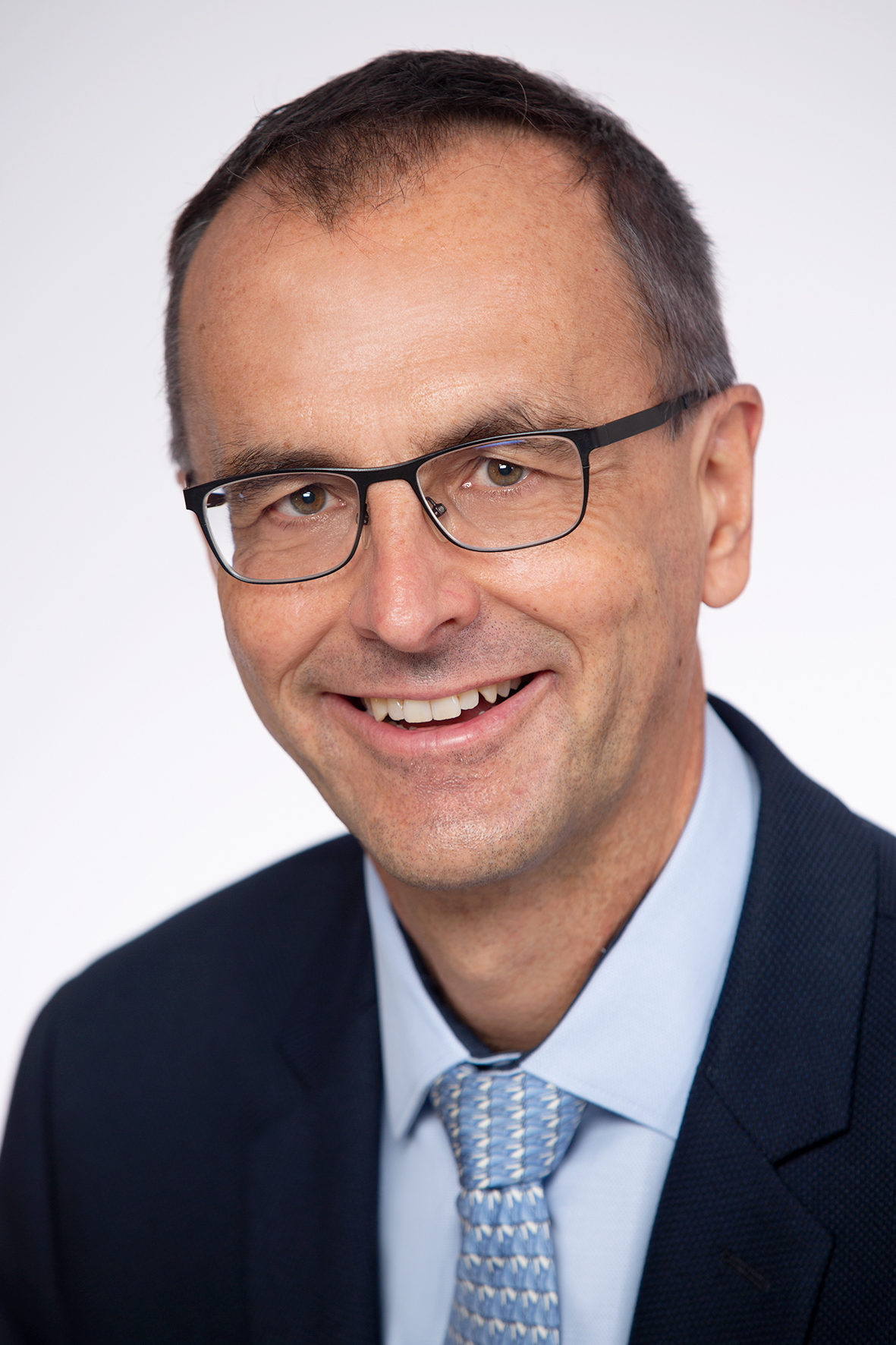
Prof. Stefan Eisebitt is a Director at the Max-Born-Institut für Nichtlineare Optik und Kurzzeitspektroskopie and holds a Professorship in Experimental Physics at the Technische Universität Berlin. His research focuses on ultrafast magnetization dynamics, nanoscale structure analysis, and novel imaging techniques using coherent XUV/X-ray spectroscopy. He leads the Transient Electronic Structure and Nanoscience group and is involved in cutting-edge projects involving femtosecond laser-driven X-ray sources and spintronic materials. Education and Career: He obtained his Diplom (1992) and Ph.D. (1996) from Cologne University, followed by postdoctoral research at the University of British Columbia and Forschungszentrum Jülich. He became a Privatdozent at Humboldt-Universität Berlin (2005) and held professorships at TU Berlin (2008–2015) and Lund University (2012–2015) before his current role since 2015. He leads the Functional Nanomaterials joint research group between Helmholtz-Zentrum Berlin and TU Berlin. Research Interests: His work spans transient electronic structure, ultrafast optical manipulation of magnetization, nanoscale material characterization, and advanced coherent imaging methods. Key techniques include XUV/X-ray spectroscopy, laser-driven plasma sources, and femtosecond time-resolved studies. Professional Roles: He chairs the Physikalische Gesellschaft zu Berlin and the Elettra Scientific Advisory Council. He has held leadership roles in the European XFEL Scientific Advisory Committee and the Komitee für Forschung mit Synchrotronstrahlung (KFS). His lab develops state-of-the-art setups for ultrafast X-ray scattering and holography.
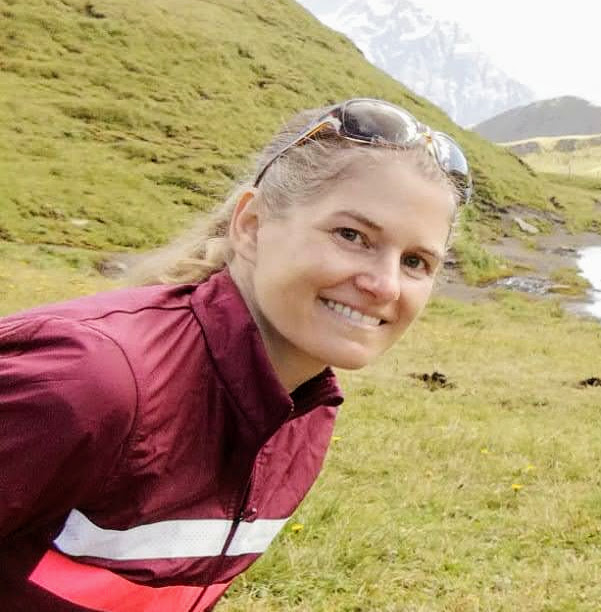
Dr. Gillian Sandstrom is an Associate Professor in the Psychology of Kindness at the University of Sussex's School of Psychology. She holds a BMath from the University of Waterloo, MA in Psychology from Ryerson University, and PhD from the University of British Columbia. Her research focuses on minimal social interactions, kindness, and gender roles in prosocial behavior. She previously worked as a Postdoctoral Research Associate at the University of Cambridge and as a Senior Lecturer at the University of Essex before joining Sussex in 2022. Her research examines how brief social interactions with strangers or weak ties can enhance well-being and reduce social barriers. Notable contributions include studies on the impact of 'talking to strangers,' parasocial relationships, and gender stereotypes in prosocial behavior. She has secured grants such as the ESRC-funded project on improving difficult social interactions. Dr. Sandstrom is affiliated with the Sussex Centre for Research on Kindness and teaches courses like 'Social Connection and Disconnection.' Awards include an Honorable Mention for Best Paper Award (Self & Identity, 2021). She actively promotes public engagement through media and social platforms like Bluesky, emphasizing everyday kindness and social connection.
Jessica Glazier is an Assistant Professor in the Frances L. Hiatt School of Psychology at Clark University, Worcester, MA. She completed her Ph.D. and M.S. in Psychological Science at the University of Washington (2022 and 2019, respectively) and a B.A. in Psychology & Music from Albion College (2015). Her research focuses on challenging societal norms about social categories like gender, race, and sexual orientation, emphasizing inclusivity for marginalized groups such as transgender, multiracial, and asexual individuals. She employs methods from social, developmental, cognitive psychology, and interdisciplinary approaches like feminist and LGBT studies. Research Interests Exploring how social categorization affects perceptions and experiences of individuals who defy traditional norms Examining consequences of gender/racial essentialism on prejudice and discrimination Investigating gender development in youth, including transgender and cisgender children Addressing statistical methodology limitations in psychological science Recent Research Trends Her 2024 work highlights challenges in LGBTIQ+ research inclusivity and examines gender attitudes across diverse children. Recent projects (2023–2024) emphasize statistical frameworks for meaningful inference, intersectionality in harassment perceptions, and the role of adult beliefs in shaping children’s identity autonomy. Earlier studies (2019–2022) established foundational insights into gender categorization mechanisms and transgender children’s developmental similarities to cisgender peers. Teaching & Mentoring Teaches Advanced Social Psychology (PHD) and Statistics (undergraduate), prioritizing student learning through dedicated skill-building sessions. Mentored research assistants (e.g., Liza Moore, Martina Khurana) and supervised Elizabeth Abel’s honors project on race and gender essentialism. Actively supports early-career researchers via peer mentoring programs. Labs & Collaborations Conducts research within Clark University’s Frances L. Hiatt School of Psychology lab environments, collaborating with institutions like Northeastern University and international teams on child development and social categorization projects.
Jonas Eliasson is a Visiting Professor at Linköping University's Department of Science and Technology (ITN), focusing on Communications and Transport Systems. He concurrently serves as Director of Transport Access at the Swedish National Transport Administration and chairs the Planning & Construction committee of the Royal Academy of Engineering Sciences. Previously, he was Director of the Stockholm City Transportation Administration (2016–2019) and a professor at the Royal Institute of Technology (KTH) from 2007 to 2016. His research emphasizes transport policy design and evaluation, including cost-benefit analysis, transport pricing, railway capacity allocation, and public acceptability of policies. He advises governments on sustainable transport planning, congestion pricing, and socio-economic appraisals. His work bridges theoretical frameworks and practical implementation, with a focus on accessibility, equity, and climate targets. Key research themes include infrastructure cost overruns, traffic demand reduction strategies, and the integration of passenger and freight transport systems. Recent publications analyze policy impacts, forecasting methods, and carbon-neutral transportation systems. His interdisciplinary approach addresses both technical and socio-political dimensions of transport challenges. Eliasson collaborates with research groups like Railway and Public Transport and contributes to initiatives like the 'Next Generation Smart Transportation Systems' project. Despite extensive professional roles, no formal student advisees are listed. His work is disseminated through journals like Transportation Research Part A and policy reports for national and regional governments.
Stefan Krastanov is an Assistant Professor at the University of Massachusetts Amherst, focusing on quantum hardware design, control, and optimization across multiple layers of quantum computing and networking technologies. His work bridges physical hardware descriptions with logical circuit compilation, emphasizing resilience in noisy quantum systems. Research Interests include Quantum Hardware Design, Entanglement-Based Networking, Quantum Error Correction, and Modeling Software for Quantum Systems. His primary lab is the Quantum Information Lab , with affiliations to the Advanced Classical and Quantum Information Research Lab. Recent work trends highlight advancements in quantum repeater networks, error-corrected compilation, and photonic neural networks. His publications span topics like non-Markovian dynamics simulation, NP-hard optimization in quantum dot arrays, and scalable spin quantum memory control. Labs and Teams: Quantum Information Lab (leading experimental/theoretical work) and collaborations through the Advanced Classical and Quantum Information Research Lab.
Elena Pierpaoli is Professor of Physics and Astronomy at USC Dornsife College, specializing in theoretical cosmology. Her research aims to determine the Universe's content and evolution through astrophysical observations. Primary research areas include Cosmic Microwave Background analysis, dark energy and dark matter properties, early universe physics, and cosmological model testing using galaxy clusters and large-scale structure data. Recent work focuses on gravitational lensing effects in CMB data and galaxy cluster dynamics. Research involves major collaborations including the Simons Observatory and CMB-S4 projects, developing next-generation cosmological surveys and instrumentation for precision cosmology.
Elie Hajj is a Professor in the Department of Civil & Environmental Engineering at the University of Nevada, Reno (UNR), serving as Associate Director of the Western Regional Superpave Center. His research focuses on asphalt pavement engineering, sustainable materials, and infrastructure resilience. He specializes in pavement rehabilitation, numerical modeling of dynamic load impacts, and economic analysis of pavement preservation strategies. Dr. Hajj has received recognition for his 2016 ASTM award for outstanding work on pavement rehabilitation economics. He actively engages in professional service, including TRB webinars and academic seminars on topics like pavement damage assessment and vehicle operating costs. His teaching spans graduate and undergraduate courses in pavement design, materials engineering, and advanced pavement analysis. His research integrates experimental and computational methods to address challenges in pavement performance under superheavy loads, recycled material utilization, and energy-efficient construction practices. Collaborations with industry and government agencies enhance the practical applicability of his findings.
Professor Andrew Berry is an Associate Professor and Head of the Geochemistry Research Area at the Research School of Earth Sciences, Australian National University (ANU). He holds a D.Phil. from the University of Oxford and a B.Sc. (Hons) from the University of Sydney. His research focuses on experimental petrology, geochemical processes in high-temperature environments, and the use of synchrotron-based techniques like X-ray absorption spectroscopy (XAS) to study element speciation in melts and minerals. Key areas include mantle metasomatism, oxidation state analysis of metals (Fe, Ti, Cr), and the geochemistry of carbonatites and rare earth elements. Education: D.Phil. (University of Oxford, 1997), B.Sc. (University of Sydney, 1991). Employment: Senior Fellow/Associate Professor at ANU (2012–present), Senior Lecturer at Imperial College London (2005–2011), and Research Fellow/Postdoctoral roles at ANU (2000–2005). Research Interests: Experimental studies of melt connectivity, oxidation state controls on element partitioning, and applications of synchrotron techniques. Current projects include investigating Fe³+/Fe²+ ratios in MORB, Ti oxidation states in hibonite, and REE behavior in carbonatites. Scientific Awards: Humboldt Research Fellowship (Universität Frankfurt, 2005). Advising & Grants: Supervised numerous PhD projects on topics like mantle metasomatism and zircon oxy-barometry. Active in collaborative projects on critical metals and carbonate melt geochemistry. Labs/Teams: Leader of the Experimental Petrology group at ANU, contributing to facilities like the Australian Synchrotron.
Jura Liaukonyte is an Associate Professor of Marketing and Applied Economics at the Charles H. Dyson School of Applied Economics and Management within the SC Johnson College of Business at Cornell University. She holds a Ph.D. from the University of Virginia (2009). Her research focuses on the intersection of applied microeconomics, industrial organization, and quantitative marketing, with a particular emphasis on advertising content, consumer behavior, and food marketing. She has developed notable work on generic advertising, advertising as a public good, and food labeling issues. Her recent research explores topics like the impact of social media boycotts on sales (e.g., the Goya boycott study), the effects of GLP-1 medication adoption on consumer food choices, and political polarization in consumer goods. She has also contributed to understanding online shopping dynamics and the role of personalized pricing in consumer fairness perceptions. Key projects include analyzing how advertising content influences investor behavior and the effectiveness of comparative advertising in OTC analgesic markets. Her work on GMO/non-GMO labeling and CRISPR-edited food products highlights her engagement with emerging technologies' societal impacts. Liaukonyte's research has been published in top journals like Marketing Science and Management Science. She collaborates with institutions such as Numerator for consumer data insights and maintains an active presence in academic networks, including the Cornell SC Johnson College of Business Research Paper Series. Her lab focuses on data-driven analyses of consumer markets, with ongoing projects on healthiness indices and price fairness in dynamic economic environments.
Kirby Nielsen is a Professor of Economics and William H. Hurt Scholar at the California Institute of Technology (Caltech), affiliated with the Division of the Humanities and Social Sciences. His research focuses on Experimental Economics, Decision Theory, and Microeconomic Theory. Contact him via kirby@caltech.edu (note: Gmail may be more reliable currently). Research interests emphasize experimental methods to study decision-making under uncertainty, preference structures, and behavioral anomalies. Recent work explores common ratio effects, gender confidence gaps, and team dynamics in economic contexts. Publications (2017–2024) address topics ranging from risk preferences to comparative analysis of human and primate decision-making. Notable themes include systematic testing of axiomatic models and the timing of information in strategic interactions. No awards or grants are explicitly listed in the provided materials. Education history is not detailed here, though his affiliation with Caltech suggests a strong academic pedigree in economics.
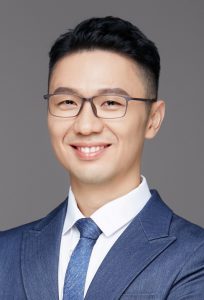
Guodong Shi is Associate Professor at the University of Sydney's Australian Centre for Robotics, heading the Centre for Robotics and Intelligent Systems. His research develops theoretical frameworks for multi-agent coordination, distributed optimization, and networked control systems. Current projects investigate collective decision-making under information constraints, privacy-preserving optimization, and game-theoretic formulations for social and robotic networks. His group develops algorithms for distributed solution of linear equations, Boolean networks, and equilibrium seeking. Doctoral supervision includes projects on acrobatic legged robots, reinforcement learning for robotic stability, and safe control under dynamic environments. Laboratory capabilities support theoretical and experimental validation. Research has applications in autonomous swarm robotics, smart grid optimization, and social network analysis. Teaching includes graduate courses on networked systems and optimization.
Martin Fromm is a Professor of Clinical Pharmacology and Toxicology at Friedrich-Alexander University Erlangen-Nürnberg, where he has served as Director of the Institute of Experimental and Clinical Pharmacology and Toxicology since 2004. His career includes prior roles as Acting Professor (2002–2004), Group Leader (1999–2002), and postdoctoral fellowships at the Dr. Margarete-Fischer-Bosch Institute (1992–1996) and Vanderbilt University (1997–1999). Research Focus: Mechanisms of variable drug effects, drug transporters, medication safety, and biomarker development for transporter-mediated drug interactions. Publications: Over 170 original articles and 49 reviews with an h-index of 76 (24,000+ citations). Leadership: Chair of the University Hospital Erlangen's drug utilization committee and steering board of the Center of Clinical Studies. Scientific Awards: Top 3% Highly Cited Researcher (AD Scientific Index 2022–2024) Top 2% Highly Cited Researcher (Stanford List 2023) MSD Health Award (2021) Paul-Martini-Award (2001) Presidential Trainee Award (1998) Research Trends: His recent work integrates metabolomics, machine learning (LC-MS methods), and clinical studies to enhance medication safety in oncology and geriatrics. Earlier studies focus on transporter proteins (e.g., OCT2, MATE1, P-glycoprotein) and their role in drug absorption, metabolism, and interactions. Grants & Collaborations: Funded by DFG, BMBF, BMG, and Deutsche Krebshilfe. Active in ethics committees and clinical pharmacology societies.
Prof. Dr. Virginia Ruiz-Villanueva is a Professor and leader of the Geomorphology Unit at the Institute of Geography, University of Bern. Her research focuses on river processes, particularly large wood dynamics, flood hazards, and sediment transport in mountainous regions. She holds a prominent role in international collaborations, addressing climate change impacts and river management challenges. Key areas of expertise include geomorphology, environmental hazards, and interdisciplinary approaches to understanding river systems. Her work integrates field observations, numerical modeling, and remote sensing to study processes such as large wood accumulation in rivers, flood risk assessment, and the influence of human activities on hydrological systems. She has contributed to projects across Europe, South America, and the Western United States, emphasizing practical applications for disaster risk reduction and sustainable river management. Recent research highlights include exploring historical changes in mountain river hydrodynamics, quantifying large wood supply in Swiss catchments, and analyzing cascading hazards in Chilean river systems. Her publications frequently appear in high-impact journals such as Earth Surface Processes and Landforms and Science of the Total Environment .
Irene Pañeda Fernández is a Research Fellow at the Department of Migration, Integration, and Transnationalization at the WZB Berlin Social Science Center. She coordinates the TRANSMIT project, investigating migration aspirations and decisions in West Africa. Her research focuses on inequality and migration, exploring factors influencing migration decisions and attitudes toward immigrants/refugees. She holds a Ph.D. in Social and Political Sciences from the European University Institute (2022). Her research areas include migration studies, social inequality, climate change impacts on migration, welfare state analysis, and social science methodologies. Her recent work examines how climate disasters affect migration intentions in West Africa and the role of teacher bias in education systems. Her studies combine mixed-methods approaches, including factorial experiments and large-scale surveys. Key contributions include analyzing climate-induced migration patterns, educational discrimination mechanisms, and disaster-driven redistributive preferences. Current projects aim to bridge migration theory with policy-relevant insights, particularly in transnational contexts. She collaborates closely with international teams and institutions focused on migration and climate change intersections. Her work is methodologically rigorous, emphasizing policy-oriented outcomes.



.jpg)