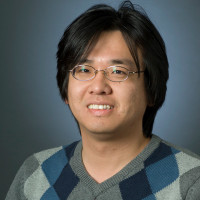
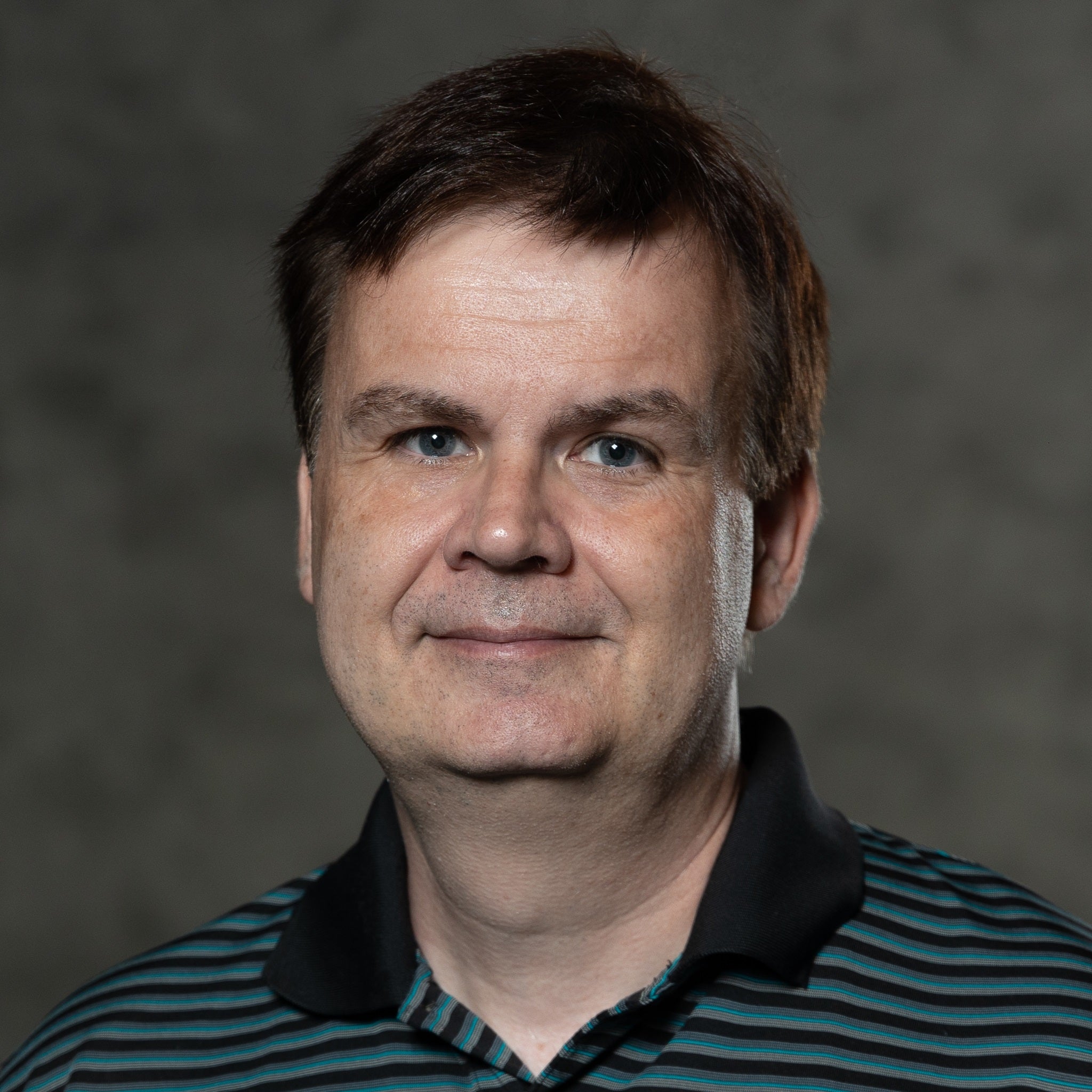
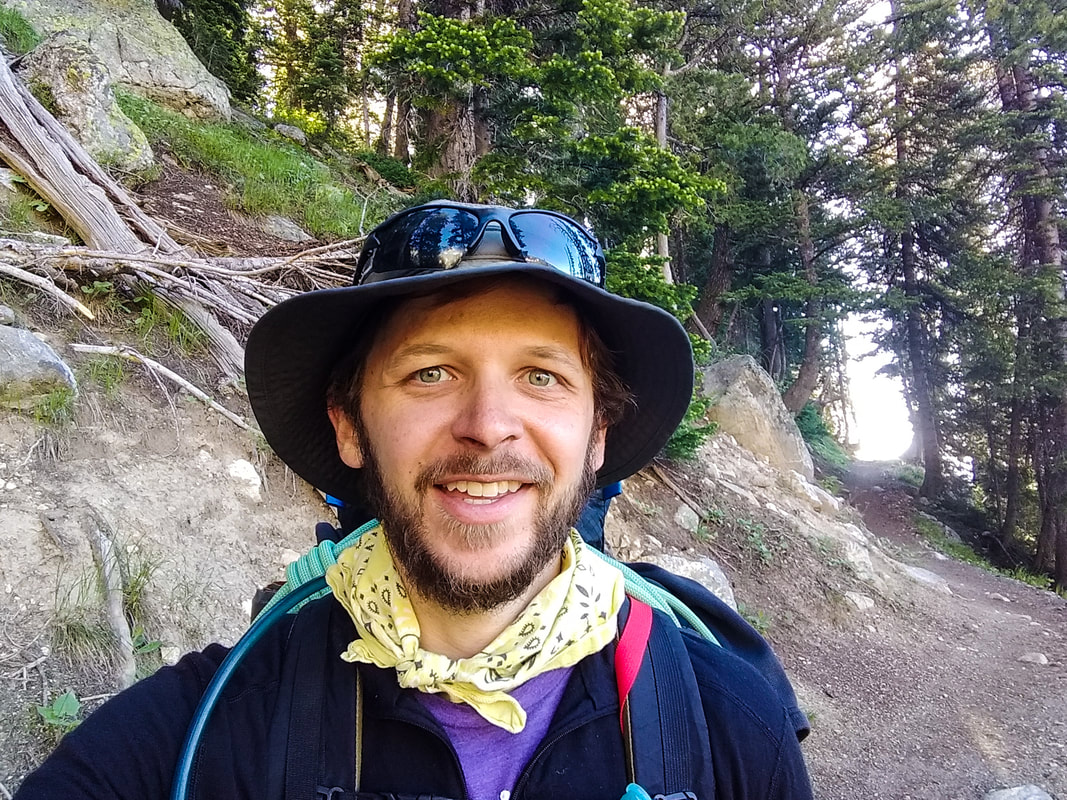
YING-TSONG LIN is an Acting Professor at the Scripps Institution of Oceanography (SIO), UC San Diego. His research focuses on applied ocean sciences, autonomous ocean platforms, internal waves, ocean acoustics, and instrumentation. He leads projects like the New England Shelf Break Acoustics (NESBA) experiment, emphasizing real-time acoustic modeling and environmental interactions. Research interests include 3D acoustic propagation modeling, ocean mixing dynamics, and seabed characterization. His work integrates high-performance computing and distributed sensor networks for oceanographic studies. Recent studies address underwater explosions, renewable energy impacts, and vessel localization using acoustic coherence. Publications emphasize advancements in hydroacoustic modeling, seabed inversion techniques, and environmental asymmetry effects. His contributions span interdisciplinary areas like bioacoustics and seismic-to-acoustic wave conversions. Labs/Teams: Involved with SIO's Acoustics and Oceanography research groups, focusing on autonomous platforms and global observing systems.
Ronald Hedden is a Professor of Practice in the Department of Chemical and Biological Engineering at Rensselaer Polytechnic Institute (RPI), where he focuses on innovations in undergraduate education and polymer science. Previously, he served as an Associate Professor at Texas Tech University (2009–2017). His current research emphasizes Virtual Reality (VR) integration into chemical engineering education, including the development of a Virtual Chemical Plant (VCP) simulation to provide safe, cost-effective access to process equipment. His research interests span chemical engineering, polymer science, soft materials, and nanomaterials. Notable projects include applying VR for teaching process safety and dynamics, as well as exploring nanocomposite materials and membrane technologies. He also investigates polymer rheology and structure-property relationships using advanced characterization techniques like NMR and SANS. Hedden teaches both core chemical engineering courses and interdisciplinary engineering subjects. His work bridges academic research and practical applications, with contributions to biofuel refining, asphalt modification, and nanoparticle incorporation in polymers. While no specific awards are listed, his extensive publication record highlights impactful contributions to materials science and educational technology. His advisory work involves student projects on VR simulations and materials engineering. He collaborates on initiatives like the VCP platform, aimed at advancing safety training and process control education. Hedden’s career reflects a commitment to both cutting-edge research and transformative pedagogy in engineering education.
Sebastian Kube is an Assistant Professor in the Department of Materials Science & Engineering at the University of Wisconsin-Madison's College of Engineering, with additional affiliation in Mechanical Engineering. His research accelerates alloy development through autonomous discovery methods combining robotics, data science, and advanced characterization. Dr. Kube's educational background includes: Postdoctoral Researcher (2023), University of California Santa Barbara (Tresa Pollock Lab) PhD (2021), Yale University (Jan Schroers Lab) BS (2016), Giessen University His work focuses on refractory multi-principal element alloys for extreme environments (>1300°C) and metallic liquid structure-property relationships. He develops autonomous platforms to navigate complex parameter spaces, targeting improved glass forming ability and rapid solidification processing through B2 precipitation strategies and novel characterization techniques. Recent publications emphasize refractory high-entropy alloys, BCC-B2 systems, and metallic glasses, integrating experimental and computational approaches to decode phase stability, deformation mechanisms, and glass formation for accelerated materials design. Major recognitions include: 2025 DARPA Young Faculty Award 2024 ARPA-E IGNIITE Early Career Award RCSA Scialog Fellowship for Automating Chemical Laboratories He mentors graduate students through thesis courses (M S & E 790/890/990) and leads the Autonomous Alloy Discovery Lab, which develops robotic systems for high-throughput experimentation. Current projects target next-generation turbine alloys and environmentally sustainable materials for aerospace, energy, and defense applications.
John Drake is an Associate Professor in the Department of Sustainable Resources Management at the State University of New York College of Environmental Science and Forestry (SUNY-ESF). His research focuses on plant physiology and ecosystem ecology, particularly the physiological mechanisms underlying tree function and their scaling to ecosystem processes under climate change. He holds a Ph.D. from the University of Illinois (2010) in Ecology, Evolution, and Conservation Biology and a B.S. from Hope College (2005) in Biology. Prior roles include Research Fellow and Postdoc positions at institutions like the Hawkesbury Institute for the Environment and Boston University. His work emphasizes tree responses to temperature and water availability, including photosynthetic acclimation, carbon allocation, and stable isotope analysis. He leads the Drake Lab, which investigates tree ecophysiology and forest resilience. Current advisees include Sofia Arreaga (MS), Leslie Morrison (PhD), Jacob Olichney (PhD), and Taylor Wegner (MS). Notable grants include studies on New York forest responses to environmental change and climate resilience strategies for American chestnut restoration. Dr. Drake has received the University Distinguished Fellow award and contributed to over 40 peer-reviewed publications since 2007. His lab supports interdisciplinary research on forest carbon dynamics, soil-microbe interactions, and climate adaptation, with projects funded by agencies like the USDA and SUNY-ESF.
Daniel Klein is a Professor in the Computer Science Division at the University of California at Berkeley , affiliated with the Berkeley Artificial Intelligence Research Lab (BAIR) and the Berkeley Natural Language Processing Group . His research focuses on statistical natural language processing, including unsupervised learning, syntactic parsing, information extraction, and machine translation, with applications in historical linguistics and AI.
Michael Harrison is an Assistant Professor in the Department of Cell and Developmental Biology at Weill Cornell Medicine, where he leads the Regeneration and Development Lab within the Graduate School of Medical Sciences. His research focuses on vascular development and regeneration using zebrafish as a model organism, with emphasis on coronary and cerebral vasculature. Education: B.Sc. in Genetics, University of Edinburgh (2005) Ph.D. in Developmental Genetics, University of Sheffield (mentor: Vincent Cunliffe) Postdoctoral Fellowship, Saban Research Institute, Children’s Hospital Los Angeles (CIRM Fellow) Harrison's research centers on understanding how blood and lymphatic vessels form and regenerate, particularly in the heart and brain. His lab investigates coronary vessel development, the role of lymphatic systems in inflammation and regeneration, and revascularization after injury. By leveraging zebrafish genetics and advanced imaging, his work aims to uncover pathways that could be harnessed for regenerative therapies in humans. His recent publications reveal key signaling mechanisms such as Cxcr4-Cxcl12 in coronary development and the two-step formation of cardiac lymphatics. The 15 most recent articles demonstrate a strong, consistent research trajectory in vascular biology and regeneration, with increasing use of advanced techniques like single-nuclei multiomics, fluidic imaging devices, and CRISPR-based genome editing. His work spans developmental mechanisms, functional imaging, and translational applications in cardiac repair. Scientific Awards: No awards explicitly mentioned in the provided text. Harrison actively mentors a team of postdoctoral fellows, research assistants, and students, several of whom have progressed to medical school or research careers. His lab collaborates extensively, particularly with Ching-Ling Lien's group. He has secured research space and funding to support ongoing projects in cardiac and cerebral vasculature. The lab is actively recruiting rotation students from BCMB, PBSB, IMP, and Tri-Institutional programs, as well as postdoctoral researchers and research assistants, indicating an expanding research team and active grant support. Labs and Teams: Regeneration and Development Lab, Weill Cornell Medicine Collaborations with Ching-Ling Lien Lab Member of Tri-Institutional PhD Programs Active participation in BCMB, PBSB, and IMP training programs
Ariel Rubinstein is a prominent Israeli economist and Professor of Economics at Tel Aviv University's School of Economics and the Department of Economics at New York University. Born on April 13, 1951, he has established himself as a leading figure in game theory and economic theory over his decades-long career. His research spans Game Theory, Bounded Rationality, Economic Theory, and Experimental Economics. Rubinstein is particularly renowned for developing the Rubinstein bargaining model, published in 1982, which describes two-person bargaining as an extensive game with perfect information. He also co-authored the highly influential A Course in Game Theory (1994) with Martin J. Osborne, which has been cited over 4,000 times. His recent scholarly output shows continued productivity across multiple subfields of economic theory, with a focus on behavioral aspects of decision-making, implementation theory, and the philosophical foundations of economic modeling. His work often challenges conventional approaches in economics while maintaining rigorous theoretical foundations. Honorary Fellow recognition Author of highly cited textbooks and scholarly articles Creator of educational resources including game theory experiments website Rubinstein maintains an active teaching role at NYU, where he has taught PhD microeconomics courses through 2024. His work extends beyond traditional academic boundaries through his 'Rubinstein's Atlas of Cafes where one can think,' his political commentary, and his engagement with public discourse on economic methodology and social issues. He has created protest materials and written extensively on contemporary political matters, particularly regarding the Israeli-Palestinian conflict. His laboratory focuses on Economic Theory, Bounded Rationality, Game Theory, and Experimental Economics, reflecting his interdisciplinary approach to understanding human decision-making within economic frameworks.
Colm McLaughlin is a Professor of Employment Relations at the UCD School of Business. He serves as Vice-Principal for Equality, Diversity and Inclusion at the College of Business, Co-Director of the UCD Centre for Business and Society (CeBaS), and UN Principles for Responsible Management Education (PRME) Coordinator. He holds a PhD from the University of Cambridge and has held academic roles at the University of Auckland and postdoctoral positions at Cambridge, alongside industry experience in local government and hospitality. Education : BA and MComm (University of Auckland), PhD (University of Cambridge). Research Interests : Comparative employment relations, institutional regulation, gender equality, training systems, and low-paid work. Professional Appointments : Research Associate at Cambridge’s Centre for Business Research, Visiting Fellow at the University of Sydney and Victoria University Wellington. His recent research focuses on immigration policy as a skills supply mechanism in liberal market economies, trade union legitimation politics, and reflexive regulation frameworks. He has examined how ideational power resources shape labour relations and contributed to debates on corporate social responsibility and sustainable HRM practices. His work bridges theory and practice, particularly in case method pedagogy reform. Colm has received multiple awards, including the AMLE Best Article Winner (2017), Academy of Management Dark Side Case Competition Winner (2013), and University Teaching Excellence Awards (2020). His publications appear in prestigious journals such as Industrial Relations , Journal of Industrial Relations , and Academy of Management Learning and Education . He has served on editorial boards for Industrial Relations: A Journal of Economy and Society and Journal of Industrial Relations , and held leadership roles in committees like BITCI Leadership for Sustainability and the SDG Engagement Working Group.
Secil Ugur Yavuz is a Professor at the Faculty of Design and Arts, Department of Design, at Free University of Bozen-Bolzano. Her academic work spans eco-social design, research through design, and tangible human-technology interactions, with a particular focus on sustainable materials and collective making practices. She teaches courses including Design 3 for the Master in Eco-social Design and doctoral programs in Experimental Research through Design, Art and Technologies. Professor Yavuz's research explores the intersection of analog and digital through tangible human-technology interactions, with significant contributions to sustainable material systems. Her FERAL WOOL project investigates ecological and cultural dimensions of wool, while her work with biomaterials like microbial cellulose and open-source bioreactors addresses circular production systems. She employs embodied and speculative approaches to examine microplastic emissions, children's nature engagement through tools like TREESENSE, and social play with interactive toys. Her recent publications reveal a strong thematic focus on material culture, sustainability, and human-centered design across multiple scales. The research demonstrates consistent exploration of how digital and physical realms interact to create meaningful user experiences while addressing ecological challenges. Key trends include the use of embodied interaction methods, speculative design for cultural critique, and co-creative processes that bridge technological innovation with social and environmental responsibility. Yavuz leads the Design Friction Lab, which investigates the philosophical foundations of design through customizable interfaces and DIY approaches. Her work with doctoral students in Experimental Research through Design emphasizes reshaping technologies through collective making processes. The FERAL WOOL research project represents a significant current initiative exploring sustainable textile futures through both ecological and cultural lenses.
Prof. Dr. Christian Mayer is a Professor in Physical Chemistry at the Faculty of Chemistry, University of Duisburg-Essen. He serves as Head of the working group focusing on origin of life research, nanocapsules, and NMR spectroscopy techniques. His research group is located at Universitätsstraße 5, D-45141 Essen, Germany, with contact information including phone number +49 201 183-2570. Prof. Mayer's research interests primarily focus on the origin of life in deep tectonic fault zones of the first continental fragments, where he collaborates with Prof. Dr. Ulrich Schreiber from the Faculty of Biology and Prof. Dr. Oliver Schmitz from Applied Analytical Chemistry. His work investigates how vesicle formation occurs in tectonic fault systems through cyclic phase transitions of carbon dioxide, creating ideal conditions for molecular evolution. He specializes in pulsed field gradient NMR (PFG-NMR), high-resolution NMR, and solid-state NMR techniques to characterize nanoscale systems including nanocapsules, vesicles, and microemulsions. His recent publication trends reveal a strong interdisciplinary focus spanning physical chemistry, prebiotic chemistry, and astrobiology. The articles demonstrate increasing integration of computational methods with experimental approaches, particularly in analyzing molecular structures and dynamics. His research has evolved from fundamental studies of nanocapsule systems to broader investigations of protocell formation mechanisms under early Earth conditions, with recent work extending to astrobiological contexts including potential life formation on Titan. Prof. Mayer has established significant collaborations across multiple disciplines, particularly with geologists and biologists, to investigate the physical chemical processes that could have led to the emergence of life. His work bridges fundamental physical chemistry with practical applications in nanomedicine, particularly in developing artificial oxygen carriers based on nanocapsule technology. His laboratory utilizes high-pressure facilities to simulate early Earth crust conditions, with a particular focus on supercritical CO 2 environments. The working group combines experimental approaches with theoretical modeling to understand vesicle formation processes and their implications for the origin of cellular life.
Luke Miratrix serves as Assistant Professor at Harvard Graduate School of Education and affiliate faculty in Harvard Department of Statistics. His methodological expertise centers on causal inference applications in educational research, particularly treatment effect heterogeneity and cluster-randomized trial evaluation. His academic background includes a Doctorate in Statistics from University of California, Berkeley (2012), Master of Science in Computer Science from M.I.T., Bachelor of Science in Computer Science from California Institute of Technology, and Bachelor of Arts in Mathematics from Reed College. Prior to academia, he spent seven years as a high school teacher and tutor. Miratrix's research prioritizes minimal-assumption statistical approaches to validate data-driven arguments. Key interests include developing methods for characterizing variation in treatment impacts, analyzing post-treatment subgroups, and applying high-dimensional techniques to text summarization in legal, journalistic, and educational contexts. His work consistently bridges theoretical statistics with practical implementation challenges in real-world settings. Analysis of his recent publications (2023-2025) reveals three dominant trends: advancement of matching methodologies (e.g., synthetic controls, caliper matching), refinement of heterogeneous treatment effect estimation across multisite trials, and integration of machine learning with human coding for efficient text-based inference in educational assessments. These efforts demonstrate increasing focus on scalable, accessible tools for applied researchers. He contributes to methodological infrastructure through the CARES Lab and software packages like 'matchMulti' and 'textreg', providing practical implementation guides for complex statistical techniques. His work emphasizes translating advanced causal inference methods into usable frameworks for education researchers and policymakers.
Gareth Hall is a Senior Lecturer in Psychology at Aberystwyth University's Department of Psychology, where he has been an established member since the department's founding in 2007. He holds a PhD from Glamorgan University and is a Chartered Member of the British Psychological Society (BPS) and a Fellow of the Higher Education Academy (FHEA). His academic career includes significant administrative roles such as Examinations Officer (2007-2014, 2016), Senior Tutor (2014), and Acting Director of Admissions and Recruitment (2009, 2011). Dr. Hall's research focuses on social psychology with particular expertise in social identity theory applied to real-world contexts. His work spans sport psychology, examining sport for development programs, intergroup behavior in fandom, and well-being in physical culture communities like CrossFit. He has pioneered research testing laboratory theories in real-world settings, challenging traditional experimental paradigms through creative methodologies that incorporate digital technologies and interdisciplinary approaches. His publication record shows consistent output since 2006, with significant contributions in 2019-2023 focusing on sport psychology applications in Brazil, forensic psychology, and educational technology. His work demonstrates a clear trajectory toward interdisciplinary collaboration, particularly in sport for development contexts and the application of social identity theory to complex social issues. Scientific Awards and Recognition: Teaching and Learning Improvement Award from Aberystwyth University (2011) Active editorial roles including for Frontiers in Sports and Active Living (2021) and Bulletin of Latin American Research (2019) Dr. Hall has secured research funding from prestigious organizations including the Economic and Social Research Council (2018) and British Council (2015). His external engagements include committee membership with the British Psychological Society's Undergraduate Education Committee (2015-present), AQU Catalunya (2022-2023), and visiting researcher positions at the University of Padua (2017-2018). His work contributes to multiple UN Sustainable Development Goals, particularly those related to social development and inclusion.
Christian von Scheve is a Professor of Sociology and Head of the Department of Sociology of Emotions at Freie Universität Berlin. He also serves on the board of the Collaborative Research Center (SFB) 1171 'Affective Societies' and is a Research Fellow at the German Institute for Economic Research (DIW Berlin). His academic journey includes positions as a Research Professor at DIW Berlin (2011-2014), Junior Professor at Freie Universität Berlin (2008-2014), and Assistant Professor at the University of Vienna (2007-2008). His research examines the interplay between culture, social structures, and emotions, with emphasis on: The social/cultural constitution of emotions and affective experiences Emotional dimensions of economic action Human/non-human social interaction He employs diverse methodologies including surveys, interviews, and experiments. His recent publications (2022-2025) predominantly explore affective polarization , refugee integration , and the role of emotions in political discourse, utilizing interdisciplinary approaches spanning sociology, neuroscience, and political science. A consistent theme is how emotions shape social cohesion and conflict in contemporary societies. He holds key editorial roles including Co-Editor of Soziale Welt , Associate Editor of Emotion Review , and Editorial Board positions for multiple book series on affective societies and emotion research. He actively advises Master's students, requiring thesis proposals to be submitted six weeks before registration deadlines. His research is embedded in collaborative projects like SFB 1171 'Affective Societies' and the 'Social Cohesion and Civil Society' initiative.
Jasmine Begeske serves as Clinical Assistant Professor of Special Education in Purdue University's Department of Educational Studies within the College of Education. She co-founded and directs CREATE: Center for Research and Equipment for Assistive Technology in Education, an AT library and makerspace providing hands-on opportunities for pre-service teachers to develop individualized solutions for students with disabilities using 3D printers, Cricut, and Glowforge equipment. Her educational background includes: PhD in Special Education with Cognate in Art Education from Purdue University MFA in Photography and Related Media from Purdue University MS in Secondary Education (Special Education specialization) from Indiana University Northwest BFA in Photography with Art History minor from Indiana University Dr. Begeske's research program examines inclusive access to arts education through program evaluation and creative assistive technology development. Her experimental printmaking practice integrates individuals with disabilities as co-creators , while her scholarly work validates instruments measuring preschool arts accessibility and develops multisensory adaptations for students with visual impairments. She bridges art education and special education through evidence-based AT interventions . Analysis of her publication history reveals consistent focus on arts/special education intersections with increasing emphasis on empirical validation of accessibility instruments and multisensory adaptations. Her 2023 work on teacher education in art classrooms and multisensory adaptations demonstrates practical applications of her CREATE center's mission, while her 2022 instrument validation study establishes methodological rigor in measuring arts accessibility. Her scientific recognition includes: 2023 USSEA Outstanding Dissertation Award 2023 Purdue Focus Award for equity initiatives 2022 AEAI President's Award for EDI service Multiple Purdue University teaching and discovery awards (2020-2023) With 15+ years of teacher preparation experience spanning 100+ course sections, Dr. Begeske mentors doctoral students while securing grant funding including $100K from Purdue's Instructional Equipment Grant for CREATE. Her professional service encompasses state-level program reviews, academic standards committees, and leadership roles in Indiana Division of Early Childhood and CEC-DARTS. The CREATE center operates as a dual-space AT innovation hub with fixed location in Beering Hall and mobile carts supporting field experiences. It empowers pre-service teachers to prototype solutions addressing specific student needs while advancing Dr. Begeske's mission of making education universally accessible through technology and creativity.
Dr. Martin Rohde is a Professor and Group Leader at the Radiation Science & Technology department within the Faculty of Applied Sciences at Delft University of Technology (TU Delft) in the Netherlands. He leads the Transport Phenomena & Nuclear Applications research group, focusing on advanced nuclear reactor technologies, particularly molten salt reactors, and their associated transport phenomena. Professor Rohde's research interests span across several critical areas in nuclear engineering and fluid dynamics. His work primarily focuses on understanding transport phenomena in nuclear applications, with particular emphasis on molten salt reactors for sustainable and safe nuclear power generation, innovative production techniques of medical isotopes, and advanced energy storage systems like flow batteries. His research group actively investigates complex physical phenomena occurring under extreme conditions such as high pressures, high temperatures, and interactions with radioactive processes. His publication record demonstrates a strong focus on computational methods for nuclear applications, particularly the Lattice Boltzmann Method (LBM), which is used to model fluid flow, heat transfer, and phase change phenomena in nuclear systems. Recent work has concentrated on freezing and melting processes in molten salt reactors, microfluidic separation techniques for medical isotopes, and advanced modeling of flow batteries. His research shows a clear progression toward increasingly sophisticated numerical methods applied to real-world nuclear engineering challenges. Professor Rohde has secured significant funding through multiple European Commission projects including ENDURANCE, MIMOSA, and ReZilient, demonstrating the international recognition of his research. He has supervised numerous PhD and MSc students, many of whom have gone on to complete theses on topics related to molten salt reactors, microfluidics, and flow battery technology. His research group includes several technicians, post-doctoral researchers, and PhD candidates working collaboratively on cutting-edge nuclear technology. The Transport Phenomena & Nuclear Applications laboratory operates several specialized facilities including the ESPRESSO facility for measuring melting and solidification under convective boundaries, and experimental setups for studying molten salt behavior, microfluidic purification, and flow battery technology. The group maintains strong collaborations with international partners including TRIUMF (Canada), NRG, and URENCO (The Netherlands).