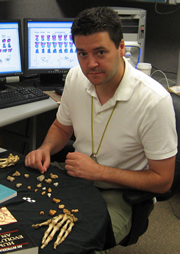
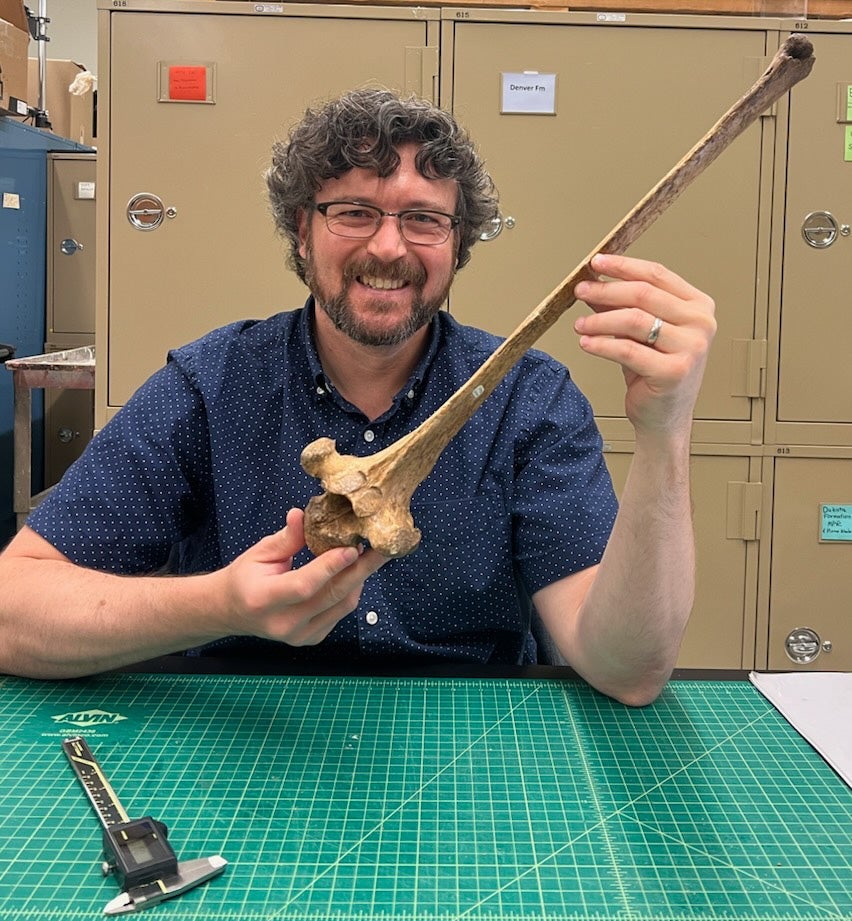
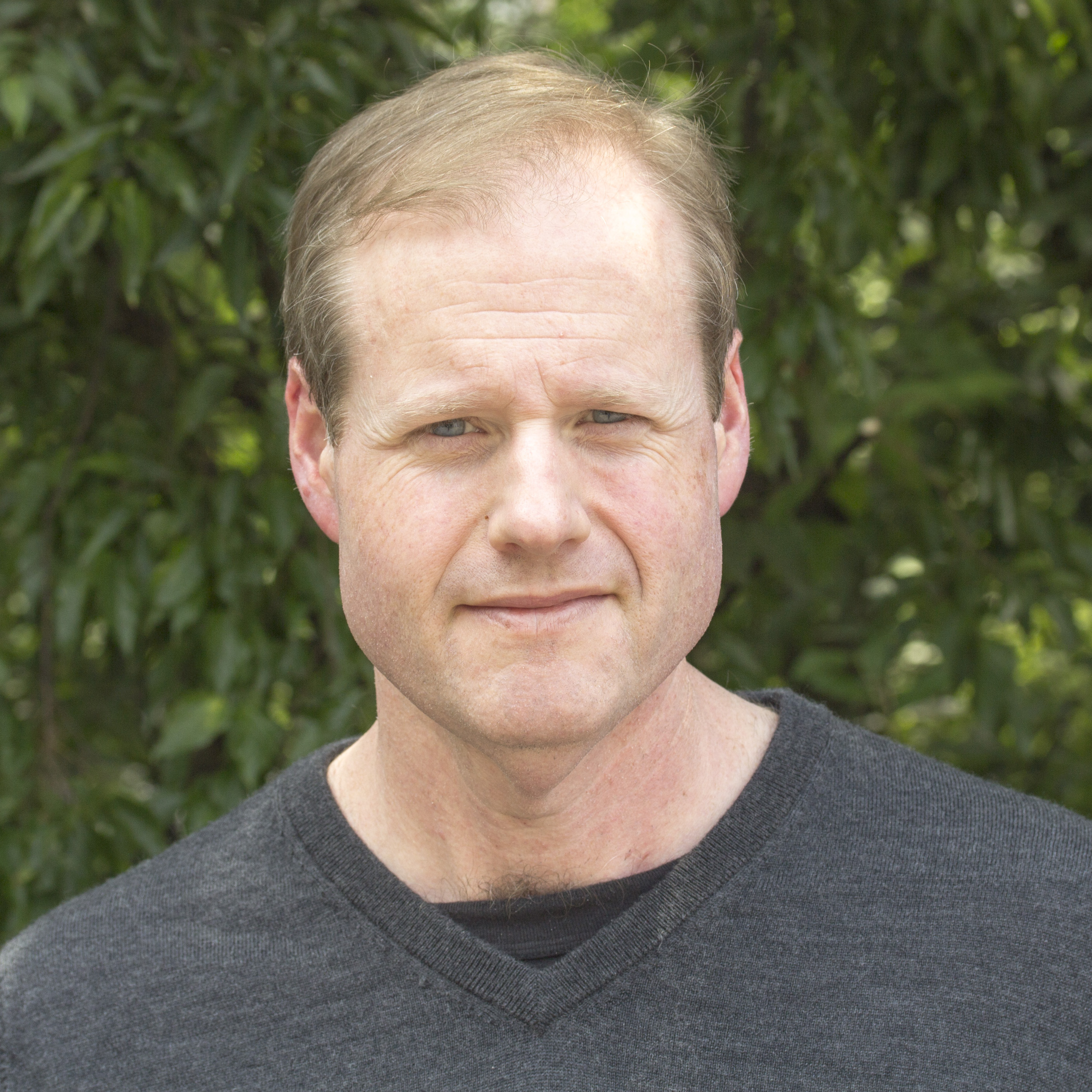
Carolyn Dillian is a Professor of Anthropology and Geography at Coastal Carolina University specializing in prehistoric technology and coastal adaptations. She leads field research projects at the Anne Tilghman Boyce Coastal Reserve in South Carolina, focusing on environmental changes and subsistence strategies 5,000 years ago, and collaborates with the Koobi Fora Field School in Kenya studying early hunter-fisher-gatherers. She teaches courses like Prehistoric Archaeological Field School (ANTH 395) and Advanced Archaeological Methods (ANTH 410), emphasizing hands-on learning through flintknapping and 3D technologies. Dr. Dillian holds a Ph.D., M.S., and B.A. in Anthropology from the University of California, Berkeley and the University of Pennsylvania. Her research spans geochemical analysis of archaeological materials, trade networks, and cultural resource management. She is a member of the Register of Professional Archaeologists and actively involves students in fieldwork and lab research. Education: Ph.D., Anthropology, University of California, Berkeley M.S., Anthropology, University of Pennsylvania B.A., Anthropology, University of Pennsylvania Research Interests: North American prehistory, hunter-gatherer societies in East Africa, geochemical characterization of artifacts, and the impact of environmental changes on cultural practices. Her fieldwork combines traditional excavation with cutting-edge technologies like portable XRF spectrometry and 3D modeling to enhance accessibility and public engagement. Teaching & Mentorship: Dr. Dillian’s classes integrate practical skills, such as stone tool-making and archaeological field techniques, to prepare students for careers in archaeology. Former students praise her for providing real-world experience and long-term mentorship, as highlighted by alumna Emilie Skartvedt. Labs & Collaborations: She directs excavations in South Carolina and Kenya, fostering interdisciplinary collaboration between Anthropology, Geography, and Marine Science students. Her work at Brookgreen Plantation and Boone Hall Plantation applies geochemical methods to trace material origins and historical contexts.