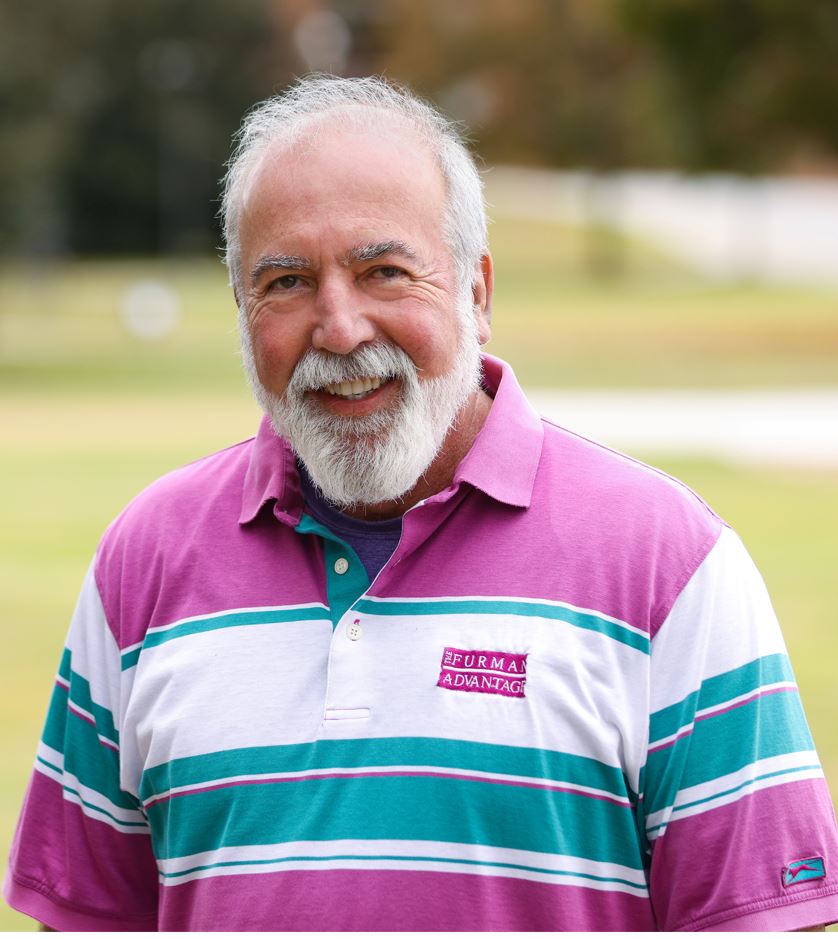
Anthony Caterisano is a Professor of Health Sciences at Furman University, with over 35 years of academic and athletic leadership. He holds a Ph.D., M.A., and B.S. from The University of Connecticut, SUNY, and UNC Chapel Hill. His research focuses on exercise physiology, resistance training, and sports medicine, with notable publications in journals like Medicine and Science in Sports and Exercise . Dr. Caterisano is a Fellow of the American College of Sports Medicine (FACSM) and has authored/co-authored books on football training and resistance techniques. He has served as wrestling coach at Furman, Spartanburg Methodist College, and currently coaches at Wade Hampton High School. As a competitive powerlifter, he has secured 16 South Carolina state titles, 10 national titles, and 10 world gold medals in masters-level competitions. His work bridges scientific research and practical application, with grants and presentations on topics like strength training methodologies and cardiovascular adaptations. Key contributions include studies on Tsunami Barbell training, metabolic responses to exercise, and core muscle engagement. His awards reflect both academic excellence and athletic achievement, while his grants and presentations underscore his commitment to advancing sports science.
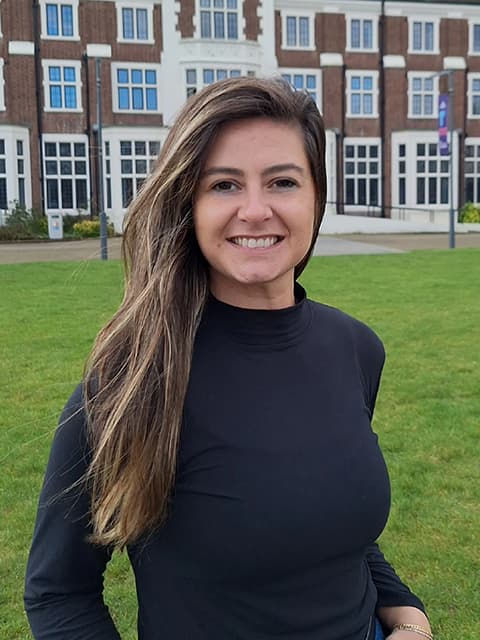
Sabrina Furtado is a Lecturer in Sport Management and Dean’s Associate Fellow at Loughborough University’s School of Sport, Exercise and Health Sciences. She holds a BSc, MSc, and PhD. Previously, she taught at the Federal University of Paraná and State University of Santa Catarina in Brazil, focusing on sport management, sports law, and entrepreneurship in the sports sector. Her research focuses on sports governance, strategic planning, and policy development in public and private sports entities. Key areas include Olympic and Paralympic federations, sports financing, and the impact of media representation on disability inclusion. She contributes to the Sport, Business and Society and Lifestyle for Health and Wellbeing research groups, as well as the Inteligência Esportiva Research Institute . Recent work analyzes governance structures in Santa Catarina municipalities, business intelligence applications in sports management, and modernization processes in Brazilian Olympic federations. Her publications span topics like Paralympic organizational roles, media stigma in disability sports reporting, and funding mechanisms for sports initiatives. No scientific awards are mentioned. Sabrina advises master’s students on sport management and policy but no grant details are provided. Her current projects aim to strengthen sports policies and enhance stakeholders’ engagement in the sport system.
Yao Qin is an Assistant Professor in the Department of Electrical and Computer Engineering at the University of California, Santa Barbara (UCSB), with dual affiliation in the Department of Computer Science. She concurrently serves as Co-Director of the REAL AI Initiative at UCSB and holds a Senior Research Scientist position at Google DeepMind, where she contributes to the Gemini Multimodal project. Her academic credentials include a PhD in Computer Science and Engineering from the University of California, San Diego (advised by Prof. Garrison W. Cottrell) and a BS in Electrical Engineering from Dalian University of Technology. During her doctoral studies, she completed internships with pioneering researchers Geoffrey Hinton and Ian Goodfellow. Dr. Qin's research program centers on machine learning robustness, with emphasis on adversarial robustness, out-of-distribution generalization, and fairness. She develops reliable AI systems specifically for healthcare applications, with diabetes management as a primary focus. Her lab explores critical themes including AI safety in multimodal models and diabetes-specific AI solutions, particularly exercise metabolism modeling and glycemic effect prediction. Recent publications reveal a strong trajectory in robust machine learning with cross-domain applications. Her work consistently bridges theoretical robustness concepts with practical healthcare implementations, particularly in diabetes care. Key publication venues include CVPR, ICML, NeurIPS, and ICLR, with notable contributions to out-of-distribution detection, adversarial transfer learning, and multimodal AI safety. Her distinguished recognition includes: EECS Rising Star at MIT (2021) UCSB Regents' Junior Faculty Fellowship Award Helmsley Charitable Trust award for Type 1 diabetes research UCSB Faculty Research Grant American Diabetes Association Abstract Award (ADA-2025) Dr. Qin actively mentors four PhD students—Mehak Dhaliwal, Andong Hua, Kenan Tang, and Youngseok Yoon—on projects spanning LLMs for diabetes, multimodal robustness, and generative time-series modeling. Her research is funded by the Helmsley Charitable Trust and UCSB, with recent grants supporting exercise-specific AID algorithms for diabetes management. As Co-Director of the REAL AI Initiative, she leads a research ecosystem focused on developing reliable artificial intelligence. Current lab activities include organizing workshops at NeurIPS-2024 (AdvML-Frontiers and AIM-FM) and developing next-generation diabetes management tools through collaborations with medical institutions.
Professor Paweł Chmura is a Full Professor at Wrocław University of Health and Sport Sciences, specializing in Sports Sciences with a focus on football performance analysis. He serves in the Department of Individual and Team Sports, where he conducts research on exercise physiology, training load monitoring, and physical activity analysis in soccer players. With over 130 publications, Professor Chmura is a recognized expert in sports science and also holds a UEFA A coaching license. Professor Chmura's research interests center on exercise physiology, particularly in the context of team sports. His work extensively examines repeated maximum effort capabilities, physical activity analysis in soccer players, and monitoring training loads. He has developed innovative concepts such as the Psychomotor Fatigue Threshold and investigates how environmental factors like temperature and air quality affect athletic performance. His research bridges the gap between theoretical sports science and practical coaching applications, making significant contributions to football performance optimization. Professor Chmura's extensive publication record demonstrates a consistent focus on soccer performance analysis, with recent work expanding into multidisciplinary approaches including physiological, psychological, and tactical aspects of the game. His research shows increasing sophistication in methodology, incorporating advanced monitoring technologies and comprehensive analysis frameworks that consider multiple performance indicators simultaneously. This evolution reflects broader trends in sports science toward integrated, holistic approaches to athlete performance. Professor Chmura actively supervises the Motosoccer Student Research Club and invites master's and doctoral students to collaborate on research projects related to football, exercise physiology, game analysis, and motor preparation. His mentorship extends beyond formal academic supervision to practical coaching guidance, leveraging his UEFA A coaching certification to provide students with both theoretical knowledge and practical field experience. As a UEFA A-licensed football coach and tennis instructor, Professor Chmura maintains strong connections between academic research and practical sports applications. He leads the Motosoccer Student Research Club, which provides hands-on research opportunities for students interested in sports science. His dual expertise in academic research and practical coaching creates a unique environment for applied sports science research that directly impacts coaching methodologies and athlete development.
Ricardo Gutierrez-Osuna is a Professor in the Department of Computer Science and Engineering at Texas A&M University, part of the College of Engineering. He leads the PSI Lab and focuses on machine learning, speech processing, and digital health applications. His research spans topics like wearable sensors, foreign accent conversion, and physiological monitoring. Education: Ph.D. (Computer Engineering, NC State, 1998), M.S. (Computer Engineering, NC State, 1995), B.S. (Electrical Engineering, Universidad Politécnica de Madrid, 1992). Research interests include intelligent sensors, speech processing, machine learning, neuromorphic computation, and mobile robotics. His work bridges computer science and biomedical engineering, with applications in health monitoring and human-computer interaction. Awards: NSF CAREER Award (2002) Ramón y Cajal Award (2005-2010) Texas A&M Barbara and Ralph Cox Fellow (2009) Multiple teaching awards (2009-2010) His lab develops innovative technologies like stress-detecting wearables, biofeedback games, and systems for non-native speech improvement. He collaborates on projects involving voice conversion, glucose prediction algorithms, and multi-modal sensing devices.
Daniel Redwood serves as Director of the MS in Nutrition & Functional Medicine at the University of Western States (UWS), a leading institution in integrated health care. With 25 years of clinical chiropractic experience emphasizing nutrition and acupuncture, he previously held a professorship at Cleveland Chiropractic College - Kansas City where he supervised student interns and taught clinical nutrition. His educational background includes: BA in English, State University of New York at Buffalo Doctor of Chiropractic, Palmer College of Chiropractic Dr. Redwood's research focuses on the integration of nutrition and functional medicine within chiropractic practice, advocating for evidence-based holistic models that prioritize prevention and self-care. His work bridges conventional and complementary medicine through clinical applications in pain management, chronic disease prevention, and lifestyle interventions. His scholarly output demonstrates a clear evolution from foundational chiropractic principles toward integrative approaches, with increasing emphasis on evidence-based nutrition protocols and interdisciplinary collaboration in health care delivery systems. Key recognitions include: Educator of the Year (Missouri State Chiropractic Association) Six-time Virginia Chiropractic Association Literary Award winner As an educator and academic leader, he has shaped curriculum development through editorial roles including founding editor of The Journal of Alternative and Complementary Medicine and current associate editor of Topics in Integrative Healthcare. His consulting work with WebMD and Integrative Medicine Consult extends his influence into digital health platforms. Dr. Redwood actively builds bridges between medical disciplines through his leadership at UWS and participation in the Research Agenda Conference (RAC), positioning functional medicine as central to the future of integrated health care systems.
Matthew Garver is a Professor and Chair of the Department of Nutrition, Kinesiology, and Health at the University of Central Missouri (UCM). He joined UCM in Fall 2016 after completing his Ph.D. in Exercise Science at The Ohio State University and teaching for five years in Abilene, Texas. Education: Ph.D. in Exercise Science (The Ohio State University) Garver’s research focuses on applied human performance, with emphasis on resistance training, interlimb asymmetry in athletes, and the intersection of exercise science with diversity, equity, and inclusion (DEI). His work spans collegiate sports, track and field, and health interventions for special populations. Recent publications highlight his exploration of artificial intelligence in sport science ethics, DEI initiatives in exercise research, and position-specific training in collegiate female soccer. His studies also address exercise-induced bronchoconstriction, biomechanical asymmetry in American football players, and affective responses to resistance training. Garver has contributed to understanding physical activity’s role in older adults, particularly patients with knee osteoarthritis, through the IMPACT-P trial. His interdisciplinary approach bridges kinesiology, physiology, and social science in promoting health and athletic performance. At UCM, he teaches courses in Kinesiology and leads research initiatives aimed at optimizing human performance and health outcomes through evidence-based strategies.
Michael Kjær is a Clinical Professor at the Department of Clinical Medicine, University of Copenhagen, Faculty of Health and Medical Sciences. He specializes in Internal Medicine: Rheumatology and leads research groups focused on exercise physiology, sports injuries, and aging. His work addresses the impact of physical activity on the human organism, with particular emphasis on tissue damage and repair mechanisms. Dr. Kjær's primary research interests center around sports medicine, physiology, and exercise science. His work investigates tendon pathology, muscle physiology, sports injuries, and the effects of exercise on aging populations. He has made significant contributions to understanding sports-related injuries, particularly tendon overuse conditions, and the physiological responses to physical activity across different age groups. His recent publications (2025) demonstrate a strong focus on tendon research, sports injury treatment dilemmas, effects of anabolic steroid abuse, muscle physiology, and bone health in athletes and older adults. The research spans from basic science investigations of cellular mechanisms to clinical studies addressing practical sports medicine challenges. His work shows particular strength in connecting molecular and tissue-level changes with clinical outcomes in sports medicine. With 415 research outputs including 369 journal articles, 15 book chapters, and 15 reviews, Dr. Kjær maintains an active research program with substantial impact. His work has been referenced in Wikipedia pages, cited by Bluesky users, and picked up by news outlets, demonstrating its relevance to both academic and public discourse. Dr. Kjær leads multiple research groups within the Center for Healthy Aging Damage and Repair at the Department of Clinical Medicine. His laboratory work focuses on tissue response to injury and exercise, particularly examining tendon and muscle physiology using both in vivo and in vitro approaches. His research bridges basic science with clinical applications in sports medicine and rehabilitation.
Professor Judy Kay is a leading academic in Computer Science at the University of Sydney, holding a Chair in Human-Centred Technology Research within the Faculty of Engineering and IT. Her work focuses on designing personalized systems that empower users to control their data, particularly in lifelong learning and health contexts. She leads the Human Centred Technology Research Cluster and is Editor-in-Chief of the International Journal of Artificial Intelligence in Education (IJAIED). Education: Studied at the University of Sydney, inspired to pursue academia due to its multidisciplinary environment and student collaboration opportunities. Research interests include user modeling, scrutable AI systems, and interfaces for personal informatics. Current projects span virtual reality learning environments, health data dashboards, and ethical AI transparency. Her work has led to commercialized technologies like the Personis system. Publications include over 200 peer-reviewed works in top venues like CHI, UbiComp, and AIED conferences. Awards highlight her contributions to computing education and AIED, including the 2023 Lifetime Achievement Award. Advises 4 current PhD/Master’s students focusing on topics like Open Learner Models in VR and health decision-making tools. Collaborates with multidisciplinary teams across computer science, health sciences, and education. Labs/Teams: Leads research groups in the School of Computer Science and collaborates with the Charles Perkins Centre on health-related projects.
Dr. Rachel Carmody is the Thomas D. Cabot Associate Professor of Human Evolutionary Biology at Harvard University, affiliated with the Faculty of Arts and Sciences. Her research focuses on energy metabolism, gut microbiome interactions, and their evolutionary implications. She leads the Nutritional & Microbial Ecology Lab, exploring how diet, genetics, and microbial communities influence human energy dynamics. Her work integrates evolutionary biology, physiology, and metagenomics to address questions about human uniqueness in digestion, maternal-offspring energy conflicts, and non-caloric dietary components. Office: Museum of Comparative Zoology 542; Email: carmody@fas.harvard.edu. Key research themes include gut microbiome-modulated obesity, placental hormone roles in pregnancy metabolism, and dietary digestibility frameworks. She also investigates evolutionary shifts in gut microbiota during human industrialization and animal domestication. Her lab employs mouse models, comparative studies, and multiomics approaches to dissect host-microbial interactions. Recent articles highlight microbiome effects on exercise-induced weight changes, antibiotic-induced obesity mechanisms, and cross-cultural dietary comparisons. While no awards are explicitly listed, her prolific publications reflect sustained impact in nutritional and evolutionary microbiology. No student advisees or grants are detailed in the provided text.
Dr. Kris Beattie is a Lecturer in the Department of Sport and Health Science at Technological University Dublin (TU Dublin). He specializes in sports science education, coordinating modules such as Human Physiology 2, Sport & Exercise Physiology, and Applied Coaching Science. His research focuses on the physiological adaptations of strength, speed, and endurance training in athletes, particularly in endurance athletes and combat sports like boxing. Beattie holds a PhD from the University of Limerick (2012–2016), an MSc in Sports Physiology from Liverpool John Moores University (2008–2009), and a BSc (Hons) in Sport and Exercise Sciences from Ulster University (2005–2008). He is a UKSCA-accredited Strength & Conditioning coach. Beattie’s research interests include strength training modalities for sprint performance, physiological adaptations in Gaelic football and boxing, and the biomechanics of athletic movements. His work bridges theoretical and applied aspects of sports science, emphasizing practical applications in coaching and athlete development. Recent studies explore sprint testing methods in Gaelic games, strength characteristics of female athletes, and the role of maximal strength in punch impact force in boxing. His publications span peer-reviewed journals like the International Journal of Performance Analysis in Sport and Journal of Strength and Conditioning Research , with a focus on systematic reviews and empirical studies. Though no specific awards are listed, his h-index of 7 reflects growing recognition in sports physiology. Beattie actively collaborates with sports organizations and coaches to inform evidence-based training practices. He currently contributes to TU Dublin’s BSc (Hons) Sports Science with Exercise Physiology program, integrating his research into teaching. Future work likely continues exploring interdisciplinary approaches to athlete development and performance optimization.
Professor Louis Schmidt is a leading academic in the Department of Psychology, Neuroscience & Behaviour at McMaster University , with a research focus on developmental psychophysiology, temperament, and the long-term effects of early adversity. His work bridges neuroscience, psychology, and behavioral science, emphasizing the interplay between brain function and socio-emotional development across the lifespan. Key research themes: Shyness, social anxiety, autism spectrum disorder, schizophrenia, and outcomes of extremely low birth weight. Recognized for mentoring postdoctoral fellow Kristie Poole, who was celebrated as a role model in the Child Emotion Laboratory. Scientific Awards : Royal Society of Canada recognition for contributions to research and scholarship. Research Trends from 15 recent publications include: Neurophysiological mechanisms of shyness (EEG, ERP, RSA) Impact of antenatal corticosteroids on adult brain function Intergenerational effects of maternal mental health interventions Cross-cultural comparisons of temperamental shyness Developmental consequences of preterm birth Behavioral and neural correlates of social anxiety in diverse populations Grants & Collaborations : Led the SNACS randomized controlled trial on antenatal corticosteroids, with applications in obstetrics and developmental neuroscience. Collaborates extensively on topics like autism spectrum disorder, schizophrenia, and emotion regulation. Labs & Teams : Directs the Child Emotion Laboratory at McMaster University, fostering interdisciplinary research on developmental psychopathology and neural mechanisms of temperament.
Edward Ashworth is a Postdoctoral Research Associate at the Sydney School of Health Sciences, University of Sydney. He is affiliated with the Thermal Ergonomics Laboratory and the Heat and Health Research Incubator. His research focuses on human adaptations to extreme environments, including heat, altitude, hyperbaric conditions, and space-related stressors. Key projects include improving sleep quality in hot environments and enhancing physical work capacity for outdoor workers. Edward's research interests span environmental physiology, with a focus on thermal tolerance, radiation injury mitigation, and the physiological effects of extreme conditions. He has contributed to studies involving nitrogen kinetics tracking using PET imaging, hyperbaric oxygen therapy, and robotic surgery applications. Awards: Young Investigator Award (2023), Art of Science Contest 1st Prize (2024), Australia Space Biology Summit 1st Place (2022), and Sporting Blue (Auckland University of Technology). Associations: The Physiological Society and American Physiological Society. His work integrates clinical trials, statistical research design, and translational approaches to address challenges in environmental health, cardiovascular disease, and healthy ageing. Current projects aim to optimize thermal tolerance strategies for military and occupational settings.
Professor Luke Prendergast is the Deputy Dean of the School of Computing, Engineering & Mathematical Sciences (SCEMS) at La Trobe University (LTU) and holds a Professorship in the Department of Mathematics and Statistics. He previously served as Head of Department (2014–2020) and led LTU's Statistics Consulting Platform. His research focuses on robust statistics, meta-analysis, dimension reduction, and applied statistics, leading the DRAMA research group. Collaborations span fields like endocrinology, disability studies, and respiratory health. He actively contributes to research grants, including projects on Prader-Willi syndrome and exercise for disability populations. Professor Prendergast's recent work emphasizes statistical software development (e.g., the rquest package) and applications in biostatistics, such as metabolomics analysis and health intervention fidelity. His articles address topics like quantile-based hypothesis testing, geospatial accessibility for disability care, and motivational interviewing efficacy. Professional roles include NHMRC grant review panels, editorial boards for Nutrients and Respirology , and leadership in the Statistical Society of Australia (SSA Vic). His teaching includes courses in meta-analysis, linear models, and data-based critical thinking. Grants funded projects on exercise programs for cerebral palsy populations and community-university partnerships for disability inclusion. Luke's work bridges statistical theory with real-world health challenges, emphasizing robust methodologies and interdisciplinary collaboration.
Emmanuel Stamatakis is a Professor of Physical Activity, Lifestyle, and Population Health at the University of Sydney's School of Health Sciences (Faculty of Medicine and Health). He holds NHMRC Leadership Fellowships (2021-2025 and 2026-2030) and leads the Charles Perkins Centre's Physical Activity & Exercise Theme. His research focuses on lifestyle behaviors' impacts on cardiometabolic conditions, cancer, and cardiovascular health, using large-scale cohort studies and wearable device data. Key roles include directing the Mackenzie Wearables Research Hub and co-chairing WHO's Physical Activity Guidelines Development Group. Education: PhD from University of Bristol (2003), post-doctoral training at University College London. He leads the ProPASS consortium, involving 45 cohorts with wearable data. Over 460 peer-reviewed publications, including Clarivate's Highly Cited list since 2019. Research interests integrate physical activity, sedentary behavior, and sleep analytics with clinical outcomes. Current projects explore wearables-based measurement innovations, SPAN (sleep-physical activity-nutrition) synergies, and intervention designs for GLP-1 receptor agonist users. Recent articles emphasize VILPA (vigorous intermittent lifestyle physical activity) benefits, sleep-cardiovascular links, and multimodal lifestyle optimization. Awards include Australia's Top Researcher in Sports Medicine and multiple NHMRC grants. Supervises PhD projects on physical activity measurement and intervention design. Active in 50+ peer-reviewed journals and national/international funding bodies.