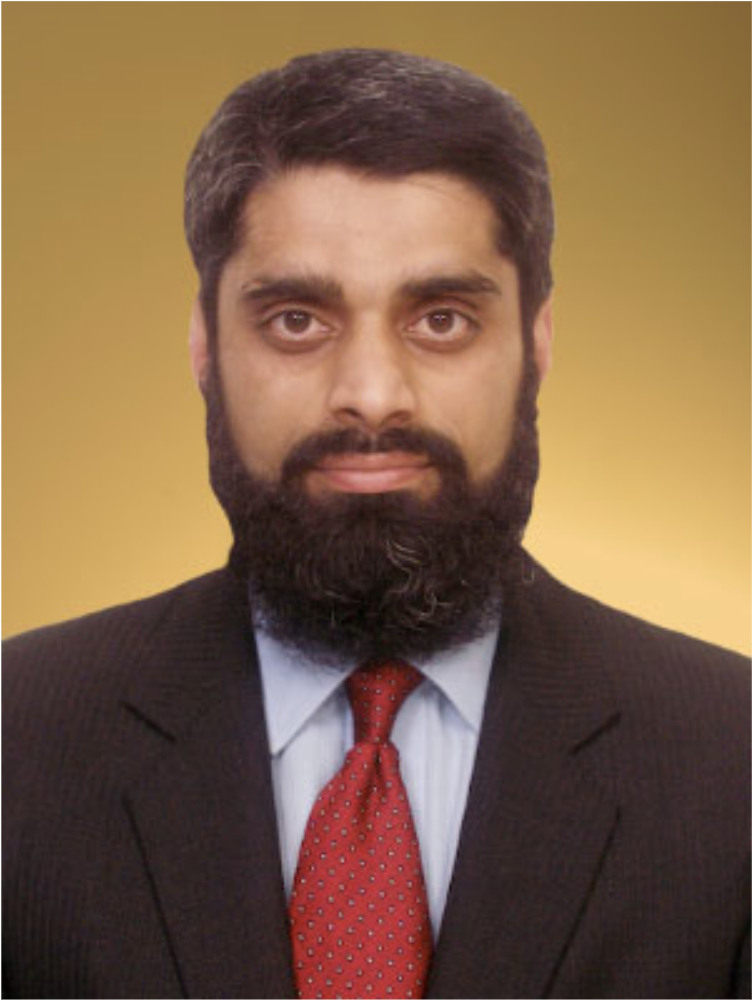
Dr. Corey Tomczak is an Associate Professor in the Department of Kinesiology at the University of Saskatchewan. His research focuses on cardiovascular physiology, cardiac rehabilitation, and exercise intolerance in chronic conditions such as heart failure and congenital heart disease. He holds a PhD in Rehabilitation Medicine and has extensive postdoctoral training in the field. His work integrates clinical and physiological approaches to improve outcomes in patients with cardiovascular disorders. Affiliations: University of Saskatchewan, College of Kinesiology Research Themes: Health Aging and Management of Chronic Conditions, Child and Youth Health and Development Dr. Tomczak's research examines mechanisms underlying exercise limitations in heart failure and congenital heart disease, including autonomic regulation, vascular function, and skeletal muscle metabolism. He has trained numerous graduate students and mentors future researchers in cardiovascular physiology. His lab, the Russ Kisby Physical Activity and Health Promotion Laboratory, collaborates with clinical partners at the Royal University Hospital. Key areas of investigation include cerebrovascular responses during exercise, muscle metaboreflex modulation of cardiac function, and the impact of exercise training on cardiovascular outcomes. Recent work highlights impaired vascular function in heart failure and sex-based differences in exercise capacity.
Dr. Anthony Baross is an Associate Professor of Sport & Exercise Physiology at the University of Northampton, affiliated with the Faculty of Arts, Science and Technology and the Department of Sport, Exercise and Life Sciences. He has been a faculty member since 1998 and currently serves as a research theme lead, actively supervising PhD students and securing external funding for impactful research. His educational background includes a PhD in Cardiovascular Physiology from the University of Kent (2011), an MSc in Exercise and Health Behaviour from City University, London, and a BSc in Sport Science from Canterbury Christ Church University. He also holds a PGCE in post-compulsory education. Dr. Baross’s primary research focuses on the cardiovascular benefits of isometric resistance training (IRT), particularly its effects on ambulatory blood pressure and morning blood pressure surge in both normotensive and hypertensive individuals across age groups. He also investigates eccentric exercise, blood flow restriction training, and cryotherapy in aging populations. His work combines laboratory-based trials with real-world applications, often involving collaboration with institutions such as the University of Windsor and the University of Greenwich. His recent publications (2021–2025) reflect a strong trend in clinical exercise interventions, with emphasis on randomized controlled trials, longitudinal studies, and technical validations of training devices. Key themes include training frequency, detraining effects, cardiovascular reactivity, and home-based interventions for blood pressure management. Dr. Baross has led multiple funded projects, including those supported by local government, charitable organizations, and internal university funds, focusing on hypertension reduction and community health. His work has been presented at international conferences such as the European College of Sport Science. He actively supervises doctoral students including Brett Baxter, Saul Cuttell, Adnan Haq, and Dominic Langdon, whose research spans eccentric exercise, cryotherapy, and blood flow restriction. He is involved in public health partnerships and knowledge transfer initiatives, further amplifying the societal impact of his research.
Solomon G. Diamond is an Associate Professor of Engineering at Dartmouth College's Thayer School of Engineering, serving as Co-Director of the Design Initiative at Dartmouth. He holds degrees from Dartmouth (AB 1997, BE 1998) and Harvard (SM 2001, PhD 2004). His research focuses on biomedical imaging, functional neuroimaging, and magnetic nanoparticle imaging, with emphasis on diagnostic technologies and medical device development. He has received awards including the 2023 Outstanding Service Award and the 2002 Derek Bok Teaching Award. Research projects include neurovascular coupling studies, clinical optical-electric probes, and magnetic nanoparticle imaging. He co-founded Lodestone Biomedical, a medtech company advancing nanoparticle-based biosensors. His work bridges engineering and medicine, with notable contributions to magnetic nanoparticle characterization and imaging array systems. He teaches courses like ENGS 90 (Engineering Design Methodology) and ENGS 29 (Computer-Aided Design & Kinematics). Recent work includes a 2024 study on salt concentration effects in magnetic nanoparticle biosensors with PhD candidate Gabby Moss. He holds patents for technologies like magnetic susceptibility tomography and in-bed exercise machines. His interdisciplinary collaborations span biomedical engineering, materials science, and clinical diagnostics.
Professor Sandy Brauer, Deputy Executive Dean at The University of Queensland's Faculty of Health, Medicine and Behavioural Sciences, is a leading researcher in neurorehabilitation, aging, and balance disorders. Her work focuses on improving postural control, gait, and physical activity in stroke survivors and individuals with neurological conditions. Executive Leadership: Deputy Executive Dean, Faculty of Health, Medicine and Behavioural Sciences Research Center: Director of Centre for Neurorehabilitation, Ageing and Balance Research Her research addresses impaired postural control's devastating impacts, developing physiotherapy techniques and cost-effectiveness analyses for clinical translation. Current themes include: Post-stroke physical activity recovery Dual-task training for Parkinson's patients Community mobility challenges SMART Arm device for stroke rehabilitation Hospital fall prevention Professor Brauer's recent work explores digital health implementations, machine learning for rehabilitation outcomes, and sensory impairments in neurological populations. She actively supervises PhD candidates in movement science and biomechanics. Key affiliations include: Queensland University Technology collaborations Sonova AG research on hearing-loss balance issues NHMRC and ARC funded projects
Kara M. Whitaker serves as Associate Professor and Director of Graduate Studies in the Department of Health and Human Physiology within the College of Liberal Arts and Sciences at the University of Iowa. Her research focuses on modifiable lifestyle behaviors including sedentary behavior, physical activity, and sleep patterns across diverse populations. Her primary research interests include physical activity epidemiology , sedentary behavior epidemiology , sleep epidemiology , maternal and child health , cardiovascular disease , and health disparities , with particular emphasis on at-risk groups including pregnant/postpartum women, rural populations, and marginalized communities. The Physical Activity and Women's Health Lab (PAWH) under her direction investigates determinants and health effects of lifestyle behaviors to inform behavioral interventions. Dr. Whitaker's recent work demonstrates strong trends in pregnancy epidemiology (Pregnancy 24/7 cohort), postpartum cardiovascular health , and health equity applications . Her publications increasingly integrate objective activity monitoring with clinical outcomes, focusing on sedentary behavior reduction strategies and cardiovascular risk assessment in vulnerable populations. Mid-Career Faculty Scholar Award (2025) NIH-NHLBI R01 grant for Offspring Study (2023) American Heart Association special issue guest editor (2024) She mentors multiple doctoral students and postdoctoral researchers including Lisa VanWiel, Jackie Dziewior, and Jacob Gallagher. Her lab has secured significant NIH funding including diversity supplements for the Pregnancy 24/7 Offspring Study. Current research initiatives include the Pregnancy 24/7 cohort examining 24-hour activity patterns, the Postpartum 24/7 study, and the Offspring Study tracking cardiovascular outcomes in children.
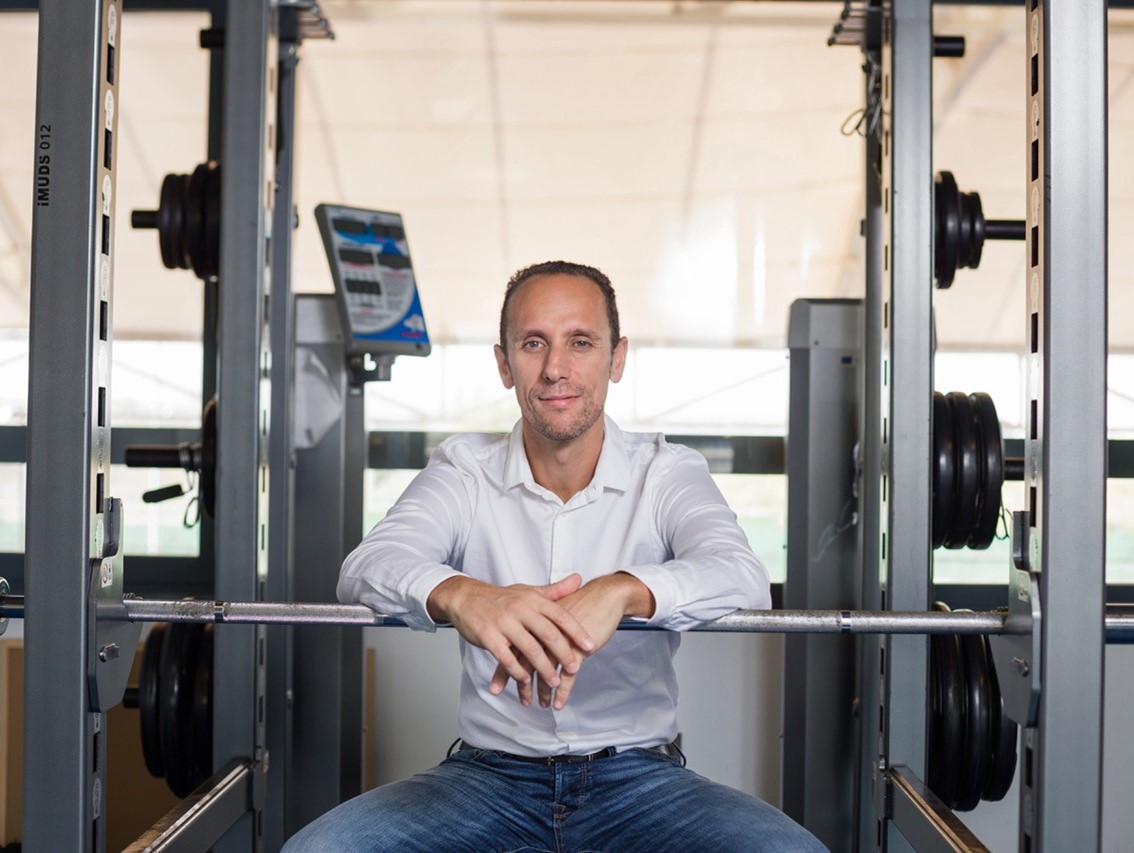
Francisco B. Ortega (Fran) is a Full Professor at the Faculty of Sports Sciences of the University of Granada, Spain . He serves as co-director of the PROFITH research group and co-heads the Physical Activity and Health Promotion Research Unit at the Joint University Institute of Sport and Health (iMUDS). His academic journey includes dual PhDs in Exercise Physiology (University of Granada) and Medical Sciences (Karolinska Institute) and postdoctoral work in Sweden and the USA. PhD, Exercise Physiology - University of Granada PhD, Medical Sciences - Karolinska Institute His research focuses on: Physical fitness assessment and accelerometry Exercise effects on cardiovascular, mental, and brain health Wearable technology applications in sports science Obesity prevention via physical activity Longitudinal health outcomes from adolescent fitness Recent publications highlight trends in global fitness norms , exercise interventions for coronary patients , pediatric obesity prevention through VR , and brain-cognition relationships in children . He received the prestigious Ramón y Cajal Research Fellowship and has led high-impact studies like the ActiveBrains and AGUEDA trials.
Marco Farina is a Full Professor in Electromagnetics at the Department of Information Engineering, College of Engineering, Polytechnic University of Marche, Italy. His research spans electromagnetic modeling, scanning microwave microscopy, and nanotechnology, with applications in 2D materials, biosensors, and advanced measurement systems. He is a Senior Member of IEEE and actively contributes to Technical Committees on RF Nanotechnology. Laurea and Ph.D. in Electronic Engineering from University of Ancona Research interests focus on quantitative scanning microwave microscopy, electromagnetic analysis of active/passive components, and nanoscale characterization techniques. His work bridges theoretical modeling with practical implementation, including the development of the EM3DS software suite and novel inverted SMM systems. Recent publications highlight interdisciplinary applications in biomedical analysis and semiconductor physics. Scientific recognition includes the 3M-Nano Best Conference Paper Award and grants from US Army Research Laboratory and US Air Force Office of Scientific Research. He holds an ESA-funded patent for VNA calibration and has co-authored a book on planar structure analysis. Collaborative projects emphasize RF device optimization and biological imaging.
Amy S. Fuller serves as a Research Fellow in the Cardiovascular and Lifestyle Medicine Research Theme within Coventry University's Faculty of Health and Life Sciences, a position she assumed in August 2023. Her academic journey includes a BSc in Biological Sciences from the University of Reading (2018), a multidisciplinary PhD from Newcastle University's Faculty of Medical Sciences (2018-2022) focusing on exercise tolerance in ageing and hypertrophic cardiomyopathy, and a Post Doctorate investigating nutrient sensing dysregulation in anorexia of ageing. Her research interests span cardiovascular disease pathophysiology in ageing populations , with specific emphasis on lifestyle interventions for disease management, exercise stress testing methodologies, and molecular pathways including mitochondrial function. She integrates clinical assessments of heart rate variability, hemodynamics, and health psychology to address cardiovascular conditions at national and international scales. Analysis of her 14 most recent publications reveals a strong thematic focus on hypertrophic cardiomyopathy (appearing in 90% of works), ageing-related cardiovascular changes (85%), and lifestyle intervention efficacy (75%). Her research consistently bridges molecular mechanisms with clinical applications, particularly in autonomic function assessment and exercise physiology. Scientific awards: Rank Prize Fund Dr. Fuller maintains active collaborations with National Health Trust partners and university networks, though specific grant details are not documented. Her current work includes developing AI-driven diagnostic tools for heart failure and planning future research on cardiac fatigue in endurance athletes. She operates within Coventry University's Cardiovascular and Lifestyle Medicine Research Theme, contributing to UN Sustainable Development Goals related to health and wellbeing.
David D. McManus, MD , is the Chair and Professor of Medicine at UMass Chan Medical School , where he also holds the Richard M. Haidack Professor in Medicine endowed title. He is affiliated with multiple departments across T.H. Chan School of Medicine and Morningside Graduate School of Biomedical Sciences , including Cardiovascular Medicine, Population and Quantitative Health Sciences, and Clinical Investigation. Education: Brown University – BS in Biological Sciences University of Massachusetts Medical School – MD University of Massachusetts Medical School – MS in Clinical Investigation Research Interests: McManus is a leading figure in cardiovascular medicine and digital health innovation . His research spans atrial fibrillation screening and management , wearable device validation , home-based cardiac monitoring , stroke prevention , hypertension , and population health informatics . He leads large-scale trials such as the GUARD-AF and VITAL-AF studies, evaluating the utility of wearable ECG devices in detecting undiagnosed atrial fibrillation. His work also includes COVID-19 diagnostics , digital therapeutics , and AI applications in cardiology . Scientific Awards & Recognition: While specific awards are not listed, McManus's prolific publication record and leadership roles in national and international trials underscore his prominence in cardiovascular and digital health research. Grants & Funding: He has received funding from NIH and other major bodies for trials such as GUARD-AF, VITAL-AF, and digital health interventions for stroke survivors and COPD patients. Labs & Teams: McManus leads interdisciplinary teams across UMass Medical School, collaborating with experts in cardiology, data science, behavioral science, and health informatics. His work integrates clinical research with real-world digital health implementation.
Kaylena Ehgoetz Martens serves as an Associate Professor in the Department of Kinesiology and Health Sciences at the University of Waterloo, where she directs the Neurocognition and Mobility Lab. Her research program integrates movement kinematics, functional neuroimaging, psychophysiology, and cognitive neuroscience to investigate the neural basis of gait control and its disruption in neurodegenerative conditions, with particular emphasis on Parkinson's disease, dementia with Lewy bodies, and isolated REM sleep behavior disorder. She focuses on the complex interplay between cognition, emotion, and motor function to develop translational approaches for early diagnosis and intervention in mobility disorders. Dr. Martens' academic training includes a BSc in Kinesiology & Physical Education from Wilfrid Laurier University, an MA in Psychology from the University of Waterloo, a PhD in Cognitive Neuroscience from the University of Waterloo, and postdoctoral training at the Medicine, Brain and Mind Centre, University of Sydney, Australia. Her educational background established the foundation for her multidisciplinary approach to movement neuroscience. Her research program centers on three interconnected aims: (1) investigating cognitive-emotional interactions in gait and balance control; (2) leveraging gait complexity to identify subclinical predictors of neurodegeneration; and (3) developing technology-enhanced diagnostic and intervention tools using virtual reality and mobile recording devices. This work addresses critical gaps in understanding how anxiety, threat processing, and autonomic dysfunction contribute to movement impairments in aging and neurodegenerative diseases. Analysis of her recent publications (2023-2025) reveals a strong trajectory in subtype-specific characterization of freezing of gait, identification of sex-specific neurodegeneration patterns, and development of AI-driven detection methods. Her work increasingly incorporates machine learning for gait analysis while maintaining clinical relevance through biomarker discovery and therapeutic innovation, particularly in the prodromal phases of synucleinopathies. Scientific Awards: No specific awards were documented in the provided source material. Dr. Martens actively supervises graduate students across all levels including undergraduate theses, MSc, PhD, and postdoctoral fellows within her Neurocognition and Mobility Lab. She provides research opportunities for volunteers, coursework interns, and research coordinators, with a focus on translating laboratory findings to clinical applications. While specific grant details weren't provided, her extensive use of advanced neuroimaging, wearable sensors, and virtual reality technologies indicates substantial research funding supporting her program. The Neurocognition and Mobility Lab operates as a collaborative hub bridging basic neuroscience with clinical practice, working closely with healthcare providers to develop practical tools for early mobility impairment detection. Current projects emphasize translating gait complexity metrics into clinical biomarkers and developing anxiety-targeted interventions to prevent falls in neurodegenerative populations, with particular attention to preserving functional independence throughout the lifespan.
Rosa I. Arriaga is an Associate Professor and Associate Chair of Graduate Studies at the School of Interactive Computing , Georgia Institute of Technology. As director of the Ubicomp Health and Wellness Lab , she pioneers technology solutions for chronic disease management and mental health support through human-computer interaction principles. NSF grant recipient for PTSD treatment systems ReplicCHI award winner Google Scholar profile: https://scholar.google.com Her research bridges mHealth systems with behavioral intervention frameworks, creating scalable solutions for asthma management , diabetes care , and autism support . With over 140 publications, her work emphasizes user-centered design and real-world implementation challenges. Recent publications demonstrate growing focus on AI integration in mental health, including synthetic therapy datasets and explainable AI frameworks. Her administrative work involves improving graduate student wellness programs and career navigation structures. NSF Grant : $1.2M for PTSD treatment systems ReplicCHI Award : Methodological validation of asthma SMS interventions Academic Leadership : Graduate Affairs policy frameworks Arriaga's lab explores medical making practices, particularly during pandemic responses, and develops ubiquitous computing solutions for low-resource settings . She teaches user experience design through Georgia Tech's Coursera platform, which has reached over 50,000 learners globally.
Dr. GOH Khim Yong is an Associate Professor and Head of the Department of Information Systems and Analytics at the National University of Singapore (NUS School of Computing). He holds a Ph.D. in Business Administration (University of Chicago), M.Sc. and B.Sc. in Computer & Information Sciences (NUS). His research focuses on digital media marketing, social/mobile platforms, AI pricing strategies, and econometric methods. He advises major firms like Alibaba, Lazada, and Johnson & Johnson across industries such as e-commerce, healthcare, and retailing. Educations: Ph.D., Business Administration, University of Chicago (2005) M.Sc., Computer & Information Sciences, NUS (1998) B.Sc., Computer & Information Sciences, NUS (1997, First-Class Honours) His research explores digital transformation, AI-driven pricing, live-streaming commerce, and consumer behavior in platform ecosystems. Notable projects include studying AI pricing agents' impact on e-commerce sales and analyzing live-streaming dynamics' socio-economic effects. He has published in top journals like Management Science and Information Systems Research , and his work frequently addresses practical industry challenges. Recipient of prestigious awards including the International Conference on Information Systems Best Paper Award (2022) and AIS Distinguished Member (2021). He teaches courses in econometrics and data analytics across NUS and the University of Chicago. His former Ph.D. students hold faculty positions at institutions like Tsinghua University and the Chinese University of Hong Kong (Shenzhen).
Susan Bock is a researcher affiliated with the Department of Sport and Exercise Sciences at Durham University , within the Faculty of Social Sciences . Her work bridges physical activity measurement in youth populations and pedagogical strategies in higher education. Her research focuses on motivational climates in youth sport , high-intensity interval training (HIIT) interventions in school settings, and energy expenditure modeling in children and young adults. She has contributed to studies like Project FFAB and The MOVE Project , which explore health promotion and educational outcomes . Using hybrid methodologies like accelerometry and heart rate synchronization , her work addresses public health challenges related to adolescent inactivity. She has presented at major conferences including the American College of Sports Medicine Annual Conference , with outputs spanning journal articles and conference contributions .
Pedro M. B. Silva Girão is a Full Professor in the Department of Electrical Engineering at Instituto Superior Técnico (IST), University of Lisbon (UL), and a Senior Researcher at Instituto de Telecomunicações where he heads the Instrumentation and Measurements Group and coordinates the Basic Sciences and Enabling Technologies area. His dual institutional roles position him at the forefront of academic research and technological innovation in Portugal. His research program focuses on instrumentation, transducers, and measurement techniques with specialized applications in biomedical and environmental domains. Key interests include wireless sensor networks for health monitoring, metrology standards, and digital data processing methodologies. This work bridges engineering principles with real-world healthcare and ecological challenges, emphasizing practical implementations in diagnostic systems and environmental sensing. Analysis of his 2019-2024 publications reveals a strong thematic trajectory in IoT-enabled healthcare solutions and precision environmental monitoring. Recurring motifs include gait rehabilitation through mixed reality systems, advanced dosimetry for liver cancer radioembolization, microvascular reactivity assessment, and water quality sensor networks. His output demonstrates consistent interdisciplinary collaboration between engineering, medical, and environmental science communities. Dr. Girão's scientific recognition includes: IEEE Senior Member status IEEE IMS Distinguished Lecturer appointment Honorary Chairmanship of IMEKO TC19—Environmental Measurements As leader of the Instrumentation and Measurements Group at Instituto de Telecomunicações, he directs a multidisciplinary team developing next-generation measurement systems. Current initiatives integrate microwave Doppler radar, wearable biopotential sensors, and wireless networks for unobtrusive health monitoring and environmental assessment, with active partnerships across medical institutions and ecological agencies.
Dr. Muhammad Salman is an Associate Professor in the Department of Mechanical Engineering at Kennesaw State University (KSU), where he has served since 2012 after the merger of Southern Polytechnic State University into KSU. He holds a PhD in Mechanical Engineering from Georgia Institute of Technology (2012), an M.S. from Georgia Tech (2008), and prior degrees from the University of Engineering and Technology in Lahore, Pakistan, including a B.S. (1998) and M.S. (2003). He also completed M.S.-level courses in Mechatronics Engineering at TUHH, Germany (2005). His research focuses on biomechanics, particularly in dynamics and vibrations of human musculoskeletal systems, with an emphasis on non-invasive measurement techniques like surface wave and shear wave methods to assess muscle/tendon stiffness. He has developed cost-effective devices for stiffness quantification and published extensively in journals such as Journal of Biomechanics and Acoustical Society of America . Dr. Salman has received notable recognition, including the PhD Fulbright Scholarship (2006) , and has secured grants totaling over $500,000, including an NSF CAREER Award (though not funded) and OVPR grants for tendon stiffness research. His work involves collaborations with students on projects like motorcycle stability systems, muscle fatigue analysis, and biomedical sensor development. He teaches courses in dynamics, vibrations, thermodynamics, and design, and has mentored numerous undergraduates and graduates in research through programs like NCUR and GURC. His lab emphasizes experimental research, with a focus on biomechanical applications of vibration analysis and sensor technology. Recent projects include developing low-cost stiffness measurement tools and studying tendon behavior under fatigue. He actively participates in conferences such as ASME IMECE and the American Society of Biomechanics, showcasing innovations in both mechanical engineering and biomedical research.