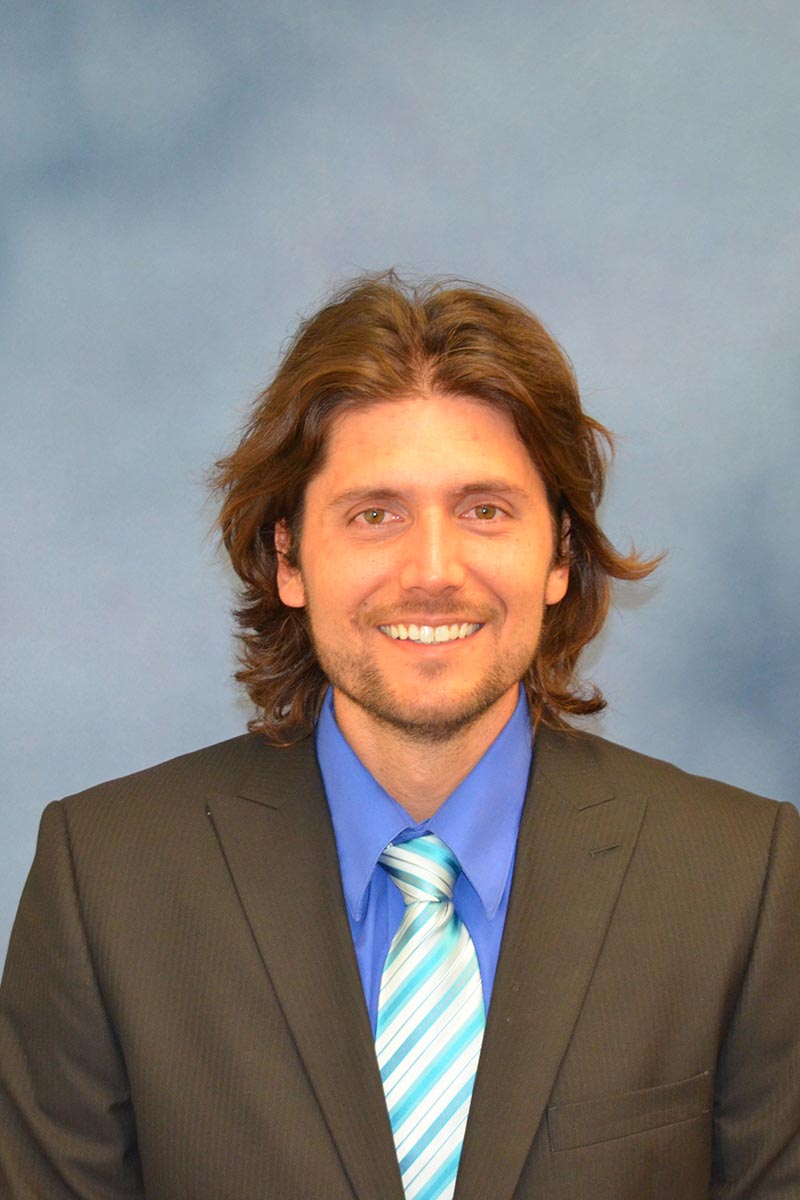
Joe Stock is an Assistant Professor in Kinesiology at East Carolina University's College of Health and Human Performance. He operates the Human Performance Lab, focusing on cardiovascular wellness in aging and at-risk populations. B.S. in Exercise Science, Slippery Rock University M.S. in Health, Physical Activity and Chronic Disease, University of Pittsburgh Ph.D. in Kinesiology and Applied Physiology, University of Delaware His research examines aortic hemodynamics, vascular function, and lifestyle interventions through echocardiography, blood vessel ultrasound, and non-invasive blood pressure analysis. He explores sex differences in neurocardiovascular responses and salt sensitivity mechanisms. Recent publications demonstrate expertise in chronic kidney disease adaptations, exercise-induced vascular changes, and central sodium sensing. Collaborations span cardiovascular physiology, nephrology, and autonomic neuroscience. National Heart, Lung, and Blood Institute grant (2021-2023) University of Delaware Dissertation Fellowship (2019) University of Delaware Summer Doctoral Fellowship (2018) Professional service includes American Heart Association membership, ACSM regional committee work, and development of clinical exercise programs for renal patients. His work integrates applied physiology with translational medicine.
Tommy Lundberg is a Senior Lecturer and Docent in Physiology at Karolinska Institutet. He works at the Department of Laboratory Medicine, Division of Clinical Physiology. His email address is tommy.lundberg@ki.se, and his postal address is H5 Laboratoriomedicin, H5 Klinisk Fysiologi Gustafsson, 141 52 Huddinge. Lundberg is affiliated with the university library and has held positions since 2022. Research Interests: Lundberg's research focuses on skeletal muscle mass and function adaptation, particularly in athletic performance, disease contexts, aging, and transgender individuals undergoing hormone therapy. He investigates molecular, metabolic, morphological, and functional responses to resistance and aerobic exercises. His work also explores biological maturity selection biases in youth sports, bio-banding applications in soccer and ice hockey, and the impact of anti-inflammatory drugs on muscle hypertrophy. Article Trends: Lundberg's recent publications (2025–2024) cover topics like sex differences in disc golf, muscle atrophy in space exposome, longitudinal hormone therapy effects in transgender individuals, and bio-banding in youth sports. Earlier works delve into molecular pathways in muscle hypertrophy, concurrent training effects, mitochondrial function, and imaging techniques (CT/MRI) for muscle assessment. Scientific Recognition: Most prominent young researcher in Sport Science, Swedish Central Association for Sport Promotion (SCIF), 2017 Teaching and Editorial Roles: Lundberg teaches human physiology and sports science in nursing, physiotherapy, and biomedical analytics programs. He leads a contract education course in advanced exercise physiology and contributes to a PhD course on scientific writing. He is an Associate Editor for Frontiers in Physiology - Exercise Physiology (2022) and a member of the editorial board for Translational Exercise Biomedicine (2024). Collaborations and Expertise: He collaborates with the Swedish Football Association and Swedish Ice Hockey Association on bio-banding studies. Lundberg served as an invited speaker at the ACSM Annual Meeting (2024) on transgender athletes and as an expert panelist for World Rugby's transgender workshop (2020). His supervision includes Andrea Tryfonos (2021) and thesis evaluations at Mid Sweden University and Linköping University.
Xiaochen He serves as an Instructor in the Department of Physiology & Biophysics at the University of Mississippi Medical Center's School of Medicine, where he focuses on cardiovascular research and teaching within this foundational medical science department. His research program centers on the intersection of cardiac pathophysiology and immunometabolism, with core interests including: Mechanisms of immune-mediated cardiac inflammation in heart failure Role of T cell subsets (Th17, γδ T, CD8+) in pressure overload models Molecular regulation by IL-12 family cytokines and metabolic enzymes (TIGAR, SIRT3) Endothelial dysfunction in cardiac hypertrophy and failure progression Therapeutic interventions targeting inflammatory pathways Analysis of Dr. He's recent publications (2022-2025) reveals a concentrated research trajectory investigating how specific immune pathways drive heart failure progression. His work consistently employs genetic mouse models to demonstrate that IL-12β inhibition, TIGAR deficiency, and selenium supplementation attenuate cardiac inflammation and dysfunction, while CD8+ T cell metabolic reprogramming exacerbates disease. Key discoveries include GPR174's role in Th17 differentiation and NK1.1 signaling's contribution to cardiopulmonary inflammation, establishing critical immune-metabolic axes in heart failure pathogenesis. No scientific awards were documented in the available profile information. Current departmental records indicate no graduate students are formally listed under Dr. He's mentorship, and no research grants are specified in the public profile. Details regarding laboratory infrastructure, research teams, or collaborative networks were not provided in the available institutional documentation.
Michael Roberts is a Professor in the School of Kinesiology at Auburn University, serving as Director of both the Molecular and Applied Sciences Laboratory and the Applied Physiology Laboratory. His research integrates nutrition and exercise science to investigate cellular biomarkers and whole-body physiological responses using cell culture, rodent models, and human studies. His primary research interests include Exercise Physiology , Nutrition Science , and Skeletal Muscle Adaptation , with emphasis on resistance training mechanisms, dietary supplementation, and molecular pathways underlying muscle hypertrophy/atrophy. His work employs advanced techniques in molecular biology to address questions relevant to athletic performance, aging, and clinical rehabilitation. Analysis of his recent publications reveals consistent focus on resistance training adaptations, creatine/nitrate supplementation, skeletal muscle remodeling, and microbiome-exercise interactions. His research demonstrates methodological diversity spanning cellular models, rodent studies, and human clinical trials, with particular attention to molecular mechanisms in aging populations and performance optimization. Dr. Roberts actively mentors through laboratory leadership roles, though specific student names aren't documented in provided materials. His editorial positions in physiology journals and frequent conference lectures indicate significant academic influence beyond direct research outputs. The Molecular and Applied Sciences Laboratory and Applied Physiology Laboratory form collaborative hubs for interdisciplinary research, utilizing techniques ranging from molecular analysis to whole-body physiological assessment. These facilities support investigations into exercise-nutrition interactions across diverse populations from athletes to older adults.
Dr. Corey Tomczak is an Associate Professor in the Department of Kinesiology at the University of Saskatchewan. His research focuses on cardiovascular physiology, cardiac rehabilitation, and exercise intolerance in chronic conditions such as heart failure and congenital heart disease. He holds a PhD in Rehabilitation Medicine and has extensive postdoctoral training in the field. His work integrates clinical and physiological approaches to improve outcomes in patients with cardiovascular disorders. Affiliations: University of Saskatchewan, College of Kinesiology Research Themes: Health Aging and Management of Chronic Conditions, Child and Youth Health and Development Dr. Tomczak's research examines mechanisms underlying exercise limitations in heart failure and congenital heart disease, including autonomic regulation, vascular function, and skeletal muscle metabolism. He has trained numerous graduate students and mentors future researchers in cardiovascular physiology. His lab, the Russ Kisby Physical Activity and Health Promotion Laboratory, collaborates with clinical partners at the Royal University Hospital. Key areas of investigation include cerebrovascular responses during exercise, muscle metaboreflex modulation of cardiac function, and the impact of exercise training on cardiovascular outcomes. Recent work highlights impaired vascular function in heart failure and sex-based differences in exercise capacity.
Joel D. Trinity, PhD, is an Associate Professor in the Department of Internal Medicine at the University of Utah and holds adjunct appointments in the Department of Nutrition and Integrative Physiology and the Department of Physical Therapy & Athletic Training. He is affiliated with the Geriatrics Division and the Utah Vascular Research Laboratory (UVRL), where he has been a member since 2009. Education: PhD – The University of Texas at Austin MA – The University of Texas at Austin BA – Occidental College BA – University of California, Santa Cruz Postdoctoral Fellowship – University of Utah Advanced Fellowship – George E. Whalen VA Medical Center Research Focus: Dr. Trinity’s laboratory employs integrative in-vivo and in-vitro methodologies to investigate how aging and chronic diseases—particularly hypertension, heart failure, COPD, and peripheral artery disease—impair vascular function and blood-flow regulation. His work emphasizes the triad of neural control, oxidative stress, and endothelial signaling (especially nitric oxide) in determining vascular health across the lifespan. Publications Snapshot: From 2021-2025, Dr. Trinity has published extensively on human cardiovascular responses to exercise, vascular aging, and the vascular consequences of COVID-19. A recurring theme is the translational evaluation of passive leg movement as a non-invasive probe of endothelial function, with studies spanning young adults to older patients with multiple comorbidities. Funding & Collaborations: While specific grant numbers are not provided, the breadth of multi-center collaborations (e.g., RECOVER Consortium for long COVID) and continuous publication output indicate active federal and institutional funding. His laboratory hosts interdisciplinary trainees bridging geriatrics, exercise physiology, and vascular biology. Laboratory & Teams: Dr. Trinity conducts research within the Utah Vascular Research Laboratory (UVRL), leveraging state-of-the-art Doppler ultrasound, plethysmography, and metabolic assays to dissect vascular control mechanisms in human participants and murine models.
Amy S. Fuller serves as a Research Fellow in the Cardiovascular and Lifestyle Medicine Research Theme within Coventry University's Faculty of Health and Life Sciences, a position she assumed in August 2023. Her academic journey includes a BSc in Biological Sciences from the University of Reading (2018), a multidisciplinary PhD from Newcastle University's Faculty of Medical Sciences (2018-2022) focusing on exercise tolerance in ageing and hypertrophic cardiomyopathy, and a Post Doctorate investigating nutrient sensing dysregulation in anorexia of ageing. Her research interests span cardiovascular disease pathophysiology in ageing populations , with specific emphasis on lifestyle interventions for disease management, exercise stress testing methodologies, and molecular pathways including mitochondrial function. She integrates clinical assessments of heart rate variability, hemodynamics, and health psychology to address cardiovascular conditions at national and international scales. Analysis of her 14 most recent publications reveals a strong thematic focus on hypertrophic cardiomyopathy (appearing in 90% of works), ageing-related cardiovascular changes (85%), and lifestyle intervention efficacy (75%). Her research consistently bridges molecular mechanisms with clinical applications, particularly in autonomic function assessment and exercise physiology. Scientific awards: Rank Prize Fund Dr. Fuller maintains active collaborations with National Health Trust partners and university networks, though specific grant details are not documented. Her current work includes developing AI-driven diagnostic tools for heart failure and planning future research on cardiac fatigue in endurance athletes. She operates within Coventry University's Cardiovascular and Lifestyle Medicine Research Theme, contributing to UN Sustainable Development Goals related to health and wellbeing.
Dr. Thomas A. Koc Jr. is an Associate Professor and Program Director in the Department of Physical Therapy at Kean University's College of Health Professions and Human Services. With clinical expertise in orthopedic manual therapy and research interests in concussion rehabilitation, dysautonomia, and movement science, he actively contributes to evidence-based practice in physical therapy. Ph.D. in Health Science (2017), Seton Hall University Doctor of Physical Therapy (DPT, 2011), Seton Hall University B.S. in Biology, Seton Hall University His research focuses on orthopedic/sports rehabilitation, concussion recovery, and dysautonomia, with recent publications addressing clinical practice guidelines, hamstring strain injuries, and integrative concussion rehabilitation approaches. Articles from 2019-2025 highlight his work in post-surgical rehabilitation, autonomic dysfunction, and athlete performance optimization. Scientific Awards: Certified Integrated Manual Therapist (CIMT) Fellow-in-Training, American Academy of Orthopedic Manual Physical Therapy Board Certified Orthopedic Clinical Specialist (OCS) Credentialed Clinical Instructor via APTA Dr. Koc employs Team-Based Learning (TBL) and Problem-Based Learning (PBL) to integrate foundational sciences into patient-centered case scenarios. He has contributed to clinical practice guidelines and case studies across musculoskeletal, neurological, and cardiopulmonary physical therapy domains.
Sabah Hussain, MD, PhD, is Distinguished James McGill Professor in the Department of Medicine, Faculty of Medicine and Health Sciences at McGill University and Senior Scientist in the Translational Research in Respiratory Diseases Program of the Research Institute of the McGill University Health Centre (RI-MUHC, Glen site). She leads an integrated bench-to-bedside program focused on skeletal-muscle wasting, autophagy, and angiogenesis. Education & Training: MD – University of Baghdad, 1978 PhD (Physiology) – McGill University, 1989 Research Focus: Dr Hussain’s laboratory investigates the molecular machinery governing skeletal-muscle mass in health and disease. Using transgenic models of angiopoietin signaling, sepsis, COPD and mechanical ventilation, her team has dissected how autophagy, mitophagy and proteasomal pathways drive diaphragmatic and locomotor muscle atrophy. A second axis of work explores gene-therapy delivery of angiopoietins to accelerate muscle regeneration after injury or in Duchenne Muscular Dystrophy models. More recently, her group is mapping epigenetic regulators—microRNAs and long non-coding RNAs—that fine-tune these degradative pathways. Scientific Awards & Funding: Distinguished James McGill Professorship CIHR Project Grant – Fall 2024 competition NSERC Discovery Grant – 2024 competition Advising & Mentorship: Dr Hussain mentors graduate students, post-doctoral fellows and clinical research trainees. Sami Sedraoui, a PDF in her group, received the April 2025 Relève-Étoile Jacques-Genest Award from CIHR. Laboratory & Affiliations: Her laboratory is located in the Meakins-Christie Laboratories, RI-MUHC Block E, Glen site (1001 Decarie Blvd, Montréal). The group is embedded within the Centre for Translational Biology and benefits from the RI-MUHC Technology Platforms including Proteomics, Small-Animal Imaging and Molecular Imaging Services.
Richie Goulding is an Assistant Professor at Vrije Universiteit Amsterdam, affiliated with both the Faculty of Behavioural and Movement Sciences (Physiology Department) and the AMS - Musculoskeletal Health. He holds a post-Doctoral Fellow position in the Laboratory for Myology. His research focuses on physiological determinants of exercise tolerance, mitochondrial dysfunction in type 1 diabetes, and exercise bioenergetics. Goulding completed his PhD at Liverpool Hope University and conducted postdoctoral research in Kobe, Japan, under the Japan Society for the Promotion of Sciences. Key research areas include the role of exercise training in mitigating mitochondrial dysfunction, oxidative metabolism regulation, and age-related declines in physical capacity. He has published extensively on topics such as skeletal muscle adaptations, post-exertional malaise in Long COVID, and critical power thresholds in exercise physiology. Goulding teaches courses on applied exercise physiology and training aging/disuse-related issues. His work integrates experimental physiology, clinical studies, and machine learning to explore exercise performance and health outcomes. Recent studies emphasize mitochondrial health in diabetes, muscle abnormalities in chronic conditions, and predictive modeling of exercise responses.
Andrea Polli is an unpaid and external employee in the Department of Physiotherapy, Human Physiology and Anatomy at Vrije Universiteit Brussel (VUB), Belgium, with an ORCID profile (0000-0001-8559-2217). She maintains an active research profile with 53 documented research outputs and leads multiple funded research projects through 2028. Her research expertise spans several interconnected domains: Chronic Pain Mechanisms (100% research focus) Chronic Fatigue Syndrome/ME/CFS (91% research focus) Epigenetic Regulation in Pain Conditions (66% research focus) Central Nervous System Sensitization (86% research focus) Brain-Derived Neurotrophic Factor Pathways (47% research focus) Dr. Polli's recent publications demonstrate a sophisticated integration of molecular biology, immunology, and clinical pain research. Her 2025 work examines adrenergic dysfunction in ME/CFS, epigenetic mechanisms in pain management, and metabolic-immune interactions in chronic pain conditions. This research bridges basic science with clinical applications, particularly in developing evidence-based management strategies for complex chronic pain syndromes. She received recognition in 2022 for her work on stress intolerance mechanisms in chronic pain: Stress intolerance in patients with chronic widespread pain: are epigenetic mechanisms the answer to the mystery? Dr. Polli is actively involved in five major research projects investigating chronic pain mechanisms, including studies on low back pain comorbidities, epigenetic regulation of exercise-induced pain, stress-related mechanisms, and mitochondrial dysfunction in ME/CFS. Her collaborative network extends across multiple institutions, with significant activity in conference presentations and research supervision.
Sophie Steenstrup is an Associate Professor at Oslo Metropolitan University's Faculty of Health Sciences, Department of Rehabilitation Science and Health Technology – Physiotherapy. Her research focuses on sports injury prevention, biomechanics, and emergency response protocols in extreme sports. Specializes in head trauma epidemiology in skiing, snowboarding, and football Develops community CPR/AED training programs (e.g., "Saving lives together in sport" pilot) Collaborates with FIS, IOC, and Norwegian sports organizations Expert in video analysis of injury mechanisms Her work includes biomechanical analysis of head impact velocities, regulatory impact assessments for ski equipment, and feasibility studies for post-concussion exercise therapy. She contributes to international sports safety conferences and Norwegian dissemination projects.
Dr. David C. Poole is a University Distinguished Professor of Kinesiology and Physiology at Kansas State University, holding the Elizabeth Chapin Burke Chair in Health and Human Sciences and the Coffman Chair for University Distinguished Teaching Scholars. He serves as Director of the Clarenburg Cardiorespiratory Lab within the College of Veterinary Medicine. His work bridges the fields of kinesiology, physiology, and veterinary medicine, focusing on understanding the fundamental mechanisms of oxygen transport and utilization in health and disease. Dr. Poole earned his B.Sc. from Liverpool Polytechnic and his Ph.D. from UCLA in 1986, followed by a Scientiae Doctor from Liverpool John Moores University in 2000. His academic journey has established him as an internationally recognized researcher in exercise and respiratory physiology. Dr. Poole's research focuses on the critical relationship between oxygen transport and metabolic demands in tissues, particularly during exercise. His laboratory investigates how skeletal muscles can require up to 100-fold more oxygen during exercise compared to rest, and how conditions like heart failure, diabetes, and cancer impair this vital process. Using innovative approaches such as nitrate supplementation and dietary interventions, his work aims to enhance therapeutic strategies for improving exercise tolerance and quality of life in patients with chronic conditions. His research has significantly advanced understanding of capillary function, oxygen uptake kinetics, and Critical Power in exercise physiology. Dr. Poole's extensive publication record includes over 350 peer-reviewed papers in leading journals such as Circulation Research , Journal of Clinical Investigation , and Journal of Applied Physiology . His recent work (2023-2025) demonstrates continued leadership in understanding oxygen transport mechanisms across multiple physiological systems, with particular emphasis on skeletal muscle microcirculation, respiratory muscle function, and the impact of aging and disease on exercise capacity. His research spans fundamental physiological mechanisms to translational applications in clinical settings. Scientiae Doctor from Liverpool John Moores University (2000) Adolph Distinguished Lecturer from the American Physiological Society (2018) Joseph B. Wolffe Memorial Lecture from the American College of Sports Medicine (2021) Higuchi-Dolph Simons Statewide Award for Biomedical Research Excellence (2024) ACSM Citation Award (2019) Fellow of the American College of Sports Medicine Fellow of the American Physiological Society As Principal Investigator, Dr. Poole has secured over $6 million in research funding, with an additional $31 million as Co-Investigator, primarily from the National Institutes of Health and the K-State Johnson Cancer Research Center. His laboratory maintains a vibrant scientific atmosphere with productive collaborations among faculty and students. Key collaborators include Dr. Thomas J. Barstow, Dr. Timothy I. Musch, Dr. Howard H. Erickson, Dr. M. Roger Fedde, Dr. Casey A. Kindig, and Dr. Brad J. Behnke. Dr. Poole's work has achieved an impressive h-index of 84 with over 26,000 citations, reflecting his significant impact on the field. Dr. Poole directs the Clarenburg Cardiorespiratory Lab at Kansas State University, which provides a dynamic research environment focused on understanding oxygen transport limitations from lungs to mitochondria. The lab employs a range of novel and established strategies to investigate tissue oxygenation and metabolic control, with applications to both healthy function and disease states including emphysema, diabetes, chronic heart failure, and cancer.
Thomas Gustafsson is a Professor of Clinical Physiology and Senior Physician at Karolinska Institutet, Sweden. He leads the Division of Clinical Physiology within the Department of Laboratory Medicine. His roles include clinician at Karolinska University Hospital and educator across multiple programs at KI, focusing on physiology and clinical physiology training. Education: Medical degree (1994), PhD in Clinical Physiology (2005), and appointment as Professor (2019). Research focuses on skeletal muscle, cardiovascular health, aging, and non-communicable diseases, combining clinical, molecular, and physiological approaches. Key areas include muscle aging mechanisms, heart failure, and hormone therapy effects on body composition. Recent articles emphasize post-COVID-19 muscle dysfunction, transgender health biomarkers, and exercise-induced cardiac adaptations. Active grants include longitudinal studies on muscle aging and pericyte roles in ischemic muscle. Supervised over 14 students, with a focus on translational physiology and clinical research. Labs/Teams: Head of the Division of Clinical Physiology, leading projects on muscle physiology and cardiovascular health. Collaborations include clinical and molecular studies with international teams.
Moh H. Malek is a Professor in the Department of Health Care Sciences within the Eugene Applebaum College of Pharmacy and Health Sciences at Wayne State University. He holds a Ph.D. in Exercise Physiology from the University of Nebraska-Lincoln and completed postdoctoral training in Molecular/Cellular Exercise Physiology at the University of California, San Diego School of Medicine. His academic journey includes an M.S. in Exercise Physiology from California State University Fullerton and a B.A. in Biology and Psychology from The Claremont Colleges (Pitzer College). Dr. Malek's research focuses on exercise physiology with particular emphasis on electromyography, muscle physiology, mitochondrial function, fatigue threshold assessment, and statistical methods in kinesiology. His work bridges fundamental physiological mechanisms with practical applications in exercise science. He has made significant contributions to understanding neuromuscular fatigue mechanisms, the effects of various interventions on exercise performance, and mitochondrial bioenergetics in aging and disease contexts. His research integrates both human and rodent models to explore fundamental physiological processes. His publications demonstrate consistent productivity with recent work focusing on mitochondrial transplantation in skeletal muscle bioenergetics, electromyographic fatigue threshold methodologies, and the interplay between cognitive and physical fatigue. Dr. Malek has published extensively in the Journal of Strength and Conditioning Research, Muscle and Nerve, and other prominent physiology journals. His research program has evolved from foundational work on electromyographic fatigue threshold testing to more recent investigations of mitochondrial function in aging and disease, reflecting both continuity and expansion of his scholarly interests. Among his notable scientific achievements are receiving the Distinguished Graduate Faculty Award, being named the first faculty in his department to receive the Charles H. Gershenson Distinguished Faculty Fellow honor, and earning the Outstanding Graduate Mentor award from Wayne State University. He also received the President's Award for Excellence in Teaching and the Century Citation Club honor. Dr. Malek has mentored numerous graduate students, with several DPT students completing research projects under his primary mentorship. His teaching responsibilities include Advanced Exercise Physiology, Research Design & Methodology, and Research Practicum courses. He has also contributed significantly to the academic community through textbook authorship, including "NSCA's Essentials of Personal Training" and "Advanced Statistics for Kinesiology and Exercise Science."