James Turner is an Associate Professor in Exercise Physiology and Immunology at the University of Birmingham's School of Sport, Exercise and Rehabilitation Sciences. Previously, he held roles at the University of Bath as a Lecturer (Assistant Professor) from 2013 to 2018 and promoted to Senior Lecturer (Associate Professor) in 2018 before moving to Birmingham in 2022. His research focuses on lifestyle impacts on ageing and chronic disease, particularly adipose tissue immunology and cancer immunology (e.g., breast cancer). He leads projects examining obesity, immune system ageing, and factors influencing cancer treatment outcomes. His work aligns with UN Sustainable Development Goals related to health and well-being. Education: BSc (Hons) Sport and Exercise Science (University of Bath, 2006); PhD in Exercise Biochemistry and Immunology (University of Birmingham, 2011). Post-doctoral training in cancer immunology followed. He has mentored 9 PhD/MSc students as lead or co-supervisor and contributed to grants from bodies like Cancer Research UK and the Biotechnology and Biological Sciences Research Council. Current research includes projects on adipose tissue inflammation and muscle mass regulation in older adults. Labs/Teams: Active in collaborative projects with institutions globally, focusing on exercise immunology and cancer treatment efficacy. Editor for journals like Frontiers in Physiology and International Journal of Sport Nutrition and Exercise Metabolism .
Dr. Albert Koulman is a Principal Research Associate at the University of Cambridge, affiliated with the Metabolic Research Laboratories (MRL) within the Institute of Metabolic Science. His work focuses on developing advanced analytical methods for metabolomics and lipidomics to understand metabolic processes in diseases. Department: Department of Clinical Biochemistry, University of Cambridge Key Roles: Scientific Director of the NIHR BRC Metabolomics and Lipidomics facility Research Interests 1. Metabolism in Pregnancy & Early Life: Collaborates with international teams to study lipid metabolism during pregnancy and infancy, developing biomarkers for gestational diabetes, infant nutrition, and childhood obesity risks. 2. Technological Innovations: Leads development of single-cell lipidomics and organelle-specific lipid profiling, establishing a full pipeline from sample preparation to bioinformatics. 3. Nutritional Biomarker Methodology: Specializes in dried blood spot applications for lipid analysis in clinical and population studies, supported by the MRC Epidemiology Unit. Article Trends Recent publications highlight his expertise in lipid metabolism across diseases (e.g., diabetes, melanoma, NAFLD). Key themes include sexual dimorphism in lipid biosynthesis, vitamin D dynamics during exercise, stromal lipid influences on cancer progression, and malnutrition recovery protocols. Methodological advancements (LC-MS/MS, single-cell analysis) and global health applications (Gambian maternal nutrition, pediatric rehabilitation) are recurring topics. Group Members & Collaborations Dr. Ben Jenkins (Analytical Chemist) Ms. Paulina Guevara Dominguez (Research Assistant) Ms. Nina van der Velde (MPhil Student) Collaborators: Sue Ozanne (Pregnancy Metabolism), MJFF (Parkinson’s research), MRC (Epidemiology Unit) Research Funding Biotechnology and Biological Sciences Research Council (BBSRC) JPI (Joint Programming Initiative) Michael J. Fox Foundation (MJFF) Medical Research Council (MRC) National Institute for Health and Care Research (NIHR)
Monica Maly is a Part-Time Associate Professor in Rehabilitation Science within the Faculty of Health Sciences at McMaster University. Her academic profile demonstrates extensive expertise in biomechanics and rehabilitation, with particular focus on knee osteoarthritis research. She maintains an active research program with numerous recent publications spanning rheumatology, biomechanics, and rehabilitation science. Dr. Maly's research interests center on understanding the biomechanical and physiological factors contributing to knee osteoarthritis progression and developing effective interventions. Her work examines knee joint mechanics, muscle strength and capacity, gait analysis, pain management strategies, and the impact of exercise interventions on OA symptoms. She has conducted significant research on sex differences in OA, racial disparities in pain experiences, and the relationship between obesity, inflammation, and joint function. Her methodological approaches include biomechanical analysis, clinical trials, systematic reviews, and innovative technologies like soft robotics for knee bracing. Analysis of her recent publications (2023-2025) reveals a strong focus on understanding knee osteoarthritis mechanisms through biomechanical and physiological lenses, with increasing attention to social determinants of health and health disparities. Her work spans multiple disciplines including rheumatology, biomechanics, rehabilitation science, and public health, demonstrating interdisciplinary collaboration. Key trends include examining racial disparities in pain experiences, developing novel interventions like soft robotic knee braces, and investigating the complex relationships between joint loading, biomarkers, and cartilage changes. Dr. Maly has collaborated extensively with researchers across multiple institutions, as evidenced by her numerous publications in high-impact journals such as Osteoarthritis and Cartilage, Arthritis & Rheumatology, and Clinical Biomechanics. Her work often utilizes data from large longitudinal studies including the Osteoarthritis Initiative and the Canadian Longitudinal Study on Aging. While specific grant information isn't detailed in the provided text, her extensive publication record suggests successful funding of multiple research projects.
Bei Wu is Dean’s Professor in Global Health and Vice Dean for Research at the NYU Rory Meyers College of Nursing, where she also serves as Co-Director of the NYU Aging Incubator. She holds an additional appointment as Affiliated Professor in the Ashman Department of Periodontology & Implant Dentistry at NYU, reflecting her interdisciplinary expertise. She previously held the Pauline Gratz Professorship at Duke University School of Nursing, underscoring her national prominence in gerontology and nursing science. Her educational background includes a PhD and MS from the Gerontology Center at the University of Massachusetts, Boston, and a BS from Shanghai University. These foundational qualifications have supported her extensive research career focused on aging, global health, and oral-systemic health linkages. Dr. Wu’s research is centered on gerontology and global health, with a strong emphasis on oral health, dementia, cognitive decline, caregiving, and health disparities among minority populations, particularly older Asian Americans. She is a pioneer in studying the connections between oral health and cognitive outcomes in older adults. Her work integrates interdisciplinary approaches across nursing, dentistry, public health, and social sciences, often with a focus on vulnerable and underserved communities. Her recent publications reveal a consistent focus on the biological and social determinants of cognitive aging, oral frailty, caregiving burden, and mental health in older populations. Themes include the role of toothbrushing in preventing dementia, the impact of social capital on mental health, and the development of culturally tailored interventions for dementia caregivers. Her work often employs mixed methods, including systematic reviews, cohort studies, and qualitative inquiry. Distinguished Scientist Award for Geriatric Oral Research, IADR (2017) Pauline Gratz Professorship, Duke University (2014) J. Morita Junior Investigator Award (2007) Fellow, Gerontological Society of America Fellow, New York Academy of Medicine 2022 Wei Hu Inspiration Award Honorary Member, Sigma Theta Tau International Dr. Wu has successfully mentored hundreds of early-career scientists and has secured substantial funding from the NIH, CDC, and private foundations. She currently leads multiple NIH-funded projects, including a clinical trial on oral health in dementia and a large data analysis on diabetes and cognitive decline. She co-leads the Rutgers-NYU Center for Asian Health Promotion and Equity and directs the Research and Education Core for the NIA-funded Asian Resource Center for Minority Aging Research (RCMAR), which focuses on building research capacity and addressing health inequities. Her work is conducted through key labs and initiatives including the NYU Aging Incubator, the Rutgers-NYU Center for Asian Health Promotion and Equity, and the Asian Resource Center for Minority Aging Research (RCMAR). These centers support interdisciplinary collaboration, innovation in aging research, and the development of culturally appropriate health interventions.
Professor Tracy Bryan is a Professor in the Faculty of Medicine and Health at the University of Sydney and serves as Unit Head of the Cell Biology Unit at the Children's Medical Research Institute (CMRI). She holds a Bachelor of Science from Macquarie University and a PhD from the CMRI, where her groundbreaking research identified the ALT (Alternative Lengthening of Telomeres) mechanism in cancer cells. After postdoctoral work with Nobel Laureate Tom Cech at the University of Colorado, she returned to Australia in 2001 to establish her research group at CMRI. Her research focuses on telomerase biology, particularly its role in cancer progression and bone marrow failure syndromes. Key themes include understanding telomerase mechanisms, developing inhibitors for cancer therapy, and investigating telomere biology disorders. Her work integrates biochemical and cell-based approaches, supported by grants from NHMRC, Viertel Foundation, and Cancer Council NSW. Recent publications highlight advancements in telomerase-substrate interactions, i-motif DNA structures, and the interplay between telomere maintenance and DNA damage responses. Major grants include NHMRC Ideas Grants targeting telomere-related bone marrow failure and ARC Discovery Projects exploring DNA replication-telomere links. Bryan’s research group collaborates internationally, contributing to translational studies in oncology and regenerative medicine. Her lab’s work is detailed at CMRI’s Cell Biology Team page, with ongoing projects focused on telomerase inhibition strategies and molecular mechanisms of telomere dysfunction.
Ronald Pegg is the Josiah Meigs Distinguished Teaching Professor in the Food Science & Technology department at the University of Georgia's College of Agricultural & Environmental Sciences. His research focuses on functional foods, nutraceuticals, and the bioactive properties of phytochemicals, with expertise in separation and identification of bioactives, nutrient analysis, and lipid oxidation studies. He teaches courses ranging from introductory food science to advanced functional foods and analytical methods. Specializes in antioxidant activity of tree nuts, fruits, and legumes Develops analytical assays for food composition Studies shelf-life extension strategies for food products His recent work emphasizes cellular antioxidant activity, phenolic profiling, and encapsulation technologies. Awards include the Josiah Meigs Distinguished Teaching Professor title. Publications span journals in food chemistry, nutrition, and analytical science.
David A. Hood is a Full Professor and former Canada Research Chair in Cell Physiology (2003–2024) at York University, affiliated with the School of Kinesiology and Health Science. He is the Founding Director of the Muscle Health Research Centre (MHRC) and supervises graduate students in the Biology Graduate Program. Research Interests: His research focuses on mitochondrial biogenesis, turnover, and function in skeletal muscle. He investigates how exercise, aging, and muscle disuse affect mitochondrial health, with a particular interest in mitophagy, lysosomal function, and cellular signaling. His work spans human, animal, and cellular models, integrating physiological, biochemical, and molecular biology approaches. Recent Publication Trends: Recent publications emphasize transcriptional regulation (e.g., TFEB, TFE3, ATF4, p53), organelle crosstalk (mitochondria-lysosome interactions), and the role of exercise as 'mitochondrial medicine.' His lab explores therapeutic interventions like mitochondrial transplantation and nutrient signaling in muscle health. Scientific Awards: Canada Research Chair in Cell Physiology (2003–2024) Finalist for a prestigious national award Advising and Grants: Dr. Hood actively mentors graduate students and postdoctoral fellows. He has secured significant funding, including a $1 million CIHR grant to study mitochondria and lysosomes in muscle. His lab fosters interdisciplinary collaboration and contributes to major reviews in the field. Labs and Teams: He leads the Hood Lab at York University and co-founded the Muscle Health Research Centre (MHRC), a multidisciplinary hub promoting research on muscle function, exercise, and aging. The MHRC facilitates collaboration across departments and institutions.
Petr Janata is a Professor in the Department of Psychology at the University of California, Davis, and a faculty member at the UC Davis Center for Mind and Brain. His research centers on cognitive neuroscience of music, investigating neural mechanisms underlying music-evoked autobiographical memories and the experience of "groove." He serves on the Board of the Society for Music Perception and Cognition and co-founded the UC Music Experience Research Community Initiative (UC MERCI). Janata's educational background includes: Ph.D. in Biology (Neuroscience) from the University of Oregon (1996) B.A. in Interdisciplinary Studies (Biology/Psychology) from Reed College (1990) His research employs behavioral experiments, fMRI, EEG, and computational modeling to explore how music engages memory, emotion, and sensorimotor systems. Key projects examine music-evoked remembering, the psychology of groove, auditory attention mechanisms, and timbre-emotion links. His work reveals how music activates domain-general brain networks for expectation, memory, and emotional processing. Recent publications (2018-2025) show increasing focus on cross-cultural emotional responses to music, neural correlates of nostalgia, mental replay mechanisms, and clinical applications of music cognition. His lab develops innovative paradigms like the Groove Enhancement Machine (GEM) to manipulate sensorimotor synchronization while measuring subjective enjoyment. Janata's scientific recognition includes: Guggenheim Fellowship (2010) Dual Fulbright Fellowships (1990-91, 2010-11) Music Has Power Award from the Institute of Music and Neurological Function (2010) He has delivered over 100 invited lectures globally and served as scientific advisor to Coro Health LLC before founding Meamer, Inc. in 2017 to connect people through memories and music. His translational work bridges basic cognitive neuroscience with real-world applications in health and technology. The Janata Lab at UC Davis integrates neuroimaging, behavioral testing, and computational modeling to advance understanding of music cognition. Current projects explore lifespan neural changes in music processing, adaptive virtual partners for synchronization studies, and sonification systems for physiological monitoring.
Dr. Shawn C. Burgess is a Professor at the University of Texas Southwestern Medical Center (UTSW), where he leads research in the Center for Human Nutrition and Department of Pharmacology. His work focuses on metabolic flux regulation and its alterations in disease states, particularly obesity and diabetes. Dr. Burgess earned his PhD in Chemistry from the University of Texas at Dallas in 2000, with research on carbon-13 tracers and NMR for metabolic flux analysis. He completed postdoctoral training in the Department of Radiology at UT Southwestern (2000-2003), studying substrate metabolism in β-cells and liver using tracer approaches. His research laboratory employs stable isotope tracers, nuclear magnetic resonance (NMR) spectroscopy, and mass spectrometry to investigate how metabolic flux is regulated by molecular physiology and altered by disease or pharmacology. The Burgess Lab specifically focuses on oxidative and biosynthetic metabolism pathways in contexts of obesity, insulin resistance, and diabetes, seeking to understand how metabolic mechanisms contribute to pathologies such as steatosis, oxidative stress, and inflammation. Analysis of his publication record reveals consistent focus on hepatic metabolism, particularly gluconeogenesis, TCA cycle function, and mitochondrial metabolism in fatty liver disease. His work frequently examines metabolic adaptations to high-fat diets, exercise, and pharmacological interventions, with strong emphasis on translational applications for metabolic disorders. Dr. Burgess has maintained an active research program for over two decades, with publications spanning from 2001 to the present. His laboratory continues to produce high-impact research in metabolic diseases, with recent work focusing on malonyl-CoA synthesis, ketogenesis, and metabolic adaptations to exercise in mouse models and human subjects.
Dr. Marco Mensink is an Assistant Professor at Wageningen University’s Division of Human Nutrition and Health. His academic career includes an MSc in Health Sciences (specialization in movement sciences) from Maastricht University (1995), an MD (1998), and a PhD (2003) focused on type 2 diabetes pathogenesis and lifestyle interventions. Since 2008, he has been affiliated with Wageningen University, leading research on nutritional biology’s role in aging, physical performance, and metabolic health. He chairs the research theme ‘Nutrition, Physical Activity and Sports’ and oversees methodologies for body composition and energy metabolism. His research integrates nutrition, exercise, and aging, exploring how protein quality and physical activity optimize health across life stages. Notable projects include studying protein digestion efficiency and its impact on muscle preservation in older adults. He co-directs the ENLP Essentials Seminar since 2012 and teaches courses on nutritional status assessment, research methodologies, and sports nutrition. His expertise spans human nutrition, energy metabolism, diabetes, obesity, and sports nutrition. Current initiatives include quantifying protein bioavailability differences in older adults and investigating nutritional strategies for endurance athletes.
Christer Malm is a Professor at Umeå University's Department of Community Medicine and Rehabilitation, Section of Sports Medicine. His research spans molecular muscle adaptation, anti-doping technologies, and physical performance optimization for firefighters and athletes. Primary Affiliation: Umeå University, Sweden Key Focus Areas: Exercise physiology, proteomics, anti-doping, muscle disease mechanisms Research Interests: Muscle Adaptation: Revisiting the damage-repair hypothesis using proteomic screening to study cytoskeletal remodeling. Anti-Doping: Developing proteomic methods to detect autologous blood doping and investigate erythrocyte breakdown mechanisms. Work Capacity: Establishing physiological benchmarks for Swedish firefighters through extensive testing. Musculoskeletal Diseases: Comparative proteomic analysis of trapezius, vastus lateralis, and extraocular muscles to uncover disease resistance mechanisms. Exercise Impact: Exploring how physical activity modulates immunity in health and disease contexts. Scientific Contributions: Over 20 years of publications in Journal of Sports Sciences , PLOS ONE , and Scandinavian Journal of Medicine & Science in Sports , including studies on anabolic steroid effects and cold climate physiology. Ongoing Projects: PhD studies on blood doping detection, firefighter performance limits, and cross-country skiing physiology. Contact: christer.malm@umu.se
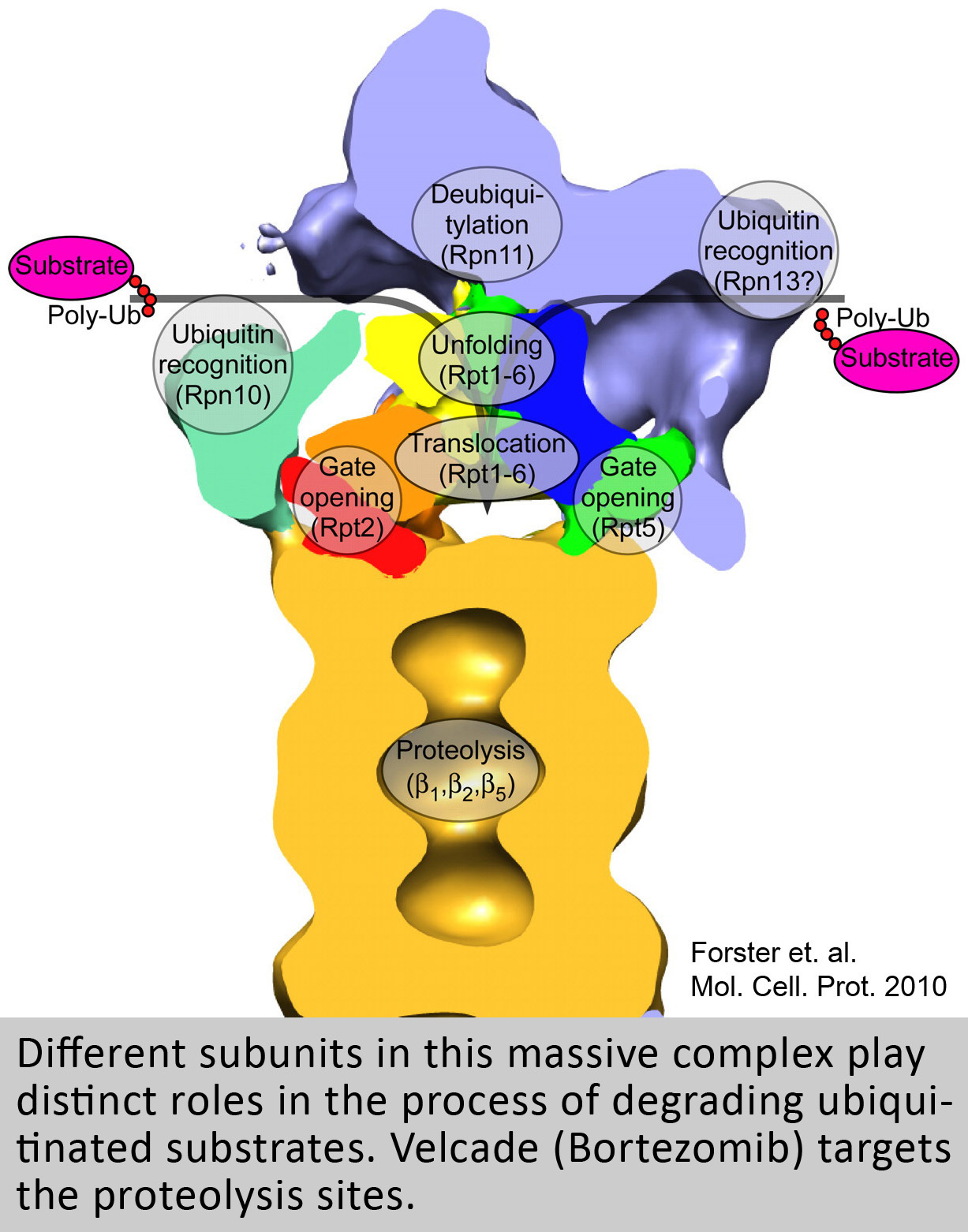
David M. Smith is a Professor at the West Virginia University School of Medicine , holding dual appointments in the Biochemistry and Molecular Medicine and Neuroscience departments. He is also a member of the WVU Cancer Institute and affiliated with the Rockefeller Neuroscience Institute . PhD from the University of South Florida School of Medicine Postdoctoral training at Harvard Medical School Research Focus : Molecular mechanisms of proteasome function, including substrate recognition, unfolding, and degradation. His work bridges fundamental enzymology with translational applications in cancer therapy and neurodegenerative diseases like Alzheimer's and Parkinson's. Key Article Trends : Recent publications emphasize proteasome activation mechanisms , neurodegenerative disease models , and structural insights into ATPase function . Grants : NIH R01 GM107129 (Mechanisms regulating proteasomal degradation), NIH R01 AG064188 (Proteasome function in Alzheimer's), and collaborations on projects like Protein-unfolding chaperones for blindness treatment . Lab Personnel : Includes graduate students Thomas Bradley, David Salcedo-Tacuma, Giovanni Howells, and Md Qamrul Islam, along with research technicians and undergraduates. Training emphasizes biochemical, biophysical, and computational techniques.
Antonia Beitzen-Heineke is a Medical Specialist in Internal Medicine, Hematology, and Oncology at the University Medical Center Hamburg-Eppendorf (UKE). She holds dual affiliations in the II. Medical Clinic and Polyclinic (Center for Oncology) and the Institute of Tumor Biology within the Center for Experimental Medicine. Her expertise spans oncology, hematology, and hemostaseology , with a focus on cardio-oncology, chemotherapy-induced toxicity, and coagulation disorders in cancer patients. Her research emphasizes translational studies in tumor biology, including the molecular mechanisms of coagulation activation in acute myeloid leukemia and the role of AXL inhibition in myeloproliferative neoplasms. She also investigates long-term cardiovascular effects of cancer therapies, leveraging cardiac MRI for early detection of myocardial dysfunction. Publications highlight her work on thrombosis in paroxysmal nocturnal hemoglobinuria, checkpoint inhibitor immunotherapy’s impact on hemostasis, and athlete cardiac adaptations. She collaborates with multidisciplinary teams in radiology, immunology, and pharmacology. Her clinical roles involve managing patients with hematologic malignancies and complex coagulation pathologies. No scientific awards are explicitly noted, but her active research profile underscores contributions to cardio-oncology and thrombosis biology.
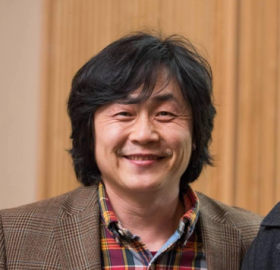
Dr. Young Sub Kwon is a Full Professor in the Department of Kinesiology at Cal Poly Humboldt, affiliated with the School of Applied Health. His research focuses on temperature regulation in high-intensity exercise physiology, virtual exercise laboratories, and fitness assessments for first responders. He holds a Ph.D. in Sports & Exercise Science from the University of New Mexico and has pioneered studies on cooling technologies for military and athletic applications, widely covered by major media outlets like NBC and the Wall Street Journal. Dr. Kwon teaches graduate courses including Exercise Testing and Physiology of Exercise. He has developed innovative virtual labs to enhance accessibility in exercise science education and co-authored a textbook on Exercise Physiology. His work includes collaborations with local fire departments and law enforcement to create fitness programs, involving over 20 students in research projects. Over 30 peer-reviewed publications and presentations at international conferences highlight his contributions to firefighter fitness, HIIT optimization, and thermal physiology. He has secured grants including the CSU Faculty-Student Collaborative Research Grant and led projects funded by the College of Professional Studies. His teaching philosophy emphasizes critical thinking, hands-on lab experiences, and student support through certification exam preparation. Dr. Kwon actively mentors students, fostering their academic and professional growth in kinesiology.
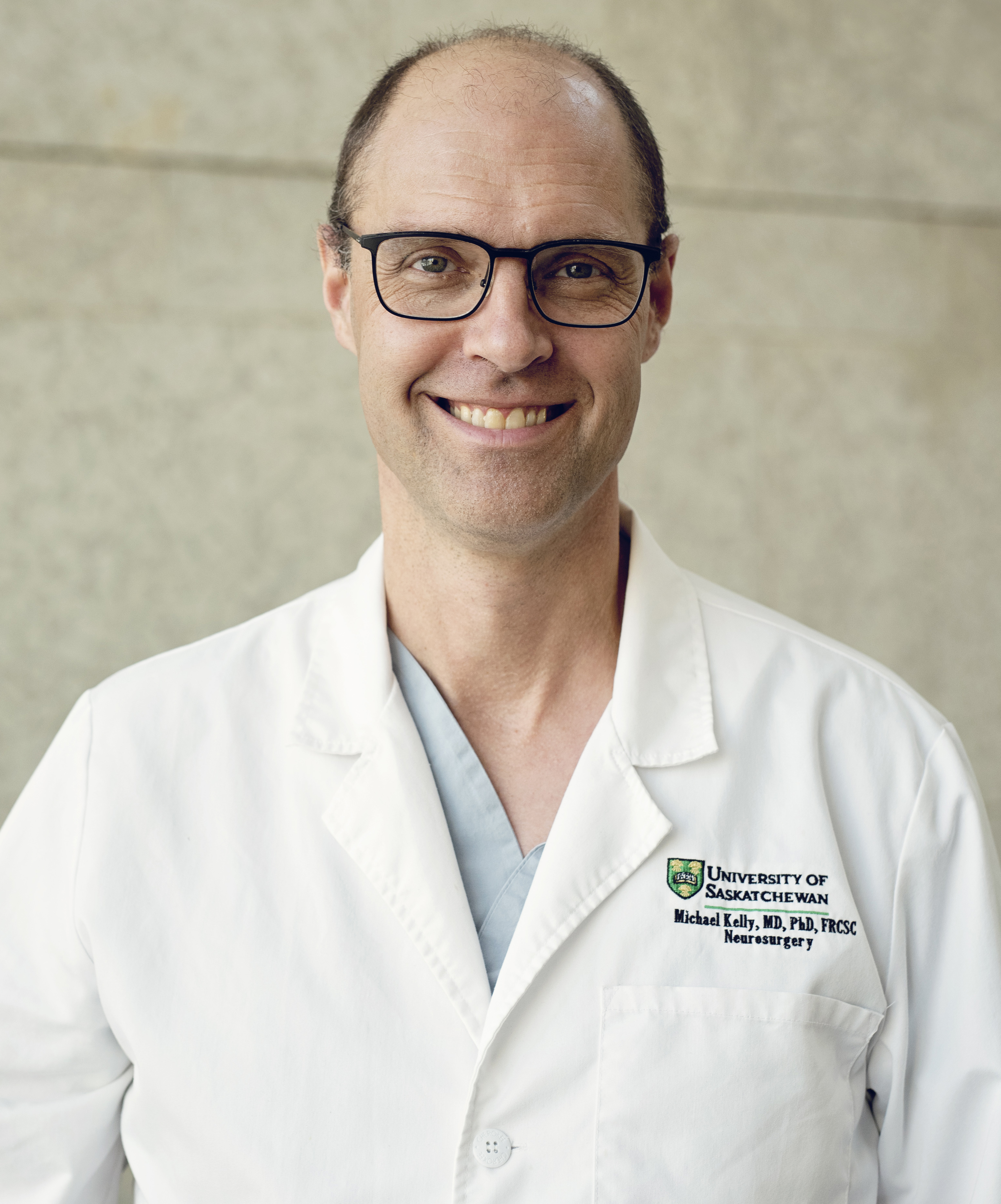
Dr. Michael Kelly is a Professor and Fred H. Wigmore Professor of Surgery at the University of Saskatchewan, serving as Provincial Department Head of Surgery and Knight Family Enhancement Chair in Neurological Surgery. He completed his BSc, MD, PhD, and neurosurgery residency at the University of Saskatchewan, followed by cerebrovascular and endovascular fellowships at Stanford University and Cleveland Clinic. His career spans clinical leadership, including roles as Saskatchewan Chair in Clinical Stroke Research (2012–2022) and program director for neurosurgery. Research Interests : Dr. Kelly specializes in cerebrovascular surgery, endovascular thrombectomy, and stroke management, with a focus on aneurysm treatment, cardiac dysfunction's impact on brain health, and advanced imaging techniques like X-ray fluorescence and FTIR. His work bridges neurosurgery and cardiac tissue engineering, exploring scaffold fabrication for vascular applications. Neurosurgery Stroke Treatment Medical Imaging Cardiac Tissue Engineering Recent Publications : His 2024–2025 studies address thrombectomy anesthesia protocols, long-term aneurysm outcomes, smartphone stroke diagnostics, and trace element dysregulation in stroke. These papers emphasize clinical trials, comparative analyses, and multisystem interactions (e.g., heart failure affecting neurogenesis). Scientific Awards : Fellow of the Royal College of Surgeons of Canada (FRCSC) Fellow of the American College of Surgeons (FACS) Knight Family Enhancement Chair in Neurological Surgery Fred H. Wigmore Professor of Surgery Leadership and Collaborations : Dr. Kelly leads Saskatchewan's provincial stroke pathway and contributes to international stroke registries like OPTIMISE. His research integrates clinical practice, device innovation (e.g., stentrievers), and translational studies on stroke biomarkers.


/bilder/personen/beitzenheinekeantonia_20150813_05_kontaktbild.jpg)