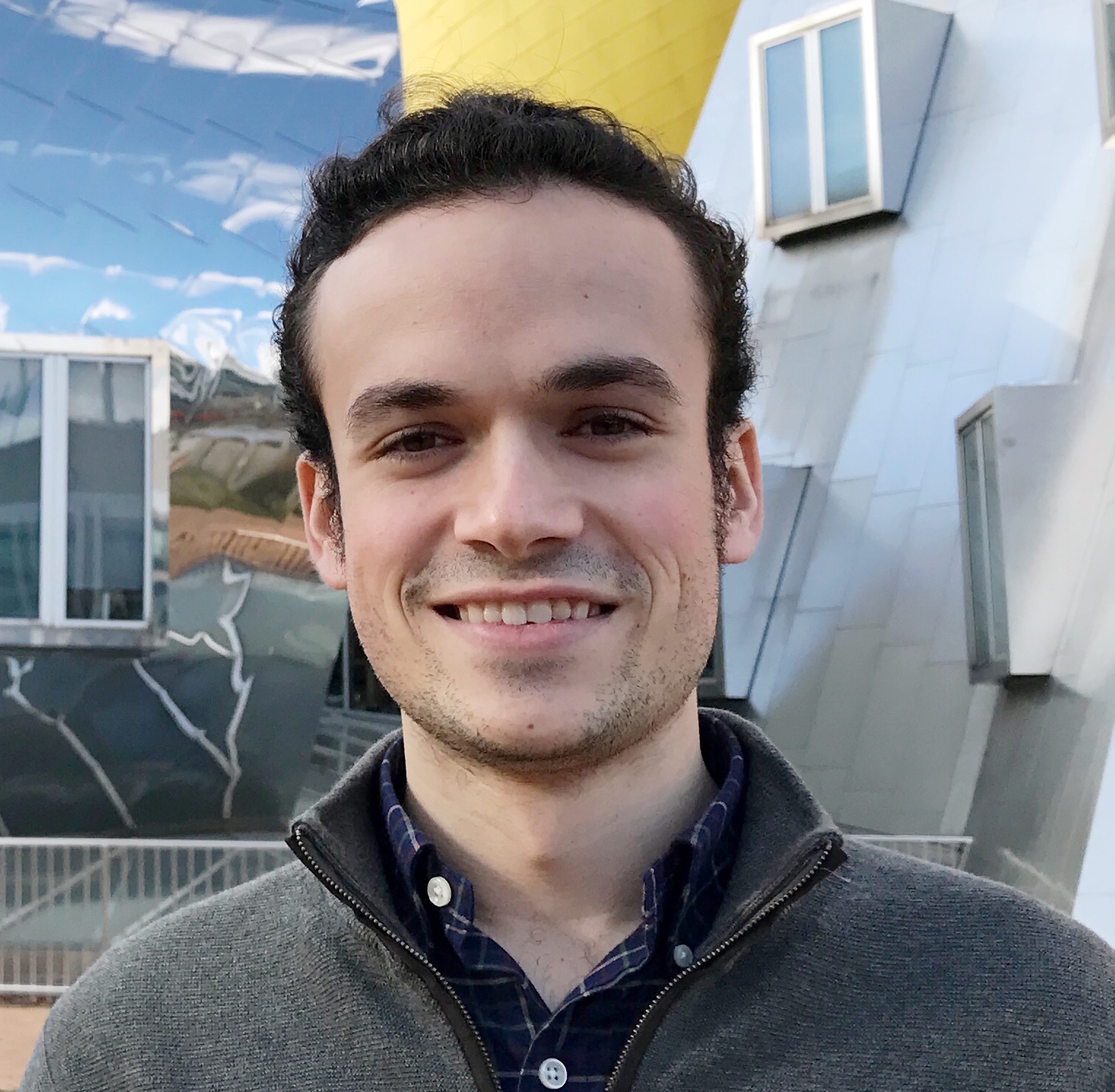
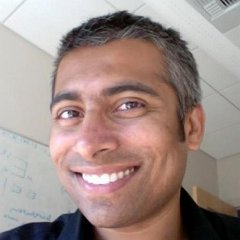
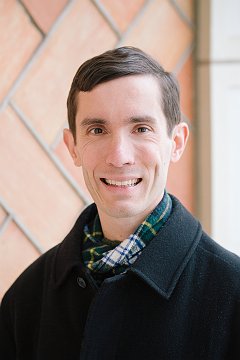
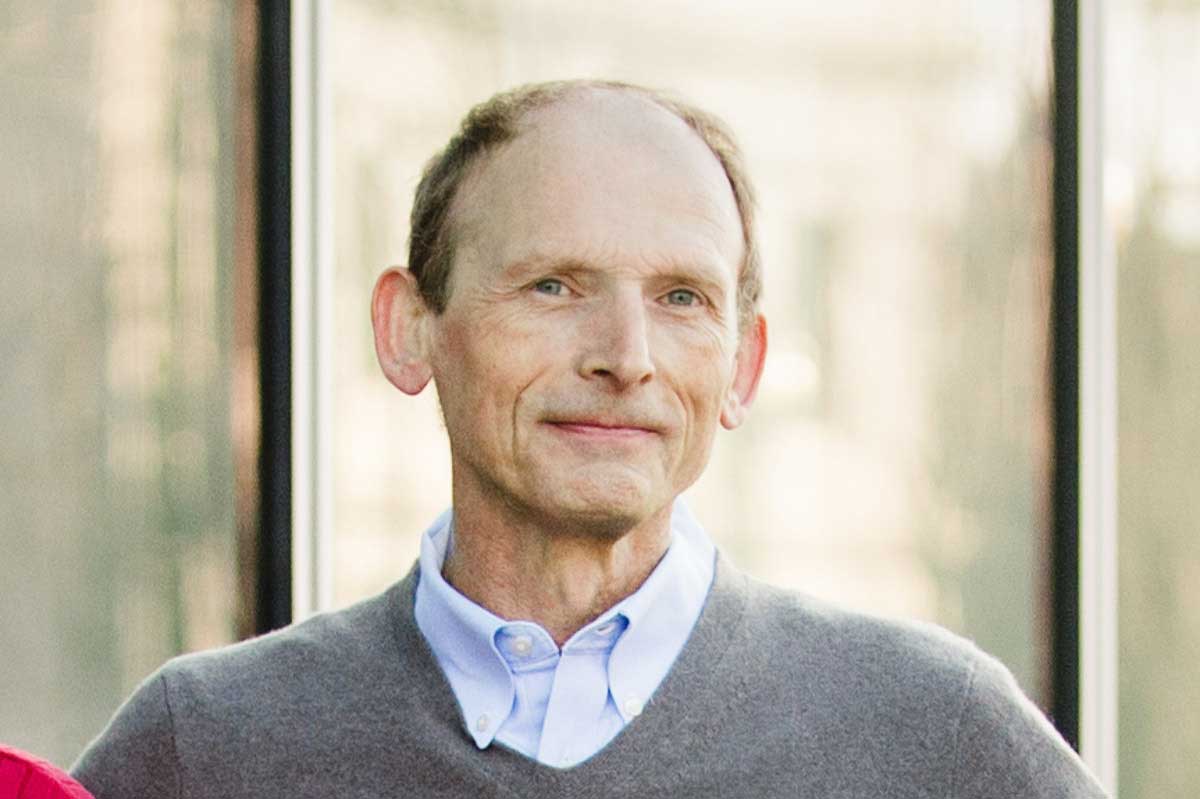
Xavier Puig is a Research Scientist at FAIR, focusing on Embodied AI and human-centered intelligent systems. Previously, he earned his Ph.D. from MIT's Computer Science and Artificial Intelligence Laboratory (CSAIL), advised by Professor Antonio Torralba. He also holds a double degree in Computer Science and Telecommunications from UPC's CFIS program. Education Ph.D., MIT (CSAIL), 2022 B.S./B.S., UPC (CFIS program), 2016 Research Interests span building agents that collaborate with humans through goal anticipation, task coordination, and realistic behavior modeling in simulation environments. His work integrates Embodied AI , Multi-agent Systems , and 3D Scene Understanding with applications in Human-Robot Collaboration and Interactive Decision-Making . Recent Trends in his publications emphasize Planning in Multi-agent Environments , Language-guided Robotics , Procedural Scene Generation , and Human Foundation Models for embodied tasks. Scientific Awards Best Paper Award, NeurIPS Cooperative AI Workshop (2020) Spotlight Presentation, ICLR (2021)
Dr. Masako Hirotani is an Associate Professor of Linguistics at Carleton University, cross-appointed with the Department of Cognitive Science. She directs the Language and Brain Laboratory and is an adjunct associate professor at the University of North Carolina at Chapel Hill. Her research focuses on psycholinguistics, cognitive neuroscience of language, and syntax-phonology interfaces. Key interests include adult sentence processing, auditory information use in language comprehension, and neural correlates of language processing, with recent work on dialectal impacts on education and conversational dynamics. Education: B.A. (Sophia University), M.A. (University of Tokyo), Ph.D. (University of Massachusetts Amherst). Former postdoctoral research at the Max Planck Institute for Human Cognitive and Brain Sciences (Leipzig, Germany). Research highlights include studies on dialectal disparities in academic achievement, neural synchronization in conversation, and acoustic properties of speech sounds. She actively contributes to Carleton’s Accessibility Institute and Visualization and Simulation (VSIM) Centre. Awards include the 2018 Favourite Faculty Member nomination and JSPS Invitation Fellowship (2017-2018). Teaching includes courses on psycholinguistics, child language, and cognitive neuroscience methods. Over 10 grants funded her work, including CUELF (2023-2024) and SSHRC grants. Her lab integrates EEG, fMRI, and behavioral methods to study language-brain interactions.
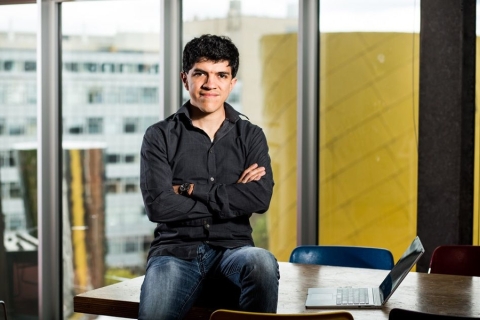
Armando Solar-Lezama is a Professor at the MIT Schwarzman College of Computing , Associate Director and COO of MIT CSAIL, and leads the Computer-Aided Programming Group . He earned his BS in Computer Science and Mathematics from Texas A&M University and PhD (2008) from UC Berkeley under Rastislav Bodik. His research focuses on program synthesis at the intersection of Programming Systems and Artificial Intelligence, with recent work on neurosymbolic programming. Education: BS (Texas A&M), PhD (UC Berkeley) Labs: CSAIL, Center for Deployable Machine Learning His research explores automated reasoning and learning to reduce programming effort, including the development of the Sketch programming language. Current neurosymbolic work combines deep learning with logical reasoning for applications in multi-agent systems, RNA splicing, and interpretable policy generation. Recent projects include VLMaterial for procedural asset generation and CRUXEval for code evaluation benchmarks. Scientific awards include: Robin Milner Young Researcher Award (2024) Best Paper (PLDI 2005, PPoPP 2016) Outstanding Paper (EMNLP 2023) He advises graduate students through MIT's EECS PhD program and has developed courses like 6.820 Foundations of Program Analysis and Program Synthesis . His work impacts software synthesis automation, programming language design, and deployable machine learning.
Nate Foster is a Professor of Computer Science at Cornell University's Bowers Computing and Information Science college. He also serves as a Visiting Professor at EPFL's Data Center Systems Laboratory during the 2023-24 academic year and as a Visiting Researcher at Jane Street. His research focuses on developing languages and tools that make it easy for programmers to build secure and reliable systems, with particular emphasis on software-defined networking. Dr. Foster's educational background includes: PhD in Computer Science from the University of Pennsylvania MPhil in History and Philosophy of Science from Cambridge University BA in Computer Science from Williams College Nate Foster's research spans multiple areas within programming languages and systems. His current work focuses on the design and implementation of languages for programming software-defined networks. He has also made significant contributions to bidirectional languages (also known as "lenses"), database query languages, data provenance, type systems, mechanized proof, and formal semantics. His interdisciplinary approach combines theoretical foundations with practical systems building, seeking to bridge the gap between formal methods and real-world network programming. An analysis of Foster's recent publications reveals a strong focus on network programming languages, particularly NetKAT and P4. His work consistently applies formal methods to networking problems, with increasing emphasis on verification, equivalence checking, and symbolic execution techniques. The research trajectory shows progression from foundational language design to practical verification tools, demonstrating how theoretical programming language concepts can solve real-world networking challenges. Dr. Foster has received numerous prestigious awards for his contributions: Sloan Research Fellowship NSF CAREER Award ACM SIGPLAN Robin Milner Young Researcher Award (2023) Most Influential POPL Paper Award Tien '72 Teaching Award Google Research Award Yahoo! Academic Career Enhancement Award Cornell Engineering Research Excellence Award Morris and Dorothy Rubinoff Award ACM SIGCOMM Rising Star Award As an active member of the programming languages community, Foster has advised numerous graduate students and secured significant research funding through his NSF CAREER award and Google Research Award. He has served in leadership roles for major conferences including PLDI, POPL, and ICFP, demonstrating his commitment to mentoring the next generation of researchers through programs like PLMW@PLDI. His collaborative approach is evident in his extensive co-authorship network across academia and industry. Foster leads research in the area of programming languages for networking, with particular focus on the NetKAT framework for network verification. His work bridges the gap between formal methods and practical networking systems, creating tools that have influenced both academic research and industry practice in software-defined networking. His collaborations with institutions like EPFL and industry partners like Jane Street demonstrate the real-world impact of his research agenda.
Ranjit Jhala is a Professor of Computer Science Engineering in the Jacobs School of Engineering at the University of California, San Diego. His research focuses on building reliable computer systems through programming languages and software engineering techniques. His primary research interests include Programming Languages, Formal Verification, and Software Engineering. He draws from and contributes to areas such as Type Systems, Model Checking, Program Analysis, and Automated Deduction, bridging theoretical foundations with practical implementations for real-world software development. Prof. Jhala's publication record shows a consistent trajectory in refinement type systems, evolving from Liquid Haskell to Flux for Rust, while also exploring neurosymbolic approaches to error repair and type error diagnosis. His work demonstrates a commitment to making formal verification techniques accessible to practitioners. He leads the Programming Systems Group at UCSD, mentoring graduate students and collaborating with researchers across the programming languages community. His service includes General Chair roles for POPL 2018 and PLDI 2022, reflecting his leadership position in the field. Prof. Jhala is also known for his mentoring activities, including talks on academic presentation skills and participation in ICFP's mentoring programs for students and early-career researchers.
Bryan Parno is the Kavčić-Moura Professor of Electrical & Computer Engineering and Computer Science at Carnegie Mellon University, where he leads the Secure Foundations Lab within CyLab, CMU's Security & Privacy Institute. His research combines theory and practice to provide formal, rigorous security guarantees about concrete systems, with emphasis on creating solid foundations for practical solutions. His research spans secure systems , formal software verification , applied cryptography , data privacy , and usable security . Current work focuses on protocols for verifiable computation and zero-knowledge proofs, building practical formally verified secure systems, and developing next-generation application models. His lab maintains a strong commitment to reproducibility, open-sourcing code under permissive licenses, and avoiding patenting results to maximize public benefit. His recent publications demonstrate a clear trend toward practical verification of real-world systems, particularly through the Verus project for verifying Rust code, Everest for building verified HTTPS stacks, and Ironclad for provably secure systems. These works bridge the gap between theoretical security guarantees and practical implementation, with applications ranging from blockchain protocols to verified cryptographic libraries deployed in the Linux kernel. His scientific achievements include multiple Distinguished Paper/Artifact Awards (USENIX Security, SOSP, PLDI), the IEEE Cybersecurity Award for Practice , the Sloan Fellowship , and the ACM Doctoral Dissertation Award . His work on verifiable computation protocols has influenced blockchain systems, while his research on secure code execution environments contributed to Intel's SGX and TDX technologies. As an advisor, Parno has mentored numerous PhD students including Aymeric Fromherz (recipient of the ACM SIGSAC Doctoral Dissertation Award) and Jay Bosamiya. His lab receives funding from diverse sources including NSF, industry partners, and security foundations. Notably, his work has been incorporated into Windows 8+, iOS 13+, and the Linux kernel. He also serves in leadership roles including Chair of IEEE Computer Society's Technical Committee on Security & Privacy. The Secure Foundations Lab maintains strong industry connections, with alumni joining Microsoft Research, Inria, Northeastern University, and other leading institutions. Recent projects like Verus, Everest, and Ironclad represent the lab's commitment to building end-to-end verified systems that provide rigorous security guarantees while maintaining practical performance.
Prof. Zofia Wodniecka-Chlipalska is a distinguished faculty member at Jagiellonian University's Institute of Psychology within the Faculty of Philosophy. Her research spans bilingualism, cognitive neuroscience, and psycholinguistics, focusing on language control mechanisms and cross-linguistic influences. She leads the Laboratory of Language Psychology and Bilingualism 'LangUsta', overseeing critical studies on bilingual children's language processing and neural adaptations. Key Research Areas: Bilingual language control, social biases in multilingual contexts, lexical access, neuropsychological mechanisms of second language acquisition. Recent Trends: 2025 articles explore neural efficiency in bilingual environments, vocabulary dynamics in Polish-English children, and motivation-driven prejudice reduction.
Matthias Felleisen serves as Trustee Professor at Northeastern University's College of Computer Science, specializing in programming language theory and implementation. He currently teaches CS 4400: Principles of Programming Languages with active course development through Fall 2025. His research spans: Semantics engineering through executable models Parser and interpreter construction Abstract machine derivation (including CESK machines) Language pedagogy based on K-12 calculation systems Felleisen co-authored Semantics Engineering (with Findler and Flatt) and mentored Shriram Krishnamurthi (author of Programming Languages: Applications and Implementations ). Current PhD advisees include Michael Ballantyne and Cameron Moy, while former students comprise Leif Andersen, Samuel Caldwell, Ben Greenman, and Asumu Takikawa. His academic lineage connects to Daniel P. Friedman (advisor, author of Essentials of Programming Languages ). Course materials emphasize hands-on implementation of language features through progressively complex assignments in parsing, AST construction, and semantic modeling.
Nate Foster is a Professor of Computer Science at Cornell University and a Visiting Researcher at Jane Street . During 2023-24, he also holds a Visiting Professor position at EPFL in the Data Center Systems Laboratory. His research focuses on Programming Languages and Networking , with significant contributions to formal verification of network data planes and domain-specific language design. Awarded NSF CAREER Award , Sloan Research Fellowship , ACM SIGCOMM Rising Star Award , and ACM SIGPLAN Robin Milner Award Active in program committees for conferences like POPL, PLDI, SPLASH, and ICFP Research Trends : His recent work explores intersections of programming language theory with networking, including symbolic verification tools like KATch , infinite-state network analysis with StacKAT , and active learning frameworks for network automata. He applies formal methods to practical challenges in software-defined networking and hypervisor verification. Scientific Awards : NSF CAREER Award Sloan Research Fellowship ACM SIGCOMM Rising Star Award ACM SIGPLAN Robin Milner Award Academic Leadership : Serves as Session Preview Co-Chair for POPL 2024 and organizes workshops like RPLS 2025. He has chaired tutorials on P4 programming and mentored researchers through PLMW programs.
Ranjit Jhala is a Professor of Computer Science Engineering at UC San Diego's Jacobs School of Engineering, where he leads the Programming Systems Group. His research spans Programming Languages and Software Engineering, focusing on building reliable systems through Type Systems, Model Checking, Program Analysis, and Automated Deduction. His current projects include Flux for Rust verification, Liquid Haskell refinement types, and techniques for analyzing timing channels. Professor Jhala teaches courses on Programming Languages (CSE 130) and Graduate Programming Languages (CSE 230), with extensive experience teaching compilers and verification topics. Professor Jhala advises several students including Alexander Bakst, Ben Cosman, and Marc Andrysco. Notable former students include Niki Vazou (Postdoc at Maryland), Ravi Chugh (University of Chicago), and Patrick Rondon (Google).
Andreas Zeller serves as Professor for Software Engineering at Saarland University and faculty at the CISPA Helmholtz Center for Information Security in Saarbrücken, Germany. His dual appointments position him at the intersection of academic research and practical cybersecurity applications, contributing significantly to both institutions' research profiles. Professor Zeller's research spans multiple dimensions of software quality assurance, with particular expertise in automated debugging techniques, mining software repositories for insights, specification mining, and security testing methodologies. His work consistently bridges theoretical foundations with practical implementation, resulting in tools and frameworks adopted widely in both research and industry contexts. Analysis of his recent publications reveals an evolutionary trajectory from foundational debugging work toward increasingly sophisticated grammar-based testing approaches, with notable integration of machine learning techniques in recent years. His research demonstrates consistent focus on improving software reliability through automated analysis, with growing emphasis on security applications including XML injection testing, GNSS module security, and binary file format vulnerabilities. Recipient of two ERC Advanced Grants (including the S3 project) ACM Fellow ACM SIGSOFT Outstanding Research Award Professor Zeller has successfully secured substantial research funding through competitive mechanisms including ERC grants, enabling his team to pursue ambitious research agendas. His leadership extends to mentoring through his roles as doctoral symposium co-chair and active participation in new faculty development initiatives. He maintains strong engagement with the research community through numerous program committee memberships and conference organization roles. At CISPA Helmholtz Center for Information Security, Zeller contributes to the center's mission through research focused on software security testing and analysis. His work on grammar-based testing and fuzzing directly addresses critical security challenges in modern software systems, with practical applications for improving software resilience against attacks.