- Cognitive Models of Human Language Understanding
- Natural Language Generation
- Experimental Psycholinguistics
- +۷ مورد دیگر
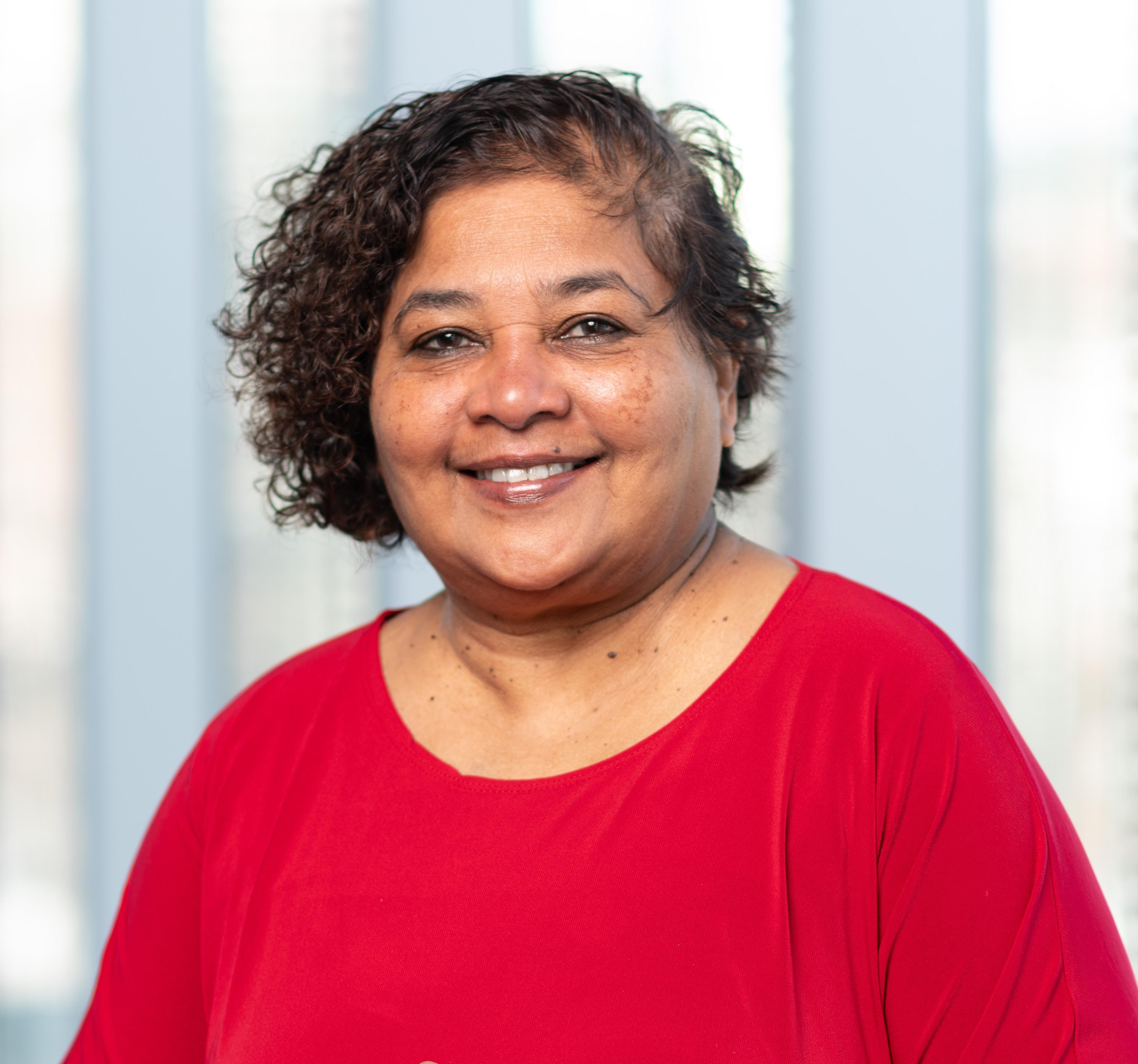
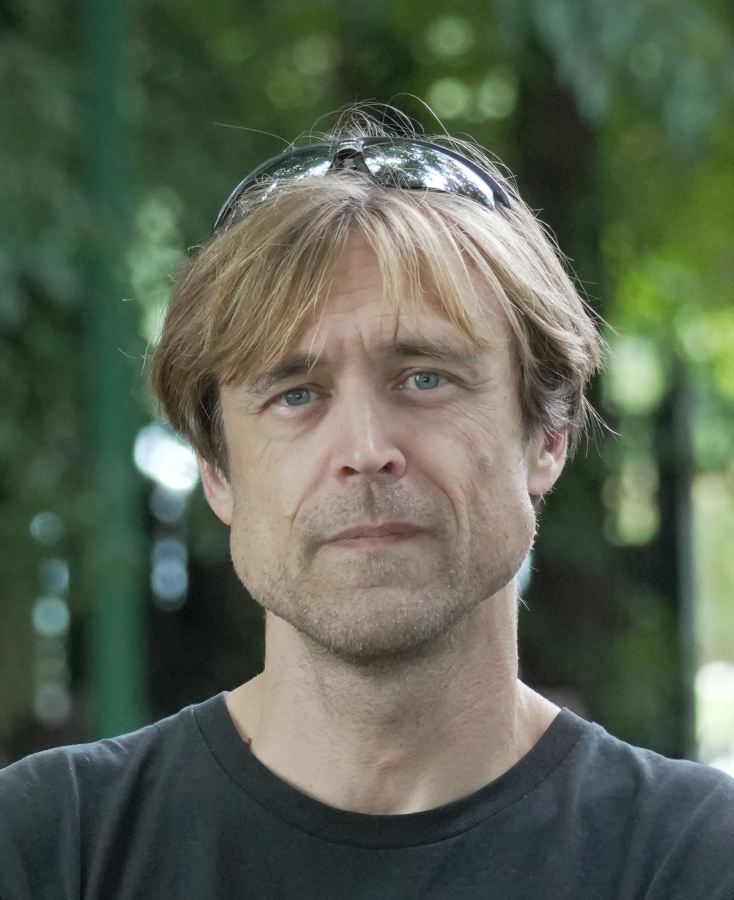
Prof. Dr. Vera Demberg is a full Professor of Computer Science and Computational Linguistics at Saarland University, affiliated with the Faculty of Mathematics and Computer Science. She holds a chair in her field and is co-opted into the Department of Language Science and Technology. Since 2024, she has also been a Max Planck Fellow at the Max Planck Institute for Informatics, where she leads a research group on Multimodal Language Processing. She currently serves as Dean of Study Affairs for her faculty (2024–2026). Her research focuses on cognitive models of human language understanding, natural language generation, experimental psycholinguistics, and computational discourse and pragmatics. She integrates computational modeling with empirical methods such as eye-tracking and reading time experiments to study how humans process language in real time. Key themes include individual differences in comprehension, information-theoretic models, and multimodal language processing (language and vision/body language). The recent publications and talks reflect a strong trend in modeling incremental and predictive language processing, discourse coherence, and individualized interaction in dialogue. Her work bridges computational linguistics, cognitive science, and artificial intelligence, often applying rational agent models and information theory to human language processing. Elected Member of the Academy of Sciences and Literature Mainz (2024) ELLIS Fellow (2023) ERC Starting Grant 'Individualized Interaction in Discourse' (2020–2025) Cognitive Science Society Glushko Dissertation Prize (2011) Falling Walls Lab 2014, Berlin Multiple Google Anita Borg Scholarship Finalist recognitions Prof. Demberg advises several PhD students and postdoctoral researchers, including Marian Marchal, Anupama Chingacham, Iza Škrjanec, Alexandra Mayn, and Jiaxin Li. She leads multiple funded research projects, including an ERC Starting Grant and several SFB projects funded by the DFG. Her lab hosts guest researchers and organizes international workshops such as IndiREAD and IndiPRAG. She is actively involved in the academic community, serving on the Executive Committee of ACL, as Program Chair for SigDIAL 2024, and as Associate Editor for IEEE TPAMI and other journals. Her research group is involved in several major projects, including 'Individualized Interaction in Discourse' (ERC), 'Cognitive Modelling of Information Density for Discourse Relations' (SFB 1102), and the DFG Research Training Group on Neuroexplicit Models of Language, Vision, and Action. These projects explore the intersection of human cognition and machine language processing, often using eye-tracking and computational modeling.