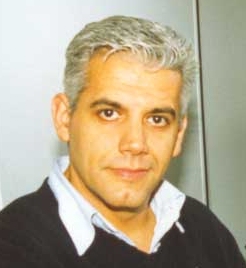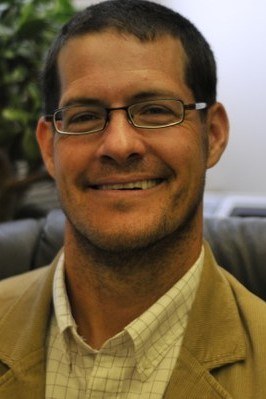
Frank Hillary is a Professor of Psychology at Pennsylvania State University, serving as Interim Co-Director of Clinical Training and Director of SARI. His research examines neural adaptation following brain injury and disease using advanced neuroimaging and network analysis techniques. Education Ph.D. in Psychology, Drexel University, 2000 Research Interests Dr. Hillary investigates functional brain reorganization after neurological disruption, particularly traumatic brain injury (TBI). His lab employs cognitive paradigms, structural/functional MRI, and graph theory to model neural network plasticity across the lifespan. Current work explores aging, mild cognitive impairment, and TBI's role as a risk factor for neurodegeneration, focusing on how network changes predict clinical outcomes. Publication Trends Analysis of 15 recent publications (2014-2018) reveals dominant themes in TBI and network neuroscience. Hyperconnectivity emerges as a central phenomenon, with studies examining its benefits/costs in recovery. Methodologies consistently integrate graph theory, functional MRI, and computational modeling, while recent work expands into aging and neurodegenerative pathways. The research demonstrates evolving focus from acute injury mechanisms to long-term neurodegenerative risks. Scientific Awards No scientific awards were mentioned in the source text Advising and Grants The source text does not specify student advising details or grant funding information. However, his active publication record and lab leadership suggest sustained research support and mentorship activities within the clinical psychology program. Labs and Teams Dr. Hillary directs the Brain Injury & Plasticity Lab (established 2004), which investigates neural system adaptation to injury with clinical outcome implications. The lab maintains active social media engagement (@PSUBrainLab) and collaborates across disciplines including aging research and neurodegeneration studies, utilizing Twitter and Instagram for scientific outreach.