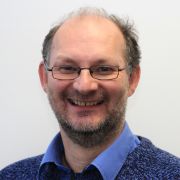
Professor Ross Cameron is a faculty member at the School of Architecture and Landscape, University of Sheffield, specializing in Environmental Horticulture . His research focuses on the intersection of urban green infrastructure, climate change adaptation, and human well-being through plant selection. PhD in Horticulture BSc in Biological Sciences Research interests include: Green infrastructure for climate mitigation (city cooling, flood tolerance) Plant-ecosystem interactions (thermal insulation, biodiversity enhancement) Sustainable resource use (water, soil amendments, energy) Human-plant relationships (well-being, therapeutic landscapes) Recent publications highlight trends in: Phylogenetic approaches to urban tree survival Thermal regulation via green walls and roofs Floral color psychology and mental health Mediterranean species adaptation to urban stress Microbial implications in green infrastructure Scientific awards include: National Horticultural Fellowship (2011) DEFRA LINK project with top rating (9/10) Teaching excellence awards He leads research on plant-people dynamics, advises UK policymakers, and supervises PhD projects in urban ecosystem services. His work bridges applied horticulture with interdisciplinary collaborations across ecology, architecture, and public health.
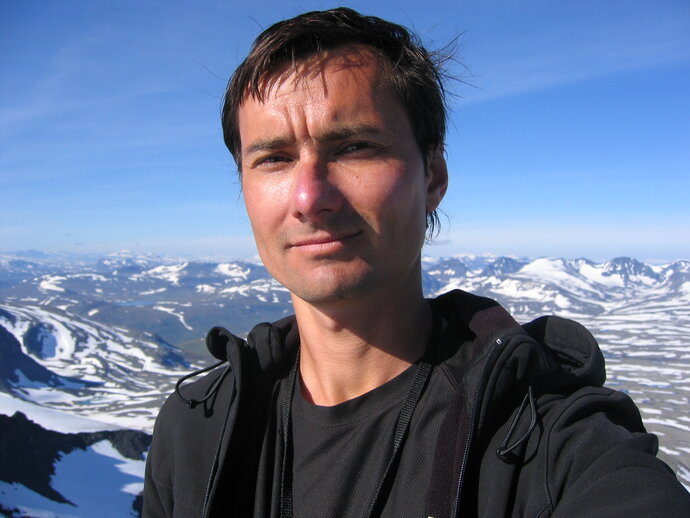
Andrey Anikin is an Associate Professor and Researcher in Cognitive Science at the Department of Philosophy, Lund University. His work focuses on vocal communication and emotions, exploring how the voice conveys information beyond linguistic codes through nonverbal vocalizations and acoustic phenomena. Research Interests Dr. Anikin investigates how vocal qualities like roughness, laughter, and screams convey emotional and social information. His research takes a cognitive and biological approach, examining sensory biases and auditory attention in vocal communication. His work aims to illuminate the evolutionary origins and universal features of vocal communication across human cultures and animal species. Key areas include emotion perception, nonverbal vocalizations, acoustic analysis, and vocal communication systems. Research Output Trends Dr. Anikin's recent publications (2025) demonstrate a strong focus on acoustic properties of vocalizations across species. His work bridges biology, psychology, and acoustics with methodological innovations in analyzing nonlinear phenomena, voice roughness, and formant structures. His research shows increasing interdisciplinary collaboration, particularly with zoologists and signal processing experts, while maintaining a core focus on the cognitive mechanisms underlying vocal communication. Research Projects What makes baby cries impossible to ignore? (2024-2026): Funded by the Swedish Research Council, this active project investigates the sensory mechanisms behind infant cry perception. Sensory biases in nonverbal communication (2021-2023): A completed project funded by the Swedish Research Council that examined how sensory systems shape nonverbal communication. Research Environment Dr. Anikin is affiliated with the Cognitive Zoology Group and the Lund University Cognitive Science (LUCS) program. He contributes to the LU Profile Area: Natural and Artificial Cognition. His work connects with the UN Sustainable Development Goals through interdisciplinary research on communication and cognition, with implications for understanding human well-being and social interaction.
Matthew Ronshaugen is a Senior Lecturer in the Division of Developmental Biology & Medicine (L5) at the Faculty of Life Sciences, University of Manchester. He has held academic positions since 2007 as a Manchester Fellow, followed by Lecturer (2012-2017), and Senior Lecturer since 2017. 1991-1995: Bachelor of Arts in Philosophy and Linguistics, University of Nevada, Las Vegas 1995-1997: Master of Science in Systematics, University of Nevada, Las Vegas 1997-2002: Doctor of Philosophy in Cell and Molecular Biology, University of California, San Diego 2003-2007: Ruth L. Kirschstein NIH Postdoctoral Fellow at University of California, Berkeley His research focuses on non-coding RNAs (ncRNAs), particularly their roles in gene expression and developmental differentiation. His lab investigates how ncRNA evolution contributes to metazoan body plan diversification, centering on the Hox complex—a conserved genomic region rich in ncRNAs. He uses tiling microarrays and fluorescent in situ hybridization to analyze ncRNA dynamics in Drosophila, Tribolium, and Parhyale. Recent publications highlight his work on miRNA functions in embryonic development, aging-related changes in myeloid cells, and comparative transcriptomics across arthropods. His team employs genetics tools to dissect ncRNA roles in transcriptional regulation, epigenetic control, and silencing mechanisms. Scientific Awards: Ruth L. Kirschstein NIH Postdoctoral Fellow Manchester Fellow He supervises research on developmental transcriptomes and contributes to datasets on piRNA expression and Hox complex analysis. Collaborations span immunology, genomics, and evolutionary development, with outputs cited in fields like RNA interference, transgenics, and wound healing.
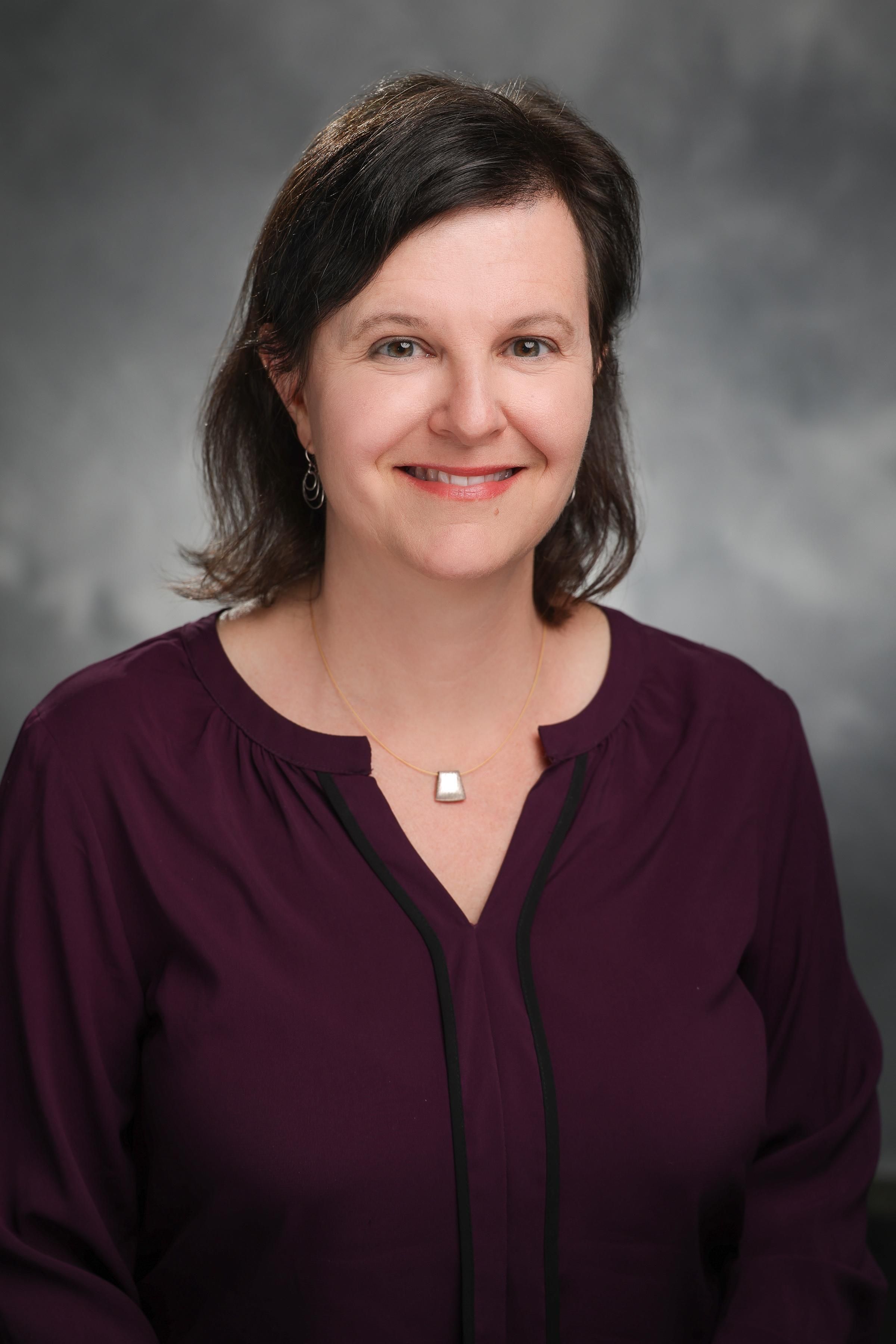
Marta Halina is a University Associate Professor in the Philosophy of Cognitive Science at the University of Cambridge, affiliated with the Department of History and Philosophy of Science. She serves as a Senior Research Fellow at the Leverhulme Centre for the Future of Intelligence and is a Fellow of Selwyn College. Her academic journey began with a PhD in Philosophy and Science Studies from the University of California, San Diego in 2013, followed by a McDonnell Postdoctoral Fellowship in the Philosophy-Neuroscience-Psychology Program at Washington University in St. Louis before joining Cambridge in 2014. Halina's educational background includes a PhD from UC San Diego (2013) and postdoctoral training at Washington University in St. Louis. Her academic trajectory reflects a strong interdisciplinary foundation bridging philosophy, cognitive science, and neuroscience. Her research focuses on nonhuman animal cognition, mechanistic explanation, and artificial intelligence, with particular emphasis on comparative cognition and the philosophical foundations of cognitive science. Halina investigates how researchers design studies to address complex questions about animal minds, arguing that current methods in comparative cognition often face challenges with hypothesis underdetermination by empirical evidence. She advocates for additional behavioral constraints on theorizing, known as 'signature testing,' while emphasizing the need to incorporate neuroscience and biology more substantially into animal cognition research. Her work on major transitions in cognitive evolution proposes treating the evolution of cognition as a series of major evolutionary transitions to better comprehend cognitive complexity across species. Analysis of Halina's recent publications reveals a clear trajectory toward computational comparative cognition. Her work increasingly integrates AI and machine learning techniques with traditional comparative cognition approaches, exemplified by her development of the Animal-AI Testbed. This platform allows for direct comparison between AI systems, humans, and animals on cognitive tasks, revealing that while AI and children perform similarly on basic navigational tasks, children outperform AI on more complex cognitive tests requiring object permanence. Her research demonstrates how computational modeling can generate novel hypotheses about animal behavior that generate precise, testable predictions beyond what traditional experimental methods alone can achieve. McDonnell Postdoctoral Fellowship Halina directs research initiatives at the Leverhulme Centre for the Future of Intelligence, particularly focusing on the intersection of AI and animal cognition. Her work on the Animal-AI Environment has received significant funding and collaborative support, enabling interdisciplinary research that bridges computer science, cognitive science, and biology. She actively collaborates with researchers across multiple institutions to develop computational frameworks for understanding nonhuman animal cognition. Halina leads significant research initiatives through the Leverhulme Centre for the Future of Intelligence, where she develops the Animal-AI Environment—a research platform for conducting cognitive experiments with artificial agents, humans, and nonhuman animals in directly comparable, ecologically valid contexts. This environment facilitates interdisciplinary collaboration between computer scientists, engineers, biologists, and cognitive scientists, reducing the 'language barrier' between these fields and enabling cross-pollination of ideas and methodologies.
Professor Robert Brooks is a Scientia Professor at the University of New South Wales , affiliated with the Evolution & Ecology Research Centre and leading the SEX LAB . His research spans evolutionary biology, behavioral ecology, and evolutionary psychology. Key affiliations: UNSW, Evolution & Ecology Research Centre Research focus: Evolutionary consequences of sex, sexual selection, human aging, gender dynamics, and technological impacts on mating Research Interests include: Mate choice and sexual conflict Evolution of attractiveness costs Sex differences in aging and longevity Intersection of evolution and economics Human life history evolution Evolutionary perspectives on social issues (obesity, feminism, technology) Recent Publications demonstrate interdisciplinary work: behavioral ecology in Proceedings of the Royal Society B , evolutionary psychology in Adaptive Human Behavior and Physiology , and socioecological analysis in Frontiers in Ecology and Evolution . Themes include mating systems, human behavioral patterns, and reproductive trade-offs. Awards: 2012 Queensland Literary Award for Science Writing 2013 Eureka Prize for Communicating Science Contact: rob.brooks@unsw.edu.au
Hugo Meijer is a CNRS Research Fellow and Deputy Director for Scientific Affairs at the Center for International Studies (CERI) of Sciences Po, Paris. He founded the European Initiative for Security Studies (EISS) and serves as Senior Fellow at the Centre for Security, Diplomacy and Strategy (CSDS) in Brussels, and Honorary Researcher at the Centre for War and Diplomacy, Lancaster University. PhD in International Relations from Sciences Po M.A. in International Relations from Johns Hopkins University B.A. in Political Economy from LUISS Guido Carli His research spans three interconnected areas: US-China relations and the reconfiguration of American hegemony through alliance systems in Europe and Asia-Pacific; European defense policies , including capability pooling and autonomous security; and European responses to China's rise , focusing on shifting threat perceptions and policy instruments. Recent publications explore NATO's Indo-Pacific engagement , alliance networking , and the biological-social duality of human conflict . His work has appeared in International Security , Journal of Strategic Studies , and Survival , addressing topics like nodal defense structures , covert balancing , and deterrence dynamics . Marie Skłodowska-Curie Fellow Co-editor of The Handbook of European Defence Policies and Armed Forces Author of Trading with the Enemy: US Export Control Policy toward China He has taught at King’s College London and currently offers graduate courses on foreign and defense policy , US hegemony , and diplomacy-intelligence nexus . Fluent in multiple languages, Meijer combines field research from 223 interviews with archival analysis, including leaked diplomatic cables and FOIA-released documents.
Karen Abbott is a Professor and Associate Chair in the Department of Biology at Case Western Reserve University, specializing in theoretical population and community ecology. Her research employs mathematical modeling to investigate species distributions, abundance fluctuations, and ecological pattern formation. Her primary research interests include: Theoretical Population and Community Ecology Spatial Synchrony in Forest Insect Outbreaks Plant-Herbivore Dynamics and Inducible Defenses Evolutionary Responses to Climate Change Invasive Species Spread Mechanisms Ecological Time Series Analysis Recent publications (2023-2025) reveal strong emphasis on spatial ecology, transient dynamics, and network theory applications. Key trends involve modeling synchrony in ecological oscillators, life history effects on consumer-resource systems, and environmental stochasticity impacts on population cycles. Her work frequently addresses how new biologically-motivated models improve understanding of unexplained ecological phenomena. Scientific awards: None mentioned in provided text. Research funding includes the eMB Collaborative Research project (2023) on mathematical approaches for spatial synchrony in ecology. While specific student advisees aren't listed, her faculty role suggests graduate and undergraduate mentoring. Her lab maintains active research in theoretical ecology as evidenced by continuous publication output. She leads the Abbott Lab (https://abbottlab480702554.wordpress.com/), which focuses on mathematical modeling of ecological systems, investigating spatial synchrony, plant-herbivore interactions, climate change effects, and transient dynamics in population cycles.
Dr. Efisio Manunta is an Associate Professor at the University of Toulouse , affiliated with the Cognition, Languages, and Ergonomics (CLLE) laboratory. His research bridges political psychology , health psychology , and social identity processes , focusing on topics like populism , radicalization , and pro-health behavior . He has co-authored high-impact studies in Personality and Social Psychology Bulletin , Political Psychology , and Nature Human Behaviour . Research Interests : Motivational processes in identity construction Impact of identity threat on political and health behaviors Psychometric scale development (e.g., POP-ThIS for populism) Cross-cultural studies on sociosexual exchanges (e.g., sugar relationships) Notable Collaborations include ERC Advanced Grant projects at the University of Limerick, visiting positions at the University of Sussex and Sapienza Università di Roma, and contributions to global datasets during the COVID-19 pandemic.
Dr. Tom Matthews is an Associate Professor at the University of Birmingham , affiliated with the School of Geography, Earth and Environmental Sciences . His research focuses on global environmental change using macroecological , macroevolutionary , and biogeographical approaches , with a particular emphasis on island systems and bird communities . Education: DPhil, University of Oxford MSc (Distinction), University of Oxford BSc First Class Honors, University of Birmingham Research interests span island biogeography , conservation biogeography , and functional diversity in fragmented landscapes. His work investigates the impacts of human-driven extinctions , habitat fragmentation , and climate change on island ecosystems. Recent publications analyze bioTIME databases , AVONET datasets , and anthropogenic extinction cascades , highlighting trends in functional and phylogenetic diversity loss . Scientific contributions include authorship of two books: Species–Area Relationships (Cambridge University Press) and Island Biogeography (Oxford University Press). Awards include the NERC scholarship , Royal Geographical Society Awards , and Oxford’s Vice Chancellor’s Award . He supervises doctoral researchers in macroecology , island conservation , and global change biology , while teaching undergraduate modules in statistical ecology and conservation practices .
Colin R Campbell is an Associate Professor in the Department of Pharmacology at the University of Minnesota Medical School . His research focuses on DNA repair mechanisms , particularly DNA-protein crosslink repair , homologous recombination , and mitochondrial DNA stability , with significant contributions to understanding cancer mechanisms and genetic toxicology . Research Themes DNA-Protein Crosslink Repair Homologous Recombination Pathways Mitochondrial DNA Maintenance Chemotherapy-Induced DNA Damage Enzymatic Processing Mechanisms Article Trends 2024-2025 work emphasizes transcription-coupled DNA repair and ubiquitin-mediated repair pathways 2020-2023 studies explore mitochondrial crosslink repair and interdisciplinary sustainability leadership 2000-2018 publications cover rad51 interactions , nitrogen mustard effects , and calpain-mediated repair enzyme degradation Grants & Projects NIH/NHLBI: Summer Research (2024-2029) NIH/NIEHS: DNA-Protein Crosslink Repair (2019-2025) NIH/NHLBI: Cellular Repair Mechanisms (2018-2024) Collaborations Natalia Tretyakova (Chemistry) Hoang D Nguyen (Microbiology) Paul B Bitterman (Medicine) Beverly S Moriarity (Genetics)
Rui Prada is a Full Professor at the Department of Computer Engineering, Instituto Superior Técnico, University of Lisbon. His research focuses on Artificial Intelligence , Game Development , and Human-Machine Interaction , with emphasis on socially intelligent agents and affective computing. His work explores Multi-Agent Systems , XR Testing , and Educational Game Design , particularly for neurodiverse populations. Recent publications highlight Procedural Content Generation , Human-AI Collaboration , and Social Power Dynamics in agent-based systems. Scientific contributions include the Best Poster Award and leadership in projects like PartiPlay and RAGE , advancing Inclusive AI and Game Technologies Marketplace frameworks.
Dr. Huazhong Shi is a Professor in the Department of Chemistry and Biochemistry at Texas Tech University. His research focuses on molecular biology, biochemistry, and plant stress response mechanisms, with a particular emphasis on gene editing for crop improvement, herbicide resistance development, and computational simulations of protein-small molecule interactions. Ph.D., Wuhan University, China, 1995 Research Associate, University of Arizona, 1999-2001 Research Associate, University of California, 2001-2003 Research Associate, Purdue University, 2003-2004 Dr. Shi’s research explores gene editing strategies to enhance crop traits such as clonal seed production, haploid induction, and herbicide resistance. His lab also investigates molecular dynamics simulations to understand enzyme-herbicide interactions and stress-inducible gene regulation. Key projects include engineering salt-tolerant crops via Na+/H+ antiporter optimization and elucidating the roles of SHI genes in stress response pathways. The 15 most recent publications highlight advancements in gene editing for hybrid vigor preservation, directed evolution of herbicide-resistant enzymes, and computational modeling of stress tolerance mechanisms. These works span disciplines including plant biotechnology, environmental toxicology, and agricultural sustainability, with subfields such as RNA splicing, redox biology, and nutrient-stress interactions. Dr. Shi’s lab includes graduate students Yihui Yuan, Hongjia Qian, Amna Aqdas, Karthik Kalvakuntla, and Shoumik Kundu, alongside research associate Dr. Jianfei Guo. His work contributes to global food security through biotechnological innovations in crop resilience to environmental stresses.
Debra Lynn Silver is a Professor at Duke University in the Departments of Molecular Genetics and Microbiology, Cell Biology, and Neurobiology. She is affiliated with the Duke Regeneration Center, Duke Initiative for Science & Society, Duke Cancer Institute, and Duke Institute for Brain Sciences. Education: Ph.D., Johns Hopkins University (2003) Postdoctoral Fellowship, National Institutes of Health (2003-2010) B.S., Tufts University (1993) Her research focuses on developmental neurobiology , RNA biology , and human cortical evolution , exploring genetic mechanisms in neurodevelopmental disorders and brain evolution. Recent studies investigate DDX3X mutations in autism, EIF4A3 in neurogenesis, and human-specific enhancers regulating cortical development. Publications highlight her work on mRNA stability, RNA-binding proteins, and species-specific neurodevelopmental features. Grants include NIH funding for DDX3X pathology and cortical RNA localization studies (2018-present).
Rowan C Martindale is an Associate Professor at the University of Texas at Austin's Department of Earth and Planetary Sciences within the Jackson School of Geosciences. His research focuses on marine paleoecology, mass extinctions, and carbon cycle perturbations in deep time, particularly the Triassic-Jurassic and Toarcian Ocean Anoxic Event. He leads the Martindale Lab, which investigates Jurassic reef crises, Lagerstätten preservation, and modern reef decline. His work integrates field studies, geochemical analyses, and educational tools like board games to enhance STEM engagement. Affiliations: UT Austin Non-vertebrate Paleontology Lab GSA Geobiology & Geomicrobiology Division (Executive Committee) Education: Doctoral research centered on Triassic/Jurassic boundary reef collapse linked to ocean acidification. Postdoctoral opportunities at Scripps and Humboldt Foundation were declined. Research Interests: Reconstruction of ancient reef ecosystems, exceptional fossil preservation mechanisms, and applying paleontological insights to modern conservation. Key projects include the Pliensbachian/Toarcian reef crisis and Jamaican coral reef monitoring. Publications: Over 50 peer-reviewed articles since 2015, emphasizing Jurassic paleoecology, fossil preservation, and education innovation. Top-tier journals include Paleontology , Geology , and Papers in Palaeontology . Awards: NSF CAREER Award (2019) UT Austin Teaching Excellence Award (2017) Advising & Grants: Supervised 15+ graduate students and postdocs. Secured NSF grants for reef research and educational initiatives like the GeoPATHS program in Jamaica. Labs/Teams: Collaborates with global institutions on field projects in Morocco, Jamaica, and the Caribbean. Lab focuses on combining fieldwork, microscopy, and geochemical analyses.
Jonathan Lanman is a Professor of Cognitive Anthropology at Queen's University Belfast, affiliated with the School of History, Anthropology, Philosophy and Politics and the Senator George J Mitchell Institute for Global Peace, Security and Justice. He holds a DPhil (Oxford), MSc (Oxford), MA (Missouri), and BA (Southeast Missouri State). His research focuses on the scientific study of religion, with two main strands: atheism/secularization and religious identity/ritual. Lanman integrates cognitive, evolutionary, and social science theories with ethnographic methods, emphasizing international contexts including the North Atlantic and Japan. **Education**: DPhil in Anthropology (Oxford), MSc in Anthropology (Oxford), MA in Religious Studies (Missouri), BA in Anthropology (Southeast Missouri State). **Affiliations**: Assistant Director of the Institute of Cognition and Culture; former Departmental Lecturer and Postdoctoral Research Fellow at Oxford; Visiting Fellow at UBC. **Grants**: Lead on £2.3m "Understanding Unbelief" (Templeton Foundation) and £3.2m "Ritual, Community, and Conflict" (ESRC). **Awards**: Distinguished Fellow (Aarhus), President of the International Association for Cognitive Science of Religion. **Research Interests**: Atheism origins and societal distribution, cognitive biases in secularization, ritual-induced group cohesion, and self-sacrificial behavior. Notable projects include "Explaining Atheism" and analyzing CREDs (credibility-enhancing displays) in religious authority. **Media Engagement**: Featured in BBC, The Times, Newsweek Japan, and podcasts like The Religious Studies Project. **Supervision**: Open to PhDs in cognitive anthropology of religion/atheism. **Labs/Teams**: Leads the Institute of Cognition and Culture and collaborates internationally on projects like the Non-Religion and Secularity Research Network.