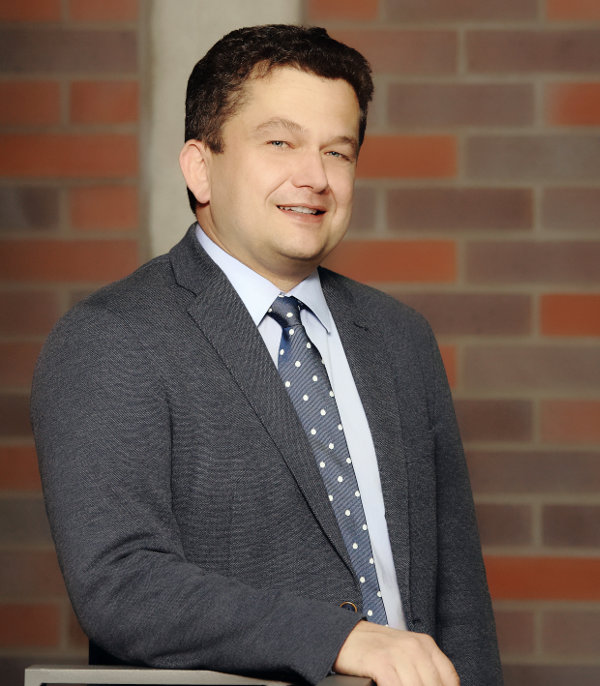
Professor Günter Barczik serves as a Full Professor at the University of Applied Sciences Erfurt within the Faculty of Architecture and Urban Planning, holding the Professorship for Design, Digital Representation Theory and Computational Design. He has been in this position since September 2011 and previously served as an Assistant Professor at Brandenburg University of Technology Cottbus-Senftenberg from October 2004 to October 2010. His office is located at Schlüterstraße 1, Room 414, and he also serves as the Equal Opportunities Officer for the institution. Barczik's research interests center on computational approaches to architectural design, with particular focus on digital representation theory, immersive technologies, and the application of algebraic geometry in architectural contexts. His work explores how mathematical concepts can expand architectural vocabulary and how new technologies can transform traditional design processes. He investigates the intersection of computational tools with creative thinking, sustainable architecture practices, and visual communication methods. Analysis of Barczik's publication history reveals a consistent trajectory exploring the integration of computational methods with architectural design. His work demonstrates a progression from fundamental explorations of algebraic surfaces in architecture (2009-2012) toward more applied investigations of immersive technologies, team dynamics in design processes, and the evolving relationship between designers and digital tools. A recurring theme throughout his research is the examination of how computational techniques can enhance traditional design thinking while addressing contemporary challenges in urban planning and architectural representation. With 22 publications accumulating 5,886 reads and 65 citations, Barczik has established himself as a significant contributor to computational design discourse. His work connects architecture with mathematics, computer science, and interdisciplinary team dynamics, reflecting a holistic approach to design education and practice. His research demonstrates consistent engagement with both theoretical frameworks and practical applications of computational design methods in architectural education and professional practice.