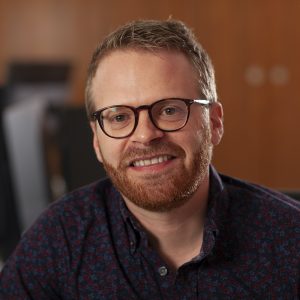
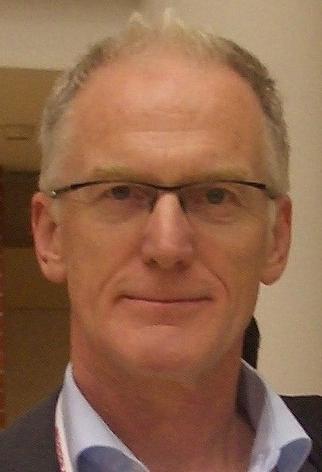
Yassine Ghannane is a Research Fellow at the Department of Computer Science , University of Copenhagen , specializing in Algorithms and Complexity . University: University of Copenhagen Department: Department of Computer Science Research Focus: Theoretical computer science, permutation-based evolutionary algorithms, computational complexity His recent work includes runtime analysis and theory development for permutation-based evolutionary algorithms, as well as module-based neural network mapping heuristics. Publications span 2022–2024 with interdisciplinary applications in machine learning and optimization. Contact: yagh@di.ku.dk | Office: Universitetsparken 1, 2100 København Ø, Denmark
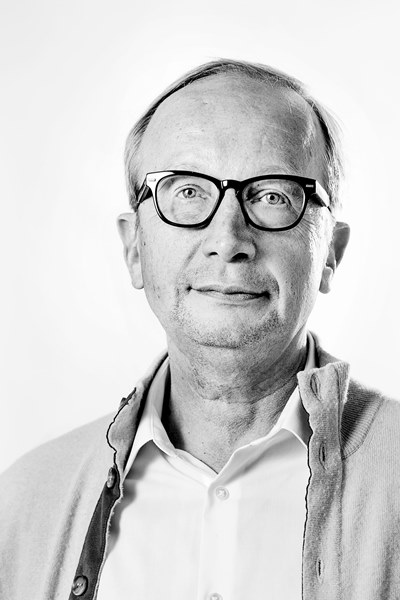
Christian Igel is a Professor at the Department of Computer Science, University of Copenhagen, and serves as director of the SCIENCE AI Centre . He is also a co-lead of the Pioneer Centre for Artificial Intelligence in Denmark. His academic journey includes a Doctoral degree from Bielefeld University (2002) and a Habilitation degree from Ruhr-University Bochum (2010). Igel is a Juniorprofessor (2002–2010) and has held editorial roles at journals like KI - Künstliche Intelligenz and Artificial Intelligence Journal . Doctoral degree: Faculty of Technology, Bielefeld University, Germany (2002) Habilitation degree: Department of Electrical Engineering and Information Sciences, Ruhr-University Bochum, Germany (2010) His research spans Machine Learning , focusing on Support Vector Machines , Evolution Strategies , Reinforcement Learning , Deep Neural Networks , and PAC-Bayesian Analysis . He applies these methods to Environmental Monitoring , Medical Diagnostics , and Climate Research . Recent publications highlight work on adversarial machine learning , environmentally sustainable AI , and tree resource mapping using deep learning. His scientific awards include being a ELLIS Fellow . Igel’s software tools like Shark , woody , and Multi-Planar UNet are widely used in research and industry. Notable grants and collaborations involve projects with European Lab for Learning and Intelligent Systems (ELLIS) , SCIENCE AI Centre , and international teams in Denmark , Germany , and France . His lab leadership emphasizes open-source frameworks and reproducible research. Editorial Roles: German Journal on Artificial Intelligence , Evolutionary Computation Journal , Artificial Intelligence Journal Software Projects: Shark , woody , Multi-Planar UNet , U-Time Collaborations: SCIENCE AI Centre , Pioneer Centre for Artificial Intelligence , European Lab for Learning and Intelligent Systems
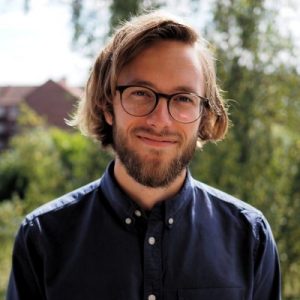
Sebastian Risi is a Professor at the IT University of Copenhagen , where he directs the Creative AI Lab and co-directs the Robotics, Evolution and Art Lab (REAL) . His work bridges computational evolution, deep learning, and collective intelligence for applications in robotics, art, and video game design. His research focuses on self-organizing AI systems that grow or assemble through local interactions, inspired by biological development. Key areas include neuroevolution , neural cellular automata , and generative modeling , with applications in adaptive robotics, game content creation, and damage-resilient AI. Recent publications highlight trends in self-assembling neural architectures (NDPs) and 3D functional machine generation (Minecraft experiments). Awards include ERC Consolidator Grant (2022), Best Paper at FDG’21 , and Google Faculty Award (2019). Scientific Awards : ERC Consolidator Grant (GROW-AI), Best Paper FDG’21, Runner-Up IEEE Games’20, GECCO 2017 Competition Winner, Sapere Aude Grant, Amazon/Google Faculty Awards He advises on projects like GROW-AI (EU-funded), AI-TESTER (game testing), and C2SIM (military systems). Media coverage includes Science , Wired , and Popular Science .
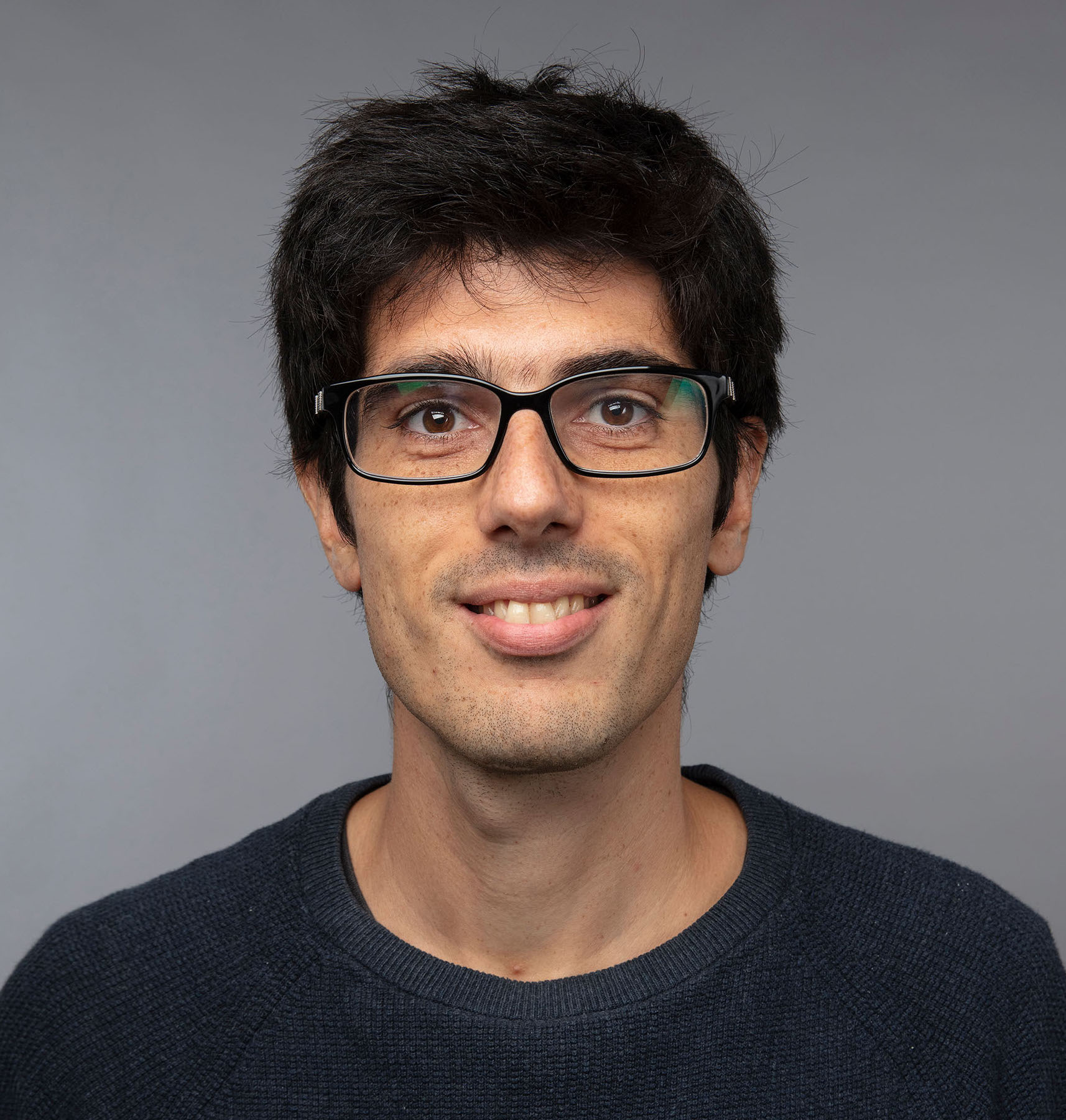
Elena Irene Zavala serves as an Assistant Professor in the Section of Forensic Genetics and Guest Researcher at the Globe Institute, Section for Geogenetics at the University of Copenhagen's Faculty of Health and Medical Sciences. Her work bridges forensic science with paleogenetic research, focusing on ancient human DNA analysis and population genetics. Dr. Zavala's research interests span ancient DNA analysis, paleogenetics, forensic genetics, human evolution, population genetics, archaeogenetics, and anthropological genetics. Her work demonstrates a consistent focus on understanding human evolutionary history through genetic analysis, with particular emphasis on migration patterns, adaptation to diverse environments, and the development of methodological approaches for analyzing degraded DNA samples. She has made significant contributions to understanding Neanderthal admixture timing and early human dispersal into Europe. Her publication record shows a strong trend toward high-impact interdisciplinary research, with numerous publications in Nature and other top-tier journals. Her work frequently involves international collaborations across multiple institutions, reflecting the global nature of paleogenetic research. A notable pattern in her recent publications is the integration of multiple analytical approaches (genomic, isotopic, archaeological) to reconstruct human history. Young Investigator Award (2019) Miller Postdoctoral Fellowship (2022) Peter M. Schneider ISFG Fellowship (2023) Novo Nordisk Hallas-Møller Emerging Investigator Grant (2024) Dr. Zavala has secured significant research funding including the prestigious Novo Nordisk Hallas-Møller Emerging Investigator Grant in 2024, indicating strong institutional support for her research program. Her work has garnered substantial attention with multiple publications being picked up by hundreds of news outlets and referenced across social media platforms and academic networks. As a Guest Researcher at the Globe Institute's Section for Geogenetics, Dr. Zavala collaborates with interdisciplinary teams focused on ancient DNA and human evolutionary history. Her research often involves large international collaborations, as evidenced by the extensive author lists on her publications, suggesting she works within substantial research networks dedicated to paleogenetic investigations.
Lars G. Johansen is an Associate Professor at Aarhus University, affiliated with the Department of Electrical and Computer Engineering. His work bridges interdisciplinary domains, with a focus on signal processing and machine learning. Research interests include Audio engineering and acoustic signal analysis Biomedical signal processing Neuroscience applications in Parkinson's disease studies Recent publications highlight trends in audio engineering (e.g., loudspeaker distortion analysis) and biomedical signal processing (e.g., ECG-derived respiration techniques). Collaborative work spans neuroscience, Parkinson's disease treatment evaluation, and noise reduction systems. Contact: Email: lgj@ece.au.dk Phone: +45 41 89 32 74 Labs/Teams: Signal Processing and Machine Learning Laboratory at Aarhus University.
Thorbjørn Knudsen is a Part-Time Professor of Strategic Organization Design at the University of Southern Denmark (SDU), co-director of the Danish Institute for Advanced Study (DIAS), and research leader of the Strategic Organization Design (SOD) unit. His work focuses on evolutionary processes, organizational adaptation, and how design impacts collective outcomes. He holds a PhD in Business Economics (1999) and a Diploma in Economics (1994), both from SDU. Knudsen has led over €3.75 million in research projects, including a Sapere Aude Advanced Grant (2014–2019). He serves as Senior Editor of Organization Science and editorial roles in top journals like Strategic Management Journal . His research spans organizational learning, decision-making hierarchies, and biological analogies to organizational complexity. Notable works include Context and Aggregation (2023) and Ant Colonies (2021). Awards include the Order of Dannebrog and Tietgenprisen 2003. Knudsen’s SOD unit hosts international researchers and focuses on strategic design, search/learning, and value chain organization. He supervises PhDs and teaches strategy, organization theory, and statistics. Key collaborations include institutions like Wharton, Stanford, and Warwick. His funded projects address risk management, knowledge sharing, and firm dynamics. Current roles include Chair of Social Sciences at DIAS and member of the Strategy Research Initiative.
Rasmus Nielsen is a Professor at the University of Copenhagen, specifically affiliated with the Globe Institute and the Section for Geogenetics. His research spans evolutionary genetics, population genetics, and computational genomics with a focus on both human and non-human species. He maintains an active research profile with numerous high-impact publications in leading scientific journals. Professor Nielsen's research interests center around evolutionary and population genetics, with particular expertise in ancient DNA analysis, statistical methods for genomic data, and phylogenetics. His work bridges computational biology with empirical data from diverse species, including humans, plants, and other organisms. He has made significant contributions to understanding human evolutionary history, population structure, and the genetic basis of adaptation. His research also extends to medical genomics, particularly in understanding the genetic architecture of complex traits and diseases. His recent publications demonstrate a strong focus on methodological development in genomic analysis, with papers appearing in top-tier journals like Nature , Science , and Nature Reviews Genetics . His work shows consistent engagement with both theoretical and applied aspects of genetics, spanning human evolutionary history, medical genomics, and plant evolutionary biology. The research output reveals a collaborative approach, with frequent co-authorship across multiple institutions and disciplines. As a Professor at the University of Copenhagen's Globe Institute, Nielsen leads research within the Section for Geogenetics, which focuses on evolutionary and population genetics using cutting-edge genomic approaches. The section maintains strong connections with both computational and empirical research groups, facilitating interdisciplinary work that spans from methodological development to application in diverse biological contexts.
Jonas L. Juul is an Assistant Professor in the Computer Science Department at the IT University of Copenhagen . With a background in network science and complex systems, he employs statistical methods, mathematical modeling, and computer simulations to study social networks, spreading processes, and human behavior. Focus areas include: information diffusion in social networks Disease spread mitigation in human populations Interdisciplinary collaboration with medical doctors, economists, and computer scientists Recent research highlights include improving statistical models for pandemic forecasting through the InForM project funded by the Novo Nordisk Foundation , and groundbreaking work on contact tracing optimization and information cascade dynamics. Notable recognitions: 2025 H.C. Ørsted Research Talent Prize 2024 Novo Nordisk Foundation Data Science Emerging Investigator Grant 2025 Young Academy membership He has contributed to mathematical modeling efforts during Denmark's COVID-19 reopening in 2020 and maintains active collaborations with institutions including Cornell University , Technical University of Denmark , and Niels Bohr Institute .
Silvia Tolu is an Associate Professor at the Technical University of Denmark's Department of Electrical and Photonics Engineering, specializing in Neurorobotics. She leads the NeuroRobotics Technology Lab (NRT-LAB), focusing on bio-mimetic control architectures for compliant robotic systems. Her research integrates neuroscience, computer science, and biology to develop solutions for assistive robotics and neurodegenerative disease diagnosis. Her research interests span: Neuro-robotics and neuromorphic engineering Bio-inspired control systems and adaptive motor control Machine learning for robotic applications Human-robot compliant interaction Cerebellar control models Publications primarily focus on neurorobotics, bio-inspired control, and human-robot interaction, with recent advances in learning-based control systems for soft robots and aerial manipulation. Awards include the AEG Elektrofonden Research Grant and funding for human-robot interaction safety research. Current projects include LOCOPD (Lundbeck Foundation), AEROTRAIN (EU Marie Curie ITN), and compliant human-robot interaction systems. She supervises multiple PhD students in neurorobotics and maintains international collaborations across Europe and Asia. Laboratory resources include advanced robotic platforms for musculoskeletal and soft robot control.
Andreas Pavlogiannis is an Associate Professor in the Department of Computer Science at Aarhus University. His research focuses on formal methods , algorithmic verification , automata theory , concurrency , static and dynamic program analysis , network diffusion , evolutionary graph theory , and evolutionary game theory . Teaching courses: Programming Languages (Bachelor) , Algorithmic Model Checking (Master) , and Program Analysis (Master) Service: Program committee member for POPL, ESOP, AAAI, IJCAI, CONCUR, OOPSLA, and organizer of CONFEST'25 His research has been supported by the Austrian Science Fund (FWF), VILLUM Foundation, Stibo Foundation, and Danish Council for Independent Research (DFF). He is actively recruiting PhD and PostDoc researchers. Recent publications span quantum computing , concurrent systems , evolutionary dynamics , and network science , with particular emphasis on symbolic algorithms , dynamic analysis , and graph-based models .
Anders Albrechtsen is a Professor at the Bioinformatics Centre, Department of Biology, University of Copenhagen, specializing in computational and RNA biology. He leads research in statistical and computational methods for genomic data analysis with a focus on population genetics, particularly in isolated populations like the Greenlandic Inuit. Education: Natural Science Basic Education, Roskilde University Centre, Denmark (2000-2002) BSc in Molecular Biology, Roskilde University Centre, Denmark (2003) Mathematics, Roskilde University, Denmark (2002-2004) MSc in Bioinformatics, Copenhagen University, Denmark (2006) PhD from the Department of Biostatistics, Copenhagen University, Denmark (2009) Albrechtsen's research focuses on developing statistical and computational methods for genomic data analysis, with particular emphasis on multi-loci association studies, population structure analysis, and next-generation sequencing data. His work bridges computational methods development with applied population genetics, contributing significantly to understanding human and wildlife genomics. His research group develops open-source software available at www.popgen.dk/software. His recent publications demonstrate expertise across population genetics, genomic methods development, and medical applications, with numerous high-impact papers in journals like Nature, Cell, and Nature Communications. His work often involves large-scale genomic studies of human populations (particularly Greenlandic Inuit) and wildlife species, addressing questions related to population history, adaptation, and disease genetics. Scientific Recognition: Lundbeck Fellow (10M DKK, 2016-2021) Novo Ascending Investigator (10M DKK, 2021-) Villum Young Investigator Programme (2.3M DKK, 2011-2015) Albrechtsen actively supervises students and researchers, currently serving as main supervisor for 6 PhD students (with 8 completed), 2 postdocs, and 1 master's student (with 25 completed). He has secured significant research funding as PI and co-PI, including large collaborative grants like LuCamp (60M DKK) and the UCPH Excellence Programme (36M DKK). His research group maintains strong international collaborations, particularly with institutions in the United States. He serves as a journal reviewer for prestigious publications including Nature Genetics, Genome Research, and American Journal of Human Genetics, contributing to the scientific community through peer review and mentorship.
Marco Pizzolato is an Associate Professor in the Department of Applied Mathematics and Computer Science at the Technical University of Denmark (DTU), specializing in Visual Computing with a focus on Magnetic Resonance Imaging (MRI), particularly diffusion MRI and biophysical modeling. He is also affiliated with the inter-departmental Microstructure & Plasticity (MAP) research group and has held visiting positions at the University of Verona, EPFL, and DRCMR. His educational background includes a PhD in Signal and Image Processing from INRIA Sophia Antipolis, a Master’s in Bioengineering from the University of Padua, and a Bachelor’s in Biomedical Engineering from the same institution. He previously served as an Assistant Professor at DTU and was a postdoctoral researcher under the Marie Curie COFUND Eurotech programme. Dr. Pizzolato's research centers on image and signal denoising, inverse problems, optimization, diffusion MRI, tractography, and Monte Carlo simulations. He actively contributes to the development of microstructural models for brain imaging, with applications in neurodegenerative diseases and brain connectivity. His work aligns with UN Sustainable Development Goals, particularly in advancing education and health through imaging technology. The recent publications reflect a strong trend in advancing diffusion MRI techniques, including ACID imaging, microscopic propagator modeling, myelin integrity mapping, and multi-scale white matter organization. These works emphasize biophysical accuracy, model validation, and integration across imaging modalities and species. Magna Cum Laude , ISMRM 2020 Magna Cum Laude , ISMRM 2022 First Place , Macaque Validation Challenge at ISBI 2018 First Place (Overall and HCP) , IronTrack Challenge 2019 (MICCAI) MICCAI Student Travel Award 2015 He has supervised PhD students such as Thøgersen, T. L. and Corral Bolaños, M. in projects related to microstructure MR imaging and myelin mapping. He has also been involved in significant grants and collaborative projects, including the Multimodal Microstructure-Informed Connectivity (MMINCARAV) initiative between Inria and EPFL, and the Sinergia consortium for Brain Communication Pathways . He co-organized multiple international events, including the MICCAI CDMRI workshops and challenges (2019–2021), and the ESMRMB Leaps in Microstructure Imaging workshop (2024). Dr. Pizzolato is an active member of the scientific community, serving as an editor for MICCAI workshop proceedings, a reviewer for major journals and conferences, and an invited speaker at ISMRM 2025. He leads and participates in several ongoing research projects at DTU focused on quantitative imaging, myelin mapping, and MRI-based connectivity, demonstrating sustained research leadership and external funding success.
Michael Sørensen is a Professor at the Department of Mathematical Sciences, University of Copenhagen. His primary research focuses on statistical inference for stochastic processes, particularly stochastic differential equations and jump processes, with applications in finance, physics (e.g., wind-blown sand dynamics), and biology. He has authored/co-authored influential books such as Exponential Families of Stochastic Processes and edited volumes on empirical process techniques and statistical methods for stochastic differential equations. His work bridges theoretical statistics with applied problems in natural sciences and finance. Research interests include modeling turbulence, sand transport dynamics, and protein structure evolution. Collaborations with earth scientists like Keld Rømer Rasmussen have advanced understanding of aeolian processes. His methodologies emphasize likelihood-based inference and estimating functions, with contributions to high-frequency data analysis and diffusion bridge simulations. A comprehensive CV and full publication list are available on his profile. Key contributions span stochastic modeling in physics (e.g., sand dune dynamics), financial econometrics, and computational statistics. He has pioneered techniques for analyzing multi-modal diffusions and developed frameworks for mixed-effects stochastic differential equations. His work is widely cited in both theoretical and applied statistical literature.
Kristoffer Arnsfelt Hansen is an Associate Professor at the Department of Computer Science, Aarhus University. His research focuses on algorithmic game theory, computational complexity, and equilibrium computation in multi-player games. He explores topics such as stochastic games, Nash equilibria, convex optimization, and fair division. His work bridges theoretical computer science with economic applications, particularly in mechanism design and market analysis. Selected publications include studies on PPAD-membership via convex optimization, complexity of Pareto-optimal lotteries, and the computational challenges in analyzing Nash equilibria. He has contributed to conference proceedings like WINE 2022 and SAGT 2021, showcasing his engagement with international research communities. Research interests emphasize theoretical foundations of game theory with practical implications for resource allocation, fair division, and multi-agent systems. His work often intersects with complexity theory, exploring boundaries of efficient computation in economic and strategic scenarios. No awards or grants are explicitly mentioned in the provided data. Advising activities and lab affiliations are not detailed here.
Leon Eyrich Jessen is an Associate Professor and Groupleader at the Department of Health Technology, Technical University of Denmark (DTU). He leads the Computational Autoimmunity research group, focusing on computational immunology with a particular emphasis on understanding disruptions in central tolerance and the mechanisms that allow the immune system to differentiate between self and non-self. His work aims to uncover immuno-cellular processes associated with autoimmune diseases through single-cell technology and machine learning-based bioinformatics tools. Dr. Jessen's research spans several key areas including Bioinformatics, Immunology, Machine Learning/AI, Data Science, and T-cell Biology. His work specifically addresses Computational Autoimmunity, Bayesian Modeling, and Molecular Evolution. He employs single-cell technology to investigate autoimmune disease mechanisms, with applications in psoriatic arthritis, diabetes, and other autoimmune conditions. His group develops computational methods for T cell receptor analysis, epitope prediction, and spatial transcriptomics. His recent publications demonstrate a strong focus on computational immunology, with key contributions in single-cell RNA sequencing, T cell receptor analysis, and spatial transcriptomics. His work bridges computational methods with immunological applications, particularly in autoimmune disease research. The research shows a consistent pattern of developing and applying machine learning algorithms to complex immunological data, with significant contributions to understanding T cell biology and autoimmune mechanisms. Dr. Jessen actively supervises PhD students including Drachmann, C., Montemurro, A., Povlsen, H. R., and Schaap-Johansen, A.-L. on projects related to single-cell analysis, immunoinformatics, and deep learning methods for immunotherapy. He is also the creator and instructor of "R for Bio Data Science," which is the third largest course at his department, demonstrating his commitment to education and training the next generation of bioinformaticians. He leads the Computational Autoimmunity group which focuses on developing, applying, and serving machine learning-based bioinformatics tools. The group works at the intersection of computational methods and immunological research, with particular emphasis on single-cell technologies and their application to autoimmune disease mechanisms.