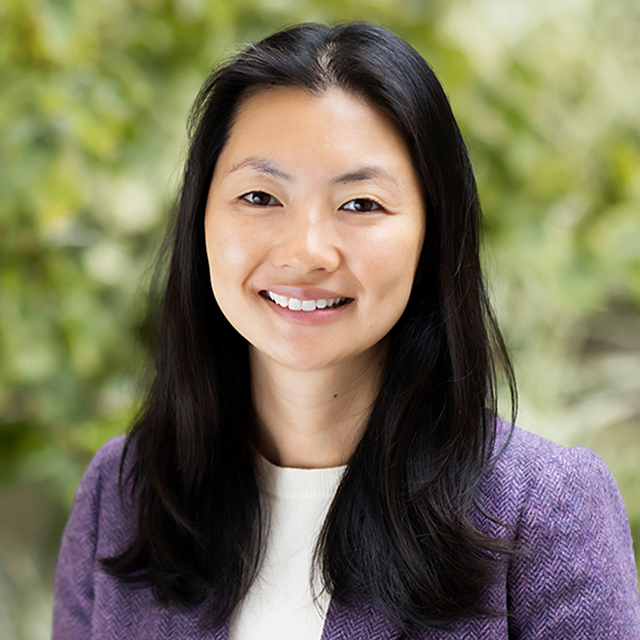
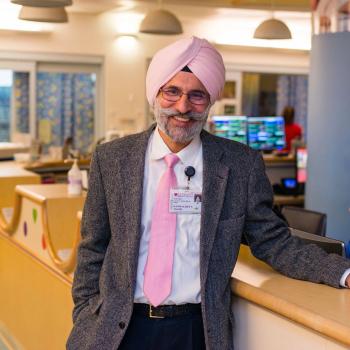
Professor Luke Prendergast is the Deputy Dean of the School of Computing, Engineering & Mathematical Sciences (SCEMS) at La Trobe University (LTU) and holds a Professorship in the Department of Mathematics and Statistics. He previously served as Head of Department (2014–2020) and led LTU's Statistics Consulting Platform. His research focuses on robust statistics, meta-analysis, dimension reduction, and applied statistics, leading the DRAMA research group. Collaborations span fields like endocrinology, disability studies, and respiratory health. He actively contributes to research grants, including projects on Prader-Willi syndrome and exercise for disability populations. Professor Prendergast's recent work emphasizes statistical software development (e.g., the rquest package) and applications in biostatistics, such as metabolomics analysis and health intervention fidelity. His articles address topics like quantile-based hypothesis testing, geospatial accessibility for disability care, and motivational interviewing efficacy. Professional roles include NHMRC grant review panels, editorial boards for Nutrients and Respirology , and leadership in the Statistical Society of Australia (SSA Vic). His teaching includes courses in meta-analysis, linear models, and data-based critical thinking. Grants funded projects on exercise programs for cerebral palsy populations and community-university partnerships for disability inclusion. Luke's work bridges statistical theory with real-world health challenges, emphasizing robust methodologies and interdisciplinary collaboration.
Maria Timofeeva is an Associate Professor in the Epidemiology, Biostatistics and Biodemography (EBB) department at the University of Southern Denmark (SDU), with additional affiliation at the Danish Institute for Advanced Study (DIAS). She holds an Honorary Fellow position at the University of Edinburgh since December 2019. Her research focuses on cancer prevention and prediction, particularly studying the effects of environmental and genetic factors on cancer risk and progression. Dr. Timofeeva earned her Dr.sc.hum in Epidemiology from Heidelberg University (2005-2009), with a dissertation on genetic polymorphisms as risk factors for early onset lung cancer. Prior to her current position, she worked as a Statistical Geneticist at the University of Edinburgh (2013-2019) and as a Postdoctoral Fellow at the International Agency for Research on Cancer (2009-2013). Her research interests center around understanding the genetics of cancer risk through multi-omic analysis. She leads several significant projects, including the Interdisciplinary Project on Adherence to Colorectal Cancer Screening, meta-analysis of factors associated with false-positive and false-negative FOBT results (registered in PROSPERO ID: CRD42022315767), and the COlorectal Cancer screening Among RElatives (CoCARE) twin-family study in Denmark. Her methodological expertise spans observational epidemiological studies (case-control, population-based cohort studies, twin studies), meta-analysis, umbrella reviews, and multi-omics data analysis. Analysis of her recent publications reveals a strong focus on colorectal cancer genetics, with particular emphasis on genome-wide association studies, Mendelian randomization approaches, and trans-ancestry analyses. Her work frequently leverages large datasets including the UK Biobank and international consortia, with applications in cancer risk prediction and understanding gene-environment interactions. Dr. Timofeeva has an extensive publication record with 73 publications listed in her profile. Her research has been cited across multiple platforms, with mentions in news outlets, social media, and academic readership platforms like Mendeley. She is actively involved in academic service, serving as a peer reviewer for journals including BMC Cancer and Scientific Reports, and participating in conferences such as the 26th Nordic Congress of Gerontology. She also serves on evaluation committees, including with the World Cancer Research Fund International (April-May 2024). Her teaching activities include courses on evidence-based drug utilization and biostatistics, as well as supervision of research projects on gene expression in twins. Dr. Timofeeva has engaged with the public through media contributions, including an interview titled 'Jeg vil forstå, hvorfor vi får kræft' (November 15, 2021), where she discussed understanding why we get cancer.
Professor Arcot Sowmya is a distinguished academic at the University of New South Wales, serving as Professor in the School of Computer Science and Engineering. With a strong background in both computer science and mathematics, she has established herself as a leading researcher in machine learning and computer vision applications, particularly in medical imaging and diagnostics. Dr. Sowmya earned her PhD in Computer Science from the Indian Institute of Technology, Bombay, along with an MTech in Computer Science, MSc in Mathematics, and BSc in Mathematics from the same institution. Her academic journey has positioned her at the intersection of theoretical computer science and practical medical applications. Her research interests span multiple domains with a primary focus on Machine Learning for Computer Vision . She has made significant contributions to learning object models, feature extraction, segmentation, and recognition techniques. Her work extends into medical image analysis, computer-aided diagnostics, high-resolution remote sensing, and biomedical informatics. More recently, she has applied similar techniques to social sciences domains, developing improved forecasting models for genocide and politicide. Her earlier work also includes contributions to real-time, concurrent, and embedded systems. Analyzing her recent publications reveals a strong trend toward medical applications of computer vision and deep learning. Her work spans from OCT-based glaucoma diagnosis to tumor segmentation, lung disease detection, and breast cancer prognosis. She has successfully bridged computer science with clinical medicine, developing practical tools for disease diagnosis and prediction that incorporate explainable AI approaches. Professor Sowmya's collaborative approach is evident in her extensive publication record across multiple journals and conferences. She has worked with researchers from diverse fields including ophthalmology, oncology, neurology, and public health, demonstrating the interdisciplinary nature of her research. Her laboratory work focuses on developing robust deep learning architectures for medical image analysis, with particular attention to segmentation networks, transformer models, and multimodal data fusion techniques. Her team has developed specialized networks for lung segmentation, tumor detection, and disease classification that address specific challenges in medical imaging.
Shannon Johnson is an Associate Professor in the Department of Psychology and Neuroscience at Dalhousie University, concurrently affiliated with the Departments of Pediatrics and Psychiatry. She serves as Director of Clinical Training and Co-Director of the Dalhousie Centre for Psychological Health, which provides mental health services to underserved populations while training clinical psychology students. Dr. Johnson holds a BA from Kalamazoo College, MSc and PhD from the University of Victoria, and a Postdoctoral Fellowship from Indiana University. Her research focuses on enhancing well-being through nature connection interventions, understanding resilience mechanisms in pediatric populations, and improving diagnostic practices for neurodevelopmental disorders. She investigates the physical and cognitive benefits of nature exposure, barriers to nature connection, and behavioral change strategies. Her work bridges clinical and environmental psychology, with recent studies examining nature-based interventions for stress reduction, pain adaptation in youth with juvenile idiopathic arthritis, and moral foundations in autistic children. She has pioneered the concept of Indoor Nature Exposure (INE) as a health-promotion framework. Dr. Johnson’s lab collaborates with healthcare providers to develop scalable mental health interventions, particularly for underserved communities. Her training programs emphasize evidence-based practices and culturally responsive care. Key contributions include validating the role of nature in cognitive restoration and challenging clinical biases in autism assessment.
Elizabeth Zheng, MD, is an Associate Professor of Medicine at the University of California, San Francisco (UCSF) School of Medicine, where she specializes in transplant hepatology. She provides clinical care through the UCSF Liver Transplant Program and conducts research focused on improving access to liver care and liver-cancer screening for underserved populations. She co-founded the Asian Liver Health Center and is board-certified in transplant hepatology, gastroenterology, and internal medicine. Education & Training MD – New York Medical College, 2011 Internal Medicine Residency – Montefiore Medical Center (Albert Einstein College of Medicine affiliate), 2014 Gastroenterology Fellowship – Einstein Medical Center, Philadelphia, 2017 Transplant Hepatology Fellowship – UCSF, 2018 Research Interests Dr. Zheng’s scholarly work centers on two major themes: Expanding access to high-quality liver care among underserved and minority populations, particularly Asian Americans. Developing and validating practical strategies for liver-cancer surveillance, including ultrasound-based recall algorithms and real-world management of hepatocellular carcinoma. She has additional expertise in drug-induced liver injury related to herbal and dietary supplements, having authored multiple reviews and prospective analyses on this topic. Publication Trends Across more than a dozen peer-reviewed articles since 2010, Dr. Zheng has advanced knowledge in hepatocellular carcinoma surveillance, COVID-19-associated liver injury, and supplement-related hepatotoxicity. Her collaborative multicenter studies have informed evidence-based guidelines and public-health recommendations. Clinical & Outreach Roles Co-founder, Asian Liver Health Center Attending Transplant Hepatologist, UCSF Liver Transplant Program Multisite clinical practice locations in San Francisco (400 Parnassus Ave and satellite clinics)
Gerald Pruckner is a Professor at the Department of Economics, Johannes Kepler University Linz (JKU), where he serves as Head of the Institute of Health Economics and Dean of the Kurt Rothschild School of Economics and Statistics (RoSES). His academic career spans over three decades with significant leadership roles including heading the Christian Doppler Laboratory for Aging, Health, and the Labor Market (2014-2021), and serving on the board of the Austrian Health Economics Association (ATHEA). He teaches multiple courses including Introductory Microeconomics, Empirical Economics, and Health Economics for the 2025W semester. Pruckner earned his PhD in Economics from the University of Linz in 1993. His academic journey began as an Assistant Professor at JKU (1989-2002), followed by a Professorship at the University of Innsbruck (2002-2006), then returning to JKU as Associate Professor (2006-2010) before his current Professorship (since 2011). He has held visiting positions at the University of Adelaide and UC Berkeley. His research focuses at the intersection of health economics, behavioral economics, and aging, examining healthcare systems, physician behavior, and the relationship between labor markets and health outcomes. Recent work investigates hospital crowding effects, gender differences in medical practice, chronic disease screening effectiveness, and child health services. His research consistently applies economic principles to understand healthcare delivery with emphasis on the Austrian context, often utilizing register data for evidence-based policy insights. Analysis of Pruckner's publication trends shows a sustained focus on practical healthcare issues with policy relevance. His work spans hospital management challenges, gender differences in medical practice, chronic disease screening effectiveness, and child health services. The research consistently bridges academic inquiry with practical health policy applications, with increasing attention to pandemic impacts and digital transformation in healthcare. Board member of Austrian Health Economics Association (ATHEA) since 2015 Member of Health Economics Committee (Verein für Socialpolitik) since 2013 Deputy head of national research network 'The Austrian Center for Labor Economics and the Analysis of the Welfare State' (2008-2013) Head of Christian Doppler Laboratory for Aging, Health, and the Labor Market (2014-2021) Pruckner actively mentors graduate students through dissertation colloquia and master's thesis supervision. His research portfolio includes 23 projects with significant funding, including current work on health services research in Upper Austria and empirical analysis of Linz healthcare provision. As Dean of RoSES and Head of the Health Economics Institute, he provides institutional leadership while maintaining an active research agenda with over 100 publications. He leads multiple research teams focused on health services research, with current projects examining healthcare provision in Linz, health indicators for the region, and broader health system analysis. His work bridges academic research and practical health policy applications through collaborations with regional health authorities and participation in professional associations.
Prof. Dr. Helma Wennemers serves as a Full Professor at ETH Zurich's Department of Chemistry and Applied Biosciences, leading the Laboratory for Organic Chemistry. Her research group operates from HCI H 313 at Vladimir Prelog Way 1-5/10 in Zurich, Switzerland, with active teaching responsibilities including Organic Chemistry I and Chemical Biology - Peptides for the Fall 2025 semester. Her research program centers on the intersection of organic chemistry and chemical biology , with particular emphasis on collagen triple helix engineering , peptide-catalyzed asymmetric synthesis , and development of chemical tools for tissue remodeling diagnostics . Key focus areas include designing hyperstable collagen heterotrimers for fibrosis monitoring, creating fluorophore-based probes for collagen cross-linking visualization, and pioneering organocatalytic methodologies for complex heterocycle synthesis. Her group actively explores how hydrophobic modifications and proline derivatives influence collagen stability and cellular uptake mechanisms. Analysis of her 15 most recent publications (2024-2025) reveals three dominant research trajectories: (1) collagen structural engineering for biomedical applications, (2) innovative peptide/organocatalysis enabling stereoselective transformations, and (3) chemical probe development targeting tissue remodeling processes. These works consistently integrate synthetic chemistry with biological validation, demonstrating translational potential in fibrosis diagnostics and regenerative medicine. While specific grant details aren't provided in available sources, her research program clearly supports advanced laboratory infrastructure including peptide synthesis facilities and photochemical reaction systems like the ETHos photoreactor. Her group maintains strong industry and clinical collaborations evident in applications targeting liver cancer cells and prostate cancer diagnostics. The Laboratory for Organic Chemistry functions as an interdisciplinary hub where synthetic organic chemists collaborate with biologists to develop collagen-based diagnostic platforms and catalytic systems. Current projects focus on lysyl oxidase-responsive probes for real-time tissue monitoring and engineered peptide catalysts for sustainable chemical synthesis under environmentally relevant conditions.
Dr. Kanwaljeet S. Anand is a dual-appointed Professor of Pediatrics (Pediatric Critical Care) and Anesthesiology, Perioperative & Pain Medicine at Stanford University School of Medicine. As director of the Pain/Stress Neurobiology Lab and Jackson Vaughan Critical Care Research Fund, he serves as Editor-in-Chief of Pediatric Research and maintains active membership in Bio-X, MCHRI, and Wu Tsai Neurosciences Institute. Rhodes Scholar with D.Phil from University of Oxford Harvard postdoctoral fellowship and Boston Children's Hospital residency Founded Harmony Health Clinic - Arkansas' largest charitable medical-dental facility A translational researcher with 30+ years of impact, Dr. Anand established the first scientific framework for infant pain perception and developed novel pain assessment methodologies. Current research focuses on: Hair biomarker analysis for stress and social affiliation (cortisol/oxytocin) Machine learning systems for objective pain detection in non-verbal infants Biopsychosocial interventions for stress reduction in disadvantaged youth Neurotoxicity mechanisms of sedatives in developing brains Global NICU opioid usage patterns through the NeoOpioid Consortium His work has yielded over 260 publications and significant advances in: Pediatric pain management protocols Neonatal stress biomarker development Critical care neurobiology insights Community health initiatives AI-driven clinical decision support systems Scientific Recognition 9th Annual 'In Praise of Medicine' Public Address, Erasmus University (2014) Nightingale Excellence Award (2016) Honorary Doctorate from University of Örebro (2019) NIH SBIB-H82 Study Section Chair (2018) Multiple IASP and American Pain Society awards Swedish Academy of Medicine's Nils Rosén von Rosenstein Award (2009) St. Jude Endowed Chairholder (2010) As mentor to Med Scholar Anjali Gupta and advisor to numerous professional bodies, Dr. Anand maintains active clinical leadership in Pediatric Intensive Care while advancing computational approaches to pain detection through collaborations with Stanford's AI researchers.
Dr. Annalies Denoble is an Assistant Professor of Obstetrics, Gynecology & Reproductive Sciences at Yale School of Medicine. She specializes in maternal-fetal medicine, focusing on high-risk pregnancies, particularly those complicated by cardiovascular disease. Her research addresses gaps in understanding maternal heart disease, hypertension, and vaccine safety during pregnancy. Education: MD and MSc in Clinical Research, University of Michigan Medical School (2014) Bachelor of Arts in French Studies, Duke University (2008) Research Interests: Her work centers on cardiovascular complications in pregnancy, including hypertension, heart failure, and congenital heart disease. She collaborates with Yale's multi-disciplinary Pregnancy Heart Team to optimize care for patients with cardiac conditions. Her studies also investigate vaccine safety, preeclampsia, and maternal mortality reduction strategies. Recent Research Trends: Her publications highlight late-onset postpartum hypertension, vaccine safety in pregnancy, and hypertension progression during and after pregnancy. She emphasizes extending postpartum care and improving risk prediction models for adverse cardiac events. Awards: Recognized as a 'Top Doctor' in Yale Ob/Gyn Physicians for 2025. Collaborations & Clinics: Dr. Denoble works with the Pregnancy Heart Team and Yale Medicine's Maternal-Fetal Medicine unit. She sees patients at locations in New Haven, New London, and Waterbury, CT.
Professor Michael Evans is a faculty member at the University of Toronto , affiliated with the Department of Statistical Sciences (St. George campus) and the Department of Computer and Mathematical Sciences at the Scarborough Campus . His research focuses on statistical inference , Bayesian methods , and measuring statistical evidence through his work on the relative belief ratio . He has contributed to ROC analysis , linear models , and stochastic processes , with recent work addressing biases in statistical reasoning and connections to frequentist criteria. Research Themes : Defining and measuring statistical evidence Bayesian inference and prior-data conflict resolution Monte Carlo methods and stochastic process theory Recent Publications explore statistical evidence in scientific practice, medical diagnostics, and Bayesian frameworks. His 2024 Encyclopedia article critiques frequentist criteria, while the 2022 Entropy paper introduces relative belief in ROC analysis. Awards : ASA Fellow (American Statistical Association) Teaching : He teaches advanced courses like STAC62 (Probability and Stochastic Processes) and STAC63 (Probability and Stochastic Processes II), emphasizing theoretical rigor and applications in fields like mathematical finance and machine learning .
Dr. Mattia Andreoletti is a Lecturer at the Department of Health Sciences and Technology at ETH Zurich, working within the Professorship for Bioethics. His research spans philosophy of medicine and bioethics, with a focus on the ethical dimensions of AI in healthcare, dementia policy, drug regulation, and clinical reasoning. PhD from the European School of Molecular Medicine (SEMM), affiliated with the European Institute of Oncology (IEO, Milan) ORCID: 0000-0003-1880-0770 His work intersects with clinical ethics, particularly examining replicability in scientific research, evidential pluralism in drug regulation, and the ethical landscape of digital biomarkers. He contributes to courses such as Ethics in Drug Development and Ethics Workshop: The Impact of Digital Life on Society . The 15 most recent articles (2025-2023) highlight his engagement with AI ethics, dementia prevention, regulatory science, and clinical reasoning. Topics include ethical frameworks for digital biomarkers, evidential pluralism in drug approval, and philosophical foundations of rehabilitation sciences.
Steff Lewis is a Professor of Medical Statistics at the University of Edinburgh , affiliated with the Usher Institute within the College of Medicine and Veterinary Medicine . She leads the statistics group at the Edinburgh Clinical Trials Unit and holds roles in the Deanery of Molecular, Genetic and Population Health Sciences . Her expertise spans meta-analysis, randomized trial design, and clinical trial governance, with involvement in Cochrane Collaboration and UK Clinical Research Collaboration initiatives. Education: MSc and PhD in Medical Statistics. Research Interests: Focuses on methodological advancements in clinical trial reporting (e.g., CONSORT and SPIRIT guidelines), cardiovascular outcomes (e.g., SCOT-HEART trial), stroke prevention (ASPIRING trial), and ethical data management. She actively contributes to international standards for trial protocols, anonymization practices, and statistical validation. Recent Contributions: Over 200 peer-reviewed articles and 37 ongoing projects, including leadership in trials assessing antiplatelet therapies, Paget’s disease interventions, and pediatric asthma treatments. Collaborates globally on guidelines for randomized trials and data-sharing protocols. Grants & Teams: Principal or co-investigator on projects funded by NIHR, BHF, and ESRC, including trials on iron therapy in critical care (INTACT-2) and cannabinoid treatments for endometriosis pain (ENDO-CAN). Leads multidisciplinary teams integrating statistical rigor with clinical innovation. Labs/Teams: Embedded within the Edinburgh Clinical Trials Unit and the Centre for Population Health Sciences , fostering collaborative research across molecular, genetic, and public health domains.
Dr. Kandi J. Wiens is a Senior Fellow and Co-Director of the Penn Master’s in Medical Education Program and the Penn Health Professions Education Certificate Program at the University of Pennsylvania’s Graduate School of Education. She also serves as Academic Director of the PennCLO Executive Doctoral Program. Her expertise spans burnout prevention, emotional intelligence, and organizational development, with a focus on helping leaders and professionals build resilience through EI-based strategies. Wiens holds an EdD from the University of Pennsylvania, an MBA from the University of Oregon, and a B.S. in Business Administration from Montana State University. Her research includes longitudinal studies on burnout among police leaders and healthcare professionals, as well as interventions to mitigate stress through emotional intelligence training. Wiens is a nationally recognized speaker and author of the USA Today bestseller Burnout Immunity , which explores how EI skills can protect individuals from burnout. She has designed over 2,000 leadership development programs and contributed to prominent publications like the Harvard Business Review. Education: EdD (University of Pennsylvania), MBA (University of Oregon), B.S. (Montana State University) Awards: Thinkers50 Radar 2024, Triple Distinctions from UPenn Key Projects: Leadership coaching for Police Executive Leadership Institute (since 2017), LA Police Department burnout study Wiens’ work bridges academic research and practical application, aiming to transform organizational cultures and individual resilience through evidence-based strategies.
Fred R. Volkmar, M.D., is the Irving B. Harris Professor of Child Psychiatry, Pediatrics, and Psychology at Yale University, and Director of the Yale Child Study Center. He also serves as Chief of Child Psychiatry at Yale-New Haven Hospital. His academic affiliations include the Yale School of Medicine and leadership roles in multiple clinical and research programs. Dr. Volkmar holds an M.D. from Stanford University (1976) and a psychology master’s degree from the same institution, alongside an undergraduate psychology degree from the University of Illinois (1972). He is renowned for authoring the DSM-IV autism and pervasive developmental disorders section and has authored hundreds of publications and several influential books, including Asperger’s Syndrome and Handbook of Autism . His research focuses on autism spectrum disorders (ASD), including diagnosis, treatment, comorbidities, and transition to adulthood. His publications emphasize evidence-based practices, neurodevelopmental mechanisms, and clinical guidelines. He leads initiatives in medical care for ASD populations and advocates for improved community support systems. Notable contributions include co-developing the M-CHAT screening tool and advancing interdisciplinary approaches to ASD management. His work intersects clinical practice, policy, and education, prioritizing patient-centered care and reducing stigma.
Prof. Dr. Silvia Schneider is a distinguished Professor of Clinical Child and Adolescent Psychology at Ruhr University Bochum, where she serves as Director of the Research and Treatment Center for Mental Health (FBZ). She also coordinates the Bochum-Marburg site of the German Center for Mental Health (DZPG). Previously, she held professorial positions at the University of Basel, where she served as Dean of the Psychology Faculty. Her academic career spans over three decades with significant contributions to child and adolescent mental health research. Dr. Schneider earned her doctorate from Philipps-University Marburg in 1992 with highest honors (summa cum laude) for her dissertation on "Psychological Transmission of Panic Syndrome." She completed her habilitation at Technical University Braunschweig in 2002. Her academic qualifications include board certification as a Psychological Psychotherapist (1999) and specialized credentials in behavioral therapy for children and adolescents (1998). Dr. Schneider's research primarily focuses on the etiology, prevention, and treatment of emotional disorders in childhood and adolescence. Her work examines familial transmission of emotional disorders, clinical baby and infant research, and diagnosis of mental disorders across the lifespan. She has pioneered research on anxiety disorders, particularly separation anxiety, and has developed innovative treatment approaches including exposure-based therapies. Her current work increasingly integrates neurobiological perspectives with clinical interventions, examining brain-behavior relationships in anxiety disorders through neuroimaging studies. Her extensive publication record demonstrates a consistent focus on child and adolescent mental health, with recent work expanding into digital interventions, virtual reality therapies, and large-scale multicenter studies examining anxiety disorders from both clinical and neurobiological perspectives. Her research bridges basic science with clinical application, maintaining a strong focus on evidence-based interventions for children and families. Visiting Professor at Anxiety and Depression Research Center, UCLA (2015-2016) Visiting Scholar at Center for the Treatment and Study of Anxiety, University of Pennsylvania (2009-2010) Honorary Professorship at University of Surrey Roehampton (2003-2010) Swiss National Science Foundation Professorship (2003-2006) DFG Habilitation Scholarship (1998-2001) Cassianeum Educational Foundation Dissertation Prize (1994) Dr. Schneider has successfully secured substantial research funding from major German and international funding bodies including the German Research Foundation (DFG), German Federal Ministry of Education and Research (BMBF), and Swiss National Science Foundation. Her current projects include "The Role of Parents in Child Development in the Context of Immigration" (DFG), "Mobile Research Laboratory" (DFG), and "Improving Mental Health in Refugee Families" (BMBF). As Director of the FBZ, she leads a large interdisciplinary team conducting cutting-edge research while providing evidence-based clinical services. As Director of the Research and Treatment Center for Mental Health (FBZ) at Ruhr University Bochum, Dr. Schneider oversees a comprehensive research infrastructure supporting studies from basic developmental science to clinical interventions. The FBZ serves as a hub for interdisciplinary collaboration across psychology, psychiatry, and neuroscience, with particular strengths in anxiety disorders research, early intervention, and innovative treatment approaches including digital health solutions.