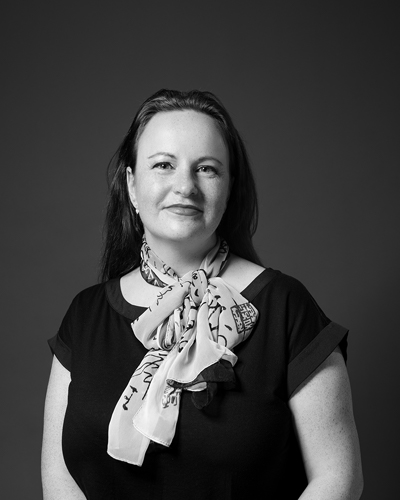
Emma Maclean is a Part-Time Lecturer and Module Coordinator in the Division of Occupational Therapy and Arts Therapies at Queen Margaret University. She holds qualifications including MA (Distinction), PG Dip, and BA (Joint Honours). Her roles include teaching on the MSc Music Therapy program, focusing on supervision for practice education placements and interdisciplinary studies. Education: MA (Distinction) in Music Therapy PG Dip in Music Therapy BA (Joint Honours) Research Interests: Partnership working, collaboration, evaluation, group work, and mental health across children, adults, and older populations. She employs research methods such as case studies and focus groups. Publications & Presentations: Her work includes a peer-reviewed article on partnership evaluation and a chapter in Arts Therapies in Schools . She co-presented a plenary session at the 2016 BAMT conference titled Music Therapy in a Changing Landscape . Affiliations: British Association for Music Therapy (BAMT) representative on Allied Health Professionals Federation Scotland (AHPFS) Registered with the Health and Care Professions Council Fellow of the Higher Education Academy Clinical Work: Works as a lead music therapist in the NHS, specializing in pediatric services, adult/older adult mental health (including dementia), and supervision. Engages in freelance violin performance with ceilidh bands, tango groups, and orchestras.
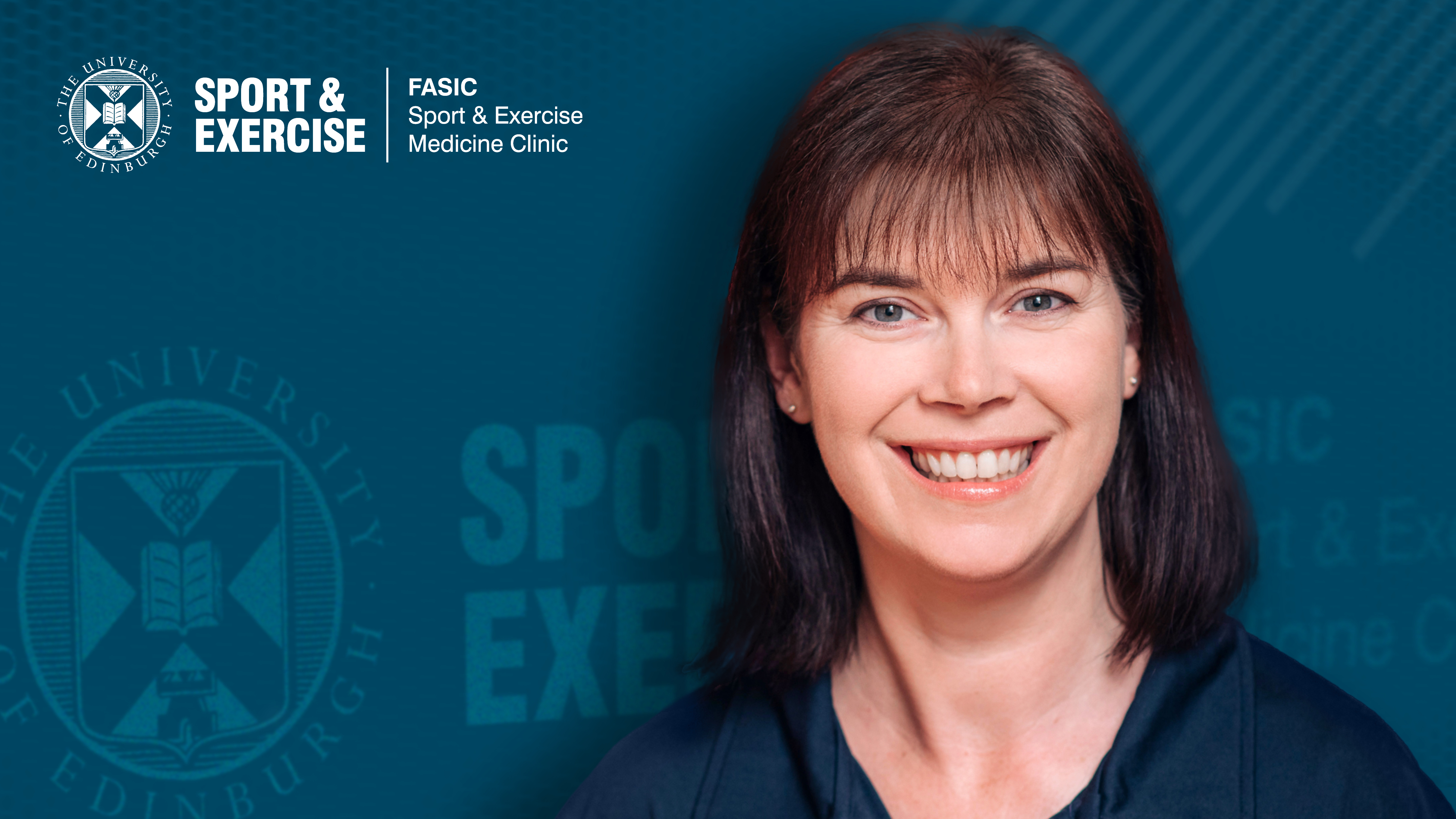
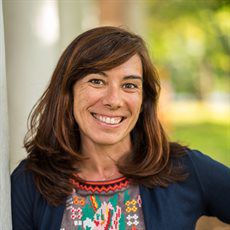
Linda Linton is an Advanced Practice Sports and Musculoskeletal Physiotherapist and Medical Educator at Queen Margaret University, with a career spanning over 25 years. She serves as clinical lead at FASIC Sport & Exercise Medicine Clinic for back, neck, and pelvic/hip conditions and supervises PhD students in aquatic therapy research. Her work bridges clinical practice, education, and research in injury prevention and rehabilitation. BSc(HONS) Physiotherapy (University of Ulster, 1994) PG Cert Sports Physiotherapy (Manchester Metropolitan University, 1997) MMACP (Glasgow Caledonian University, 2000) MSc Manual Therapy (Glasgow Caledonian University, 2005) PG Cert Diagnostic Musculoskeletal Ultrasonography (University East London, 2018) Injection Therapy (Queen Margaret University, 2022) Linton’s research focuses on running-related injury prevention, aquatic therapy for low back pain, and physical activity promotion. Her work includes scoping reviews on injury risk reduction practices, meta-analyses of exercise-based prevention programs, and qualitative studies on community aquatic therapy. She pioneered Prehabilitation for Runners Workshops and investigates neuromuscular training, gait re-education, and aquatic muscle activity patterns. Her publications span journals like Journal of Sports Rehabilitation , Physiotherapy , and Physical Therapy in Sport , with recent 2024-2025 studies addressing aquatic therapy mechanics, running injury prevention frameworks, and swimmer injury risk factors. She collaborates with Edinburgh Sports Medicine Research Network and Bath Research Centre in the IOC Research Centre. Linton supervises PhD students in aquatic therapy projects and integrates load management, strength training, and running biomechanics into her clinical education. Her work emphasizes practitioner-patient collaboration and evidence-based strategies to reduce injury risks across athletic populations.
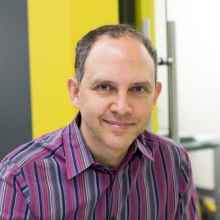
Arvind Narayanan is a Professor of Computer Science at Princeton University and Director of the Center for Information Technology Policy (CITP). His research focuses on the societal impact of digital technologies, particularly artificial intelligence, with emphasis on policy implications, fairness, and privacy. He leads interdisciplinary efforts connecting technical research with real-world policy challenges. Dr. Narayanan earned his Ph.D. from the University of Texas, Austin in 2009. His academic journey has established him as a leading voice in the critical examination of AI systems and their societal consequences. Narayanan's research spans multiple domains where technology intersects with society. His work on AI includes critical analysis of AI capabilities versus marketing claims (AI Snake Oil), fairness in machine learning systems, and the reproducibility crisis in ML-based science. In privacy research, he led the Princeton Web Transparency and Accountability Project which uncovered how companies track users online, developing the OpenWPM tool used in over 100 studies. His early work demonstrated fundamental limits of de-identification techniques and how machine learning reflects cultural stereotypes. His recent publications reveal a consistent focus on demystifying AI capabilities while identifying genuine opportunities and risks. Narayanan's work bridges technical computer science with policy relevance, emphasizing the importance of evidence-based approaches to AI governance. His research increasingly addresses the limitations of prediction systems, the challenges of evaluating AI systems, and the need for transparency in foundation models. Presidential Early Career Award for Scientists and Engineers (PECASE) Privacy Enhancing Technologies Award (twice recipient) Privacy Papers for Policy Makers Award (three-time recipient) TIME's inaugural list of 100 most influential people in AI 2025 Graduate Mentoring Award Narayanan is recognized as an exceptional mentor, receiving Princeton's Graduate Mentoring Award in 2025. His policy engagement extends to congressional testimony, advisory roles, and frequent media commentary. He has secured significant research funding supporting his work on web transparency, AI policy, and cryptocurrency analysis. His research group has produced influential tools like OpenWPM for web privacy studies and contributed to foundational textbooks on cryptocurrencies and fairness in machine learning. At Princeton, Narayanan leads the Web Transparency and Accountability Project, a major research initiative that has conducted large-scale measurements of online tracking across millions of websites. He also co-founded and directs the CITP's AI Policy Initiative, which brings together researchers from multiple disciplines to address pressing AI governance questions. His work frequently involves collaboration with social scientists, legal scholars, and policymakers to develop practical solutions to technology governance challenges.
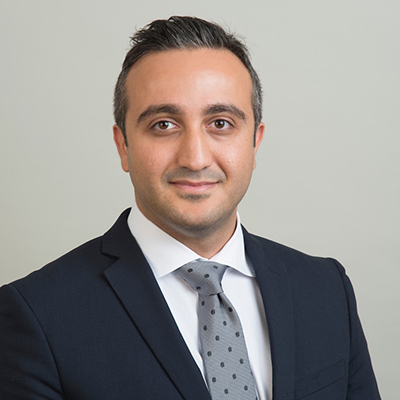
Kora DeBeck is a Distinguished Professor of Substance Use and Drug Policy in the School of Public Policy at Simon Fraser University, a CIHR Applied Public Health Chair, and Dorothy Killam Fellow. She is also a Research Scientist with the BC Centre on Substance Use and Principal Investigator of the At-Risk Youth Study (ARYS), a longitudinal cohort tracking over 1,200 street-involved youth. Her research focuses on substance use policy, health services for marginalized populations, and the structural drivers of drug-related harms. She has published over 200 peer-reviewed articles challenging ineffective drug enforcement models and advocating for policy reforms. Recent publications analyze trends in opioid use, harm reduction during the COVID-19 pandemic, drug decriminalization, and youth-focused interventions. Her work consistently addresses social inequities through data-driven approaches to the toxic drug crisis. CIHR Applied Public Health Chair Dorothy Killam Fellow Michael Smith Health Research BC Scholar Award Distinguished SFU Professorship She has secured over $50 million in research funding, including $21M as principal investigator for ARYS. Her lab collaborates with healthcare providers, community organizations, and policymakers to translate research into practice.
Briana S. Last is an Assistant Professor of Clinical Psychology at Stony Brook University, with a PhD from the University of Pennsylvania (2022). Her work focuses on improving mental health equity through policy research, implementation science, and community-based approaches. She examines social determinants of mental health, mental health workforce development, and clinical decision-making in public systems. Dr. Last leads the Mental Healthcare for All Lab, collaborating with governments, agencies, and clinicians to strengthen public mental health systems. Her research emphasizes workforce sustainability, anti-transgender policy impacts, and clinician well-being. She has published in high-impact journals like The Milbank Quarterly and Psychiatric Services . Her interdisciplinary methods combine qualitative and quantitative approaches, including mixed methods and implementation science frameworks. Current projects address workforce retention strategies, telehealth policy implications, and the sociopolitical context of gender-affirming care. Education: PhD in Clinical Psychology, University of Pennsylvania (2022) Labs: Mental Healthcare for All Lab Key Themes: Behavioral health policy, health equity, clinician-patient dynamics, LGBTQ+ mental health
Lauren A. Delisio is an Associate Professor of Special Education at Rider University's Department of Teacher Education. She has taught graduate and undergraduate courses in special education, inclusive practices, and assistive technology since 2015. Ph.D. in Exceptional Student Education (2015, University of Central Florida) Graduate Certificate in Autism Spectrum Disorders (2012, University of Central Florida) M.S. in Teaching (2005, Pace University) B.A. in Communications (2000, Rider University) Her research focuses on universal design for learning (UDL) , assistive technology , and inclusive education practices for students with autism spectrum disorders (ASD), attention deficit hyperactivity disorder (ADHD), and intellectual disabilities. She has explored trauma-informed instruction, STEM accessibility, and evidence-based practices in inclusive classrooms. Her recent publications analyze UDL implementation, video prompting for independence, and pandemic impacts on inclusive education. She has received grants through the Department of Education's Office of Special Education Programs (OSEP) for Project LEAD and served as a doctoral intern with OSEP. Delisio has contributed to STEM research via video game integration for students with disabilities and supported alumni engagement through data collection. She collaborates with service providers, universities, and policymakers to improve educational outcomes for neurodiverse learners.
Lisa M. Jones is a Research Associate Professor of Psychology at the University of New Hampshire , affiliated with the Crimes Against Children Research Center (CCRC) and Family Research Lab . With over 20 years of experience, she specializes in child victimization, abuse, trafficking, and digital safety. Education: Ph.D. in Clinical Psychology – University of Rhode Island (1999) M.A. in Clinical Psychology – University of Rhode Island B.A. in Psychology – University of Virginia Research Focus: Dr. Jones's research spans child abuse and neglect , commercial sexual exploitation of children (CSEC) , human trafficking , youth internet victimization , and digital citizenship education . She leads multiple large-scale studies funded by the CDC, NIJ, WHO, and private foundations, focusing on prevention, intervention, and policy development. Current Projects: She is Principal Investigator on: A 5-year CDC-funded RCT evaluating youth-focused trafficking prevention education in Minnesota. An NIJ-funded quasi-experimental evaluation of Love 146’s services for trafficking victims. An NIJ-funded study on improving national surveillance of child sexual abuse in youth-serving organizations. Private RCTs evaluating digital citizenship programs like Common Sense Education and Google Be Internet Awesome. Publications & Impact: With over 100 publications, her work has shaped national and international discourse on child protection, digital safety, and trauma-informed practices. She regularly presents at national and international conferences. Contact: Email: lisa.jones@unh.edu Address: Crimes Against Children Research Center, 10 West Edge Dr., Suite 106, Durham, NH 03824, USA
Douglas K. Snyder is a Professor in the Department of Psychological and Brain Sciences within the College of Liberal Arts at Texas A&M University. He previously served as Director of Clinical Training from 1991 to 2012 and has been internationally recognized for his research on marital assessment and outcome research on marital therapy, particularly through his development of the Marital Satisfaction Inventory. Dr. Snyder earned his bachelor's degree from Wittenberg University in 1974, received his doctoral degree from the University of North Carolina at Chapel Hill in 1978, and completed his internship at Duke University Medical Center. Prior to his appointment at Texas A&M, he served on the faculty at Wayne State University in Detroit and at the University of Kentucky in Lexington, where he also served as Director of Clinical Training and Associate Dean in the College of Arts and Sciences. Dr. Snyder's research emphasizes the assessment, treatment, and prevention of couple relationship distress. His work centers on the Marital Satisfaction Inventory, a multidimensional measure of relationship accord now published in several languages and used worldwide. His treatment research focuses on tailoring therapy to specific partner and relationship characteristics by integrating cognitive, behavioral, emotion-focused, and insight-oriented interventions. His specific clinical interests include treating difficult couples with emotional, behavioral, and health problems, with particular attention to military and veteran couples and those dealing with infidelity. Dr. Snyder's recent publications demonstrate continued leadership in couple therapy, with emphasis on evidence-based approaches, treatment of infidelity, military couples, and cross-cultural applications of couple assessment tools. His work spans theoretical advancements and practical clinical applications. Outstanding Research Publication Award, Association for Marriage and Family Therapy, 1991 Professor of the Year Award, Texas Psychological Association - Division of Students, 1993 Award for Distinguished Contributions to Family Psychology, American Psychological Association, 2005 Outstanding Contributions to Science Award, Texas Psychological Association, 2008 Distinguished Alumnae Award, University of North Carolina (Chapel Hill), 2012 Distinguished Psychologist Award for Lifetime Contributions to Psychotherapy, American Psychological Association, 2015 Fellow of the American Psychological Association (Divisions 5, 12, 19, 29, 43) Fellow of the Association for Behavioral and Cognitive Therapies Fellow of the Society for Personality Assessment Dr. Snyder has served as Editor of the Clinician's Research Digest and as Associate Editor for the Journal of Consulting and Clinical Psychology and the Journal of Family Psychology. His research has been supported by the National Institute of Mental Health, with significant focus on military couples and relationship distress. He has developed evidence-based approaches for assessing and treating relationship problems across diverse cultural contexts. Dr. Snyder is affiliated with the Personality Processes research cluster at Texas A&M University, focusing on objective personality assessment and clinical assessment of couples and families. His work bridges research and clinical practice, with emphasis on developing practical assessment tools and treatment approaches for clinicians working with distressed couples.
Dr. Jillianne Code is an Associate Professor at the University of British Columbia's Faculty of Education, Department of Curriculum & Pedagogy, directing the ALIVE Research Lab. Her work focuses on learner agency, educational technologies, and social media's impact on student success. Specializes in immersive virtual environments for assessment Researches self-regulated learning and formative feedback Investigates health education through digital interventions Her recent publications examine pandemic-era educational transitions, digital literacy in teacher training, and cognitive tools in virtual reality. She has received Outstanding Paper Awards for her work on immersive assessment. Dr. Code leads research projects on learning analytics, student engagement in digital spaces, and technology education sustainability. Her work bridges educational theory with practical interventions through digital badges, mobile health applications, and 3D learning environments.
Dr. Sarah Benson is an Associate Professor in the Department of Disability, Inclusion and Special Needs at the University of Birmingham, based at the Dubai Campus. She serves as Programme Lead for the Inclusion and Special Education Needs PGCert and Masters in both the UK and Dubai, and is affiliated with the School of Education. Educational Background: PhD in Special Education, University of Virginia, 2020 MA in International Education, The George Washington University, 2010 BA in English and Special Education, James Madison University, 2002 Her research focuses on inclusive education policy and practice, particularly in the Middle East and North Africa (MENA) region. She explores teacher development, inclusive science curriculum for primary students, and autism support in Gulf countries. Her work is deeply informed by cross-cultural experiences, including Peace Corps service in Jordan and a Fulbright year in Norway. Dr. Benson's recent publications reveal a strong trend in inclusive teaching strategies, policy analysis in Jordan and the UAE, and the integration of science education with special needs pedagogy. Her research emphasizes practical implementation, teacher preparedness, and equity in educational access. Scientific Awards and Honors: Fulbright Scholar (2013) President, Curry School of Education and Human Development (University of Virginia) Dr. Benson is actively involved in research leadership, serving as Principal Investigator for the ESRC-GCRF Bhutan Inclusive Employment and Social Participation Project and Co-Investigator on the Disability Under Siege Network and a study on teachers' perceptions of autism in Ras Al-Khaimah. She currently supervises PhD candidates and contributes to international scholarly communities such as the Council for Exceptional Children and the Comparative International Education Society. She is also engaged in commissioned research, including a report on autism teaching preparedness in Ras Al-Khaimah, and teaches modules on cross-cultural special education, inclusion, and policy analysis.
Paulo Blikstein serves as Associate Professor of Communications, Media and Learning Technology Design at Columbia University. Previously, he was Assistant Professor of Education and (by courtesy) Computer Science at Stanford University and co-founded the Lemann Center for Brazilian Education (2008-2018). Education: Ph.D. in Learning Sciences, Northwestern University (2009) M.A. in Media Arts & Sciences, MIT Media Lab (2002) M.Eng. in Electronic Engineering, University of São Paulo (2000) B.S. in Metallurgical Engineering, University of São Paulo (1998) His research pioneers constructionist learning environments through digital fabrication, educational robotics, and tangible interfaces—focusing on equitable access for underserved communities. Inspired by Paulo Freire and Seymour Papert, he develops open-source tools like the GoGo Board robotics platform and leads the global FabLab@School initiative establishing fabrication labs in schools across four continents. Current work emphasizes multimodal learning analytics to study student interactions in maker-centered classrooms. Publications reveal strong focus on democratizing invention through maker education, with recurring themes in constructionist theory application, multimodal assessment, and context-specific technology adaptation. Brazilian education reform and low-cost computational solutions form significant threads, particularly in 2016-2017 publications. Scientific Awards: Two Google Faculty Awards National Science Foundation Early Career Award (highest U.S. government honor for early-career scientists) Blikstein directs the Transformative Learning Technologies Lab (TLTL) and co-founded Stanford's Center for Educational Entrepreneurship and Innovation in Brazil. His FabLearn conference established the first academic forum on Maker Movement applications in education. While specific grant details aren't listed, the NSF CAREER Award signifies major federal research funding. He spearheads the FabLab@School project deploying advanced fabrication labs in K-12 institutions worldwide and founded the FabLearn conference series. His work integrates teams of engineers, educators, and designers to create scalable solutions for resource-constrained learning environments.
Dr. Aria Fallah, MD, is an Assistant Professor in Neurosurgery at the University of California, Los Angeles (UCLA), with secondary appointments in Health Policy and Management. His research focuses on Evidence-Based Surgery , Clinical Trials , and Meta-Analyses for pediatric epilepsy surgery outcomes, including prognostic tools and comparative effectiveness studies . He actively participates in international collaborations like the CTSI and has published extensively in journals such as Epilepsia , Neurology , and Clinical Neurophysiology . University: University of California, Los Angeles Department: Neurosurgery Email: afallah@mednet.ucla.edu Dr. Fallah’s research integrates machine learning and deep learning to analyze high-frequency oscillations in epilepsy, aiming to refine diagnostic and therapeutic strategies. His recent work includes developing tools like PyHFO for oscillation detection and HOPS calculator for predicting seizure freedom after hemispherectomy. His publications highlight collaborations across institutions in pediatric epilepsy surgery , hemimegalencephaly , and thalamic neuromodulation . While no explicit awards or student advisement are listed, his contributions span clinical trials , neuroimmunology , and global neurosurgery initiatives , including work in Haiti.
Gail E. Joseph is a Professor in the College of Education at the University of Washington, with affiliations in Early Childhood & Family Studies and Learning Sciences & Human Development. She teaches courses, advises students, and conducts research on early care and education, focusing on child care quality, social-emotional learning, teacher education, and technology integration. Ph.D., University of Washington Her research projects include statewide surveys on early childhood workforce conditions, studies on digital professional learning tools like Circle Time Magazine, and evaluations of coaching interventions (e.g., FIND in Childcare) to improve teacher-child interactions. She co-created resources such as Teacher Time and the EarlyEdU Alliance, which aims to enhance early childhood education through accessible bachelor’s degrees. Her publications span topics like social-emotional curricula, behavioral interventions, and inclusive education frameworks. She has held leadership roles as Principal Investigator (PI) of the Head Start Center for Inclusion and Co-PI of the National Center for Quality Teaching and Learning (NCQTL). 2018 David R. Thorud Leadership Award (University of Washington) She currently serves as Executive Director of Cultivate Learning at the University of Washington, advancing professional development and quality improvement initiatives nationwide.
Dr. Ariel Lang is a Professor In Residence in the Department of Psychiatry at the University of California San Diego (UCSD) and holds an Adjunct Professor position in the Department of Family Medicine and Public Health. She serves as Co-Director of the Experimental Psychopathology Track in the SDSU/UCSD Joint Doctoral Program in Clinical Psychology, and directs the VA San Diego Healthcare System (VASDHS) Center of Excellence for Stress and Mental Health (CESAMH). She co-leads the VASDHS Advanced Fellowship in Women's Health and specializes in evidence-based psychotherapeutic approaches for anxiety and trauma-related disorders in military populations. Education: Bachelor of Arts (BA), Psychology, Stanford University (1991) Master of Arts (MA), Clinical Psychology, UCLA (1994) Doctor of Philosophy (PhD), Clinical Psychology, UCLA (1998) Master of Public Health (MPH), Public Health (Biometry), SDSU (2007) Research Interests: Dr. Lang's work centers on assessing and treating PTSD, anxiety disorders, and trauma-related conditions with a focus on complementary and integrative approaches. Her studies frequently intersect with military/veteran populations, women's health, and public health issues such as systemic racism and environmental exposures. She has pioneered interventions like Compassion Meditation , Adaptive Disclosure , and Mantram Repetition Program , often using randomized controlled trials (RCTs) to evaluate efficacy. Her research also addresses co-occurring disorders (e.g., PTSD and substance use), pregnancy/postpartum mental health, and intergenerational trauma effects. Publications Trends: Her recent articles emphasize trauma-focused treatments, integrative health modalities, and veteran-specific healthcare challenges. Over 50% of her recent work involves clinical trial methodologies, particularly RCTs evaluating novel interventions. She consistently explores interdisciplinary topics like the intersection of mindfulness and clinical psychology, and the impact of systemic stressors on mental health outcomes. Awards: In 2022, she was honored as the UCSD Dept of Psychiatry Faculty Champion of Diversity . Grants/Advising: She is Principal Investigator on NIH grants exploring compassion meditation and yoga interventions for veterans, and has led projects funded by the VA and DoD. Her role in the 2023 VA/DoD PTSD Clinical Practice Guideline underscores her influence in shaping national healthcare policies. Labs/Teams: Her work is anchored in the VASDHS CESAMH, a multidisciplinary research center focused on stress-related mental health conditions. She collaborates extensively with researchers in public health, neurology, and military medicine, evidenced by frequent co-authorships in these domains.
Bertrand Schneider is an Associate Professor of Education at Harvard University's Graduate School of Education (GSE). He holds a Ph.D. in Learning Sciences and Technology Design from Stanford University (2015) and previously served as a postdoctoral researcher at Stanford's Transformative Learning Technologies Laboratory. His research focuses on educational interfaces (e.g., augmented reality, tangible tools) and multimodal learning analytics, particularly in collaborative and informal learning environments. He investigates how technologies like gaze-tracking and motion sensors can assess student learning trajectories and improve instructional strategies in makerspaces and remote teaching contexts. Education : Ph.D., Learning Sciences and Technology Design, Stanford University (2015) Postdoctoral Researcher, Transformative Learning Technologies Laboratory, Stanford University Research Interests : Educational technologies (AR, tangible interfaces, multitouch) Multimodal data analysis (gaze, body movement, speech) Collaborative learning in formal/informal settings Remote teaching strategies using shared gaze visualizations AI applications in personalized feedback and misinformation discernment Key Contributions : Developed methodologies for capturing joint visual attention in collaborative learning Advocated for ethical implementation of multimodal learning analytics Explored AR's dual-edged impact on student engagement and collaboration Labs/Teams : Current research aligns with GSE's focus on innovative learning technologies Prior affiliation with Stanford's Transformative Learning Technologies Lab