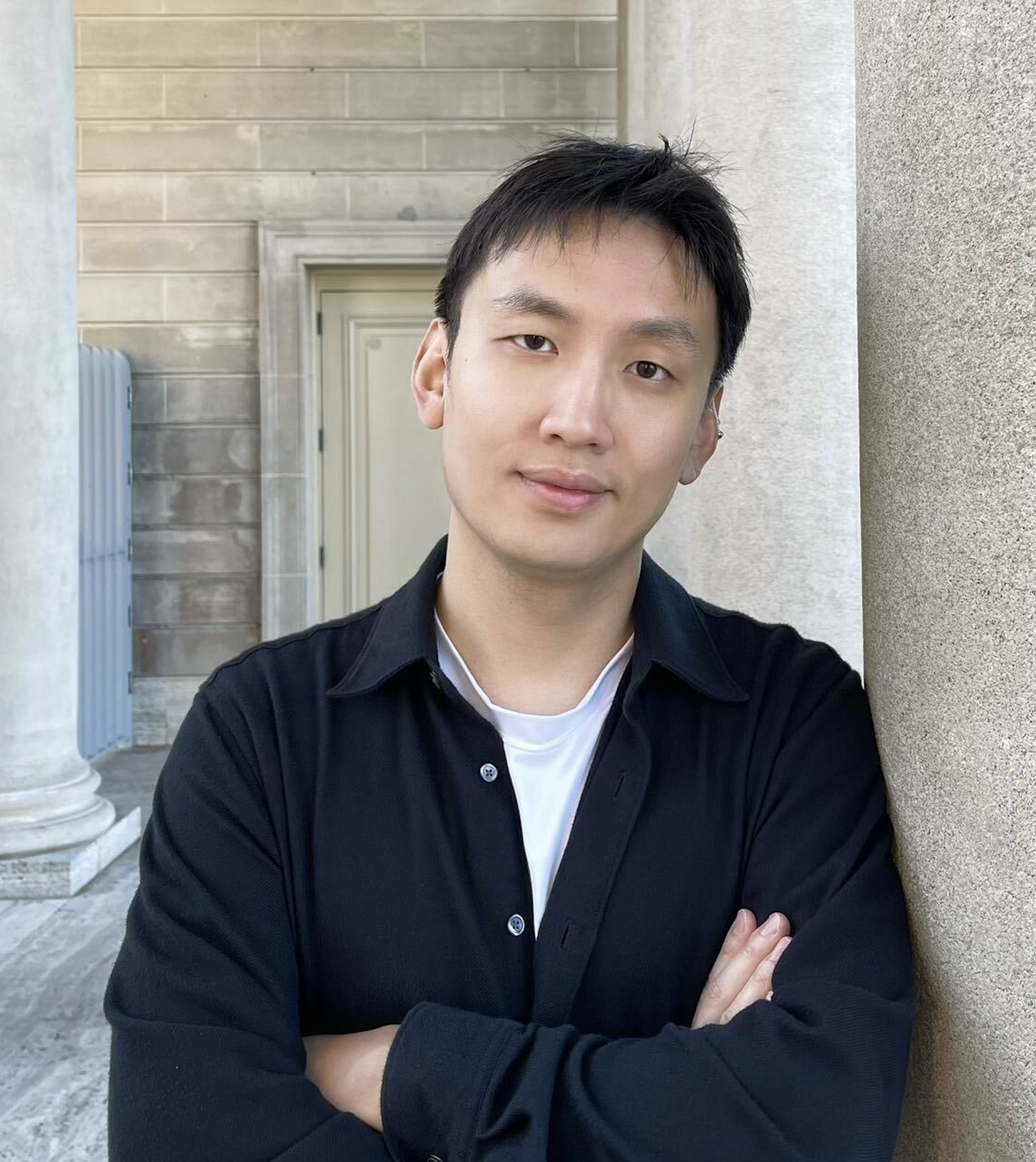
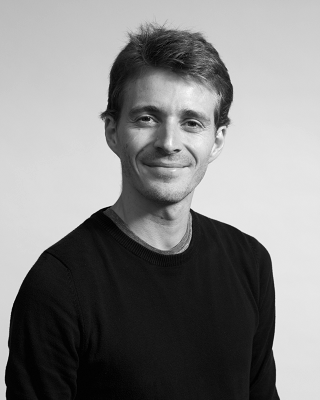
Ruohan Zhang is a postdoctoral researcher at Stanford Vision and Learning Lab , Stanford Institute for Human-Centered Artificial Intelligence , and Wu Tsai Human Performance Alliance . They will join Northwestern University , Department of Computer Science in Fall 2026. Research Focus: Human-centered artificial intelligence Robotic manipulation and learning Human-robot interaction Brain-machine interfaces Neuroscience-inspired AI Key Contributions: Developed BEHAVIOR Robot Suite for whole-body manipulation tasks Created UAD framework for unsupervised affordance distillation Advanced Chain-of-Modality approach for multimodal robotic learning Recent Scientific Awards: Wu Tsai Human Performance Alliance Fellowship (2022-24) AAAI/SIGAI Doctoral Consortium Scholarship (2019) Google AR/VR Research Award (2017-18) College Continuing Fellowship (2014-17) Teaching & Service: Organizer of ICCV, ECCV, NeurIPS workshops Instructor for CS231n: Deep Learning for Computer Vision at Stanford (2023) Teaching Assistant experience in Computational Brain , Machine Learning , and Discrete Mathematics at Stanford and UT Austin
Dominik Endres is a Professor at the Department of Psychology , Philipps-Universität Marburg , leading the Theoretical Cognitive Science working group. His research spans Cognitive Neuroscience , Sensorimotor Integration , and Machine Learning , with a focus on modeling how the brain represents knowledge and controls movement. His team investigates Movement Primitives in virtual reality, Bayesian Inference in attention control, and Formal Concept Analysis in decoding neural data. Recent work includes reaction time decomposition , VR immersion studies , and assistive technology development for neurological disorders. Publications highlight sensorimotor hierarchies , relational coding , and dynamic human motion modeling . Collaborations include the International Research Training Group 1901 , SFB/TRR 289 , and GRK 2271 . His team includes researchers like Neda Meibodi (PhD student) and Benjamin Knopp (Scientific Staff), with projects involving VR experiments and cognitive modeling .
Man Qi is a Marie Curie Research Fellow at the University of Oxford , Department of Biology. Her work focuses on understanding coastal ecosystem stability in the context of global changes such as extreme climate events, sea level rise, and invasive species. Climate change impacts on ecosystems Interspecific interactions under stress Plant-soil feedback mechanisms Ecological modeling and remote sensing She employs greenhouse experiments, field studies, remote sensing, and mechanistic modeling across field sites in the Cheseapeake Bay Eastern Shore and the Yellow River Delta. Her research emphasizes translating ecological theory into conservation strategies and advancing nature-based solutions for coastal resilience. Recent publications highlight her work on climate change effects, ecological modeling, and autonomous monitoring technologies. She actively engages in international collaborations and will attend conferences like CERF 2025 and BES annual meeting. Marie Curie Research Fellowship Man Qi welcomes PhD collaborations and students interested in coastal ecology, climate change, and ecological modeling. Her fieldwork spans Europe and Asia, integrating multidisciplinary approaches to detect ecosystem collapse signals.
Hao Xu serves as an Associate Professor at the University of Nevada, Reno, holding the Ralph E. and Rose A. Hoeper Professorship. His research laboratory operates from SEM Building, Room 337D, with contact via haoxu@unr.edu. His research spans critical domains in intelligent transportation systems: Intelligent control and machine learning for cyber-physical systems Networked control systems and unmanned aircraft applications Power control, smart grid integration, and wireless sensor networks Recent publications (2023-2025) demonstrate concentrated expertise in roadside LiDAR applications, developing algorithms for vehicle/pedestrian detection, trajectory prediction, and safety analysis under challenging conditions including snow and heavy traffic. His work integrates deep learning with optimization techniques to enhance data processing robustness, particularly for vulnerable road user protection and near-miss event quantification. While no specific scientific awards beyond his named professorship were documented, his research directly addresses critical transportation safety challenges through innovative sensor applications and data analytics. Information regarding student advising, research grants, and laboratory infrastructure details was not provided in available materials, though his publication output indicates active collaboration with transportation agencies on smart infrastructure development.
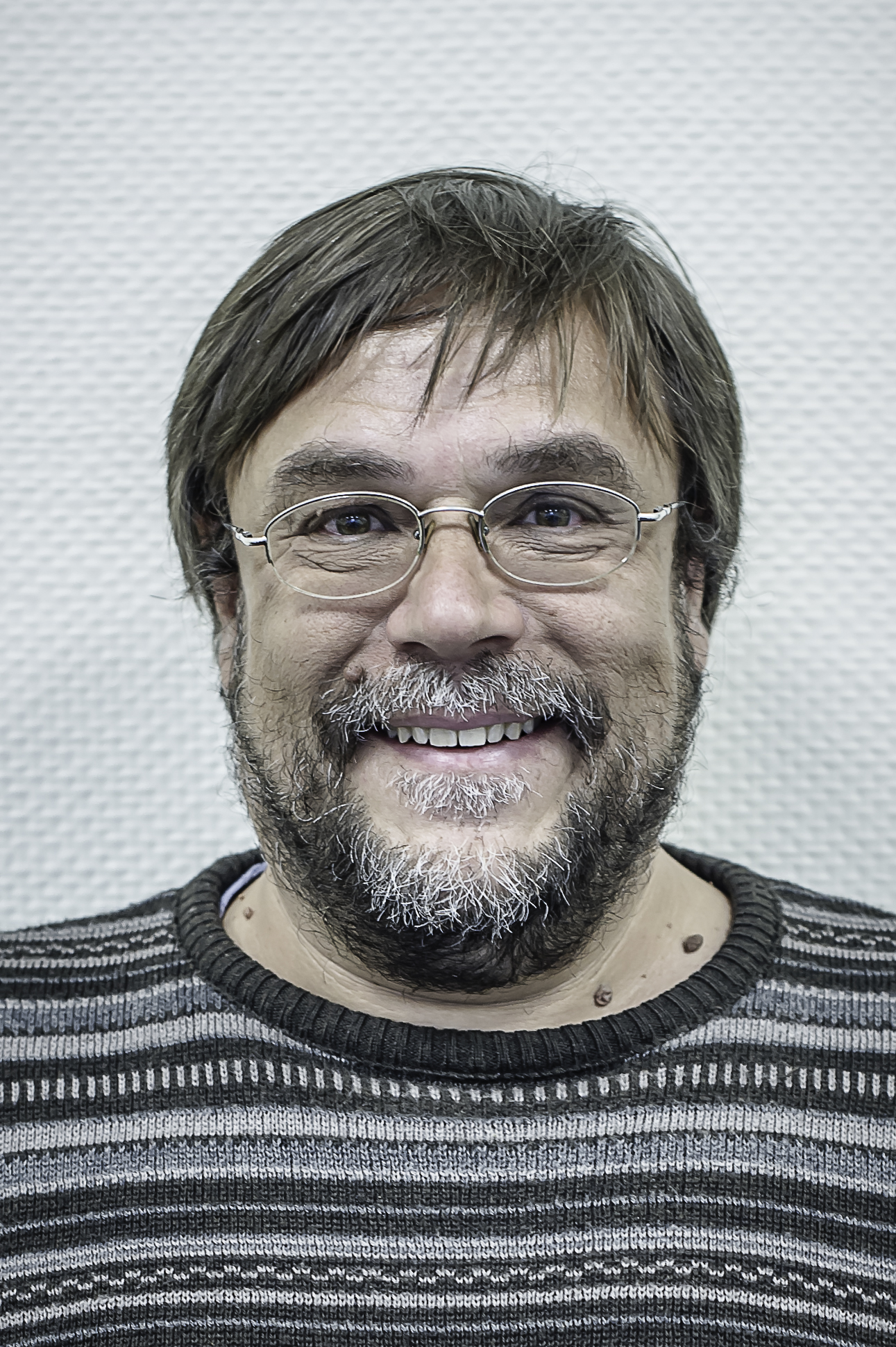
Dr. Moritz Herrmann is a postdoc researcher and Reproducibility & Open Science Transfer Coordinator at the Munich Center for Machine Learning (MCML). He is affiliated with the Biometry in Molecular Medicine working group led by Prof. Anne-Laure Boulesteix at Ludwig-Maximilians-Universität München, and contributes to initiatives like the LMU Open Science Center , Open Science Initiative in Statistics (OSIS) , and Open Science Initiative in Medicine (OSIM) . Ph.D. in Statistics from LMU (2022), M.Sc. in Statistics (2018), and B.Sc. in Mathematics/Sports Science (2014) His research focuses on Empirical Machine Learning , Manifold Learning , and Metascience , with emphasis on epistemological foundations and reliability in ML research. He advocates for open science practices and data literacy, as outlined in his ICML 2024 position paper on rethinking empirical ML research. As a member of the Empirical Machine Learning research focus group and the Statistical Learning and Data Science Chair , Herrmann bridges statistical methodology with biomedical applications. His work spans outlier detection, cluster analysis, and reproducibility frameworks, reflected in his recent publications in journals like Biometrical Journal and Data Mining and Knowledge Discovery .
Adrien F. Vincent is an Associate Professor at IMS Bordeaux (Laboratory of Integration, Material to System) under Université de Bordeaux, Institut Polytechnique de Bordeaux, and CNRS. He leads research in neuromorphic computing with a focus on spiking neural networks and memristive devices. His team, 2HC Production Engineering, develops energy-efficient hardware for real-time event-based data processing. Key research areas: Neuromorphic systems, Low-power electronics, Memristor technology Recent publications explore spintronic neural networks, STDP plasticity, and energy optimization His work addresses hardware-friendly learning algorithms and co-integration of analog silicon neurons with memristive arrays. Projects include ULPEC (Ultra-Low Power Event-Based Camera) and MIRA2015 (Memristive Architectures).
Josef Ström Bartunek serves as a Senior Lecturer in the Department of Mathematics and Natural Sciences at Blekinge Institute of Technology (BTH) in Karlskrona, Sweden, where his research centers on systems engineering with specialized focus in biometric image analysis and computer vision. Education PhD in Systems Engineering, Blekinge Institute of Technology (2016) - Dissertation: FINGERPRINT IMAGE ENHANCEMENT, SEGMENTATION AND MINUTIAE DETECTION Research Focus Dr. Bartunek's work spans biometrics (fingerprint/iris recognition), forensic image analysis, and industrial computer vision. His fingerprint enhancement algorithms address noise reduction and feature extraction challenges, while recent research extends to surface topography analysis in manufacturing quality control. The VISIR open lab platform publications demonstrate his secondary interest in remote engineering education technologies. Publication Trends His 15 most recent publications (2004-2020) reveal an evolution from core biometric algorithm development (2004-2013) toward industrial applications (2016-2020). Early work centered on fingerprint minutiae extraction and neural network applications, while post-2016 research increasingly addresses forensic image resolution and manufacturing process monitoring through camera-based systems. Scientific Awards No scientific awards or fellowships were documented in the available sources. Advising and Grants No information regarding graduate student supervision, research grants, or funded projects was provided in institutional records. Laboratory Affiliations No specific laboratory teams or research groups were mentioned in the current affiliation details.
Mahdi Farnaghi is an Assistant Professor at the University of Twente , specializing in the Department of Geo-Information Processing . His research spans Artificial Intelligence , Machine Learning , and Geospatial Analysis , with applications in Environmental Monitoring , Public Health , and Urban Mobility . He leads the NWO-NGF IntelliGeo project (2024-2025), integrating Large Language Models into GIS workflows. Focus areas: Wastewater-based epidemiology , AI-powered environmental modeling , and spatiotemporal analysis Recent work: Machine learning frameworks for pollutant mapping , crop water needs , and infectious disease distribution The 2025 TU Delft Water for Impact Best Paper Award recipient for collaborative research on wastewater modeling. His projects include EO AFRICA R&D Innovation Lab and software tools for reproducible geospatial research .
Professor Antonios Bikakis is a Professor of Artificial Intelligence in the Department of Information Studies at University College London (UCL). He serves as the Director of Research in the Department of Information Studies and co-director of the Knowledge, Information and Data Science research group. His educational background includes: PhD in Computer Science from the University of Crete (2009) M.Sc. in Computer Science from the University of Crete (2004) Bachelor of Engineering (Honours) in Electrical and Computer Engineering from Aristotle University of Thessaloniki (2002) Professional Certificate in Teaching and Learning in Higher and Professional Education from University of London Professor Bikakis's research focuses on foundational aspects of Artificial Intelligence, with particular emphasis on Knowledge Representation, Nonmonotonic Reasoning, Computational Argumentation, Semantic Technologies, and Multiagent Systems. His work extends to developing knowledge-based systems for Digital Cultural Heritage, Digital Libraries, Ambient Intelligence, and E-commerce applications. He has made significant contributions to contextual reasoning in Ambient Intelligence environments, argumentation frameworks, and knowledge graphs. His research bridges theoretical AI with practical implementations in cultural heritage and everyday problem-solving scenarios. His recent publications (2023-2025) reveal a strong trend toward integrating large language models with structured reasoning for commonsense applications, developing knowledge representation for crisis management and cooking domains, and advancing semantic technologies for cultural heritage. His work consistently combines theoretical rigor with practical applications, particularly in the cultural heritage sector where he has made significant contributions to digital museum technologies and knowledge representation. His notable scientific achievements include: Best Paper Award at the International Conference on Logic and Argumentation (CLAR 2021) Extensive editorial work including Special Issues on Semantic Web for Cultural Heritage Significant citations for his work on Crypto collectibles and museum funding (194 total citations) Professor Bikakis actively supervises PhD students and MSc dissertations in Knowledge, Information and Data Science and Digital Humanities programs. He has secured major research funding through projects including "Repurposing of Resources" (Leverhulme Trust), "CORDIAL-AI" (ESRC), and "CrossCult" (European Commission Horizon 2020). His collaborative approach is evident in his extensive network of co-authors across European institutions and his service on program committees of major AI conferences (IJCAI, AAAI, ECAI, KR). As co-director of the Knowledge, Information and Data Science research group, he leads interdisciplinary research at the intersection of AI theory and cultural heritage applications. The group develops technology that combines the latest advancements in semantic technology, mobile computing, and context-aware systems to create engaging experiences with cultural heritage materials, reflecting his commitment to making AI research impactful in real-world settings.
Piotr Dalka serves as an Assistant Professor at the Department of Decision Systems and Robotics within the Faculty of Electronics Telecommunications and Informatics at Gdańsk University of Technology. His academic position focuses on developing advanced computer vision algorithms with practical applications in traffic monitoring, video surveillance, and multimodal human-computer interaction systems. Dr. Dalka's research spans multiple domains of computer vision with particular emphasis on solving real-world challenges in traffic monitoring. His work addresses complex problems such as vehicle detection in high-traffic scenarios, multi-camera object re-identification, and restricted zone monitoring where traditional tracking methods fail. He has developed specialized algorithms using Gaussian Mixture Models for background subtraction and has extended OpenCV implementations to improve performance in specific surveillance conditions. His research also extends to multimodal interfaces, including lip contour detection for speech recognition systems and hand segmentation techniques for gesture-based interaction. Analysis of Dr. Dalka's publication record reveals consistent contributions to practical computer vision applications since 2010. His work demonstrates expertise in adapting algorithms to challenging real-world conditions, particularly in traffic monitoring where lighting variations, occlusions, and high object density create significant technical hurdles. His research shows progression from basic vehicle classification using soft computing to more sophisticated multi-modal approaches integrating video and audio analysis. Dr. Dalka has participated in major collaborative research initiatives including the ADDPRIV project (Automatic Data relevancy Discrimination for a PRIVacy-sensitive video surveillance), which aimed to enhance public safety while protecting privacy in surveillance systems through automated discrimination of irrelevant recordings. He also contributed to the INDECT project (Intelligent information system supporting observation, searching and detection for security of citizens in urban environment), a large-scale European research effort focused on developing innovative techniques and algorithms to combat terrorism and criminal activity threatening EU citizens. His technical expertise encompasses various computer vision techniques including background subtraction, feature extraction, object detection and tracking, with practical implementation experience using libraries such as OpenCV. Dr. Dalka maintains strong collaborative relationships with researchers at Gdańsk University of Technology, particularly with the multimedia systems research group, indicating active interdisciplinary work within the institution.
Stefano Cirillo serves as an Assistant Professor at the Department of Computer Science, University of Salerno, Italy. His academic career spans roles including Research Fellow (2022-2023) and Adjunct Professor for Databases courses. He maintains significant editorial responsibilities as Associate Editor for Journal of Visual Language and Computing and Multimedia Tools and Applications , while serving on program committees for major conferences including EDBT/ICDT 2024. His research focuses on data-intensive domains with emphasis on Data Profiling, Mining, and Privacy . Core interests include Social Network analysis, AI-driven database optimization, and anomaly detection in data streams. His work bridges theoretical algorithms with practical applications in e-procurement, cybersecurity, and healthcare systems, particularly through projects like Profiling Data Streams for Anomaly Detection and Security and Rights in the CyberSpace (SERICS) . Analysis of his recent publications reveals strong trends in applied AI for societal challenges – including pandemic mental health detection, perinatal depression prediction, and smart city security. His work consistently integrates novel neural architectures (YOLO variants, LSTM hybrids, Transformer networks) with domain-specific constraints, demonstrating expertise in both algorithmic innovation and real-world implementation across transportation, healthcare, and public administration sectors. Professional service highlights include Program Co-Chair for International DMS Conferences (2021-2022), Local Arrangements Chair for EDBT/ICDT 2024, and editorial board membership for journals including Data Science and Management . His research has been supported through PON-funded PhD studies and the SERICS project, with active collaborations spanning Hasso Plattner Institute (Germany) and Italian research centers like CeRICT.
François Cabestaing is a Professor in the Mechanical and Production Engineering department at the IUT of Lille, University of Lille, and leads the Brain-Computer Interfaces (BCI) team at the CRIStAL research center (UMR CNRS 9189). With administrative roles including President of CORTICO (French BCI association) since 2017, elected member of the CRIStAL Laboratory Council since 2015, and member of the IFRATH Board of Directors since 2006, he has established himself as a key figure in neurotechnology research. His research primarily focuses on brain-computer interfaces aimed at overcoming severe motor disabilities. Since 2004, he has specialized in BCI development, with earlier work (approximately 1994-2004) centered on image sequence processing and stereoscopic image analysis. His research spans neurotechnology, signal processing, human-computer interaction, and assistive technologies, with particular emphasis on applications for people with disabilities. Analysis of Cabestaing's publication history reveals a clear evolution from early work in image processing to a strong focus on brain-computer interfaces. Recent publications emphasize EEG-based BCIs, SSVEP and SSSEP techniques, sensory gating phenomena, and clinical applications for motor disability palliation. His work increasingly incorporates human factors considerations and explores applications in virtual reality and psychiatric treatment. Cabestaing has supervised numerous PhD students including Alban Duprès (defended 2016), Jimmy Petit (defended 2022), and Arne Van Den Kerchove (defended 2024). His current research team includes Gaël Van Der Lee working on neuromarkers in virtual reality and Maria Donantueno researching fMRI-based neurofeedback for schizophrenia. As head of the BCI team at CRIStAL since January 2015, Cabestaing oversees research on hybrid brain-machine interfaces, somatosensory filtering, and visual BCIs for eye-blind communication. His laboratory focuses on translating neurotechnology research into practical applications for people with severe motor disabilities, particularly through collaborations with medical institutions and patient organizations.
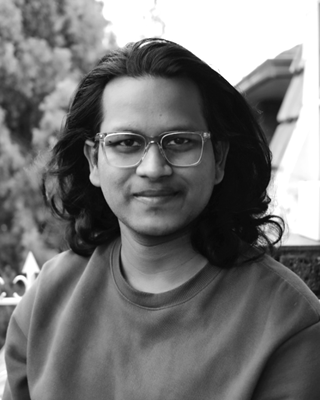
Dr. Yeshwanth Ravi Theja Bethi serves as a Postdoctoral Research Fellow at the International Centre for Neuromorphic Systems (ICNS), Western Sydney University, where he develops computational architectures inspired by biological computation principles. His educational background includes: B.Tech in Electrical Engineering from the Indian Institute of Technology Bombay (2012-2016) Ph.D. from Western Sydney University (awarded circa 2019) Dr. Bethi's research integrates neuromorphic engineering with machine learning through: Development of spiking neural architectures using gradient-free local learning rules Event-driven neural network applications for reinforcement learning and cybersecurity Cross-modal sensory processing systems for vision and auditory domains Real-time anomaly detection frameworks Hardware-efficient neuromorphic algorithm design His doctoral work on 'Event-driven Neural Architectures' established foundations for biologically plausible computing models applicable to resource-constrained environments. No scientific awards or grant funding details are documented in available sources. He actively contributes to the International Centre for Neuromorphic Systems research ecosystem, focusing on bridging theoretical neuroscience with practical engineering solutions for next-generation computing.
Dr. Alexandre Marcireau is a Researcher at the International Centre for Neuromorphic Systems (ICNS) within Western Sydney University, where he has worked since joining as a postdoctoral research fellow in 2019. His academic background includes: PhD in Neuromorphic Engineering from Sorbonne Université (2019) Master of Engineering in Computer Science from École Centrale de Paris (2015) His research bridges biological vision principles and artificial systems, focusing on event-based vision sensors and processing. He develops user-friendly software for neuromorphic technologies while exploring space applications including ground-based and orbital satellite observation. This work leverages biological advantages like noise resilience and power efficiency for practical technological solutions. Scientific awards: None mentioned in source material. Advising and grants: No formal advisees or grant information provided in source material. He operates within the International Centre for Neuromorphic Systems (ICNS) at Western Sydney University's Penrith campus, contributing to its mission of advancing neuromorphic engineering research and applications.
Madison Cotteret serves as a Researcher in the Bio-inspired Circuits & Systems research group at the Faculty of Science and Engineering, University of Groningen (RUG), Netherlands. Her work focuses on neuromorphic computing and hardware implementations of neural networks and symbolic computation. Her research interests encompass the following areas: Neuromorphic Computing Symbolic Computation Neural Networks Computer Hardware Design Bio-inspired Circuits and Systems Event-based Vision Systems Recent publications reveal a cohesive research program centered on neuromorphic hardware for cognitive tasks. Key themes include distributed representations for multi-timescale symbolic computation, event-based vision for ego-motion estimation, and the design of low-power analog circuits for synaptic dynamics. Her work bridges theoretical models with practical hardware realizations, such as the TEXEL neuromorphic processor. Dr. Cotteret is an active member of the Bio-inspired Circuits & Systems group, which focuses on: Designing bio-inspired hardware solutions Developing neuromorphic processors Creating event-based vision sensors Implementing low-power computing systems