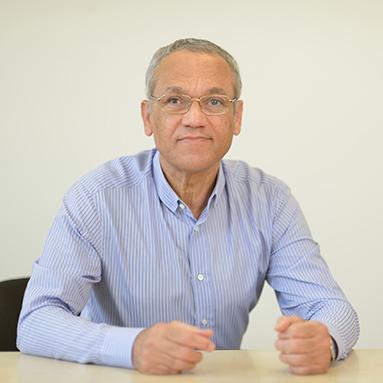
Makhlouf M. Makhlouf is a Professor of Mechanical & Materials Engineering at Worcester Polytechnic Institute (WPI). He served as Director of the Advanced Casting Research Center (ACRC) from 1992 to 2015, leading it to become the world's leading foundry-industry consortium. His expertise spans physical metallurgy, materials processing, and nanocomposite development. He holds 5 US/European patents and has authored over 150 papers. Education : BS (High Honors), American University in Cairo, 1978 MS, Mechanical Engineering, New Mexico State University, 1980 PhD, Materials Science & Engineering, WPI, 1990 Research Interests : Makhlouf focuses on developing high-performance alloys (e.g., aluminum alloys for high-temperature applications), solidification processes, and metal-matrix nanocomposites via methods like RIGLI. His work integrates thermodynamics, kinetics, and heat/mass transfer modeling for materials engineering challenges. Articles Overview : His recent publications address topics like aluminum alloy precipitation strengthening (2017), gas-liquid synthesis of nanocomposites (2017), and casting process optimization (2017). These contributions emphasize practical applications in foundry and aerospace sectors. Grants & Advising : He has directed federally/non-federally funded projects, mentored 10 PhD students, 20 MS students, and 8 postdoctoral fellows. His work bridges academic research and industrial collaboration. Labs/Teams : He leads research through WPI's ACRC and collaborates with industry partners to advance foundry technologies and nanocomposite manufacturing.
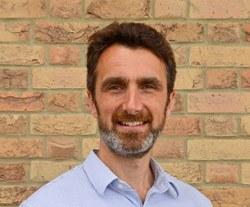
Professor Howard Stone is a faculty member at the University of Cambridge, affiliated with the Department of Materials Science and Metallurgy. He has progressed through academic ranks, including Professor of Metallurgy (2021), Reader in Metallurgy (2017), and Lecturer in Metallurgy (2012). PhD (University of Cambridge, 2000) MA (University of Cambridge, 1995) His research focuses on metallurgy and materials science , particularly Nickel-Based Superalloys , High-Entropy Alloys , and Titanium Alloys . Key areas include microstructural evolution under thermal stress, oxidation resistance, and additive manufacturing techniques like laser powder bed fusion. Professor Stone’s recent publications highlight trends in superalloy design , phase stability , and additive manufacturing . Topics include gamma prime precipitation, lattice misfit analysis, and oxidation behavior modification. He is associated with the Rolls-Royce UTC (University Technology Centre) at Cambridge, which focuses on advanced metallurgical research and industrial collaboration.
Dr. Sumsun Naher is a Senior Lecturer in the Department of Engineering at City, University of London , where she has worked since 2013. Previously, she served as Lecturer and Research Development Officer at Dublin City University (2006–2013) and as Scientific Officer at Bangladesh Council of Scientific & Industrial Research (1998–2000). Her academic career includes a Post Graduate Diploma in Academic Practice from City, University of London. PhD , School of Mechanical & Manufacturing Engineering, Dublin City University MSc , Materials & Metallurgical Engineering, Bangladesh University of Engineering and Technology BSc , Materials & Metallurgical Engineering, Bangladesh University of Engineering and Technology Her research focuses on semi-solid processing , laser processing , simulation & modelling of materials technologies , and materials characterisation . Recent work explores cellulose nanofiber-based water filters for antibiotic removal and phase change materials in geothermal energy systems. Key article trends reveal expertise in: Laser Surface Modification of metals and composites Advanced Casting Methodologies and semi-solid metal forming Nanoparticle Reinforcement in metal matrix composites Thermal Modelling for energy systems Sustainable Material Solutions in water treatment and energy Computational Materials Science via finite element analysis Naher has received the DCU Invent Commercialisation Award (2011) and holds fellowships from IMechE , Institute of Materials, Minerals & Mining , and Advance Higher Education Authority . She actively reviews for funding bodies and examines PhD theses internationally. As an organiser of the ESAFORM Conference and co-organiser of its Additive Manufacturing symposium since 2017, she contributes to academic leadership. Her professional roles include Board of Directors for the European Association of Materials Forming and participation in EU COST Action projects (Thixoforming, Thixosteel, Nanostructured Materials).
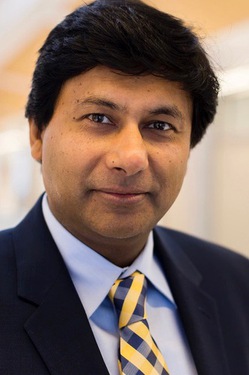
Sanjiv Sinha is a Professor in the Department of Mechanical Science and Engineering at the University of Illinois, serving as the Associate Head for Undergraduate Programs. He is also affiliated with the Micro and Nanotechnology Lab. His research focuses on thermal conductivity, nanomaterials, thermoelectrics, energy storage, and advanced manufacturing. Key contributions include innovations in thermochemical energy storage systems, nanowire thermal properties, and hybrid material fabrication techniques. Sinha has been recognized with prestigious awards including the DARPA Young Faculty Award (2011) and NSF CAREER Award (2010). His recent work spans hydrogel thermal characterization, nanoporous crystalline materials, and intracellular thermometry. Articles highlight interdisciplinary approaches to energy systems, environmental engineering, and biomedical applications. Ongoing projects include developing smart water management systems and advanced thermal interfaces for electronics cooling. Collaborations emphasize sustainable technologies and nuclear materials science. Research Highlights: Thermoelectric materials, nanostructured phase change systems, and ultrasonic welding of metal-polymer composites. Grants & Funding: Supported by DARPA, NSF, and industry partnerships focused on thermal energy storage and nanofabrication. Labs & Teams: Leads the Micro and Nanotechnology Lab, collaborating with interdisciplinary teams in materials science and energy engineering.
Dr. Amit Das is a Senior Lecturer in the Materials Science and Engineering department at Swansea University's School of Engineering and Applied Sciences. His research focuses on solidification processing, ultrasonic grain refinement, and additive manufacturing of metallic alloys, particularly aluminum and magnesium systems. He supervises postgraduate research projects and teaches modules on microstructure evolution, computational materials science, and practical metallurgical techniques. His recent publications highlight advancements in ultrasonic processing of aluminum alloys, intermetallic phase control, and additive manufacturing technologies. Key themes include: Iron-bearing intermetallics in recycled aluminum High-intensity ultrasonication effects on alloy microstructure Laser Powder Bed Fusion for lightweight alloys Microstructural analysis via polarized light microscopy Dr. Das' work intersects materials sustainability and industrial applications, with supervised projects on galvanizing steels, cobalt alloy welds, and high-strength automotive materials. He is available for postgraduate supervision and can be contacted at a.das@swansea.ac.uk in Academic Office A206, Engineering East, Bay Campus.
Dr Stuart McDonald is a Senior Research Fellow at the School of Mechanical and Mining Engineering at The University of Queensland. He maintains active affiliations with the Centre for Advanced Materials Processing and Manufacturing (AMPAM), the Nihon Superior Centre for the Manufacture of Electronic Materials, and the Centre for Multiscale Energy Systems, reflecting his interdisciplinary research profile. Dr McDonald's research program centers on microstructure control through solidification science, with particular expertise in understanding how trace element additions affect nucleation and growth phenomena. His work spans critical areas including lead-free solder alloys, grain refinement processes, machining and heat treatment of titanium alloys, Mg-based hydrogen storage systems, casting techniques for Al-Si alloys, and eutectic solidification modification. This diverse research portfolio demonstrates his ability to bridge fundamental materials science with practical industrial applications. His publication record reveals a consistent research trajectory with over 145 journal articles and 78 conference papers, showing increasing focus on advanced solder materials for electronic applications. Recent work emphasizes low-temperature solder alloys, their mechanical properties, and microstructural evolution under various conditions, indicating growing relevance to next-generation electronic packaging requirements. Dr McDonald collaborates extensively with Professor Kazuhiro Nogita and other researchers across multiple institutions, particularly through the Nihon Superior Centre. His work has direct implications for the electronics manufacturing industry, with potential applications in harsh environment electronics and emerging technologies requiring reliable interconnect solutions. His laboratory utilizes advanced characterization techniques including synchrotron radiation, high-voltage transmission electron microscopy, and in-situ observation methods, allowing for detailed analysis of microstructural evolution during solidification and phase transformations. These sophisticated approaches position his research at the cutting edge of materials characterization for electronic materials.
Professor Sumanth Shankar is affiliated with McMaster University's Faculty of Engineering , Department of Mechanical Engineering . His research focuses on advanced manufacturing and materials processing. B.Tech (Metallurgical Engineering), Institute of Technology – Banaras Hindu University (IT-BHU), 1996 Ph.D (Materials Science and Engineering), Worcester Polytechnic Institute (WPI), 2000 Research areas include: Metal Casting and Solidification Processing Semi-Solid Metal Casting (Rheo-Casting, Thixo-casting) Diffusion Analysis and Molten Metal Rheology Advanced Microscopy (SEM, TEM, FIB, LEAP) Microstructure-Property-Performance-Cost Relationships Recent publications focus on Aluminum-Silicon alloys , Solidification Dynamics , Intermetallic Phase Evolution , and Advanced Casting Processes like Controlled Diffusion Solidification (CDS) and Tilt-Pour Casting. Key themes include Microstructure Control , Viscosity Analysis , and X-ray/Neutron Diffraction techniques. Scientific recognition: Best Paper Award, Aluminum Division (2005) Teaching responsibilities include: Mechanical Engineering (MECH ENG 4W03: Air Conditioning & Refrigeration Systems) Solidification Processing (MECH ENG 714/MATLS 715) MATLS 3MF3: Materials Fabrication Contact: shankar@mcmaster.ca | Office: JHE 102 | Phone: 905-525-9140 ext. 26473
Sercan BASİT is an Assistant Professor at Kırşehir Ahi Evran University's Faculty of Engineering and Architecture, Department of Mechanical Engineering. He holds a PhD in Metallurgical and Materials Engineering from Yıldız Technical University (2020) and has been active in research areas such as alloy development, biomaterials, and casting technologies. Education: BSc: Metallurgical and Materials Engineering, Yıldız Technical University (2012) MSc: Production, Yıldız Technical University (2015) PhD: Production, Yıldız Technical University (2020) His research focuses on biodegradable metallic materials, solidification processes, and sustainable recycling technologies. He leads national and international projects in these domains and is a member of the BIOMATAM research group at Yıldız Technical University. His recent publications explore the role of static electrical fields in eutectic alloy solidification, biodegradable zinc-based alloys for biomedical applications, and data-driven methods for copper recovery. These works span materials science, solidification physics, and sustainable metallurgy. Scientific Awards: Best Paper Award (2023), The Academy of Romanian Scientists He has advised multiple Master's students and contributed to projects funded by TUBITAK and university initiatives. His work bridges fundamental solidification studies with applied research in additive manufacturing and eco-friendly material recovery.
Jim Fitz-Gerald is a Professor in the Department of Materials Science and Engineering at the University of Virginia's School of Engineering and Applied Sciences. His research focuses on corrosion science, electrochemical systems, surface engineering, and laser-based materials processing. He has pioneered innovations in laser surface modification for corrosion resistance, particularly in magnesium alloys, and developed techniques like Laser Ablation Coating Removal (LACR) for infrastructure maintenance. Fitz-Gerald holds a 2017 AVS Fellowship for contributions to laser-solid interactions and thin film materials. He teaches courses in engineering fundamentals and materials manufacturing. Research Interests: Corrosion and Electrochemical Sciences Laser-Materials Interactions Surface Characterization Additive Manufacturing Thin Film Deposition Key Awards: Fellow of the AVS (2017) Mead Endowment Award (2016) Hartfield-Jefferson Scholars Teaching Prize (2013) Notable Projects: Active corrosion protection of magnesium alloys via functional anodic coatings (US Army, 2013–2017) Implementation of LACR for VDOT bridges (Virginia Transportation Research Council, 2016–2018) Co-PI of a $4.3M DARPA project to strengthen naval materials via adaptive corrosion control (2020–2023) He has advised numerous undergraduate research initiatives and contributed to over 100 peer-reviewed articles, spanning laser surface engineering, alloy design, and corrosion mitigation strategies.
Amit Misra is the Edward DeMille Campbell Collegiate Professor of Materials Science and Engineering and Professor of Mechanical Engineering at the University of Michigan. He also serves as the Faculty Director of the Michigan Materials Research Institute (MMRI). Previously, he was the Department Chair of Materials Science & Engineering from June 2014 to December 2022. Education: B.S. (May 1989), Metallurgical Engineering, Institute of Technology, Banaras Hindu University (now IIT-Varanasi), India M.S. (Aug. 1991), Materials Science and Engineering, University of Michigan, Ann Arbor Ph.D. (Sept. 1994), Materials Science and Engineering, University of Michigan, Ann Arbor Professor Misra's research focuses on nano mechanics, electron microscopy, laser processed metallic alloys, and metallic thin films. His work particularly emphasizes understanding light-weight structural materials, radiation-damage tolerant materials, high strength and high electrical conductivity materials, and other metal-based multiphase and composite materials. His research program centers on designing materials with enhanced functionality through understanding and control of interface and defect phenomena. His recent work has extensively explored additive manufacturing processes, particularly laser powder bed fusion, to create novel metallic alloys and composites with tailored microstructures and properties. Analysis of Professor Misra's recent publications reveals a strong focus on advanced characterization techniques combined with computational modeling to understand materials behavior at multiple scales. His work spans from fundamental studies of dislocation mechanisms and phase transformations to applied research in additive manufacturing and radiation damage tolerance. A significant portion of his recent work involves aluminum-silicon eutectic systems, magnesium alloys, and ferrous alloys processed through various laser-based techniques. Scientific Awards: Fellow, TMS, Class of 2022 TMS Cyril Stanley Smith Award, 2021 Fellow, AAAS, 2018 Brimacombe Medalist, TMS, 2017 Fellow, Materials Research Society (MRS), Class of 2016 2016 DISTINGUISHED SERVICE AWARD, TMS Fellow, Los Alamos National Laboratory, class of 2011 Fellow, American Society of Metals (ASM), International: class of 2011 2011 DISTINGUISHED SCIENTIST/ENGINEER AWARD, TMS 2008 LANL Fellows' Prize for outstanding research in nanomechanics 2013 LANL Distinguished Postdoctoral Mentor award Professor Misra has led numerous research projects, particularly in the areas of radiation damage tolerance, nanomechanics, and additive manufacturing of metallic materials. His group has received significant funding from DOE, NSF, and other agencies supporting fundamental and applied materials research. His mentorship has been recognized with the 2013 LANL Distinguished Postdoctoral Mentor award. He has advised numerous graduate students and postdocs who have gone on to successful careers in academia and industry. Professor Misra leads the Nanomechanics and Metallic Interfaces Laboratory, which is equipped with advanced characterization tools for studying materials at multiple length scales. His research group collaborates extensively with national laboratories and industry partners to address critical challenges in materials science and engineering.
Professor Paul Richard Munroe is a distinguished academic at the University of New South Wales (UNSW). He currently holds the position of Professor in the School of Materials Science & Engineering and previously served as Deputy Dean - Research (2018–2022), Head of School (2013–2018), and Director of the Electron Microscope Unit (2003–2013). His career spans roles at Monash University and Dartmouth College, reflecting his expertise in advanced materials and microscopy. Education: PhD in Metallurgy and Materials (1987) – University of Birmingham B.Sc (Hons.) in Metallurgy and Materials (1984) – University of Birmingham Grad. Dip. H. Ed (1998) – UNSW Research Interests: Munroe's work focuses on microstructure-property relationships in advanced engineering materials, including functional thin films, intermetallic alloys, thermal spray materials, surface modification, and biochars. He explores applications ranging from wear-resistant coatings to environmental solutions like methane reduction. His studies often integrate experimental techniques with computational modeling to elucidate material behavior at atomic and macroscopic scales. Publications: With over 500 papers and 24,000+ citations, his research trends emphasize high-entropy alloys, nanocomposite coatings, and material sustainability. Recent work highlights innovations in coatings for biomedical and industrial uses, biochar-based environmental mitigation, and semiconductor-catalyst hybrids for energy applications. Awards: UNSW Vice-Chancellor's Award for Teaching Excellence (2003) Carrick Citation (2007) Philips Cowley-Moodie Award for Physical Sciences Electron Microscopy (1996) Advising & Grants: Munroe has supervised 10 HDR students in the past five years, focusing on functional thin films, thermal spray coatings, and biochar research. He has secured over $15M in research funding since 2008, reflecting his leadership in interdisciplinary projects. His grants support innovation in corrosion-resistant coatings, energy materials, and advanced microscopy techniques. Labs & Affiliations: As Director of the Electron Microscope Unit and Technical Director of the Australian Microscopy and Microanalysis Research Facility (2007–2013), he leads cutting-edge microscopy facilities. His collaborations extend to industry, ensuring students gain practical experience in metallurgy, microelectronics, and biomedical fields.