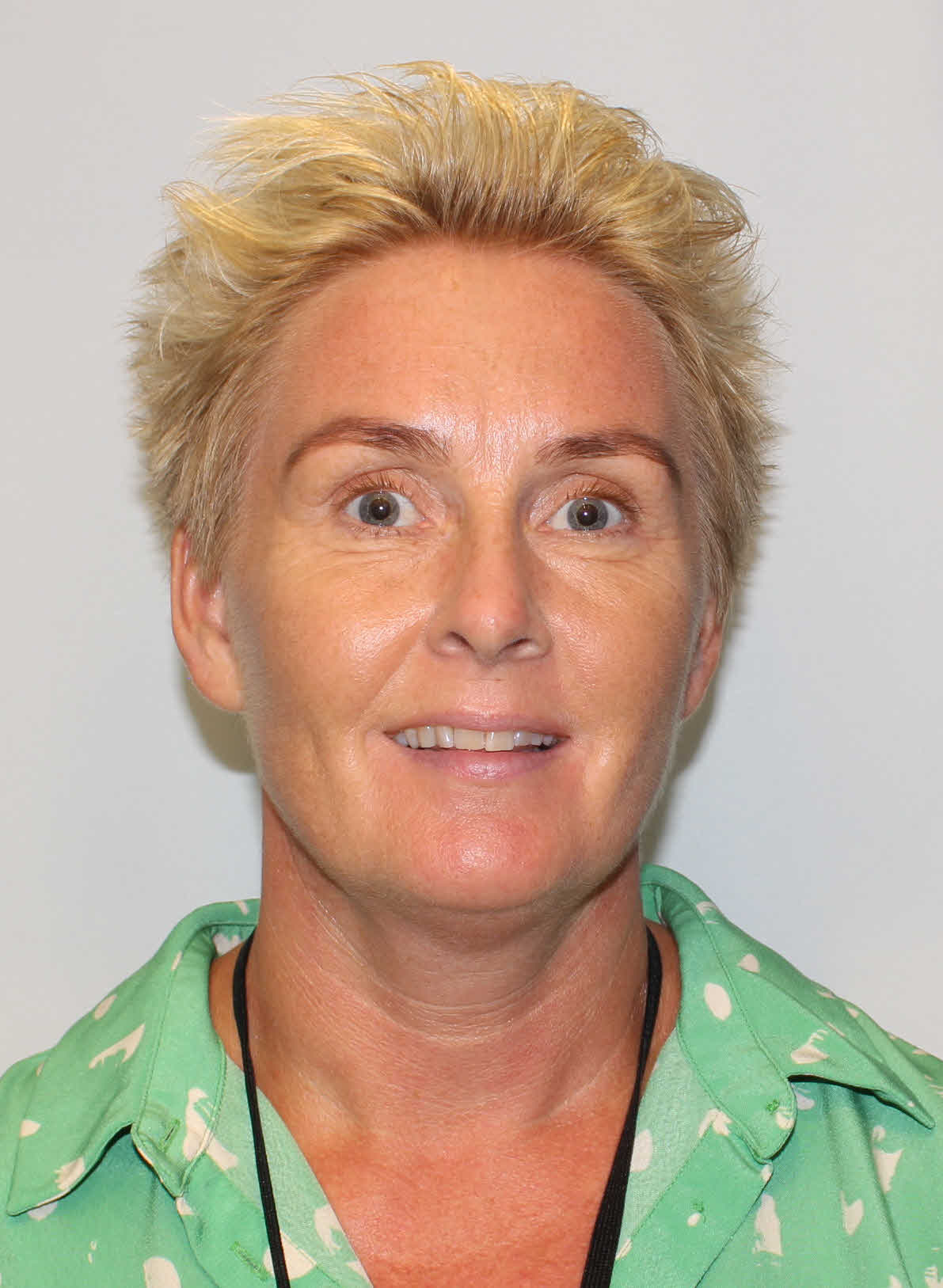
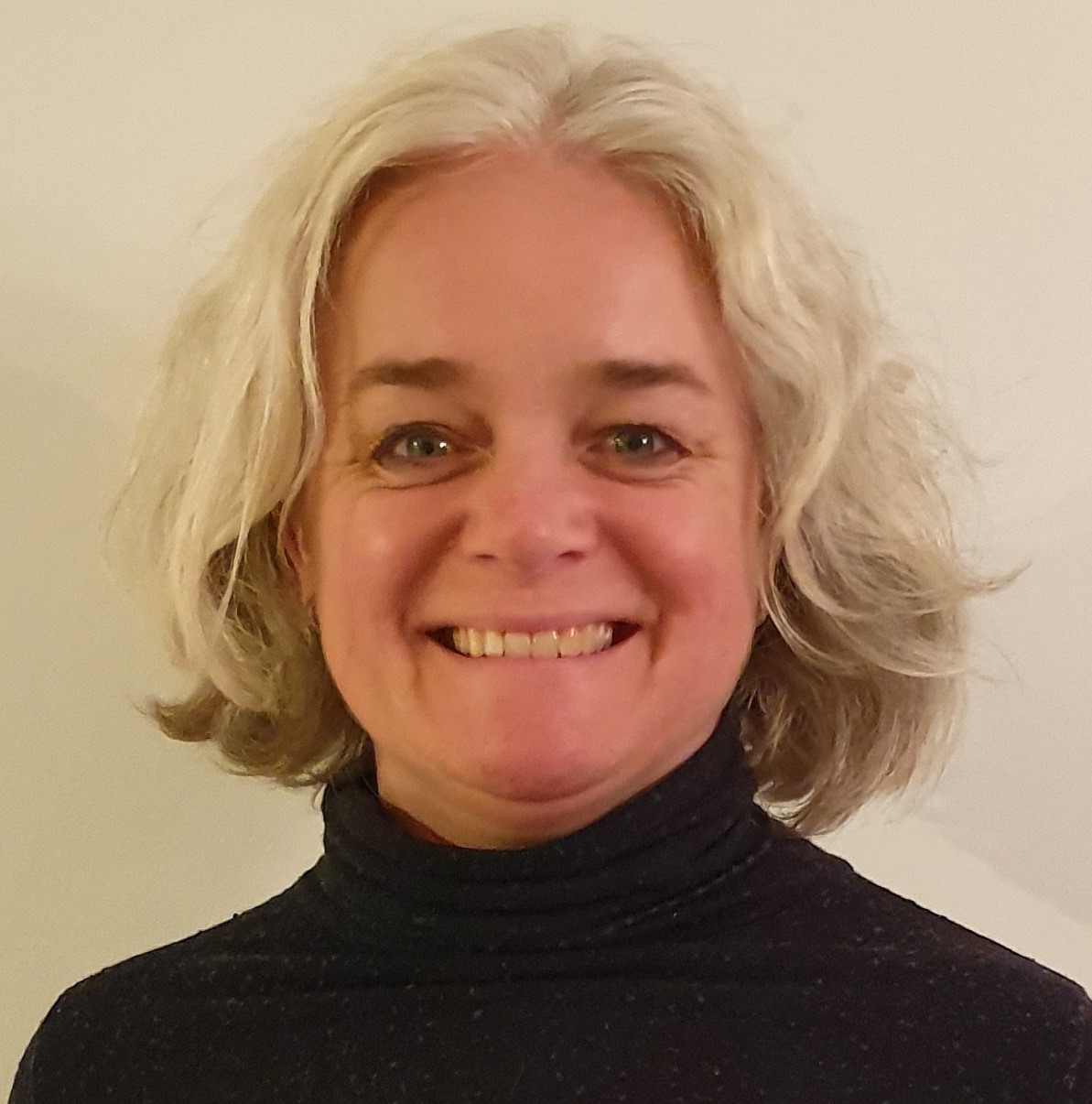
Ole Martin Moen is a Professor at the Institute of Nursing and Health Promotion , Oslo Metropolitan University, Norway. His research spans bioethics, philosophy, and social justice, focusing on topics such as end-of-life ethics, palliative care, emergency ethics, and the moral implications of healthcare policies. He is actively involved in the VoldAm project, investigating violence and threats against ambulance personnel in Norway. Research Focus: Bioethics, Palliative Care, Emergency Ethics, Social Justice, Human Enhancement Key Collaborations: Aksel Braanen Sterri, Brian Earp, Julian Savulescu, and others. Moen’s recent publications explore ethical dilemmas in drug policy, assisted dying, and intrinsic value theory. His outreach includes public debates on cross-disciplinary challenges and societal fears, reflecting his engagement with contemporary ethical issues.
Elisabeth Wetzer is an Associate Professor in Machine Learning at the Department of Physics and Technology, UiT The Arctic University of Norway. Her research bridges artificial intelligence with healthcare applications, focusing on multimodal image registration, bias mitigation in AI, and physics-informed learning models. Current Role: Associate Professor, Machine Learning Group Research Themes: AI ethics, medical imaging, cross-modal representations, algorithmic fairness Her recent work explores technical challenges in PET imaging analysis and societal implications of AI bias. Collaborative projects span medicine, mathematics, and computer science disciplines. Key scientific contributions include: Physics-informed deep learning for PET image data Studies on multi-task learning efficacy in medical classification Research on gender bias in algorithmic systems She actively participates in diversity initiatives and public outreach, including presentations at Nobel laureate conferences and media engagements on AI ethics.
Norwegian University of Science And TechnologyNorway
Neil Martin Davies is a Researcher at the Department of Public Health and Nursing , Norwegian University of Science and Technology (NTNU) . His work bridges epidemiology, genetics, and public health, with a focus on causal inference, Mendelian randomization, and socioeconomic health disparities. His research explores the intersection of genetic epidemiology , developmental psychology , and clinical outcomes . Key themes include the impacts of antiseizure medications in pregnancy , cardiometabolic risks in psychiatric populations , and health policy implications of Mendelian randomization . Recent publications highlight methodological advancements in directed acyclic graphs (DAGs) , instrumental variable analysis , and family-based sampling . His work frequently addresses parental education effects , sleep patterns , and genetic correlations in large cohorts like UK Biobank. Neil Martin Davies contributes to scientific reporting standards , co-authoring the STROBE-MR guidelines for Mendelian randomization studies. His collaborations span neurology , mental health , and health economics , emphasizing causal relationships over correlational findings.
Hege Bjøkne Wathne is an Associate Professor in Intensive Care Nursing at the Department of Care and Ethics, University of Agder. She is affiliated with the NFR project "eHealth from Hospital 2 Home" and the research program area "HevHelse". Her primary research focuses on eHealth interventions to improve health services post-hospital discharge, particularly for patients with chronic illnesses and non-communicable diseases. She holds a PhD candidate status in Health Sciences (2020–), a Master in Health Sciences (2011–2013), and certifications in Intensive Care Nursing (2006–2007) and Nursing Education (1996–1999). Her work emphasizes nurse-assisted remote monitoring systems, usability of digital health tools, and patient self-management strategies. Key publications explore eHealth feasibility in colorectal cancer care, heart failure management, and chronic illness recruitment strategies. She has presented at conferences like the Nordic Conference in Nursing Research and participated in interdisciplinary collaborations to design patient-centered digital health solutions. Current projects aim to bridge gaps between hospital and home care through innovative technology. Wathne’s contributions include protocol development for randomized controlled trials and co-creation methodologies involving patients in eHealth design. Her research aligns with broader goals of enhancing healthcare accessibility and continuity through technology-driven interventions.
Sissel Merete Finholt-Pedersen is externally affiliated with the University of Stavanger (UiS), Faculty of Health Sciences, Department of Care and Ethics. She is a postdoctoral researcher on the QUALITECH project, funded by the Research Council of Norway, focusing on care ethics in technology-mediated healthcare. Her academic background includes a Ph.D. from Roskilde University and a theological degree from the Norwegian School of Theology, Religion and Society, with additional studies in psychology from the University of Oslo. Her research centers on professional identity, relational work, care ethics, and psycho-social analysis . She explores how professionals in care and theology construct their identities through life experiences, societal relations, and institutional contexts. Her interdisciplinary approach draws from qualitative methodologies, psychoanalytic theory, and cultural studies to examine subjective experiences within professional roles. The analysis of her recent publications reveals a strong focus on ethics in elderly care, digitalization in health services, and infant user participation . Her work frequently investigates how economic rationality, technology, and policy shape care practices and professional self-understanding. She applies depth-hermeneutical and qualitative methods to uncover underlying psychosocial dynamics in professional and caregiving relationships. Scientific Contributions: Active member of the International Research Group for Psycho-Societal Analysis Involved in the project Give the children a better start Researcher on infant voice and user participation in early life Published in journals such as Qualitative Studies , Journal of Psychosocial Studies , and Tidsskrift for kjønnsforskning She has contributed to advising through collaborative research and presentations within the QUALITECH project. While no formal students are listed, she plays a mentoring role in qualitative research and interdisciplinary ethics. She has not received any explicitly mentioned scientific awards. Her work is supported by research grants from the Research Council of Norway and institutional funding at UiS. She is involved in the QUALITECH research team and collaborates with scholars across disciplines on topics including professional development, ethical challenges in training, and user participation in vulnerable populations. Her work bridges theology, psychology, nursing, and ethics, contributing to a holistic understanding of care in modern society.
Dawit Shawel Abebe is a professor of public health at Oslo Metropolitan University's Faculty of Health Sciences, Department of Nursing and Health Promotion. His office is located at Pilestredet 32, 0166 Oslo, Office number: N050.125, with telephone contact +47 672 37 834. Dr. Abebe holds a PhD in public health with a specialization in epidemiology from the University of Oslo (2014), a master's degree in public health from the University of Oslo (2009), a master's degree in nutrition from Ghent University, Belgium (2006), and a bachelor's degree in public health from the University of Haramaya, Ethiopia (2003). His research spans immigrant health, youth and mental health, comorbidity between somatic and mental illnesses, and global health, primarily using quantitative research methods. His work intersects multiple scientific disciplines including Nutrition, Community medicine, social medicine, Sociology, Medical subjects, Gynecology and obstetrics, Psychiatry, child psychiatry, Infectious medicine, and Health services research. Dr. Abebe's publication record shows consistent focus on health disparities among immigrant populations, with recent work examining migration timing effects on mental health, cultural aspects of mental health diagnosis, and socioeconomic determinants of health. His research increasingly addresses representation issues, highlighting how minorities are significantly underrepresented in research. He leads the Migration and minority health research group and is involved in the EU-funded NEGOTIATE project examining labor market uncertainty among young Europeans. His methodological approach primarily utilizes Norwegian national health registries for large-scale population analyses comparing immigrant populations with native Norwegians. Dr. Abebe maintains an active research profile with 42 scientific publications, 4 research reports, and 35 dissemination activities, positioning him as a significant contributor to understanding health disparities in the Norwegian and European context.
Heidi Jerpseth is an Associate Professor at Oslo Metropolitan University's Faculty of Health Sciences, Department of Nursing and Health Promotion. Her research focuses on nursing ethics, professional identity, and clinical education, with expertise in cardiology, geriatrics, and pulmonary care. Academic Disciplines : Medical/Dental Ethics, Behavioural Science, Nursing Science, Cardiological Nursing. Research Groups : Acute/Critically Ill and Injured, Empowerment. Her recent publications explore: Job readiness of newly graduated nurses and professional authority development (2025). Communication challenges in intensive care using digital tools (2025). Impact of educational constraints on nursing students' identity formation (2024). Co-parenting experiences during the pandemic (2023). Ethical dilemmas in clinical placements (2023). End-of-life care in critical care settings (2020). Her work spans qualitative methodologies and emphasizes patient-centered care, ethical frameworks, and curriculum innovation.
Jan Frich is a Professor at the Department of Health Management and Health Economics, University of Oslo, with concurrent appointments as Professor II (2019-present) and previous Professor I (2011-2018) positions. He served as Visiting Professor at Yale University (2013-2014) and currently serves as Editor of Michael (since 2023) and Associate Editor of BMJ Leader (since 2018). His academic interests span healthcare management, medical leadership, neurology, and global health. Specialist in Neurology (2008), University of Oslo dr.med. and Cand.med. (2008 and 1996), University of Oslo Master in Health Administration (2008) and Master of Science (2001) from Brunel University London Executive education at Harvard University (2019), SEI/INSEAD (2019), NHH Executive Board Program (2022), and NHH Board Program (2024) His research focuses on healthcare leadership development, prioritization criteria in clinical settings, and neurological disorders like Huntington's disease and myotonic dystrophy type 1. Recent publications examine rehabilitation technologies, healthcare cost forecasting, and leadership competency models. He contributes to healthcare policy discussions through editorships and has led projects on primary healthcare team evaluations, sepsis management improvements, and leadership development during the COVID-19 pandemic. His work appears in leading journals like BMC Medicine, BMJ Leader, and Journal of Neuromuscular Diseases, with a strong emphasis on interdisciplinary applications.
Atle Ødegård is a Professor at Molde University College, Faculty of Health Sciences and Social Care. He is actively engaged in research and academic leadership with a strong focus on interprofessional collaboration and social innovation in health and welfare services. Position: Professor Institution: Molde University College Faculty: Faculty of Health Sciences and Social Care Email: atle.odegard@himolde.no Office: B333, Molde His research interests center on interprofessional collaboration, service design, social innovation, and the integration of health and social care services. He explores how professionals from different disciplines can work together effectively, particularly in contexts involving vulnerable populations such as individuals with developmental disabilities, those in the criminal justice system, and elderly care residents. His work also emphasizes co-creation and user participation in public service development. The recent publications of Atle Ødegård reflect a consistent focus on interprofessional education and collaboration across health, social care, and criminal justice. His work spans qualitative studies, systematic reviews, and conceptual frameworks, often contributing to policy and practice. He frequently collaborates with researchers like Anna Elisabeth Willumsen, Bjørn Kjetil Larsen, and Ingrid Krohn Aasgård, and has co-edited key books in his field. Atle Ødegård has not received any explicitly mentioned scientific awards in the provided text. He is involved in advising and research leadership, contributing to training programs and editorial work. He has co-edited multiple books and special issues, and his work often bridges academic research with public policy through opinion pieces and blog contributions. There is no explicit mention of external grants, but his extensive publication record suggests active research funding. He is part of research groups focused on interprofessional collaboration in practice and education and contributes to initiatives such as the Regional Knowledge Center for Rehabilitation (RHAB) and the FOGTPS blog, promoting knowledge development and co-creation in practice settings.
Stine Eileen Torp Løkkeberg is a Professor at the Department of Welfare, Management and Organisation, Østfold University College. She holds a PhD in Social Psychology from the University of Kent (2016) and a Master in Nursing Science from the University of Oslo (2007). Her research focuses on medical communication, self-critical emotions, and end-of-life care, with a particular interest in chronic illnesses like MS and inflammatory bowel disease. She leads a labgroup studying domestic violence and emotions and teaches courses on domestic violence, sexual abuse, and bachelor thesis writing. Her academic roles include co-supervising PhD students Ingunn Johansen (inflammatory bowel disease) and Siv Vea Grønneberg (ADHD), and supervising master’s students at the University of Agder. She is affiliated with research groups such as HEKS, DigiHealth, and OCHER Medical Communication. Awards: None explicitly listed. Publications span medical communication, healthcare ethics, and digital interventions, with recent work on digital violence in teen relationships (2023) and ADHD narratives (2024). She actively reviews for journals like Cognition and Emotion and Frontiers in Psychology . Her research also explores the emotional impact of breaking bad news to patients and healthcare professionals’ strategies in palliative care. She collaborates on interdisciplinary projects, including studies on music therapy for dementia patients and self-tracking health technologies.
Rune Johan Krumsvik is a Professor of Education at the University of Bergen (UiB) and Professor II at Volda University College. He founded the Digital Learning Communities (DLC) research group (2007) and the Western Norway Graduate School of Educational Research II (WNGER II). His affiliations include editorial roles at the Nordic Journal of Digital Literacy (Editor-in-Chief) and Frontiers in Pediatrics (Associate Editor). Professor, Department of Education, UiB (2010–) Professor II, Volda University College (2003–) Honorary Research Fellow, University of Bristol His research spans artificial intelligence , doctoral education , ICT in schools , formative assessment , and classroom management in technology-dense environments. He explores connections between AI, social media, mental health, and digital competence, with recent work focusing on large language models (LLMs) in education and healthcare. Scientific publications show a focus on AI applications ( 76 peer-reviewed articles , h-index 31). Key trends include: EdTech implementation in Norwegian primary/secondary schools AI in formative/summative assessment Digital competence frameworks Classroom technology management Teacher education digital skills Mental health impacts of screen time Scientific awards: Teaching Award , UiB Faculty of Psychology (2012) Excellent Teaching Practitioner accreditation (2020) Supervision includes: Main supervisor for 12 PhD candidates (11 completed) Co-supervisor for 6 PhD candidates Supervisor for 14 master’s and 12 bachelor’s students He leads the Digital Learning Communities Artificial Intelligence Centre (DLCAIC), focusing on AI research in education/healthcare, societal impacts of AI, and digital competence development.
Sunniva Engh is a Professor of Modern History at the Department of Archaeology, Conservation and History , University of Oslo. Her research bridges political, social, and medical history with transnational and international dimensions. Education: D.Phil. (2006) and M.Phil. (2000) in Modern/Economic History from the University of Oxford. Her expertise spans: International development cooperation and global health governance Scandinavian-Indian family planning collaborations Nordic model of society and its global export India-China-Myanmar strategic dynamics Recent work focuses on Nordic civil society (co-edited 2025 Routledge book), population control in Cold War contexts, and Norway's transition from aid recipient to donor. She leads the Nordic Civil Societies project (UiO-funded) and co-leads The Sustainability Lab (HK-dir funding). Teaching includes courses on international history, Nordic model, and global health. Active in media communication and public debates on Asian security, global governance, and sustainable development.
Marilyn H. Oermann is the Thelma M. Ingles Professor of Nursing and Director of Evaluation and Educational Research at Duke University School of Nursing. She serves as Editor for Nurse Educator and Journal of Nursing Care Quality , with a primary email contact at Duke University. Her research focuses on predatory open-access journals in nursing, editorial standards, and scholarly publishing integrity. Research Interests Oermann's work examines deceptive practices in academic publishing, particularly in nursing literature. Her 2016 study identified 140 predatory nursing journals from 75 publishers, analyzing their editorial processes, article processing charges, peer review legitimacy, and digital preservation issues. She advocates for rigorous journal vetting to protect nursing scholarship. Scientific Awards Fellow of the American Academy of Nursing (FAAN) Academy of Nursing Education Fellow (ANEF) Publications Her 2016 study in Journal of Nursing Scholarship remains a seminal work on predatory publishing trends in nursing, highlighting concerns about eroding scholarly standards. Additional Roles She leads educational research initiatives at Duke and contributes to publishing guidelines for healthcare professionals.
Norwegian University of Science and TechnologyNorway
Hege Skundberg Kletthagen is an Associate Professor and Head of Department for Paramedicine and Advanced Clinical Nursing at the Department of Health Sciences, NTNU. She holds a doctorate in nursing science and specializes in mental health care, family-centered approaches, and quality improvement in psychiatric services. Her research addresses coercion in mental health care, prehospital mental health work, and the experiences of families supporting individuals with mental illness. She is affiliated with the Gjøvik Faculty of Medicine and Health Sciences. Education: Doctorate in Nursing Science (specific details not explicitly stated). Research Focus: Mental health service quality Family-centered care interventions Coercion and aggression in clinical settings Prehospital mental health strategies Teaching: Leads courses MDV6023 and MDV6022 on prehospital mental health work. Professional Contributions: Active in international conferences and has authored over 20 peer-reviewed articles, focusing on adapting quality assessment tools for Norwegian mental health contexts and evaluating family support programs.
Norwegian University of Science and TechnologyNorway
Aksel Tjora is a Professor at the Department of Sociology and Political Science, Norwegian University of Science and Technology (NTNU). He has been affiliated with NTNU since 1998, following his PhD in Sociology (1998), Master of Political Science (1995), and Master of Science (1991). His research focuses on qualitative methodologies, community studies, healthcare sociology, and the sociological implications of technology. Key contributions include his work on stepwise-deductive induction as a qualitative strategy and the book What is Community (2018). He leads the Sociological Outpatient Clinic, a public-facing initiative offering sociological insights to societal challenges. Education: M.Sc. (1991), M.Phil. Political Science (1995), PhD Sociology (1998). Research emphasizes Qualitative research methods Urban and community formations Healthcare technology and organizational change Public smartphone use and digital confessional practices Publications span qualitative methodology textbooks (e.g., Kvalitative forskningsmetoder i praksis ), sociological analyses of festivals and urban spaces, and studies on ADHD's societal framing. His work bridges theory and practice, addressing topics like video-mediated psychiatric care and the sociotechnical dynamics of medical systems. Labs/Teams: Founder and leader of the Sociological Outpatient Clinic, a platform for applied sociological analysis of contemporary issues.