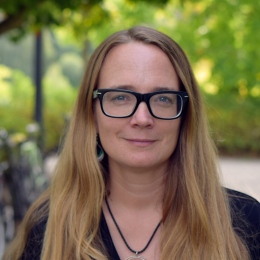
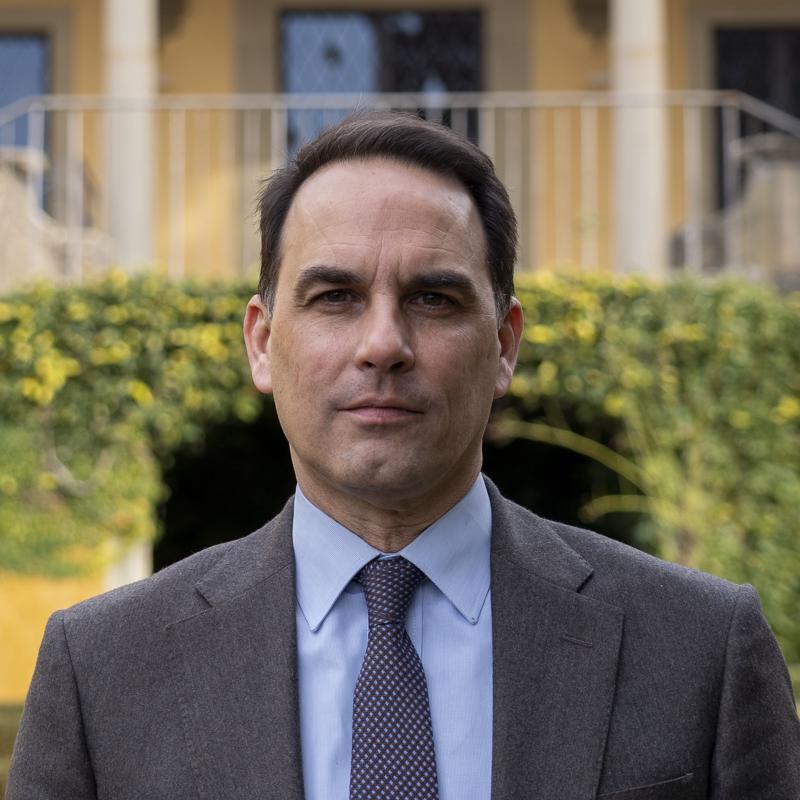
Andrea Voyer is a Professor of Sociology at Stockholm University , focusing on social norms, boundaries, and their role in shaping social inequality , particularly in the context of immigrant integration , class disparities, and ethnic inequality. She employs both qualitative and computational methods , including large-scale text analysis and cultural theory, to explore these themes. Her research has received funding from Riksbankens Jubileumsfond , the Swedish Research Council , the National Science Foundation (USA) , and the Russell Sage Foundation . Voyer serves as a program coordinator for master's programs in sociology and applied social research, and leads the department's research groups in qualitative methods , computational sociology , and cultural sociology . She is also an editorial board member for Sociological Theory and American Journal of Cultural Sociology , and contributes to public discourse on immigration, segregation, and social norms. Her recent publications highlight the use of computational techniques to analyze immigrant incorporation through shifts in mainstream discourse, the cultural processes of inequality during the COVID-19 pandemic , and the evolving role of class distinction-making in etiquette literature. These works bridge cultural theory with empirical analysis, offering actionable insights for addressing social inequality.
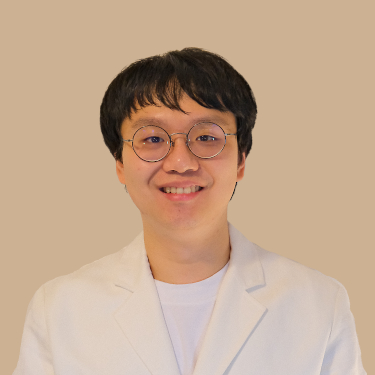
Huan Zhang serves as an Assistant Professor in the Department of Electrical and Computer Engineering at the University of Illinois Urbana-Champaign (UIUC), with affiliate appointments in the Department of Computer Science and the Coordinated Science Laboratory. His research focuses on building trustworthy AI systems with formal verification techniques to provide provable guarantees for safety-critical applications, particularly in machine learning and neural networks. Dr. Zhang received his Ph.D. in Computer Science from UCLA in 2020, advised by Professor Cho-Jui Hsieh. His academic journey includes an M.S. in Computer Engineering from UC Davis (2014) and a Bachelor of Engineering from Zhejiang University (2012). Prior to joining UIUC, he completed a postdoctoral fellowship at Carnegie Mellon University (2021-2023) with Professor Zico Kolter. Huan Zhang's research program centers on formal verification of machine learning systems, with particular emphasis on neural network verification, AI safety, robustness, and reliability. He pioneered the linear bound propagation-based verification framework that enables formal verification for networks with millions of neurons. His work spans five major research categories: formal verification of machine learning, training trustworthy ML models, machine learning safety and adversarial attacks, reinforcement learning safety, and optimization for scalable machine learning. His CROWN framework (NeurIPS 2018) established a foundational approach for neural network verification through efficient linear bound propagation. His recent publications demonstrate a strategic expansion from foundational verification techniques toward increasingly complex systems including large language models, vision-language models, and robotic control systems. The research trajectory shows a clear progression from theoretical frameworks to practical implementations with real-world applications, particularly in safety-critical domains. His work increasingly bridges formal methods with practical AI deployment requirements. Winner of International Verification of Neural Networks Competition (VNN-COMP) as team leader (2021-2024) Schmidt Futures AI2050 Early Career Fellowship ($300,000 research grant) Adversarial Machine Learning (AdvML) Rising Star Award (2021) IBM PhD Fellowship (2018) Dr. Zhang leads the development of α,β-CROWN, a neural network verifier that has won VNN-COMP 2021-2023, and auto_LiRPA, a PyTorch-based library for perturbation analysis on general computational graphs. He has mentored numerous graduate students from CMU, UCLA, UIUC, and Columbia University. His research is supported by significant funding including the Schmidt Futures fellowship and industry collaborations. He teaches courses including ECE 120, ECE 484, ECE 584, and ECE 598 HZ on topics ranging from computing fundamentals to safe autonomy and machine learning. Dr. Zhang maintains active research collaborations across multiple institutions and is affiliated with UIUC's Coordinated Science Laboratory. His work has significant implications for safety-critical AI applications in autonomous systems, healthcare, and other mission-critical domains where reliability guarantees are essential. He regularly gives guest lectures at institutions including Yale, Stony Brook, and the University of Nebraska Lincoln on formal verification techniques.
Dr. Camila Aquino serves as Assistant Professor in both the Department of Clinical Neurosciences and Department of Community Health Sciences at the University of Calgary's Cumming School of Medicine, and is a Full Member of the Hotchkiss Brain Institute. As Medical Director of the Deep Brain Stimulation Program, she specializes in Parkinson's disease, essential tremor, dystonia, and chorea management, including EMG-guided botulinum toxin injections. Her educational background includes: M.D. in Medicine from Escola Superior de Ciencias da Santa Casa (2005) M.S. in Neurosciences from Federal University of Sao Paulo (2012) Ph.D. in Neurosciences from Federal University of Sao Paulo (2019) M.S. in Health Research Methods, Clinical Epidemiology from McMaster University (2020) Dr. Aquino's research addresses unmet needs in movement disorders through innovative clinical trial designs for Parkinson's disease, focusing on precision-medicine approaches, early intervention, and outcome optimization. She actively evaluates neuromodulation therapies including Deep Brain Stimulation, Spinal Cord Stimulation, and MRgFUS, with emphasis on expanding indications and improving patient outcomes. As an International Parkinson and Movement Disorder Society member, she chairs the web-based learning committee and serves on evidence-based medicine and outcome measure committees. Analysis of her 15 most recent publications (2021-2025) reveals a cohesive research trajectory centered on Parkinson's disease management, with dominant themes in motor fluctuation treatments, deep brain stimulation methodology, and clinical trial innovation. Her work bridges fundamental clinical practice guidelines with advanced neuromodulation technologies, demonstrating consistent commitment to evidence-based solutions for movement disorders. Her scientific recognition includes: Parkinson Canada research grant Mohammed Al Zaibak Foundation scholarship CAPES scholarship from Brazilian Ministry of Education Dr. Aquino has secured significant research funding supporting clinical trials in Parkinson's disease neuroprotection and neuromodulation therapies. While specific student advisees aren't listed, her leadership of the DBS Program and active clinical trial portfolio indicate substantial mentorship responsibilities. Her grant portfolio emphasizes translational research with direct clinical impact. She directs the University of Calgary's Deep Brain Stimulation Program and contributes to the MRI-guided focused ultrasound initiative. Through her International Parkinson and Movement Disorder Society committee roles, she shapes global educational standards and evidence-based practices in movement disorders.
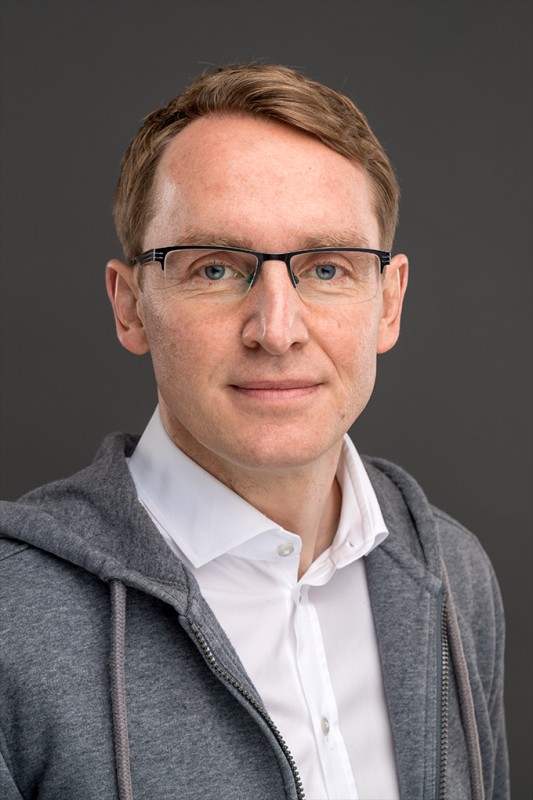
Peter Bühlmann is a Professor at ETH Zürich within the Seminar für Statistik , focusing on high-dimensional statistics, causal inference, and machine learning. His work bridges theoretical advancements with practical software implementations in R packages like pcalg , mboost , and glmmlasso , impacting fields such as genomics, proteomics, and intensive care analytics. Key Contributions : Causal structure learning, stability selection, anchor regression, and deconfounding. Software : Developed widely used R packages for statistical modeling and causal inference. Teaching : Courses on high-dimensional statistics at ETH Zürich and international institutions. Research Trends : Recent articles emphasize causal robustness, domain adaptation, and applications in medicine. His work addresses challenges in heterogeneous data, missing values, and covariate shifts using methods like spectral deconfounding and residual prediction tests. Scientific Recognition : Co-author of a paper designated as a New Hot Paper (Meinshausen and Bühlmann, 2006) by Essential Science Indicators, indicating significant impact in high-dimensional multiple testing.
Florentina Bunea is a Professor in the Department of Statistics and Data Science at Cornell University’s Bowers College of Computing and Information Science, and an active member of the Graduate Fields of Statistics, Applied Mathematics, and Computer Science. She also serves on the Diversity and Inclusion Council of her college, championing workforce diversity in data-science disciplines. Education & Institutional Roles Professor, Department of Statistics and Data Science, Cornell University Member, Graduate Fields of Statistics, Applied Mathematics, Computer Science Member, Diversity and Inclusion Council, Bowers College of Computing and Information Science Research Interests Professor Bunea’s research lies at the intersection of statistical machine-learning theory and high-dimensional inference. She develops rigorous methodology supported by sharp theoretical guarantees to tackle core problems in modern data science. Recent themes include: Soft-max mixtures for understanding large-language-model/AI algorithms Optimal transport for high-dimensional mixture distributions Wasserstein-distance inference for sparse mixing measures in topic models Latent-space clustering and cluster-based inference in high dimensions Network modeling and hidden-structure inference Applications spanning genetics, systems immunology, neuroscience, sociology, and economics Research Funding & Awards Her work is supported by grants from the National Science Foundation (NSF-DMS). She is a Fellow of the Institute of Mathematical Statistics and a recipient of the IMS Medallion Award. Editorial & Service Contributions Associate Editor: Annals of Statistics, Bernoulli, JASA, JRSS-B, EJS, Annals of Applied Statistics Co-Editor: Chapman & Hall/CRC Statistics and Applied Probability Monograph Series Advising & Collaboration Professor Bunea has mentored numerous doctoral and post-doctoral researchers, including Xin Bing, Shuyu Liu, Seth Strimas-Mackey, and Yang Ning, among others. Collaborative projects extend across Cornell and external institutions, producing widely-used software packages and high-impact publications. Contact Office: 1184 Comstock Hall, Cornell University Email: fb238@cornell.edu Phone: (607) 255-8449
Professor Scott A. Shalkowski is a faculty member in the Department of Philosophy at the University of Leeds, part of the School of Philosophy, Religion and History of Science. He holds the academic rank of Professor and specializes in modality, philosophy of religion, philosophical logic, and the epistemology of religious belief. His work bridges metaphysics, epistemology, and the philosophy of religion, with a focus on modal epistemology and theoretical virtues. Education: PhD in Philosophy, University of Michigan BA in Philosophy, Houghton College Research Interests: Shalkowski’s research explores modal epistemology, method in metaphysics, mathematical nominalism, and the epistemology of religious belief. He has contributed to debates on logical pluralism, modal realism, and the relationship between science and religion. Publications: His work spans topics like modal logic, theoretical virtues, and metaphysical frameworks. Notable articles include Modal Epistemology for Modalists (2023) and Modalism and Logical Pluralism (2009). His research often emphasizes empirical grounding in philosophical theorizing. Awards: Shalkowski has received awards from the National Endowment for the Humanities, Australian Research Council, and British Academy. He was also nominated for an Excellence in Teaching Award. Grants & Labs: His research has been supported by grants from major funding bodies. He contributes to interdisciplinary discussions through his work in the Centre for Philosophy of Religion and Theology and the Centre for Theoretical Philosophy at Leeds.
Brett Welch is an Assistant Professor and Biostatistician at the University of Houston with dual appointments in the Department of Communication Sciences and Disorders and the Department of Psychological, Health, and Learning Sciences within the College of Liberal Arts and Social Sciences. Dr. Welch's educational background includes: Ph.D. in Communication Science and Disorders from the University of Pittsburgh M.S. in Communication Sciences and Disorders from the University of Texas Rio Grande Valley B.S. in Linguistics from the University of Texas at Austin B.A. in Communication Sciences and Disorders – Speech-Language Pathology from the University of Texas at Austin Dr. Welch's research sits at the intersection of psychology and communication. He seeks to understand how psychological processes like personality and psychopathology influence communication behaviors, and conversely, how communication behaviors impact psycho-social well-being. His work leverages quantitative methods, cross-sectional studies, and intensive longitudinal designs to interrogate the dynamic interplay between psychological processes and voice and communication behaviors. This research aims to advance understanding of functional voice disorders, improve assessment of psychopathology, and promote well-being for people with and without communication disorders. Dr. Welch has received several notable awards: Honors Council of Academic Programs in Communication Sciences and Disorders PhD Scholarship (2024) New Century Scholars Doctoral Scholarship from the American Speech-Language-Hearing Foundation (2023) New Investigator Forum from The Voice Foundation (2021) As an academic, Dr. Welch serves as an ad hoc peer reviewer for various scientific journals in speech-language pathology and psychology. He is also a mentor in the Students to Empowered Professional Mentoring Program and a member of the American Speech-Language-Hearing Association. His teaching includes Special Problems: Introduction to Quantitative Modeling (COMD 8398). Dr. Welch maintains an active research program focused on the intersection of psychology and communication, with particular emphasis on voice disorders and their psychological correlates. His work combines biostatistical approaches with clinical insights to advance understanding in this specialized field.
Roles & Affiliations: Ikhlas Khan serves as Director of the National Center for Natural Products Research (NCNPR), Distinguished Professor, and Research Professor of Pharmacognosy at the University of Mississippi's School of Pharmacy. He also leads the FDA Program and coordinates natural products research across multiple initiatives, including the Sino-US TCM Research Center and the Center for Research of Indian Systems of Medicine (CRISM). Education: B.Sc. Chemistry (1980) - Aligarh Muslim University, India M.Sc. Organic Chemistry (1982) - Aligarh Muslim University, India Ph.D. Pharmacy (1987) - Ludwig-Maximilians-Universität, Munich Postdoctoral Studies - Swiss Federal Institute of Technology (ETH), Zurich Research Focus: Dr. Khan specializes in natural products research with emphasis on: Phytomedicine: Standardization of herbal products via analytical fingerprinting, pesticide/herbicide residue analysis, and bioanalytical quality control. Drug Discovery: Isolation of bioactive natural products, development of analytical methods for phytochemical characterization, and chiral separation techniques. Metabolism Studies: Role of metabolism in drug/natural product activity, particularly in aminoquinoline antimalarials. His work bridges academia, industry, and regulatory bodies, shaping policies for botanical supplements. Key Contributions: Over 850 peer-reviewed publications and leadership in high-impact projects like the FDA Center of Excellence. His lab pioneered methods to combat herbal product adulteration and safety issues. Awards & Recognition: UM Distinguished Professor Award (2018) Wiley Award (AOAC International, 2018) Qihuang International Prize (2017) Honoris Causa Doctorate (University of Hamdard, 2012) Labs & Collaborations: Directs the NCNPR, a global leader in natural products research, and collaborates with institutions worldwide. His team develops technologies for herbal product authentication and drug metabolism studies.
Aise Johan de Jong is a Professor in the Department of Mathematics at Columbia University, where he teaches courses including representations of finite groups and organizes the algebraic geometry seminar. He is a leading figure in algebraic geometry with a particular focus on stacks theory and arithmetic aspects of algebraic varieties. Institution: Columbia University, Department of Mathematics Research Focus: Algebraic stacks, arithmetic geometry, moduli spaces Major Project: The Stacks Project (open-source collaborative textbook) De Jong's research primarily centers on algebraic stacks, arithmetic geometry, and the foundations of algebraic geometry. His work bridges abstract theoretical frameworks with concrete computational aspects, particularly in positive characteristic. He has made significant contributions to understanding Brauer groups, period-index problems, and the geometry of moduli spaces. His research often connects number theory with geometric structures, exploring how arithmetic properties manifest in geometric settings. His publication record shows a consistent focus on fundamental structures in algebraic geometry, with particular emphasis on stacks theory (evident in The Stacks Project), Brauer groups, rational connectivity, and arithmetic properties of algebraic varieties. The trajectory of his work demonstrates increasing sophistication in handling complex geometric structures while maintaining connections to arithmetic questions. His most recent work continues to explore the interplay between algebraic geometry and number theory, particularly through the lens of stacks and moduli spaces. De Jong actively mentors graduate students, with numerous descendants listed in the Mathematics Genealogy Project. His academic lineage includes researchers working across various subfields of algebraic geometry. He has organized multiple conferences including "Moduli spaces and moduli stacks" (2012) and "Spaces of curves and their interaction with diophantine problems" (2009), demonstrating his leadership in the field. He leads The Stacks Project, a major collaborative open-source initiative that has become an essential reference for algebraic geometers worldwide. This project provides comprehensive foundations for algebraic stacks and related concepts, with regular updates and community contributions. De Jong also maintains the Stacks Project Blog where he discusses mathematical topics related to the project and shares updates.
Ram Cnaan is a Professor of Social Work and Associate Dean for Research at the University of Pennsylvania, affiliated with The Weitzman School of Design. He chairs the Doctoral Program in Social Welfare and directs the Program for Religion and Social Policy Research. His work focuses on faith-based social services, congregational welfare provision, and nonprofit management. Cnaan has authored influential books like The Invisible Caring Hand and serves on seven academic journal editorial boards. His research explores volunteerism dynamics, including pandemic impacts on donor retention, cross-national civic participation, and episodic volunteering at religious events. He investigates social entrepreneurship in public sectors and evaluates faith-based organizations' roles in reentry programs for ex-prisoners. Cnaan's recent studies address CSR innovations, donor-advised funds strategies, and prosocial behavior in diverse cultural contexts. Notable contributions include pioneering national studies on congregational social service provision and analyzing Israeli-Palestinian Muslim collaboration in aid work. His work bridges academic research with practical policy solutions for urban quality-of-life challenges.
Dr. Robert Huber serves as a Lecturer at the Department of Environmental Systems Science at ETH Zürich, specializing in Agricultural Economics and Policy. His research focuses on the integration of interdisciplinary knowledge to analyze and evaluate management and policy options that promote sustainable development in the agricultural sector. Institution: ETH Zürich Department: Agricultural Economics and Policy Research Focus: Sustainable Agriculture and Policy Methodologies: Bio-economic and agent-based modeling Dr. Huber's research explores how multifunctional agricultural sectors can provide essential non-market goods and services while maintaining their primary economic function of food production. His work applies bio-economic and agent-based modeling techniques to understand farmers' decision-making processes regarding ecosystem services provision, coupled with economic valuation techniques to analyze societal demand for these services. His research aims to identify effective and efficient policy measures that align supply and demand for ecosystem services at landscape scale. His recent publications demonstrate strong expertise in agricultural policy analysis, climate change mitigation strategies, sustainable farming practices, and innovative modeling approaches. His work spans topics from herbicide-free agriculture using remote sensing technologies to biodiversity enhancement in agricultural landscapes and the cost-effectiveness of different climate change mitigation policies at various scales. Remote sensing applications in sustainable agriculture Behavioral aspects of farmer decision-making Policy evaluation methodologies Climate change adaptation in farming systems Economic valuation of ecosystem services Digitalization impacts on agricultural policy Dr. Huber has published extensively in high-impact journals including Journal of Agricultural Economics, People and Nature, and Q Open. His collaborative research often involves interdisciplinary teams addressing complex agricultural sustainability challenges. His publications demonstrate a consistent focus on practical policy implications derived from rigorous empirical analysis.
Dr. Harwin de Vries is an Associate Professor at the Department of Technology and Operations Management, Rotterdam School of Management (RSM), Erasmus University Rotterdam. His research focuses on health and humanitarian logistics, particularly disaster relief logistics and improving access to essential medicines in low- and middle-income countries (LMICs). He explores the role of data analytics and new operational models in healthcare systems, such as mobile health service delivery. Before joining RSM, he worked at INSEAD as a postdoctoral researcher and manager of the INSEAD Humanitarian Research Group. He holds a PhD in Operations Research from Erasmus University. Education: PhD in Operations Research, Erasmus University Rotterdam His research interests include optimizing supply chain decisions in humanitarian contexts, with over 20 collaborations with health organizations. He teaches courses on Health & Humanitarian Logistics, Business Analytics, and Spreadsheet Modelling across BSc, MSc, and EMBA programs. Dr. de Vries has received notable awards including the 2021 ERIM Award for Young Researcher and a 2022 NWO VENI Grant. His work has been published in leading journals like Production and Operations Management and Manufacturing & Service Operations Management, and has been transformed into teaching cases. Grants: NWO VENI Grant (2022) He serves on the board of the POMS College of Humanitarian Operations & Crisis Management, actively contributing to academic and practical solutions in humanitarian logistics.
Daniele Caramani is a Part-time Professor at the Robert Schuman Centre for Advanced Studies at the European University Institute, where he holds the Ernst B. Haas Chair in European Governance and Politics and co-directs the European Governance and Politics Programme. He also serves as a professor and Head of Department at the University of Zurich, holding the Chair of Comparative Politics. His academic journey began with BA and MA degrees from the University of Geneva, followed by a PhD from the European University Institute. Dr. Caramani's research focuses on comparative politics, European integration, and globalization, with particular emphasis on political cleavages, electoral systems, and democratization processes. His work bridges historical analysis with contemporary political challenges, examining how territorial and functional divisions shape political landscapes across different eras and regions. His approach combines theoretical innovation with empirical rigor, drawing connections between 19th century mass democratization and current debates about European integration and global governance. Caramani's publications reveal a consistent trajectory of increasingly complex analyses, moving from national political systems to European integration and then to global comparative frameworks. His work demonstrates strong methodological expertise in comparative and quantitative analysis, with a particular focus on large cross-national datasets and historical electoral results. The evolution of his research shows a clear progression from national-level analysis to transnational and global comparative frameworks. Stein Rokkan Prize for Comparative Social Science Research (for The Nationalization of Politics ) APSA Lijphart-Przeworski-Verba Dataset Award (for Constituency-Level Elections Archive) As an educator and academic leader, Caramani has supervised numerous students and edited influential textbooks in comparative politics. His leadership extends to directing major research projects, including an ERC Advanced Grant on global cleavages across world regions. At the University of Zurich, he serves as Head of Department, demonstrating administrative leadership alongside his research and teaching responsibilities. His Constituency-Level Elections Archive (CLEA) represents a significant contribution to the field, providing essential data for comparative electoral research.
Prof. Dr. Ina Christin Meier serves as Head of Department and Head of Research Unit for Functional Forest Ecology at the University of Hamburg, within the Faculty of Mathematics, Computer Science and Natural Sciences. She is affiliated with the Institute of Wood Sciences (Institut für Holzwissenschaften) in the Department of Biology, where she leads research on forest ecosystem responses to global environmental changes at Ohnhorststrasse 18, 22609 Hamburg. Dr. Meier's research focuses on the impacts of global change factors —including increasing atmospheric CO 2 concentration, summer drought, nitrogen deposition, and intensified management—on the biogeochemistry and biodiversity of temperate, boreal, Mediterranean, and global forest biomes. Her work spans functional ecology of forest trees and grasslands , interactions between roots, mycorrhizal fungi and soil , ecophysiology , and long-term changes in forest ecosystems . She has made significant contributions to understanding root carbon allocation, tropical forest responses to climate change, and the role of mycorrhizal relationships in forest ecosystems. Analysis of Dr. Meier's publication record reveals a strong emphasis on belowground ecology and global change biology , with particular attention to root systems across diverse biomes. Her research bridges plant physiology, ecosystem ecology, and climate science, often synthesizing data from multiple studies to identify broader patterns. She frequently investigates how carbon allocation to root exudates affects soil sequestration and drought response, and has developed important frameworks for understanding root trait responses to multiple global change drivers. Dr. Meier actively collaborates with international research teams across continents. Her work on Nature's Contributions to People has demonstrated that securing essential ecosystem services requires maintaining at least 20-25% semi-natural habitat in human-modified landscapes. She also investigates the chemical complexity of root exudates and their ecological significance, contributing methodological advances to this challenging area of research.
Michele Klingbeil is a Professor in the Department of Microbiology at the University of Massachusetts Amherst, where she leads the Klingbeil DNA Replication Laboratory. She received her PhD in Cell and Molecular Biology from the University of Toledo in 1996 and previously worked at Johns Hopkins School of Medicine before moving to UMass in July 2007. Her educational background includes: PhD in Cell and Molecular Biology, University of Toledo, 1996 Dr. Klingbeil's research focuses on the unique biology of trypanosomatid parasites, particularly Trypanosoma brucei , the causative agent of African sleeping sickness. Her laboratory investigates two main areas: (1) replication of the unusual mitochondrial DNA network called kinetoplast DNA (kDNA), and (2) nuclear DNA replication initiation. Her work on kDNA is particularly significant as this structure is essential for parasite survival but has no counterpart in mammalian hosts, making it an attractive drug target. She employs a combination of reverse genetics (RNAi), cell biology, and biochemistry to understand the replication and repair mechanisms of kDNA, with a special focus on a family of four DNA polymerases related to bacterial Pol I. Dr. Klingbeil's recent publications reveal her laboratory's deep investigation into mitochondrial DNA polymerases in trypanosomatids, with discoveries showing multiple polymerases having specialized functions in kDNA replication and repair. Her research has established that several of these polymerases are essential for parasite viability, opening new avenues for drug development. She has also made significant contributions to understanding the simplified Origin Recognition Complex in trypanosomatids compared to other eukaryotes. Dr. Klingbeil has received the Thomas G. Lessie Distinguished Lectureship Award for her impact on teaching at the graduate level. Her research is funded by the National Institutes of Health, U.S. Department of Agriculture, the Joeph P. Healey Endowment, and the University of Massachusetts Amherst. She has mentored numerous graduate and undergraduate students, including current PhD candidates Dave Bruhn, Jeniffer Concepción, and Juemin Luo, as well as visiting scholar Eva Vidal Rico. Her former students have gone on to positions at institutions including Dana Farber/Broad Institute, Regis College, and Flagship Ventures. The laboratory regularly participates in scientific conferences including the Molecular Parasitology Meeting at Woods Hole and the Kinetoplastid Molecular Cell Biology conference. Dr. Klingbeil teaches several courses including Parasitology (MICRO 590S), Parasitology Lab (MICRO 590L), Molecular Mechanisms of Pathogenesis (MICRO 797P), Advanced Cell Biology (MCB 641), and Writing in Microbiology (MICRO 360). Her laboratory organizes regular social events including pumpkin carving parties and outings to Six Flags New England and Mt. Sugarloaf.