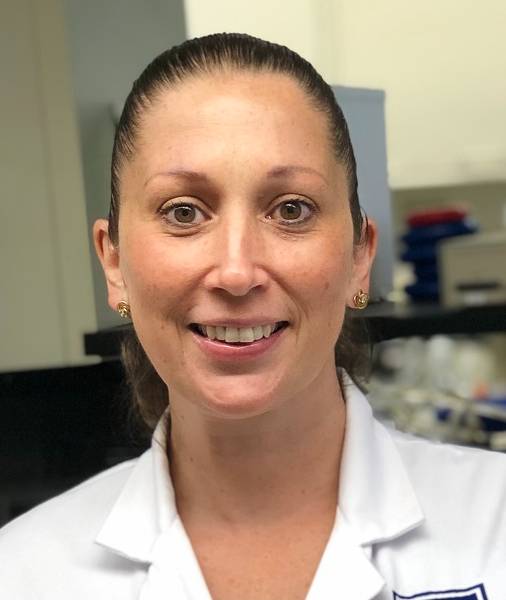
Fernanda Priviero is a Research Professor in the Department of Cell Biology and Anatomy at the University of South Carolina School of Medicine. Her research explores molecular mechanisms of vascular and urogenital dysfunction in hypertension, diabetes, heart failure, and aging. Key focuses include heat shock protein regulation, oxidative stress, calcium signaling, sexual dysfunction pathophysiology, vascular inflammation and sex differences in cardiovascular disease. Recent work investigates COVID-19 vascular complications, epigenetic hypertension inheritance, and ion channel modulation. Studies utilize preclinical models to examine phosphodiesterase inhibitors, TLR pathways, exosomal communication, and novel therapeutic targets for vascular and erectile dysfunction.
Tuuli Kukkonen is an Associate Professor in the Department of Family Relations & Applied Nutrition at the University of Guelph, housed within the College of Social & Applied Human Sciences. Her research focuses on sexual psychophysiology, particularly the interplay between biological and psychosocial factors in sexual health and aging. Dr. Kukkonen holds a PhD in Clinical Psychology from McGill University and has conducted groundbreaking work establishing thermography as a tool to measure sexual arousal. She leads a thermography laboratory funded by the Canadian Foundation for Innovation, examining sexual functioning in both healthy and clinical populations. Education: PhD in Clinical Psychology (McGill University, 2010), pre-doctoral internship at McGill University Health Centre’s Sex and Couple Therapy Service and Psychosocial Oncology Department. Research interests include sexual health across the lifespan, aging, and innovative measurement techniques like thermography. Her work bridges clinical psychology and biomedical research, addressing gaps in understanding sexual health among older adults and clinical populations such as cancer patients. Teaching responsibilities include courses on human sexuality, couple/family relationships, and counseling. Grants/Awards: Canadian Foundation for Innovation funding (2020) to establish the thermography lab. Her research has been featured in interdisciplinary journals, addressing topics from sexual arousal physiology to digital learning tools in STEM education. Lab/Teams: Director of the thermography lab at University of Guelph, collaborating with interdisciplinary teams on sexual health innovation and clinical applications.
Marta Vasconcelos is an Assistant Professor at the Faculty of Biotechnology, Universidade Católica Portuguesa (UCP) and Deputy Director of the Centre for Biotechnology and Fine Chemistry (CBQF). She holds a PhD in Biotechnology from Universidade Nova de Lisboa and has extensive international experience, including research at the Children's Nutrition Research Center (Baylor College of Medicine, USA). Her primary roles include teaching, research coordination, and leadership in EU-funded projects such as RADIANT (2021-2025) and COUSIN (2024-2029). She is also a Visiting Researcher at the University of Porto and an active member of the International Plant Nutrition Council. Her research focuses on crop diversification, legume-based systems, plant nutrition, and genetic resources. Key projects address sustainability challenges, such as valorizing underutilized crops and improving resilience to climate change. She has supervised/co-supervised 14 PhD students and collaborated with 283 researchers globally. Notable achievements include 16 awards, including the Best Poster Award at the XIX Plant Nutrition Colloquium. Education: BSc in Biology (Universidade de Lisboa, 2000), PhD in Biotechnology (Universidade Nova de Lisboa/International Rice Research Institute, 2003). Active grants include Horizon Europe and H2020 projects, with a focus on legume valorization (e.g., legumES, LAND).
Johan Braeckman is an Unpaid Guest Professor at the Faculty of History, Archeology, Arts, Philosophy and Ethics at Vrije Universiteit Brussel (VUB). His research focuses on prostate cancer treatment, urological conditions, and medical ethics, with notable contributions to clinical trials and patient quality-of-life studies. He has participated in high-impact projects such as the ANI149 Phase I immunotherapy study for high-risk prostate cancer patients. Research Interests: Prostate Cancer Therapy (Hormone Therapy, Clinical Trials) Benign Prostatic Hyperplasia Management Body Image in Cancer Patients Bladder Cancer Chemoprevention Activities: Active public speaker on urological topics (e.g., prostate biopsies, erectile dysfunction) and organizer of academic events like the MOVUB Summer Symposium. Collaborates with multidisciplinary teams in oncology and medical ethics. Grants/Projects: Led the ANI149 project (2015-2019) investigating RNA-based immunotherapies. Co-authored over 45 publications with 1964 total citations and an h-index of 15.
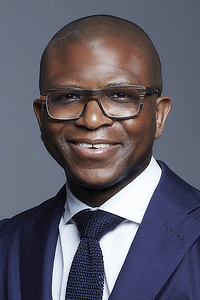
Ehimen Aneni, MD, MPH, is an Assistant Professor of Medicine in the Department of Cardiovascular Medicine at Yale School of Medicine. She is actively engaged in clinical care and research focused on cardiometabolic health, obstructive sleep apnea, and cardiovascular disease. Education: MD, University of Ibadan, Medicine (2004) MPH, Boston University, Epidemiology & Global Health (2012) Postdoctoral Fellow, Baptist Health South Florida (2015) Resident, Mount Sinai Medical Center (2018) Clinical Fellow, Yale University School of Medicine & Yale-New Haven Hospital (2021) Dr. Aneni's research centers on understanding the mechanisms linking obstructive sleep apnea (OSA) and cardiovascular disease (CVD), particularly focusing on coronary microvascular dysfunction and abnormal myocardial flow reserve. Her work has revealed strong associations between OSA and subclinical cardiovascular pathology, with findings published in leading journals including JACC, Circulation, and JAHA. She has also contributed significantly to literature on cardiometabolic risk in non-alcoholic fatty liver disease and workplace wellness interventions. Her recent publications highlight a growing emphasis on sleep-disordered breathing as a driver of myocardial dysfunction and heart failure. The 2025 study on ventricular myocardial blood flow underscores the prognostic value of imaging biomarkers in sleep-disturbed populations. Her earlier meta-analyses have shaped understanding of ideal cardiovascular health metrics and erectile dysfunction as cardiovascular risk markers. Scientific Awards: Doris Duke Funds to Retain Clinical Scientists at Yale YCCI Scholar Dr. Aneni is an active member of the American College of Cardiology and serves as a reviewer for the European Heart Journal. She collaborates with key Yale researchers including Henry Yaggi, Albert Sinusas, and Erica Spatz. Her work is supported by institutional recognition and funding, reflecting her role as a rising leader in clinical and translational cardiovascular research. She is also affiliated with the Janeway Society and contributes to peer review and academic discourse in her field.
Christer André Jensen is a Researcher at the Department of Health Sciences Ålesund, Norwegian University of Science and Technology (NTNU). He also serves as an Innovation Advisor at Helse Møre og Romsdal HF, bringing together his expertise in clinical medicine and medical physics to advance healthcare innovation. His work bridges academic research and practical healthcare applications, with a strong focus on improving radiotherapy techniques and digital health services. Dr. Jensen completed his PhD at NTNU, focusing on breath hold radiotherapy for breast cancer. Prior to his doctoral studies, he obtained his physics degree from NTNU in 1997. His early career included work at the Cancer Clinic at Helse Møre og Romsdal HF starting in 2001. He is recognized as a subject matter expert in Telemedicine within Helseplattformen. Dr. Jensen's primary research interests focus on breast cancer radiotherapy , particularly deep inspiration breath-hold (DIBH) techniques that reduce radiation exposure to the heart during treatment of left-sided breast cancer. His COBRA-study followed 250 patients to assess long-term damage from breast cancer radiotherapy. He has also investigated prostate cancer radiotherapy techniques and outcomes, including studies on rectal dose variations and erectile dysfunction following treatment. Earlier in his career, he explored ultraviolet radiation effects and plant circumnutations without gravity . His expertise spans medical physics , radiation therapy technology development , and digital health services . Analysis of Dr. Jensen's publication record reveals a strong focus on improving precision in radiation therapy. His research demonstrates a progression from fundamental physics investigations to clinically applied research, with particular emphasis on developing and validating techniques that minimize radiation exposure to healthy tissues. The majority of his recent work centers on breast and prostate cancer radiotherapy, with significant contributions to understanding motion management during treatment (particularly through breath-hold techniques) and the relationship between radiation dosing and patient outcomes. His interdisciplinary approach combines medical physics, clinical oncology, and technology development to address practical challenges in radiation therapy. Dr. Jensen is recognized for his expertise in several key areas: Digital home monitoring systems Digital health services Expertise in team innovation Project management Statistics Radiation physics Research management Organization of social and health services As an Innovation Advisor at Helse Møre og Romsdal HF, Dr. Jensen leads initiatives that translate research into practical healthcare solutions. His work on the COBRA-study demonstrates his commitment to understanding long-term patient outcomes following cancer treatment. While the publication record doesn't explicitly mention grant funding, his involvement in multi-center studies suggests participation in collaborative research projects that likely involved external funding. His dual affiliation with NTNU and Helse Møre og Romsdal HF enables him to bridge academic research with clinical implementation. Dr. Jensen has developed specialized technology for radiation therapy, including a laser distance meter system for monitoring deep inspiration breath-hold during breast cancer radiotherapy. His work demonstrates a practical approach to solving clinical challenges through technology development and validation. As a subject matter expert in Telemedicine within Helseplattformen, he contributes to shaping digital health services across the Norwegian healthcare system.
Peter Zvara is a Professor at the University of Southern Denmark and an Adjunct Professor at the University of Vermont, specializing in Experimental Surgery and Urology. He leads research in lower urinary tract dysfunction, erectile dysfunction, prostate disease, and neuro-urology, with a focus on translational research and animal models. MD and PhD from Comenius University Former head of basic research in functional urology at the University of Vermont (1995–2015) Active collaborator in developing animal models for urological diseases His research spans neuromodulation therapies for overactive bladder, neurogenic bladder dysfunction in multiple sclerosis, and minimally invasive prostate cancer treatments. Key trends include rodent surgery, functional MRI applications, and urodynamic studies. Current activities involve teaching microsurgical techniques and lecturing on benign urology. He supervises students like Patric Clarke and Sunny Hutson.
Dr. Hayley B. McBain is an Associate Professor in the Department of Mental Health Nursing at City, University of London, School of Health Sciences. With over 15 years of academic research experience, her work focuses on improving self-management strategies for patients with chronic conditions, particularly at the intersection of physical and mental health. She has developed innovative patient-initiated care models that empower individuals with chronic illnesses to take greater control of their treatment. Dr. McBain's primary research interests include chronic disease self-management (particularly for rheumatoid arthritis, psoriatic arthritis, and diabetes), integration of care for people with severe mental illness, telehealth interventions, and quality of life assessment. Her work consistently emphasizes patient-centered approaches that address both physical and psychological aspects of chronic conditions. She has made significant contributions to understanding barriers and facilitators to effective self-management across various patient populations. Her publication record shows a clear trajectory toward increasingly complex interventions that bridge physical and mental healthcare. Recent work has focused on patient-initiated treatment models for neurological conditions like blepharospasm and hemifacial spasm, while maintaining her longstanding interest in diabetes management for people with severe mental illness. Her research employs diverse methodologies including randomized controlled trials, systematic reviews, and qualitative approaches to capture comprehensive patient experiences. Dr. McBain has supervised numerous doctoral students and collaborated extensively with clinical teams across London hospitals. Her work has influenced clinical practice guidelines, particularly in rheumatology where her patient-initiated self-monitoring service model has been adopted in several NHS settings. She regularly presents her findings at international conferences and contributes to policy discussions about integrated care models.
James Eastham serves as Professor of Urology within the Surgery department at Memorial Sloan Kettering Cancer Center (MSKCC), specializing in prostate cancer surgical management and active surveillance protocols. His clinical role as Chief Attending underscores his leadership in urologic oncology. His research focuses on prostate cancer biomarkers , surgical outcomes optimization , and advanced imaging techniques for recurrence detection. Key areas include PSA monitoring dynamics, MRI-guided biopsy decision-making, and post-prostatectomy rehabilitation. His work bridges clinical practice with translational research, emphasizing patient-centered outcomes in radical prostatectomy recovery and sexual health preservation. Analysis of his 2025 publications reveals strong emphasis on prostate cancer screening refinement , minimally invasive surgical innovation , and evidence-based guideline development . His team frequently investigates biomarker validation (particularly PSA kinetics), imaging protocol enhancements for metastasis detection, and quality-of-life metrics following androgen deprivation therapy. Eastham maintains extensive collaborative networks with prominent researchers including Scardino (256 co-publications), Vickers (127), and Touijer (84), reflecting his central role in MSKCC's urologic oncology ecosystem. His work appears predominantly in high-impact journals including Journal of Urology (80 publications), European Urology (55), and BJU International (45). His clinical leadership drives protocol development for active surveillance programs and postoperative care pathways. Current projects focus on wearable rehabilitation technology (e.g., TechRing device), PSMA PET/CT optimization, and testosterone therapy safety in prostate cancer survivors.
Brian K. McNeil, MD, MBA, FACS, serves as Associate Dean for Clinical Affairs and Clinical Associate Professor of Urology at SUNY Downstate Health Sciences University. He holds dual leadership roles as Vice Chair of the Department of Urology and Senior Staff Urologist at University Hospital at Downstate. Previously, he directed the Urology Residency Program. His work focuses on reducing healthcare disparities in underserved Brooklyn communities through initiatives promoting diversity in medical training and global health equity. Education & Training: MBA (2017–2019): Stern School of Business, New York University MD (1997–2001): University of Pittsburgh School of Medicine BS Biology (1993–1997): Morehouse College Fellowship in Urologic Oncology (2009–2010): Memorial Sloan Kettering Cancer Center Research Fellowships (2005–2009): Johns Hopkins Hospital & National Cancer Institute Residency/Chief Residency (2001–2007): Loyola University Medical Center Research Focus: Dr. McNeil investigates healthcare disparities in urological oncology, urinary biomarkers for bladder/renal cancers, and optimization of clinical protocols in resource-limited settings. His research integrates socioeconomic factors with clinical outcomes to address inequities in cancer diagnosis and treatment. Publication Trends: His 50+ publications emphasize urologic oncology innovations, surgical outcomes, biomarker development, and healthcare disparities. Recent work explores pandemic-era urology practice and physician burnout, reflecting his dual clinical and administrative expertise. Academic Leadership: As Associate Dean, he oversees the senior medical school curriculum and clinical enterprise strategy. He mentors residents and develops programs to enhance diversity in urology training.
Giorgio Franco is a Full Professor of Urology at Sapienza University of Rome, where he serves as Director of the Urology Department at Policlinico Umberto I hospital. He has held academic positions since 1988, progressing from Researcher to Associate Professor (2001-2021) and Full Professor (since 2021). His career spans clinical practice, research, and teaching across urology, with special expertise in robotic surgery, male infertility, andrology, and urological oncology. His research interests encompass robotic and laparoscopic urological surgery, male infertility treatments including micro-TESE procedures, penile prosthetics, prostate and bladder cancer diagnostics and management, and testicular tumor conservation techniques. He has pioneered techniques in testis-sparing surgery for small testicular masses and developed innovative approaches in penile curvature correction and urethral reconstruction. With over 142 indexed publications in Scopus, accumulating more than 2,942 citations and an h-index of 30, his recent work focuses on robotic partial nephrectomy techniques, contrast-enhanced ultrasound applications in bladder cancer detection, penile prosthesis outcomes, and diagnostic approaches for prostate cancer. His research demonstrates consistent innovation in minimally invasive techniques and evidence-based urological practice. Riconoscimento della Jordanian Society for Fertility and genetics (multiple years) Ambasciatore dell'Andrologia (2018) Miglior poster at EAU 2018 Copenhagen Premio 'Top-Andrology' (1999) President of the Italian Society of Andrology (2013-2016) As an educator, Professor Franco has coordinated integrated pathology courses, directed master's programs in robotic urological surgery, and supervised countless medical students and residents. His surgical expertise is evidenced by over 1,600 procedures as lead surgeon in the last five years, including complex robotic prostatectomies, nephrectomies, and penile prosthetic implants. He has organized more than 25 national and international congresses and courses throughout his career, significantly contributing to urological education and knowledge dissemination.
Stefano Salciccia is an Associate Professor at Sapienza University of Rome's Faculty of Medicine, Department of Maternal-Infant and Urological Sciences. With over 20 years of clinical and research experience since his medical graduation in 2003, he specializes in urological oncology with particular focus on prostate cancer diagnostics and treatment strategies. His academic journey includes specialization in Urology (2008), PhD in New Technologies in Surgery (2012), and National Scientific Qualification as Professor of II Fascia (2014). Dr. Salciccia's research spans multiple critical areas in urological oncology, with primary emphasis on prostate cancer. His work investigates the application of multiparametric MRI for optimizing diagnostic pathways, nerve-sparing surgical techniques, and management of biochemical recurrence. He has made significant contributions to understanding the neuroendocrine system's role in prostate cancer progression and developed innovative approaches for urinary continence rehabilitation after radical prostatectomy. His research integrates clinical practice with laboratory investigations, particularly examining inflammatory pathways in prostate tissue and evaluating herbal compounds like Serenoa repens. Analysis of his 15 most recent publications reveals a consistent focus on improving diagnostic accuracy while minimizing patient morbidity. His work bridges imaging technology (particularly multiparametric MRI), biomarker development (PCA3 test), and clinical decision-making algorithms. A notable trend is his emphasis on multidisciplinary approaches to prostate cancer management, reflected in his leadership of the Prostate Cancer Unit at Policlinico Umberto I since 2010. Best Poster Award, European Association of Urology (EAU-Paris 2012): 'Is prostate biopsy still necessary?' Best Poster Award, European Association of Urology (EAU-Paris 2012): 'Use of multiparametric MR with neurovascular bundle evaluation' Winner of Excellence Research Award, Sapienza University 2011: 'Evaluation of inflammatory factors in continuous lines of prostatic cells lncap and PC3 and in primary cultures of cells derived from prostate adenocarcinoma' As an active member of the Prostate Cancer Unit since 2010, Dr. Salciccia coordinates multidisciplinary care involving radiologists, radiotherapists, oncologists, and pathologists, managing approximately 550 patients annually including 100 prostate cancer cases. He has participated in multiple international clinical trials including ZOMETA, BIOXELL, and POSEIDON studies. His teaching activities include seminars for nursing students and instruction in integrated pathology courses focusing on urology. Dr. Salciccia leads the Prostate Cancer Unit at Policlinico Umberto I-University 'La Sapienza' of Rome, which operates as a multidisciplinary center for comprehensive prostate cancer management from diagnosis through medical and surgical therapy to oncological and functional follow-up. The unit evaluates approximately 550 patients annually, performs 250 multiparametric MRIs, conducts 200 prostate biopsies, and performs 40 radical prostatectomies per surgeon annually. In 2015, he authored the multidisciplinary guidelines for prostate cancer management at this institution.
Dr. Denise Asafu-Adjei is an Assistant Professor in the Department of Surgery-Urology at the University of Chicago. Her academic work spans urology, reproductive medicine, and interdisciplinary research in critical care and immunology. Primary Affiliation: University of Chicago, Department of Surgery-Urology Research Interests: Dr. Asafu-Adjei investigates male infertility, surgical outcomes for urological conditions, medical education dynamics (including residency attrition), and the intersection of urology with public health and cancer immunology. Her work on medical misinformation and prostate cancer therapies highlights her commitment to improving patient education and clinical decision-making. Publication Trends: Her publications (2008–2023) focus on urology (60%), cancer research (25%), and critical care (15%). Notable areas include varicocele management , penile prosthetics , metastatic breast cancer immunotherapy , and surgical complication analysis . While her early work (2008–2009) focused on basic microbiology and inflammation, recent studies (2023) emphasize systemic issues in male reproductive health and surgical training.
Mohit Khera, M.D., M.B.A., M.P.H., is a Professor in the Scott Department of Urology at Baylor College of Medicine. He serves as Director of the Laboratory for Andrology Research at McNair Medical Institute and Medical Director of Baylor's Executive Health Program. A board-certified urologist, Dr. Khera specializes in male infertility, sexual dysfunction, and testosterone deficiency in aging men. Education: BS from Vanderbilt University (1993) MD from University of Texas Health Science Center (2000) MBA and MPH from Boston University (1995-1996) Dr. Khera's research focuses on Peyronie’s disease (e.g., botulinum toxin efficacy), post-finasteride syndrome genetics, and testosterone replacement therapy. His clinical interests include men's health, urologic prosthetic surgery, and penile rehabilitation after prostatectomy. His publications primarily address testosterone therapy, sexual dysfunction, and hormonal interventions in urology. Key trends include pharmacokinetics of testosterone delivery systems, comorbidities in aging men, and outcomes in prostate cancer patients undergoing hormone therapy. Scientific Awards: Cullen Research Award (2004) Traveling Fellowships (2004-2005) Scholars Award (2006-2007) Houston's Best Doctors (2008) Basic Science Award (2009) Dr. Khera is affiliated with organizations like the Sexual Medicine Society of North America, American Urological Association, and Indian Doctors Association of Houston. His work bridges clinical practice with translational research in male reproductive health.
Dr. James Kashanian is an Assistant Professor of Urology and Reproductive Medicine at Weill Cornell Medical College, and serves as Director of Male Sexual Health and an Assistant Attending Urologist at NewYork-Presbyterian Hospital, Cornell Campus. He specializes in male reproductive medicine and sexual health, with a focus on helping adolescent and adult males with infertility, low testosterone, and sexual dysfunction. Dr. Kashanian's clinical and research interests include: Erectile dysfunction and penile prosthetic surgery Men's health and wellness Fertility preservation in cancer patients Male reproductive medicine and microsurgery His extensive publication record demonstrates a strong focus on Peyronie's disease, varicocelectomy outcomes, male infertility, and sexual dysfunction. Recent research has explored topics such as collagenase injection for Peyronie's disease, microsurgical varicocelectomy effects on sperm function, predictors of sperm concentration improvement, and genetic aspects of male infertility including AZFc microdeletions and Klinefelter syndrome. His work often addresses practical clinical questions with implications for improving patient care in male reproductive medicine. Dr. Kashanian is actively involved in professional organizations including the American Urological Association (AUA), the Sexual Medicine Society of North America (SMSNA), the American Society for Reproductive Medicine (ASRM), the American Society of Andrology (ASA), and the American Society for Men's Health (ASMH). He completed his medical degree from Temple University School of Medicine, followed by general surgery and Urology residency training at Maimonides Medical Center in Brooklyn, NY.