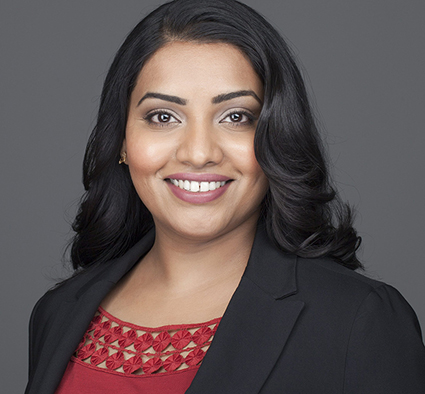
Vyshali Manivannanمشاهده پروفایل
استادیار
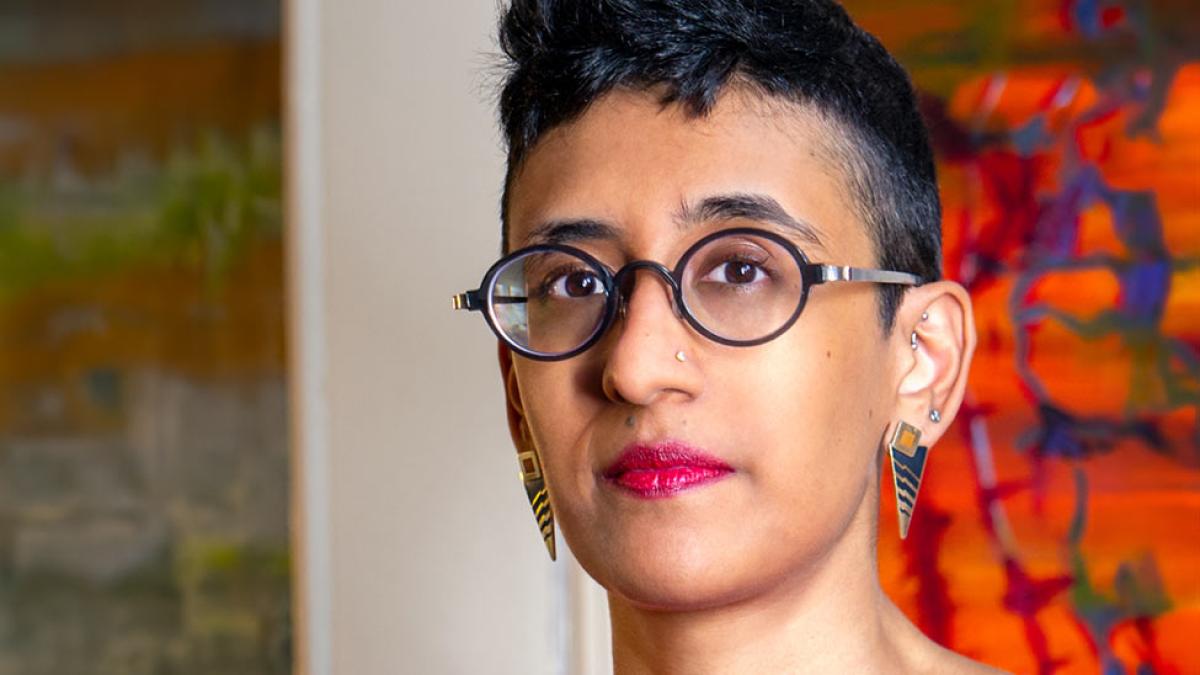
Vyshali Manivannan is an Assistant Professor in the Department of English, Writing, and Cultural Studies at Pace University – Pleasantville , within the Dyson College of Arts and Sciences . She holds a PhD in Communication, Information, and Media from Rutgers University, an MFA in Fiction Writing from Columbia University, and a BA in English from Dartmouth College. PhD : Rutgers University (2022) MFA : Columbia University (2007) BA : Dartmouth College (2005) Her research centers on disability studies, chronic pain, digital multimodal composition, intergenerational trauma , and decolonial praxis . She uses methodologies such as fictocritical autoethnography , digital repair play , and code-meshed transgenre writing to challenge academic ableism and Eurocentric rhetorical norms. Her work emphasizes accessible, socially just futures and critiques the biomedical complex and generative AI. Her recent publications and presentations explore topics like generative AI refusal, carework during the pandemic, and diasporic-disabled embodiment . Trends in her work show a consistent focus on the intersection of identity, technology, and marginalization , particularly through the lens of Eelam Tamil diaspora and chronic illness. Selected awards and honors include: Michelle Kendrick Award for Outstanding Digital Production/Scholarship (2023) Technology Innovator Award (2023) Rutgers Distinguished Scholarly Achievement Award (2023) Kairos Award for Graduate/NTT Faculty (2022) Pace LGBTQA+ Educator of the Year (2021) She is deeply committed to advising, accessible pedagogy, and institutional change. She directs the Writing-Enhanced Course (WEC) program and has received grants and recognition for her equity-focused teaching initiatives. Her Equitable Labor Statement and Enacting a Culture of Access address systemic inequities in academia. Dr. Manivannan is actively involved in disability justice movements and maintains an open-access digital portfolio. She co-edited a special issue on Carework and Writing During COVID and advocates for universal design, anti-ableist rhetoric, and accessible scholarship. Her lab is not a physical space but a conceptual and digital one centered on accessible composition, radical pedagogy, and social justice praxis .