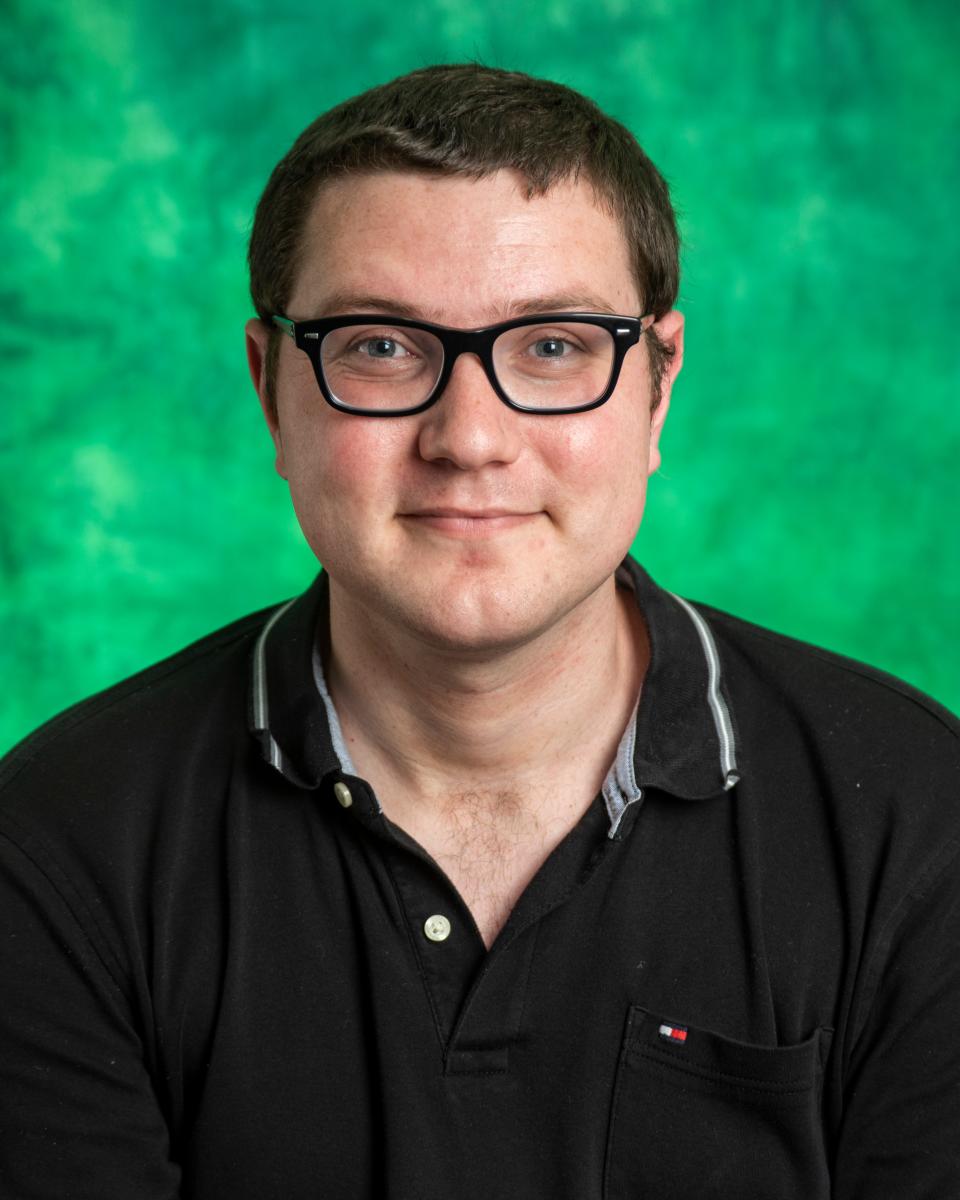
Dr. Lana Parker is an Associate Professor in the Faculty of Education at the University of Windsor. She holds a PhD in Language, Culture and Teaching from York University. Her research focuses on relationality in education, meaning-making processes, critiques of neoliberalism in educational systems, and the development of ethically-informed pedagogical practices. Dr. Parker has extensive teaching experience in both elementary and post-secondary settings, emphasizing equitable outcomes for all students. Education background: Doctor of Philosophy (Education), York University. Teaching roles include undergraduate and graduate courses within the Faculty of Education, though specific course titles are not listed. No major awards or funded grants are explicitly detailed in the provided information.
Miyuki Hino is an Assistant Professor in the Department of City and Regional Planning and an Adjunct Assistant Professor in the Environment, Ecology, and Energy Program at the University of North Carolina at Chapel Hill. She holds a Ph.D. in Environment and Resources from Stanford University and a B.S. in Chemical Engineering from Yale University. Her research focuses on climate hazards, governance, and public policy , with emphasis on equitable adaptation to climate change. Key areas include sea level rise impacts, flood risk on property markets, and managed retreat strategies. She has conducted extensive work on floodplain development policies, household relocation programs, and community resilience frameworks. Dr. Hino's interdisciplinary approach integrates environmental science, urban planning, and social equity . She collaborates with academic and municipal partners, such as the Center for Urban and Regional Studies and Annapolis, MD local governments, to develop actionable solutions for climate adaptation. Her work bridges technical analyses (e.g., sensor networks, machine learning) with policy design to ensure both effectiveness and justice in climate responses. Recent projects emphasize preventing future 'trapped households' by analyzing zoning policies and market dynamics that drive risky development. She advocates for climate-smart growth strategies to balance economic needs with environmental safety, while addressing disparities in vulnerability across communities. Her research has been featured in Science Advances , Nature Climate Change , and interdisciplinary journals. She actively engages with policymakers to translate findings into practical measures, such as equitable buyout programs and floodplain management reforms.
Dr Adam Ritchie serves as a Senior Vaccinologist at the University of Oxford's Jenner Institute and Lecturer in Human Science at St Catherine's College. His work focuses on translating academic vaccine research into real-world impact through the development, manufacture, and clinical testing of candidates for rabies, Epstein-Barr virus (EBV), and SARS-CoV-2. Education: Holds a BSc, PhD, and Fellow of the Higher Education Academy (FHEA) qualification. His research spans vaccine development, clinical trial design, regulatory affairs, and public policy through Vax-Hub Global. Key interests include adenovirus-vectored platforms, scalable manufacturing processes, and addressing global health challenges in resource-limited settings. Analysis of his 2020-2025 publications reveals a cohesive research trajectory centered on ChAdOx1-vectored vaccines. Dominant themes include prime-boost regimens, intranasal delivery systems, cost-effectiveness modeling for low-income countries, and material science applications for vaccine stabilization. His work bridges laboratory innovation with implementation science, particularly in rabies prophylaxis and pandemic response. Ritchie actively contributes to the Douglas Research Group at the Jenner Institute and global vaccine initiatives through Vax-Hub. His collaborative work appears in high-impact journals including The Lancet, Nature Medicine, and Vaccine, with emphasis on clinical translation and equitable vaccine access.
Dr. Maud Borie is a Senior Lecturer in Environment, Science & Society at King’s College London’s Department of Geography, within the School of Global Affairs. Her work bridges Human Geography and Science and Technology Studies (STS), focusing on biodiversity governance, environmental policy, and green finance. She holds a PhD from the University of East Anglia and has held visiting fellowships at Harvard Kennedy School. Borie’s research explores the politics of environmental knowledge and its societal implications, including nature-based solutions and green finance mechanisms. She has contributed to global initiatives like the Intergovernmental Platform on Biodiversity and Ecosystem Services (IPBES) and co-founded the Mediterranean Alliance for Wetlands. Her recent projects include analyzing green finance’s reliance on scientific legitimacy and mapping resilience strategies in cities. She teaches courses on environmental policy, qualitative methods, and geographies of financialization. Borie has been awarded grants for interdisciplinary projects such as ‘deep listening with machines for equitable environmental futures’ and ‘forestscapes’ immersive soundscapes. Her research outputs span over 18 peer-reviewed articles, with topics ranging from climate change framing to urban resilience in the Global South. Awards: Planetary-scale interpretation (2023), Rethinking environmental policy (2022), Forestscapes collaboration (2023) Grants: Creative Collaboration Seed Fund (2023), EU/PEARL disaster resilience projects Labs/Teams: KingsCAT (Social Media Research), Political Ecology, Biodiversity & Ecosystem Services (PEBES) group
Nebiyou Tilahun is an Associate Professor and Director of Graduate Studies in the Department of Urban Planning and Policy at the University of Illinois at Chicago (UIC), within the College of Urban Planning and Public Affairs (CUPPA). He leads the Mobility Urban Systems and Equity Lab , focusing on equitable transportation solutions. His roles include teaching courses such as Transportation Planning Methods, Spatial Statistics, and Plan Making Studio. Dr. Tilahun holds a PhD in Civil Engineering from the University of Minnesota (2010), with earlier degrees in Civil Engineering (B.Sc., 2001; M.Sc., 2005). His career includes post-doctoral research at UIC’s Urban Transportation Center and the University of Minnesota’s Humphrey School of Public Affairs, as well as professional experience at the Washington State Department of Transportation. Research Interests : His work bridges transportation equity, urban planning, and policy evaluation. Key areas include: Transport accessibility and equity Automated traffic enforcement (e.g., speed/red-light cameras) Social networks and travel behavior Disability and mobility challenges Intergenerational poverty and spatial mobility Recent Research Trends : His publications emphasize equity in urban systems, such as analyzing racial disparities in traffic stops, evaluating automated camera efficacy, and exploring how residential choices shape young adults’ travel patterns. He also investigates transit accessibility gaps in Chicago and the role of technology in urban informatics. Labs/Teams : Directs the Mobility Urban Systems and Equity Lab, which develops tools like the Chicago Accessibility Explorer to visualize transit equity. Collaborates on projects like Seeing Cities Through Big Data , applying data science to urban planning challenges. Grants/Advising : While specific grants are not detailed here, his lab’s work implies funding in transportation equity and technology. No advisees are listed in the provided materials.
David Ashmore is a Lecturer in Engineering Economics at the University of Southampton, specializing in transport sector reform, infrastructure procurement, service contract franchising, and public policy. He has over 30 years of international experience working with engineers, policymakers, regulators, and multilateral donors across the UK, Europe, India, the Americas, Africa, and Asia-Pacific regions. Transport Economics Infrastructure Procurement Public-Private Partnerships Policy Analysis His recent research explores sustainable mobility transitions, including ride-hailing dynamics in Indian cities, hydrogen truck adoption in Australia, and equitable infrastructure systems amid rapid urbanization. He emphasizes multistakeholder collaboration and policy innovation in transport reforms. Key publication trends focus on zero-emissions transportation, PPP challenges, automated planning tools, and formal-informal sector integration in developing countries. Articles span conference proceedings, journal articles, and policy-oriented outputs. David serves as a Visiting Research Fellow at the Technical University of Dresden and holds memberships in the Chartered Institute of Logistics and Transport and the Institution of Transportation Engineers. He actively supervises PhD students and leads global transport policy research initiatives.
Dr. Jennifer Katz serves as an Associate Professor in the Department of Educational and Counselling Psychology, and Special Education (ECPS) at the University of British Columbia's Faculty of Education. She joined UBC in July 2016 after previously holding an Associate Professor position in Inclusive Education at the University of Manitoba. Renowned for creating the Three Block Model of Universal Design for Learning (UDL), her framework is now implemented across Canadian school divisions to advance inclusive educational practices. Dr. Katz's research centers on inclusive education K-12 , social and emotional learning (SEL) , and mental health promotion in schools . Her work integrates the Three Block Model of UDL to address diverse student needs while emphasizing indigenous perspectives through extensive collaboration with First Nation elders and communities in Manitoba, Alberta, and Quebec. This intersectional approach reimagines inclusive education through reconciliation frameworks and culturally responsive practices. Analysis of her recent publications reveals consistent focus on mental health literacy programs for students with developmental disabilities, UDL's impact on academic achievement and teacher efficacy, and the integration of Indigenous knowledge systems. Her research bridges theory and practice through classroom-based interventions, cluster-randomized trials, and transformative learning frameworks that prioritize student well-being and social inclusion. Scientific Awards: No scientific awards were documented in the provided sources. Advising and Grants: While specific graduate students and research grants aren't detailed in the text, Dr. Katz's extensive publication record and community partnerships indicate active research leadership. Her work with school divisions across Canada suggests significant program implementation funding, though grant specifics remain unreported. Labs and Teams: Dr. Katz maintains critical partnerships with First Nation communities, embedding Indigenous knowledge into educational frameworks. Her Three Block Model implementation involves multi-school division collaborations nationwide, creating practitioner-researcher networks focused on inclusive classroom transformation.
Tanja Käser is a Tenure Track Assistant Professor at EPFL's School of Computer and Communication Sciences (IC), leading the Machine Learning for Education Laboratory (ML4ED). Her interdisciplinary research bridges machine learning, data mining, and educational technology, focusing on personalized learning systems and human behavior modeling. PhD in Computer Science (ETH Zurich, 2015) - honored with Fritz Kutter Award Former Senior Data Scientist at Swiss Data Science Center (ETH Zurich) Postdoctoral Researcher at Stanford University's Graduate School of Education Research Focus Explainable AI for education Adaptive learning environments Behavioral pattern recognition Generative AI applications in pedagogy User modeling and personalization Learning analytics in unstructured settings Recent Publication Trends Her 2024-2023 work demonstrates: Interpretable clustering of learners Transformer-based language learning prediction GAN applications for creative education Teacher-AI collaboration frameworks Explainability validation methods Modular network architectures Scientific Recognition Fritz Kutter Award for best Swiss computer science thesis (2015) Advising & Collaborations Currently supervises multiple PhD students including: Cock Jade Maï L Glandorf Dominik Güres Fatma-Betül Neshaei Seyed Parsa Radmehr Bahar Shibu Abhinand Shved Ekaterina Research Infrastructure Operates from EPFL's ML4ED laboratory with hybrid on-site and digital educational systems research capabilities.
Dr. Alice Earley is a Researcher at the UK Collaborative Centre for Housing Evidence (CaCHE) within the Division of Urban Studies and Social Policy at the University of Glasgow. Her work focuses on urban regeneration, gentrification, housing inequalities, and community enterprises. Prior roles include Research Fellow at UCL’s Bartlett School of Planning and Tutor in Urban Studies at the University of Glasgow. Education: PhD in Urban Studies (University of Glasgow, 2022) MRes in Urban Research (University of Glasgow) MSc in Urban Regeneration (Bartlett School of Planning, UCL) MA(Hons) in Geography (University of Edinburgh) Research Interests: Alice’s research explores debates on regeneration vs. gentrification, housing inequalities, community asset management, and urban governance. Her work emphasizes structural inequalities and the role of partnerships in policy processes. She advocates for equitable urban development through community-led initiatives and policy reforms. Teaching & Collaboration: At the University of Glasgow, Alice has taught courses on urban policy, public policy, and planning. She also contributed to teaching at UCL. Her collaborations include projects with CaCHE, the Scottish Government, and community organizations like BS3 Community Development. Current projects address housing policy in Scotland and England, including affordable housing strategies and private rented sector regulation. Labs/Teams: Affiliated with CaCHE and the Neighbourhoods, Welfare and Wellbeing Research Group at Glasgow’s Urban Studies department. Engaged in interdisciplinary collaborations across urban studies, public policy, and geography.
Ying Xu is an Assistant Professor at the Harvard Graduate School of Education (HGSE), specializing in the design of AI technologies to support children's language, literacy, STEM learning, and well-being. Her research emphasizes creating AI systems that act as interactive learning companions and language partners for children while fostering human-AI collaboration with educators and families. She holds a Ph.D. in Language, Literacy, and Technology from the University of California, Irvine, and previously served as an Assistant Professor at the University of Michigan from 2022 to 2024. Her work focuses on understanding how AI can complement human interactions, particularly through conversational agents integrated into media like books and educational TV programs. Collaborations include partnerships with PBS KIDS, GBH Education, and Sesame Workshop. Funded by organizations such as the National Science Foundation and Schmidt Futures, her research bridges developmental psychology, education, and human-computer interaction. Xu's studies highlight AI's potential for personalized learning while addressing ethical considerations like AI literacy and social impact. Key achievements include numerous best paper awards and recognition as an Early Career Interdisciplinary Scholar by SRCD. Her interdisciplinary approach involves designing technologies that reflect community values and linguistic/cultural diversity, ensuring equitable access to AI-driven educational tools. Xu advocates for balanced AI integration in children's lives, emphasizing the need for transparency about AI's limitations and the importance of maintaining human connections. She explores how AI can empower stakeholders (e.g., educators, parents) to co-create technologies tailored to their needs, ensuring AI serves as a complement—not replacement—for human interaction. Current projects investigate conversational AI's design principles, children's perceptions of AI, and strategies for fostering critical evaluation of AI-generated content. She also examines how AI affects social interactions and developmental processes, advocating for ethical guidelines to maximize benefits while mitigating risks.
Remko Van Hoek serves as Professor of Practice in the Department of Supply Chain Management at the Sam M. Walton College of Business, University of Arkansas. He teaches Sourcing and Procurement courses across undergraduate, master's, and doctoral programs. Prior to joining the University of Arkansas, Dr. Van Hoek held academic positions in Europe and served as a visiting professor at Cranfield School of Management, complemented by extensive industry experience as a supply chain and procurement executive at global corporations including Nike, PwC, and The Walt Disney Company. He currently serves on the Council of Supply Chain Management Professionals (CSCMP) Board of Directors and acts as executive director of the CSCMP Supply Chain Hall of Fame hosted by the Walton College. Dr. Van Hoek's research centers on digital transformation in procurement and supply chain management, with particular focus on blockchain implementation, artificial intelligence applications, and sustainable sourcing practices. His work investigates how emerging technologies reshape procurement processes, supplier relationship management, and risk mitigation strategies. He explores innovative approaches to supplier diversity programs, ethical sourcing frameworks, and the strategic evolution of procurement from cost reduction to value creation. His research consistently bridges academic theory with industry practice through case studies from major corporations, developing actionable frameworks for practitioners facing digital disruption and sustainability challenges. Analysis of his 15 most recent publications (2023-2025) reveals dominant themes in AI-driven supply chain risk prevention, blockchain implementation for transparency, and sustainable supplier engagement. His work demonstrates consistent industry collaboration, drawing from case studies at Walmart, Moet Hennessy, and Bayer to address post-pandemic resilience challenges. A significant portion examines procurement's strategic evolution beyond transactional functions, with recurring emphasis on ethical considerations in digital transformation and the practical implementation barriers for emerging technologies in global supply networks. As a Professor of Practice, Dr. Van Hoek integrates executive-level industry experience into curriculum development and student mentorship. His industry-engaged teaching model includes guest lecturer programs connecting students with supply chain practitioners, as evidenced by his co-authored work on integrating industry insights into supply chain education. While specific grant funding details are not publicly documented, his leadership in the CSCMP Supply Chain Hall of Fame demonstrates commitment to professional development and industry-academia knowledge transfer. Dr. Van Hoek directs the CSCMP Supply Chain Hall of Fame initiative, which documents transformative contributions to supply chain management through interviews with industry pioneers and historical case studies. This platform serves as both an educational resource for Walton College students and a professional development tool for supply chain practitioners globally. The Hall of Fame preserves critical industry knowledge while highlighting contemporary innovations in supply chain strategy and technology implementation.
Associate Professor Madeline Taylor is an Australian Research Council (ARC) Early Career Industry Fellow at Macquarie Law School and Co-Lead of the Energy, Communities, and Market Regulation Stream at the Transforming Energy Markets Research Centre. She specializes in socio-legal aspects of energy transition, focusing on regulatory frameworks, energy justice, and land-use conflicts between energy developers and communities. Her work bridges property law, commercial law, and comparative law to address challenges in renewable energy integration and resource governance. Affiliations: Honorary Associate at Sydney Environment Institute, Member of Sydney Institute of Agriculture Industry Partners: NSW Department of Primary Industries and Spark Renewables (FAARM Project) Research Interests: Energy law and policy, agricultural-legal synergies, renewable energy siting, and just transition principles. She co-edits the Oil, Gas and Energy Law Journal and contributes to the LexisNexis Energy and Resources Law in Australia . Recent Articles Highlight Key Themes: Offshore wind governance, agrivoltaics regulatory systems, hydrogen licensing, and energy justice frameworks. These works emphasize interdisciplinary approaches to balancing economic, environmental, and social dimensions of energy transitions. Awards: 2023 Lawyers Weekly Women in Law Academic/Researcher of the Year, 2024 AFR Higher Education Awards Finalist, Clean Energy Council Transformational Leadership Scholarship Teaching and Engagement: Embeds climate justice in commercial law education; advises governments and NGOs on energy policy. Active in RE-Alliance Management Committee and IUCN Climate Change Law initiatives.
Brian A. Primack is a Professor of Public Health with tenure at Oregon State University's College of Public Health and Human Sciences, serving as its dean since 2022. Previously, he was Dean of Education and Health Professions at the University of Arkansas and Dean of the Honors College at the University of Pittsburgh. His research focuses on social media's impact on mental health, including depression, anxiety, and loneliness. He has authored over 300 publications, including his book You Are What You Click , and secured over $10 million in federal research funding. Dr. Primack's research highlights both risks and opportunities of digital media. He emphasizes optimizing social media use through strategies like curating connections and mitigating negativity. His work intersects education, medicine, and public health, addressing disparities in health outcomes, such as those exacerbated during the pandemic. Notable awards include membership in the American Society of Clinical Investigation (2019) and the Next Big Idea Book Award shortlist (2021). His leadership philosophy prioritizes unlocking potential, fostering community trust, and advancing equitable health solutions. He oversees a college with nearly 2,400 students and $18 million in annual research funding, emphasizing community engagement and innovative scholarship.
Dr. Brady D. Lund is an Assistant Professor at the University of North Texas, focusing on interdisciplinary research at the intersection of information science, artificial intelligence, and ethics. His work addresses AI adoption in libraries, data privacy, academic integrity, and international development. He holds a Ph.D., M.S., and B.S. from Emporia State University and Wichita State University. Education: Ph.D., Emporia State University M.S., Emporia State University B.S., Wichita State University Research Interests: Dr. Lund explores how AI impacts information seeking behaviors, data privacy literacy, and library services. His work emphasizes ethical AI deployment in academic and clinical settings, with a focus on marginalized communities. Key areas include AI-driven library systems, blockchain applications for academic integrity, and the societal implications of generative AI. Research Trends: Recent publications analyze AI's role in health information, cybersecurity threat intelligence, and library leadership in minority-serving institutions. He critiques AI authorship policies, evaluates large language models, and advocates for equitable AI access in developing countries. Labs & Teams: Leads the Computational Humanities and Information Literacy Lab and the CyberCrews initiative, focusing on AI ethics, digital literacy, and interdisciplinary collaboration.
Prof. Dr. Birgit Eickelmann is a Professor of School Pedagogy at the Institute of Educational Science within the Faculty of Arts and Humanities at Paderborn University. She has held this position since October 2012, initially as a W2 professor until January 2014, and then as a W3 professor (full professor) from February 2014 onward. Her research focuses on school and lesson development in the digital age, school pedagogy under digital transformation conditions, empirical school research, teacher education, and school leadership with emphasis on digital learning leadership. Her educational background includes a habilitation in Educational Science in May 2012, a PhD in Educational Science with summa cum laude in July 2009, and state examinations for teaching Mathematics and Physics in December 1996 and January 1999. Prof. Eickelmann's research centers on the digital transformation of educational systems, particularly examining how schools develop digital competencies among students and teachers. Her work emphasizes equitable access to digital learning opportunities, the role of school leadership in digital transformation, and the development of computational thinking skills. She investigates how schools can become resilient in the face of digital challenges, with special attention to organizational factors that support successful digital integration. Her publication record reveals a strong focus on international comparative studies, particularly the IEA's ICILS (International Computer and Information Literacy Study) across multiple cycles (2013, 2018, 2023). Her research spans digital literacy assessment, school-level factors influencing digital competence development, and policy implications for educational systems undergoing digital transformation. Prof. Eickelmann leads several major research initiatives including the National Research Center for the IEA Study ICILS 2023 (2021-2026), the German coordination of the Horizon-2020 project 'DigiGen' (2019-2022), and previous leadership of ICILS 2018 (2015-2021) and ICILS 2013 (2012-2015). She is actively involved in policy advising regarding digital education in Germany. She is a member of numerous scholarly organizations including the World Educational Research Association (since 2021), the Society for Empirical Educational Research (since 2016), and the German Society for Educational Science (since 2014), among others. Her work bridges academic research with practical implementation in schools through projects like 'Navigator Bildung Digitalisierung' and 'schultransformNEXT'.