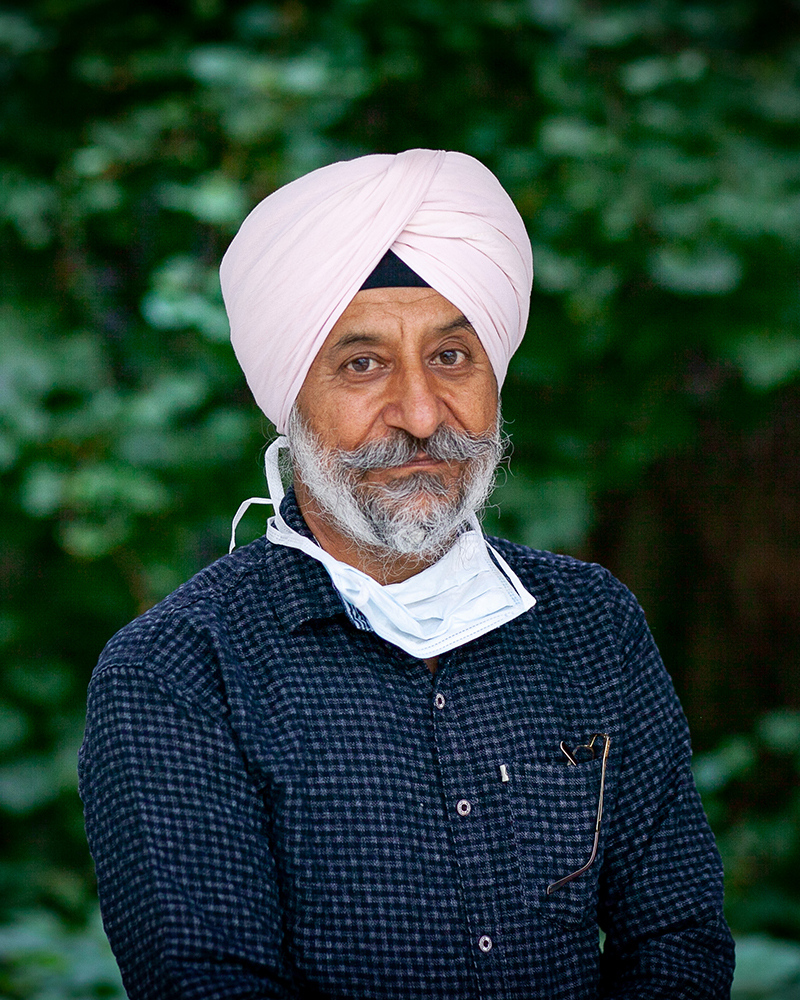
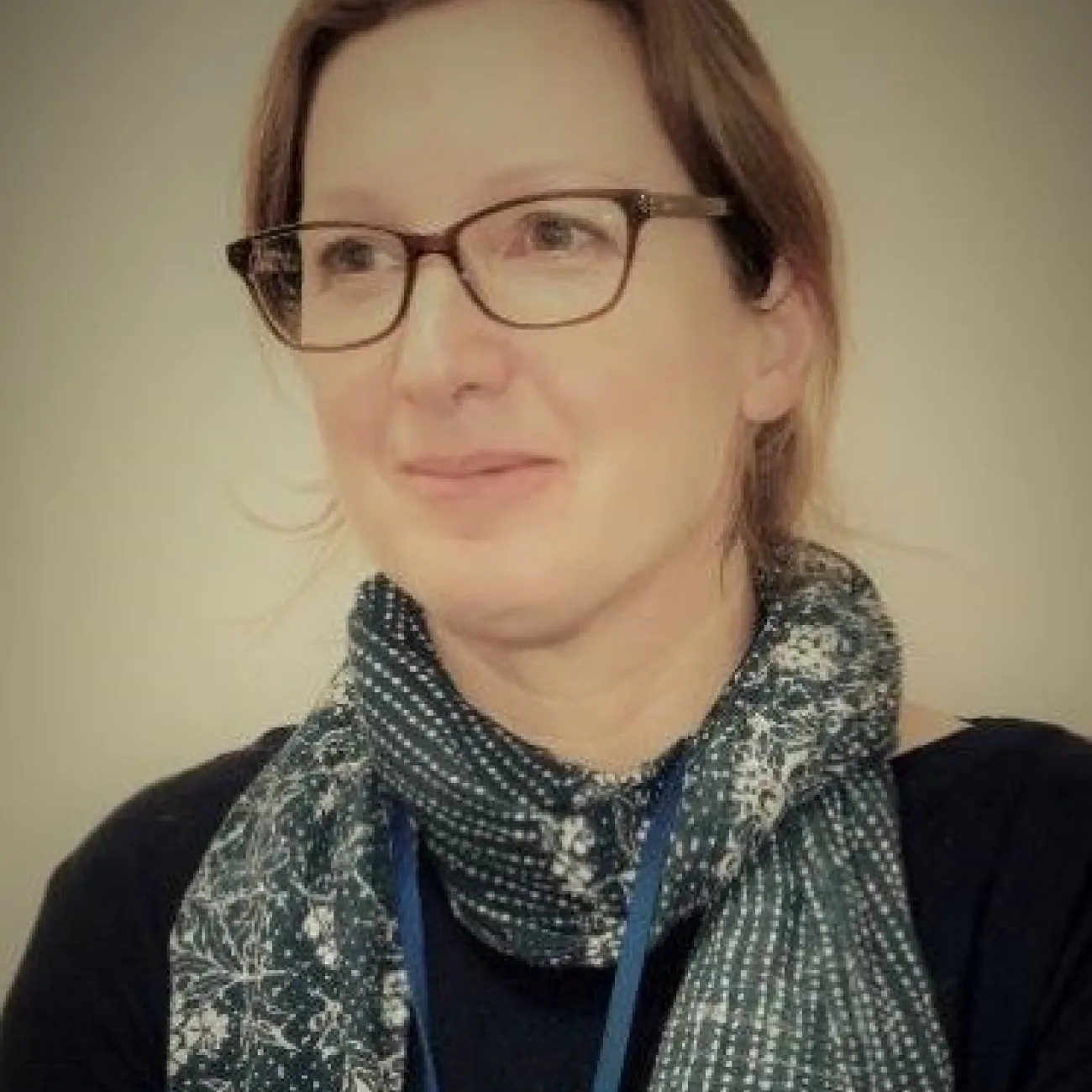
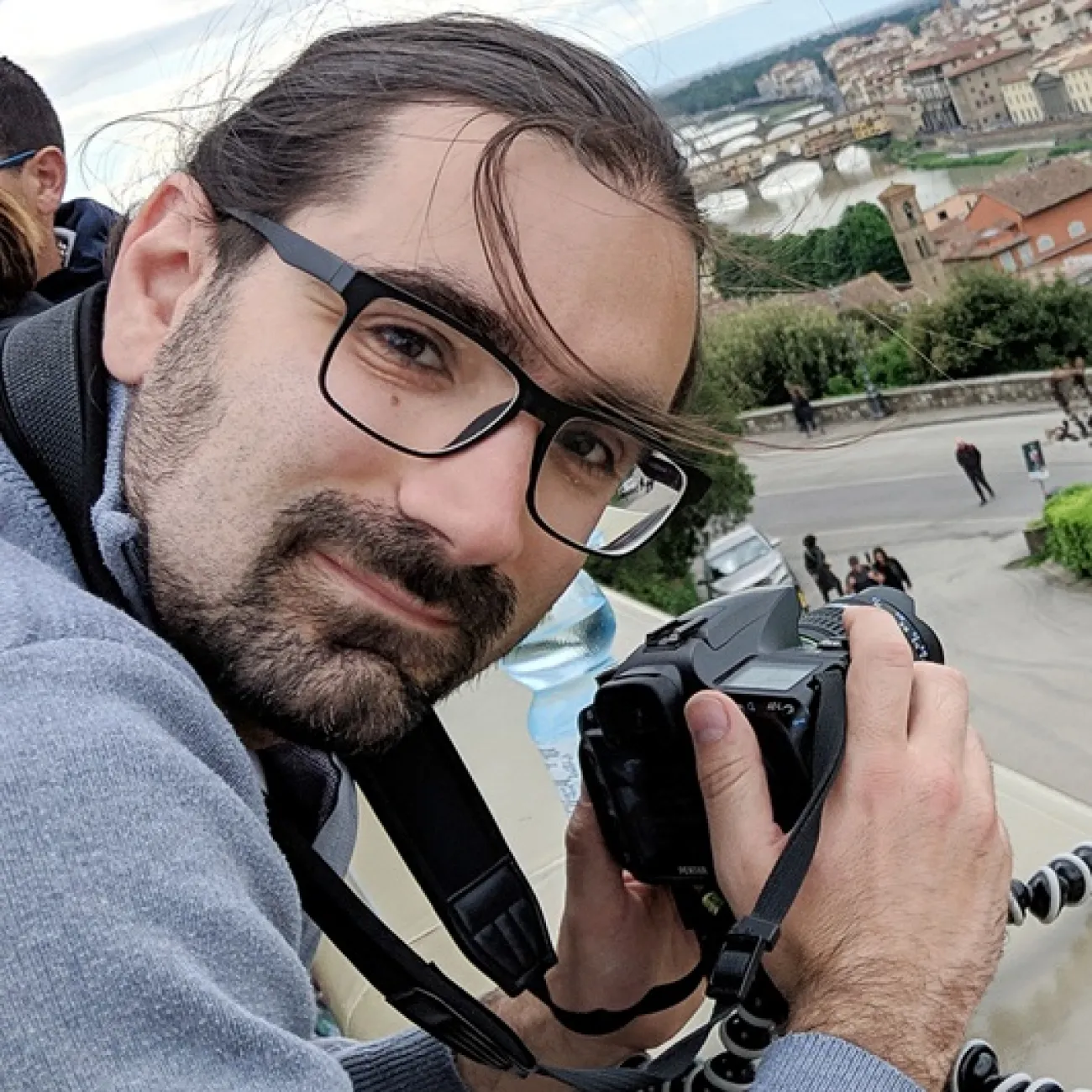
Scott Stanley is a Professor affiliated with the Martin Gatton College of Agriculture, Food and Environment at the University of Kentucky. He is associated with the Gluck Equine Research Center, a prominent institution within the college. His research focuses on equine health, encompassing areas such as genetics, immunology, infectious diseases, toxicology, and musculoskeletal studies. He also contributes to veterinary diagnostic services and genetic testing initiatives through the college's resources. His professional roles include academic leadership within the college, alongside colleagues like Dean Laura Stephenson, Ph.D. While specific publications or awards are not detailed in the provided text, his work aligns with the college's broader goals in advancing agricultural and veterinary sciences.
Prof. Dr. ir. Hans Heesterbeek is a full Professor of Theoretical Epidemiology at Utrecht University's Faculty of Veterinary Medicine. He holds a dual appointment in the Department of Farm Animal Health within the Population Health Sciences sector. His research focuses on the dynamics of infectious diseases at the intersection of biology, medicine, and mathematics, with emphasis on wildlife epidemiology and complex systems. He chairs Utrecht University's Committee for Research Integrity and has held leadership roles in departments like Animals in Science and Society. Education: MSc Phytopathology (Wageningen University, 1986), MSc Mathematics (University of Amsterdam, 1988), PhD in Mathematical Biology from Leiden University (1992) Affiliations: Editor-in-Chief of Epidemics journal, Senior Editor at Proceedings of the Royal Society B , Chair of ZonMw's Open Competition grant program Research interests include: Mathematical modeling of disease spread Ecological epidemiology of zoonotic pathogens Role of wildlife in disease transmission Historical analysis of epidemic understanding Key contributions: Co-developer of the R₀ reproduction number framework, foundational to global epidemiological modeling. Active in interdisciplinary work linking theoretical ecology to societal systems. Currently writing a book on the history of epidemic science. Grants: Vici laureate (€1.3M, 2005-2010). Organizes biannual Epidemics conferences. Advises on public health policy during outbreaks like the 2020 COVID-19 pandemic.
Dr. Mandi de Mestre is a Professor in the Department of Biomedical Sciences at Cornell University's College of Veterinary Medicine. As Director of the Baker Institute for Animal Health and holder of the Dorothy Havemeyer McConville Professorship of Equine Medicine, her research focuses on equine pregnancy biology, placental development, and fetal health. Director, Baker Institute for Animal Health Dorothy Havemeyer McConville Professor of Equine Medicine Affiliated with Cornell's College of Veterinary Medicine Her laboratory investigates: Molecular mechanisms of placental development Genetic causes of early pregnancy loss Congenital musculoskeletal disorders in Thoroughbreds Non-invasive diagnostics for fetal health Comparative studies linking equine and human pregnancy pathologies Recent research trends show strong emphasis on genomic stability, immune interactions during implantation, and epidemiological factors affecting equine pregnancies. Collaborations with institutions like the University of Nottingham and Royal Veterinary College UK highlight her interdisciplinary approach. The Equine Pregnancy Laboratory employs molecular biology, immunology, and genetics to address critical gaps in placental biology, with implications for both veterinary and human medicine.
Leif Andersson is a Professor at Uppsala University's Department of Medical Biochemistry and Microbiology, leading a research group focused on functional genomics in domestic animals and fish. His work bridges genetics, ecology, and evolutionary biology to explore phenotypic variation and adaptation. His research includes comparative genomics of domesticated species, identifying mutations linked to traits like horse gaits , chicken comb morphology , and herring ecological adaptation . Recent studies highlight genetic mechanisms in species such as corn snakes , Grey horses , and Darwin's finches , emphasizing environmental interactions and molecular pathways. Key article trends include supergenes in herring adaptation, RNA-binding proteins in cancer and development, and mutation-discovery in domesticated animals. His group's work spans genetic variation , ecological pressures , and evolutionary genetics . Students in his group include Arianna Cocco Ryan Joseph Daniels Jake Goodall Zheng Li Cheng Ma Giulia Maestri Fahime Mohamadnejad Sangdehi Mats Pettersson Matteo Sebastianelli Leyi Su Dandan Wang His contact details include the email Leif.Andersson@imbim.uu.se and phone number 070-425 02 33 , with an office at BMC, Husargatan 3, Uppsala.
Dr. Aleona Swegen is an ARC DECRA Fellow at the School of Environmental and Life Sciences, University of Newcastle, Australia. A veterinarian and research fellow specializing in animal fertility, she applies cutting-edge reproductive biology techniques to benefit both endangered species and livestock. Her work focuses on developing novel approaches to preserve fertility, particularly through proteomic and molecular analyses of reproductive processes. Bachelor of Veterinary Science, University of Sydney (2010) PhD in Reproductive Science, University of Newcastle, Australia (completed under Laureate Professor John Aitken) Dr. Swegen's research spans multiple interconnected areas of reproductive biology. Her primary focus is on equine reproduction, particularly stallion sperm biology and fertility. She investigates how environmental factors like heat stress impact male fertility and offspring health. Her work also extends to endangered species conservation, notably her contributions to the Rhino Fertility Project aimed at rescuing the Northern White Rhino from extinction. Through proteomic, lipidomic, and molecular approaches, she explores embryo-maternal interactions, sperm metabolism, and novel fertility preservation techniques. Analysis of Dr. Swegen's recent publications reveals a strong emphasis on applying advanced 'omics technologies to reproductive challenges. Her work consistently bridges basic science with practical applications in both livestock breeding and endangered species conservation. A notable trend is her exploration of how environmental stressors, particularly heat stress, affect reproductive outcomes across species. Her research demonstrates increasing integration of multi-omics approaches (proteomics, lipidomics) to identify biomarkers and develop diagnostic tools for fertility assessment. ARC DECRA Fellowship (2022-2024) for research on heat stress effects on male fertility Dr. Swegen actively supervises multiple PhD and Masters students, focusing on topics related to equine reproduction, heat stress effects, and fertility preservation. She has secured significant research funding, including multiple ARC grants and AgriFutures Australia projects totaling over $3 million. Her current projects include 'Early pregnancy in the mare: mechanisms of immune recognition and novel assays for pregnancy testing' and 'Pioneering reproductive biotechnology innovations for equine breeding,' reflecting her dual focus on fundamental research and practical applications. As part of the Priority Research Centre for Reproductive Science at the University of Newcastle, Dr. Swegen collaborates with interdisciplinary teams working on reproductive challenges across species. Her work connects with conservation efforts globally, particularly through collaborations with institutions like the Smithsonian Conservation Biology Institute and the University of Oxford's Rhino Fertility Project.
Ralph G. Meyer is a Professor and Department Head at the College of Veterinary Medicine , Utah State University (USU). He holds a PhD in Molecular Cell Biology (University of Kaiserslautern, 1998) and completed postdoctoral training in Molecular Toxicology at University of Tuebingen and University of Arizona. Education : PhD (1998), MS (1994) in Molecular Cell Biology Academic Roles : Faculty at University of Pennsylvania, Interim Head at USU CVM’s VCLS department Research Interests focus on: Reproductive toxicology and developmental biology Epigenetic regulation of sperm chromatin NAD+ metabolism in aging and disease Scientific Awards : Biology of Reproduction Top Reviewing Editor (2017, 2018) NIH Ruth-Kirschstein-NRSA Fellowship (T32, 2002-2004) Edward A. Smuckler Memorial AACR Poster Award (2004) Teaching : Course director for Fundamentals of Pharmacology (VM7522) and Veterinary Toxicology (VM7523) since 2013. Mentored graduate students including Renata Hoskova and Chelsea Ketchum.
Nicole Tillquist is a Postdoctoral Research Associate at the University of Connecticut in the Department of Animal Sciences. She earned her BS (2018), MS (2020), and PhD (2023) in Animal Sciences from Colorado State University and the University of Connecticut, respectively. She works in Dr. Kristen Govoni’s lab, focusing on the impacts of maternal nutrition on fetal development and offspring health in ruminant species. Education: PhD in Animal Sciences, University of Connecticut (2023) MS in Animal Sciences, Colorado State University (2020) BS in Animal Sciences, Colorado State University (2018) Her research spans nutrient restriction effects on fetal small intestine development, mineral metabolism in ruminants, and how poor maternal diet impacts offspring growth, feed efficiency, and organ function. She investigates these mechanisms using sheep models to identify pathways like hormonal dysregulation, oxidative stress, and epigenetic modifications. Her recent work includes multigenerational studies on mitochondrial function and transgenerational effects of maternal nutrition on offspring immune status, glucose tolerance, and microbiome dynamics. She has presented award-winning talks on metabolic programming in sheep and antioxidant interventions in equine health. Scientific Awards: Awardee Talk: Poor Maternal Nutrition Impacts Metabolic Factors and Glucose Tolerance in Sheep Offspring (2022) Awardee Talk: Astaxanthin Supplementation Reduces Oxidative Stress in Polo Ponies (2022) Her work in Dr. Govoni’s lab integrates ruminant nutrition with developmental biology to address how maternal dietary choices program lifelong health in livestock species.
Jaswant Singh is a Professor at the Department of Veterinary Biomedical Sciences, Western College of Veterinary Medicine (WCVM), University of Saskatchewan. He serves as Associate Dean of Academic Excellence and Innovation at the College of Graduate and Postdoctoral Studies (CGPS). His work bridges veterinary reproductive biology with human health research, focusing on ovarian function and oocyte competence using bovine models. BVSc and AH (1983, Punjab Agricultural University, India) MVSc (1986, Punjab Agricultural University, India) PhD (1997, University of Saskatchewan, Canada) His research explores the molecular and endocrine control of ovarian follicles, with applications in cattle breeding and human reproductive disorders like endometriosis. He pioneered the use of GnRH antagonists for follicle synchronization and ultrasound biomicroscopy for in vivo oocyte imaging. His lab maintains specialized facilities for molecular and live-cell imaging. Dr. Singh’s work spans basic and applied research, including field studies on ergot alkaloids in cattle feed and domestic animal models for human prostate and endometrial disorders. He has authored over 135 peer-reviewed articles and secured 21 consecutive NSERC Discovery Grants. He mentors extensively, co-directed 13 reproductive ultrasonography workshops, and contributes to university governance as a University Council member and Chair of the Biomedical Engineering Division.
Dr. Glenn Shea is a Senior Lecturer in Veterinary Anatomy at the University of Sydney's Faculty of Veterinary Science. He holds a DVM BVSc (Hons) from the University of Sydney (1983) and a PhD (1992), also from Sydney. His research focuses on reptile systematics, taxonomy, and conservation, particularly in Australian and Pacific species. He has authored influential field guides like *A Field Guide to Reptiles of New South Wales* (2004/2022) and contributed to major conservation efforts such as *The Action Plan for Australian Lizards and Snakes 2017* (2019). His work spans new species descriptions, phylogenetic analyses, and biodiversity policy. Notable projects include surveys of reptile populations on Norfolk Island and IUCN Red List assessments for reptiles. He has secured grants, including an Australian Research Council grant (1999) for scincid lizard systematics. His research frequently intersects with conservation genetics and the impacts of environmental crises like Australia's 2019-2020 Black Summer fires. Media engagements include ABC interviews on blind snake ecology and features in *IFL Science*. Collaborations with international researchers underscore his global contributions to herpetology.
Kalie Beckers, PhD, DVM is an Instructor of Medicine at Tulane University. She holds a PhD (2023) and Doctor of Veterinary Medicine (2024) from Louisiana State University, and an MS from Southeastern Louisiana University (2017). Her research focuses on nonhuman primate reproductive medicine, neonatology, and maternal-fetal interface dynamics. Her work explores maternal microbiome impacts on hypertensive disorders of pregnancy, particularly preeclampsia, and investigates cardiometabolic outcomes in offspring born to obese preeclamptic-like mouse models (BPH/5). Her publications analyze sex-specific effects of maternal weight loss on offspring health, microbiome dysbiosis in obese pregnant individuals, and metagenetic insights into equine pregnancy microbiomes. While no specific grants or awards are listed, her contributions span translational research linking animal models to human maternal-fetal health challenges. She is affiliated with Tulane’s School of Medicine and collaborates across disciplines in obstetrics, cardiology, and veterinary medicine.
Dr. Jane Cleal is an Associate Professor in Reproductive Cell Biology at the University of Southampton’s Faculty of Medicine. She leads research on placental and maternal tissue mechanisms, focusing on fetal development, lifelong health, and interventions to improve pregnancy outcomes. Her work integrates systems biology with molecular and cellular approaches. Education: PhD in Medicine, University of Southampton (2005) BSc (Hons) Molecular Cell Biology, University of Southampton (2001) Fellow of the Higher Education Academy (2013) Teaching Roles: Deputy Programme Lead for the BM6 widening access to medicine degree Module Lead for MEDI0011 Human Structure & Function 1 Her research interests span placental and endometrial biology, vitamin D regulation, and the impact of maternal exposures on fetal programming. Key areas include fetal growth, obesity, and cardiometabolic health. Recent work explores endometrial gland function in miscarriage risk and climate change effects on developmental health in Caribbean communities. Publications highlight placental transport mechanisms, vitamin D’s role in pregnancy, and computational models of drug diffusion. She has supervised 3 current PhD students and secured grants from Wessex Medical Research, BBSRC, and Wellbeing of Women. Awards: Fellow of the Higher Education Academy (2013) External Roles: Editorial Board Member, British Journal of Nutrition (2012–2018) Council Member, Physiological Society (2009–present) Reviewer for Irish Government research panels (2017–2023) Outreach: Public engagement on reproductive science and healthy lifestyle choices.
Dr Orestis L. Katsamenis is a Lecturer in Biomedical Imaging at the University of Southampton , affiliated with the Faculty of Engineering and Physical Sciences (FEPS) and the Faculty of Medicine (FoM) . He leads the 3D X-ray Histology and Biomedical Imaging Theme at the μ-VIS X-ray Imaging Centre and holds a visiting position at the University Hospital Southampton NHS Foundation Trust in the Biomedical Imaging Unit of Cellular Pathology and Child Health. Education: BSc in Materials Science (University of Patras, 2007), MSc in Materials Science (University of Patras, 2009), PhD in Bioengineering (University of Southampton, 2012). His research focuses on 3D X-ray Histology (XRH) and Microfocus Computed Tomography (μCT) applied to biological and clinical imaging , pharmaceutical technology , and bone nanostructure . He has pioneered μCT protocols for clinical histology and developed advanced 3D imaging tools for applications in drug delivery , tissue engineering , and evolutionary biology . His work spans multidisciplinary collaborations with engineers, medical professionals, and paleontologists. Recent publications highlight his contributions to 3D imaging of bone , microneedle design , 4D-printed polypills , and paleontological studies . He has received awards including the EPSRC Doctoral Prize Award (2012) and multiple scientific presentation honors (2018) . Dr Katsamenis supervises PhD student Ayesha Mohiud Din and collaborates with research groups like the Engineering Materials and Surface Engineering Group and the Institute for Life Sciences . His Google Scholar profile lists over 20 recent articles, showing his prolific and diverse research output.
Dr. Darko Davitkov is a researcher at the Department of Diseases of Ruminants, Carnivores, Poultry and Game within the Faculty of Veterinary Medicine, University of Belgrade. His academic career spans various clinical and molecular research areas in veterinary medicine, with a focus on parasitic, infectious, and systemic diseases in domestic and wild animals. Veterinary Internal Medicine Molecular Pathology Clinical Parasitology Equine Infectious Diseases Canine Hematology Wildlife Forensic Genetics His research has produced significant publications in journals like Parasites & Vectors and Veterinary Journal , covering topics from DNA-based species identification to oxidative stress in infected animals. While no explicit awards are listed, his work includes book authorship and collaborations on complex clinical cases involving rare diseases and parasitic interactions. Dr. Davitkov's recent work emphasizes parasitology, oxidative stress, and forensic applications in veterinary contexts.
Ružica Trailović is an Associate Professor at the Department of Animal Husbandry within the Faculty of Veterinary Medicine at the University of Belgrade. She teaches a diverse range of courses including Clinical Pathology and Therapy of Hoofed Animals, Clinical Pathology and Therapy of Cats, Animal Husbandry, Cynology and Feline Science, Breeding and Care of Sports Horses, Sports Medicine, Breeding and Care of Dogs and Cats, Veterinary Genetics, and Biotechnology in Veterinary Medicine. Her educational background, while not explicitly detailed in the provided text, is evident from her extensive scholarly work and teaching responsibilities. She holds a doctorate (dr) and has achieved the rank of Associate Professor (vanredni profesor) at a prestigious Serbian academic institution. Professor Trailović's research focuses primarily on veterinary genetics and the conservation of autochthonous Balkan livestock breeds. Her work spans multiple species including sheep (particularly Zackel, Pramenka, and Karakachan breeds), horses (Yugoslav Trotters), dogs (Yugoslav Shepherds), goats, and donkeys. She has made significant contributions to understanding blood protein polymorphisms, genetic diversity, morphometric characteristics, and welfare assessment of traditional Balkan animal breeds. Her research methodology often combines classical animal husbandry approaches with modern genetic and biochemical analysis techniques. Her publication record shows a consistent research trajectory from the 1990s through 2020, with particular emphasis on preserving Balkan native livestock breeds through scientific documentation and genetic analysis. Her work demonstrates strong regional collaboration across Southeast Europe, particularly with researchers from Serbia, Kosovo, Macedonia, and other Balkan countries. Professor Trailović has co-authored numerous textbooks including 'Animal Husbandry - Farm and Social Animals' (2020), 'Animal Husbandry - Practical Guide' (multiple editions from 2007-2018), 'Horse Breeding and Equestrian Sports' (2009), and 'Diagnosis and Therapy of Horse Diseases' (2009), establishing herself as a leading authority in Serbian veterinary education. She has been actively involved in mentoring students through research projects, thesis supervision, and classroom instruction across multiple veterinary disciplines. Her teaching portfolio reflects comprehensive expertise spanning from basic animal husbandry to specialized clinical and genetic topics in veterinary medicine. Professor Trailović is part of a well-established research group at the University of Belgrade's Faculty of Veterinary Medicine, collaborating extensively with colleagues including Mila Savić, Vladimir Dimitrijević, and Dragiša Trailović (possibly a relative given the shared surname), indicating a strong research tradition in animal genetics and breeding at this institution.
Brett Sponseller is a Professor and Chair of the Department of Veterinary Science at the University of Kentucky's Martin-Gatton College of Agriculture, Food and Environment. He serves as Director of the Gluck Equine Research Center, leading research initiatives in equine health and veterinary science. His research focuses on aged horse genetics, immunology, infectious diseases, and reproductive health, among other areas. Dr. Sponseller oversees lab and testing services including Genetic Testing and Veterinary Diagnostic Laboratory operations. He is affiliated with the College's academic, administrative, and extension programs. Professional roles include leadership in departmental administration, college-wide initiatives, and collaboration with the Gluck Foundation. His work is supported through academic partnerships and institutional resources at the University of Kentucky. Contact details include his office at 108A Gluck Equine Research Center and phone number (859) 257-4757.


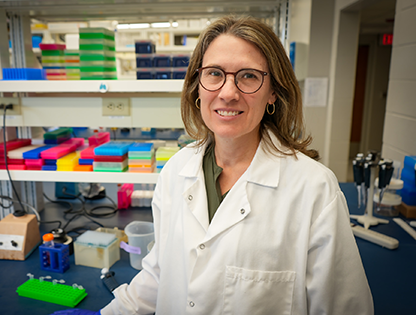
 grupp.webp)