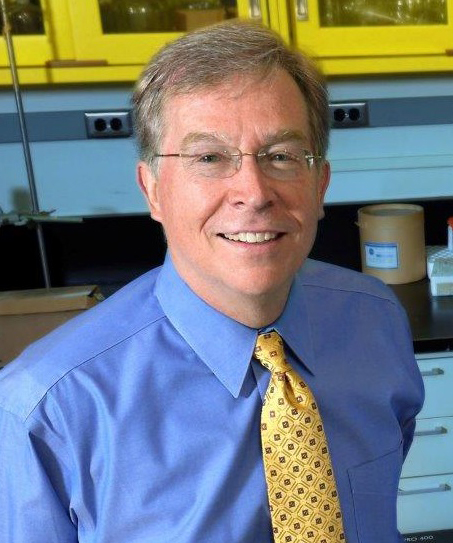
David A Nathanson is a Professor in the Department of Molecular and Medical Pharmacology at the University of California, Los Angeles (UCLA), School of Medicine. His research focuses on cancer metabolism, neuro-oncology, and developing therapeutic strategies for glioblastoma. He leads NIH-funded projects targeting metabolic vulnerabilities and ferroptosis mechanisms in brain tumors. Role: Principal Investigator on multiple NIH grants (R01NS121319, R01CA227089, etc.) Key Research: Glioblastoma metabolism, drug development, molecular imaging, and CAR-T cell therapies Research interests include understanding how metabolic reprogramming and genetic alterations drive tumor progression and resistance. His work spans preclinical models to clinical translation, with a focus on combining imaging biomarkers with targeted therapies. Publications emphasize novel drug candidates (e.g., Tegavivint), metabolic pathways (CDKN2A deletion and lipid remodeling), and imaging techniques (CEST MRI, PET tracers). Collaborations involve neurosurgeons, radiologists, and immunologists to advance precision oncology. Grants: Over $12M in NIH funding since 2014 Awards: Not explicitly listed, but recognized through prestigious grant awards Labs/Teams: Directs UCLA labs focused on glioma metabolism, CAR-T engineering, and radioligand development. Collaborates across institutions to model tumor microenvironment interactions and immune responses.
Owen N Witte is a Professor of Molecular and Medical Pharmacology at the David Geffen School of Medicine at the University of California, Los Angeles (UCLA). His research focuses on understanding the molecular mechanisms underlying prostate cancer development, progression, and therapeutic resistance, with particular emphasis on cancer stem cells, lineage plasticity, and novel therapeutic targets. Dr. Witte's research interests span multiple areas of cancer biology, including: Prostate cancer initiation and progression Cancer stem cell biology Lineage plasticity and neuroendocrine differentiation in prostate cancer RNA splicing and its role in cancer Cancer immunotherapy target discovery Molecular mechanisms of treatment resistance His recent publications demonstrate a strong focus on understanding the molecular underpinnings of aggressive prostate cancer variants, particularly those with neuroendocrine features. His work integrates genomics, epigenetics, and functional studies to identify novel therapeutic targets and understand mechanisms of treatment resistance. A significant portion of his recent work explores RNA splicing abnormalities as sources of neoantigens for immunotherapy, with development of approaches like IRIS (Immunopeptidome Repertoire Identification System). Dr. Witte has been continuously funded by the National Institutes of Health for decades, with numerous R01 grants and other research awards supporting his work on prostate cancer, stem cell biology, and cancer immunology. His laboratory has made seminal contributions to understanding the cellular origins of prostate cancer and the molecular pathways driving its progression. His research group has developed innovative approaches for studying cancer stem cells and has made significant contributions to understanding how prostate cancer evolves under therapeutic pressure, particularly in the context of androgen deprivation therapy. His work has helped define the molecular characteristics of treatment-emergent neuroendocrine prostate cancer, a particularly aggressive variant that represents a major clinical challenge.
Dr. Nathalie Dehorter is a Senior Research Fellow at the Queensland Brain Institute (QBI), University of Queensland. Her research focuses on understanding the molecular and physiological mechanisms governing interneuron function during development and in neurological disorders such as autism, schizophrenia, and Parkinson’s disease. She employs advanced techniques including electrophysiology, imaging, molecular biology, and genetics to investigate these processes. Her key research interests include neuronal adaptation, synaptic plasticity, and the role of interneurons in circuit formation. She has contributed to studies on striatal cholinergic interneurons, Erbb4 signaling disruptions, and the impact of genetic mutations (e.g., Cntnap2) on neural circuitry. Dr. Dehorter’s work spans multiple areas: from exploring the therapeutic potential of reprogramming neurons using hydrogels to analyzing RNA modifications at the transcriptome level. Her lab’s findings have implications for understanding both normal brain development and pathological conditions like autism spectrum disorders. Her publications highlight contributions to fields like glutamate transport mechanisms, hippocampal network maturation, and the Tac2 signaling pathway in brain research. While no specific awards are listed, her extensive publication record reflects recognition in neuroscience research.
Rupa Haldavnekar is an Assistant Professor in the Aerospace & Mechanical Engineering department at The University of Oklahoma . Her research focuses on Optical liquid biopsy of cancer , Nano Biophotonics , Nanotechnology , and Machine Learning . She holds a Ph.D. in Biomedical Engineering from Toronto Metropolitan University (2022), an MBA in Management from the University of Pune (India), and a BEng. in Mechanical Engineering from the University of Pune. Her research interests include developing advanced nanoprobes for in vitro and in vivo cancer monitoring , surface-enhanced Raman scattering (SERS) technologies, and liquid biopsy methods to enhance early cancer detection. Her work integrates biomolecular spectroscopy with deep learning for precision diagnostics. Key Research Themes: Cancer stem cell dynamics Epigenetic reprogramming of tumor cells 3D nanostructure-based diagnostics Non-invasive cfDNA analysis Recent publications highlight advancements in self-functionalized nanosensors for real-time cancer monitoring and oncoimmune probes for tumor-associated biomarker detection. Her work has been published in high-impact journals like ACS Nano , Nano Letters , and Nature Communications . Dr. Haldavnekar's lab focuses on translational nanotechnology solutions for clinical challenges, emphasizing multi-cancer early detection (MCED) and liquid biopsy optimization . She collaborates with interdisciplinary teams to bridge engineering and clinical oncology.
Lilian Oliveira is a Lecturer in the Department of Pathology at the University of Georgia's College of Veterinary Medicine. She holds a DVM from Universidade de São Paulo (2001), MS in Science (2005), and PhD in Animal Molecular and Cellular Biology from the University of Florida (2010), with additional residency training in Veterinary Anatomic Pathology (2019) and board certification from the American College of Veterinary Pathologists (2023). Her research focuses on: Maternal-fetal immune interactions in healthy and diseased states Molecular mechanisms of viral pathogenesis during pregnancy Placental biology and developmental epigenetics Comparative reproductive immunology Spatial organization of biological systems Recent publications reveal consistent focus on: Placental immunology in viral infections Epigenetic regulation of development Wildlife and veterinary pathology Stem cell applications Reproductive immunopathology She teaches multiple pathology courses including VPAT 8002 (Gross Pathology), VPAT 8005 (Current Literature in Veterinary Pathology), VPAT 8140 (Pathology Research Seminar), VPAT 5400 (Diagnostic Pathology), and VPAT 5215 (Systemic Pathology I). Her research utilizes bovine and ovine models to investigate pregnancy complications arising from infections like Zika virus.
Tamer Mohamed, PhD, is an Honorary Lecturer (Teaching) in the Division of Cardiovascular Sciences at the University of Manchester. He holds affiliations at multiple institutions, including the J David Gladstone Research Institutes (UCSF), Zagazig University (Egypt), and others. His research focuses on translating mechanisms of cardiac hypertrophy and heart failure into human drug therapies, with a strong emphasis on stem cell technologies and drug screening. Education: PhD in Molecular Medicine (University of Manchester, 2008) MSc in Biochemistry (Zagazig University, 2003) B Pharm (Zagazig University, 1999) Research Interests: Investigating novel therapies for heart failure, development of high-throughput screening assays for PMCA4 inhibitors, and utilization of induced pluripotent stem cell-derived cardiomyocytes for drug testing. His work integrates live cell imaging, stem cell reprogramming, and molecular biology techniques. Awards & Funding: Recognized with the 2010 European Society of Cardiology Young Investigator Award, Bill & Melinda Gates Foundation Grant (2013), and NC3Rs funding (2021). Key grants include £100k from the CRACK IT Challenge (2012) and £100k from the NC3Rs for stem cell-based toxicity studies. Grants & Projects: Co-Investigator on the 'Signal Modulation in Cardiac Fibroblasts by PMCA4' project (2013–2016), funded by the British Heart Foundation. Currently leading initiatives on cardiac reprogramming and cardiotoxicity screening using human pluripotent stem cells. Labs & Collaborations: Active collaborations with Prof. Deepak Srivastava (Gladstone Institutes), Prof. Ludwig Neyses (Manchester/Luxembourg), and Prof. Gerd Hasenfuss (Göttingen). His lab specializes in direct cardiac reprogramming, high-throughput screening, and live imaging of cardiac signaling pathways.
Jung Sun Oh is a Lecturer at the University of Wisconsin – Madison, affiliated with the School of Computer, Data & Information Sciences. She holds a Master's in Library and Information Science from Yonsei University (Korea) and a PhD in Information and Library Science from the University of North Carolina at Chapel Hill. Her research focuses on Metadata, Linked Open Data, and Information Behavior in Social Media. Dr. Oh teaches courses such as LIS 751 (Database Design) and LIS 603 (Research & Assessment), reflecting her expertise in information science education. Her work bridges library and information science with computational and data-driven methodologies. Her research trends, as seen through her publications, emphasize advancements in stem cell biology, hematopoietic differentiation, and immunotherapy applications. She explores genetic regulators (e.g., NOTCH4, SOX17) influencing cell lineage decisions and develops CAR-engineered cells for cancer treatment. Recent studies highlight innovations in neutrophil engineering and lymphoid pathway modulation using pluripotent stem cells. Though no awards are explicitly listed, her extensive publications indicate recognition within her field. She actively contributes to interdisciplinary research at the intersection of information science and biomedical engineering, with a focus on translational applications in healthcare.
Mark F. Mehler, M.D., is a Professor in the Department of Neurology, Dominick P. Purpura Department of Neuroscience, and Department of Psychiatry and Behavioral Sciences at Albert Einstein College of Medicine. He serves as Chair of the Saul R. Korey Department of Neurology and holds the Alpern Family Foundation Chair in Cerebral Palsy Research. He directs the Institute for Brain Disorders and Neural Regeneration. His research focuses on neural stem cell biology, regenerative medicine, and epigenetic mechanisms underlying neurodegenerative and neurodevelopmental disorders. Dr. Mehler completed his medical education and residency at Albert Einstein College of Medicine. His work explores stem cell-based therapies for neurological diseases, including Alzheimer’s, Huntington’s, and Parkinson’s, emphasizing epigenetic and developmental pathways. He investigates how environmental and genetic factors influence neural development and disease susceptibility. Scientific achievements include identifying transcriptional codes that regulate neural cell identity and reprogramming stem cells for targeted regeneration. His research bridges developmental biology, neurology, and oncology, revealing shared mechanisms in neurodegeneration and fibrotic disorders. Awards: Alpern Family Foundation Chair in Cerebral Palsy Research Labs/Teams: Lead the Institute for Brain Disorders and Neural Regeneration Grants: Not explicitly detailed in the provided text.
Claudio Scafoglio is an Adjunct Associate Professor in the School of Medicine at the University of California Los Angeles (UCLA). His research focuses on cancer metabolism, particularly the role of glucose transporters and epigenetic regulation in lung adenocarcinoma. He employs molecular and imaging techniques to identify diagnostic biomarkers and therapeutic targets. Education: MD in Molecular Pathology, Seconda Università degli Studi di Napoli (2002) PhD in Oncology, Seconda Università degli Studi di Napoli (2006) Research Interests: Dr. Scafoglio investigates metabolic reprogramming in cancer, with emphasis on sodium-glucose transporters (SGLTs), glucose deprivation effects, and epigenetic modifications. His work bridges molecular biology, oncology, and translational medicine to develop strategies for early cancer detection and therapy. Publication Trends: His recent articles (2018–2025) focus on SGLT2 inhibitors, metabolic vulnerabilities in lung cancer, and genotoxic-immune interactions. Earlier work (2006–2015) explores transcriptional regulation, DNA damage response, and developmental biology, reflecting a shift toward clinical oncology.
Dr. Michael Alan Teitell is a Professor in both Pathology and Laboratory Medicine and Pediatrics at the University of California Los Angeles (UCLA). He serves as the Director of the UCLA Jonsson Comprehensive Cancer Center, which has been consistently recognized as one of the nation's top cancer centers. Dr. Teitell's research spans mitochondrial biology, stem cell energetics, and cancer mechanisms, utilizing advanced technologies he and his lab have developed. Dr. Teitell's educational background includes: B.S. and M.S. in Biochemistry from UCLA (1985) Ph.D. in Molecular Immunology from UCLA (1991) M.D. from UCLA (1993) Residency in Anatomic Pathology at Brigham and Women's Hospital (1995) Residency in Clinical Pathology at UCSF (1997) Clinical Fellowship in Pediatric Pathology at Children's Hospital LA (1999) Dr. Teitell's research focuses on mitochondrial metabolism and its role in stem cell differentiation, cancer development, and cellular reprogramming. His lab has pioneered techniques such as the photothermal nanoblade for mitochondrial transfer and live cell interferometry for measuring cellular biomass. His work has revealed fundamental insights into how metabolic pathways regulate cell fate decisions, with particular emphasis on the role of mitochondria in pluripotent stem cells and cancer biology. The lab's research bridges basic science with translational applications, developing novel approaches for cancer therapy and regenerative medicine. Analysis of Dr. Teitell's recent publications reveals a strong focus on mitochondrial dynamics, metabolism in stem cell differentiation, and innovative bioengineering approaches for cellular analysis. His work spans from fundamental discoveries about mitochondrial transfer between cells to practical applications in cancer treatment and clinical trial design. The research integrates molecular biology, bioengineering, and clinical insights to address complex biological questions with therapeutic implications. Dr. Teitell has received numerous prestigious awards and honors including: Harry J. Sacks Endowed Lectureship, Cedars-Sinai Medical Center (2019) Elected to the Association of American Physicians (AAP) (2017) Lya and Harrison Latta Endowed Chair in Pathology, UCLA (2012-present) Elected to the American Society of Clinical Investigators (ASCI) (2004) FOCIS/Millenium Pharmaceuticals Award for Genomics Research (2001) Dr. Teitell actively mentors postdoctoral fellows, graduate students, and undergraduate researchers in his laboratory. His lab offers multiple postdoctoral positions focusing on pluripotent stem cell energetics, transcriptional regulation of B cells, PNPase in mitochondria, and new approaches to cell engineering. His research has been supported by numerous grants, including NIH T32 Training Grants through the Bioscience Postdoctoral Affairs program at UCLA. Dr. Teitell also serves as UCLA's NCAA Faculty Athletics Representative for Intercollegiate Athletics, demonstrating his commitment to both scientific and broader educational pursuits. The Teitell Research Lab, based at UCLA, employs a multidisciplinary approach combining molecular biology, bioengineering, and stem cell research. The lab has developed innovative technologies including the photothermal nanoblade for cellular delivery and live cell interferometry for measuring cellular biomass changes. Current research focuses on mitochondrial metabolism in stem cell differentiation, cancer mechanisms, and the development of novel therapeutic approaches. The lab collaborates extensively across UCLA and maintains strong connections with the Broad Stem Cell Research Center and the California NanoSystems Institute.
Paola Panina is an Associate Professor of Applied Medical Sciences at the Faculty of Medicine, Vita-Salute San Raffaele University, Milan. She holds a Biology degree from the University of Parma (1983), a postgraduate specialization (1987), and a PhD in Biotechnology from the University of Brescia (1993). Her career includes roles at the Basel Institute for Immunology (1988–1991), CNRS-LGME INSERM (France), and Roche Milano Ricerche as a Senior Scientist. She co-founded Bioxell SpA in 2002, directing preclinical research for therapies targeting multiple sclerosis and lung inflammation. Currently, she leads the BRAVEinMS initiative, developing bioinformatics and cell reprogramming tools to discover drugs for progressive MS. Her lab focuses on neural stem cell transplantation, iPSC-derived neural progenitor cells, and their neuroprotective roles. Education: Bachelor’s in Biology, University of Parma (1983) Postgraduate Specialization, University of Parma (1987) PhD in Biotechnology, University of Brescia (1993) Research Interests: Her work bridges neuroimmunology, regenerative medicine, and cell therapy. Key areas include: - Mechanisms of neural stem cell transplantation in MS - Bioinformatics-driven drug discovery for neurodegenerative diseases - Epigenetic dynamics in cell reprogramming - Role of autophagy and the cannabinoid system in inflammation - Zika virus impact on neural progenitor cells Scientific Contributions: Over 98 publications span topics like 3D stem cell models for MS, heparin’s antiviral properties, and chromatin velocity analysis. Recent clinical trials include a phase 1 study of neural stem cell transplantation for progressive MS. Awards: Royan International Research Award (2013) Fellowship Association pour la Recherre sur le cancer (1991) Fellowship from Istituto Superiore di Sanità (1991) Leadership & Networks: Coordinates BRAVEinMS, a six-institute network for MS research, and serves as a Membro Commissione VQR and gender equity committee representative at the university. Her interdisciplinary teams collaborate across immunology, bioengineering, and computational biology.
Melanie Flint is Professor of Stress and Cancer Research at the University of Brighton's School of Applied Sciences. She leads translational research on stress hormone impacts on cancer progression, metastasis, and therapy resistance. Work spans breast, ovarian, and prostate cancers, examining glucocorticoid and catecholamine signaling in tumor-immune interactions. Research funded by Cancer Research UK, Rosetrees Trust, and Boltini Trust. Her lab investigates molecular mechanisms linking psychological stress to: DNA damage and repair pathways Immune suppression in tumor microenvironments Chemotherapy and immunotherapy resistance Epigenetic reprogramming in cancer Article analysis reveals consistent focus on neuroendocrine-immune-cancer cross-talk, with recent computational modeling of stress-immune dynamics and biomarker discovery. Awards include team leadership in the NCRI Symptom Management Working Group. Current PhD students: Marta Falcinelli, Haya Intablis, Maysa Al-Natsheh, Gheed Alhity. Postdoctoral researchers: Dr Aya Abdullah, Dr Caroline Garrett, Dr Will Jones. Lab utilizes mouse models, 3D spheroid cultures, and patient-derived tissue samples.
Mohamed A. Elgazzar is a Professor in the Department of Internal Medicine at East Tennessee State University (ETSU), holding an adjunct professor position in the Department of Biomedical Sciences. He specializes in Molecular Immunology with a focus on inflammation and sepsis mechanisms. His work integrates immunology, infectious diseases, and epigenetics. Education: PhD in Immunology, Kumamoto University School of Medicine, Japan (2002) Research Interests: Dr. Elgazzar investigates microRNA roles in severe systemic inflammation, innate immunity cell reprogramming, and chronic immunopathology in HIV/HCV infections. His groundbreaking sepsis research includes developing a long-term preclinical model to study post-acute immunosuppression and chronic inflammation. Professional Background: Postdoctoral Fellowships: National Jewish Medical Center (2003-2004), University of Colorado (2004-2006), Wake Forest University (2006-2007) Contributions: Authored over 84 peer-reviewed articles, focusing on translational immunology and molecular mechanisms of inflammation. His work addresses critical gaps in understanding sepsis-associated immunosuppression and chronic inflammatory states.
Dr. David Williams holds the Carroll H. Long Chair of Excellence for Surgical Research at the Department of Surgery, leading research initiatives focused on immunity, sepsis, and infectious diseases. His work emphasizes host-pathogen interactions, trained immunity mechanisms, and translational therapies for conditions like cerebral adrenoleukodystrophy and parasitic infections. Supported by NIH grants, his research spans cellular biology, metabolic pathways, and drug discovery. Research Interests : Dr. Williams investigates innate immune memory mechanisms, sepsis pathophysiology, and the role of metabolic adaptations in immunity. His studies include inflammatory responses in cardiovascular diseases, therapeutic targeting of parasitic enzymes, and β-glucan-based immunomodulation strategies. He also explores the molecular underpinnings of cell senescence and organ crosstalk during critical illness. Key Projects : Gene therapy for cerebral adrenoleukodystrophy (CALD) Thioredoxin reductase inhibitors for寄生虫 diseases Trained immunity in aging and sepsis Awards : Carroll H. Long Chair of Excellence (2017-present) Labs & Affiliations : Kleinman Laboratory of Ocular Biology and Imaging, collaborating on ocular immunology and imaging technologies. Active in cross-departmental initiatives to enhance surgical research education and clinical translation.
Anthony E. Oro, M.D., Ph.D., is the Eugene and Gloria Bauer Professor of Dermatology at Stanford University School of Medicine. He serves as Associate Director of the Center for Definitive and Curative Medicine and co-director of the Child Health Research Institute. Dr. Oro is a co-founder of the Program in Epithelial Biology and maintains active membership in multiple prestigious research institutes including the Institute for Stem Cell Biology and Regenerative Medicine, Children's Health Research Institute, Bio-X, and the Program in Cancer Biology. Dr. Oro's research laboratory focuses on skin stem cells to understand mechanisms of tissue regeneration and carcinogenesis, with particular emphasis on Sonic hedgehog (Shh) signaling in hair follicles and basal cell carcinoma (BCC) pathogenesis. His team provided clinical evidence for the first hedgehog pathway inhibitor and continues to develop novel targets for next-generation inhibitors. His work spans cancer genomics, tumor evolution, stem cell biology, hair/skin development and regeneration, and molecular therapeutics. His clinical practice focuses on cutaneous oncology, non-melanoma skin cancer, hair disorders, and stem cell-based therapies for genetic skin diseases like Epidermolysis Bullosa. Dr. Oro has led multiple clinical trials investigating novel therapies for advanced basal cell carcinoma and other dermatological conditions. Eugene and Gloria Bauer Professor of Dermatology Associate Director, Center for Definitive and Curative Medicine Co-Director, Child Health Research Institute Member, Institute for Stem Cell Biology and Regenerative Medicine Member, Bio-X Member, Stanford Cancer Institute Member, Wu Tsai Neurosciences Institute Dr. Oro's extensive publication record demonstrates leadership in understanding tumor heterogeneity, resistance mechanisms in basal cell carcinoma, and developing stem cell-based therapies for genetic skin disorders. His research has identified critical pathways in tumor evolution and therapeutic resistance, particularly regarding non-canonical Hedgehog signaling mechanisms. Sonic hedgehog signaling in hair follicle development Basal cell carcinoma pathogenesis and resistance mechanisms Stem cell biology and skin regeneration Epidermal differentiation from pluripotent stem cells Therapeutic reprogramming for genetic skin diseases Tumor microenvironment interactions Dr. Oro has trained numerous graduate students, postdoctoral fellows, and medical scholars. His laboratory has made significant contributions to understanding transcription factor networks in epithelial development and identifying novel therapeutic targets for cancer treatment.