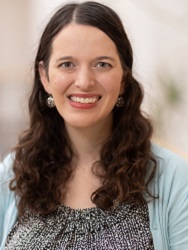
Keith Latham is a Professor at Michigan State University affiliated with the Cell & Molecular Biology Program and Genetics & Genome Sciences Program. His research focuses on molecular mechanisms regulating early mammalian embryogenesis and disease origins from developmental disruptions. Cell & Molecular Biology Program Faculty Genetics & Genome Sciences Program Faculty Research Interests His work explores embryonic development , epigenetics , and reproductive biology , emphasizing how maternal/paternal factors influence embryo viability. Recent studies investigate FSH effects on ovarian stimulation, oocyte transcriptome regulation, and mitochondrial dysfunction transmission via oocytes. Scientific Awards Advising and Grants No student advising or grant information is provided in the text. Further details may exist in external academic records.
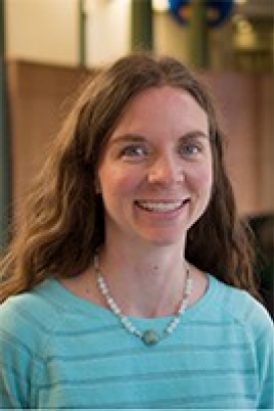
Jennifer Donelson is an Associate Professor and ARC Future Fellow at James Cook University , affiliated with the ARC Centre of Excellence for Coral Reef Studies. Her research investigates how marine fish respond to climate change through acclimation and transgenerational plasticity , utilizing advanced temperature-controlled aquarium systems. PhD in Marine Ecology (2012) from James Cook University Chancellor’s Postdoctoral Fellowship at University of Technology Sydney (2013-2016) Collaborative fellowship between KAUST (Saudi Arabia) and Coral Reef Studies Centre Her work spans thermal ecology , phenotypic plasticity , and parental effects , with publications analyzing developmental acclimation , epigenetic responses , and behavioral changes under ocean warming. Key projects explore gene expression , metabolic adaptation , and conservation strategies for coral reef ecosystems. Jennifer’s recent 15+ peer-reviewed articles focus on topics like multi-generational thermal exposure , marine heatwave impacts , and molecular acclimation in reef fish. Notable awards include her ARC Future Fellowship for climate change research. Contact: Office in Building DB-32 Room 118, Townsville, QLD 4811, Australia. Twitter: @DrJDonel
Fulvio Pupilli is a Research Director at the National Research Council of Italy (CNR), Institute of Biosciences and BioResources (IBBR-CNR), in Perugia. His research focuses on plant reproductive biology, particularly apomixis (asexual seed reproduction) in grasses like Paspalum simplex . He holds a Laurea in Biology from the University of Perugia (1985). Key activities include molecular genetics of apomixis, comparative genomics, and collaborative projects with Argentina on apomixis characterization. He has coordinated EU-funded projects and developed methods for crop improvement through apomictic systems. His work integrates cytogenetics, transcriptomics, and epigenetics to understand apomixis mechanisms. Pupilli has authored over 60 publications, reviewed for journals like Plant Cell Tissue and Organ Culture , and contributed to international conferences. His research bridges fundamental biology and applied agriculture, aiming to engineer apomixis into crops for clonal propagation.
Matthew W. State is the Oberndorf Family Distinguished Professor and Chair of Psychiatry at the University of California, San Francisco (UCSF) School of Medicine, and Director of the Langley Porter Psychiatric Institute and Hospital. He is also affiliated with the UCSF Weill Institute for Neurosciences. As a child psychiatrist and human geneticist, Dr. State leads research focused on pediatric neuropsychiatric syndromes, particularly autism spectrum disorders and Tourette disorder. Dr. State received his undergraduate and medical degrees from Stanford University, completed his psychiatry residency and child psychiatry fellowship at the UCLA Neuropsychiatric Institute, and earned a PhD in Genetics from Yale University. His educational background reflects a unique integration of clinical psychiatry and advanced genetics training. Dr. State's research primarily focuses on gene discovery as a pathway to understanding the biological mechanisms underlying neurodevelopmental disorders. His laboratory has made significant contributions to identifying genetic risk factors for autism spectrum disorders (ASD) and Tourette disorder (TD), demonstrating the role of rare and de novo genetic variations in these conditions. Recent work has identified dozens of ASD risk genes and the first high-confidence TD genes. His research employs systems biology approaches to understand how autism-related genes converge spatially and temporally during human brain development. Dr. State leads several major collaborative genomics initiatives including the Simons Simplex Collection Genomics Consortium, the Autism Sequencing Consortium, and the Tourette International Collaboration on Genetics. Analysis of Dr. State's recent publications reveals a consistent focus on the genetic architecture of autism spectrum disorders, with increasing emphasis on molecular convergence, protein interactions, and the biological pathways connecting genetic risk to neurodevelopmental outcomes. His work spans from gene discovery through functional validation in model systems to translational applications. Recent publications highlight the role of chromatin regulation, sex differences in autism risk, and potential therapeutic targets emerging from genetic findings. Dr. State has received numerous prestigious awards and honors for his contributions to the field: Yale Graduate School Alumni Association Wilbur Cross Medal (2020) National Academy of Medicine Rhoda and Bernard Sarnat International Prize in Mental Health (2017) Elected Member of the National Academy of Medicine (2014) American Academy of Child and Adolescent Psychiatry Tarjan Award (2014) Brain and Behavior Research Foundation Ruane Prize (2012) Science Magazine Annual Top 10 Scientific Breakthroughs (2011) Science Magazine Annual Top 10 Scientific Breakthroughs (2005) Dr. State has secured substantial research funding through multiple NIH grants as Principal Investigator, including projects on cell type-specific regulatory networks in brain development, collaborative genomic studies of Tourette Disorder, and the Autism Sequencing Consortium. His laboratory has mentored numerous students and researchers who have gone on to make their own contributions to the field of neurodevelopmental genetics. Dr. State plays a leadership role in national and international collaborative efforts, helping to shape the direction of autism and Tourette disorder research worldwide. Dr. State leads a research team focused on neurogenetics within the UCSF Weill Institute for Neurosciences. His laboratory employs cutting-edge genomic, molecular, and systems biology approaches to understand the biological basis of neurodevelopmental disorders. The team collaborates extensively with other researchers across UCSF and internationally, contributing to large-scale consortia that have transformed our understanding of the genetic architecture of autism and related conditions.
Matthew W. State, MD, PhD is the Oberndorf Family Distinguished Professor and Chair of Psychiatry at the University of California, San Francisco (UCSF) School of Medicine, and Director of the Langley Porter Psychiatric Institute and Hospital. He is also affiliated with the UCSF Weill Institute for Neurosciences, where he leads groundbreaking research at the intersection of child psychiatry and human genetics. Dr. State received his undergraduate and medical degrees from Stanford University, completed his residency in psychiatry and fellowship in child psychiatry at the UCLA Neuropsychiatric Institute, and earned a PhD in genetics from Yale University working in the lab of David C Ward. He was on the faculty at Yale from 2001 to 2013 where he was the Donald J. Cohen Professor of Child Psychiatry, Psychiatry and Genetics and the Co-Founder and Co-Director of the Yale Program on Neurogenetics. Dr. State is a leading child psychiatrist and human geneticist whose research focuses on pediatric neuropsychiatric syndromes, particularly autism spectrum disorders (ASD) and Tourette disorder (TD). His laboratory has played a pivotal role in demonstrating the contribution of rare and de novo genetic variation to these conditions. His work has contributed significantly to the identification of dozens of ASD risk genes and the first high-confidence TD genes. Through systems biological approaches, his research has characterized the spatial and temporal convergence of autism genes in developing human brain, providing crucial insights into disease mechanisms. His lab utilizes diverse methodologies including genomic analysis, functional studies in model systems, and collaborative large-scale sequencing efforts. Analysis of Dr. State's recent publications reveals a strong focus on the molecular and cellular mechanisms underlying autism spectrum disorders. His research increasingly examines the convergence of autism-related proteins, chromatin regulation, and the role of specific cellular structures like cilia in neurodevelopment. There's also a growing emphasis on translating genetic findings into potential therapeutic approaches, with several recent papers addressing treatment development and biomarker identification for autism and related conditions. His work demonstrates a clear trajectory from gene discovery to understanding biological pathways and ultimately to developing novel therapeutic strategies. Yale Graduate School Alumni Association 2020 Wilbur Cross Medal National Academy of Medicine 2017 Rhoda and Bernard Sarnat International Prize in Mental Health National Academy of Medicine 2014 Elected member American Academy of Child and Adolescent Psychiatry 2014 Tarjan Award Brain and Behavior Research Foundation 2012 Ruane Prize Science Magazine 2011 Annual Top 10 Scientific Breakthroughs Science Magazine 2005 Annual Top 10 Scientific Breakthroughs Dr. State plays a leadership role in numerous national and international collaborative genomics studies, including the Simons Simplex Collection Genomics Consortium, the Autism Sequencing Consortium, and the Tourette International Collaboration (TIC) on Genetics. His NIH-funded research portfolio includes multiple principal investigator roles on grants examining the genetic architecture of autism and Tourette disorder, brain development, and the functional consequences of genetic variants. His laboratory has been continuously funded by the National Institutes of Health since 2002, with recent grants totaling millions of dollars supporting cutting-edge research in neurogenetics. His collaborative approach has established him as a central figure in the field of psychiatric genetics. Dr. State directs a vibrant research program that integrates genomic analysis with functional studies to understand the biological basis of neurodevelopmental disorders. His work bridges basic science and clinical applications, with a growing emphasis on identifying potential therapeutic targets based on genetic findings. He collaborates extensively with researchers across multiple institutions and disciplines, fostering a collaborative approach to understanding the complex genetic architecture of autism spectrum disorders and Tourette disorder. His research program includes both human genetic studies and functional validation in model systems, creating a comprehensive pipeline from gene discovery to biological mechanism.
Dr. Istvan Rajcan is a Professor and Graduate Coordinator in the Department of Plant Agriculture at the University of Guelph, Ontario Agricultural College. His research focuses on soybean breeding and genetics, particularly developing high-yielding, disease-resistant cultivars for short- and medium-season environments. He leads efforts to enhance seed quality traits, such as protein and isoflavones, using genomic tools like GWAS and genomic selection. Education: B.Sc. (Agr.) from the University of Novi Sad and Ph.D. in Plant Agriculture from the University of Guelph. Research Interests: Soybean seed quality (nutraceuticals), disease resistance (Sclerotinia, soybean cyst nematode), genomic technologies, and breeding innovation. His work integrates molecular markers, quantitative genetics, and phenotyping to address challenges in soybean production. Collaborative projects include the SoyaGen initiative, advancing genomic resources for breeders. Publications highlight advancements in soybean genetics, remote sensing applications, and sustainable breeding strategies. His contributions span trait dissection, disease management, and the application of machine learning in genomics. Advising and Grants: While specific grants are not detailed, his extensive publication record indicates sustained research funding. He mentors graduate students and collaborates widely with institutions like the Ontario Oil & Protein Seed Crop Committee. Labs/Teams: Research activities are based in the Crop Science Building, with involvement in the SoyaGen project and collaborations on soybean diversity panels.
April Carson is an Adjunct Associate Professor in the Department of Epidemiology at the University of Alabama at Birmingham (UAB) School of Public Health. She maintains multiple concurrent appointments at UAB including as a Scientist in the Center for Clinical and Translational Science and the UAB Center for Study of Community Health. Her research focuses on cardiovascular disease, diabetes, and health disparities with particular emphasis on racial and geographic differences in disease outcomes. Doctor of Philosophy, Epidemiology from University of North Carolina at Chapel Hill (2006) Master of Science in Public Health, Epidemiology from University of North Carolina at Chapel Hill (2001) Bachelor of Science in Microbiology/General from University of Georgia (1999) Dr. Carson's research spans multiple domains of epidemiology with particular focus on cardiovascular health disparities, diabetes epidemiology, and genetic determinants of chronic disease. Her work often examines racial differences in disease outcomes and incorporates social determinants of health into risk prediction models. She has made significant contributions to understanding how genetic factors interact with environmental exposures to influence cardiovascular disease and diabetes risk, with particular attention to populations of African ancestry. Her methodological expertise includes analysis of large cohort studies, genetic epidemiology, and development of risk prediction models. Analysis of Dr. Carson's recent publications (2024-2025) reveals a strong focus on integrating multi-omics approaches with traditional epidemiology to understand cardiovascular and metabolic disease mechanisms. Her work frequently utilizes data from large cohort studies including REGARDS, CARDIA, and TOPMed. A notable trend is her increasing focus on incorporating social determinants of health into traditional clinical risk prediction models, particularly for diabetes and cardiovascular disease. Her research also demonstrates sophisticated methodological approaches including epigenome-wide association studies, rare variant analysis, and machine learning applications in epidemiology. UAB Healthcare Leadership Academy (2017) Finalist, President's Award for Excellence in Teaching (2015) Dr. Carson has served on numerous dissertation committees and advised graduate students in epidemiology. Her extensive grant portfolio demonstrates significant research funding from multiple sources including NIH, American Heart Association, and AMGEN. Her grants primarily focus on cardiovascular disease, diabetes, and health disparities research, often examining racial differences in disease outcomes. She has been involved in major longitudinal studies including the REGARDS study, CARDIA study, and Jackson Heart Study. Dr. Carson also participates in several collaborative research centers including the UAB Diabetes Research Center and the Comprehensive Diabetes Center. Dr. Carson is actively involved in multiple research teams and collaborative networks including the Trans-Omics for Precision Medicine (TOPMed) program, the REGARDS study, and the Jackson Heart Study. She serves on various committees related to cardiovascular research and health disparities, including committees with the American Heart Association. Her collaborative network extends across multiple institutions, reflecting her role in large multi-center studies examining cardiovascular disease and diabetes in diverse populations.
Erin Heinzen is an Associate Professor at the UNC Eshelman School of Pharmacy, Division of Pharmacotherapy and Experimental Therapeutics, with a joint appointment in the UNC Department of Genetics. She holds a Pharm.D. and Ph.D. from the University of North Carolina at Chapel Hill, followed by postdoctoral training at Duke University. Her research focuses on the genetic and genomic basis of epilepsy disorders, particularly somatic mutations and transcriptomic regulation in neurological diseases. Education: Pharm.D., University of North Carolina at Chapel Hill (2001) Ph.D., Pharmaceutical Sciences, University of North Carolina Chapel Hill (2004) Research Interests: Dr. Heinzen’s lab investigates somatic mutations in epilepsy and brain malformations, using induced pluripotent stem cells and advanced sequencing technologies. Key projects include studying SLC35A2 variants in intractable epilepsy and analyzing transcriptomic changes in brain tissue. Her work has identified 15 epilepsy genes, including the gene for Alternating Hemiplegia of Childhood. Grants & Awards: NIH-funded research, including $7M in collaborative grants to study genetic variants in epilepsy. Active in consortia like Epi4K and ILAE. Labs & Teams: The Heinzen Lab collaborates with neurology, neuropathology, and neurosurgery groups globally, advancing neurogenetics and treatment approaches for intractable seizures.
Heather J Huson is an Associate Professor of Animal Genetics in the Department of Animal Science at Cornell University's College of Agriculture and Life Sciences (CALS), with joint appointments in the College of Veterinary Medicine's Department of Clinical Sciences and Department of Biomedical Sciences. Her research spans multiple species including working dogs, dairy cattle, musk ox, and small ruminants, focusing on genetic improvement, population structure, adaptation, and genomic tool development. Dr. Huson's educational background includes: Post-Doctoral Researcher at USDA-ARS, Bovine Functional Genomics, Beltsville, MD Doctorate in Molecular Genetics from University of Alaska, Fairbanks, AK; National Institutes of Health Graduate Partnership Program, Bethesda, MD (2011) VTL, Alaska State Veterinary Technician License (2002) Bachelor of Science in Animal Science from Cornell University (1997) Associate of Science, Math and Science from Jefferson Community College, Watertown, NY (1995) Dr. Huson's research program uses genomic tools to investigate ancestry, relatedness, and genetic regulation of traits across domestic and wild species. Her primary focus areas include working dog genetics (particularly sled dogs), dairy cattle health traits, and musk ox conservation. She studies the genetics of athletic performance, behavior, health, and adaptation across species, with specific projects examining the human-canine bond and public perspectives on extreme conformation in dog breeds. In dairy cattle research, she investigates disease genetics, crossbreeding effects, and epigenetic inheritance related to disease and performance. Dr. Huson's recent publications reveal her expertise in comparative genomics across species, with particular emphasis on sled dog evolution, working dog performance genetics, and dairy cattle health traits. Her research bridges historical analysis with modern genomic techniques, identifying connections between genetic variants and phenotypic traits across diverse populations. Dr. Huson has received notable recognition for her work: 2022 CALS Rising Star Faculty Award for demonstrating extraordinary promise early in her career 2017 Atkinson Center Faculty Fellow As an educator and mentor, Dr. Huson directs the Cornell Raptor Program (CRP), which houses approximately 25 resident birds of prey. She teaches courses including ANSC 1130: Introduction to Captive Raptor Husbandry, ANSC 2210/5210: Principles of Animal Genetics, and ANSC 3310/6310: Applied Dairy Cattle Genetics. She mentors post-doctoral, graduate, and undergraduate researchers who learn laboratory techniques, animal handling, and genomic data analysis. Her team collaborates with guide, detection, and assistance dog groups, as well as dairy cattle producers. Dr. Huson leads the Odyssey DNA Lab, which supports her multi-species genomic research. Her background as a sled dog racer (25 years of experience, including professional racing in Alaska for six years) deeply informs her research on working dog genetics, connecting her personal experience with scientific inquiry.
Laura Raffield, PhD, is an Assistant Professor in the Department of Genetics at the UNC School of Medicine, University of North Carolina at Chapel Hill. Her research focuses on genetic epidemiology and human genomics, particularly in understudied populations, to understand inherited and environmental risk factors for cardiometabolic diseases, Alzheimer’s disease, and related quantitative traits. She co-leads collaborative efforts such as the Jackson Heart Study Genetics Working Group and the NHLBI TOPMed Multi-Omics working group. Dr. Raffield’s work emphasizes multi-omics integration (transcriptomic, epigenomic, proteomic, metabolomic) to link genetic variants to molecular function. She has received grants including a U01 from the NIA to study racial disparities in Alzheimer’s disease mechanisms and a subcontract from UTSW Medical Center for proteomic profiling in the Jackson Heart Study. Her lab actively publishes on topics like polygenic risk scores, clonal hematopoiesis, and inflammation-cardiovascular links. Recent studies include characterizing Duffy-null genotype effects and proteomic associations with cognitive impairment. Key collaborations involve TOPMed, CHARGE, and PAGE consortia. Dr. Raffield advises students like Micah Hysong (Blood Advances publication) and Madeline Gillman (proteomic trajectory research). Her lab focuses on improving genomic representativeness for precision medicine equity, including leadership in the PRIMED consortium for polygenic risk scores in diverse populations.
Melissa Manners, Ph.D., serves as Assistant Professor in the Department of Biological & Biomedical Sciences at Rowan University's College of Science & Mathematics, with additional teaching appointments at St. Joseph's University in Neuroscience graduate programs. Education: BA in Biology (Minor in Psychology), Rutgers University (2007) PhD in Pharmacology and Physiology, Drexel University College of Medicine (2016) Postdoctoral Fellowship, University of Pennsylvania (2016-2019) Research Focus: Dr. Manners investigates molecular mechanisms underlying chronic stress behavioral effects through neuroscience , molecular biology , and bioinformatics approaches. Her work examines gene expression alterations in disease states, drug treatment responses, and stress-induced neuroinflammation, with emphasis on sex differences and transgenerational effects. Key areas include: Stress neurobiology and resilience mechanisms Neuropharmacology of depression and opioids Molecular pathways in neurological disorders Epigenetic regulation in pain and stress Publication Trends: Recent work (2022-2025) reveals strong focus on sex-specific stress responses, gut microbiome-opioid interactions, and neuroinflammatory mechanisms using rodent models. Her research bridges molecular neuroscience with translational applications for depression and addiction treatment. Scientific Awards: No awards or fellowships were documented in source materials. Mentorship: Dr. Manners actively trains undergraduate and graduate students, evidenced by co-authorships with Elias, A.Y. Zhang, A.G. White, M.J.Pyle, J.K. Brynildsen, M. Schechter, X Liu, D.Eacret, and N.L. Yohn. She teaches core neuroscience courses including Cellular & Molecular Neuroscience, Neurobiology of Stress, and Brain Behavior and Disease across both institutions. Research Infrastructure: Source materials did not specify laboratory facilities or research team compositions.
Maria Chahrour is a tenured Associate Professor at the University of Texas Southwestern Medical Center, affiliated with the Eugene McDermott Center for Human Growth and Development, the Departments of Neuroscience and Psychiatry, the Center for the Genetics of Host Defense, and the Peter O’Donnell Jr. Brain Institute. She leads the Chahrour Lab, which focuses on the genetics of autism spectrum disorder (ASD) and other neurodevelopmental disorders. Bachelor of Science in Biology, American University of Beirut M.S. in Forensic Genetics, University of North Texas Ph.D. in Molecular and Human Genetics, Baylor College of Medicine Postdoctoral Fellow and Instructor, Harvard Medical School and Boston Children's Hospital Dr. Chahrour's research centers on identifying genetic causes of ASD through whole-exome and genome sequencing, forward genetics, and animal models. Her work explores transcriptional regulation, chromatin remodeling, and the ubiquitin-proteasome pathway in neurodevelopment. She aims to map disrupted molecular pathways to inform diagnostic biomarkers and targeted therapies. Her recent publications (2022–2023) highlight a strong focus on global genetic diversity in ASD, community engagement in genomics, and the use of advanced sequencing to identify both coding and noncoding variants. Earlier works (2016–2020) emphasize gene discovery (e.g., KDM5A, UBE3B), animal modeling, and the role of epigenetic and ubiquitin-related mechanisms in neurodevelopmental conditions. Dr. Chahrour has not been mentioned as receiving specific scientific awards in the provided text, but her extensive publication record in top-tier journals reflects significant scholarly impact. She actively mentors graduate students and researchers, including Lauretta El-Hayek, Shayal Vashisth, and others. Her lab has secured research funding to support studies in ASD genetics, though specific grants are not listed. The Chahrour Lab is involved in international research collaborations and enrolls participants globally for genetic studies of ASD. The lab leverages cutting-edge genomic technologies and maintains a collaborative environment with members specializing in wet-lab biology, computational analysis, and neurogenetics. It is part of UTSW’s broader neuroscience and genetics research ecosystem, including the Peter O’Donnell Jr. Brain Institute.
Professor Andrea H Németh is a Clinician Scientist at the University of Oxford and a Consultant in Neurogenetics at the Oxford University Hospitals NHS Trust. She holds qualifications including BSc, MB.BS, DPhil (Oxon), and FRCP, and specializes in neurogenetics research focused on understanding the genetic basis of central nervous system development and disease. Her primary research interests include cerebellar ataxias and other movement disorders such as dystonia, Parkinsonism, and chorea, as well as learning disability, epilepsy, and spasticity. Early in her career, she used positional cloning approaches to identify novel genes associated with neurological disorders, but has since transitioned to next-generation sequencing (NGS) methodologies. Her lab was the first to identify mutations causing cerebellar ataxia (SCAR14) using whole genome sequencing and developed NGS for diagnostics in ataxias and retinal degeneration, leading to its introduction into NHS laboratories. Professor Németh's recent work has identified several new cerebellar ataxia disorders associated with mutations in EBF3, GRM1, and ITPR1, as well as collaborating on research identifying PPP2R5D mutations causing intellectual disability with early-onset Parkinsonism. She is currently focusing on data from the 100,000 Genomes Project and leads multiple collaborative biomarker studies, including smartphone-based gait analysis with Oxford Brookes University, imaging biomarkers for Friedreich's ataxia with UCL, and small molecule treatments for Friedreich's ataxia with DPAG, Oxford. Her research has been funded by multiple organizations including MRC, Ataxia UK, Action Medical Research, and the European Huntington's Disease Network. She is also involved in the Huntington Disease HD Generation clinical trial and works on improving human cellular models of neurogenetic disorders using CRISPR/Cas9 gene editing in human embryonic stem cells to understand how mutations lead to abnormal brain development and function.
Hugh Clarke, PhD is a Senior Scientist at the RI-MUHC, Glen site and a Professor in the Department of Obstetrics and Gynecology at McGill University 's Faculty of Medicine and Health Sciences. His research focuses on oocyte development within ovarian follicles. Research Interests: Oocyte growth and maternal molecule storage Germ cell-somatic cell communication Environmental toxin effects on oocyte quality Intercellular signaling mechanisms mRNA regulation during maturation Chromatin remodeling at fertilization Publications (2015-2024) reveal expertise in reproductive biology, with key projects examining: EGFR signaling in follicular decoupling mTOR pathway in follicle communication CNOT6-mediated mRNA deadenylation Transzonal projection architecture Epigenetic inheritance patterns Actin's role in meiotic processes Location: Lab F3-50, Royal Victoria Hospital, Montreal, QC H3A 1A1
Jaclyn Goodrich is a Research Assistant Professor in the Department of Environmental Health Sciences at the University of Michigan School of Public Health. She holds affiliations with the Environmental Epigenetics and Nutrition lab, the Michigan Lifestage Environmental Exposures and Disease (M-LEEaD) Center, and the Fire Fighter Cancer Cohort Study. Her research focuses on the interplay between environmental exposures, epigenetic modifications (e.g., DNA methylation), and disease susceptibility across life stages, particularly in maternal/child populations and occupational groups like firefighters. Dr. Goodrich earned her BS in Cellular and Molecular Biology and PhD in Toxicology from the University of Michigan, followed by postdoctoral training in epigenetics and environmental epidemiology. Her work examines toxicants such as lead, mercury, phthalates, and PFAS, investigating their impacts on cardiovascular health, metabolic outcomes, and developmental origins of disease. She co-leads the Pan Omics and Data Sciences Core of the M-LEEaD Center and collaborates internationally in global health initiatives. Key research themes include: Epigenetic mechanisms linking environmental exposures to disease Prenatal and early-life exposure effects on child health Firefighter occupational health and epigenetic biomarkers of toxicant exposure Translational epigenetic studies in diverse cohorts (e.g., Mexico's ELEMENT birth cohort) Her studies utilize epigenome-wide association approaches, integrating exposure data, molecular biomarkers, and health outcomes to advance understanding of environmental health risks. Lab affiliations include the Environmental Epigenetics and Nutrition lab and the DoGoodS-Pi epigenetics collaborative. She contributes to NIH-funded initiatives exploring multi-omics approaches to environmental health.