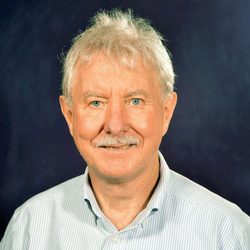
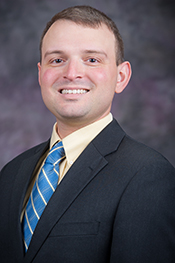
Keunhyun (Keun) Park is an Assistant Professor of Urban Forestry at the University of British Columbia (UBC), affiliated with the Department of Forest Resources Management . He also holds an Adjunct Professor position at Utah State University in the Department of Landscape Architecture and Environmental Planning. Education: BSc and MSc in Landscape Architecture from Seoul National University; PhD in Urban Planning and Design from the University of Utah Research Lab: Faculty lead of the Urban Nature Design Research Lab ( under_lab ) His research focuses on designing healthy, just, and resilient cities through urban nature , with particular emphasis on: Environmental justice and equitable access to urban green spaces Human behavior in public spaces using drone/sensor/VR technology Smart growth urban design impacts on public health and ecological systems Recent publications demonstrate expertise in GIS applications , pedestrian behavior analysis , and urban planning across 20+ studies from 2013-2025. Collaborations include the Vancouver Park Board , Metro Vancouver , and Wasatch Front Regional Council .
Professor Derrick Crook is a leading academic in medical microbiology at the Nuffield Department of Medicine , University of Oxford, while also serving as an Infectious Diseases Physician at Oxford University Hospitals NHS Trust. He combines clinical practice with cutting-edge research on pathogen genomics and antimicrobial resistance. Education : Medicine (University of Witwatersrand); Diploma of Tropical Medicine (London); Internal Medicine Specialization (University of Virginia); Infectious Diseases Fellowship (Tufts New England Medical Center) His research focuses on translating whole pathogen sequencing into clinical practice, studying Mycobacterium tuberculosis , Escherichia coli , and Clostridium difficile . Key projects include the CRyPTIC program (20-country tuberculosis resistance analysis) and development of AI-powered rapid diagnostics. Recent publications demonstrate his team's leadership in using genomic data to predict drug resistance and analyze disease trends through electronic health records . The research emphasizes practical applications for infection control and antibiotic stewardship. Scientific Contributions : NIHR Health Protection Research Unit Global Pathogen Analysis System (GPAS) Mykrobe Predictor software development As co-director of Oxford Biomedical Research Infection Theme, he leads a multidisciplinary team working to modernize infection diagnostics and treatment approaches.
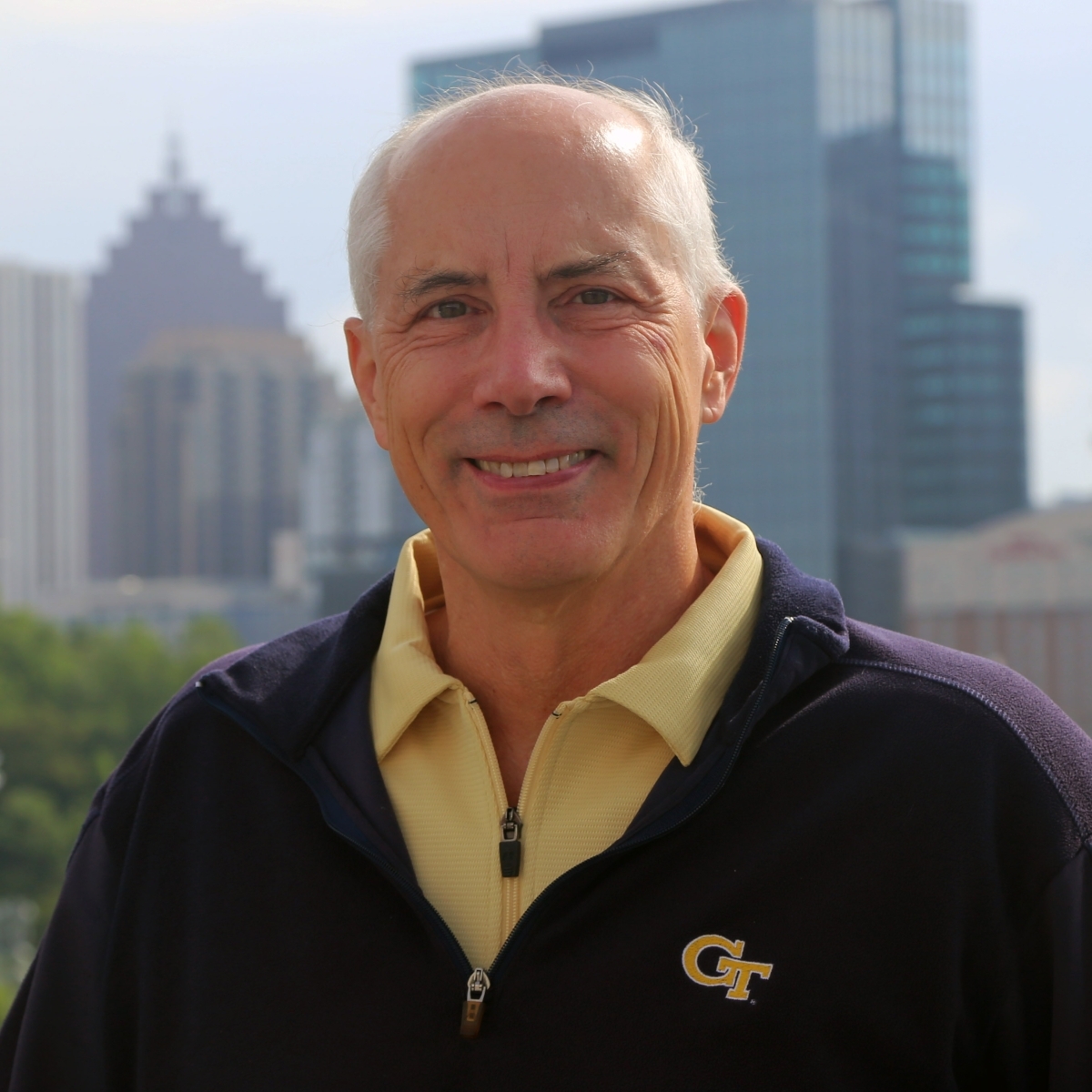
Armistead (Ted) Russell is the Howard T. Tellepsen Chair and Regents' Professor in the Department of Civil and Environmental Engineering at the Georgia Institute of Technology's College of Engineering. He co-directs the Southeastern Center for Air Pollution and Epidemiology and the NSF Sustainability Research Network 'Environmentally Sustainable, Healthy and Livable Cities' project. Dr. Russell earned his B.S. from Washington State University and his M.S. and Ph.D. in Mechanical Engineering from the California Institute of Technology, where he conducted research at Caltech's Environmental Quality Laboratory. Russell's research focuses on air pollution modeling, health effects of air pollutants, aerosol dynamics, environmental economics, atmospheric chemistry, and CO2 capture technologies. His group works to understand air pollutant dynamics at urban and regional scales and assess their impacts on health and the environment to develop effective air quality improvement strategies. His work integrates satellite and ground-based observations with air quality models and assesses climate-air quality strategy interactions. His recent publications reveal a strong focus on urban air quality issues, health impacts of pollution, sustainable city development, and pollution control technologies. His work spans from local Atlanta air quality improvements to global issues like pollution in India and China, demonstrating a comprehensive approach to environmental challenges across different scales and contexts. Howard T. Tellepsen Chair Regents' Professor Russell has advised numerous students who have gone on to prominent positions at institutions worldwide, including UC-Berkeley, Rice University, and Peking University. His research has been funded by major organizations including the National Science Foundation, NASA, EPA, CDC, NIH, and industry partners like Phillips 66 and Southern Company. His work is used in policy and regulatory decision-making at local-to-international levels and is highly cited in scientific literature. Russell's research group (Lambda) operates from the Ford Environmental Science and Technology building at Georgia Tech, which houses extensive air quality research facilities including a state-of-the-art smog chamber and numerous laboratories. The group collaborates extensively with researchers from Earth and Atmospheric Sciences, Chemical and Biomolecular Engineering, City & Regional Planning, and Emory University's Rollins School of Public Health.
Lorin D. Warnick is currently serving as the Austin O. Hooey Dean of Veterinary Medicine at Cornell University College of Veterinary Medicine. He is a tenured Professor in the Department of Population Medicine and Diagnostic Sciences, where his research focuses on the epidemiology of Salmonella infections and antimicrobial resistance in enteric bacteria affecting both domestic animals and humans. A key contributor to Cornell's response to the COVID-19 pandemic, he has led research on SARS-CoV-2 diagnostic testing and campus outbreak dynamics. Education : B.S. in Microbiology (1984) from Brigham Young University DVM (1988) from Colorado State University Ph.D. in Veterinary Medicine (Epidemiology) and Statistics from Cornell University (1994) Professional Experience : Assistant Professor (1994-1996) at Virginia-Maryland Regional College of Veterinary Medicine Assistant/Associate Professor (1996-2008) and Professor (2008-present) at Cornell University Section Chief in Ambulatory and Production Medicine (1997-1999) Research Interests span veterinary epidemiology, antimicrobial resistance, foodborne pathogens, and public health. His work connects animal and human health through One Health frameworks, particularly in Salmonella transmission dynamics between dairy cattle and humans. He has pioneered surveillance systems for infectious diseases, including the model used during Cornell's COVID-19 response. Scientific Awards include: Phi Zeta Veterinary Honor Society (1987) Phi Kappa Phi Honor Society (1988) Honorary Diploma from American Veterinary Epidemiology Society (2018) One Cornell Award for Leadership in Pandemic Testing (2021) Advising and Grants highlight his role in mentoring students and leading interdisciplinary research teams. His grants focus on antimicrobial resistance mitigation, dairy calf health, and pandemic response infrastructure. He has collaborated extensively with institutions like USDA and CDC on foodborne disease research. Labs and Collaborations include leadership in Cornell's Veterinary Diagnostic Laboratories and contributions to the American College of Veterinary Preventive Medicine. His work integrates epidemiological modeling, microbiome analysis, and policy development for sustainable agricultural practices.
Jacqui Webster is a Professor of Public Health at the University of Technology Sydney (UTS), leading the WHO Collaborating Centre on Nursing, Midwifery and Health Development. She serves as the Secretariat for the South Pacific Chief Nursing and Midwifery Officers Alliance (SPCNMOA) and continues collaborating with The George Institute for Global Health on salt reduction research. Key Grants: NHMRC Investigator Grant (Leadership 2), NHMRC IDEAS Grant, Global Alliance for Chronic Diseases grants Collaborations: Fiji National University, Deakin University, University of Sydney, UNSW, Northwestern University Her research focuses on reducing cardio-metabolic diseases through food/water security programs and salt reduction policies. Recent articles analyze potassium-enriched salt adoption barriers, global water sodium standards, ultra-processed food impacts in Fiji, and pandemic-related dietary shifts in Australia. She authored the public health-themed book Two Bugs on Bikes (Hembury Books 2025) based on her cycling journey across Europe and Africa. At UTS, she mentors early-career researchers and supports strategic operations for the WHO Collaborating Centre.
Luís F. Costa is a Senior Associate Professor at the Lisbon School of Economics & Management (ISEG) of the University of Lisbon. Since 2015, he has served as Editor-in-Chief of the Portuguese Economic Journal . His research focuses on macroeconomics, dynamic general equilibrium, fiscal policy, business cycles, and market power. He is a co-founder of the Lisbon Macro Club and holds a DPhil from the University of York. University: University of Lisbon School: Lisbon School of Economics & Management Academic Rank: Senior Associate Professor Research Interests: Luís Costa's work spans macroeconomic theory, with emphasis on dynamic models, imperfect competition, and fiscal policy effectiveness. His publications analyze topics such as markup fluctuations, market power in business cycles, and the role of sunspot equilibria in macroeconomic dynamics. He has contributed to policy discussions in Portugal through special journal issues and collaborative projects. Recent Publications (Trends): His 15 most recent works include analyses of pandemic-induced recessions, business cycle accounting, and the impact of market power on fiscal multipliers. Key themes are macroeconomic modeling, policy evaluation, and empirical studies on OECD and Portuguese economies. Supervisions: Advised Master's students on topics like market power in Portugal, fiscal multipliers, and business cycle accounting in Angola. Visiting Positions: Held visiting professorships at Universidade Eduardo Mondlane (2016), Cardiff Business School (2016), Universidade Lusiada de Angola (2013), and University of York (2005).
Steven Sinkins is Professor in Microbiology and Tropical Medicine at the University of Glasgow, affiliated with the MRC-University of Glasgow Centre for Virus Research. His research focuses on controlling mosquito-borne diseases through innovative biological approaches. He directs the ANTI-VeC international research network and leads a team investigating microbial solutions to vector-borne pathogens. Research interests center on: Wolbachia symbionts for arbovirus control Microsporidian malaria-blocking symbionts in Anopheles mosquitoes Field implementation of biocontrol strategies against dengue and Zika viruses Molecular mechanisms of pathogen blocking in mosquito vectors Publication analysis reveals consistent focus on: Wolbachia-mediated viral inhibition mechanisms Field trials of novel vector control methods Genetic and symbiotic approaches to disease prevention Mosquito-symbiont-pathogen tripartite interactions Scientific recognition includes: Wellcome Trust Senior Research Fellowship (2006-2021) Leads multiple research grants: Wellcome Trust: Optimal implementation of Wolbachia programmes (2022-2027) Open Philanthropy: Microsporidia symbionts for malaria control (2020-2023) BBSRC: Genetic and symbiotic disease control strategies (2017-2020) Directs the Sinkins Group at the MRC-University of Glasgow Centre for Virus Research, collaborating internationally with partners in Malaysia, Kenya, Burkina Faso, and Australia to develop and implement novel vector control solutions.
Dr. Indrani Roy is an Honorary Associate Professor in the Department of Earth Sciences at University College London (UCL). She holds a PhD from Imperial College London and has extensive research experience at institutions including Imperial College and the University of Exeter. Previously, she served as a permanent employee at the India Meteorological Department (Government of India). She is a Fellow of the Royal Meteorological Society (FRMetS) and serves as its Trustee. Dr. Roy contributes to international scientific governance as a panel member for the UK's Natural Environmental Research Council (NERC) and the Romanian National Research Council. Her multidisciplinary research spans: Solar-atmosphere-ocean coupling mechanisms Monsoon dynamics and teleconnection patterns Climate change processes and extreme events Stratosphere-troposphere interactions Climate variability across decadal scales She actively investigates how solar cycles influence regional climates and extreme weather phenomena. Dr. Roy's publications demonstrate consistent focus on climate dynamics with recent emphasis on African and Asian monsoon systems, COVID-19 climate interactions, and improving predictive capabilities for extreme rainfall events. Her work increasingly integrates public health perspectives with climate science. Scientific Recognition: Fellow of the Royal Meteorological Society (FRMetS) Teaching & Advising: As an Associate Fellow of the Higher Education Academy (HEA), she currently teaches the Literature Project module (NSCI0004) for Natural Sciences at UCL. Her past teaching includes: Undergraduate research supervision (University of Exeter) Masters project supervision and guest lecturing (UCL) Instruction of Masters/PhD candidates (University of Oulu, Finland) Professional Engagement: Dr. Roy serves as reviewer for over 40 international journals (including Nature Geoscience and Science Reports) and grant agencies such as NSF, Royal Society, and French National Research Agency. She co-convenes sessions at major conferences (AOGS) and previously held editorial roles at Frontiers journals.
Alex V. Levin, M.D., M.H.Sc., serves as Professor in the Department of Ophthalmology at the University of Rochester School of Medicine and Dentistry, holding the Adeline Lutz - Steven S.T. Ching, M.D. Distinguished Professorship. He concurrently holds joint appointments in the Center for Visual Science and the Department of Pediatrics, Genetics. As Chief of the Flaum Eye Institute's Pediatric Ophthalmology and Ocular Genetics team and Chief of Clinical Genetics at URMC, he leads cross-functional teams comprising ophthalmologists, optometrists, pediatric specialists, geneticists, nurses, and genetic counselors. Medical Degree: Jefferson Medical College Residency: Pediatrics at Children's Hospital of Philadelphia Residency: Ophthalmology at Wills Eye Hospital Fellowship: Pediatric Ophthalmology and Strabismus at Toronto's Hospital for Sick Children Masters of Health Science in Bioethics: University of Toronto (2001) Dr. Levin's research spans ocular genetics and gene therapy, children's vision screening, pediatric glaucoma/cataract/uveitis, ocular manifestations of child abuse, and bioethics. His work integrates clinical expertise in pediatric anterior segment eye conditions with scientific investigation into genetic eye diseases. He maintains the only simultaneous US Board Certifications in pediatrics, ophthalmology, and child abuse pediatrics worldwide. Analysis of his 15 most recent publications reveals predominant focus on genetic eye disorders (73%), with significant emphasis on retinal hemorrhage patterns in trauma (13%) and pediatric glaucoma (7%). His research demonstrates consistent translational application from basic science to clinical practice, particularly in ocular genetics and abusive head trauma diagnostics. Resident Guardian Award (2022) Edward A. Jaeger and John B. Jeffers Citizenship Award (2020) Albert Marquis Lifetime Achievement Award (2018) Al Biglan Medal in Pediatric Ophthalmology (2014) Ray E. Helfer Society Award for Child Abuse Research (2011) With over 35 years of experience and hundreds of peer-reviewed publications, Dr. Levin has secured funding from the National Institutes of Health, Canadian Institute of Health, and private foundations. His research portfolio demonstrates exceptional continuity in pediatric ophthalmology and ocular genetics, with recent emphasis on deep learning applications for retinal hemorrhage analysis and international registry development for childhood glaucoma. He has established comprehensive vision screening programs for underserved urban populations and pioneered ethical frameworks for genetic testing in pediatric ophthalmology. Dr. Levin directs the Ocular Genetics Program at URMC, which provides multidisciplinary care through the Pediatric Ophthalmology and Ocular Genetics team. His laboratory investigations focus on nascent chromatin structure in fibrosis and protein modeling for inherited retinal diseases, with active collaborations across the Montalcino Aortic Consortium and Sturge-Weber Foundation research networks.
Kerstin Nilsson is a Professor of Public Health Sciences at Kristianstad University , Faculty of Health Sciences, and holds associate professorships in Public Health Epidemiology at Lund University and Work Science at the Swedish University of Agricultural Sciences (SLU). Her research focuses on creating healthy workplaces , sustainable working lives , and person-centered healthcare practices . Key Research Areas: Aging workforce, salutogenesis, nature-assisted rehabilitation, pandemic response in healthcare, and sustainable work environments. Leadership: Developer of the SwAge model for sustainable working life across ages. Scientific Contributions: Over 188 publications, with recent projects analyzing nurses' mental health during the pandemic, workplace relationships in healthcare, and nature-based interventions. Collaborates with international networks like the EU COST Action 'DIGI-net' and the Pufendorf Advanced Study Group. Awards: No explicit awards listed, but recognized through leadership roles and interdisciplinary research. Students: Supervises doctoral candidates like Cicilia Nagel and Sophie Schön Persson, focusing on person-centered care and staff well-being. External Affiliation: Associate Professor at Lund University (2007–present) and SLU (until 2007).
James Sweeney serves as Professor in the Department of Mathematics and Statistics at the University of Limerick, concurrently holding memberships in the Centre for Battery and Energy Materials Research and the Mathematics Applications Consortium for Science and Industry (MACSI). Actively accepting PhD students, his research bridges theoretical mathematics with practical industry applications across diverse sectors including energy materials, real estate, and public health. His research portfolio demonstrates exceptional interdisciplinary range, with core expertise in machine learning algorithms (particularly time series classification and neural networks), geospatial statistics for property valuation, and epidemiological modeling for disease surveillance. Key methodological contributions include evolutionary algorithms for optimization, dissimilarity-preserving representation learning, and flexible geospatial smoothing techniques that address complex real-world data challenges. Analysis of his 23 publications (2015-2024) reveals accelerating scholarly output since 2020, with 2024 being particularly prolific. His work consistently targets high-impact applications: developing diagnostic thresholds for bovine tuberculosis, modeling COVID-19 transmission dynamics in Dublin, and creating neural network solutions for geodemographic clustering. This trajectory reflects deepening engagement with computational approaches to solve pressing societal problems through mathematical innovation. As a PhD supervisor, he cultivates next-generation researchers in advanced computational methods. His collaborative framework extends through MACSI's industry partnerships and the Centre for Battery and Energy Materials Research, where mathematical modeling directly informs energy technology development. These dual affiliations position him at the critical intersection of academic research and industrial application, particularly in Ireland's growing tech and energy sectors. His laboratory activities center around computational mathematics teams within MACSI, focusing on applying statistical learning to battery materials research and real-world data challenges. Current projects involve time series analysis for sensor data, geospatial modeling for economic forecasting, and optimization algorithms for veterinary epidemiology – demonstrating remarkable methodological versatility across traditionally disparate domains.
Dr. Carrie A. Karvonen-Gutierrez is an Associate Professor of Epidemiology and Associate Chair for Faculty Affairs at the University of Michigan School of Public Health . She serves as Director of the Center for Midlife Science , leading NIH-funded studies like SWAN-Aging and Michigan Bone Health and Metabolism Study , which track women's health over 25+ years. Her research integrates reproductive aging , chronological aging , and environmental toxicants to explore metabolic dysfunction , physical function , and disability . PhD in Epidemiologic Science (University of Michigan, 2012) MPH in Epidemiology (University of Michigan, 2005) BA in Biology (University of Northern Iowa, 2002) Her research focuses on inflammatory and metabolic biomarkers in osteoarthritis , frailty , and cardiometabolic health , with expertise in longitudinal data analysis . She leads the PROTECT-Moms cohort, examining environmental toxicants and postpartum metabolic health . Recent publications highlight her work on device-measured physical activity , adipokines , PFAS exposure , and sleep-cognition interactions . She collaborates on multi-ethnic disparities and neighborhood environmental impacts on cardiometabolic risk and cognitive decline .
Amir Bahadori serves as Professor and Nuclear Engineering Program Director in the Department of Mechanical and Nuclear Engineering at Kansas State University's Carl R. Ice College of Engineering, holding the Hal and Mary Siegele Professorship in Engineering. He directs the Radiological Engineering Analysis Laboratory (REAL) and established the Institute for Radiation Health Studies (IRHS) in 2024, focusing on radiation protection, space radiation environments, and radiation health effects. His educational background includes: Ph.D. in Biomedical Engineering, University of Florida (2012) M.S. in Nuclear Engineering Sciences, University of Florida (2010) B.S. in Mechanical Engineering and Mathematics, Kansas State University (2008) Bahadori's research spans radiation transport modeling, dosimetry, and risk assessment with applications in space exploration, medical physics, and radiation epidemiology. He develops computational frameworks for radiation exposure scenarios and biological response prediction, emphasizing space radiation protection for Artemis missions and chronic exposure studies through the Million Person Study collaboration. Analysis of his recent publications reveals dominant themes in space radiation measurement (Artemis missions), radiation epidemiology (Million Person Study innovations), and advanced detection systems (miniaturized neutron spectrometers). His work increasingly integrates big data approaches for radiation risk assessment and electrostatic shielding concepts for deep-space exploration. His scientific recognition includes: NASA Graduate Student Research Fellowship (2009) Certified Health Physicist designation Big 12 faculty fellowship (2022-2023) NCRP council election (2024) Two USPTO patents Bahadori secures substantial research funding from NASA for space radiation instrumentation, Department of Energy projects via the Kansas City National Security Campus, and collaborative epidemiological studies. He mentors nuclear engineering graduate students while leading interdisciplinary teams developing radiation protection solutions for aerospace and medical applications. His laboratory infrastructure includes the REAL with Beocat high-performance computing resources, radiation detectors, and a 3D printer, plus the IRHS with a Precision X-ray XRad320 irradiator and radon chamber. These facilities support collaborations across K-State colleges and external organizations for radiation health effect studies.
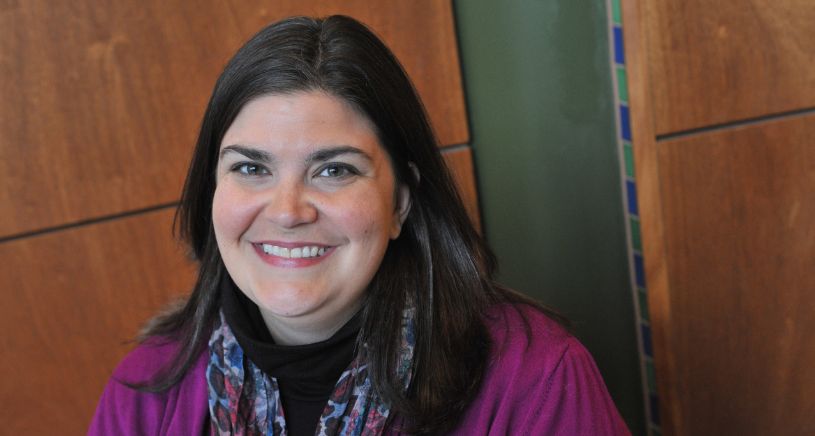
Natalie Johnson is an Associate Professor in Environmental and Occupational Health at the College of Veterinary Medicine, Texas A&M University. She chairs the Interdisciplinary Program in Toxicology and leads critical research on air pollution impacts on vulnerable populations. Education PhD in Toxicology, Texas A&M University College of Veterinary Medicine Postdoctoral Fellowship in Environmental Health Sciences, Johns Hopkins Bloomberg School of Public Health BS in Biology, Texas A&M University College of Science Her research focuses on inhalation toxicology , maternal exposure to pollutants , and gene-environment interactions . She directs the mobile responding to air pollution in disasters (mRAPiD van), a real-time chemical pollutant detection platform, and investigates emerging environmental chemicals in breast milk. Current projects include: Respiratory toxicology of inhaled pollutants Prenatal/pediatric air pollution exposure and immune development Development of green-engineered clays for toxin mitigation
Sarah Lowe, Ph.D., is an Associate Professor in the Department of Social and Behavioral Sciences at Yale School of Public Health, with secondary appointments in the Department of Psychiatry at Yale School of Medicine and Yale School of Nursing. She is also affiliated with the Yale Institute for Global Health, Yale Stress Center, and Women's Health Research at Yale. Dr. Lowe earned her AB in Psychology from Harvard University (2003), followed by an MA (2008) and PhD (2012) in Clinical Psychology from the University of Massachusetts Boston. She completed a predoctoral fellowship at New York Presbyterian Hospital/Weill Cornell Medical College and a postdoctoral fellowship in the Psychiatric Epidemiology Training program at Columbia University Mailman School of Public Health (2014). Her research program focuses on the long-term mental health consequences of traumatic events across multiple ecological levels, examining how disasters, genocide, and mass violence affect mental health, physical health, social relationships, and economic wellbeing. Dr. Lowe employs diverse methodologies including structural equation modeling, latent growth curve analysis, geospatial modeling, and qualitative analysis. Her work often centers on vulnerable populations including survivors of Hurricane Katrina, Rwandan genocide survivors, people with disabilities, and racial/ethnic minorities. Dr. Lowe's recent publications reveal a strong focus on climate change and mental health, examining how extreme weather events impact psychological wellbeing across different populations. Her research shows evolving trends from disaster-specific studies toward broader investigations of trauma mechanisms and resilience factors across various contexts, with increasing attention to health disparities and social justice issues. Award for Outstanding Contribution to Trauma Psychology by an Early Career Psychologist (American Psychological Association, 2022) Robins/Guze Early Career Award (American Psychopathological Association, 2021) Wendy U. and Thomas C. Naratil Pioneer Award (Yale Women's Health Research Program, 2020) Chancellor's Distinguished Dissertation Award in the Social Sciences (University of Massachusetts Boston, 2013) Faculty Council Award for Research Excellence (Weill Cornell Medical College, 2012) Dr. Lowe serves on the Connecticut Governor's Council on Climate Change and the Scientific Oversight Committee for the Aliso Canyon Disaster Health Research Study. Her grant-funded research supports community-based investigations into trauma and resilience across diverse settings, including collaborations in American Samoa and Rwanda. She serves as an investigator in the WHRY Pilot Project Program, examining women's health issues through a trauma-informed lens. Dr. Lowe leads the Trauma and Mental Health (TMH) Lab at Yale, which employs interdisciplinary approaches to understand trauma responses and resilience mechanisms. Her lab collaborates with community organizations to ensure research addresses real-world needs and translates into practical interventions for trauma-affected populations.