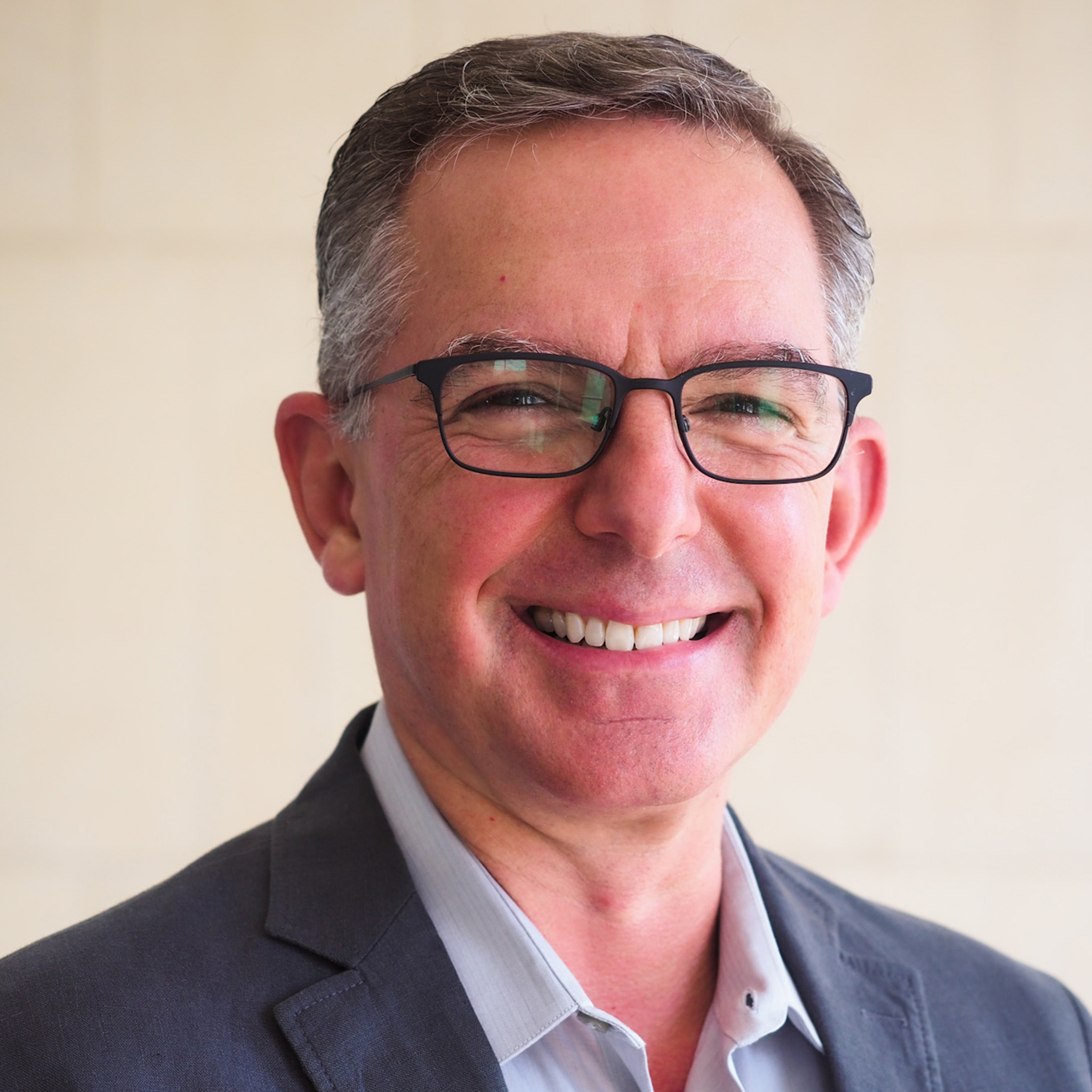
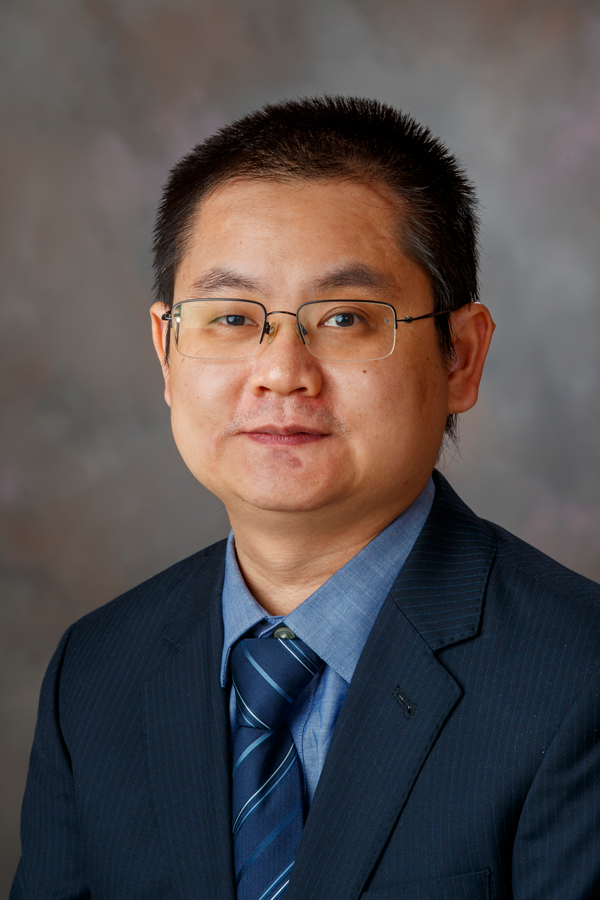
Christopher W. Jones is a Professor and John F. Brock III School Chair in the Department of Chemical & Biomolecular Engineering at Georgia Institute of Technology. His research focuses on catalysis, separations, and materials chemistry, with a particular emphasis on CO 2 capture and conversion technologies. Education B.S.E. Chemical Engineering, University of Michigan, 1995 M.S. Chemical Engineering, California Institute of Technology, 1997 Ph.D. Chemical Engineering, California Institute of Technology, 1999 Jones's research explores heterogeneous and homogeneous catalysis, including supported organometallics, zeolites, and metal-organic frameworks (MOFs). His work addresses the interface of catalysis and separations, particularly in energy and environmental applications like direct air capture (DAC) and lignocellulose conversion to fuels and chemicals. His recent publications focus on CO 2 capture using amine-functionalized materials, zeolitic nanotubes, and polymer sorbents. Key areas include humidity effects on DAC, sorbent reactivation, and mechanochemical recycling of plastics. Scientific Awards CAREER Award, National Science Foundation, 2002 Faculty Career Initiation Award, Shell Oil Company Foundation, 2002 Sigma Xi Young Faculty Award, 2004 Dreyfus Foundation Fellowship, 2008 Paul H. Emmett Award, North American Catalysis Society, 2013
Charles T. Anderson is a Professor in the Department of Biology at Penn State University and a member of the Institute of Energy and the Environment (IEE). With an h-index of 37 and over 4,580 citations from 112 research outputs, his work has made significant contributions to plant cell biology and related fields. Dr. Anderson's educational background is not explicitly detailed in the provided information, but his extensive publication record spanning from 2003 to present demonstrates deep expertise in plant cell wall biology and related areas. Dr. Anderson's research focuses on plant cell wall structure and function, with particular emphasis on cellulose, pectin, and other polysaccharides in model systems like Arabidopsis thaliana. His work bridges molecular biology, biomechanics, and plant physiology to understand how cell walls contribute to plant growth, development, and environmental responses. Key research areas include stomatal dynamics, cell wall integrity responses, and the biomechanical properties of plant cells. His research has important implications for understanding plant responses to environmental stress and for applications in bioenergy and sustainable agriculture. Cell wall structure and function in plants Biomechanics of plant cell growth Stomatal guard cell physiology Cellulose and polysaccharide biosynthesis Plant responses to environmental stress Mechanisms of cell wall integrity maintenance Analysis of Dr. Anderson's recent publications reveals a strong focus on plant cell wall architecture, with particular attention to mechanical properties, structural components like cellulose and pectin, and the dynamics of stomatal guard cells. His work spans fundamental molecular mechanisms to broader applications in agriculture and climate resilience, with increasing emphasis on grass species and crop plants in recent years. Scientific Recognition With 112 research outputs and significant citation impact (h-index of 37), Dr. Anderson's work is widely recognized in the plant science community. His research has been featured in numerous high-impact journals and has attracted attention from news outlets, social media, and scholarly platforms. His work has been picked up by 38 news outlets, blogged about 8 times, referenced in Wikipedia pages, and discussed across various social media platforms including X (formerly Twitter) and Bluesky. Dr. Anderson serves as Principal Investigator on multiple active NSF-funded research projects, demonstrating leadership in plant cell biology research. He has also contributed to community resources through the acquisition of advanced microscopy equipment shared across the Penn State research community. Research Infrastructure Dr. Anderson plays a key role in maintaining and developing research infrastructure at Penn State, particularly in advanced microscopy capabilities. His successful acquisition of a Nikon SIM & STORM capable super-resolution fluorescent microscope has enhanced imaging capabilities for the broader research community.
Carsten Milsmann is an Associate Professor in the Department of Chemistry & Biochemistry at the University of Delaware , where he leads the Milsmann Lab since August 2024. Previously affiliated with West Virginia University, his research focuses on replacing precious metal-based photosensitizers with Earth-abundant elements. Education Ph.D., Max-Planck-Institute for Bioinorganic Chemistry & Ruhr University Bochum Alexander von Humboldt Postdoctoral Fellow, Princeton University Research Specializations combine: Design of photoluminescent molecules using early transition metals (Zr, Hf) and main-group elements (Si, Ge) Development of ligand frameworks enabling long-lived excited states through TADF mechanisms Applications in photoredox catalysis, solar energy conversion, and sustainable chemical processes Photochemical C-C bond formation and C-H activation under visible light Investigation of intersystem crossing rates and excited state dynamics Uncovering unique reactivity patterns in iron and actinide complexes Notable Contributions include: First demonstration of Zr(IV) complexes with LMCT excited states for photoredox catalysis (JACS 2016) Advancing TADF mechanisms in d 0 metals (Nature Chemistry 2020) Developing molecular systems for photon upconversion with record quantum efficiencies (Chemical Science 2021) Creating novel actinide-based luminescent materials (Inorganic Chemistry 2024) Contact milsmann@udel.edu Milsmann Lab Website
Yoichi Nakao is a Professor at the School of Advanced Science and Engineering, Faculty of Science and Engineering, Waseda University, specializing in natural products chemistry, chemical biology, and functional food chemistry. His research focuses on marine natural products, stem cell differentiation, and epigenetics, with significant contributions to understanding how natural compounds affect cellular processes. Dr. Nakao earned his Doctor of Agriculture from the University of Tokyo. His educational background includes undergraduate, master's, and doctoral studies all completed at the University of Tokyo between 1985 and 1994, followed by postdoctoral research at the University of Hawai'i Department of Chemistry from 1994-1996. His research spans multiple interdisciplinary fields with a particular emphasis on identifying bioactive compounds from natural sources. Nakao's work explores how marine organisms and traditional food sources produce compounds that influence stem cell differentiation, particularly neural stem cells into astrocytes, and how these processes relate to neurodegenerative diseases and depression. His laboratory investigates epigenetic modifications induced by environmental chemicals and natural products, with implications for developmental toxicology and disease prevention. A significant portion of his recent work focuses on sustainable applications, including serum-free cell culture systems using algal extracts for cultured meat production and regenerative medicine. Analysis of Nakao's recent publications reveals a strong focus on marine natural products chemistry, with numerous discoveries of novel compounds from sponges, cyanobacteria, and other marine organisms. His research increasingly integrates chemical biology approaches with stem cell technology, particularly using induced pluripotent stem cells to study epigenetic changes. There's also a growing emphasis on sustainable biotechnology applications, especially in developing alternatives to animal serum for cell culture, which has significant implications for cultured meat production and regenerative medicine. Dr. Nakao serves in various professional capacities, including as a committee member for the Natural Products Discussion Group (2011-present), the Japanese Society of Chemical Biology (2010-present), and the Chemical Ecology Research Group (2007-present). He is an active member of numerous professional societies including the American Chemical Society, Japanese Bioinformatics Society, and Japanese Society of Chemistry. His laboratory maintains active collaborations across multiple disciplines, working with researchers in microbiology, parasitology, and biomedical engineering. Current research directions include developing chemical probes for target identification, studying microbial interactions in marine environments, and exploring the therapeutic potential of natural compounds for neurological disorders and infectious diseases.
Professor Joohoon Kim is a distinguished faculty member in the Department of Chemistry at Kyung Hee University's College of Sciences in Seoul, Korea. With expertise in analytical chemistry and nanomaterials, he leads a research group focused on developing advanced electrochemical sensors and nanotechnology applications for chemical detection and biosensing. His educational background includes: Ph.D. in Analytical Chemistry, University of Texas at Austin, TX, 2007 M.S. in Analytical Chemistry, Seoul National University, Seoul, Korea, 2000 B.A. in Management, Korea National Open University, Seoul, Korea, 2003 B.S. in Chemistry Education, Seoul National University, Seoul, Korea, 1998 Professor Kim's research spans analytical chemistry, nanomaterials, and electrochemistry with emphasis on dendrimer-encapsulated nanoparticles, electrochemiluminescence, and surface modification techniques. His work has made significant contributions to electrochemical biosensors, DNA analysis platforms, and nanomaterial-based detection systems. The laboratory develops innovative approaches for chemical and biological sensing with applications in environmental monitoring and biomedical diagnostics. His publication record shows consistent innovation in graphene-based materials, dendrimer-nanoparticle composites, and electrochemiluminescence applications. The research demonstrates sophisticated surface modification techniques for enhanced electrochemical detection, particularly focusing on ITO electrodes modified with various nanomaterials for improved sensor performance while maintaining optical transparency. Professor Kim has received numerous prestigious awards: Korean Chemical Society - Division of Analytical Chemistry Chemistry Award for Young Analytical Chemist (2013) Korean Chemical Society - Division of Analytical Chemistry Distinguished Service Award (2011) American Chemical Society - Division of Analytical Chemistry Graduate Fellowship (2007) Membership Award in AAAS Program from Science Magazine (2006) LabAutomation Travel Award (2006) Professor Kim has mentored numerous graduate students through their Master's and PhD programs, with several successful graduates working at prominent Korean institutions including Samsung, LG, and SK. His research has been supported by various grants, including funding from the National Research Foundation of Korea as indicated by references to '한국연구재단 기초연구실' in his laboratory announcements. His laboratory at Kyung Hee University maintains active research in nanomaterial synthesis, electrochemical sensor development, and surface modification techniques, with facilities in Room 803 of the Space21 Science Building. The lab maintains collaborations with researchers both domestically and internationally, contributing to the advancement of analytical chemistry and nanotechnology applications.
Dr. Ben Kravitz is an Associate Professor in the Department of Earth and Atmospheric Sciences at Indiana University Bloomington, where he also serves as Director of Graduate Studies. His research focuses on climate dynamics, particularly using climate models to explore radiative forcing, climate response, and climate system feedbacks. He leads the Kravitz Research Group which specializes in combining global climate, regional climate, and process model simulations with mathematical and engineering techniques to understand Earth system responses to perturbations. Dr. Kravitz received his educational training at prestigious institutions: Ph.D. in Atmospheric Sciences, Rutgers University (2011) M.S. in Atmospheric Sciences, Rutgers University (2009) M.S. in Mathematics, Purdue University (2007) B.A. in Mathematics, Northwestern University (2004) His primary research interests center on climate engineering using stratospheric sulfate aerosols, reduced order modeling of the climate system, high latitude climate teleconnections, and uncertainty quantification for wind energy. He applies engineering techniques such as control theory, system identification, and linear systems theory to climate modeling problems. His work spans multiple areas including geoengineering, climate dynamics, teleconnections, climate model emulators, dynamic downscaling, and wind energy applications. His Erdös number is three, making him the academic grandson of Ed Lorenz. Dr. Kravitz's recent publications demonstrate a strong focus on stratospheric aerosol injection strategies, marine cloud brightening, and the climate response to various geoengineering interventions. His research examines how different injection locations, timing, and strategies affect climate outcomes including extreme events, atmospheric circulation patterns, and regional climate impacts. His work is characterized by sophisticated modeling approaches that integrate multiple Earth system components to assess potential climate intervention strategies. As Director of Graduate Studies, Dr. Kravitz mentors graduate students in the Department of Earth and Atmospheric Sciences. His research involves extensive collaboration through the Geoengineering Model Intercomparison Project (GeoMIP) and other international research initiatives focused on climate intervention strategies. His work bridges climate science and engineering to develop innovative approaches for understanding Earth system responses to perturbations. The Kravitz Research Group maintains strong connections with the broader climate modeling community through participation in major intercomparison projects. They focus on understanding how the Earth system responds to perturbations, with particular expertise in developing methods to quantify risks and side effects of climate engineering approaches while exploring fundamental climate dynamics and teleconnections.
Professor Holger Dau, Ph.D. in Physics, leads the Biophysics and Photosynthesis group at Freie Universität Berlin's Department of Physics. His research focuses on biological and artificial solar energy conversion, particularly water oxidation in photosynthesis and electrocatalysis for solar fuels. Current affiliation: Freie Universität Berlin Research areas: Photosynthesis, Solar Energy, Electrocatalysis, Artificial Photosynthesis, Nanomaterials Recent publications highlight his work on: Electrocatalyst design for oxygen evolution Time-resolved spectroscopy in photosynthetic systems Biologically inspired metal complexes for energy conversion Stability of heterostructures in catalytic environments Phosphorus-doped nanostructures for hydrogen production His group employs advanced techniques including X-ray absorption, Raman spectroscopy, and molecular precursor approaches to study catalytic mechanisms and materials optimization.
Scott W. Stevens is an Associate Professor and Associate Chair for Undergraduate Education in the Molecular Biosciences department at the University of Texas at Austin, College of Natural Sciences. His research focuses on understanding the structure and function of ribonucleoprotein (RNP) complexes, particularly the spliceosome. Dr. Stevens' research interests center on RNA processing and splicing mechanisms. His laboratory investigates how RNA and protein assemble into large RNP complexes, how these complexes function, and how they are rearranged during their action. His work has significant implications for understanding human diseases caused by RNP malfunction. His research methodology combines yeast genetics, biochemistry, cryo-electron microscopy, and X-ray crystallography. More recently, his lab has expanded into mammalian systems by designing human cells and mice to study splicing reactions in these model organisms. Dr. Stevens has published extensively on spliceosome structure and function, with research spanning from fundamental molecular mechanisms to potential therapeutic applications. His publication record shows consistent productivity from the early 2000s through 2023, demonstrating sustained research impact in the field of RNA biology. His collaborative work extends across disciplines, as evidenced by publications in medical physics and environmental science alongside his primary molecular biology research.
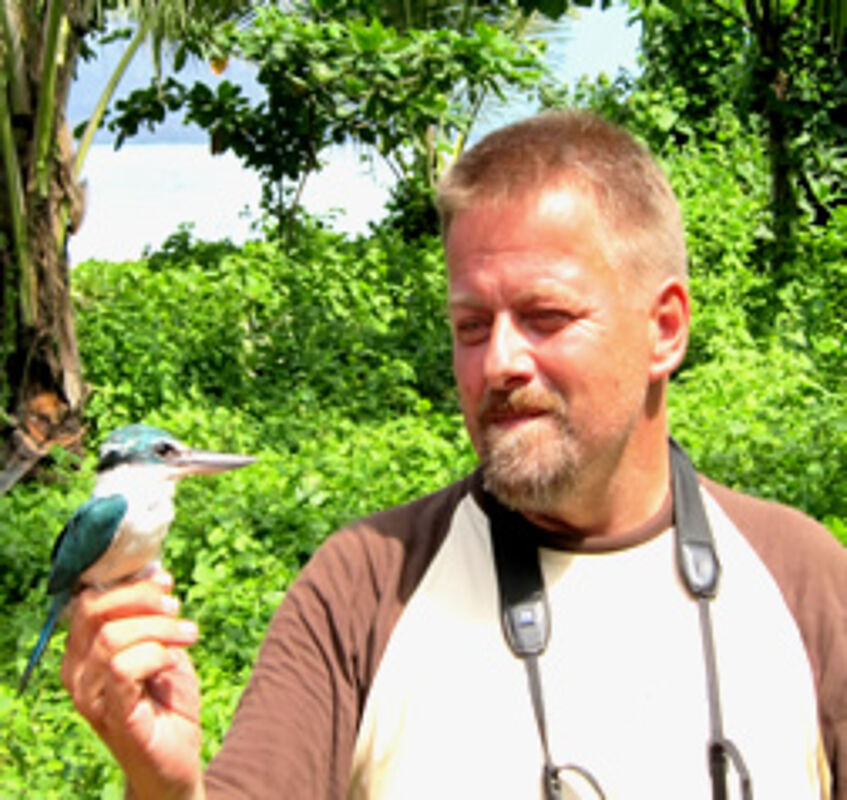
Dr. Christian H. Schulze is a researcher at the University of Vienna , affiliated with the Faculty of Life Sciences and the Department of Botany and Biodiversity Research . His work focuses on tropical ecology, animal biodiversity, and conservation biology, with field studies in Central Europe, Costa Rica, and the Galápagos Islands. Key research areas include: Thermoregulation in avian species Effects of land use on tropical and alpine ecosystems Invasive plant management and island biodiversity Urban ecology and floodplain conservation His publications (138+) span topics from dragonfly community dynamics to coffee farming impacts on birds, with recent emphasis on climate change and habitat degradation. Scientific awards are unlisted in the provided texts. Contact: christian.schulze@univie.ac.at
Stefan Irniger serves as a faculty member at a German-speaking academic institution, where he has supervised numerous doctoral candidates between 2004 and 2014. His academic position as a Privatdozent (PD) indicates he has completed the habilitation process, the highest academic qualification in the German system. Dr. Irniger's research spans multiple areas of molecular and cellular biology, with particular emphasis on: Microbial pathogenesis and host-pathogen interactions Fungal and yeast molecular genetics Protein regulation and post-translational modifications Enzyme structure and function Cellular metabolism and signaling pathways His doctoral students have published work examining diverse biological systems including Toxoplasma gondii, Saccharomyces cerevisiae, Aspergillus nidulans, and various plant-pathogen interactions. The publications demonstrate a consistent focus on molecular mechanisms underlying cellular processes, with particular attention to protein regulation, metabolic pathways, and host-microbe interactions. His students' work appears across multiple subdisciplines including parasitology, fungal genetics, enzymology, and membrane biology. Dr. Irniger has guided 18 doctoral students to completion, with dissertation topics spanning from 2004-2014. His students have investigated fundamental biological questions with implications for infectious disease, agricultural pathology, and basic cellular mechanisms. While specific awards are not documented in the available records, the breadth and quality of supervised research indicates significant scholarly contribution to his fields of expertise.
Jian Liu serves as an Assistant Professor in the School of Chemistry and Materials Science at Rochester Institute of Technology (RIT) since January 2023, with additional program faculty appointments in Chemical Engineering and Microsystems Engineering programs. He earned his Ph.D. in Materials Chemistry from Binghamton University under Professor Wayne Jones, researching photocatalytic pollutant detoxification using TiO 2 nanofibers. His postdoctoral work at Northwestern University with Professors Hupp and Farha advanced gas capture via MOF chemistry. Dr. Liu's research focuses on designing nanoporous materials—particularly metal-organic frameworks—for small molecule capture and catalytic transformations through thermal and photo-catalytic pathways. His expertise spans greenhouse gas conversion, heterogeneous catalysis, and nanomaterials engineering for environmental sustainability. His publication record reveals consistent innovation in MOF stability, catalyst confinement effects, and tunable catalytic systems, significantly contributing to materials chemistry and sustainable engineering solutions. He leads the Lab for Functional Nanoporous Materials and mentors students through research-intensive courses including CHEM-493 and CHEM-495, while teaching graduate courses in materials science and chemical engineering.
Qiuming Yao is an Assistant Professor in the Department of Computer Science at the School of Computing, University of Nebraska-Lincoln since 2020. His research develops computational methods for integrating multi-omics data to decode complex biological systems at the interface of computer science, biology, and medicine. PhD in Computer Science, University of Missouri, 2014 MA in Statistics, University of Missouri, 2014 Dr. Yao's work pioneers scalable algorithms for genomics, transcriptomics, proteomics and metabolomics integration. His lab investigates microbiome ecology (environmental/health impacts), genetic mutation functionality (gene therapy applications), molecular isoform quantification (medical/plant contexts), and interpretable machine learning. He bridges frequentist and Bayesian statistical frameworks to model biological uncertainty while developing tools for causal inference in high-dimensional omics data. His publication record (2012-2021) reveals consistent innovation in bioinformatics tool development, with flagship projects including Motif Raptor for transcription factor analysis, Storm/Omega2 for metagenomic pipelines, and P3DB/Musite for phosphorylation databases. These tools, published in Nature Genetics, Nature Communications, and Bioinformatics, demonstrate cross-domain applicability from human genetics to plant proteomics through rigorous algorithmic design. No scientific awards were documented in the source material. Dr. Yao actively mentors postdocs (offering salaries exceeding NIH standards), graduate RAs (with tuition waivers), undergraduates, and visiting scholars through his Integrated Digital Omics Lab. His lab culture emphasizes interdisciplinary collaboration, self-directed learning, and translating computational research into publishable outcomes for academic or industry careers. The Integrated Digital Omics Lab (IDOL) cultivates a collaborative environment where computer scientists, biologists, and statisticians develop omics integration frameworks. The lab welcomes researchers passionate about algorithm development for biological discovery, with current focus on microbiome modeling, mutation impact prediction, and interpretable machine learning for molecular systems.
Professor Thomas Röckmann is a distinguished atmospheric scientist at Utrecht University's Faculty of Science, serving as Professor of Atmospheric Physics and Chemistry and Academic Director of the Marine and Atmospheric Research department. Based at the Buys Ballot building in Utrecht, he leads research at the intersection of atmospheric chemistry, climate science, and isotope geochemistry. His research focuses on development and application of isotope techniques to investigate atmospheric physics and chemistry, with particular emphasis on global trace gas budgets , impact of anthropogenic activities on the atmosphere , stratosphere-troposphere exchange , and stratospheric water vapor . He has pioneered the development of air sampling devices for high-altitude research aircraft and stratospheric balloon experiments. His work on kinetic isotope effects and mass independent isotope effects provides critical insights into atmospheric processes, while his research reconstructs paleo-atmospheric conditions using Arctic and Antarctic ice and firn samples. Analysis of Professor Röckmann's 15 most recent publications (2024-2025) reveals a strong focus on methane emissions quantification across diverse environments including agricultural systems, oil and gas infrastructure, coastal waters, and polar regions. His work integrates advanced isotopic techniques with airborne and ground-based measurements to constrain global methane budgets and identify emission sources. Recent research also explores innovative approaches to atmospheric methane removal and the development of high-sensitivity analytical techniques for clumped isotope analysis. Professor Röckmann serves as Chair of Atmospheric Physics and Chemistry, is a member of the Netherlands Earth System Science Center consortium, sits on the scientific advisory committee of SRON, and serves on the editorial board of Atmospheric Chemistry and Physics. His research involves extensive international collaborations across Europe, North America, and polar regions, with field campaigns spanning from the Amazon rainforest to Greenland's ice sheet.
Judith Korb is a Professor at the University of Freiburg, working within the Institute of Biology I in the department of Evolutionary Biology and Animal Ecology. She leads the Korb Lab, which focuses on social insects, particularly termites, examining their evolution, ecology, and sociobiology. Her research spans multiple areas of evolutionary biology and social insect behavior, with a particular emphasis on termite societies. Dr. Korb has made significant contributions to understanding social evolution, caste differentiation, reproductive division of labor, and the molecular mechanisms underlying social behavior in termites. Her work explores the exceptional longevity of social insect queens, termite mound architecture, chemical communication in social insects, and the genomic basis of eusociality. Dr. Korb's research combines field studies in Africa with molecular and genomic approaches to unravel the complexities of social insect biology. Dr. Korb's publication record demonstrates consistent scientific productivity, with numerous high-impact papers in leading journals across evolutionary biology, ecology, and genomics. Recent work has focused on the genomic basis of social evolution, aging in social insects, and termite ecology, revealing important insights into how sociality reshapes fundamental biological processes like aging and development. Over 200 publications including high-impact papers in Nature Ecology and Evolution, PNAS, and Philosophical Transactions of the Royal Society B Contributor to authoritative references including the Encyclopedia of Social Insects Extensive international collaborations across Europe, Africa, and North America Dr. Korb has supervised numerous students and collaborated extensively with researchers worldwide, contributing significantly to our understanding of social evolution in termites and other insects. Her laboratory employs a range of methodological approaches, including behavioral observations, molecular techniques, genomic analyses, and field ecology to investigate the evolution and maintenance of sociality in insects.
Juan Pablo Trelles is a Professor in the Department of Mechanical and Industrial Engineering at the Francis College of Engineering, University of Massachusetts Lowell. He serves as the Director of the Graduate Program in Energy Engineering and leads the Re-Engineered Energy Laboratory (REng|Lab), which focuses on developing renewable and sustainable energy solutions through fundamental and applied research. Dr. Trelles earned his educational credentials from prestigious institutions: a Ph.D. in Mechanical Engineering from the University of Minnesota (2007), an M.S. in Energy Engineering from the University of Massachusetts Lowell (2003), and a B.S. in Mechanical Engineering from Universidad Nacional de Ingeniería in Lima, Peru (2001). Before joining UMass Lowell in 2012, he worked as a Senior Software Engineer at Intel Corporation in Hillsboro, Oregon. His research focuses on devising concepts, methods, and devices for the direct use of solar energy and electrical energy in industrial processes, ranging from the synthesis of high-value chemicals and materials to the modification of materials and surfaces. A fundamental aspect of Trelles' research is the combination of experimental and computational approaches to achieve impactful understanding. His group develops strategies for solving transport problems at the core of most energy systems, which typically involve multi-scale and multi-physics phenomena. These methods have been applied to analyze diverse plasma flows, thermal systems, radiation transport, and multi-phase problems. Dr. Trelles' recent publications demonstrate a strong focus on plasma-based energy conversion technologies, particularly for CO 2 conversion, hydrogen production, and ammonia synthesis. His work bridges computational modeling with experimental validation, emphasizing sustainable chemical synthesis using renewable energy sources. Key research themes include solar-plasma reactors, non-thermal plasma applications, computational fluid dynamics of plasma systems, and waste-to-energy conversion processes. Scientific Awards Early Career Research Award (2017) - U.S. Department of Energy (DOE), Office of Science CAREER Award (2015) - U.S. National Science Foundation (NSF) Logic Technology Development Division Award (2011) - Technology Manufacturing Group, Intel Corporation Dr. Trelles has successfully advised numerous graduate students, with 11 PhD graduates and 3 Master's graduates to date, and currently mentors 4 PhD students. His laboratory, the Re-Engineered Energy Laboratory (REng|Lab), investigates processes based on concentrated solar energy and plasma technologies for sustainable chemical synthesis. Current projects include nonthermal plasma hydrogen production from polymeric waste, plasma catalysis for ammonia synthesis, solar-enhanced plasma-chemical synthesis, and modeling of atmospheric pressure columnar discharges.