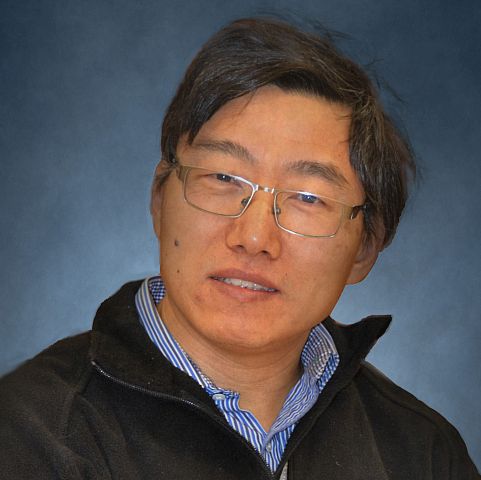
Jun Hyung Lee is a Visiting Assistant Professor in the Department of Environmental Biology at SUNY College of Environmental Science and Forestry (ESF). His research focuses on advancing forest tree improvement and conservation through molecular and synthetic biology approaches, with a particular emphasis on enhancing plant resilience to environmental stresses via beneficial microbial interactions. He teaches courses in plant biotechnology and tissue culture methods. Education includes a Ph.D. in Forest Genetics from Purdue University (USA), and M.S. and B.S. degrees in Plant Science from Seoul National University (South Korea). His work integrates cutting-edge genetic engineering techniques with ecological studies to address challenges in plant stress tolerance, symbiosis, and epigenetic regulation. Recent projects include identifying novel symbiosis pathways for thermotolerance and analyzing flooding tolerance in hybrid poplars. Publications highlight contributions to plant-microbe interaction research, synthetic biology applications, and genome editing epigenetic impacts. Collaborations span institutions like Oak Ridge National Laboratory and the University of Georgia, reflecting his transdisciplinary approach to plant science. Lee’s teaching emphasizes practical skills in biotechnology, bridging laboratory innovation with field applications.
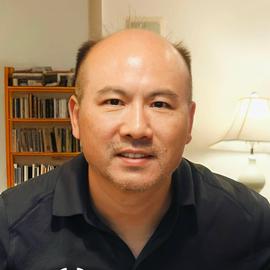
Raul Vicente Zafra is a Professor of Data Science at the University of Tartu, Faculty of Science and Technology, Institute of Computer Science, where he has been working since 2013. His research spans computational neuroscience, artificial intelligence, and data science, with a particular focus on bridging biological and artificial models of intelligence. Education: PhD in Physics (2001-2006), University of the Balearic Islands BSc in Physics (1997-2001) Professor Zafra's research interests center on computational neuroscience and artificial intelligence, with specific expertise in brain-computer interfaces, reinforcement learning, neural modeling, and explainable AI. His work bridges the gap between biological and artificial intelligence systems, exploring how neural principles can inform machine learning algorithms and vice versa. He has made significant contributions to understanding neural coherence, time interval learning in neural systems, and the application of information theory to brain-computer interfaces. His research often involves interdisciplinary collaboration between computer science, neuroscience, and medicine. Analysis of Zafra's recent publications reveals a strong focus on the intersection of artificial intelligence and neuroscience. His work spans explainable AI methods, brain-computer interfaces, reinforcement learning models that mimic cognitive processes, and neurophysiological studies of brain activity. A notable trend is his exploration of how biological principles of neural computation can inform and improve artificial intelligence systems, particularly in areas like time-based learning, consciousness modeling, and neural coherence. Scientific Awards: 2012: Attendee at the 62nd Lindau Nobel Laureate Meeting 2007: Quantum Electronics and Optics Division Prize of the European Physical Society for the best PhD Thesis in Applied Optics in Europe 2006: PhD Extraordinary Award of the Physics Department of the University of the Balearic Islands 2001: Physics Degree Extraordinary Award (First Class Honors, best GPA) 1997: Bronze Medal in the "8th Spanish Physics Olympiad" Professor Zafra has been principal investigator on numerous significant research projects including the Estonian Centre of Excellence in Artificial Intelligence, Cardiovascular Stress Impacts On Neuronal Function, and Bridging biological and artificial models of vision. His grant portfolio demonstrates strong funding support from the Estonian Research Council, European Commission, and other major funding bodies. He has supervised multiple PhD students and mentored early-career researchers in computational neuroscience and AI. His laboratory work focuses on developing computational models of neural systems and applying these insights to artificial intelligence. Current research directions include explainable AI methods, brain-computer interfaces, modeling of consciousness and cognitive processes, and the application of AI to healthcare challenges.
Jillian Bohlen is an Associate Professor at the University of Georgia within the College of Agricultural & Environmental Sciences , specifically the Department of Animal and Dairy Science . Her work focuses on dairy cattle reproduction, teaching, and youth development in agricultural sciences. Education: B.S. in Dairy Science, University of Georgia (2003) M.S. in Dairy Science, University of Georgia (2005) Ph.D. in Animal Sciences, Clemson University (2012) Dr. Bohlen's research emphasizes applied reproduction in cattle , including synchronization techniques, ultrasound applications in reproductive programs, and embryo competency. She integrates students into all research projects despite lacking a formal research appointment. Her teaching interests span dairy cattle production , reproductive management , and contemporary agricultural issues , with courses like ADSC 3620 (Dairy Cattle Production), ADSC 4010 (Issues in Animal Agriculture), and ADSC 4410 (Applied Reproductive Management). Scientific awards include: Student Career Success Influencer Award (2024) Russell Award for Excellence in Undergraduate Teaching (2023) UGA Creative Teaching Award (2022) CAES Early Career Teaching Award (2022) Hoard's Dairyman Youth Development Award (2021) Larry Benyshek Teaching Award (2017) She actively promotes agricultural education through programs like the Commercial Heifer Project , Dairy Cattle Judging , and Dairy Quiz Bowl . Additionally, she participates in funded projects related to methane emissions , heat stress mitigation , and antibiotic alternatives in dairy farming.
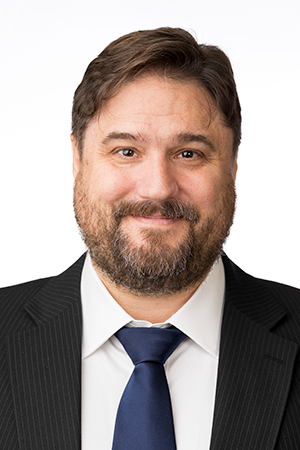
Felipe Csaszar is a Professor of Strategy and Chair of the Strategy Department at the University of Michigan's Ross School of Business. His research focuses on decision structures' impact on innovation, financial performance, and social outcomes, with particular attention to cognitive frameworks, organizational processes, and AI's role in decision-making. He holds a PhD and MA from the Wharton School, University of Pennsylvania. Education: PhD in Strategy, University of Pennsylvania (2009) MA in Strategy, University of Pennsylvania (2007) Research Interests: Strategic decision-making under AI integration Cognitive and structural drivers of innovation Organizational decision processes and design Formal modeling and empirical strategy research Editorial Roles: Senior Editor, Strategy Science and Management Science Former Editor, Organization Science Co-editor, Handbook of AI and Strategy Professional Experience: Prior role: Assistant Professor at INSEAD Previous career: CEO of an internet startup and Head of Research at an asset management firm Labs/Teams: Leading the Strategy Science division at INFORMS Co-chair of the SMS Behavioral Strategy division
Alexis Battle is an Associate Professor at Johns Hopkins University with appointments in Biomedical Engineering , Computer Science , and Genetic Medicine (secondary). She directs the Malone Center for Engineering in Healthcare and serves as Deputy Director of the Data Science and AI Institute . Educated at Stanford University (PhD in Computer Science, 2013), Battle transitioned to academia after leadership roles at Google. Research Focus: Battle’s work bridges genomics and machine learning , emphasizing the impact of genetic variation on human health. Her lab develops tools like Watershed to predict functional effects of rare variants, aiming to enhance rare disease diagnosis. Key themes include non-coding DNA analysis , personalized genomics , and systems biology , with applications in cardiovascular disease and neurodegenerative disorders . Publications & Awards: Over 60 peer-reviewed articles in journals like Nature , Science , and Genome Biology , with recent emphasis on single-cell transcriptomics , multiomics integration , and telomere biology . Recipient of the President’s Frontier Award (2022), Microsoft Investigator Fellowship (2019), and Searle Scholar (2016). Scientific Awards: 2022 President’s Frontier Award 2019 Microsoft Investigator Fellowship 2019 Johns Hopkins Discovery Award 2017 Johns Hopkins Catalyst Award 2016 Searle Scholar Advising & Funding: Mentors 11 PhD students, 3 undergraduates, and postdoctoral fellows. Her research is funded by NIH, Searle Scholars, and institutional grants. The Battle Lab collaborates on projects like the GTEx Consortium , focusing on gene regulation and clinical genomics .
Dr. Enrica Dall'Ara serves as the Associate Dean of Planning and Landscape Architecture and an Associate Professor at the University of Calgary's School of Architecture, Planning and Landscape. Her work bridges academic research and professional practice, exemplified through her firm PARC, which specializes in public space design, urban renewal, and the rehabilitation of industrial sites. She emphasizes interdisciplinary collaboration, integrating fields like environmental engineering and biology into landscape architecture. Education: Laurea in Architettura (Master Degree equivalent in Architecture), University of Ferrara, Italy Master in Landscape Architecture, ETSAB, Polytechnic University of Catalonia, Spain PhD in Landscape Design, University of Florence, Italy Research Interests: Dr. Dall'Ara focuses on practice-based research, public space design, service landscapes, and the integration of cultural advocacy into landscape architecture. Her work explores site-specific design solutions, the role of agriculture in urban-rural dynamics, and the preservation of traditional rural landscapes. She advocates for designs that serve life through poetic, functional, and culturally sensitive approaches. Contributions: Through her teaching, Dall'Ara encourages students to view design as research, fostering critical thinking and interdisciplinary dialogue. Her firm’s projects, such as the roundabout gardens in Imola, Italy, demonstrate her commitment to merging ecological, functional, and aesthetic considerations in landscape interventions. Professional Affiliations: Canadian Society of Landscape Architects (CSLA) Alberta Association of Landscape Architects (AALA) Associazione Italiana di Architettura del Paesaggio (AIAPP) Ordine degli Architetti, Pianificatori, Paesaggisti e Conservatori (Province of Forlì-Cesena, Italy)
Nancy M. Wells is a Professor in the Department of Human Centered Design and serves as the Senior Associate Dean for Research and Graduate Education in the College of Human Ecology at Cornell University. Her work bridges environmental psychology and public health, examining how built and natural environments impact human health and behavior across the lifespan. Dr. Wells received a joint PhD in Psychology and Architecture from the University of Michigan and completed National Institute of Mental Health (NIMH) post-doctoral training at the University of California, Irvine. Her educational background uniquely positions her to investigate the intersection of physical environments and human wellbeing through both psychological and architectural lenses. Her research focuses on how environmental contexts—from homes to neighborhoods to schools—affect health outcomes, cognitive functioning, and resilience. A central theme examines nature's role in human resilience, particularly how natural environments buffer against adversity and challenge. She has conducted influential work on school gardens and their effects on children's physical activity, dietary habits, and learning. More recently, she has pioneered research on nature and autism, conducting a randomized controlled trial examining natural environments' effects on autistic youth wellbeing. Analysis of Dr. Wells' recent publications reveals consistent focus on nature's health benefits, with strong emphasis on experimental methodologies including randomized controlled trials and natural experiments. Her work spans environmental psychology, public health, and education, with particular attention to vulnerable populations including low-income communities and children of color. NSF Funding for environmental health research USDA Funding for school garden studies Robert Wood Johnson Foundation Funding MacArthur Foundation Funding Senior Associate Editor of Environment and Behavior (4 years) Research Advisory Board of Children and Nature Network Board of Directors for reDirect Dr. Wells actively mentors undergraduate and graduate students through the Wells Lab, involving them in all research stages from data collection to publication. Her research has been supported by multiple significant grants examining housing quality effects on mental health, neighborhood design impacts on physical activity, and school garden interventions. She leads interdisciplinary research teams that integrate perspectives from environmental psychology, public health, landscape architecture, and education. The Wells Lab operates as an integrated research-teaching-outreach unit that develops practical yet rigorous studies to assess causal relations between environment and health, creates valid measurement tools, and identifies causal pathways. Current projects include examining nature's effects on autistic youth wellbeing in partnership with The Center for Discovery in New York, and investigating multi-sensory design in urban public spaces.
Michael Baldea is an Associate Professor in the Department of Chemical Engineering at the University of Texas at Austin . He holds a Ph.D. in Chemical Engineering from the University of Minnesota (2006), with prior degrees from 'Babeş-Bolyai' University in Romania (M.Sc. 2001, Diploma 2000). His research group develops theoretical and computational methods for Process and Energy Systems Engineering , focusing on integrated decision-making, performance optimization, and process intensification with industrial validation. Education: Ph.D., Chemical Engineering, University of Minnesota (2006) M.Sc., Interface Process Engineering, 'Babeş-Bolyai' University (2001) Diploma, Chemical Engineering, 'Babeş-Bolyai' University (2000) Research Thrusts: Integrated decision-making in chemical/energy supply chains Process performance monitoring and optimization Process integration and intensification Key applications include grid-responsive chemical plants, intensified distillation/column designs, and renewable energy integration for building systems. Scientific Awards: Frank A. Liddell, Jr. Fellowship NSF CAREER Award (2015-2020) Moncrief Grand Challenges Faculty Award (2014) AIChE Outstanding Young Researcher Award (2017) Implementation : His group has translated research into commercial tools through partnerships with industrial test beds and is working to integrate methods into commercial simulators. They explore predictive approaches for building energy management and strategic capital investment analysis in next-generation energy systems.
Joan Bruna is a Full Professor of Computer Science, Data Science, and affiliated Mathematics at New York University's Courant Institute and Center for Data Science. He leads the CILVR group and co-founded the MaD group. His research focuses on mathematical foundations of machine learning, deep learning, signal processing, and their applications in computational science, climate modeling, and geophysics. He holds a Ph.D. in Applied Mathematics from École Polytechnique and has held roles at UC Berkeley, the Institute for Advanced Study, and the Flatiron Institute. Education: Ph.D. (2013) and M.Sc. (2005) in Applied Mathematics, École Polytechnique and ENS Cachan; dual B.Sc./M.Sc. in Telecommunications and Mathematics from UPC Barcelona (2002–2004). Awards include the NSF CAREER Award (2019) and Alfred P. Sloan Fellowship (2018). Research interests span theoretical aspects of deep learning, optimization, and statistical methods, with applications to climate science and inverse problems. He has advised numerous PhD students and postdocs, contributing to seminal work on scattering networks, geometric deep learning, and neural ODEs. Professional service includes editorial roles at TMLR, JMLR, and TPAMI, plus program chairs for major conferences. His work bridges mathematics and machine learning, emphasizing rigorous analysis and real-world impact.
Karoline Faust is an Associate Professor at KU Leuven, affiliated with the Laboratory of Molecular Bacteriology (Rega Institute) and the Faculty of Medicine . She contributes to the iSi Health and Leuven One Health institutes, and serves on senior academic councils. Her research spans microbial systems biology, focusing on community dynamics and network analysis. Education: PhD in bioinformatics (2010, KU Leuven) Affiliations: KU Leuven, ISME Journal editorial board, Belgian Society for Microbiology Her research investigates microbial community dynamics , systems biology approaches to microbiomes, and bioinformatics tool development . She specializes in modeling human gut microbiota , synthetic microbial communities , and environmental microbiomes (e.g., microplastic impacts on Daphnia microbiomes). Her work integrates metabolic modeling , network analysis , and experimental systems to understand microbial interactions. Recent publications highlight her contributions to microbial network inference , 16S rRNA sequencing protocols , microfluidics , and ecological modeling of microbiomes. She develops tools like manta , miaSim , and CoNet to analyze community structures. Teaching: Karoline co-teaches courses in microbiology, bioinformatics, and network analysis at KU Leuven, and has contributed to international workshops on microbial network inference. Scientific Engagement: She serves as Senior Editor at ISME Journal and Secretary of the Belgian Society for Microbiology .
Qingguo Li is a Professor and Associate Head at the Department of Mechanical and Materials Engineering , Queen's University , and a member of the Ingenuity Labs Research Institute . He specializes in biomechanical system design, energy harvesting, wearable sensors, gait analysis, and load carriage systems. His research integrates robotics, biomedical engineering, and sensor technology to develop human-centric devices and mobility aids. Current Roles : Professor, Associate Head, Queen's University Research Institute : Ingenuity Labs Research Institute Lab : Bio-Mechatronics and Robotics Laboratory His work focuses on biomechanical energy harvesting , IMU-based motion analysis , and assistive device development . Key applications include stroke rehabilitation, gait monitoring, and wearable power generation systems. Articles span cable-driven robots , smart walkers , and 3D printing mechanisms , emphasizing human-robot interaction and dynamic modeling . The lab explores sensor calibration , adaptive control algorithms , and human movement optimization . Areas of impact include rehabilitation engineering , load carriage stability , wearable sensor accuracy , and assistive robotics . His team develops solutions for gait asymmetry detection , post-stroke mobility , and low-cost energy systems , leveraging machine learning and kinetic modeling .
Dr. Baijian "Justin" Yang serves as the Associate Dean for Research at Purdue Polytechnic Institute and is a Professor in the Department of Computer and Information Technology at Purdue University. He earned his Ph.D. in Computer Science from Michigan State University, with Master's and Bachelor's degrees in Automation (EECS) from Tsinghua University. Dr. Yang has established himself as a leader in multiple interdisciplinary research domains. Dr. Yang's educational background includes: PhD in Computer Science, Michigan State University (2002) MS in Automation (EECS), Tsinghua University (1998) BS in Automation (EECS), Tsinghua University (1995) His research interests span multiple cutting-edge domains with practical applications: Cybersecurity : Developing novel approaches for threat intelligence, security education, and network defense Big Data : Creating innovative algorithms for dimension reduction, regression with categorical variables, and tensor decomposition Applied Machine Learning : Implementing AI solutions in healthcare, manufacturing, and forestry applications Digital Forestry : Using UAV imagery and remote sensing for forest management and tree species classification Dr. Yang's publication record demonstrates significant impact across multiple disciplines, with recent work focusing on spatial transcriptomics analysis (SiGra), delirium detection using limited-lead EEG, and visual localization technologies. His research bridges theoretical advances with practical applications in healthcare, manufacturing quality control, and environmental monitoring. The interdisciplinary nature of his work is evident in collaborations spanning computer science, healthcare, forestry, and manufacturing domains. His scientific achievements have been recognized with numerous awards: 2023 HRSA Building Bridges to Better Health Competition Winner (Phase 1) and 2nd place ($100,000 prize) in Phase 3 2023 Outstanding Faculty Award in Engagement, Department of Computer and Information Technology, Purdue University 2021 Leadership in Manufacturing Award, Manufacturing Times Digital (MxD) 2021 Good to Great Award, Purdue Polytechnic 2020 Outstanding Faculty Award in Discovery, Department of Computer and Information Technology 2019 University Faculty Scholars, Purdue University As an educator and mentor, Dr. Yang has advised numerous graduate students through their PhD and Master's research. His leadership extends to significant service roles including serving as Faculty Champion for the Holistic Safety and Security research impact area at Purdue Polytechnic from 2018 to 2021, board membership with ATMAE (2014-2016), and participation in the IEEE Cybersecurity Initiative Steering Committee (2015-2017). He holds valuable industry certifications including CISSP, MCSE, and Six Sigma Black Belt, demonstrating his commitment to bridging academic research with industry practice. Dr. Yang leads multiple research projects including "Digital Forestry" for developing tools to quantify forest function, "CHEESE" (Cyber Human Ecosystem of Engaged Security Education), and "CICI" (Supporting Controlled Unclassified Information with a Campus Awareness and Risk Management Framework). His work on "Applied Machine Learning" focuses on solving real-world problems, while his "Dimension Reduction and Memory Amnestic Big Data Regression" project innovates computational algorithms for large-scale data analysis.
Professor Julie Harris is a faculty member at the University of St Andrews, holding the position of Professor of Psychology within the School of Psychology and Neuroscience since 2005. She previously held academic posts at Newcastle University and the University of Edinburgh, and conducted postdoctoral research at the Smith-Kettlewell Eye Research Institute in California. Her research focuses on human visual processing, including vision and camouflage, depth perception, binocular stereopsis, and eye movements in natural environments. She earned a BSc in Physics from Imperial College London and a DPhil from Oxford University. Research interests include exploring how visual systems process environmental cues for depth and motion, with applications in camouflage design and stereo display technologies. Her lab employs psychophysical, behavioral, and computational methods. Notable projects address countershading camouflage effectiveness, motion-in-depth perception, and visual-motor interactions in driving scenarios. Selected grants include funding from BBSRC, Leverhulme Trust, and Medical Research Scotland. Collaborations span evolutionary biology, neuroscience, and applied vision science. She supervises PhD students Federico De Filippi and Rebecca Maguire. Awards include the Davida Teller Award Nomination and Fellowship in the Society of Biology. Labs/Teams: Julie Harris Lab (St Andrews), St Andrews Vision Labs, and the Institute of Behavioural and Neural Sciences. Current projects investigate warning signal design, visual perception in virtual environments, and the impact of visual processing on driving ability.
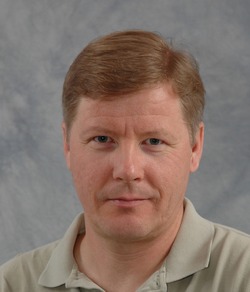
Risto Miikkulainen is a Professor of Computer Science and Neuroscience at the University of Texas at Austin and VP of AI Research at Cognizant AI Lab. He directs the UTCS Neural Networks Research Group and is currently on leave from UT, working on Evolutionary Computation and Deep Learning at Sentient Technologies, Inc. Education: Ph.D. in Computer Science, UCLA, 1990 M.S. in Applied Mathematics, Helsinki University of Technology (now Aalto University), 1986 Risto Miikkulainen's research focuses on biologically-inspired computation such as neural networks and evolutionary computation. His work spans three main areas: (1) Neuroevolution, evolving complex deep learning architectures and recurrent neural networks for sequential decision tasks in robotics, games, and artificial life; (2) Cognitive Science, developing models of natural language processing, memory, and learning that shed light on disorders such as schizophrenia and aphasia; and (3) Computational Neuroscience, studying the development, structure, and function of the visual cortex, episodic memory, and language processing. His research combines theoretical understanding of biological information processing with practical applications for developing intelligent artificial systems. His recent publications (2025) show a strong focus on evolutionary approaches to AI development, particularly in neural architecture search, loss function optimization, and explainable AI. Many papers explore the intersection of evolutionary computation with deep learning, creating more efficient and transparent AI systems. His work spans theoretical foundations and practical applications in areas ranging from environmental control systems to cognitive modeling. Scientific Awards: College of Fellows, International Neural Network Society, 2024 Best Pathway to Impact Award, NeurIPS Climate Change workshop, 2024 AAAI Fellow, 2023 IEEE CIS Evolutionary Computation Pioneer Award, 2020 Gabor Award, International Neural Network Society, 2017 Outstanding Paper of the Decade Award, International Society for Artificial Life, 2017 IEEE Fellow, 2016 Multiple Best Paper Awards at GECCO, CIG, and CEC conferences Deployed Application Award, AAAI/IAAI-2013, AAAI/IAAI-2018 Miikkulainen has extensive experience mentoring students through undergraduate research courses like CS378 Computational Intelligence in Game Design I and II, where students develop independent research projects on the OpenNERO research platform. He has received multiple awards for deployed applications, demonstrating the practical impact of his research. His work has led to the development of the NERO game platform, which serves as both an educational tool and research platform for AI. He directs the UTCS Neural Networks Research Group, which focuses on neuroevolution, cognitive science models, and computational neuroscience. The group has developed the NERO (Neuro-Evolving Robotic Operatives) platform, a machine learning game that allows users to train intelligent agents through evolutionary computation. The group's work spans theoretical research and practical applications in AI, with connections to both academic and industry partners.
Jonathan Santo is a Professor of Psychology at the University of Nebraska at Omaha (UNO), where he serves as Director of the Graduate Developmental Psychology Program and as a faculty member in the Office of Latino/Latin-American Studies. His research explores peer relations, cultural differences in self-esteem, and classroom-level influences on child and adolescent development, with a focus on improving school environments and fostering positive social interactions. ORCA Faculty Fellow His research spans broad areas including Developmental Psychology , Social Support Systems , and Cross-Cultural Peer Dynamics , with specific attention to peer victimization , self-continuity , school climate , and developmental trajectories in Brazilian and Colombian youth . Recent publications analyze topics like hikikomori experiences , friendship security , and HPA axis dysregulation in adolescents. Scientific awards include the ORCA Faculty Fellow recognition. His work often involves longitudinal assessments of peer relationships cross-cultural comparisons (Brazil, Colombia, China, Nigeria, Singapore, U.S.) policy-focused blog posts on family separations and school interventions