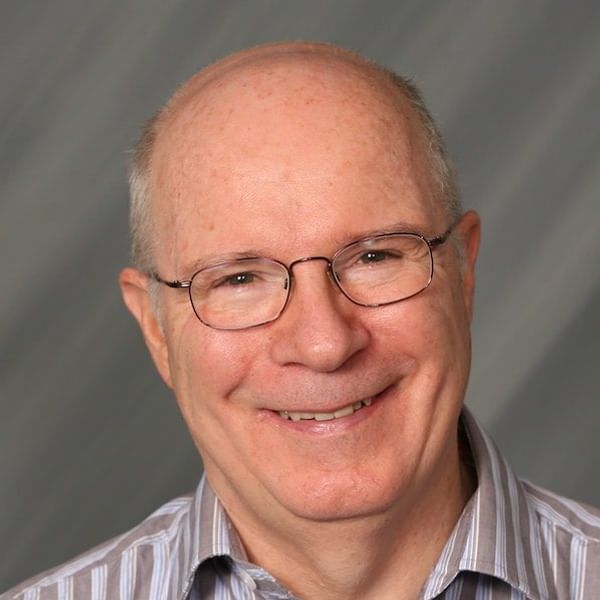
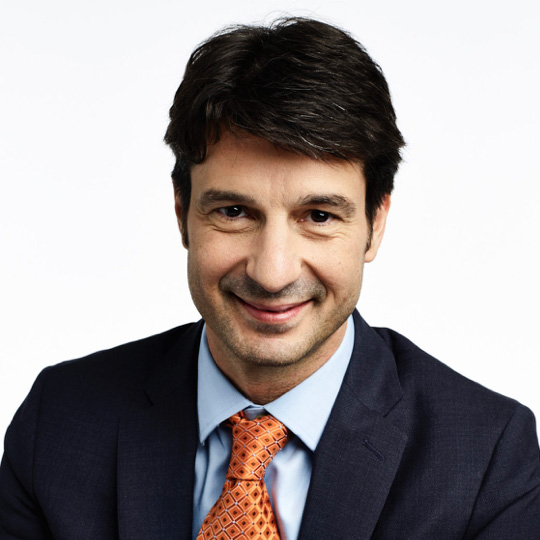
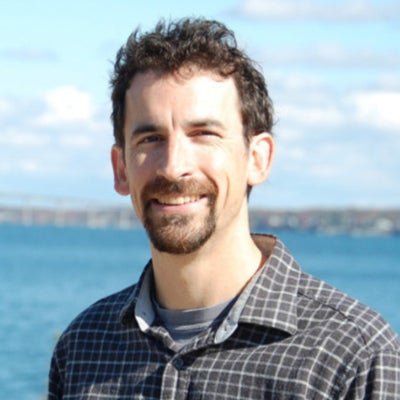
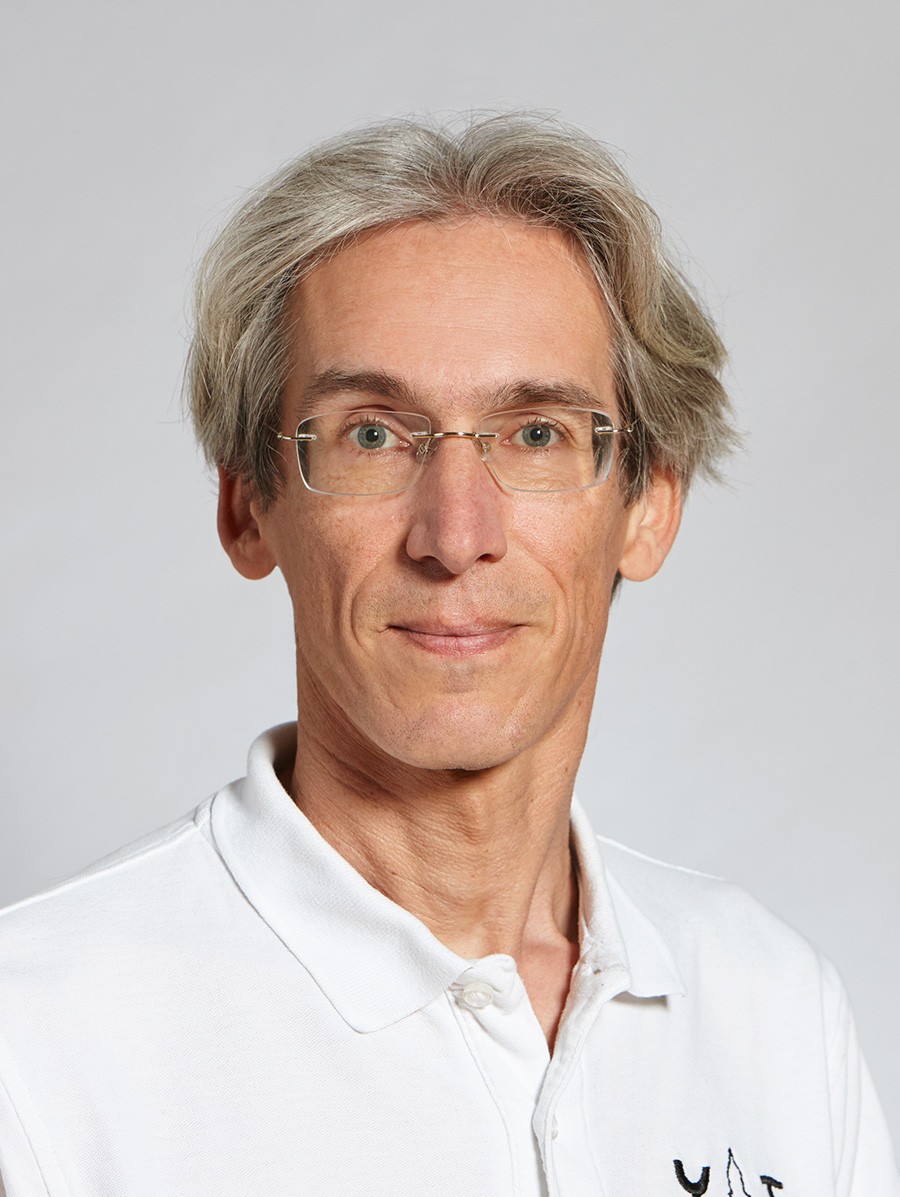
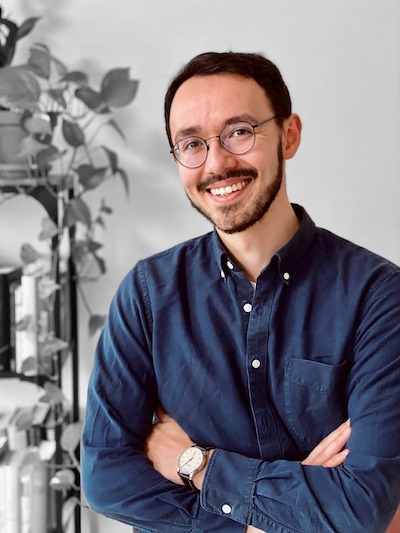
Matthew Louis Mauriello is an Assistant Professor in the Department of Computer and Information Sciences at the University of Delaware , where he directs the Sensify Lab . He holds a PhD in Computer Science from the University of Maryland (2018) and completed postdoctoral work at Stanford University (School of Medicine, 2020; School of Public Policy & Environmental Engineering Department, 2019). Research interests span Human-Computer Interaction (HCI), Ubiquitous Computing, and User-Centered Design with applications in: Sustainability Human-Building Interaction Wearable Technology Personal Informatics Educational Game Design Mental Health Interventions Recent publications highlight trends in stress monitoring (skin-like biosensors, workplace wellbeing), energy auditing (thermography systems), and educational technology (block-based programming tools for teachers). His work appears in ACM CHI, ACM Human-Computer Interaction, and Building and Environment. Scientific awards include: Best Paper Honorable Mention, CHI 2016 Best Paper Honorable Mention, CHI 2015 Best of WebSci'18 Teaching at University of Delaware encompasses courses like Educational Game Design Operating Systems Advanced Web Technologies Computing for Social Good with a focus on project-based learning and systems thinking.
Gierad Laput is a Senior Engineering Manager at Apple, leading the Perception and Interaction Engineering organization under Machine Intelligence Neural Design (MIND) at Apple AI/ML (AIML). He is also an Adjunct Professor at Carnegie Mellon University's School of Computer Science and Human-Computer Interaction Institute. His research sits at the intersection of sensing systems, interactive technologies, and machine learning, with applications in ambient intelligence, wearables, and AI-driven interactive experiences. Ph.D. in Computer Science from Carnegie Mellon University Founding member of CMU's Future Interfaces Group Former Google Ph.D. Fellow, Disney Imagineer, and recipient of 10 Best Paper Awards/Nominations His research agenda at Apple leverages cutting-edge hardware to develop multimodal ML systems for vision, audio, and motion sensors, enabling features like head gesture detection for AirPods, Apple Intelligence integrations, and health monitoring tools. Recent collaborative projects include Vision Pro hand interaction systems and WatchOS updates for cycling/fall detection. Key research areas include human-computer interaction , machine learning for sensor fusion , and smart environment sensing . Over 35 publications cover transformative technologies like ViBand (bio-acoustic sensing), EM-Sense (touch recognition), SkinTrack (arm as touchpad), and ElectroDermis (stretchable electronics). Scientific honors include: Fast Company Innovation by Design Award (2017) Google PhD Fellowship (2018) Swartz Entrepreneurial Fellowship (2018) Best Paper Awards at ACM UIST (2016) and ACM CHI (2015) As an educator, he has taught courses at CMU and the University of Michigan on on-device machine learning , signal processing , and human-centered design . His lab has mentored numerous researchers now pursuing PhDs at MIT, UW, CMU, and Northwestern.
Stefano Ermon is an Associate Professor in the Department of Computer Science at Stanford University, affiliated with the Artificial Intelligence Laboratory and a Senior Fellow at the Woods Institute for the Environment. His research focuses on advancing machine learning and generative AI techniques to address societal and environmental challenges, including computational sustainability, geospatial analysis, and climate science. He holds a Ph.D. from Cornell University (2015). Education: Ph.D. in Computer Science, Cornell University (2015). Research Interests: Ermon’s work bridges foundational machine learning (e.g., diffusion models, generative AI, and optimization) with applications in sustainability, geospatial analysis (via satellite imagery), and earth observation systems. Notable contributions include predicting poverty using satellite data and developing scalable methods for molecule generation. Articles Trends: His recent work emphasizes diffusion models for generative tasks (e.g., text-to-image, molecule design), geospatial AI (e.g., environmental monitoring), and ethical AI (e.g., bias mitigation in LLMs). He also explores applications in robotics and scientific computing. Awards: He has received prestigious awards, including the ICML 2024 Best Paper Award, Sloan Research Fellowship, Microsoft Research Faculty Fellowship, and the IJCAI Computers and Thought Award. Advising and Grants: Ermon teaches courses like Probabilistic Graphical Models (CS228) and has secured grants from NSF, ONR, AFOSR, and private foundations. His lab develops tools for climate science and sustainable development. Labs/Teams: Leads the Stanford AI Lab group focused on computational sustainability and generative AI, collaborating with institutions like the Woods Institute for environmental applications.
Ronald C. Lasky is a Professor of Engineering at Dartmouth College's Thayer School of Engineering and a Senior Technologist at the Indium Corporation. His academic roles include teaching courses such as ENGM 187: Technology Innovation and Entrepreneurship and ENGS 155: Intermediate Thermodynamics . Dr. Lasky holds a BS in Engineering Physics from Cornell University (1970), an MS in Applied Mathematics from Binghamton University (1974), and a PhD in Materials Science from Cornell University (1986). His research focuses on process optimization, electronic assembly, materials science, and environmental compliance. Notable contributions include work on lead-free solder assembly and Lean Six Sigma methodologies. He received the Member of Technical Distinction Award from the SMTA in 2021. Dr. Lasky actively engages with industry, exemplified by his collaboration with Galanz in China, exploring modern manufacturing practices and infrastructure. His insights on global supply chains and technological advancements highlight his dual academic and professional expertise.
Ruben Juanes is a Professor of Civil and Environmental Engineering and Earth, Atmospheric, and Planetary Sciences at MIT. His research focuses on multiphase flow in porous media, energy resources, and CO₂ sequestration. He holds appointments in both departments and has a strong interdisciplinary focus on geosciences and environmental engineering. His work bridges theory, simulation, and experimentation to address energy and environmental challenges. Education: Ingeniero de Caminos (Civil Engineering), University of La Coruña, Spain (1997) MS in Civil Engineering, UC Berkeley (1999) PhD in Civil Engineering, UC Berkeley (2003) Research interests emphasize fluid dynamics in geologic media, especially CO₂ storage, methane hydrates, and ecohydrology. His group develops computational models to predict large-scale Earth processes, with applications to carbon capture and storage, energy resource management, and subsurface engineering. Notable contributions include advancing understanding of fluid displacement mechanisms, capillary trapping in aquifers, and induced seismicity risks during CO₂ injection. His work has been recognized through awards like the APS Fellowship (2024), DOE Early Career Award (2010), and ARCO Energy Professorship (2008). Advising and Grants: Juanes advises graduate students in CEE and EAPS, focusing on thesis research in multiphase flow and geomechanics. His grants include NSF and DOE funding for projects on subsurface energy systems and induced seismicity. His lab, the Juanes Research Group, collaborates on experimental facilities like the FluidFlower CO₂ storage simulator. Labs/Teams: Active in MIT's Carbon Capture, Utilization, and Storage (CCUS) initiatives and the MIT Energy Initiative (MITEI). Collaborates with industry partners on field-scale CO₂ storage validation and subsurface monitoring technologies.
Stephen Licht is an Associate Professor of Ocean Engineering and Graduate Director at the University of Rhode Island's College of Engineering, where he directs the Robotics Laboratory for Complex Underwater Environments (R-CUE). His research focuses on developing maritime robots capable of operating in dynamic and unpredictable environments through biologically inspired propulsion, distributed pressure sensing, model-based optimal control, and compliant underwater manipulation technologies. Ph.D. in Oceanographic and Mechanical Engineering from MIT/WHOI Joint Program (2008) B.S. in Mechanical Engineering from Yale University (1998) Former Senior Research Scientist at iRobot and Senior Robotics Engineer at Vecna Robotics Current Research Affiliate with MIT Department of Mechanical Engineering Former Visiting Faculty at Libera Università di Bolzano (2019-2020) Dr. Licht's research spans marine robotics with emphasis on biologically inspired propulsion systems that provide high authority and bandwidth thrust, nonlinear attitude control for maneuvering in dynamic conditions, compliant underwater manipulation technologies, and unmanned aerial monitoring of coastal structures. His work bridges mechanical engineering principles with oceanographic applications to create more capable underwater robotic systems that can operate in complex marine environments. His recent publications demonstrate a strong trend toward soft robotics applications for deep-sea exploration, with particular focus on jamming grippers and neutrally buoyant manipulation systems. The research also shows increasing integration of additive manufacturing techniques for field-deployable solutions and computational methods for autonomous systems operating in challenging marine environments. His work spans fundamental control theory, mechanical design, and practical field applications. Dr. Licht has secured significant research funding as both Principal Investigator and Co-Principal Investigator from major organizations including the Office of Naval Research, NOAA, NSF, and various university collaborations. His grants focus on advancing unmanned underwater vehicle technology, soft robotics for deep-sea applications, and coastal monitoring systems. Active mentor to numerous graduate and undergraduate students in Ocean Engineering Successful track record of student placements at organizations including Jaia Robotics, Scripps Institution of Oceanography, FORSSEA Robotics, and government research labs Collaborates with researchers at MIT, WHOI, University of Connecticut, University of Maine, and international institutions Licht leads the R-CUE lab which develops innovative solutions for underwater robotics challenges, with particular expertise in biomimetic propulsion, soft robotics for deep-sea applications, and autonomous systems for environmental monitoring. The lab maintains strong industry connections with OceanGate Inc. and FabNewport, and engages with local educational institutions through outreach programs with Roger Williams Middle School.
Carl Vondrick is a Professor in the Department of Computer Science at Columbia University. His research focuses on creating robust and versatile perception systems that leverage video and interaction with the natural world, with applications in 3D reconstruction, visual question answering, and robot manipulation. Former research scientist at Google Visiting researcher at Cruise Education: PhD (2017) from MIT, advised by Antonio Torralba BS (2011) from UC Irvine, advised by Deva Ramanan His research explores multimodal approaches for cross-task and cross-modal transfer, scene dynamics, audiovisual perception, interpretable models, and spatial awareness systems. The lab emphasizes zero-shot generalization and neuro-symbolic methods while addressing safety and robustness in AI systems. Key publication trends include: 2025: Video generation for robotics 2024: Differentiable rendering and cross-modal reasoning 2023: Robust perception and 3D modeling Scientific Awards: 2024 PAMI Young Researcher Award 2021 NSF CAREER Award Teaching Roles: Teaching Computer Vision II (2021-2025), Computer Vision I (2018-2019), and Representation Learning (2020-2022). Advising: Advises 8 current PhD students and has mentored 5 graduated students now at institutions like MBZUAI and UMD. The lab recruits 1-2 PhD students annually through Columbia’s PhD program. Grants and Collaborations: Funded by NSF, DARPA, Toyota Research Institute, Amazon Research, and Google.
Prof. Konrad Schindler holds the position of Full Professor at the Department of Civil, Environmental and Geomatic Engineering at ETH Zürich. He is also the Head of the Institute of Geodesy and Photogrammetry (IGP), leading research and educational activities in geomatics and computer vision. His career spans roles as a Photogrammetric Engineer, scientific assistant, postdoc researcher, and academic faculty across institutions including Graz University of Technology, Monash University, and TU Darmstadt before joining ETH Zürich in 2010. Education: Undergraduate studies in Geodesy (1992–1995), Graz University of Technology, Austria MEng in Photogrammetry and Geoinformation (1995–1999), Vienna University of Technology, Austria PhD in Computer Science (2001–2003), Graz University of Technology, Austria Research focuses on Photogrammetry , Remote Sensing , Computer Vision , and Image Understanding with interdisciplinary applications in environmental monitoring, geospatial analysis, and disaster response. He develops computational methods for 3D reconstruction, fusion of multi-modal data, and AI-driven solutions for satellite imagery interpretation. His work bridges geomatic engineering and machine learning to address challenges in urban mapping, climate modeling, and biological systems analysis. Publications reflect expertise in geospatial AI, diffusion models, and benchmarking datasets for disaster resilience. Notable works include Marigold (image analysis adaptation) and BRIGHT (building damage assessment). His research emphasizes practicality and scalability, such as affordable depth estimation and global biomass datasets. He has received the 2013 Marr Prize Honourable Mention (IEEE) and the 2012 U.V. Helava Award (ISPRS), alongside several Best Presentation Awards. His contributions span technical leadership, editorial roles (ISPRS Journal), and service to Swiss remote sensing commissions. Advising and grants: While no specific advisee names or grant details are listed, his career trajectory includes mentoring postdocs and junior faculty. He teaches advanced courses in Photogrammetry , Image Interpretation , and Machine Vision , integrating cutting-edge AI techniques into curricula. His research group collaborates on global-scale projects like canopy height mapping and satellite-based climate variable assessments. Labs/Teams: As Institute Head, he oversees the IGP lab at ETH Zürich, with prior affiliations including the Digital Perception Lab (Monash University) and the Computer Vision Lab (ETH Zurich). His work often involves multi-institutional collaborations focused on geospatial AI and environmental science.
Prof. Hedan Bai is an Assistant Professor at the Department of Materials, ETH Zürich, specializing in robotics materials, bio-inspired systems, and soft robotics. Their research focuses on developing advanced materials for sensing, energy-efficient systems, and biomedical applications. Notable projects include the SmartSuit architecture for space exploration and self-healing optical sensors for soft robots. Research interests span bioelectronics, stretchable sensors, haptic interfaces, and biomimetic materials. Bai's work integrates material science with robotics to create adaptive, sustainable, and intelligent systems. Key areas include wireless implants for neuromodulation, environmental-responsive textiles, and energy-harvesting devices. Publications highlight innovations in optical waveguides, self-healing materials, and wearable technologies. Their interdisciplinary approach bridges robotics, biomedical engineering, and aerospace applications. No formal awards are listed, but contributions to next-gen materials for robotics are prominent. Advising and grants are not detailed in the text, but Bai's lab focuses on projects like SmartSuit for extravehicular activities and synthetic afferent neural networks. Collaborations likely involve aerospace and biomedical sectors.
Shrikanth (Shri) Narayanan is a University Professor and holder of the Niki and Max Nikias Chair in Engineering at the University of Southern California (USC), serving as the inaugural Vice President for Presidential Initiatives. He leads the Signal Analysis and Interpretation Lab (SAIL) and holds joint appointments in Computer Science, Linguistics, Psychology, Neuroscience, Pediatrics, and Otolaryngology-Head and Neck Surgery. His research focuses on speech and audio processing, behavioral signal processing, and real-time MRI of speech production, with applications in healthcare, education, and technology. Education: B.E. in Electrical Engineering from College of Engineering, Guindy (Chennai, India, 1988); M.S., Engineer, and Ph.D. in Electrical Engineering from UCLA (1990, 1992, 1995). Research interests span computational linguistics, machine learning, and multimodal human behavior analysis. He pioneered technologies for speech biomarkers in mental health, real-time MRI of speech production, and wearable sensor systems for longitudinal health studies. His work in speech emotion recognition, forensic interviews, and clinical applications has been recognized through over 40 awards, including the IEEE Flanagan Award and ISCA Medal. He has published extensively in journals like Proceedings of the IEEE , Journal of the Acoustical Society of America , and PLOS One . Key Grants: NSF CAREER, Okawa Research, IBM Faculty, Google/Amazon awards. Labs/Teams: Signal Analysis & Interpretation Lab (SAIL), USC Information Sciences Institute (ISI), Google Visiting Faculty Researcher.
Minh Q. Phan is an Associate Professor of Engineering at Dartmouth College's Thayer School of Engineering. His expertise spans system identification, iterative learning control, model predictive control, robotic swarm control, and intelligent control systems. He holds a BS from the University of California, Berkeley, and MS/M.Phil/PhD degrees from Columbia University in Mechanical Engineering. Dr. Phan has contributed to over 50 peer-reviewed publications and serves as an Associate Editor for the Journal of Guidance, Control, and Dynamics. His research focuses on advancing control theory applications in robotics, structural health monitoring, and sustainable construction materials. Key contributions include the development of OKID (Observer/Kalman Filter Identification) methods and bilinear system identification frameworks. Education History: Bachelor of Science in Mechanical Engineering, UC Berkeley, 1985 Master of Science in Mechanical Engineering, Columbia University, 1986 Master of Philosophy in Mechanical Engineering, Columbia University, 1988 Doctor of Philosophy in Mechanical Engineering, Columbia University, 1989 Research Interests: Advanced control methodologies for dynamic systems Model-based predictive control strategies Applications in robotics and aerospace engineering Structural health monitoring via system identification Machine learning for materials science Teaching Responsibilities include courses like ENGG 149 (Systems Identification), ENGS 145 (Modern Control Theory), and ENGG 148 (Structural Mechanics). His work bridges theoretical control systems with practical industrial applications, including automation in food processing and sustainable construction practices. Dr. Phan has collaborated on projects addressing viral epidemiology in Vietnam and coastal erosion mitigation strategies.
Yuki M. Asano is a full Professor at the University of Technology Nuremberg , leading the Fundamental AI (FunAI) Lab . Previously, he led the QUVA Lab at the University of Amsterdam and earned his PhD at the Visual Geometry Group (VGG) of the University of Oxford under Andrea Vedaldi and Christian Rupprecht. University of Technology Nuremberg (2024–present) University of Amsterdam (prior to 2024) University of Oxford (PhD, 2020) His research spans Artificial Intelligence , Machine Learning , and Computer Vision , with a focus on Causal Representation Learning , Self-Supervised Learning , and Efficient Model Adaptation . He pioneered techniques like BISCUIT (causal variable identification) and VeRA (parameter-efficient fine-tuning). His work extends to Medical Imaging and Environmental Monitoring through applications in fetal ultrasound analysis and marine debris detection. Recent publications (2023–2025) highlight advancements in Self-Supervised Learning , Vision-Language Models , and 3D Understanding . Notable papers include TWIST & SCOUT (multimodal LLM grounding), SIGMA (masked video modeling), and GeneralAD (anomaly detection). His ICCV 2023 work on Self-Ordering Point Clouds and MoSiC (optimal-transport motion trajectories) underscores his interdisciplinary approach. He received the JUPITER compute grant (2025) and an Outstanding Paper Award at ICLR 2024 . His collaborations span institutions like MIT-IBM Watson AI Lab, Qualcomm AI Research, and University of Amsterdam.
Dr. Guillermo Amador is an Assistant Professor in the Experimental Zoology department at Wageningen University & Research. His research focuses on understanding how animals interact with complex environments through locomotion, adhesion, and fluid dynamics. He investigates biological systems like insects, plants, and marine organisms to inspire bio-engineered solutions for robotics, microfluidics, and material science. Amador received his PhD in Mechanical Engineering from Georgia Institute of Technology (USA), followed by postdoctoral research at the Max Planck Institute for Intelligent Systems (Germany) and a Marie Sklodowska-Curie fellowship at TU Delft (Netherlands). His expertise spans biophysics, biomaterials, and biomechanics, with a focus on self-cleaning mechanisms and bioadhesion. He collaborates with the 4TU consortium on Dutch Soft Robotics to develop bio-inspired designs. His work bridges fundamental biology with engineering applications, emphasizing interdisciplinary approaches to solve challenges in robotics and environmental science. Amador teaches courses including Biomimetics and Functional Zoology , integrating his research into education. His research highlights include studies on cuttlefish suction cups, stick insect adhesion, and pollen transport mechanisms in pollinators.
Sheng Shen is a Professor in the Mechanical Engineering Department at Carnegie Mellon University (CMU) , with courtesy appointments in the Departments of Electrical and Computer Engineering and Materials Science and Engineering . He earned his Ph.D. in Mechanical Engineering (Minor in Electrical Engineering) from Massachusetts Institute of Technology (MIT) , and his B.S. and M.S. from Huazhong University of Science and Technology in China. Prior to joining CMU in 2011, he conducted postdoctoral research at UC-Berkeley . Education: Ph.D., Mechanical Engineering, MIT (2010) B.S. & M.S., Power Engineering & Engineering Thermophysics, Huazhong University of Science and Technology (2000 & 2003) Research interests include nanophotonics , nanoscale energy transport and conversion , nanofabrication , and advanced manufacturing , with applications in thermal management , light sources and devices , thermal emission control , solar energy conversion , infrared sensing , and multifunctional materials . His work leverages interdisciplinary expertise in thermal and optical measurements , material synthesis , device fabrication , and theoretical modeling . Recent publications highlight advancements in infrared radiation control , thermal interface materials , metasurface engineering , and graphene-based nanosystems . His scientific awards include: NSF CAREER Award DARPA Director's Fellowship DARPA Young Faculty Award Elsevier/JQSRT Raymond Viskanta Award CMU Dean's Early Career Fellowship Philomathia Foundation Research Fellowship Hewlett-Packard Best Paper Award Best Paper Award, Julius Springer Forum Advising spans Ph.D. and postdoctoral researchers in nanoscale energy systems, with alumni contributing to solar energy conversion , infrared sensing , and flexible electronics . His lab receives funding from ARL, DARPA, DOE, DTRA, NASA, NSF, and ONR , and recently secured a DURIP award for instrumentation.
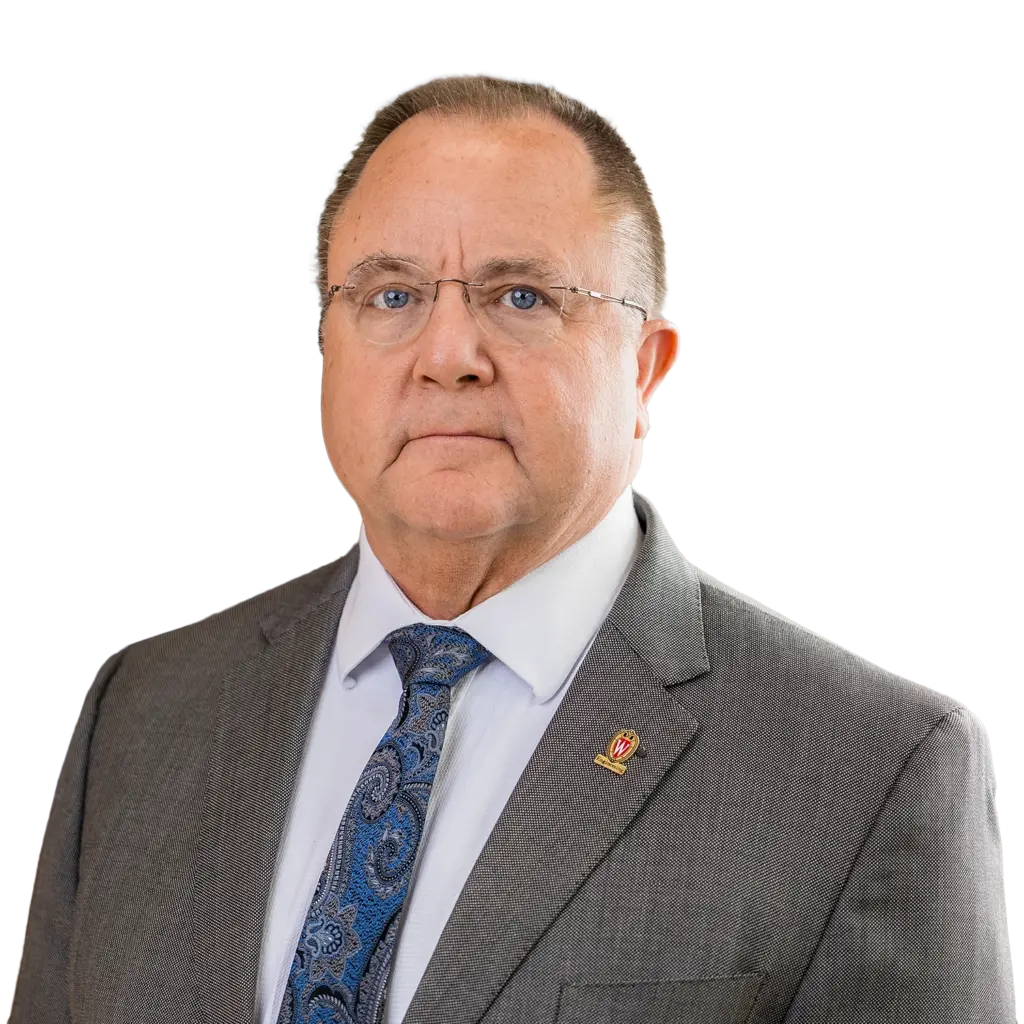
David Noyce is a Professor and Executive Director of the Traffic Operations and Safety (TOPS) Laboratory at the University of Wisconsin-Madison's Department of Civil & Environmental Engineering. He also serves as Associate Director of the Safety Research Using Simulation (SaferSIM) Center, a University Transportation Center. His work focuses on transportation safety, traffic operations, and automated/connected vehicle systems. Key roles include leading over $35M in research since 2003 through the TOPS Lab and advancing technologies like V2V/V2I communication, winter maintenance strategies, and work zone safety. Education: PhD (Texas A&M, 1999), MS (Civil Engineering, UW-Madison, 1995), MBA (UW-Whitewater, 1994), BS (UW-Madison, 1984). Research interests span traffic control devices, driver behavior analysis, crash reconstruction, and multi-modal transportation systems. He pioneered the national implementation of flashing yellow arrow signals and developed the Wisconsin Connected and Automated Transportation Consortium. Current projects include C-V2X localization frameworks, automated vehicle safety testing, and winter maintenance efficiency. Recognized with 20+ awards, including ITE and ASCE Fellowships and the Dr. Arthur F. Hawnn Professorship. His labs offer full-scale driving simulators and field-testing capabilities for real-world validation of innovations.