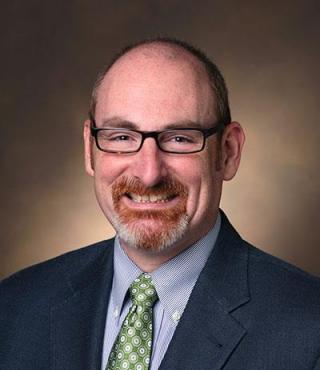
Scott Gitlinمشاهده پروفایل
دانشیار
Scott Gitlin serves as Assistant Dean of the Medical Education Continuum at Michigan Medicine, University of Michigan. He holds a faculty position in the Department of Internal Medicine within the Medical School, with a focus on hematology/oncology education and medical curriculum development. Dr. Gitlin's research interests center on medical education, particularly competency-based medical education (CBME) in internal medicine clerkships. His work examines educational frameworks, assessment methodologies, and the development of entrustable professional activities (EPAs) for medical students. Additionally, he has substantial expertise in hematology/oncology education, with a specific focus on addressing the shortage of specialists in non-malignant hematology. Medical Education Curriculum Development Competency-Based Assessment Systems Internal Medicine Clerkship Design Hematology/Oncology Education Non-Malignant Hematology Workforce Issues Research Mentorship Training His publication record reveals a strong emphasis on medical education innovation, with significant contributions to competency-based frameworks for internal medicine clerkships and research on hematology-oncology career pathways. His work addresses critical challenges in medical education, including the declining interest in non-malignant hematology specialties and effective assessment methodologies for medical knowledge. Dr. Gitlin has been instrumental in developing faculty development initiatives, notably through the American Society of Hematology (ASH) Medical Educators Institute, which provides curriculum development skills and professional growth opportunities for hematology educators. Principal investigator on medical education research projects Co-developer of competency-based assessment frameworks for internal medicine clerkships Contributor to ASH Medical Educators Institute Researcher studying hematology-oncology career pathways His work spans both educational scholarship and clinical research, with publications in hematology/oncology addressing conditions like haemophagocytic lymphohistiocytosis and multiple myeloma, demonstrating his dual commitment to medical education and clinical hematology.