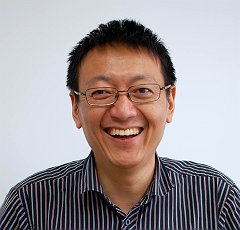
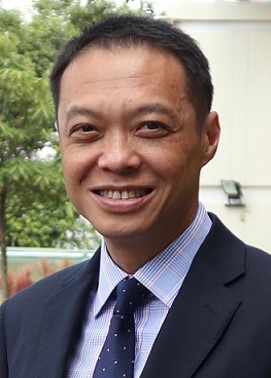
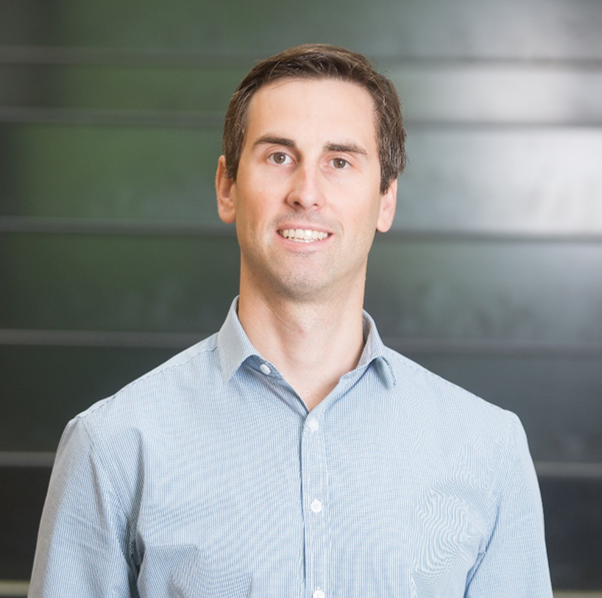
Xiaoxing Ma is a Professor at the State Key Laboratory for Novel Software Technology , Nanjing University , focusing on Software Engineering , Self-adaptive Software Systems , and Software Engineering for Machine Learning . His recent work bridges neuro-symbolic reasoning and formal verification. Key research areas: Software Engineering, Self-adaptive Systems, Neuro-symbolic AI Awards: China National Awards (2006, 2011), MOE Award (2010), CVIC SE Award (2009) His 2023-2024 publications emphasize: Formal semantics for hardware description languages (Verilog) Neuro-symbolic frameworks for mathematical reasoning Dynamic update verification and CRDT model checking LLM-driven API migration and traceability recovery He serves as Program Co-Chair for SEAMS 2024 and contributes to major software engineering conferences (ICSE, ASE, FSE, PLDI).
Jennifer Eileen Adair, PhD is a Professor in the Department of Genetic and Cellular Medicine at UMass Chan Medical School, with dual appointments in the T.H. Chan School of Medicine. Her research bridges basic science with translational applications in gene and cell therapy. Dr. Adair earned her BS in Chemistry from Youngstown State University and her PhD in Genetics and Cell Biology from Washington State University. Her academic journey has focused on developing innovative approaches to gene therapy with an increasing emphasis on global accessibility. Her research program centers on gene therapy development , particularly in hematopoietic stem cell engineering , CRISPR-based gene editing , and manufacturing optimization for cell and gene therapies. Recent work demonstrates a strong commitment to addressing global health disparities, with multiple publications on making gene therapies accessible in low- and middle-income countries through localized manufacturing solutions. Her laboratory investigates fundamental questions about stem cell biology while developing practical applications for genetic disorders including Fanconi anemia. Analysis of her recent publications (2020-2024) shows a strategic shift toward addressing implementation challenges of gene therapies, with approximately 40% of her work now focused on manufacturing, accessibility, and global health equity issues. Her research combines molecular biology, stem cell engineering, and health systems analysis to create practical solutions for bringing advanced therapies to diverse patient populations worldwide. Dr. Adair has established herself as a leader in both the technical development of gene therapies and the critical discourse around their global implementation. Her work spans from basic molecular mechanisms to health policy considerations, reflecting a comprehensive approach to advancing the field. She actively collaborates with international teams to address the translational gap in gene therapy, with recent projects spanning multiple continents and involving partnerships with researchers in India, Africa, and South America. Her laboratory focuses on developing point-of-care manufacturing solutions that could democratize access to these life-saving treatments.
Michio Honda is an Associate Professor (Reader) at the School of Informatics, University of Edinburgh, specializing in computer networks, operating systems, and security research. His work is affiliated with the Institute for Computing Systems Architecture. Dr. Honda's primary research interests include computer networks, operating systems, and security, with specific focus on TCP/IP protocol design, middlebox interference, persistent memory systems, and cloud networking. His work bridges theoretical networking concepts with practical implementation challenges in modern distributed systems. His research output demonstrates consistent contributions to major networking conferences, with recent work focusing on secure transport protocols for cloud environments, efficient load balancing techniques, and host networking and storage stack co-design. These themes represent evolution from his earlier foundational work on TCP extensibility and persistent memory networking. IRTF Applied Networking Research Prize Meta Research Award Google Research Scholar Award Dr. Honda maintains active industry connections, having previously worked at NetApp. He participates in key networking research communities including SIGCOMM and USENIX events. His current projects focus on practical networking challenges in cloud environments, balancing theoretical rigor with real-world applicability. He maintains an active presence in the networking research community through conference participation and social media engagement.
Ooi Eng Eong is a Professor at Duke-NUS Medical School, where he serves as Deputy Director of the Programme in Emerging Infectious Diseases. He also holds a joint appointment at the Saw Swee Hock School of Public Health, National University of Singapore. His research focuses on dengue virology, flavivirus pathogenesis, and vaccine development. Ooi is actively involved in experimental medicine studies and clinical trials to elucidate immune correlates of protection against flaviviruses. BM, BS (University of Nottingham) PhD (National University of Singapore) FRCPath (UK) His work spans host-pathogen interactions, molecular epidemiology, and cellular immunology. Recent research examines T cell responses in pandemic vaccine development, dengue subgenomic RNA mechanisms, and metabolic perturbations in flavivirus infections. He has published extensively on dengue epidemiology, vaccine safety, and RNA virus dynamics. Scientific awards include the NMRC Clinician Scientist Award (Senior Investigator) in 2010, 2014, and 2019. He leads the Viral Research and Experimental Medicine Centre at SingHealth Duke-NUS and serves as Director of the Global Dengue and Aedes-transmitted Diseases Consortium. Ooi is also an Editor for the Journal of General Virology.
Dr. Chenyang Tang is a Research Fellow at Newcastle University specializing in advanced materials for energy applications. His work is conducted within Professor Ian Metcalfe's research group, focusing on the development of exsolved nanoparticle catalysts derived from perovskite oxides for sustainable energy conversion systems. His research spans Materials Science, Catalysis, and Nanotechnology with emphasis on atomic-scale exsolution mechanisms. He investigates bimetallic catalyst design, noble metal optimization, and in situ nanostructure tailoring to enhance catalytic efficiency in CO oxidation and energy-related reactions. His methodology integrates advanced microscopy with material synthesis for precision-engineered catalytic systems. Analysis of his 2019-2021 publications reveals a cohesive research trajectory advancing exsolution science from fundamental atomic insights to practical catalyst applications. Key contributions include demonstrating bimetallic exsolution pathways, developing shape-persistent porous supports, and establishing protocols for efficient noble metal utilization – all targeting sustainable solutions for emission control and energy technologies. Dr. Tang operates within Newcastle University's functional materials research ecosystem, collaborating closely with Professor Ian Metcalfe's team on projects bridging solid-state chemistry and catalytic engineering for next-generation energy materials.
Dr. Gerhard Schellhorn is a Senior Researcher at the Institute for Software & Systems Engineering, part of the Faculty of Applied Computer Science at the University of Augsburg. He collaborates extensively with Prof. Dr. Wolfgang Reif, the institute's director, and has maintained an active research career spanning multiple decades with continuous publications from 1994 through 2025. His research focuses on: Logic Calculi and Algebraic Specification Program Logics and Abstract State Machines Modular specification of concurrent systems with temporal logic and IO-Automata Interactive Verification and Proof Automation Refinement techniques including Data Refinement, ASM Refinement, Linearizability, and Opacity Dr. Schellhorn's recent work (2018-2025) demonstrates a consistent progression from theoretical foundations to practical applications in system verification. His publications reveal a strong emphasis on verifying concurrent and persistent systems, particularly file systems (Flashix), data structures (red-black trees), and memory models. A significant portion of his work utilizes the KIV verification system, which he has helped develop and apply to complex real-world systems. His research shows increasing relevance to modern computing challenges involving crash safety, persistent memory, and concurrent data structures. He has established extensive collaborations with researchers including Stefan Bodenmüller, Wolfgang Reif, Brijesh Dongol, Heike Wehrheim, and John Derrick, indicating his strong integration within the international formal methods community. Dr. Schellhorn also contributes to education at the University of Augsburg through courses in Software Engineering, Compiler Construction, Introduction to Robotics, and Formal Methods in Software Engineering.
Dr. Alexandra Blöcker is a Postdoctoral Researcher at the University of Hamburg's Faculty of Mathematics, Computer Science and Natural Sciences. She works within the Department of Biology at the Institute of Marine Ecosystem and Fisheries Sciences, focusing on regime shifts and tipping points in North Sea fish stocks. Her research examines the abrupt dynamics of fish populations and their consequences for socio-ecological systems and fisheries management. PhD in Biology (2019-2023): Regime shifts in North Sea fish species MSc in Biology (2014-2016): Sustainable use of marine ecosystem services BSc in Biology (2011-2014): Visual effects of aircrafts on kestrels Her research combines quantitative and qualitative methods to analyze ecological discontinuities and management outcomes. She contributes to interdisciplinary projects like SeaUseTip (BMBF-funded), collaborating with Thuenen Institute and Helmholtz-Zentrum Hereon. She has published extensively on North Sea ecosystem dynamics, with recent work appearing in Marine Ecology Progress Series and Scientific Reports . Dr. Blöcker's publications reveal consistent focus on: Marine ecosystem tipping points Fisheries governance and adaptive management Human-environment interactions Biodiversity conservation in delta systems Climate change impacts on marine stocks
Yukai He, MD, PhD, is a Professor at Augusta University's Medical College of Georgia. He holds dual appointments in the Department of Medicine (Gastroenterology) and the Georgia Cancer Center, with additional affiliations in the Department of Biochemistry and Molecular Biology and The Graduate School. His research focuses on tumor immunology, adoptive cell therapy, and T cell engineering for hepatocellular carcinoma (HCC) and head and neck cancers. Ph.D. in Biomedical Sciences from University of Heidelberg (1995) MS in Biomedical Sciences from First Military Medical University (1988) MD from First Military Medical University (1985) His laboratory has developed TCR and CAR-T cell therapies for HCC, including an AFP-specific TCR gene licensed for clinical trials (NCT03971747). Current research projects include optimizing CAR-T antigen-binding domain affinity (funded by NCI R01 CA235159 and Paceline Cancer Research Award) to enhance solid tumor immunotherapy efficacy. Editorial Board, Cancer Immunology Research Committee Chair, Molecular Medicine Graduate Program (2019-present) NIH Study Section Committee Member (2019-present)
Alison Hoyt serves as Assistant Professor of Earth System Science at Stanford University's School of Earth, Energy & Environmental Sciences, with a courtesy Center Fellowship at the Woods Institute for the Environment and membership in Bio-X. Her research program investigates biogeochemical cycle responses to human impacts, specializing in vulnerable carbon stocks within tropical and Arctic ecosystems. Dr. Hoyt's primary research focuses on soil carbon dynamics across global ecosystems, particularly examining how mineral-organic interactions control carbon persistence in tropical soils of Africa and Southeast Asia, and methane emissions from Arctic wetlands. Her work integrates field measurements with modeling approaches to understand carbon cycling in degraded peatlands, drainage canal networks, and climate-sensitive regions. She maintains an active research group focused on carbon cycle science, as evidenced by her group website carboncycle.stanford.edu . Analysis of her 15 most recent publications reveals consistent research themes across biomes: soil carbon stabilization mechanisms (72% of works), tropical peatland hydrology and carbon emissions (40%), Arctic wetland methane dynamics (13%), and global soil carbon data synthesis (20%). Her methodological approach combines radiocarbon dating, ramped thermal analysis, satellite remote sensing, and field measurements across diverse pedoclimatic regions. Dr. Hoyt actively mentors graduate students across multiple programs, serving as Doctoral Dissertation Reader, Co-Advisor, and Master's Program Advisor for nine students. Her teaching portfolio includes courses on ecosystem restoration, soil management for climate mitigation, climate change perspectives, and independent research supervision across Earth Systems Science and Environment & Resources programs. She contributes significantly to community data infrastructure through leadership in the International Soil Radiocarbon Database (ISRaD) and collaborative synthesis efforts addressing soil carbon data integration challenges. Her research directly informs climate mitigation strategies through understanding soil carbon vulnerability and peatland management impacts.
Dr. S. Veerasingam is a Researcher at the Environmental Science Center, Qatar University. His work focuses on marine pollution dynamics, particularly examining microplastics and oil/tar residues in coastal ecosystems. Current research includes microplastic distribution patterns in Qatar's beach sediments Specializes in advanced spectroscopic techniques for contaminant detection Investigates ecological risks of emerging pollutants in the Arabian Gulf Recent publications highlight his contributions to understanding microplastic accumulation in marine organisms, developing AI-based biofouling detection systems, and analyzing persistent organic pollutants in coastal sediments. His work employs meta-analytical approaches and comparative environmental risk assessments. Editorial contributions include reviewing activities for Frontiers in Environmental Science, particularly in Toxicology and Pollution domains. His research network spans international institutions across India, Egypt, Japan, Bangladesh, and Russia.
Jan Vitek is a Professor of Computer Science at Northeastern University's Khoury College of Computer Sciences. He also holds an appointment at Charles University in Prague supported by an ERC.CZ grant. With a background rooted in Czechoslovakia (birth) and Switzerland (education), Prof. Vitek has established himself as a leading researcher in programming languages and systems. Prof. Vitek's research spans programming language design, implementation, and application across multiple domains. His work has significantly impacted real-time embedded systems, concurrent and distributed systems, and more recently, scalable data analytics. He has published extensively in top venues including Programming Languages, Virtual Machines, Compilers, Software Engineering, Real-time Computing, and Bioinformatics. His publication record shows a clear evolution from foundational work on programming language theory to practical implementations and modern data science applications. Early work focused on ownership types and real-time Java systems, while recent publications center on dynamic languages (particularly R and Julia), compiler optimizations, and large-scale code analysis. His research demonstrates consistent innovation in bridging theoretical foundations with practical implementations. Selected Awards: Dahl-Nygaard Senior Prize (2020) ACM SIGPLAN Distinguished Service Award (2019) ECOOP Test of Time Award (2018) ISSTA Distinguished Artifact Award (2018) OOPSLA Distinguished Artifact Award (2017) As an advisor, Prof. Vitek has mentored numerous PhD students through successful thesis defenses on topics ranging from type stability in Julia to analyzing large code repositories. He has also been deeply involved in the research community through conference organization, having chaired major events including SPLASH, PLDI, ECOOP, ISMM and LCTES. Currently serving as Editor in Chief of TOPLAS, he continues to shape the field while actively conducting research with his team at the PRL lab. His research group, the PRL (Programming Research Laboratory) and PRL-PRG, focuses on creating beautiful code that solves real-world problems, with particular emphasis on making software development more efficient, reliable, and accessible.
Mohamed Faouzi Atig is a Professor in Computer Systems at the Department of Information Technology , Uppsala University since July 2021. Previously, he served as Senior Lecturer (Associate Professor) from June 2018 to June 2021 and as Associate Senior Lecturer (Assistant Professor) from June 2014 to May 2018. Current: Professor, Uppsala University (2021–present) Senior Lecturer, Uppsala University (2018–2021) Associate Senior Lecturer, Uppsala University (2014–2018) Researcher, Uppsala University (2012–2018) Post-doctoral Researcher, Uppsala University (2010–2012) Education : PhD in Computer Science from University of Paris Diderot-Paris 7 (2010) Docent (Habilitation) in Computer Systems from Uppsala University (2017) Research Interests : A multidisciplinary researcher in Formal Verification , focusing on Model Checking and Automata Theory for Concurrency and Weak Memory Models . His work spans Formal Methods , Software Verification , and Logics for system correctness. Publication Trends : His recent works (2015–2024) analyze Hardware Memory Models (Intel-x86, TSO), String Constraint Solving , and Stateless Model Checking under relaxed memory semantics. He applies Automata Theory to Persistent Memory verification and Concurrency problems. Committee Roles : Active in program committees for POPL (2020–2025), PLDI (2017–2024), and VMCAI (2017).
Dr Anithadevi Kenday Sivaram is a Researcher at the University of Newcastle , affiliated with the School of Environmental and Life Sciences . Her research focuses on environmental toxicology, bioremediation, and soil health, particularly addressing the impacts of per- and polyfluoroalkyl substances (PFAS) and polycyclic aromatic hydrocarbons (PAHs). Contact: anitha.kendaysivaram@newcastle.edu.au Location: Callaghan campus, University Drive, Callaghan, NSW 2308, Australia Research Interests : Dr Anithadevi explores the ecotoxicity of PFAS and firefighting foams, particularly their effects on aquatic organisms and plants. She investigates bioremediation strategies using plants and microbes to degrade pollutants like PAHs, with a focus on rhizosphere interactions and organic amendments. Her work also examines the fate of PFAS during thermal treatments and microbial viability in sustainable agriculture. Recent Publications Trends : Her studies span PFAS contamination in commercial composts, pyrolysis-based remediation of biosolids, and transgenerational toxicity in nematodes. Key themes include pollutant fate, plant-microbe interactions, and innovative methods for environmental cleanup.
Ivana Matić Bujagić serves as an Assistant Professor in the Department of Environmental Engineering at the Faculty of Technology and Metallurgy, University of Belgrade. Her academic appointment was confirmed on April 17, 2025, and she teaches courses related to solid waste management, environmental impact assessment, soil pollution and remediation, and hazardous substances management. Her research focuses on environmental contaminants, particularly artificial sweeteners as indicators of municipal pollution in water systems. Her research interests span environmental engineering with emphasis on waste management, water quality assessment, soil pollution and remediation, and emerging contaminants. She has developed expertise in analyzing artificial sweeteners as markers for wastewater contamination in groundwater and river systems, with particular focus on the Belgrade area and Danube River Basin. Her work bridges environmental chemistry, risk assessment methodologies, and practical applications for water quality monitoring. Analysis of her recent publications reveals a consistent research trajectory focused on emerging contaminants in water systems, particularly artificial sweeteners as pollution indicators. Her work spans from analytical methods development for detecting trace contaminants to ecological and human health risk assessments. A notable secondary research direction involves biomedical applications of composite materials, particularly examining drug release mechanisms from hydroxyapatite/polymer coatings, suggesting interdisciplinary collaboration between environmental and biomedical engineering fields. Dr. Matić Bujagić actively contributes to environmental monitoring efforts in Serbia, with publications addressing wastewater treatment efficiency, groundwater contamination, and ecological risk assessment in the Danube River Basin. Her methodological expertise includes advanced analytical techniques for detecting trace contaminants in water and sediment samples, with publications on liquid chromatography-tandem mass spectrometry methods.
Dr. Luke Heales is a Senior Lecturer in Musculoskeletal Physiotherapy and Postgraduate Research Coordinator at Central Queensland University’s School of Health, Medical and Applied Sciences. He holds a PhD from The University of Queensland (Dean’s Award), a Bachelor of Health Science (Valedictorian) from Auckland University of Technology, and a Postgraduate Certificate in Tertiary Education from CQUniversity. Specialises in upper limb injury rehabilitation and persistent tendon pain Active researcher in occupational rehabilitation and beach accessibility for people with disability Recipient of multiple teaching awards including the Australian Awards for University Teaching (2021) Secured over $500,000 in competitive research and teaching grants His recent publications focus on tendinopathy management, biomechanical responses to taping/orthoses, and accessibility studies for inclusive beach environments. He supervises 4 research higher degree students and teaches musculoskeletal physiotherapy at undergraduate and postgraduate levels. Scientific awards and grants include: Deans Award for Outstanding Research Higher Degree (2015) 3 Minute Thesis Competition awards (2015) Summer Research Scholarships (2010-2011) Best Research Project award (2011)