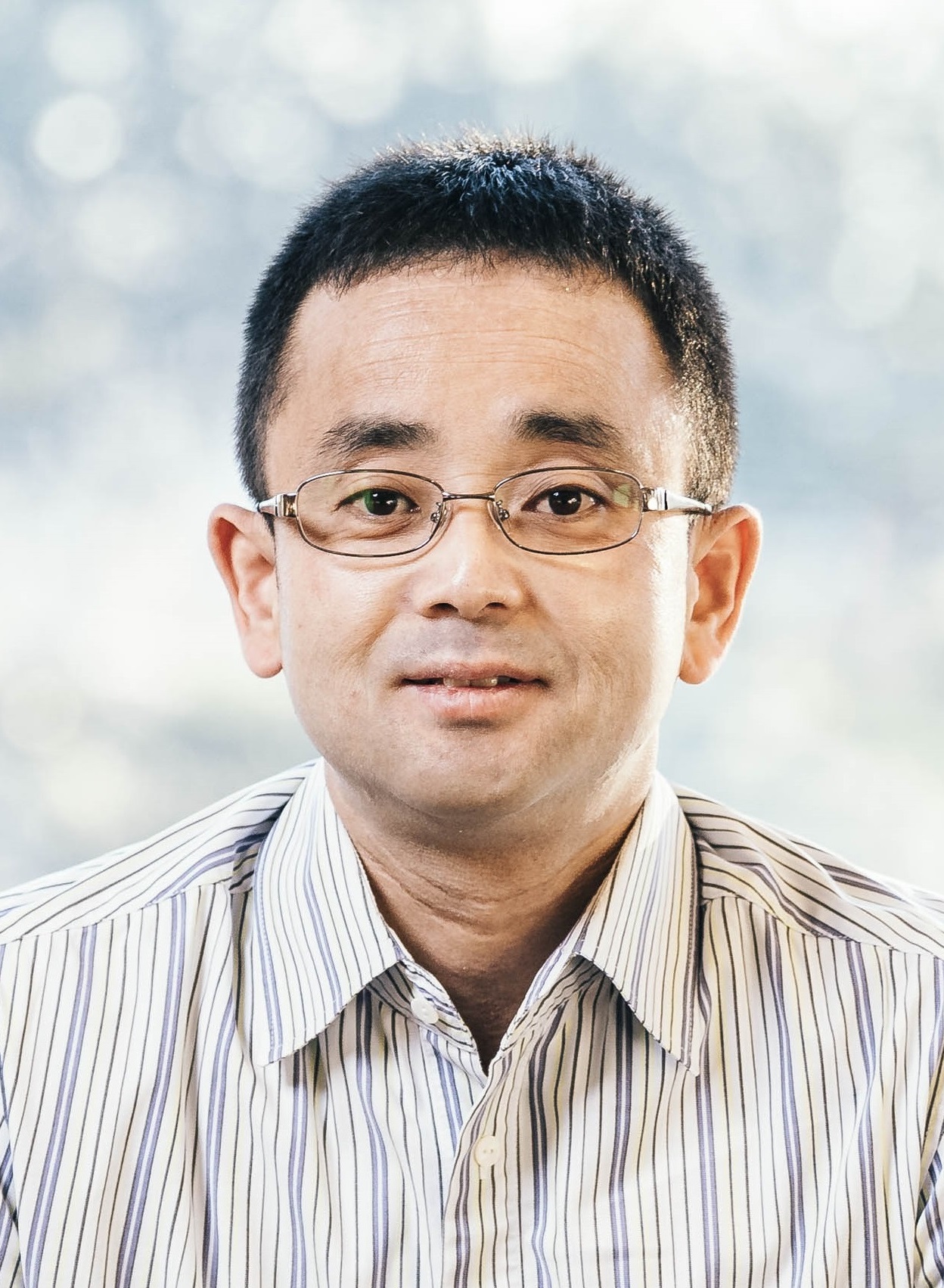
Gerard de Haan is a Professor of Electronic Systems at the Department of Electrical Engineering , Eindhoven University of Technology (TU/e). His research focuses on video signal processing, particularly in multimedia systems and video health monitoring , aiming to enhance image quality and enable accurate sensing of vital signals amidst motion artifacts. He has documented his research in 4 books, 3 book chapters, approximately 200 papers, and over 200 patent applications, leading to commercially available ICs. De Haan has served on program committees of international conferences and as a guest editor for journals including Elsevier, IEEE, and Springer. Education : BSc, MSc, PhD in Electrical Engineering from Delft University of Technology (1977, 1979, 1992) Professional Roles : Lead researcher at Philips Research (1979–present), Full Professor at TU/e (2000–present) His research interests span noise and artifact reduction , video format conversion , display-specific processing , and enabling technologies like motion estimation and object detection . Articles highlight advancements in rPPG motion robustness , blood volume pulse signature analysis , and remote SpO2 monitoring . Scientific awards include his appointment as Fellow at Philips Research Eindhoven in 2000.
Dr Matthias Kramer is a Senior Lecturer at the UNSW Canberra , School of Engineering and Information Technology. He has previously worked at the University of Queensland and the University of Stuttgart. His research focuses on open-channel hydrodynamics with an emphasis on multiphase flows, hydraulic structures, and measurement instrumentation. Education: PhD from University of Stuttgart (2015) on 'Air demand of impulse turbines in counter pressure operation' His research interests include open-channel flow dynamics, multiphase flow analysis, and the development of innovative flow measurement technologies . He has extensively published on topics such as air-water flow properties , turbulent free-surface flows , and plastic pollution transport in fluvial systems. His recent publications demonstrate a focus on environmental engineering , with strong emphasis on fluid dynamics , instrumentation , and hydrological systems . These works include studies on air-water flow measurement , plastic transport modeling , and hydraulic structure design . Dr Kramer has received multiple scientific awards including: UNSW Rector Funded Visiting Fellowship Research Infrastructure Scheme (Combined open-channel/wave flume) Substantial merit-based startup grant (UNSW Canberra) Establishment award (UNSW Canberra) DFG research fellowship on 'Air-water mass transfer at hydraulic structures' He currently supervises PhD candidate Hanwen Cui (joint with Dr Stefan Felder) and Masters student Reilly Cox (UNSW Sydney). Dr Kramer is involved in hydro-environmental research infrastructure at UNSW and serves on the Editorial Panel of ICE Water Management .
Asier Perallos Ruiz is a Professor in the Faculty of Engineering at the University of Deusto, specializing in the Department of Computing, Electronics and Communication Technologies. His research focuses on RFID technology, wireless sensor networks, and computational intelligence applications with significant contributions to intelligent transport systems and antenna design. Dr. Perallos Ruiz's research interests span multiple domains with a focus on RFID technology , Wireless sensor networks , Internet of Things (IoT) , Computational intelligence , Evolutionary algorithms , and Intelligent transport systems . His work bridges theoretical advancements with practical applications, particularly in transportation systems, healthcare, and industrial automation. His research often involves interdisciplinary collaboration across engineering disciplines. His publication portfolio shows a consistent trend toward improving RFID systems, developing efficient anti-collision protocols, and applying computational intelligence to real-world problems. Recent work has focused on polarization-diversity rotation sensing, customizable RFID platforms, and the integration of RFID with IoT applications. His research demonstrates a progression from foundational RFID technology to more complex system integration and application-specific solutions. Dr. Perallos Ruiz has supervised several graduate students including Muralter Florian (2021), Arjona Aguilera Laura (2018), Cmiljanic Nikola (2018), Lopez Garcia Pedro (2016), and Moreno Emborujo Asier (2016). His research has been supported by various projects focusing on RFID technology, intelligent transportation systems, and wireless communication applications. He leads research teams focused on RFID systems development, wireless sensor networks, and computational intelligence applications. Current work appears to be advancing RFID sensing capabilities, energy-efficient protocols, and system integration for practical applications in transportation and industry.
Artem Vilenskiy is a researcher in the Antenna Systems group at Chalmers University of Technology since 2019. His work focuses on developing active integrated array antenna concepts, 100+ GHz beam-steerable antennas and circuits, MMIC design, computational electromagnetics methods for radiation and scattering problems, and collaboration with Chalmers industrial partners. His educational background includes: MSc Degree (Specialist) in Electrical Engineering from Bauman Moscow State Technical University (BMSTU) in 2011 PhD Degree (Eng.) in "Antennas, Microwave Devices and Its Technology" from BMSTU in 2014 Dr. Vilenskiy's research spans multiple cutting-edge areas in microwave and antenna engineering, with particular emphasis on millimeter-wave and sub-THz frequency ranges. He specializes in reconfigurable intelligent surfaces (RIS), beam-steering technologies, and integrated antenna solutions for next-generation wireless communication systems. His work bridges theoretical electromagnetics with practical implementation challenges, often involving close collaboration with industry to address real-world telecommunications and radar applications. His expertise encompasses both novel antenna architecture design and associated microwave integrated circuits, with significant contributions to mmWave phased arrays and wireless power transfer systems. Analysis of his recent publications reveals a strong and consistent focus on millimeter-wave antenna systems, particularly in developing reconfigurable intelligent surfaces for 5G/6G applications, advanced beamforming techniques, and innovative antenna array architectures. His research spans frequencies from W-band (75-110 GHz) into the sub-THz range, addressing critical challenges in high-frequency wireless communication systems. The publications demonstrate a consistent emphasis on practical implementation, with many papers detailing circuit models, measurement techniques, and experimental validation of theoretical concepts across multiple application domains including satellite communications, wireless backhaul, and quantum computing interfaces. Dr. Vilenskiy has been actively involved in multiple significant research projects: Low-Thermal-Conductance and High-Density Microwave Interconnects for Cryogenic Quantum Computers (2024-2025) Energy Efficient, Beamforming Antenna-IC Integration Solutions for Future 100+GHz Telecommunication Systems (2021-2023) Antenna technologies for beyond 5G Wireless Communication (2020-2025) MyWave - Efficient Millimetre-Wave Communications for mobile users (2019-2023) Integrated Antenna Arrays (2016-2023) Prior to joining Chalmers, Dr. Vilenskiy worked at Samsung Research Institute Russia from 2011-2019 in various engineering roles including research engineer, expert engineer, and project leader. During 2015-2019, he also held a part-time Associate Professor position at BMSTU where he coordinated the MSc course "Applied Electrodynamics of Composite Media". His industry experience in mobile communication, automotive radar, robotics, and wireless power transfer provides valuable practical insights that complement his academic research in antenna systems.
Colin John McClean is a Senior Lecturer in the Department of Environment and Geography at the University of York , with over 25 years of experience in spatial analysis and GIS applications for environmental management. His career spans post-doctoral research at Cardiff and Newcastle, followed by academic roles at York since 1996. Education: BSc in Geography from the University of Edinburgh (1986); PhD in Geography from Durham University (1991). McClean’s research focuses on leveraging spatial datasets to address conservation ecology, climate change impacts on biodiversity, and land use modeling. He has pioneered work using machine learning methods like genetic algorithms and simulated annealing for reserve selection, with applications in the Sahel region (e.g., Shea Tree climate modeling) and marine conservation. Recent publications highlight interdisciplinary themes, including urban green-blue spaces and health , tropical peatland restoration , and oil palm sustainability . His work has been funded by NERC, Defra, EU, and the Darwin Initiative, often involving cross-institutional collaborations. He supervises PhD students in topics such as water chemistry prediction , soil nitrogen dynamics , and protected area effectiveness under climate change . No scientific awards are documented, but his research on climate change impacts has influenced major reports like the Stern Review and the 2007 IPCC assessment.
Katsuyuki Haneda serves as Associate Professor in Aalto University's Department of Electronics and Nanoengineering within the School of Electrical Engineering. Holding a Doctor of Engineering from Tokyo Institute of Technology (2007), his research pioneers high-frequency radio systems including millimeter-wave and Sub-THz communications, with critical applications in medical devices, post-disaster scenarios, and Internet-of-Things networks. Education: Doctor of Engineering, Tokyo Institute of Technology, 2007 Research Focus: Dr. Haneda's work spans Physical layer wireless communications , Antennas and propagation , and RF instrumentation , with groundbreaking contributions to wireless medical applications (notably capsule endoscopy) and in-band full-duplex radio technologies . His group develops advanced channel models for 6G while addressing real-world challenges in post-disaster communications through experimental validation. Publication Trends: Recent 2025 works reveal concentrated advancements in Sub-THz/D-Band communications, featuring innovative antenna designs for 28 GHz systems, channel modeling techniques for 3GPP-like standards, and medical wireless solutions. Publications demonstrate strong experimental emphasis with field measurements across urban, indoor, and medical environments. Scientific Recognition: ISMICT 2019 Best Paper Award (medical wireless) Dual 2013 Best Paper Awards (IEEE VTC Spring & EuCAP) IEICE Best Survey Paper (2015) IEEE AP-S Young Engineer Award (2007) Tokyo Tech Honorary Student Award (2002) Leadership & Collaboration: As Associate Editor for IEEE Transactions on Antennas and Propagation (2012-2016) and Wireless Communications (2013-present), Dr. Haneda shapes field standards. He co-chairs the radio channel working group in COST Action IRACON (CA15104), driving European 5G+/6G research collaboration while supervising graduate researchers in experimental high-frequency communications. Research Infrastructure: The Katsuyuki Haneda Group maintains specialized laboratories for millimeter-wave/Sub-THz channel sounding, antenna characterization, and medical wireless prototyping, supporting hardware-in-the-loop validation for next-generation communication systems.
Tarik Graba is a Lecturer at Télécom Paris and a member of the Secure and Safe Hardware (SSH) research team within the Information Processing and Communication Laboratory (LTCI) department. His work focuses on hardware security, embedded systems, and cryptographic implementation. Education: Not explicitly mentioned Current Affiliations: Télécom Paris (Faculty), LTCI, SSH Team His research explores designing secure and reliable integrated systems , with emphasis on managing complexity, power consumption, and flexibility in embedded environments. He contributes to side-channel analysis , lightweight cryptographic algorithms , and hardware-based security mechanisms . The 15 most recent publications highlight his work in lightweight cryptography , hardware security , and embedded system optimization , particularly focusing on RISC-V extensions , side-channel leakage , TRNG circuits , and secure cryptographic processors . Scientific Awards Academic Palms award, Télécom Paris (2021) Tarik Graba collaborates extensively in hardware security research and has advised multiple projects on physical security countermeasures and embedded cryptographic systems . He works with teams like the SSH Laboratory to develop secure hardware architectures.
Alex Rashkovan is a Visiting Assistant Professor in the Department of Engineering Physics at McMaster University. His academic work focuses on computational fluid dynamics (CFD), nuclear reactor thermal hydraulics, and heat transfer, with a strong emphasis on modeling fluid behavior in reactor containment systems and experimental validation of CFD simulations. His research spans turbulent jet dynamics, stratified layer erosion, mixed convection, and vortex analysis, as evidenced by publications in journals such as Nuclear Engineering and Design , Physics of Fluids , and Progress in Nuclear Energy . Key trends in his scholarly activity include the optimization of gas-coolant channels, scaling considerations for reactor experiments, and the thermal and fluid dynamic analysis of complex geometries like wavy walls and rotating containers. His work often bridges numerical simulations with empirical validation to enhance reactor safety and efficiency.
Anthony Kelly serves as a Postdoctoral Research Fellow in the Department of Electronic and Computer Engineering within the Faculty of Science and Engineering at the University of Limerick, Ireland, with his office located in E2-006. His affiliation spans both engineering and healthcare domains through interdisciplinary research initiatives. His research demonstrates dual expertise in artificial intelligence applications for healthcare and advanced power electronics. In healthcare AI, he develops interpretable mental health models, diabetes management chatbots, and comorbid condition interventions with emphasis on clinician trust and safety evaluation. In power systems, he pioneers digital control techniques for DC-DC converters, FPGA power management, and machine learning-integrated circuit designs. This bifurcated focus reveals a strategic transition from hardware-centric research (2005-2019) toward AI-health convergence (2024-2025). Analysis of his 15 most recent publications shows a pronounced shift toward healthcare AI since 2024, with 80% of current work addressing mental health modeling, diabetes chatbots, and comorbid condition management. Earlier publications (2009-2019) consistently focused on power electronics innovations including current-sharing algorithms, adaptive controllers, and FPGA-based systems, establishing foundational expertise later applied to healthcare technology development.
Koray Aydin is an Associate Professor in the Electrical and Computer Engineering department at Northwestern University 's McCormick School of Engineering. His research focuses on nanophotonics , optical metamaterials , and inverse design of photonic devices. PhD in Physics, Bilkent University MS and BS in Physics, Bilkent University The Metamaterials and Nanophotonic Devices Lab (MNDL) explores light-matter interactions at the nanoscale. Key research areas include: Plasmonic materials and devices for absorption engineering Metasurfaces for subwavelength light control Two-dimensional materials in optoelectronics 3D printing of millimeter-wave and optical metadevices Hybrid and tunable nanophotonic systems Dynamic metamaterials via self-assembly His publications highlight inverse design methodologies, DNA-assembled metasurfaces , and active nanophotonic materials . Collaborations with Chad Mirkin, Vinayak Dravid, and Prem Kumar have led to breakthroughs in scalable photonic systems and programmable metamaterials. Current efforts in MNDL aim to integrate machine learning with nanophotonic device design, enabling non-intuitive geometries and ultra-compact optical components with applications in telecommunications, defense, and consumer electronics.
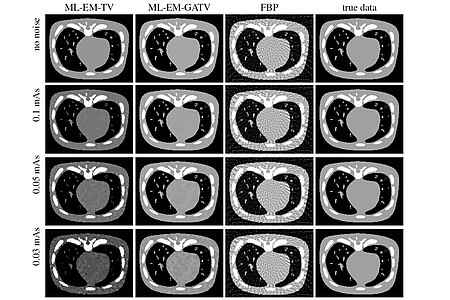
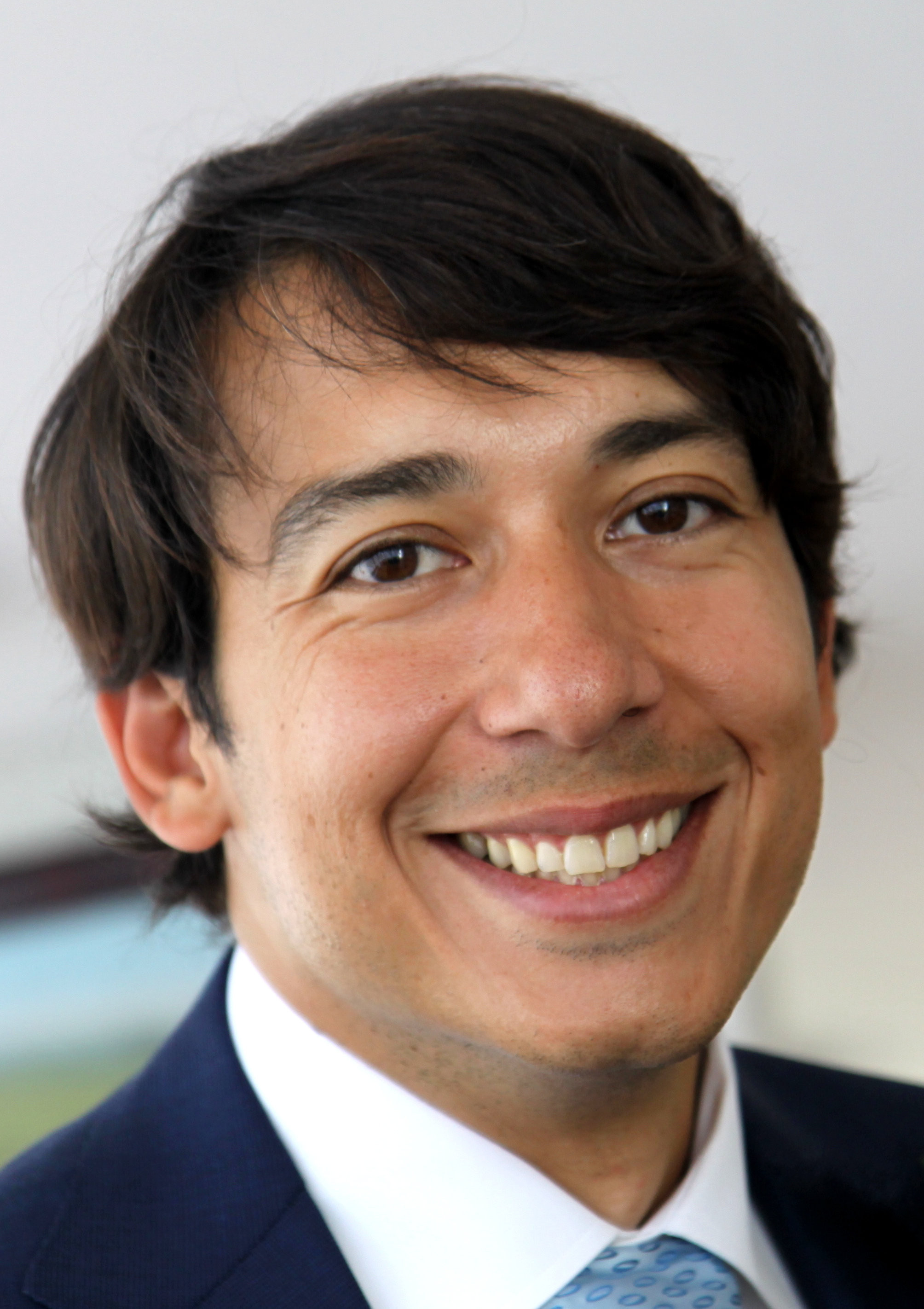
Jürgen Hesser is a Professor at the Mannheim Medical Faculty , Heidelberg University, specializing in Experimental Radiotherapy and Medical Imaging . His research focuses on solving inverse problems in imaging, particularly for CT reconstruction , brachytherapy planning , and low-dose imaging . Current affiliations: Clinic for Radiotherapy and Radiooncology, Mannheim University Hospital Collaborative ties: Interdisciplinary Center for Scientific Computing (IWR) and Center for Bioinformatics (ZITI) at Heidelberg University Research interests center on anisotropic total variation techniques for medical and industrial applications, including MR-guided interventions and real-time radiation therapy . His work has led to a 1000x speed improvement in brachytherapy planning algorithms. Recent publications highlight expertise in image reconstruction (CT/X-ray), noise optimization , machine learning for cancer classification, and big data management solutions. His methods are applied to both clinical and industrial imaging challenges. Additional contributions include scientific data infrastructure development and variance stabilization techniques for medical sensors. The research group maintains strong interdisciplinary links with Physics, Mathematics, and Computer Science faculties.
Alejandro Russo is a Professor at Chalmers University of Technology , specializing in Information Flow Control (IFC) , Secure Programming Languages , and Functional Programming . His research bridges theoretical foundations and practical implementations, focusing on mitigating timing channels , covert channels , and data leakage in concurrent systems. Developed novel frameworks for Differential Privacy with provable accuracy bounds Pioneered COWL integration for browser security and instruction-based scheduling to prevent cache timing attacks Led major projects like HIPSTER (hybrid static/dynamic IFC) and AppFlow (practical IFC deployment) His publications reveal expertise in security libraries for Haskell and Python , with a focus on faceted execution , label manipulation , and mechanized security proofs . Students under his supervision have explored topics ranging from secure eDSLs to privacy-preserving compilation techniques . Scientific awards : Google Research Award (2011) for Python taint analysis Advising and grants : Principal Investigator for VR , STINT , and Google Research Award Supervised 12+ PhD and Master’s students in security and functional programming research
Johanna Ullrich is a Professor at the University of Vienna's Faculty of Computer Science and a Key Researcher at SBA Research in Vienna. She leads the Research Group Communication Technologies and serves as Head of the Networks and Critical Infrastructures Security Group at SBA Research. Her academic journey includes positions as Principal Investigator & Manager of Third Party Funded Projects at the University of Vienna and Post-Doctoral Researcher at the Christian Doppler Laboratory for Security and Quality Improvement in the Production System Lifecycle. Her educational background includes a PhD sub auspiciis praesidentis in Computer Science from TU Wien (2013-2016), an MSc in Automation Engineering from TU Wien (2010-2013), and a BSc in Electrical Engineering from TU Wien (2007-2010). She also holds a Venia Docendi for Computer Engineering from the University of Vienna. Ullrich's research focuses on the intersection of computer science and classical engineering, with particular emphasis on network security, IPv6 measurement experiments, and critical infrastructure protection. Her groundbreaking work demonstrated vulnerabilities in the IPv6 Privacy Extension that led to modifications in major client operating systems, protecting millions of users. She is renowned for her research on cyber-physical attacks against power grids, showing how coordinated load attacks can destabilize electrical infrastructure. Her work spans both theoretical security frameworks and practical implementations with significant real-world impact. Her publication record reveals a consistent trajectory from fundamental network security research toward increasingly complex interdisciplinary investigations at the boundary of computer science and physical infrastructure. Recent work emphasizes AI/ML applications for network security, power grid resilience, and socio-technical approaches to cybersecurity. Her research demonstrates a progression from protocol-level security (IPv6) to system-level security (cloud, IoT) and now to infrastructure-level security (power grids, critical national infrastructure). 2nd in the Faculty of Computer Science's Best-of-the-Best Ranking 2024 Category Third Party Funding Nomination for the Hedy Lamarr Prize 2019 and 2020 Scholarship of Excellence 2018 Research Prize of the Dr. Maria Schaumayer Foundation 2018 Promotio Sub Auspiciis Praesidentis 2017 Diploma Thesis Award of the City of Vienna 2013 Ullrich actively contributes to the academic community through extensive grant acquisition and service. She has secured numerous research projects including SPyCoDe (Semantic and Cryptographic Foundations of Security and Privacy by Compositional Design), DynAISEC (Adaptive AI/ML for Dynamic Cybersecurity Systems), and Q-Crit (Quantum-Safe Critical Infrastructure for Austria). Her leadership extends to committee roles including Program Committee Member of IEEE Symposium on Security and Privacy (S&P) 2024 and Technical Program Chair of Network Traffic Measurement and Analysis Conference (TMA) 2023. At SBA Research, she leads the Networks and Critical Infrastructures Security Group, which investigates security challenges at the intersection of digital networks and physical infrastructure. The group conducts both theoretical research on security frameworks and practical measurements of real-world systems. Their work combines network measurement techniques with power systems engineering to develop comprehensive security approaches for critical infrastructure.
Dandan Liu serves as Associate Professor of Biostatistics at Vanderbilt University Medical Center, holding dual leadership roles as Executive Director of the Vanderbilt Biostatistics Data Coordinating Center (VBDCC) and Director of the Vanderbilt Institute for Clinical and Translational Research (VICTR) Methods Program. Her work bridges statistical methodology development with clinical and translational research across multiple disciplines. Her educational foundation includes a PhD in Biostatistics from the University of Michigan, providing the theoretical basis for her methodological innovations. Dr. Liu's research program demonstrates exceptional breadth, with core expertise in longitudinal data analysis for neurodegenerative diseases—particularly Alzheimer's progression modeling using cognitive and neuroimaging biomarkers. She maintains parallel research streams in parasitology (focusing on Eimeria and Toxoplasma pathogenesis in poultry) and environmental statistics (carbon footprint assessment and sustainable systems modeling). Her methodological contributions span predictive modeling for ordinal outcomes, robust signal processing techniques, and high-dimensional 'omics data analysis. Analysis of her 2023-2025 publications reveals three dominant thematic clusters: neurodegeneration research (comprising 40% of output, featuring amyloid biomarker studies and cognitive trajectory modeling), parasitology applications (35%, emphasizing vaccine development and infection dynamics), and environmental sustainability (25%, including geospatial optimization and life cycle assessment). This distribution reflects her strategic focus on high-impact biomedical problems while maintaining methodological versatility. No scientific awards were documented in the provided source material. While specific doctoral advising activities and grant portfolios weren't detailed, her extensive publication record across diverse domains indicates active mentorship of research teams and successful acquisition of collaborative funding through VBDCC and VICTR channels. She directs two major research infrastructure units: the Vanderbilt Biostatistics Data Coordinating Center (VBDCC), which provides statistical leadership for multi-center clinical trials, and the VICTR Methods Program, which develops innovative approaches for translational research design and analysis. These centers facilitate cross-departmental collaboration between biostatisticians and domain scientists across Vanderbilt's medical and engineering schools.
Vanessa A. Leone, PhD, is an Assistant Professor in the Department of Biophysics at the Medical College of Wisconsin (MCW). She holds a BS in Biochemistry from the University of the Republic (Uruguay) and a PhD in Functional and Structural Genomics from SISSA/ISAS (Italy). Her postdoctoral training included roles at the Max Planck Institute of Biophysics (Germany), NIH’s NHLBI and NINDS (USA), and a Staff Scientist position at NINDS before joining MCW in 2024. Her research focuses on protein structure, interactions, and mitochondrial processes, using computational methods like molecular dynamics and AI-based structure prediction. Current lab members include graduate student Carlos Herrada and postdoctoral researcher Kesaban Roy Choudhuri. Publications span 2012–2023, emphasizing ATP synthase mechanisms, ion selectivity, and membrane protein dynamics. Notable work includes studies on protein autoregulation, glycine transporter conformational changes, and integrative modeling of membrane motors. No scientific awards are explicitly listed, but her extensive postdoctoral and NIH experience reflect her scholarly contributions. Her work bridges computational biology and experimental biophysics, addressing fundamental questions in energy transduction and protein function.