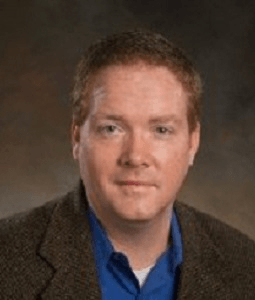
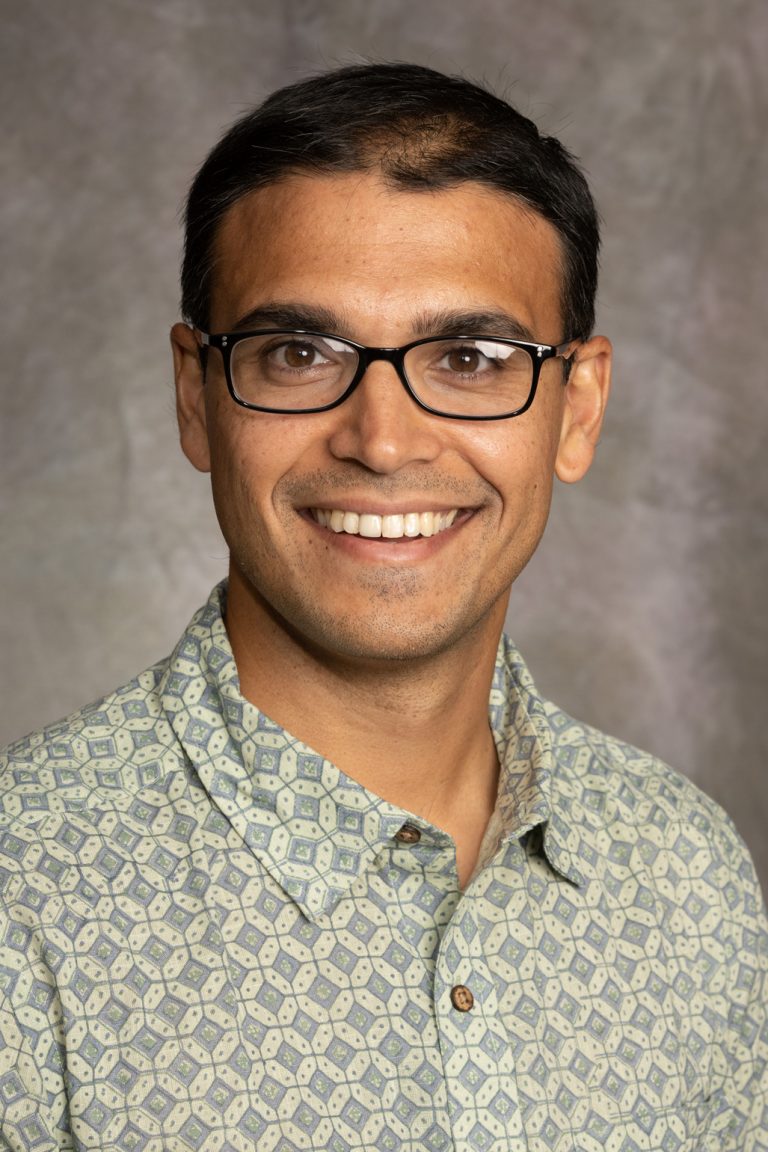
Joshua Gray is Instructor in Mechanical Engineering at the University of South Carolina's Molinaroli College of Engineering and Computing. His research applies electrochemical engineering to corrosion science and sustainable energy systems, including solar energy materials, hydrogen storage, nuclear fuel separation, and battery technologies. Awarded the 2010 IEA Hydrogen Prize for fundamental research in hydrogen storage safety. Holds PhD in Chemical Engineering from University of Illinois and MS/BS from University of South Carolina.
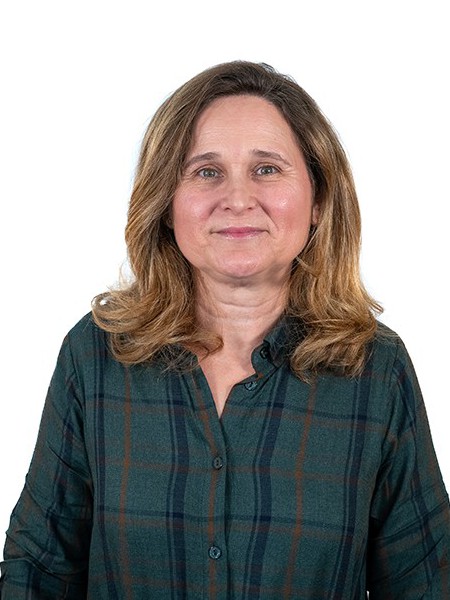
Marinélia Capela is a Researcher at the Department of Materials and Ceramic Engineering and CICECO - Aveiro Institute of Materials, University of Aveiro. She holds a PhD in Biorefineries (2023), a Master's in Biomedical Materials and Devices (2015), and a Bachelor's in Ceramic and Glass Engineering (2000). Her research focuses on sustainable materials, including waste valorization (e.g., biomass fly ash, spent coffee grounds, mussel shells), eco-friendly construction materials, and bioactive ceramics. Education: Bachelor's: Ceramic and Glass Engineering, University of Aveiro (2000) Master's: Biomedical Materials and Devices, University of Aveiro (2015) PhD: Biorefineries (2023), University of Aveiro & University of Coimbra Research interests emphasize circular economy principles, waste-to-value innovations, and green construction technologies. Recent work includes self-hardened binders from biomass ash, bioactive ceramic scaffolds, and energy-efficient building materials. She has published 19 SCI papers (h-index=11) and contributed to 8 R&D projects. Teaching: Teaches Materials and Technologies courses in the Design program, completing pedagogical training in student well-being and teaching methods. Supervised 23 students (4 PhD, 11 MSc, 9 BSc) and 2 research fellows. Engages in industry collaboration, transferring academic knowledge to sectors via technical articles and panel discussions. Awards: None explicitly mentioned. Active in public outreach, including workshops for educators and media engagement.
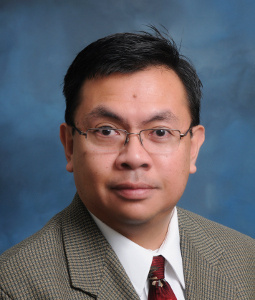
Joseph Flora is an Associate Professor in the Department of Civil and Environmental Engineering at the University of South Carolina's Molinaroli College of Engineering and Computing. He holds a Ph.D. in Environmental Engineering from the University of Cincinnati (1993), an M.S. from the University of Illinois at Urbana-Champaign (1990), and a B.S. from the University of the Philippines (1987). His research focuses on molecular modeling for environmental reactions, computational water quality engineering, and waste-to-energy processes. Dr. Flora has led or co-led major projects such as radionuclide waste disposal modeling (DOE-funded) and FO-RO mechanism investigations in South Korea. His awards include the NSF CAREER Award (1998). He has advised numerous collaborative grants totaling over $6 million, with roles as Co-PI or Senior Investigator. Key research areas include hydrothermal carbonization of organic wastes, nanomaterial applications in water treatment, and radioactive contaminant removal. Dr. Flora’s work bridges computational modeling and experimental validation, addressing global challenges in sustainable resource management and environmental remediation.
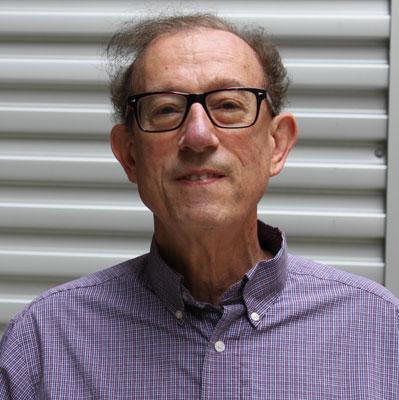
Mark Sulkes is Professor of Physical Chemistry at Tulane University's School of Science & Engineering. His research focuses on pyrolysis chemistry, molecular beam techniques, and plasma discharge reactions using innovative instrumentation like pulsed laser surface heating systems. Research Themes: Pyrolysis pathways of fatty acids and triglycerides leading to PAH/coke formation Development of high-temperature pulsed solenoid valves for molecular beam studies Corona discharge chemistry on aromatic compounds Luminescence decay measurement methodologies Instrumentation: Designed cost-effective luminescence decay measurement systems and specialized molecular beam apparatus for capturing early pyrolysis intermediates.
Dr. Denisia Popolan-Vaida is an Assistant Professor in the Department of Chemistry at the University of Central Florida's College of Sciences. Her research focuses on fundamental chemical reactions in atmospheric and combustion chemistry, utilizing advanced aerosol and mass-spectrometry techniques to study natural and anthropogenic aerosol particles. Her work aims to develop predictive models for aerosol behavior and optimize alternative fuels for engine efficiency and reduced emissions. Research interests center on combustion kinetics, atmospheric aerosol processing, and sustainable fuel development. Key areas include oxidation mechanisms of hydrocarbons, Criegee intermediate chemistry, and synchrotron-based detection methods for elusive reaction intermediates. Recent publications demonstrate a focus on low-temperature oxidation pathways, biofuel chemistry, and catalytic processes. Article themes cluster around reaction mechanism elucidation using mass spectrometry, with applications in climate science and clean energy technology. Dr. Popolan-Vaida leads the Popolan-Vaida Group and has supervised multiple graduate and undergraduate researchers. She maintains active outreach programs including STEM demonstrations at Orlando Science Center and K-12 school partnerships.
Marco J. Castaldi is a Professor and Department Chair at the City College of New York (CCNY), CUNY , affiliated with the Chemical Engineering and Earth System Science and Environmental Engineering departments. His research spans waste-to-energy technologies, catalysis, and sustainable energy systems. Primary focus: Gasification, pyrolysis, and reforming reactions for syngas/hydrogen production Secondary focus: Waste materials valorization, including MSW, plastics, and WTE ash Technical expertise: Computational fluid dynamics (CFD), catalyst design, and thermal analysis Recent publications (2024-2025) examine topics like: Gasification of municipal solid waste with gypsum waste Lithium silicates for steam methane reforming Metal recovery from WTE ash under reactive conditions Landfill gas collection efficiency metrics Impact of spent FCC catalysts in polymer pyrolysis Scale effects in gas hydrate reproduction His work emphasizes environmental impact reduction , energy recovery optimization , and catalyst performance improvement for both industrial and sustainability contexts.
Prof. Christoph Wieland is a Professor at the Chair of Energy Process Engineering and Energy Systems at the University of Duisburg-Essen (UDE) since February 2023. He previously served as Managing Director of the Munich School of Engineering (TUM) from 2018 to 2021 and held roles as a Research Group Leader and Academic Rat at TUM. He earned his Dipl.-Ing. in Mechanical Engineering from TUM in 2006 and a Dr.-Ing. in 2015. His research focuses on sustainable energy systems, particularly thermal energy conversion, sector coupling, and CO₂ capture. Key areas include geothermal energy, organic Rankine cycle (ORC) technology, and waste heat recovery. He leads projects like the Geothermie-Allianz Bayern and serves as Scientific Director of the Gas and Heat Institute Essen eV. Prof. Wieland is active in professional organizations such as the Knowledge Center on Organic Rankine Cycle (KCORC) and the VDI. His work emphasizes interdisciplinary collaboration, with publications spanning ORC optimization, geothermal CHP systems, and decarbonization strategies. His academic contributions include over 180 publications and roles as a reviewer for journals like Applied Energy and conferences such as the International Seminar on ORC Power Systems. He has also contributed to policy initiatives like the Leopoldina and Acatech’s Energiesysteme der Zukunft project.
Laszlo Takacs is an Associate Professor in the Department of Physics at the University of Maryland, Baltimore County (UMBC), within the College of Natural and Mathematical Sciences. His research focuses on mechanical alloying, mechanochemistry, and the synthesis of nanocrystalline and amorphous materials. He has expertise in self-sustaining reactions induced by mechanical milling and the historical development of mechanochemistry. Dr. Takacs holds a Ph.D. in Solid State Physics from Eötvös Loránd University (1978) and has held previous roles, including Visiting Assistant Professor at Clark University and postdoctoral research at Northeastern University. His research combines theoretical and empirical approaches to understand reaction mechanisms in ball-milled systems. Key areas include nanocomposite preparation, energetic materials, and green chemistry applications. Collaborations span institutions like the National Institute of Standards and Technology and George Washington University. Dr. Takacs has advised multiple graduate and undergraduate students and secured NSF funding for projects on combustion reactions and nanomaterials. Teaching highlights include courses on modern physics, quantum mechanics, and materials science. He emphasizes qualitative understanding, problem-solving, and the integration of physics with real-world applications. His work bridges fundamental research with practical innovations in materials science.
George Bollas is a Professor at the University of Connecticut's College of Engineering, Department of Chemical and Biomolecular Engineering. He serves as Director of the Pratt & Whitney Institute for Advanced Systems Engineering and Associate Dean for Research. Ph.D. from Aristotle University of Thessaloniki (2006) Postdoc at MIT (2009) Current research spans chemical looping combustion, biomass catalytic processing, Fischer-Tropsch synthesis, and advanced energy systems Collaborations with Aspen Technology, W.R. Grace & Co., United Technologies Corporation His research focuses on energy systems addressing climate challenges through chemical looping combustion for carbon capture, biomass pyrolysis with novel catalysts, and Fischer-Tropsch synthesis in structured reactors. Key projects include hierarchical zeolite catalysts for tar upgrading, CO2-to-carbon nanofiber processes, and dynamic modeling of aerospace thermal systems. Recent publications reveal trends in chemical looping technologies , biomass conversion , and advanced catalyst design . Specific subfields include oxygen carrier optimization, bifunctional catalyst development, and multi-scale reactor modeling. ACS Petroleum Research Fund Doctoral New Investigator Award (2013) NSF CAREER Award (2011) Bollas has mentored numerous students across career stages, including undergraduate awardees in AIChE competitions. His work involves industrial-scale process simulation and model predictive control for energy systems, with grants from NSF, ACS-PRF, UTC, and DoE. Research teams operate through the UTC Institute for Advanced Systems Engineering, focusing on equation-oriented dynamic modeling environments and experimental validation of energy processes.
Zhili Zhang serves as the B. Ray Thompson Professor in the Mechanical, Aerospace and Biomedical Engineering Department at the University of Tennessee's Tickle College of Engineering. He has progressed through the academic ranks since joining in 2008, from Assistant Professor (2008-2014) to Associate Professor (2014-2019) to Professor (2019-2023), and currently holds the distinguished B. Ray Thompson Professorship since August 2023. Dr. Zhang's academic credentials include: PhD in Mechanical and Aerospace Engineering from Princeton University (2008) MA in Mechanical and Aerospace Engineering from Princeton University (2006) Bachelor's degree from Tsinghua University (2000) His research focuses on advanced laser diagnostics for combustion and plasma systems, computational imaging, and spectroscopy. Dr. Zhang has pioneered innovative techniques including Resonantly Ionized Photoemission Thermometry (RIPT), Focused Laser Differential Interferometry (FLDI), and Multiplexed Structured Image Capture (MUSIC), enabling high-speed, non-intrusive measurements in challenging environments like supersonic flows and plasma reactors. His recent work (2023-2025) demonstrates continued innovation in plasma-assisted ammonia synthesis, advanced temperature measurement techniques, and high-speed imaging applications for combustion diagnostics. Dr. Zhang's scholarly excellence has been recognized through: AIAA Walter Lempert Best Paper Award Associate Fellowship in the American Institute of Aeronautics and Astronautics ASEE Air Force Summer Faculty Fellowship (2012, 2013) Crocco Teaching Award from Princeton University Tickle College of Engineering Research Achievement Award (2025) Outstanding faculty award for research (2023) B. Ray Thompson Professor award (2023) Dr. Zhang has mentored numerous graduate students to completion of their degrees, including Seth Holladay (PhD, 2024), Walker McCord (PhD), Cary Smith (award-winning student), Alexander Miloshevsky (PhD), Camden Carroll (MS), and Anthony Kim (MS). His research group actively participates in major conferences like AIAA SciTech, where they've presented multiple papers annually. He maintains strong collaborations with Oak Ridge National Laboratory, particularly through the ORNL/UT Joint Faculty program, and serves as a mentor for undergraduate research through programs like EUReCA. Dr. Zhang leads a dynamic research laboratory focused on advanced diagnostics for combustion and plasma systems, with current projects spanning plasma-assisted ammonia synthesis, supersonic flow diagnostics, and high-speed imaging techniques. His group continues to recruit new graduate students and postdoctoral researchers, maintaining an active research environment at the forefront of laser-based diagnostic technologies.
Dr. Feng-Yuan Zhang is a Professor in the Department of Mechanical, Aerospace and Biomedical Engineering at the University of Tennessee, Knoxville (UTK), part of the Tickle College of Engineering. He holds a PhD from Nagoya University (Japan) and has held academic and research roles since 1999, including positions at the University of Tennessee Space Institute and international institutions such as Stanford University and UCLA. His research focuses on micro/nano-fluidics, electrochemical energy systems (fuel cells, electrolyzers, batteries), sustainable energy (hydrogen, biofuels, solar/wind integration), advanced materials (MEMS/NEMS), thermal management, and diagnostics using spectroscopy (laser, X-ray). His lab, the Nanodynamics and High-Efficiency Lab for Propulsion and Power (NanoHELP), emphasizes interdisciplinary studies in energy conversion, corrosion, and additive manufacturing. Key achievements include developing novel electrodes for green hydrogen production, optimizing PEM electrolyzers, and advancing in-situ visualization techniques for electrochemical reactions. He has received awards such as the 2023 MABE Translational Research Award and 2022 TCE Research Achievement Award. His work bridges fundamental science with industrial applications, leveraging additive manufacturing and nanotechnology. Professional service includes roles in ASME, AIAA, ECS, and ASEE, with editorial and reviewing roles for journals like Applied Energy , Electrochimica Acta , and Journal of Power Sources . His research group collaborates with national labs and industries to address global energy challenges.
Robert Kee holds the George R. Brown Distinguished Professor chair in Mechanical Engineering at Colorado School of Mines. His research focuses on chemically reacting flow modeling and simulation for clean energy applications, including fuel cells, photovoltaics, combustion, and electrochemistry. He is renowned as the principal architect of the CHEMKIN software, a leading global tool for chemically reacting flow simulation. Developed computational methods for stiff differential equations and chemical kinetics Work spans solid-oxide fuel cells, advanced combustion, and catalytic processes Current efforts address electro-chemo-mechanical coupling in batteries and hydrogen production Scientific Contributions: Recent publications emphasize Li-ion battery optimization, protonic ceramic electrochemical cells, and hydrogen production technologies. His work integrates thermodynamics, transport phenomena, and chemical kinetics across multiple energy domains. Research Trends: Focus areas include multi-physics battery modeling, solid-state electrolysis, ammonia synthesis, and catalytic hydrocarbon processing. Methodologies combine computational modeling, experimental validation, and materials optimization. Awards: George R. Brown Distinguished Professor Software Development: Creator of CHEMKIN, a foundational tool for reacting flow simulations. His NSF-funded work demonstrates ongoing contributions to computational thermochemistry and energy systems.
Dr. Siby Thomas is an Assistant Professor at the Colorado School of Mines , where he focuses on multiscale simulations and machine learning for energy storage , chemical sensing , and catalysis . Prior to this, he held postdoctoral positions at Hanyang University, Colorado School of Mines, and Technical University of Munich. Ph.D. in Physics (2017) from NIT-K, India Research expertise: 2D materials, energy-environmental applications Over 40 publications in top journals His research spans multiscale computational methods , with emphasis on machine learning and DFT simulations for 2D material design in energy systems. Key areas include Li-ion battery anodes , gas sensing , and catalytic processes , particularly for renewable energy and decarbonization . Recent publications highlight advancements in Mg-vanadate catalysts , MXene-based supercapacitors , and defect engineering in 2D materials. Dr. Thomas actively contributes to academic peer review and serves on the editorial board of Carbon Trends (Elsevier). He teaches courses in instrumentation , dynamics , and advanced mechanics , prioritizing active learning pedagogy .
Shane Garland is a Researcher in the Department of Mechanical Engineering at Colorado State University, affiliated with the Walter Scott, Jr. College of Engineering. He serves as a Research Associate in the REACH CoLab led by Dr. Todd Bandhauer. His work focuses on cross-disciplinary energy systems, including hybrid solid oxide fuel cell (SOFC)-internal combustion engine systems, waste heat utilization, and membrane desalination technologies. Education: M.S. 2018, Colorado State University – Mechanical Engineering (Thesis: Waste Heat Driven Turbo-Compression Cooling) B.S. 2015, Bradley University – Mechanical Engineering Research interests emphasize energy efficiency, carbon capture, and sustainable technologies. Key collaborations include the ARPA-e INTEGRATE Program with Colorado School of Mines and industry partners, and a waste heat-powered desalination project with Dr. Tiezheng Tong (Civil Engineering). Garland advises on Turbo-Compression Cooling Technologies for manufacturing and naval applications, supported by DOE EERE and DOD grants. Labs/Teams: Active in the REACH CoLab and collaborates with the Colorado School of Mines and industry partners (e.g., Kohler Power Systems, Air Squared, Inc.). Current projects target 70% energy efficiency in hybrid systems and scalable wastewater treatment solutions using waste heat.
Dr. Shantanu Jathar is an Associate Professor of Mechanical Engineering at Colorado State University (CSU), leading the Laboratory for Air Quality Research. His expertise spans energy-environment intersections, with a focus on aerosol emissions, atmospheric chemistry, and climate modeling. He holds a Ph.D. in Engineering and Public Policy from Carnegie Mellon University, alongside postdoctoral training in Civil and Environmental Engineering at UC Davis. Education: Ph.D. 2012, Carnegie Mellon University — Engineering and Public Policy M.S. 2007, University of Minnesota — Mechanical Engineering B.E. 2004, Government College of Engineering — Mechanical Engineering Postdoctoral Scholar 2014, UC Davis — Civil and Environmental Engineering His research integrates laboratory experiments, field measurements, and numerical models to study aerosol emissions from energy and combustion sources. Key interests include wildfire smoke evolution, climate impacts of organic aerosols, and low-cost sensor development. Dr. Jathar has secured over $1.2M as a lead investigator and $2M as co-investigator through grants from NOAA, DOE, EPA, NSF, NASA, and the state of Colorado. Recent studies highlight aerosol aging in wildfire plumes, secondary organic aerosol (SOA) formation dynamics, and the interplay between urban pollution and Amazon rainforest aerosol processes. His work bridges fundamental science with practical applications, such as improving air quality models and advancing sensor technologies for environmental monitoring. Awards: Early Career Award (EPA, 2020) ORAU’s Ralph E. Powe Junior Faculty Award (2016) Gov. High-Impact Research Honorable Mention (2018) Dr. Jathar’s lab collaborates on projects ranging from diesel engine emissions control to wildfire smoke mitigation, emphasizing interdisciplinary approaches to global environmental challenges.