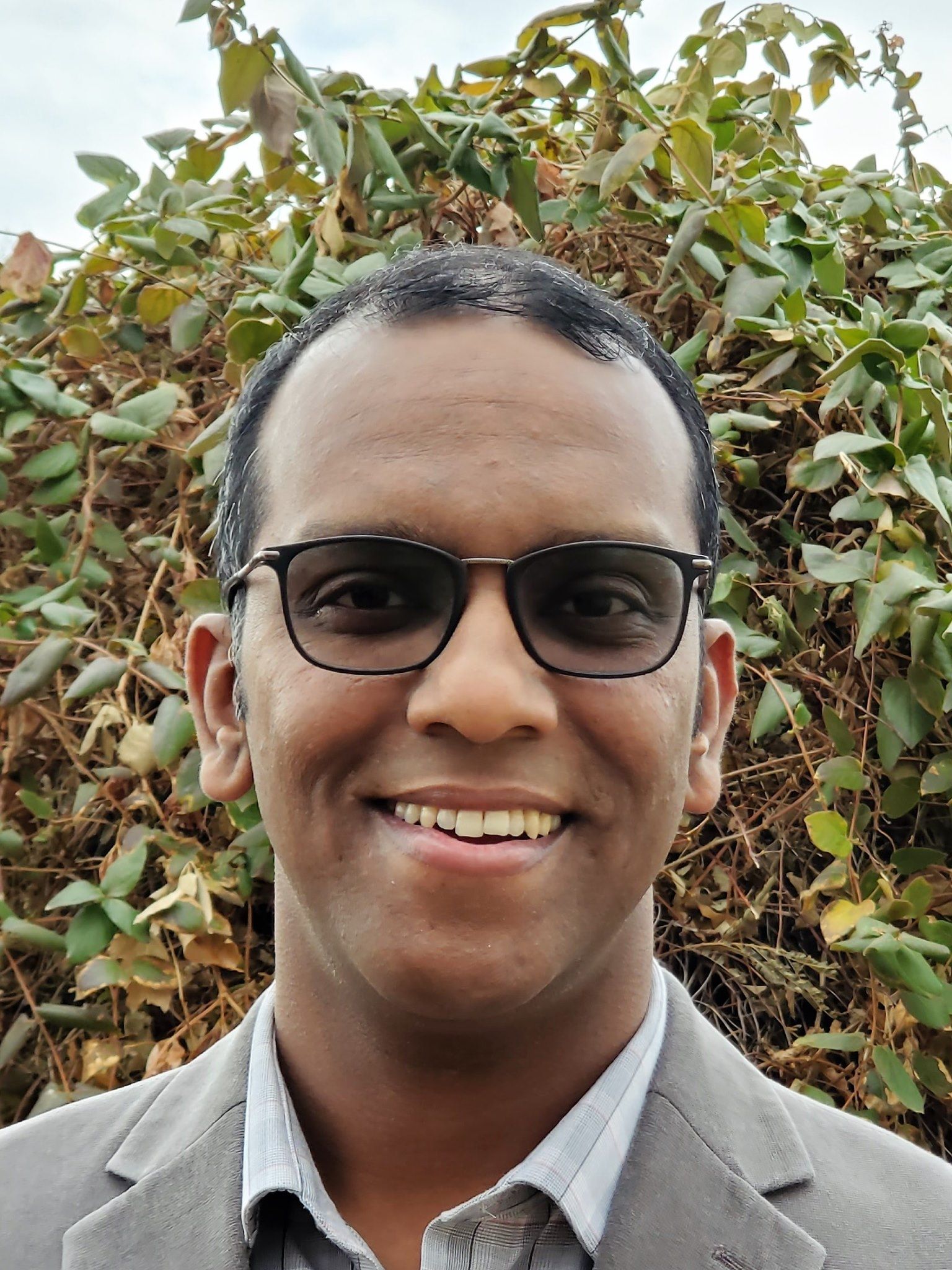
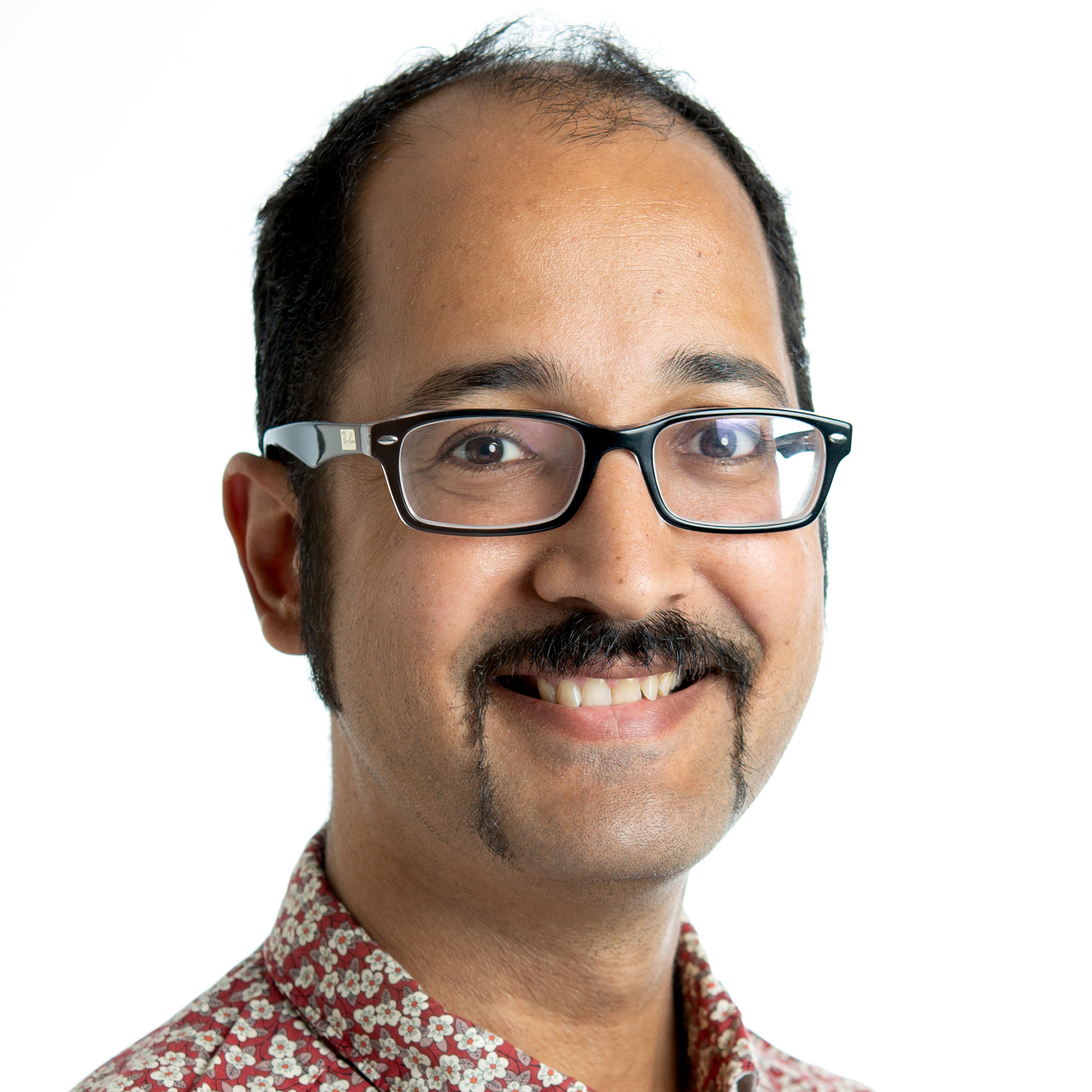
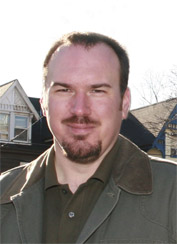
Erik Bjørnager Dam is a Professor in the Machine Learning section at the Department of Computer Science, University of Copenhagen (UCPH). His research spans theoretical foundations of machine learning to practical applications in medical data analysis, sustainability, and materials science. His key research interests include: Small-scale and resource-efficient deep learning Medical image analysis and segmentation Sustainable and environmentally conscious AI development Graph neural networks for materials science Resource-constrained AI systems Professor Dam's recent publications demonstrate a strong focus on making AI more accessible and sustainable while maintaining high performance standards. His work on 'Performance Per Resource Unit' metrics addresses critical challenges in deploying AI in resource-limited environments, particularly in healthcare applications. His research bridges theoretical machine learning with practical implementations across multiple domains. His notable professional activities include: Co-founding Cerebriu A/S (since 2018) Co-founding Biomediq A/S (since 2008) Delivering lectures on AI's role in green transition (April 24, 2023) Media contributions on deep learning applications in plant research (September 13, 2018) With 74 documented research outputs, Professor Dam maintains an active research profile with significant contributions in 2023-2025 across medical imaging, sustainable AI, and materials science applications.
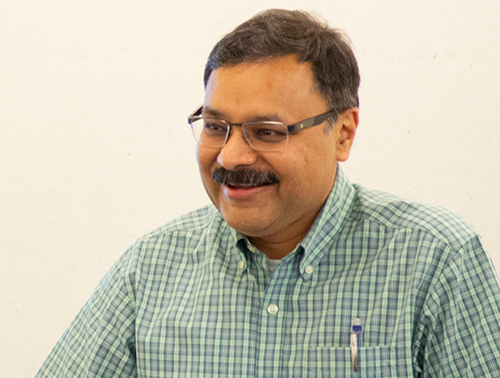
Abdullah Mueen is a Professor and Associate Chair in the Department of Computer Science at the University of New Mexico (UNM), where he has been since 2013. Previously, he worked as a Scientist in the Cloud and Information Sciences Lab at Microsoft Corporation. Research Interests : His work focuses on Temporal Data Mining , with emphasis on efficiency , interactivity , and interpretability . Key areas include Blockchain Data Mining (e.g., BitLink for Bitcoin cluster analysis), Seismic Data Mining (e.g., PAW for aftershock detection), and Social Media Mining (e.g., DeBot for Twitter bot detection). Article Trends : His recent publications span four domains: Seismology : Algorithms for earthquake data analysis (e.g., focal depth inference, aftershock classification). Blockchain : Temporal linkage of Bitcoin addresses (BitLink) and cryptocurrency fraud detection. Traffic Safety : Multi-LiDAR data fusion for real-time road safety monitoring. Time Series Methods : Innovations like MASS similarity search and DAMP anomaly detection for massive datasets. Scientific Awards : ACM SIGKDD Test-of-Time Award (2022) UNM Provost Research Leader Award UNM School of Engineering Junior Faculty Research Excellence Award KDD 2012 Doctoral Dissertation Contest Runner-Up KDD 2012 Best Paper Award Advising and Grants : He has mentored 11 PhD students now employed at institutions like Microsoft, Meta, and Lawrence Livermore National Lab. His research is funded by NSF , NIH , DARPA , AFRL , NEC , Exxon , Microsoft , and LANL .
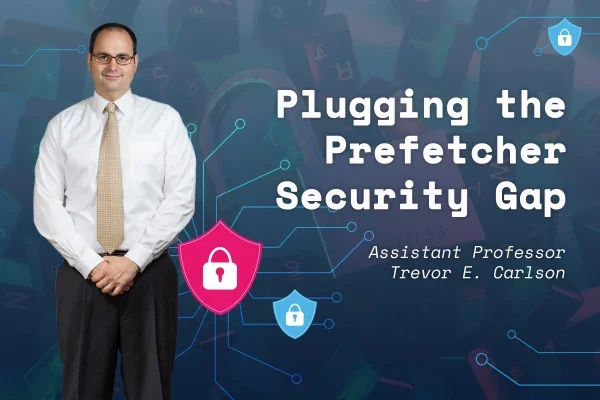
Trevor E. Carlson is an Assistant Professor at the School of Computing, National University of Singapore (NUS), focusing on high-efficiency microarchitectures, hardware/software co-design, and secure chip design for IoT and server applications. He earned his Ph.D. in Computer Science from Ghent University (2014) and B.Sc./M.Sc. in Electrical & Computer Engineering from Carnegie Mellon University (2002/2003). Research Interests include energy-efficient processors, secure computing platforms, neuromorphic accelerators, and fast simulation methodologies. He co-developed the Sniper Multi-Core Simulator used globally for performance/power evaluation. Scientific Awards : Best Paper Award, International Conference on Embedded Computer Systems (2016) Best Paper Award, International Symposium on Performance Analysis of Systems and Software (2013) Heidelberg Laureate Forum participation (2015) HiPEAC Technology Transfer Award for Sniper Simulator (2013) Current Research involves secure Systems-on-Chip (SOCure project), hardware security for IoT, and simulation methodologies. He leads a lab with researchers working on topics like Capstone for trustless secure memory access and LABS for laser fault injection benchmarks.
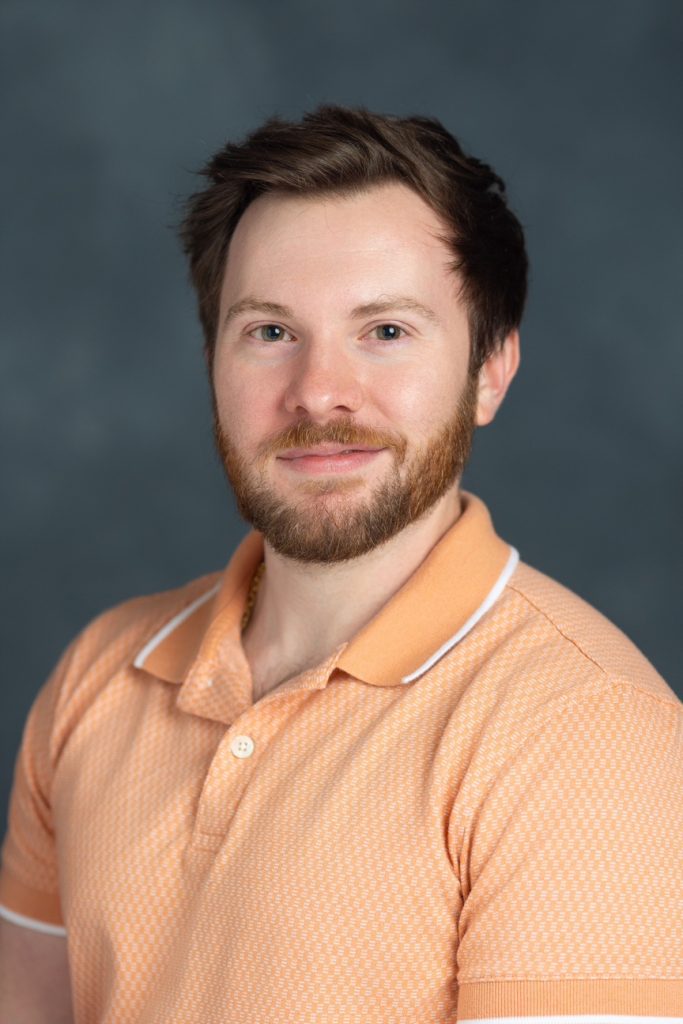
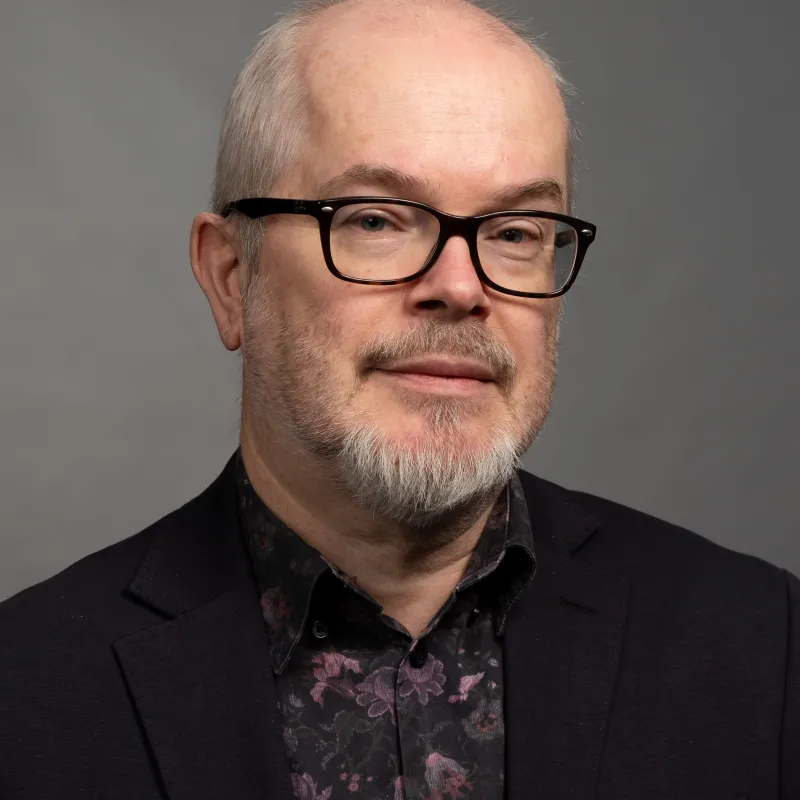
Charles Rizzo is a Research Assistant Professor in the TENNLab neuromorphic computing group at the University of Tennessee, Knoxville, within the Department of Electrical Engineering and Computer Science. He earned his PhD in Computer Science (2024), MS (2021), and BS (2019) from the same institution. PhD in Computer Science, University of Tennessee, Knoxville (2024) MS in Computer Science, University of Tennessee, Knoxville (2021) BS in Computer Science, University of Tennessee, Knoxville (2019) His research focuses on neuromorphic computing, particularly for embedded applications involving event-based vision processing and machine learning with spiking neural networks. He has contributed to neuromorphic control systems, event camera data processing, and spiking network architectures. Recent publications emphasize neuromorphic hardware design (e.g., memristor-based synapses, RISP neuroprocessor), algorithm adaptation (DBSCAN clustering), and real-time applications in vision processing and control. Key subfields include event-based sensors, recurrent spiking networks, and low-power embedded systems. Charles is affiliated with the TENNLab neuromorphic computing group and supports course website development for EECS programs. His work bridges neuromorphic theory with practical implementations in embedded environments.
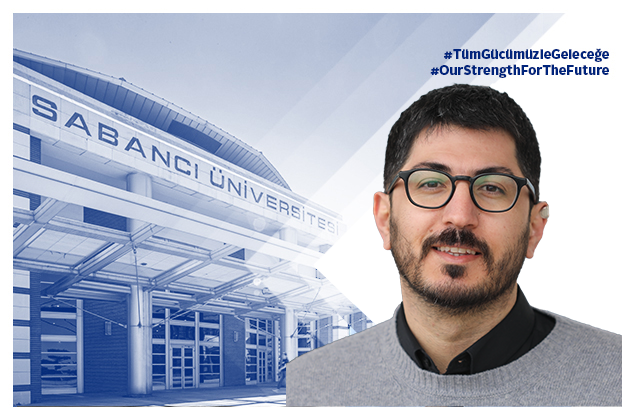
Dr. Morteza Ghorbani is a researcher and faculty member at Sabancı University's Faculty of Engineering and Natural Sciences (FENS), specializing in fluid mechanics and environmental engineering. He leads the AquaCav project, a collaborative effort with Oxford Brookes University, focused on developing sustainable water treatment solutions using hydrodynamic and acoustic cavitation. His research addresses global challenges such as PFAS pollution and wastewater management, with applications in biomedical devices and energy-efficient technologies. Key collaborations include projects funded by the International Science Partnership Fund (ISPF), leveraging his expertise in microfluidic systems and cavitation dynamics. Dr. Ghorbani's work combines experimental and numerical methods to optimize cavitation-based processes for environmental and biomedical applications. His contributions span from fundamental fluid dynamics studies to applied technologies like flexible cystoscopes and clot-on-a-chip platforms. Scientific achievements include the ISPF Research Collaboration Grant (2024) and advancements in PFAS removal, graphene exfoliation, and microalgae cultivation. His research group at Sabancı University explores interdisciplinary solutions at the intersection of engineering, nanotechnology, and sustainability.
José Alvarado is an Assistant Professor of Physics at the University of Texas at Austin, affiliated with the College of Natural Sciences. His research focuses on biophysics, soft matter, and active matter, particularly exploring mechanical design principles in biological systems. He investigates topics such as planar cell polarity (PCP), actomyosin networks, and morphogenetic processes. Alvarado’s work integrates experimental and theoretical approaches, often involving collaborations with centers like the Center for Nonlinear Dynamics and Texas Robotics. His studies address questions about how biological systems achieve mechanical efficiency and how active matter principles apply to biological actuation and control. Key themes in his research include the nonlinear mechanics of actomyosin gels, the role of PCP in tissue shaping during convergent extension, and the design of biomimetic actuators for robotics. He has also contributed to understanding fluid dynamics in microscale systems, such as hairy surfaces and colloidal liquid crystals.
Sonit Bafna is an Associate Professor and Director of the Ph.D. Program in Architecture at the Georgia Institute of Technology's College of Design. He holds a Ph.D. from Georgia Tech (2002), an SMArchS from MIT (1993), and a professional degree in Architecture fromCEPT University (1990). His research bridges empirical studies on space-human interaction and critical architectural theory, focusing on morphology, behavior, perception, and aesthetics. Key research areas include home layout's impact on mental health (e.g., reduced depression risk in living-area-centered apartments), workplace design's role in employee wellbeing, and the relationship between spatial configuration and cognitive abilities. His work is funded by organizations like the General Services Administration and Kaiser Permanente. Bafna supervises doctoral research in morphology, design theory, and cognitive studies. Current projects include a book on imaginative reasoning in architecture and studies on hospital corridor design and film spatial analysis. His courses cover architectural theory, design analysis, and research methods. Notable contributions include interdisciplinary studies on space syntax, the therapeutic potential of domestic environments, and the visual functioning of buildings. His research emphasizes the socio-cultural dimensions of architecture and its imaginative potential beyond functionalism.
Dr. John G. Hayes is a Senior Lecturer at University College Cork (UCC) in the Department of Electrical & Electronic Engineering . He holds a Ph.D. from UCC (1998), an M.S.E.E. from the University of Minnesota (1989), an M.B.A. from California Lutheran University (1993), and a B.E. from UCC (1986). His academic career began at UCC in 2000, and he directs the Power Electronics Research Laboratory (PERL) , focusing on industrial collaborations with companies like Analog Devices and General Motors. Research Interests : Power electronics, magnetic components, electric vehicles, renewable energy systems, smart grids, and energy storage. Notable Work : Joint author of Electric Powertrain: Energy Systems, Power Electronics and Drives for Electric, Hybrid and Fuel Cell Vehicles (Wiley, 2018) and its Chinese edition (2021). Scientific Awards : 2011 IEEE William M. Portnoy Award for Best Paper/Presentation at IEEE ECCE. Advising : Supervised 10+ Ph.D. students across powertrain modeling, magnetic materials, and converter control. Current advisee: Conor Healy (Doctoral Degree). Labs : Leads PERL, which develops high-power converters for automotive and renewable energy applications, partnering with industry leaders like SMA Magnetics and United Technologies.
Gary Koenig is Associate Professor of Chemical Engineering at the University of Virginia. His research program focuses on advanced materials for energy storage systems, particularly lithium-ion batteries and flow batteries. He holds a PhD from University of Wisconsin-Madison and completed postdoctoral research at Argonne National Laboratory. His group develops novel electrode architectures, including thick sintered electrodes and all-active-material designs, to improve battery energy density and rate capability. Research spans materials synthesis, electrochemical characterization, and transport modeling to overcome limitations in current energy storage technologies. Honors include the NSF CAREER Award (2017) and Fulbright Research Fellowship (2020). Recent publications examine electrode processing techniques, lithium extraction methods, and transport phenomena in battery systems. His work demonstrates innovations in electrode design that enable higher energy densities while maintaining cycling stability. He has taught courses including Applied Statistics, Chemical Reaction Engineering, and Energy Technology Options.
Heikki Handroos is a Full Professor of Mechanical Engineering at LUT University, leading the Laboratory of Intelligent Machines since 1993. He holds a DSc (Technology) from Tampere University of Technology and has served as Vice-Dean of the Faculty of Technology (2007-2009) and currently chairs the Collegiate Body of LUT University. His research focuses on mechatronics, robotics, control systems, and fluid power, with over 300 publications and 2,400+ citations. He has supervised 34 doctoral theses and 150+ MSc projects, managed R&D projects exceeding €20M, and co-founded four tech startups. His work spans industrial collaborations, digital twin applications, and innovative robotics for nuclear energy (e.g., DEMO reactor maintenance systems). He has held visiting professorships in the U.S., Japan, and Russia, and actively contributes to academic editorial roles and professional societies like ASME and IEEE.
Professor Timothy P. Bender is a distinguished faculty member at the University of Toronto, holding a primary appointment in the Department of Chemical Engineering and Applied Chemistry with cross-appointments in the Department of Chemistry and the Department of Materials Science and Engineering. His research laboratory focuses on developing novel organic electronic materials for applications in sustainable energy technologies, particularly organic solar cells and light-emitting devices. Professor Bender earned his B.Sc. and Ph.D. from Carleton University before joining the University of Toronto faculty in 2006. Prior to his academic appointment, he was a research staff member at the Xerox Research Centre of Canada from 2000-2006, where he filed over 65 US patents and published numerous peer-reviewed papers. His industrial research experience provides valuable perspective on the commercialization pathway for academic discoveries. Professor Bender's research program centers on the design, synthesis, and engineering of new materials for organic electronic devices, particularly organic photovoltaics (OPVs) and organic light-emitting diodes (OLEDs). His group has made significant contributions to the understanding and application of boron subphthalocyanines (BsubPcs) and silicon phthalocyanines (SiPcs), establishing methodologies for tailoring their chemical structure to optimize device performance. The Bender Lab employs a comprehensive 'applied chemistry-device continuum' approach, integrating computational modeling, synthetic chemistry, physical characterization, and device engineering to establish molecular structure-property relationships. Their research spans fundamental chemistry to applied device engineering, with strong emphasis on sustainability considerations throughout the materials development process. Analysis of Professor Bender's recent publications reveals a strong focus on developing BsubPcs as triplet harvesting materials in organic photovoltaics, engineering silicon phthalocyanines for enhanced electron transport, and exploring halogen bonding to control solid-state arrangements of these materials. His work demonstrates how molecular engineering can overcome traditional limitations in organic electronic materials, particularly regarding solubility, charge transport, and environmental stability. The research shows consistent progression toward higher efficiency devices with improved longevity. 2008 Professor Diran Basmadjian Teacher of the Year Award from the Department of Chemical Engineering and Applied Chemistry Corporate Special Recognition Award from Xerox Corporation for photoreceptor technology that enabled 'life of machine' parts Professor Bender actively mentors a diverse team of highly qualified personnel (HQP), including undergraduate students, graduate students, and post-doctoral fellows. His laboratory fosters cross-disciplinary collaboration between chemists, materials scientists, and chemical engineers, allowing students to engage with the complete research cycle from molecular design to environmental testing. He has secured funding from NSERC, SABIC Corporation, and other sources to support his research program, which maintains strong industrial partnerships with companies including SABIC Corporation, Siltech Corporation, and Xerox Corporation. His research bridges fundamental academic discoveries with practical commercial applications in the growing field of organic electronics. The Bender Laboratory maintains comprehensive infrastructure for organic synthesis, materials characterization, and device fabrication. Their facilities enable complete development cycles from molecular design to environmental testing of organic electronic devices. The lab's 'applied chemistry-device continuum' approach ensures that fundamental discoveries are rapidly translated into practical device applications, with particular emphasis on sustainability considerations throughout the materials development process. Current research directions include accelerated materials development, sustainable chemical processes, and life cycle analysis of organic electronic devices in real-world environments.
Akash Kumar is a Professor at Ruhr University Bochum, Germany, with affiliations to multiple institutions including TU Dresden and National University of Singapore. His research focuses on computer architecture, hardware acceleration, and approximate computing, with a strong emphasis on FPGA-based systems and neural network optimization. He has contributed extensively to embedded systems, mixed-criticality systems, and security in emerging technologies like reconfigurable nanodevices. His work spans cross-layer approximation methodologies, graph neural networks, and energy-efficient processing for edge AI. Collaborations with industry and academia highlight his leadership in VLSI design and secure hardware implementations. Notable contributions include frameworks for bounding time in mixed-criticality systems and resilient logic locking techniques. Research interests include hardware-software co-design, real-time systems, and efficient neural network architectures. His publications in top-tier conferences (DAC, DATE, FCCM) and journals (IEEE Trans. CAD, ACM TECS) underscore his impact in the field.
Dr. Chenhao Chu is a Professor at ETH Zürich, holding the Professur für Elektronik (Professorship for Electronics). He specializes in RF/mm-Wave circuits, AI-driven design methods, and advanced power amplification technologies. His research focuses on energy-efficient, wideband systems, antenna-in-package solutions, and GaN-based applications for 6G and beyond. Education: Ph.D. in Electronic Engineering, University College Dublin (2022) M.Sc. in Electronic Information Engineering, City University of Hong Kong (2017) Research Interests: His work bridges AI and hardware design, emphasizing reconfigurable circuits , high-linearity power amplifiers , and mm-Wave phased arrays . Key areas include: AI-assisted rapid design synthesis III-V/Si co-design for mm-Wave Efficient antenna integration Dynamic load modulation techniques Awards: Award-winning researcher with distinctions including the First Place Best Student Paper Award (2022 Royal Irish Academy Colloquium) and multiple HEPA-SDC Competition Awards (2021-2022). Recognized for innovations in PA efficiency and design automation. Advising & Grants: Leading projects on 6G PA architectures and AI-driven RF design. Active in IEEE with contributions to conferences like IMS and ARFTG. No explicitly stated grants mentioned but widely cited in industry-academia collaborations. Labs & Teams: Associated with ETH Zürich's Electronics Laboratory, focusing on next-generation wireless systems. Collaborates internationally on 5G/6G infrastructure and mm-Wave innovations.
W. Travis Horton is an Associate Professor of Civil Engineering at Purdue University, with a courtesy appointment in Mechanical Engineering. He holds a Ph.D. from Purdue University and has over 20 years of academic and industry experience in thermal systems research. His affiliations include the Lyles School of Civil Engineering and the Ray W. Herrick Laboratories at Purdue, focusing on advanced thermal energy conversion systems and sustainable building technologies. Dr. Horton’s research emphasizes integration of HVAC systems with renewable energy, optimization of ground-source heat pumps, and innovative compressor/expander technologies. He leads projects on building energy modeling, combined heat and power systems, and waste heat recovery. His work bridges experimental facilities with computational models for system analysis and optimization. His teaching includes courses on building mechanical systems design and energy audits. He is a licensed Professional Engineer (Michigan) and holds universal refrigerant certification. Active in professional organizations like ASHRAE, his research has produced over 50 peer-reviewed articles since 2001, addressing thermal efficiency, energy systems integration, and sustainable building design.
Shu Hu is an Assistant Professor in the Department of Chemical & Environmental Engineering at Yale University, affiliated with the Energy Sciences Institute. He holds a PhD from Stanford University and a B.S. from Tsinghua University. His research focuses on solar energy conversion, photocatalytic devices, and sustainable chemical synthesis using CO₂ and water. The Hu Lab develops photocatalysts and reactor designs for producing H₂, CO, and small molecular-weight chemicals from renewable sources. Key areas include semiconductor photoelectrochemistry, functional coatings, and cascade catalysis under molecular flux. Notable achievements include an ACS ENFL Emerging Researcher Award (2024), a DOE Early Career Award (2021), and the Scialog Fellow designation (2020). The lab has published 86 peer-reviewed papers, graduated 5 PhD students, and employs 14 researchers. Funding comes from prestigious grants supporting energy-efficient AI hardware and scalable PEC systems. Research interests span semiconductor-electrochemistry interfaces, non-equilibrium catalysis, and multi-scale modeling. The lab’s work integrates photocatalyst discovery, device engineering, and practical reactor design to advance clean energy technologies.