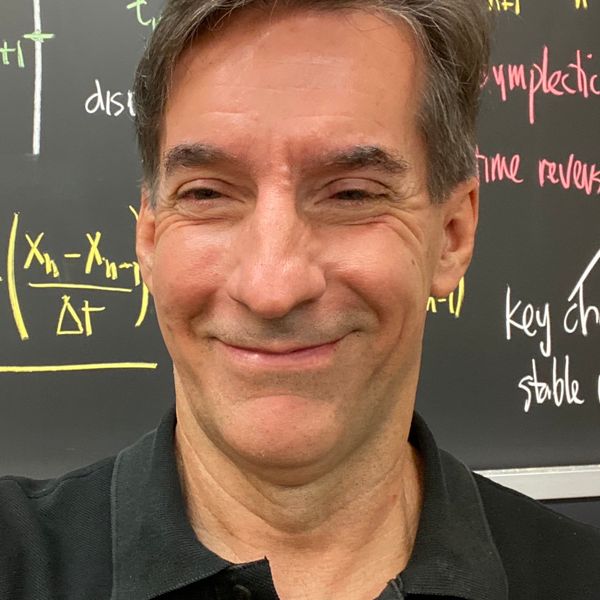
Kunihiko Kaneko is a Professor at the Niels Bohr Institute, University of Copenhagen, with a distinguished career in theoretical biophysics and complex systems. He received his PhD and MSc in Physics from the University of Tokyo, and has held leadership roles at the Universal Biology Institute and Center for Complex Systems Biology. PhD Physics, 1984 - University of Tokyo MSc Physics, 1981 - University of Tokyo His research spans five primary areas: Universal Biology, Evolutionary Constraints, Ecosystem Dynamics, Neural Cognition, and Universal Anthropology. He has published extensively on multi-level consistency principles, dimensional reduction in biological systems, and reciprocity between robustness and plasticity across scales. Recent publications show strong focus on microbial ecosystems (2025), evolutionary game theory (2025), neural modular architectures (2024), and dimensional reduction in cellular systems (2024). His work bridges physics and biology through dynamical systems theory applied to diverse phenomena from protocells to human societies.
William A. Goddard, III is the Charles and Mary Ferkel Professor of Chemistry, Materials Science, and Applied Physics at the California Institute of Technology. With a career spanning over five decades, he has held positions from Noyes Research Fellow (1964–66) to his current professorship since 2001. His educational background includes a B.S. from UCLA (1960) and a Ph.D. from Caltech (1965). Quantum chemistry and first-principles simulations Multiscale modeling (QM→MD→mesoscale) Catalysis and protein structure prediction Nanotechnology and bionanotechnology Energy storage (batteries, supercapacitors) Recent publications emphasize applications in metal-organic frameworks , electrocatalysis , and space manufacturing , reflecting his interdisciplinary approach. His work on G-protein coupled receptors and Li-S batteries demonstrates methodological innovation through quantum mechanics and machine learning . Horizon Prize , Royal Society of Chemistry Over 1548 total publications (1967–2022) As Director of Caltech's Material and Process Simulation Center , he leads development of software like ReaxFF for reactive dynamics. He teaches Ch 120 ab (Nature of the Chemical Bond) and Ch 121 ab (Atomic-Level Simulations), emphasizing hands-on computational applications for experimentalists and theorists.
Charles Winter is a Professor in the Department of Chemistry at Wayne State University, affiliated with the College of Liberal Arts and Sciences. His research focuses on synthetic organometallic/inorganic chemistry, materials chemistry, nanoparticles, and thin film growth via atomic layer deposition (ALD) and chemical vapor deposition (CVD). He leads the Winter Group, collaborating with institutions like Helsinki University of Technology and Duke University. Education: B.S. from Hope College (1982), Ph.D. in Chemistry from University of Minnesota (1986), followed by an NIH postdoctoral fellowship at University of Utah (1986–1988). Research interests include precursor development for ALD of metal oxides/nitrides, surface chemistry of nanoparticles (e.g., silicon nanocrystals), and energetic materials using nitrogen-rich ligands. Recent work explores metastable materials synthesis via ALD and thermal stability of strontium/barium/lanthanide complexes. Key collaborations include ALD experiments with Prof. Lauri Niinistö in Finland and engineering partnerships for silicon nanoparticle applications. Students participate in internships and cross-institutional projects. Courses taught include Advanced Inorganic Chemistry (CHM 7010), Organometallic Chemistry (CHM 6090/7090), and seminars in Inorganic Chemistry (CHM 8820).
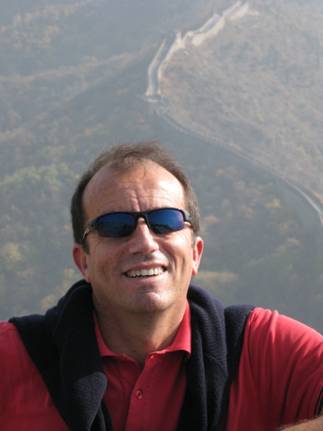
Gianni Dal Maso is a Professor of Mathematical Analysis at the International School for Advanced Studies (SISSA) in Trieste, Italy. He has been a faculty member at SISSA since 1985, first as Associate Professor and then as Full Professor since 1987. He has held several leadership positions at SISSA including Head of the Sector of Functional Analysis and Applications (1993-1998, 2001-2010), Deputy Director (2010-2015), and Coordinator of the Mathematics Area (2016-2020). His educational background includes: 1973-1977: Undergraduate student in Mathematics at the University of Pisa and Scuola Normale Superiore 1977: Degree in Mathematics with honors at the University of Pisa (thesis: "Gamma-limits of set functions," advised by Ennio De Giorgi) 1977: "Diploma" in Mathematics from the Scuola Normale Superiore 1977-1981: Post-graduate Research Fellowship in Mathematics ("Perfezionamento") at the Scuola Normale Superiore Dal Maso's research focuses on the Calculus of Variations, with particular emphasis on semicontinuity and relaxation problems, Gamma-convergence, and more recently, free discontinuity problems and their applications to mechanics. His work bridges pure mathematical analysis with practical applications in material science, particularly in plasticity and fracture mechanics. He has developed mathematical frameworks for understanding crack propagation, material failure, and the behavior of solids under stress, contributing significantly to both theoretical foundations and practical modeling approaches in these areas. His extensive publication record shows a clear evolution from foundational work in Gamma-convergence (culminating in his influential book "An Introduction to Gamma-Convergence" in 1993) toward increasingly sophisticated models of material behavior, particularly in fracture mechanics and plasticity. Recent work demonstrates continued innovation in handling complex discontinuities, non-local effects, and multi-scale phenomena in material science applications. Among his notable scientific recognitions: 1982: Stampacchia Prize, awarded by the Scuola Normale Superiore 1990: Caccioppoli Prize, awarded by the Italian Mathematical Union 1996: Medaglia dei XL per la Matematica, awarded by the Accademia Nazionale delle Scienze detta dei XL 2003: Prize of the Minister for the Cultural Heritage for Mathematics and Mechanics, awarded by the Accademia Nazionale dei Lincei 2005: Prize Luigi and Wanda Amerio, awarded by the Istituto Lombardo Accademia di Scienze e Lettere Dal Maso has supervised 42 PhD students at SISSA, demonstrating a strong commitment to academic mentorship. His research has been significantly supported by multiple National Research Projects (PRIN) in Italy, and notably by an ERC Advanced Grant "Quasistatic and Dynamic Evolution Problems in Plasticity and Fracture" (QuaDynEvoPro) from 2012-2017, where he served as Principal Investigator. This major project focused on nonlinear evolution problems in plasticity and fracture, with three main research directions: plasticity with hardening and softening, quasistatic crack growth, and dynamic fracture mechanics. His scholarly activities extend to editorial service, with membership on the boards of numerous prestigious journals including Archive for Rational Mechanics and Analysis, SIAM Journal on Mathematical Analysis, and Journal of Convex Analysis. He has also been active in the mathematical community through membership in scientific committees and academies, including the Accademia Nazionale dei Lincei since 2014.
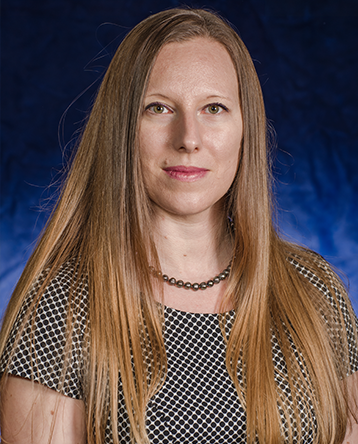
Associate Professor Judy Hart is a materials scientist at the School of Materials Science & Engineering, UNSW Sydney , specializing in the development of semiconducting materials for renewable energy applications. Her work integrates computational (DFT) and experimental approaches to understand composition-property relationships in systems like solid solutions , heterostructures , and doped materials for photocatalysis and solar cells . She leads projects funded by ARC Discovery and Linkage grants , including work on photo-electro-catalysis systems and stabilizing ceramic materials . Education: PhD in Materials Engineering (Monash University, 2007), BEng (Materials) (Monash, 2002) Professional Experience: Senior Lecturer (UNSW, 2017–), Lecturer (UNSW, 2013–2017), University of Bristol (2007–2012) Research Interests Her research focuses on designing materials for renewable energy , particularly photoelectrochemical water splitting and organic oxidation reactions . Key areas include Density Functional Theory (DFT) , defect engineering , band gap tuning , and nanostructured materials . She investigates ferroelectric polarization effects , metal oxide heterostructures , and stability of battery components , with applications in hydrogen production , CO2 conversion , and advanced battery materials . Scientific Awards Ramsay Memorial Fellowship (University of Bristol, 2007–2009) Teaching Contributions She is co-author of the 1st Australian & New Zealand edition of "Materials Science and Engineering: An Introduction" , and teaches courses on computational materials science , corrosion-resistant surfaces , mechanical behavior of metals , and materials design .
Marianna Ivashina is a Professor and Head of the Antenna Systems Research Group at Chalmers University of Technology's Department of Electrical Engineering . Her work focuses on array antennas , antenna integration with electronics , optimal beamforming , and over-the-air measurement methods . The group has achieved international recognition for innovations in ultra-wideband (UWB) feeds , Gap waveguide antennas , and Doherty-power-amplifier-integrated antennas for 5G/6G and radio telescope applications. Key projects include the SSF Sweden-Taiwan collaboration , EU Horizon 2020 MyWave , and VINNOVA ENERGETIC initiatives. Her recent publications emphasize millimeter-wave (mmWave) communication and reconfigurable intelligent surfaces (RIS) , with applications in 5G/6G networks , satellite communication (SatCom) , and advanced antenna testing chambers . She explores beamforming optimization , self-interference mitigation , and hybrid OTA environments to enhance wireless system performance. The group's work bridges theoretical advancements with practical implementations, including RFSoC testbeds and high-efficiency antenna arrays . Marianna leads major research programs funded by Ericsson , VINNOVA , and EUREKA EURIPIDES2 , addressing challenges in beamforming , antenna-IC integration , and automated design for 5G/6G . These projects highlight her role in advancing millimeter-wave communication and sensor integration technologies.
Boris Buffoni is a Senior Lecturer at École Polytechnique Fédérale de Lausanne (EPFL) in the School of Basic Sciences, Institute of Mathematics, specifically within the Chair of Partial Differential Equations. He maintains his office at MA C2 605 (MA Building), Station 8, 1015 Lausanne, Switzerland, and can be contacted at boris.buffoni@epfl.ch or +41 21 693 49 87. His academic role spans both teaching responsibilities across multiple mathematics programs and active research in theoretical and applied mathematics. Dr. Buffoni's research program centers on the calculus of variations applied to Lagrangian and Hamiltonian systems, with significant contributions to optimal transportation in Lagrangian dynamics and hydrodynamics. His work explores semi-global minimization methods for quasi-linear elliptic variational problems and the variational approach to capillary-gravity water waves and their energetic stability. Additional research foci include local bifurcation and center-manifold theory for elliptic PDEs, the configurations of infinite elastic cylinders under compression or traction, and the analytic theory of global bifurcation with applications to gravity waves and their secondary bifurcations. The trajectory of his recent publications reveals a deepening focus on three-dimensional water wave phenomena, particularly steady rotational flows, gravity-capillary solitary waves, and advanced mathematical techniques for analyzing these complex systems. His 2025 publications demonstrate continued innovation in applying Kato's approach to locally coercive problems and developing the theoretical foundations of global bifurcation. The consistent application of variational methods and bifurcation theory across his work represents a unifying theme in addressing challenging problems in fluid dynamics and nonlinear partial differential equations. Dr. Buffoni has received research support including an EPSRC grant (GR/L41059) for work on 'Multibump localised solutions for spatially homogeneous partial differential equations,' reflecting the significance of his contributions to the field. His teaching portfolio at EPFL includes foundational courses such as Analysis II, Functional Analysis I, and Partial Differential Equations of Evolution, where he imparts knowledge of differential and integral calculus of real functions of several variables, linear functional analysis, and fundamental techniques for solving evolution equations.
Matthias Ihme is a Professor in the Department of Mechanical Engineering and Photon Science Directorate at Stanford University. His research focuses on large-eddy simulation (LES) of turbulent reacting flows, aeroacoustics, combustion-generated noise, numerical methods, and high-order schemes. He holds a Ph.D. from Stanford University (2008), an M.Sc. in Computational Engineering from the University of Erlangen (Germany, 2002), and a Dipl.-Ing. in Mechanical Engineering from Munich University of Applied Sciences (Germany, 2000). His work bridges computational fluid dynamics, combustion science, and photon science, with notable contributions to supercritical fluid dynamics, machine learning integration in fluid simulations, and high-fidelity atmospheric transport modeling. Recent research emphasizes ultrafast cluster dynamics, shock-induced interface behavior, and stochastic ignition mechanisms in advanced fuel systems. Publications highlight interdisciplinary advancements, including physics-informed ML frameworks for reacting flows and experimental studies using X-ray photon correlation spectroscopy. His projects often involve high-performance computing and collaboration with national labs like SLAC.
John E. Straub is a Professor in the Department of Chemistry at Boston University (BU), where he leads the Straub Lab. His work focuses on molecular dynamics and thermodynamics of complex biomolecular systems, particularly protein aggregation and amyloid formation. He has authored influential books, including Proteins: Energy, Heat and Signal Flow and Mathematical Methods for Molecular Science , and has held leadership roles such as Chair of the Department of Chemistry at BU (2007-2012) and President of the Telluride Science Research Center (2006-2008). Education: BS in Chemistry (University of Maryland, 1982, advisor: Millard Alexander) MA (Columbia University, 1984) MPhil (Columbia University, 1986) PhD in Chemical Physics (Columbia University, 1987, advisor: Bruce Berne) NIH Postdoctoral Fellow in Chemistry (Harvard University, 1987-1990, advisor: Martin Karplus) His research interests span computational methods for enhanced sampling, reaction dynamics, and the interplay between protein structure and aggregation. He has pioneered studies on amyloid precursor proteins and cholesterol interactions in lipid bilayers, emphasizing the role of monomer structural ensembles in aggregation mechanisms. Articles from his lab highlight advancements in understanding lipid phase separation, amyloid fibril formation, and computational techniques like machine learning-derived variables and replica exchange methods. His work bridges theory and experiment, with collaborations across institutions globally. Scientific Awards: NIH Postdoctoral Fellowship (Harvard University, 1987-1990). Professor Straub has advised numerous students, many of whom hold academic positions at leading institutions, including Jianpeng Ma (Rice University) and Nicolae-Viorel Buchete (University College Dublin). His lab actively explores projects in computational biophysics, with ongoing work on lipid mixtures, sterol-derived Raman tags, and membrane protein interactions.
Marco Badami is a Full Professor at the Department of Energy (DENERG) , Polytechnic of Turin. He serves as Scientific Director for national and EU-funded research projects in energy systems and has been a Course Lecturer for Energy Systems and Industrial Use of Energy since 2010. He supervises PhD students in Energetics and Electrical Engineering . Research Interests: His work spans energy systems optimization, machine learning applications for industrial energy efficiency, smart grids, cogeneration scheduling, blockchain-based energy data immutability, and predictive maintenance algorithms for photovoltaic plants. Current projects focus on AI-driven energy audits, optimized control systems for industrial microgrids, and digital twin architectures. Collaborations: He works with Trigenia Srl, Stogit SpA, and international institutions on commercial research contracts. His scientific contributions include 15+ publications on topics like LSTM forecasting for solar energy, deep reinforcement learning for multi-energy systems, and decentralized peer-to-peer energy trading platforms.
Mohamed Farhat is a Senior Scientist at EPFL's School of Engineering, Department of Mechanical Engineering, where he leads the Research Group on Cavitation and Interface Phenomena. He serves as PhD Director, Lecturer, and Member of EPFL Doctoral Committee (Mechanics), while also representing EPFL at CLUSER association and coordinating activities at the Société Hydrotechnique de France (SHF). His research expertise spans Cavitation & Multiphase flows, Flow Induced Noise & Vibration, Fluid-Structure Interaction, Flow control, Flow instabilities in hydro turbines and pumps, Condition monitoring of Hydraulic Machines, Hemodynamics, and Advanced Instrumentation in Fluid Dynamics. Farhat's work uniquely bridges fundamental fluid mechanics with practical applications across hydropower, marine propulsion, healthcare, and water management sectors. Analysis of his recent publications reveals strong focus on cavitation bubble dynamics, with particular emphasis on measurement techniques for collapsing bubbles, vortex shedding control, hydrodynamic monitoring of hydraulic machinery, and biomedical applications of cavitation phenomena. His work increasingly integrates advanced imaging techniques with computational modeling to understand complex multiphase flow phenomena. 2021: Life Sciences Book Award of the International Academy of Astronautics 2019: 1st Prize Winner of Scientific Image Contest (Swiss National Science Foundation) 2020: EPFL-Rhyming Prize (Best PhD thesis in Fluid Mechanics) 2018: EPFL-EDME Prize (Best PhD thesis in Mechanics) 2015: Edmund Optics Educational Award 2014: APS-DFD Gallery of Fluid Motion Award Farhat has successfully supervised numerous PhD students including Ali Amini, Philippe Ausoni, and Outi Supponen, with research spanning from fundamental bubble dynamics to practical hydraulic machinery applications. His Cavitation Research Group maintains strong collaborations with industry partners in hydropower and medical device sectors. Current research directions include advanced instrumentation for cavitation monitoring, condition-based maintenance of hydraulic machinery, and biomedical applications of cavitation phenomena in therapeutic ultrasound and drug delivery.
Thomas Cheatham III is a Professor of Medicinal Chemistry in the College of Pharmacy and Adjunct Professor of Biomedical Engineering at the University of Utah, specializing in computational biomolecular simulation methodologies. His work bridges theoretical chemistry and biological applications through advanced molecular dynamics techniques. Education: B.A., Middlebury College Ph.D., University of California, San Francisco Research Focus: Dr. Cheatham pioneers molecular dynamics and free energy simulation methods (AMBER/CHARMM) for proteins, nucleic acids, and lipids. His group addresses critical challenges in environmental dependence of nucleic acid structure (ion/hydration effects on DNA), conformational transition pathways (e.g., B-DNA/Z-DNA junctions), and macromolecular flexibility beyond static experimental structures. Recent innovations target force field refinement for modified nucleic acids and polarizable models. Publication Trends: Analysis of his 2023-2025 publications reveals three dominant themes: (1) Nucleic acid force field optimization (60% of recent work), particularly RNA/DNA parameterization; (2) Development of simulation infrastructure including FAIR data principles and AmberTools; (3) Application-driven studies of therapeutic targets like Bcr-Abl inhibitors. His work increasingly integrates polarizable force fields and high-performance computing. Research Infrastructure: He leads the AMBER biomolecular simulation software development effort and maintains an active laboratory focused on methodological innovation. His group collaborates extensively with experimentalists to validate computational predictions and provides open-source tools (PTRAJ/CPPTRAJ) used globally. Current initiatives emphasize reproducibility through standardized simulation protocols and data sharing frameworks.
Roberto Zanino is a Full Professor of Nuclear Engineering at the Department of Energy (DENERG) of the Polytechnic of Turin, Italy. He serves as Advisor to the Rector for relations with European and international university networks and for the UniTe project, Undergraduate Research Opportunities Coordinator, and Project management functions of PoliToArgentina. He is also Scientific Advisor for the Partnership Agreement with NEWCLEO. Dr. Zanino earned his Laurea cum laude in Nuclear Engineering from Politecnico di Torino in 1984 and his Ph.D. in Energetics in 1989. His academic progression includes Assistant Professor (1990-91), Associate Professor (1992-2000), and Professor (2001-present). He previously served as Director of Alta Scuola Politecnica (2007-2010) and Head of the Graduate Program in Energetics (2011-present). His research spans computational fluid dynamics, concentrated solar power, controlled thermonuclear fusion, Generation IV nuclear fission reactors, and plasma physics. His work focuses on thermal-hydraulic analysis of liquid metal systems, superconducting magnet design for fusion applications, and concentrated solar power optimization. His recent publications demonstrate strong expertise in coupling computational tools for nuclear applications, particularly in CFD-system code integration for liquid metal systems and fusion magnet analysis. Dr. Zanino has received recognition as an IEEE Senior Member (2012) and has supervised numerous doctoral students working on topics including thermal-hydraulic analysis of heavy liquid metal systems, superconducting magnet simulation for fusion applications, and concentrated solar power modeling. He has extensive international experience, having worked at Max-Planck-Institut für Plasmaphysik, Massachusetts Institute of Technology, and University of Illinois at Chicago. He is actively involved in major fusion projects including ITER, DTT (Divertor Tokamak Test facility), and EUROfusion. His teaching portfolio includes Computational Heat and Mass Transfer, Nuclear Fusion Reactor Engineering, Solar Thermal Technologies, and Computational Thermal Fluid Dynamics at both master's and doctoral levels.
Fabrizio Marinelli is an Associate Professor of Biophysics and Data Science at the Medical College of Wisconsin (MCW), effective July 2025, and holds an adjunct senior investigator position at the Versiti Blood Research Institute. He previously served as a staff scientist at the National Heart, Lung, and Blood Institute (NHLBI/NIH) and conducted postdoctoral research at the Max Planck Institute of Biophysics and NIH. Educational background includes a PhD in Statistical and Biological Physics from the International School for Advanced Studies (Trieste, Italy), an MS in Chemistry from La Sapienza University (Rome), and postdoctoral training in molecular biophysics. His research focuses on computational modeling of molecular mechanisms in membrane transport, signaling, and morphological changes, integrating advanced simulation techniques with experimental data (e.g., EPR/DEER, HDX-MS, cryo-EM). Key methodologies include enhanced sampling methods, free-energy calculations, and machine learning. Research highlights include elucidating mechanisms of Na+/Ca2+ exchangers, ion selectivity in lysosomal K+ channels, and structural interpretation of DEER and HDX data. He leads the Biophysics Graduate Program’s recruitment efforts and actively collaborates with experimental labs to bridge theory and experiment. Lab members include postdocs William Brown and Sandra Byju, and graduate student Tyler Trask. Publications emphasize computational tools (e.g., PLUMED, Colvars library) and reproducibility in molecular simulations. His work aims to advance therapies for infectious diseases, drug resistance, and cancer through mechanistic insights into proteins and membranes.
Noa Marom is an Associate Professor in the Department of Materials Science and Engineering at Carnegie Mellon University (CMU), holding courtesy appointments in Chemistry and Physics. She is a member of the Pittsburgh Quantum Institute (PQI) and an affiliate of the Wilton E. Scott Institute for Energy Innovation. Her research focuses on computational materials science, energy security, and quantum materials. Marom earned a B.A. in Physics and B.S. in Materials Engineering (cum laude) from the Technion-Israel Institute of Technology (2003) and a Ph.D. in Chemistry from the Weizmann Institute of Science (2010). She held postdoctoral positions at the University of Texas at Austin’s Institute for Computational Engineering and Sciences (ICES) before joining Tulane University as an Assistant Professor (2013–2016) and CMU in 2016. Her research interests include computational design of semiconductor materials, topological quantum computing, and crystal structure prediction. Key projects involve machine learning for materials discovery and quantum computing applications, such as optimizing semiconductor interfaces for stable qubits. Marom has received numerous awards, including the NSF CAREER Award (2016), DOE INCITE Awards (2017–2019), and the IUPAP Young Scientist Prize (2018). She serves as Associate Editor of npj Computational Materials. Her work spans collaborations with institutions like the Paul Scherrer Institute (Switzerland) and the Pittsburgh Supercomputing Center. Research highlights include computational studies of InAs/InSb semiconductors for quantum bits and machine learning-driven discovery of organic semiconductors.