Professor John Greenwood serves as the Davson Professor of Biomedical Research at the Institute of Ophthalmology, University College London (UCL) . His work spans neurosciences, immunology, and ophthalmology, focusing on vascular mechanisms in diseases like multiple sclerosis (MS), age-related macular degeneration (AMD), diabetic retinopathy, and cancer. Notable achievements include pioneering the clinical trial of statins in MS and identifying LRG1 as a pro-fibrotic vascular factor. Appointments : Davson Professor of Biomedical Research (1993–present); Head of Cell Biology Department (2008–2016) Education : PhD (University of London, 1983); BSc (University of Reading, 1977) Research Focus The Greenwood lab investigates vascular pathology in CNS and retinal diseases. Key areas include: Molecular mechanisms of blood-brain/retinal barrier dysfunction LRG1's role in vascular destabilization and fibrosis Therapeutic targeting of angiogenic pathways (e.g., TGFβ, HER3) Retinal pigment epithelial (RPE) cell biology in AMD Scientific Awards Renee Hock Fellowship Member of the Royal College of Pathologists Teaching & Collaborations He supervises postgraduate students and contributes to UCL's BSc/MSc courses. His research has led to the formation of Senya Therapeutics , a UCL spinout commercializing LRG1-targeted therapies.
Jillian Simon, PhD is an Assistant Professor in the Department of Cardiovascular Sciences at the Lewis Katz School of Medicine, Temple University. She leads the Simon Lab, which focuses on understanding integrated signaling dynamics between the heart's redox environment and calcium handling, and how pathogenic changes in these processes drive cell death and cardiac dysfunction. Dr. Simon earned her BS in Exercise and Health Science (with Chemistry minor) from Alma College in 2006, followed by a PhD in Physiology and Biophysics from the University of Illinois at Chicago in 2013. She completed a Postdoctoral Fellowship at the University of Oxford's Division of Cardiovascular Medicine & British Heart Foundation Centre for Research Excellence in 2022. Her research centers around the redox environment of the heart - how it varies with disease, whether these variations protect or injure the myocardium, and to what extent protective mechanisms can be leveraged to design novel therapeutics. The lab utilizes cutting-edge techniques in high-resolution cellular imaging, proteomics, and biochemistry to study redox patho-biology, integrating findings with studies in animal models and human cells/tissue. A major focus is understanding how stress-induced oxidation of PKA (a master kinase in the heart) leads to improved cell adaptation and survival following ischemia, with potential therapeutic applications for ischemic heart disease. Analysis of Dr. Simon's recent publications reveals a strong emphasis on redox signaling in cardiovascular disease, particularly focusing on how oxidation of protein kinases like PKA affects cardiac function during ischemia-reperfusion injury. Her work bridges basic molecular mechanisms with translational applications, with significant contributions to understanding nitroso-redox balance in atrial fibrillation, endothelial function in diabetes, and calcium handling abnormalities in cardiac disease. American Heart Association, Melvin L Marcus Early Career Investigator Award Finalist, 2020 British Cardiovascular Society, Young Publications Dr. Simon actively mentors a diverse research team including an MD/PhD student, undergraduate researchers, and a research scientist. Her lab is recruiting PhD students, MD/PhD students, and postdocs. She is a member of the American Heart Association (Council on Basic Cardiovascular Sciences), International Society of Heart Research, and European Society of Cardiology. Her research is supported by grants from organizations including the American Heart Association and British Heart Foundation. The Simon Lab at Temple University's School of Medicine is dedicated to understanding integrated signaling dynamics between the heart's redox environment and calcium handling. The lab leverages innovations in biosensor development, cellular imaging, proteomics and biochemistry, prioritizing robust and highly reproducible data. They recognize the value of diversity in driving innovation and discovery, striving to foster an inclusive environment for all researchers.
Professor Syed Faisal Ahmed holds the Samson Gemmell Chair of Child Health at the University of Glasgow's College of Medicine. With over two decades of experience, he has established himself as a leading expert in pediatric endocrinology, particularly in rare endocrine conditions affecting children and adolescents. His work spans clinical practice, research, and international collaboration, with a focus on improving care standards for patients with Disorders of Sex Development (DSD) and Congenital Adrenal Hyperplasia (CAH). Professor Ahmed leads multiple international research initiatives and has built extensive networks across Europe and globally. Professor Ahmed's research focuses on translational approaches to improve care for children with rare endocrine conditions. His primary interests include Disorders of Sex Development (DSD), Congenital Adrenal Hyperplasia (CAH), growth disorders, and bone health in endocrine conditions. He has pioneered international collaborative projects including EuroDSD (EUFP7, 2008-2011), I-DSD (MRC, 2011-2017), DSDnet (COST Action BM1303, 2013-2018), Endo-ERN (2016-present), EuRRECa (EU HaDEA, 2018-2022, EU4H 2024-2028), and EuRR-Bone (EU HaDEA, 2020-2023, EU4H 2024-2028). His work emphasizes developing standardized approaches for diagnosis, treatment, and outcome monitoring across international borders. Analysis of Professor Ahmed's recent publications reveals a strong focus on clinical outcomes and quality of life in rare endocrine conditions, particularly Disorders of Sex Development and Congenital Adrenal Hyperplasia. His research spans from basic science investigations of molecular mechanisms to large-scale international registry studies. A notable trend is the increasing emphasis on patient-reported outcomes, transition from pediatric to adult care, and the development of standardized assessment tools for rare conditions. His work demonstrates how international collaboration can overcome the challenges of studying rare diseases through shared data and expertise. ESPE Research Award (2021) Editor in Chief of Endocrine Connections (2023) Professor Ahmed has secured substantial funding from European Union programs (EUFP7, EU HaDEA), Medical Research Council (MRC), and COST Actions to support his international research networks. His GloBE-Reg project (launched in 2022), funded solely by industry, builds on lessons learned from earlier projects. He has supervised numerous researchers who have become co-authors on his publications, though specific student names are not listed in the provided material. His work has significantly influenced clinical guidelines, including the Society for Endocrinology UK guidance on the initial evaluation of suspected Disorders of Sex Development. Professor Ahmed leads collaborative networks rather than a single physical laboratory. His primary research infrastructure consists of international registries including EuRRECa (European Registries for Rare Endocrine Conditions), I-DSD, and I-CAH. These platforms facilitate data collection across multiple countries and institutions, enabling research on rare conditions that would be impossible within single centers. His work with Endo-ERN (European Reference Network on Rare Endocrine Conditions) connects specialists across Europe to share expertise and establish best practices for rare endocrine disorders.
Vivian Lee-Kim is an Assistant Professor in the Department of Pediatrics, Division of Cardiology at The University of Texas Southwestern Medical Center, with a secondary appointment in the Department of Molecular Biology. She is also a member of the Center for Regenerative Science and Medicine. Education B.S. in Biochemistry, University of Washington Ph.D. in Developmental, Regenerative, and Stem Cell Biology, Washington University in St. Louis Postdoctoral Fellow, Brigham and Women's Hospital and Harvard Medical School Research Interests Dr. Lee-Kim's research focuses on the genetic and molecular mechanisms of cardiovascular diseases, particularly thoracic aortic aneurysms and coronary artery disease. She employs genomic approaches, CRISPR-based genome editing, and vascular biology to dissect disease pathways and identify therapeutic targets. Her work bridges basic science with clinical applications in regenerative medicine, investigating coding and noncoding genetic variations that contribute to vascular pathologies. Recent Research Trends Analysis of Dr. Lee-Kim's 13 publications (2012-2024) reveals an evolution from extracellular matrix genetics in aortic aneurysms to cutting-edge multi-omics studies of coronary artery disease. Her recent work (2020-2024) emphasizes endothelial cell programs, CRISPR perturbation screens, and functional genomics to identify novel therapeutic targets, while earlier research (2012-2016) explored mechanisms of aortic dilation and lung injury models. This trajectory demonstrates increasing integration of genomic technologies with vascular pathophysiology. Honors & Awards No specific awards are listed in the available information. Advising and Grants Information regarding student mentorship, grant funding, or research funding sources is not provided in the available text. Labs and Teams Dr. Lee-Kim is an active member of the Center for Regenerative Science and Medicine at UT Southwestern, which fosters interdisciplinary collaboration in tissue engineering, stem cell therapies, and vascular regeneration research.
Virginia D. Winn, MD, PhD is a Professor of Obstetrics and Gynecology at Stanford University School of Medicine, where she directs the Reproductive, Stem Cell and Perinatal Biology Division and co-leads the Dunlevie Maternal-Fetal Medicine Center . Her research focuses on human placental biology , particularly the molecular mechanisms underlying preeclampsia and maternal-fetal immune tolerance. Education: PhD in Biochemistry, University of Rochester School of Medicine (1994) MD, University of Rochester (1996) Research: Investigates placental chimerism and vascular remodeling Develops multi-omics predictive models for preeclampsia Explores sex differences in placental gene expression Her lab’s recent studies (2022) highlight Siglec-6 signaling in preeclampsia pathogenesis, ancestral HMOX1 polymorphisms in hypertensive disorders, and exosome-mediated communication between trophoblasts and maternal systems. She has received the MCHRI Harman Faculty Scholar award and leads the NIH K12 Women’s Reproductive Health Research Program . Dr. Winn’s clinical expertise includes Maternal-Fetal Medicine , with a focus on early placental dysfunction. Key Collaborations: Stanford Cardiovascular Institute Bio-X interdisciplinary research hub Maternal and Child Health Research Institute (MCHRI)
Michael Harris is an Adjunct Professor of Medicine at Weill Cornell Medical College, where he has maintained an active academic appointment since 1984. His research and clinical work focuses on hypertension management, cardiovascular disease prevention, and the relationship between dietary sodium intake and health outcomes. As a prominent researcher in the field, he has contributed extensively to major clinical trials and guidelines development. Dr. Harris's research interests center on hypertension epidemiology, dietary sodium effects on cardiovascular health, and evidence-based approaches to blood pressure management. His work has critically examined the relationship between sodium intake and cardiovascular outcomes, challenging conventional wisdom and contributing to ongoing scientific debates. He has been particularly active in analyzing data from large clinical trials such as ALLHAT (Antihypertensive and Lipid-Lowering Treatment to Prevent Heart Attack Trial) to inform clinical practice and public health policy. His publication record demonstrates a consistent focus on the intersection of clinical medicine and public health policy, particularly regarding dietary sodium guidelines. Over his career, he has published extensively in top medical journals including New England Journal of Medicine , JAMA , Lancet , and Hypertension . His work often addresses controversies in the field, such as the "J-curve" relationship between sodium intake and mortality, and the translation of clinical trial evidence into population-level recommendations.
Sebastiano Sciarretta is a Full Professor at the Department of Medical-Surgical Sciences and Biotechnologies at Sapienza University of Rome. His academic career spans both Italian and American institutions, including a tenure as Assistant Professor at Rutgers New Jersey Medical School. He holds a Medical Degree, Cardiology Specialty, and PhD in Experimental Medicine from Sapienza University of Rome. Dr. Sciarretta's research interests focus on cardiovascular diseases with particular emphasis on autophagy, oxidative stress, molecular mechanisms, cardiac regeneration, hypertension, and heart failure. His work bridges basic science with clinical applications, investigating cellular and molecular pathways that contribute to cardiovascular pathologies and potential therapeutic interventions. His recent publications highlight his ongoing investigation into autophagy mechanisms, natriuretic peptides, mitochondrial dysfunction, and the impact of environmental factors on cardiovascular health. These studies demonstrate a consistent focus on translational research that connects molecular discoveries with clinical applications. Young Investigator Award Research Competition (2009) Bristol-Meyers-Squibb Prize for Cardiovascular Prevention and Diabetes (2009) Melvin L. Marcus Young Investigator Award Finalist (2011) Best Moderated Poster at ESC Congress 2016 Platinum Award, Top Reviewers of the Year from Circulation Research (2017) Dr. Sciarretta has secured significant grant funding from multiple sources including the Italian Ministry of Research, Italian Ministry of Health, Leducq Foundation Transatlantic Network, New Jersey Commission on Cancer Research, and American Heart Association. His research group, "Autophagy and Cardiovascular Diseases," focuses on molecular mechanisms underlying cardiovascular pathologies with particular interest in doxorubicin-induced cardiomyopathy and atrial natriuretic peptide effects. He leads the research laboratory for Experimental Cardiovascular Pathology and maintains active editorial roles with several prestigious journals including Circulation Research and Autophagy, reflecting his standing in the cardiovascular research community.
Georgios Dedousis is a Professor of Human Cellular and Molecular Biology at Harokopio University, focusing on Human Molecular Genetics with emphasis on obesity, cardiometabolic phenotypes, and gene-nutrition interactions. He is affiliated with the Laboratory of Biology, Biochemistry, and Physiology of Humans and Microorganisms. Doctoral thesis, Medical School, University of Athens (1995) DEA, University of Technology of Compiegne, France (1990) Degree in Biology, School of Physics and Mathematics, University of Patras (1988) His research spans genetics of metabolic disorders, nutritional genomics, and collaborative networks like the VEGF Consortium. Recent publications highlight genome-wide studies on type 2 diabetes, NAFLD, and coronary artery disease. Fulbright Scholar at Harvard Medical School (2004)
Professor Özge Aydemir is a distinguished academic in the Department of Internal Medicine Sciences at Eskisehir Osmangazi University's Faculty of Medicine, specializing in Neonatology and Pediatrics. She has been serving as a full Professor since 2021, following her tenure as Associate Professor from 2014 to 2021. She actively participates in university governance as an Ethics Committee Member since 2022 and previously served on the Faculty Management Board (2019-2021) and Faculty Board (2017-2021). Undergraduate Degree: Hacettepe University, Faculty of Medicine (1996-2002) Expertise in Medicine: Hacettepe University, Department of Internal Medicine Sciences (2002-2008) Post-Doctorate: University of Health Sciences, Zekai Tahir Burak Maternity Teaching Hospital, Department of Pediatrics, Division of Neonatology (2008-2011) Professor Aydemir's research primarily focuses on neonatal care, with particular emphasis on preterm infants, breast milk composition, oxidative stress, gastrointestinal disorders, and neonatal infections. Her work bridges clinical practice with laboratory research, examining how various interventions affect neonatal outcomes. She has published extensively in high-impact journals, with over 180 publications indexed in Web of Science and significant citation metrics including an h-index of 11 in Web of Science and 12 in Google Scholar. Analysis of her recent publications reveals a consistent focus on neonatal nutrition, particularly breast milk composition and fortification strategies, as well as the physiological responses of preterm infants to various clinical interventions. Her research group has made significant contributions to understanding the microbiome of human milk, the effects of feeding methods on gastrointestinal function, and the management of infections in neonatal intensive care units. Professor Aydemir has supervised four theses at the Expertise in Medicine level, demonstrating her commitment to training the next generation of neonatologists. She has also led multiple research projects, contributing to the advancement of neonatal care practices in Turkey and internationally. Her work with interdisciplinary research teams has resulted in numerous collaborative publications addressing critical issues in neonatal medicine.
J. Geoffrey Pickering is a Professor at the University of Western Ontario, affiliated with the Schulich School of Medicine & Dentistry. He holds appointments in the Departments of Medicine, Biochemistry, and Medical Biophysics. His research focuses on vascular biology, particularly the molecular mechanisms of vascular smooth muscle cell behavior, extracellular matrix interactions, and angiogenesis. Education: M.D. from Queen's University, Ph.D. in Medical Biophysics from University of Western Ontario Certifications: Fellowship in Internal Medicine and Cardiology (FRCP(C)) Key Research Areas: Vascular cell aging, endothelial-mesenchymal transition, therapeutic angiogenesis His lab has pioneered human vascular smooth muscle cell line development and discovered novel genes in vascular remodeling. Scientific accolades include the Heart and Stroke Foundation's Barnett-Ivey Chair and Fellowships from the American Heart Association and American College of Cardiology. Recent Publications (2024): Mitochondrial calcium signaling in vascular disease 2023: Telomere length implications in atherosclerosis 2020: Ischemic vascular regeneration models Dr. Pickering's work has secured major operating grants from the Heart and Stroke Foundation and Canadian Institutes of Health Research. He leads the Robarts Research Institute's vascular biology program and maintains active collaborations in molecular cardiology and regenerative medicine.
Dick Sjöström is a Lecturer at the Department of Chemistry and Biomedicine, Linnaeus University, focusing on physiology and biochemistry education for pharmacists, biomedical analysts, and biologists. His research bridges biochemistry and physiology, emphasizing protein design, engineering, and innovative model systems to elucidate physiological processes.
Marc Humbert is a Professor of Pneumology at Université Paris-Saclay and Head of the Pulmonology and Respiratory Intensive Care Department at Bicêtre Hospital , where he oversees the European Union-certified reference centre for rare pulmonary diseases since 2017. His work focuses on pulmonary hypertension , including its physiopathology, diagnosis, and therapeutic innovation through translational research. Education: Trained at Université Paris-Sud and completed a post-doctoral fellowship at Imperial College London. Research Focus: Marc Humbert’s laboratory at Bicêtre Hospital and Marie Lannelongue Hospital specializes in understanding the mechanisms of pulmonary hypertension to develop novel treatments via multidisciplinary programs like Labex LERMIT and DHU Thorax Innovation (TORINO). His team maintains the world’s largest registry of pulmonary hypertension patients (12,000+ cases) and pioneered combined therapeutic approaches that improved patient survival from 7 years. Scientific Contributions: Recognized as a Highly Cited Researcher by Clarivate Analytics Major Discovery: Analysis of clinical consequences of pulmonary endothelial cell dysfunction and validation of aggressive combination therapies without significant side effects Scientific Awards: Cournand Lecturer Award (2006) LifeTime Completion Award (2018) Éliane and Gérard Pauthier Prize for Research on Rare Diseases Descartes-Huygens Prize (2009) Collaborative Efforts: His work bridges clinical practice, academic research, and international collaborations, emphasizing perseverance and ambition in medical research while prioritizing patient care. The laboratory operates as a hub for national and European multidisciplinary initiatives.
Olachi Mezu-Ndubuisi is an Associate Professor at the University of Rochester School of Medicine and Dentistry , holding joint appointments in Department of Pediatrics, Neonatology and Department of Ophthalmology . She leads the Mezu-Ndubuisi Lab at the Flaum Eye Institute and McPherson Eye Research Institute , focusing on Retinopathy of Prematurity (ROP) and global health disparities . Her research centers on translational studies of ROP pathogenesis using in vivo mouse models with advanced imaging techniques like phosphorescence lifetime imaging and fluorescein angiography . Key projects include: Investigating VEGF-A microparticles and topical calcitriol for ROP therapy Developing non-invasive retinal imaging methodologies Exploring oxidative stress effects on multiple organ systems in preterm infants Recent publications (2016-2022) span: Retinal vascular imaging (Brain Research, Investigative Ophthalmology & Visual Science) Ocular angiogenesis (Pediatric Research, Current Eye Research) Global health interventions (Annals of Global Health, International Journal of Pediatrics) Scientific recognition includes: Edwin and Dorothy Gamewell Professor (2021-2024) K08 Career Development Award (2021-2026) Young Investigator Awards (2012, 2017) Fellow of American Academy of Optometry (2017) As academic mentor, she: Guides 14+ students/interns across disciplines Directs Mezu International Foundation medical missions in Nigeria Leads global health research initiatives with community partners Lab activities feature: Annual global health missions serving 1300+ patients Collaborations with Nigerian universities (Abia State University, Federal University of Technology Owerri) Training undergraduate researchers in clinical and translational methods
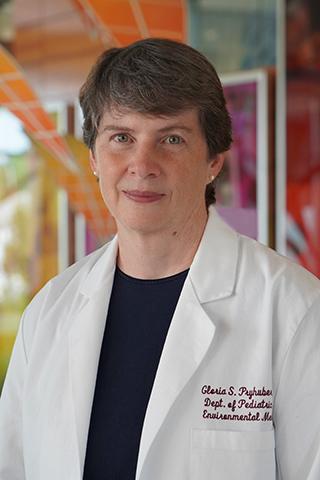
Dr. Gloria Pryhuber is a Professor in the Department of Pediatrics, Neonatology at the University of Rochester School of Medicine and Dentistry . She serves as a Principal Investigator for the LungMAP Human Tissue Core (NHLBI U01) and Lead Site Investigator for the Respiratory Pathogens Research Center (NIAID/DMID Contract). Her work spans clinical care as a Neonatologist , laboratory research in Lung Development , and leadership in the Environmental Health Sciences Center . PhD/Postdoctoral Mentorship NIH Study Section Participation Director, Pediatric Histology Facility (2009-) Director, Pediatric Processing Lab (2011-) Research interests include Chronic Lung Disease of Prematurity (BPD) , Lung Development , and Immunological Responses in preterm infants. Her lab employs High-Dimensional Flow Cytometry , Transcriptomics , and Animal Models to investigate Epithelial-Endothelial Interactions and Microbial Colonization Effects . Recent Publications focus on Lung Developmental Pathology , Single-Cell Omics , and Multimodal Imaging . Key journals include Cell , Nature Communications , and American Journal of Respiratory Cell and Molecular Biology . Scientific honors include: Ruth A. Lawrence Academic Faculty Service Award for Excellence in Research (2014) George Washington Goler Professor of Pediatrics (2011-2014) Best Doctors in America Database (2006) Buswell Fellowship Award (1995) Dr. Pryhuber mentors Undergraduate, Graduate, and Postdoctoral Researchers and leads the Prematurity and Respiratory Outcomes Program (PROP) (NHLBI U01). Her lab maintains a Neonatal Lung Tissue Archive and collaborates across Neonatology, Pulmonology, Immunology , and Genomics disciplines.
Catherine C Berry is a Lecturer in Molecular Biosciences at the University of Glasgow, focusing on nanoparticle-cell interactions for biomedical applications. Her work spans magnetic and gold nanoparticle delivery systems, 3D cell culture modeling, and manipulation of stem cell behavior. Research areas include: Magnetic nanoparticles for enhanced cell transfection and niche modeling Gold nanoparticles for siRNA delivery and photothermal therapy 3D tissue-engineered models of bone marrow and cancer dormancy Stem cell differentiation via microRNA inhibition Blood-brain barrier transport studies Article trends show consistent focus on nanoparticle functionalization (2004-2023), 3D cell culture systems (2007-2023), and stem cell manipulation (2009-2023), with recent emphasis on cancer dormancy (2018-2023) and leukaemic stem cell modeling (2023). Scientific awards: Royal Society Dorothy Hodgkin Fellowship (2006-2010) Grants include EPSRC funding for bone marrow niche engineering (2025-2031), NC3Rs grants for 3D disease modeling, and BBSRC projects on pathogen interactions. She supervises multiple PhD students and co-developed 3D multiwell plate platforms for stem cell research.