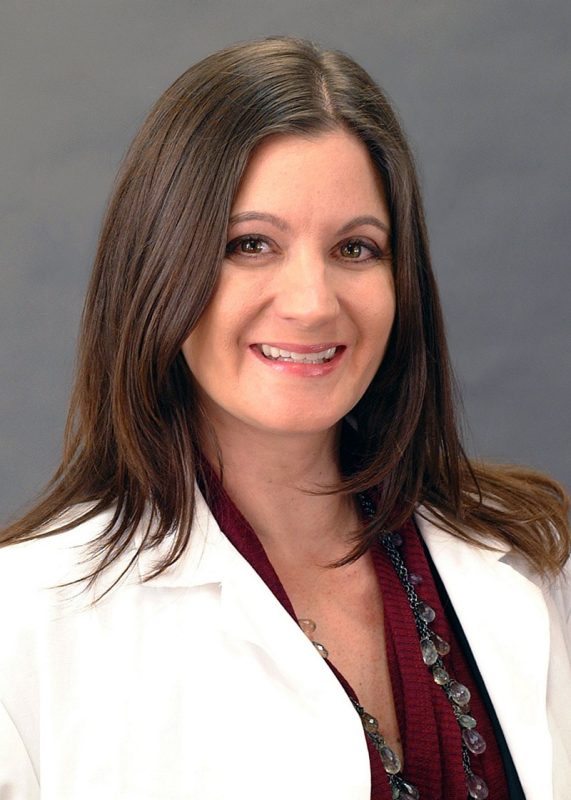
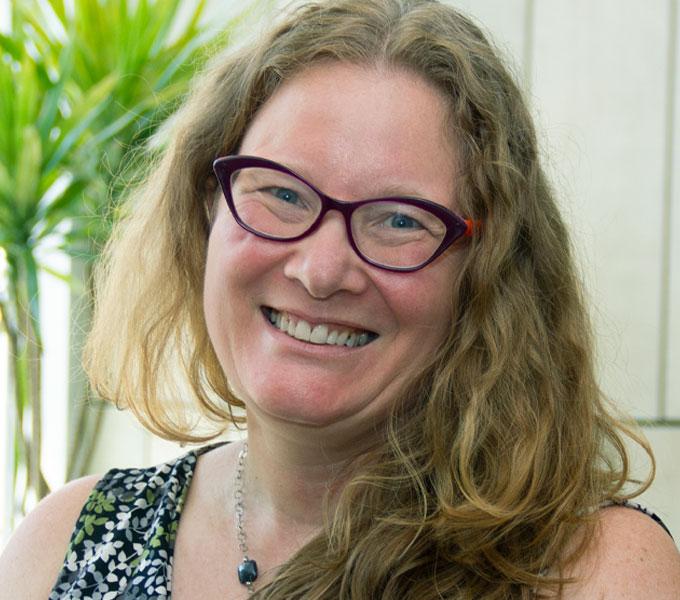
Michelle H. Theus is a Professor of Molecular and Cellular Neurobiology at the Department of Biomedical Sciences and Pathobiology , Virginia-Maryland College of Veterinary Medicine, Virginia Tech. She serves as Director of the Neurotrauma Research Program and co-director of the Translational Biology, Medicine, and Health Graduate Program. Education: PhD in Neuropathology and Laboratory Medicine (2006), Medical University of South Carolina; Board Certifications in Clinical Laboratory Science and Histocompatibility Research Focus : Her work investigates Eph receptor signaling in neurovascular and neuroimmune responses after brain injury. Key areas include cerebrovascular remodeling, neuroinflammation, neurogenesis, and therapeutic peptide development for post-traumatic epilepsy and stroke recovery. Publications (2022-2025) emphasize single-cell transcriptomics of immune responses STING signaling in microglia EphA4’s role in efferocytosis collateral vessel mechanisms in stroke Her lab employs murine models and advanced imaging to study neurovascular integrity and innate immunity modulation. Grant Funding includes multiple NIH R01 awards (2019-2026) targeting age-dependent immunity in TBI, inflammation suppression, and stroke-related arteriogenesis.
Dr. Wei Li is a British Heart Foundation Senior Basic Science Research Fellow at the Victor Phillip Dahdaleh Heart & Lung Research Institute, affiliated with the Department of Medicine at the University of Cambridge. Her work bridges structural biology, protein engineering, and cardiovascular medicine through studies of TGF-beta and BMP signaling pathways. PhD in Biochemistry (University of East Anglia) Postdoctoral research at Cambridge Institute for Medical Research Co-founder of Morphogen-IX (acquired by Centessa Pharmaceuticals) Research focuses on protein-protein recognition mechanisms in extracellular TGF-beta/BMP signaling, particularly the BMP9(10):ALK1:BMPRII pathway in vascular endothelial cells. Key findings include discoveries about redox-dependent BMP9 regulation, prodomain function in BMP10, endoglin's dual role in signaling, and the first crystal structures of BMPRII complexes. Her work has direct implications for hereditary haemorrhagic telangiectasia (HHT) , pulmonary arterial hypertension (PAH) , and preeclampsia. Selected publications highlight multidisciplinary approaches combining structural biology, proteomics, RNAseq, and in vivo models. Notable outputs include patents for non-osteogenic BMP variants and translational insights into vascular protection. Awards include the 2023 BHF Research Fellow of the Year and 2023 Eureka International Certificate in Translational Medicine. 2023 : Recognized for BHF leadership role in project grant committee Developed novel therapeutic BMP variants with clinical potential
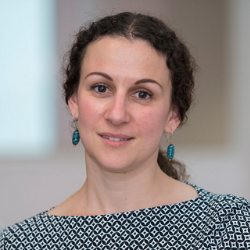
Rasna Sabharwal, PhD is an Assistant Professor at the University of Iowa in the Department of Cardiovascular Medicine and Department of Neuroscience and Pharmacology. Her research focuses on neurohumoral control of circulation in diseases like cardiomyopathy, heart failure, hypertension, Alzheimer’s disease, and amyotrophic lateral sclerosis (ALS), utilizing integrative physiological approaches in genetically modified mice. Education: PhD in Physiology (University of Birmingham, UK); Research Fellow in Internal Medicine (University of Iowa) Affiliations: Biomedical Science (Molecular Medicine), Neuroscience Graduate Program; Cardiovascular Research Center, Fraternal Order of Eagles Diabetes Research Center, Iowa Neuroscience Institute Her laboratory combines in vivo techniques (radiotelemetry, optogenetics, microdialysis) with molecular methods (siRNA, RNAseq) to study the renin-angiotensin system, sympathetic nervous system, and hypothalamic-pituitary-adrenal axis. Recent work includes Alzheimer’s disease models , sex-based differences in autonomic regulation , and microparticle-based therapies for muscular dystrophy. She has received training grants from the National Institutes of Health and collaborates with the Pain Research Program.
Maria Christophorou is a Tenure Track Group Leader at the Cambridge Stem Cell Institute and the Epigenetics Department at the Babraham Institute, University of Cambridge. She leads the Christophorou Group which focuses on understanding how developmental cues and cellular stresses are translated into epigenetic changes through the biochemical regulation of epigenetic factors, with particular emphasis on PADI enzymes and protein citrullination. Her research integrates biochemistry, cell and molecular biology, genomic and epigenetic approaches, and mouse model systems to investigate the mechanisms that modulate epigenetic regulators in health and disease. Dr. Christophorou's research expertise centers on protein citrullination, a post-translational modification that converts arginine residues to citrulline. Her work explores how peptidylarginine deiminases (PADI enzymes) regulate chromatin structure, pluripotency, and cellular responses to stress. She has made significant contributions to understanding the role of PADI4 in stem cell biology, the evolutionary origins of citrullination, and the implications of dysregulated citrullination in autoimmunity, neurodegeneration, and cancer. Her interdisciplinary approach bridges molecular mechanisms with physiological outcomes, revealing how epigenetic regulation shapes cellular identity and function during development and disease. Her recent publications demonstrate a strong focus on developing tools to study PADI enzymes, creating comprehensive maps of citrullination sites across the proteome, and investigating the evolutionary history of citrullination. The research shows progression from fundamental mechanistic studies toward translational applications, particularly in understanding how citrullination contributes to autoimmune diseases like rheumatoid arthritis and potential therapeutic targeting of PADI enzymes. Sir Henry Dale Fellow (Wellcome Trust and Royal Society) Wellcome-Beit Prize recipient EMBO Long-Term Postdoctoral Fellowship HFSP Long-Term Postdoctoral Fellowship Chancellor's Fellowship at University of Edinburgh Dr. Christophorou actively mentors PhD students, postdoctoral researchers, and visiting scientists in her laboratory. Her group has secured significant funding including the Sir Henry Dale Fellowship from the Wellcome Trust and Royal Society, supporting research into the biochemical regulation of epigenetic factors. She has successfully guided multiple students through PhD completion, with alumni now in positions at research institutions including the MRC Human Genetics Unit, Oxford University, and industry roles. The Christophorou Group operates within the Epigenetics Programme at the Babraham Institute and maintains strong connections with the Cambridge Stem Cell Institute. The laboratory employs a multidisciplinary team of researchers with expertise spanning biochemistry, proteomics, cell biology, and computational analysis to investigate the complex roles of protein citrullination in cellular physiology and disease mechanisms.
Professor Adam Butterworth from the University of Cambridge 's Department of Public Health and Primary Care leads a collaborative international research group focusing on genomics , multi-omics , and cardiometabolic diseases . Affiliated with the Cardiovascular Epidemiology Unit, his work emphasizes Large-scale population datasets Reproducible research methodologies Open science initiatives Research interests span genetic risk prediction , molecular epidemiology , and biomarker development for conditions like coronary artery disease, diabetes, and neurovascular disorders. His group specializes in Mendelian randomization techniques Polygenic score optimization Proteogenomic analysis Metabolic pathway modeling Scientific contributions include Developing flashfmZoom for GWAS fine-mapping Advancing multi-ancestry polygenic risk scores Exploring gene-environment interactions in cardiometabolic health Characterizing inflammatory protein pathways in immune-mediated diseases Contact: asb38@cam.ac.uk | Google Scholar: Profile
Professor John Fraser is affiliated with the Institute for Molecular Bioscience at the University of Queensland , where he holds a position under the Faculty of Health, Medicine and Behavioural Sciences . His research focuses on critical care medicine, cardiovascular health, and extracorporeal membrane oxygenation (ECMO) technologies. Education : Not explicitly mentioned Research Interests : Professor Fraser's work spans critical care medicine, cardiovascular research, and medical technology development. His recent publications address: Neurological complications in critically ill patients Mitochondrial transplantation for organ preservation ECMO-related hemodynamic challenges Post-ICU rehabilitation strategies Artificial circulation hemostasis Pulmonary injury mechanisms Scientific Trends : His 2025 publications demonstrate expertise in: ECMO optimization Neurological monitoring in ICU Organ preservation techniques Pulmonary mechanics analysis Post-viral critical care Medical informatics applications Grants & Funding : Currently leading/associated with grants from Monash University , TPCH Foundation , and The Common Good focused on: ECMO technology improvement Cardiovascular rehabilitation ICU monitoring equity Donor organ preservation Supervision : Actively supervises PhD candidates working on topics like: Novel pulmonary imaging ECMO blood flow patterns Vascular endothelial preconditioning Healthcare access for Indigenous populations
Dhanya Ravindran serves as an Adjunct Lecturer within the Faculty of Medicine and Health Executive at the University of Sydney, specifically affiliated with the FMH Executive Dean's Unit. Her research bridges molecular cardiology and translational medicine, focusing on therapeutic interventions for cardiovascular pathologies. Her primary research domains include: Cardiovascular Diseases (myocardial infarction, arrhythmias) Genetic Disease Mechanisms Gene/Cell Therapy Development Pathological vs. Physiological Angiogenesis Atherosclerosis Progression Chemokine Signaling Networks Analysis of her 2017-2023 publications reveals a cohesive research trajectory centered on chemokine modulation in vascular diseases. Key innovations include selective inhibition strategies that block inflammation-driven angiogenesis while preserving ischemic repair mechanisms, alongside novel delivery systems for cardioactive therapeutics in porcine models. Her work consistently employs murine and porcine disease models to evaluate translational potential. No scientific awards or grant funding details were specified in available sources. Information regarding student supervision, laboratory infrastructure, or collaborative teams remains undocumented in the provided materials.
Avneesh Kumar Singh, PhD, serves as Associate Professor in the Department of Surgery at the University of Maryland School of Medicine. His research pioneers cardiac xenotransplantation using genetically engineered pig hearts to address the critical organ shortage for heart failure patients, with landmark contributions including the first FDA-approved pig-to-human heart transplant. Education: B.Sc. (Hons.) in Zoology, Aligarh Muslim University, Aligarh, UP, India M.Sc. in Zoology, Aligarh Muslim University, Aligarh, UP, India Ph.D. in Zoology (Immunogenetics), Sanjay Gandhi Postgraduate Institute of Medical Sciences, Lucknow, UP, India Dr. Singh's research centers on overcoming immunological barriers in xenotransplantation through genetically modified pig donors and novel immunosuppression strategies . His work investigates immune tolerance mechanisms , particularly the role of regulatory T cells and NKT cells in preventing graft rejection. Key focus areas include antibody-mediated rejection , coagulation dysregulation , and innate immune responses in cardiac xenografts, with direct clinical translation potential. His 15 most recent publications (2014-2022) demonstrate consistent progress toward clinical application, evolving from preclinical survival studies to actual human transplantation. The research trajectory shows increasing sophistication in genetic engineering of donor pigs (triple-knockout with multiple human transgenes), targeted immunosuppression (anti-CD40 antibodies), and management of coagulation complications (thrombomodulin expression). Scientific Awards: Young Investigator Travel Grant (2013) for International Xenotransplantation Meeting Sidney P. Colowick Award for Postdoctoral Research (2002) Dr. K.S. Krishnan Research Fellowship (1993) National Merit Scholarship (1985) Dr. Singh has secured significant research funding as Co-Investigator in the NHLBI/NIH Cardiothoracic Surgery Research Program (2007-2017), focusing on pig-to-baboon cardiac xenotransplantation models. His mentorship extends to junior researchers in immunology and transplantation surgery, with collaborative projects spanning Vanderbilt University, Johns Hopkins, and NIH laboratories. His laboratory maintains active collaborations with the University of Maryland Medical Center's transplant program and industry partners developing genetically engineered pigs. Current work focuses on optimizing donor pig genetics and immunosuppression protocols to achieve sustained xenograft survival beyond current benchmarks.
Mercedes Paredes is an Associate Professor in Residence in the Department of Neurology at the University of California, San Francisco School of Medicine. Her research focuses on understanding human brain development, with particular emphasis on neural stem cells, neurogenesis, and interneuron migration in the developing human brain. Dr. Paredes has established herself as a leading researcher in the field of developmental neurobiology through her extensive publication record in top-tier journals. Dr. Paredes' research interests span multiple critical areas of neuroscience including human brain development, cortical organization, neural stem cell biology, and the mechanisms underlying brain malformations. Her work has significantly advanced our understanding of how interneurons develop and migrate in the human brain, with important implications for neurological disorders. She employs cutting-edge techniques including single-cell analysis, multi-omic approaches, and advanced imaging to investigate the cellular and molecular mechanisms of human neurodevelopment. Analysis of Dr. Paredes' recent publications reveals a consistent focus on human-specific aspects of brain development. Her research demonstrates how human neural development differs from model organisms, particularly in the timing, organization, and molecular regulation of neurogenesis. She has made significant contributions to understanding the role of vascular cells in neural stem cell niches, the dynamics of interneuron development, and the molecular mechanisms underlying cortical malformations. Dr. Paredes has been actively involved in multiple collaborative research projects investigating the developing human brain. Her laboratory likely employs a multidisciplinary approach combining molecular biology, cellular neuroscience, and advanced imaging techniques to address fundamental questions about human brain development. While specific grant information isn't provided in the available text, her extensive publication record suggests successful funding from major research agencies.
Gerardo R. Vasta, PhD is a Professor in the Department of Microbiology and Immunology at the University of Maryland School of Medicine and the Institute of Marine and Environmental Technology. With a distinguished academic career spanning over four decades, Dr. Vasta has established himself as a leading research scientist in glycosciences, particularly in the field of protein-carbohydrate interactions in innate immunity, development, and cancer. Dr. Vasta's research program has been continuously supported by major funding agencies including the National Science Foundation, National Institutes of Health, and National Oceanic and Atmospheric Administration. His work has revealed key insights into the structural and functional relationships of carbohydrate binding proteins across diverse model systems including zebrafish, C. elegans, eastern oyster, and mice. Early in his career, he focused on C-type lectins in innate immune recognition in non-mammalian models, which later evolved into extensive studies on galectins in development, immune regulation, and pathogen recognition. His laboratory has made significant contributions to understanding galectin roles in skeletal muscle development, eye lens development, retinal regeneration, prostate cancer diagnostics, and host-pathogen interactions. Notably, his research demonstrated that galectins can recognize pathogenic viruses such as influenza A and facilitate viral infection while promoting subsequent pneumococcal pneumonia. His work spans fundamental structural and biophysical aspects of protein-carbohydrate interactions to translational applications including the development of natural and synthetic inhibitors for lectin binding. Dr. Vasta's scientific contributions are reflected in numerous high-impact publications, including a seminal 2009 review in Nature Reviews Microbiology titled 'Roles of galectins in infection.' His research shows a consistent evolution from basic characterization of lectins in invertebrate systems to sophisticated molecular understanding of galectin functions across species, with implications for human health and disease. J. William Fulbright Scholar International Award (2007) National Award 'Raíces' from Argentina's Department of Science, Technology, and Innovation (2016) Faculty Award from University of Maryland Biotechnology Institute (2006) Board of Scientific Counselors Review at National Institute of Dental and Craniofacial Research (2011) Editorial Board Member for Glycobiology, Journal of Marine Biology, and Invertebrate Immunity Throughout his career, Dr. Vasta has been deeply committed to education and training, mentoring numerous PhD and MSc students while regularly hosting high school and undergraduate summer interns in his laboratory. His research has involved extensive collaborations across disciplines, demonstrating his ability to bridge fundamental glycobiology with practical applications in immunology, infectious disease, and cancer research.
Marnie Bertolet, PhD, serves as Associate Professor in Biostatistics at the University of Pittsburgh with secondary appointments in Epidemiology and affiliation with the Clinical & Translational Science Institute. Her research bridges maternal-child health, aging trajectories, health equity, and cardiovascular clinical trials through advanced biostatistical methodologies. Her educational foundation includes: BA in Mathematics from Shippensburg University (1993) MEng in Operations Research and Industrial Engineering from Cornell University (1995) MS in Statistics from Carnegie Mellon University (2002) PhD in Statistics from Carnegie Mellon University (2008) Dr. Bertolet investigates maternal factors influencing preterm birth and long-term cardiovascular outcomes, pregnancy-related impacts on dementia risk, and health disparities through subgroup analyses in Black populations. Her biostatistical expertise drives innovations in transfusion medicine and cardiovascular trial design, particularly for anemia management in myocardial infarction. Analysis of her 2022-2025 publications reveals dominant themes in cardiovascular outcomes optimization (transfusion thresholds, biomarker dynamics), maternal health epidemiology, and neurodegenerative health disparities. Methodologically, her work leverages target trial emulation, longitudinal modeling, and subgroup analysis to address complex clinical questions. Her diversity contributions are recognized through: Certificate in Diversity and Inclusion Diversity in the Curriculum award for integrating equity into clinical trial coursework As lead statistician for NIH-funded trials including MINT, BARI 2D, SCD-CARRE, Wheel Chair 2, and SPARC, she designs DSMB monitoring protocols and analytical frameworks for multicenter studies. Her teaching in machine learning and Bayesian analysis further extends methodological impact. She collaborates extensively with interdisciplinary teams across institutions, contributing biostatistical leadership to cardiovascular, maternal health, and neurodegenerative research consortia.
Dr. Femke Verseijden serves as an Assistant Professor in the Department of Clinical Sciences at Utrecht University's Faculty of Veterinary Medicine, specializing in Companion Animal Surgery. She is recognized as an EBVS® European Specialist in Small Animal Surgery, having completed the rigorous three-year postgraduate program and examination required for this certification. Her work is based at the Prof. Dr. H. Jakob Building on Yalelaan in Utrecht. Dr. Verseijden's research spans veterinary regenerative medicine with particular expertise in stem cell therapy and tissue engineering applications for companion animals. Her work focuses on adipose tissue-derived stem cells, their chondrogenic potential, and applications for treating canine orthopedic conditions, particularly hip dysplasia. She has pioneered research on 3D-printed titanium implants for acetabular rim extension procedures in dogs, with multiple recent publications documenting surgical techniques and clinical outcomes. Her research also extends to stem cell sheet applications for tissue healing and addressing surgical complications like colon anastomotic leakage. Analysis of her publication record from 2008-2025 reveals a clear research trajectory evolving from fundamental stem cell biology toward increasingly translational veterinary surgical applications. Early work focused on in vitro characterization of adipose-derived stromal cells and vascularization mechanisms, while her recent publications (2023-2025) emphasize clinical applications, surgical techniques, and outcome assessments for canine hip dysplasia treatments using advanced implant technologies. EBVS® European Specialist in Small Animal Surgery Dr. Verseijden maintains active collaborations with veterinary surgical researchers including Meij, B.P., Tryfonidou, M.A., and Kirpensteijn, J., resulting in numerous high-impact publications in veterinary and tissue engineering journals. Her work bridges fundamental stem cell research with practical surgical applications, contributing significantly to advances in veterinary orthopedics and regenerative medicine. Her research program appears well-integrated within Utrecht University's veterinary surgical facilities, with particular emphasis on developing and refining surgical techniques for companion animal orthopedics, especially innovative implant solutions for hip dysplasia. Current work focuses on 3D-printed titanium acetabular rim extensions and their clinical outcomes in canine patients.
Dr. Katerina Xenaki is a Researcher in the Pharmaceutical Sciences department at the Faculty of Science, Utrecht University. She is based at the David de Wied building, University Road 99, Room 3.76, 3584 CG Utrecht. Her research focuses on nanobody engineering and applications in cancer therapeutics and molecular imaging. Dr. Xenaki's research interests center around nanobody technology, particularly their application in tumor targeting and cancer therapy. Her work spans from fundamental structural studies of nanobodies to their practical applications in drug delivery systems. She has made significant contributions to understanding how nanobodies can be engineered for homogeneous tumor targeting, with studies demonstrating long-lasting tumor remission in animal models. Her research also explores the use of nanobodies in photodynamic therapy, blood-brain barrier penetration, and the development of advanced tumor models. Analysis of her publication record from 2017-2025 reveals a strong focus on pharmaceutical applications of nanobodies, with particular emphasis on tumor targeting mechanisms, structural characterization of nanobody interactions, and therapeutic applications. Her work frequently involves collaboration with researchers like van Bergen En Henegouwen and Oliveira, demonstrating an interdisciplinary approach that bridges pharmaceutical sciences, molecular biology, and oncology. Dr. Xenaki completed her doctoral thesis in 2024 titled 'Engineering of camelid VHHs: applications in structural studies, diagnosis and solid tumor therapeutics,' which represents a comprehensive contribution to the field of nanobody engineering and applications.
Dr. Hedwig Kruitwagen is an Assistant Professor at the Faculty of Veterinary Medicine , Utrecht University, specializing in Internal Medicine of Companion Animals . As an EBVS® European Veterinary Specialist in Small Animal Internal Medicine , her work bridges clinical practice and translational research. Research Interests: Her primary focus lies in hepatology and regenerative medicine for liver diseases in companion animals. Key areas include: Hepatic progenitor cell biology Liver organoid transplantation Translational medicine applications High-throughput RNAi screening Publications demonstrate expertise in canine and feline liver disease models, with recent work on vascular cell imprinting and stem cell regenerative strategies. She contributes to organoid technology development and metabolic liver disorder research. Education & Roles: After graduating in July 2010, she completed a PhD thesis (2017) on growth factors in liver regeneration. Currently serves as a postdoctoral fellow while maintaining clinical teaching responsibilities. Methodologies include immunofluorescent staining, molecular characterization of stem cell niches, and development of innovative vascular access systems for canine liver research.
Jerónimo Aragón Vela is an Assistant Professor in the Department of Health Sciences at the Faculty of Health Sciences, University of Jaén, specializing in exercise physiology and sports science. His research investigates physiological responses to exercise, nutrition, and environmental stressors across diverse populations from children to athletes and older adults. He earned his doctorate from the University of Granada in 2017 with the thesis "Validation of α-actin as a marker of muscle damage in different sports," supervised by Dr. Luis Fontana Gallego and Dr. Jesús Rodríguez Huertas. His academic foundation combines rigorous experimental physiology with clinical applications. Research priorities include sexual dimorphism in exercise response, hypoxia adaptation mechanisms, mitochondrial function in metabolic disorders, and nutritional interventions for cardiovascular health. Recent work emphasizes sex-dependent physiological variations, marathon pacing dynamics, and molecular pathways in exercise recovery. His systematic reviews demonstrate methodological expertise in meta-analytical approaches to complex physiological questions. Current publications (2023-2025) reveal three dominant trends: 1) Sex-specific physiological responses to exercise timing and environmental stressors, 2) Nutritional modulation of metabolic and cardiovascular outcomes in diabetes and NAFLD, and 3) Translational applications of exercise physiology in aging populations and athletic performance. The integration of molecular biology with whole-body physiology characterizes his interdisciplinary approach. He actively supervises theses and contributes to academic curricula through teaching guides in animal physiology, nutrition therapy, and research ethics. His educational materials reflect commitment to evidence-based pedagogy in health sciences education.