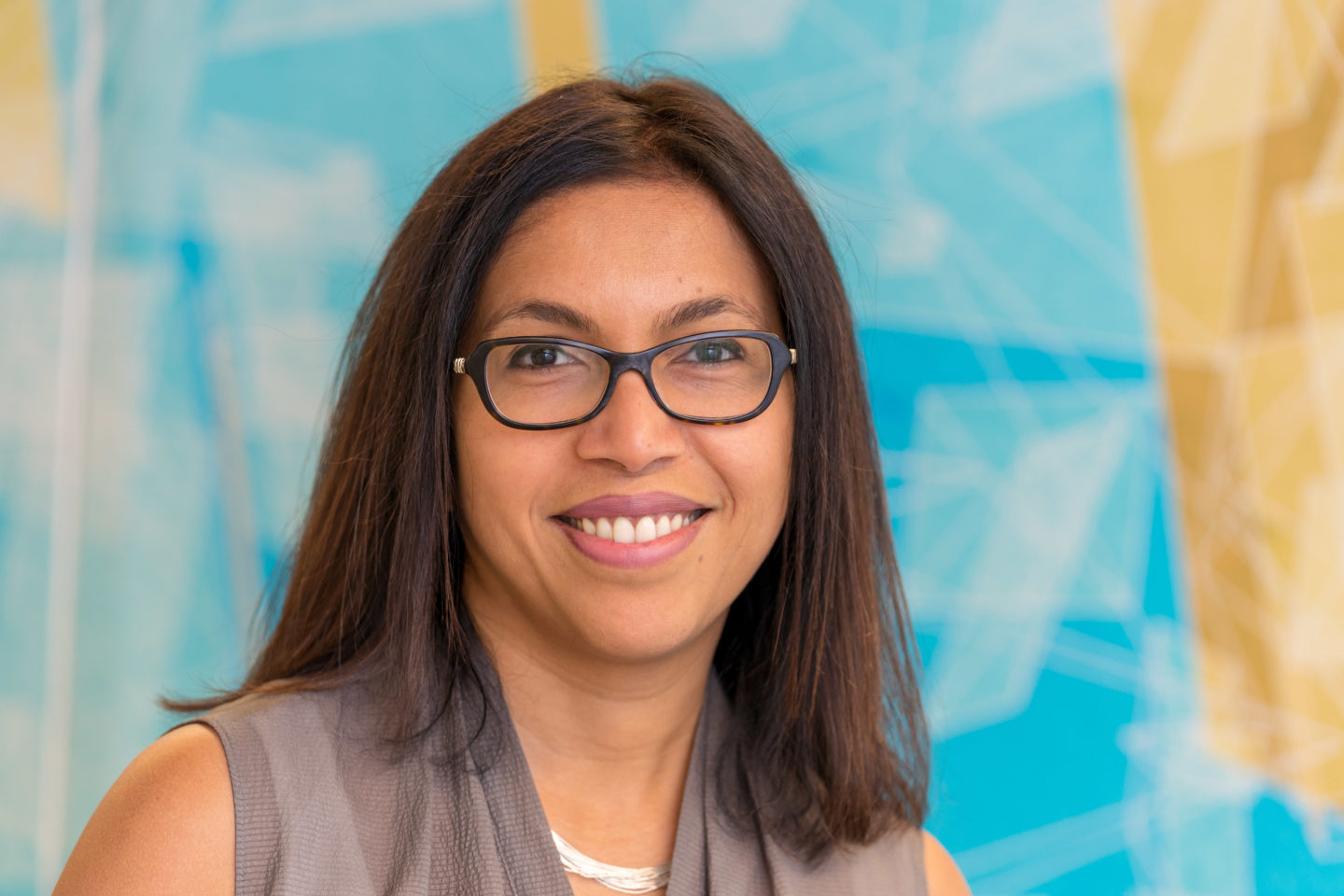
Tanzeem Choudhury is a Professor at the Jacobs Technion-Cornell Institute at Cornell Tech, specializing in Information Sciences. She co-founded HealthRhythms Inc. and directs the People-Aware Computing lab, focusing on machine learning for human activity and social network analysis. Her work pioneered the 'Reality Mining' field, leveraging mobile sensors to model social interactions. Choudhury holds a Ph.D. from MIT's Media Lab and B.S. in Electrical Engineering from the University of Rochester. Her research spans wearable tech, mental health interventions, and ubiquitous computing. Notable projects include affective touch wearables for anxiety reduction, stress detection systems (e.g., StressSense), and the BeWell app for well-being monitoring. Choudhury has been recognized as an ACM Fellow and SIGCHI Academy member, with impactful contributions to healthcare technology and sensor-based behavioral analysis. Current lab initiatives include developing closed-loop interventions for mental health, equity-driven sensing systems, and exploring AI integration in psychotherapy. She advises PhD students on topics like digital biomarkers, burnout detection in healthcare workers, and smartphone-based mental health assessment. Education: Ph.D. in Media Arts & Sciences (MIT), M.S. (MIT Media Lab), B.S. in Electrical Engineering (University of Rochester) Lab Team: Includes PhD candidates (Dan Adler, Yiran Zhao) and researchers focusing on health AI, wearable devices, and clinical applications. Major Awards: ACM Fellowship (2020), SIGCHI Academy (2018), Best Paper Awards at Ubicomp and MobileHCI conferences. Key Projects: OptoBeat (skin-tone calibrated blood oxygen sensor), EmotionCheck (anxiety intervention), and Affective Touch devices.
Dr. Kaya de Barbaro is an Associate Professor in the Department of Psychology at the University of Texas at Austin (College of Liberal Arts). She holds a Ph.D. from the University of California San Diego. Her research focuses on bridging computer science and developmental/clinical psychology, particularly maternal mental health and infant social-emotional development. She directs the Daily Activity Lab, which uses mobile/wearable sensors and machine learning to analyze real-world interactions, aiming to develop just-in-time interventions for new mothers. Key research areas include maternal-infant dynamics, physiological synchronization, and the impact of environmental chaos on development. She has pioneered methods for analyzing high-density data, such as Granger causality and machine learning algorithms to detect behaviors like crying and holding. Recent work emphasizes leveraging ecological momentary assessment surveys and 24-hour LENA audio recordings to understand proximal mechanisms of development. Dr. de Barbaro teaches Psychology 333D (Introduction to Developmental Psychology) and has developed curricula for both in-person and online formats. She is actively involved in training students through the Eureka program at UT Austin. Her lab collaborates on tools like chatbots for postpartum mental health and has published extensively on sensor-based methodologies in developmental science.
Richard W. Robins is a Professor in the Department of Psychology at the University of California, Davis, within the College of Letters and Science. He is Director of the Personality, Self and Emotion Laboratory and the California Families Project, and a core faculty member of the NIMH Training Program in Affective Science. Ph.D. in Psychology (Social/Personality), University of California, Berkeley (1995) B.A. in Psychology, University of California, Berkeley (1988) His research centers on personality development, self-esteem, narcissism, self-conscious emotions (pride, shame, guilt, contempt), and developmental trajectories of Mexican-origin youth. He employs longitudinal and experimental designs with multi-method data collection across biological, psychological, and sociocultural domains. His recent publications reflect a strong trend in longitudinal analysis of personality and emotion, particularly focusing on developmental pathways in youth, self-evaluation processes, and cultural influences on emotional expression. Key themes include the interplay between temperament and social behavior, the stability of self-esteem, and the distinction between genuine self-worth and narcissism. Award highlights include: 2012 Diener Award for Outstanding Mid-Career Contributions to Personality Psychology Fellow of the Society for Personality and Social Psychology (2011) Distinguished Scientific Award for Early Career Contribution (APA) Theoretical Innovation Prize (SPSP) Chancellor’s Fellow at UC Davis (2002–2007) Professor Robins has secured research funding from the National Institutes of Health, particularly supporting the California Families Project. He has served as Associate Editor for Personality and Social Psychological Review and Journal of Personality and Social Psychology , and has edited major handbooks in personality psychology. He mentors graduate students and teaches courses in Personality Psychology, Personality Development, The Self, Emotion, and Longitudinal Methods. He leads the Personality, Self and Emotions Laboratory at UC Davis, which focuses on social development, emotion regulation, and self-esteem using integrative and naturalistic research approaches.
Alexander T. Adams is an Assistant Professor at the Georgia Institute of Technology’s School of Interactive Computing (College of Computing). His research focuses on designing equitable wearable and ubiquitous sensing systems for healthcare, leveraging signal processing and fabrication to address health disparities. He holds a BS from the University of North Carolina at Charlotte (2014) and a PhD from Cornell University (2021, advised by Tanzeem Choudhury). Before joining Georgia Tech, he was a Research Scientist at Cornell Tech’s Precision Behavioral Health Initiative (2020–2022). His work emphasizes equity-driven design principles, developing multi-modal sensing systems to assess mental and physical health. Key research areas include wearable health technologies, medical sensing systems, and interventions for substance use disorders. Recent projects involve smartphone-based diagnostic tools (e.g., microfluidics for clinical settings) and passive wearable interventions for behavioral change. Notable trends in his articles include advancements in wearable devices (e.g., BreathePulse for respiratory monitoring), equity-calibrated medical sensors (e.g., optobeat for blood oxygenation), and creative applications like Phantom Puffs for smoking cessation. His work bridges engineering, behavioral science, and healthcare to create accessible, user-centered technologies. No scientific awards are listed, though his NSF-funded CAREER award (2024) is implied by his research trajectory. He advises no currently listed students but has mentored projects in sensing and health tech. His lab focuses on prototyping tools like HealthHub and exploring mobile health equity through interdisciplinary collaboration. Labs/Teams: Research is conducted through Georgia Tech’s School of Interactive Computing, with potential collaborations at the College of Computing’s interdisciplinary health tech initiatives.
David Welsh is a Professor in the Department of Management and Entrepreneurship at Arizona State University's W. P. Carey School of Business, specializing in workplace ethics, unethical behavior, and organizational dynamics. His research has been published in top-tier journals and featured in mainstream media. Ph.D. in Management (University of Arizona, 2014) J.D. (University of Utah, 2010) B.S. in Management (Southern Utah University, 2007) His research focuses on behavioral ethics , ethical decision-making , and self-regulation , examining how performance goals, leadership styles, and social influences affect workplace morality. Recent work explores prosocial behaviors like voice and organizational citizenship alongside unethical transgressions. Welsh's articles reveal trends linking ethical leadership to dual outcomes of organizational effectiveness and unintended deviance, goal-setting to depletion and unethicality, and social dynamics to peer-driven moral behavior. His studies often employ field experiments and experience sampling methodology. Ascendant Scholar award (Western Academy of Management, 2019) W. P. Carey Dean's Mid-Career Research award (2022) Outstanding Practical Implications for Management Paper award (2021) Professional MBA Faculty Excellence award (2022) At ASU, Welsh mentors doctoral students, serves on PhD committees, and manages the Management Department Behavioral Lab. He is an Associate Editor at Personnel Psychology and teaches graduate courses on research, ethics, and dissertation advising.
Christopher Thomas Sege, PhD is an Assistant Professor in the Department of Psychiatry and Behavioral Sciences at the Medical University of South Carolina (MUSC) College of Medicine. His research focuses on the neurophysiological mechanisms underlying anxiety disorders, particularly examining escape, avoidance, and approach behaviors in the anxiety disorder spectrum. Dr. Sege's primary research interests include: Anxiety Disorders and Emotional Processing Defensive Behaviors and Coping Mechanisms Neurophysiological Correlates of Emotional Anticipation Startle Response and Autonomic Nervous System Functioning Transcranial Magnetic Stimulation (rTMS) Applications His work bridges clinical psychology with neuroscience to understand how individuals with anxiety disorders process and respond to emotional stimuli. Dr. Sege leads the research study "Modeling and Modulating Mechanisms of Escape, Avoidance, and Approach in the Anxiety Disorder Spectrum" which investigates whether repetitive transcranial magnetic stimulation (rTMS) can alter how people with anxiety cope with emotional situations. This study involves measuring brain activation while participants view emotional pictures and undergo rTMS procedures. His publication record demonstrates expertise across multiple domains: Neurophysiological mechanisms of defensive behaviors Emotional anticipation and perception Startle modulation in anxiety disorders Borderline personality disorder research Development of experimental paradigms for emotional processing studies His research employs multiple methodologies including psychophysiology, event-related potentials, and neurostimulation techniques. Dr. Sege collaborates with researchers including Lisa McTeague, Bernadette Cortese, Carla Danielson, Thomas Uhde, and Aicko Schumann. His work appears in journals such as Biological Psychiatry: Cognitive Neuroscience and Neuroimaging, Biological Psychology, and Psychophysiology.
Colleen Conley is a Clinical Professor in the Department of Psychology at Loyola University Chicago, specializing in clinical psychology with a focus on adolescent and emerging adult mental health. She directs the IMPACT (Improving Mental-health and Promoting Adjustment through Critical Transitions) Lab, which conducts research on psychological well-being during developmental transition periods. Dr. Conley earned her Ph.D. from the University of Illinois at Urbana-Champaign and her B.A. from Lawrence University. Her research program blends observational studies, meta-analyses, and intervention development to improve well-being, particularly during critical life transitions like the college years. Her work examines psychological trajectories in adolescence and emerging adulthood, with special attention to gender issues and LGBTQIA+ well-being. Her research interests center on developmental psychopathology, examining the interplay between individuals and their contexts over time. She investigates how biological, psychological, cognitive, and social factors interact to influence psychological distress and well-being. Much of her work focuses on college student mental health, including trajectories of well-being during the transition to college and interventions to address mental health challenges. Analysis of her recent publications reveals a strong focus on college student mental health, with emphasis on developmental trajectories, intervention effectiveness (particularly peer-led and technology-delivered approaches), and the impact of transition periods on psychological functioning. Her work increasingly incorporates digital interventions and examines moderators of intervention effectiveness across diverse student populations. Research Mentoring Award Program recognition for mentoring award-winning students Heckler Summer Research Fellowship recognition for mentoring fellowship recipients Dr. Conley mentors numerous graduate students in the clinical psychology program, with many completing dissertations on topics related to mental health interventions, student well-being, and developmental transitions. Her IMPACT Lab collaborates with university staff, administrators, and other researchers to develop practical interventions that address student mental health needs. Current projects include Honest, Open, Proud (HOP) for stigma reduction, Wellness Advising with Motivational Interviewing (WAMI), Students Taking on Effective Post-Graduate Skills (STEPS), and Supportive Accountability Methods for Mentoring Young Adults (SAMMY-A). The lab also partners with commercial entities like Headspace for mindfulness research.
Natalie H. Brito is an Associate Professor of Applied Psychology at New York University (NYU), affiliated with the Steinhardt School of Culture, Education, and Human Development. Her research focuses on how early social and cultural contexts shape neurocognitive development in infants and toddlers, particularly in areas of attention, memory, and socio-emotional skills. Prior to NYU, she completed a postdoctoral fellowship at Columbia University Medical Center and was a Robert Wood Johnson Health and Society Scholar. Dr. Brito’s work bridges developmental psychology, neuroscience, and public policy, emphasizing the need for equitable environments that support healthy child development. She has received prestigious awards such as the APS Rising Star Award and NIH grants, reflecting her impactful contributions to understanding developmental trajectories. Her research also extends to policy implications, such as the effects of paid maternal leave on infant brain function and the role of structural inequities in maternal mental health. Key themes include early life stress, gut microbiome influences, and the neurobiological underpinnings of cognitive development. Dr. Brito has published extensively in journals like Child Development , Developmental Cognitive Neuroscience , and JAMA Psychiatry , with a focus on innovative methodologies (e.g., the OWLET gaze-tracking tool). She teaches courses on developmental psychology and the principles of applied psychology, fostering interdisciplinary approaches to human development. Her scientific accolades include recognition from the International Society of Developmental Psychobiology and the American Psychological Association, underscoring her leadership in advancing developmental science and equity-focused research.
Alison Ledgerwood is a Professor in the Department of Psychology at the University of California, Davis, and Principal Investigator of the Attitudes and Group Identity Lab. Her research examines how social context shapes attitudes and preferences, with a focus on open and inclusive scientific practices. Ph.D., Social Psychology, New York University (2008) M.A., Psychology, New York University (2006) B.A., Psychology, Amherst College (2003) Her research explores psychological distance , framing effects , and system justification theory , while methodologically advancing preregistration , collaborative science , and equity in publishing . She also investigates group identity dynamics and implicit/explicit bias measurement . Recent publications highlight her work on racial bias methodology , open science reform , and contextual framing . Awards include the 2024 Distinguished Service to the Society award, 2021 UC Davis Advising and Mentoring Award, and 2017 SPSP Service to the Field award. 2024 Distinguished Service to the Society, SPSP 2021 UC Davis Graduate Advising and Mentoring Award 2017 Service to the Field, SPSP Hellman Fellowship (2010-2011), UC Davis UC Davis Chancellor's Fellow APS Fellow SESP Fellow Ledgerwood advises on scientific integrity through roles like Chair of the Transparency and Openness Promotion (TOP) II Guidelines Task Force and Anti Colorism and Eurocentrism in Methods and Practices (ACEMAP) Task Force. Her lab fosters contextual evaluation studies and psychological distance frameworks .
Kristin Bernard, Ph.D. (University of Delaware, 2013), is an Associate Professor of Clinical Psychology at Stony Brook University’s Department of Psychology. Her research focuses on the neurobiological consequences of early adversity, parent-child relationships, and the efficacy of early parenting interventions such as Attachment and Biobehavioral Catch-up (ABC). She collaborates with Power of Two, a NYC-based nonprofit, and leads the Developmental Stress and Prevention Lab. Current grants include studies on epigenomics, maternal attachment representation, and community-based ABC interventions. Dr. Bernard’s work bridges clinical and developmental psychology, emphasizing prevention science and translational research. Education: Ph.D. in Clinical Psychology, University of Delaware, 2013. Research Interests: Child maltreatment, neurobiological impacts of early adversity, parenting interventions, psychobiology of attachment, and intervention efficacy. Her lab investigates mechanisms linking caregiving quality to child outcomes, including cortisol regulation, brain development, and behavioral compliance. Lab & Partnerships: Directs the Developmental Stress and Prevention Lab, focusing on high-risk populations. Collaborations include Power of Two for ABC implementation and NYC agencies like the Administration for Children’s Services. Current projects explore neighborhood influences on parenting (Geography of Parenting Study) and neural correlates of parenting behavior (SNAP study). Grants & Funding: Principal Investigator on NIH-funded projects (R03 HD099372, R01 MH119310) and co-PI on Stony Brook’s seed grants. Projects examine accelerated aging biomarkers and intervention effectiveness in community settings. Publications: Over 50 peer-reviewed articles and a co-authored book on ABC interventions. High-impact journals include Psychoneuroendocrinology , Development and Psychopathology , and Child Development .
Virginia Polytechnic Institute and State UniversityUnited States
Tae-Ho Lee is an Associate Professor in the Department of Psychology at Virginia Tech, with affiliated appointments in the School of Neuroscience and Translational Biology, Medicine, and Health. His research focuses on affective and cognitive neural development across the lifespan, neurodegeneration, and family-based neural dynamics. PhD in Brain and Cognitive Science, University of Southern California M.A. in Clinical Psychology, Korea University B.A. in Psychology, Korea University Dr. Lee’s work explores brain connectome dynamics, dyadic neural concordance in families, and age-related attentional control. He employs neuroimaging techniques to study how familial and environmental factors shape emotional and cognitive outcomes in adolescents and older adults. Recent publications highlight trends in longitudinal studies , parent-child neural similarity , and functional connectivity in emotion regulation . Key areas include autism spectrum disorder, substance misuse risk, and the role of socioeconomic factors in brain development. Rising Star , Association for Psychological Science (2020) Dr. Lee is not currently accepting students and leads the Affective Neurodynamics and Development (AND) Lab at Virginia Tech.
Elizabeth Bernstein is a Professor of Women's, Gender & Sexuality Studies and Professor of Sociology at Barnard College, Columbia University, where she has been a faculty member since September 2002. Her work bridges sociological theory with feminist analysis, focusing on the intersections of gender, sexuality, and political economy. Bernstein directs significant research initiatives including the Gender Justice and Neoliberal Transformations Working Group, a transnational collaboration among thirteen scholars examining gender justice in contemporary global contexts. She is currently developing a new book project titled "Imagining Immunity: Precarious Bodies and the Governance of Gendered Dis-ease," which explores immunological metaphors in understanding bodily risk and suffering. B.A., University of California, Berkeley M.A., University of California, Berkeley Ph.D., University of California, Berkeley Professor Bernstein's research focuses on the political economy of the body, gender, and sexuality, with particular attention to sexual commerce, sex trafficking, and neoliberal governance. Her work employs ethnographic methods to examine how intimate relations become sites of economic exchange and political regulation. She investigates how concepts of authenticity, freedom, and rights are mobilized in debates about sexual commerce and trafficking. Bernstein's scholarship critically engages with feminist theory, carceral politics, and transnational governance frameworks, challenging conventional approaches to sex work and trafficking that often reinforce punitive systems rather than advancing gender justice. Analysis of Bernstein's scholarly output reveals a consistent trajectory examining the intersections of gender, sexuality, and political economy within neoliberal frameworks. Her work demonstrates increasing attention to transnational governance mechanisms and their impact on intimate relations and bodily autonomy. A notable trend is her critical examination of how anti-trafficking campaigns often employ carceral logic that undermines feminist goals of gender justice. Her scholarship consistently challenges binary frameworks that position sex work solely as exploitation or liberation, instead analyzing the complex economic, political, and social dynamics that shape sexual commerce globally. Bernstein's research has received significant recognition through prestigious awards including: Distinguished Book Award, American Sociological Association, Sociology of Sexualities Section (2020) for "Brokered Subjects" Honorable Mention, Society for the Study of Social Problems Global Division Book Award (2019) Norbert Elias Prize, Norbert Elias Foundation (2009) Distinguished Book Award, American Sociological Association, Sex and Gender Section (2009) Her work has also been supported by major funding organizations including the Institute for Advanced Study, National Science Foundation, Social Science Research Council, AAUW, and Mellon Foundation. As a principal investigator along with Janet Jakobsen for the Gender Justice and Neoliberal Transformations Working Group, Bernstein leads a significant collaborative research initiative sponsored by the Barnard Center for Research on Women. Her grant portfolio demonstrates sustained support from major research institutions, reflecting the significance of her work in gender studies and sociology. While specific student advisees aren't listed in the available materials, her role as a full professor at Barnard College indicates extensive mentorship of undergraduate and likely graduate students in Women's, Gender & Sexuality Studies and Sociology. Bernstein co-leads the Gender Justice and Neoliberal Transformations Working Group, a collaboration among thirteen scholars working transnationally on questions of gender justice. This initiative represents a significant research collective examining how neoliberal policies reshape gender relations globally. Her work with the Barnard Center for Research on Women provides institutional support for this transnational feminist research network, facilitating scholarly exchange and collaborative publication projects that advance critical perspectives on gender, sexuality, and political economy.
Elizabeth A. Simpson is an Associate Professor in the Department of Psychology at the University of Miami's College of Arts and Sciences. She serves as Associate Director of the Child Division and directs the Social Cognition Laboratory, focusing on infant social and cognitive development through interdisciplinary methodologies. Education: Ph.D. in Psychology (unspecified institution) Key Research Areas: Developmental Psychology, Autism, Social Cognition, Primate Studies, Visual Attention, Infant Behavior Her research investigates individual differences in infant visual attention, social motivation, and physiological markers like salivary oxytocin. Recent studies demonstrate: Stability of attentional patterns from newborn to 14 months Sex differences in early face detection Links between oxytocin levels and social affect in infants Neurophysiological markers in newborns later diagnosed with ASD Scientific awards include the NSF CAREER grant for neonatal imitation research. She contributes to open science initiatives through the ManyBabies consortium and develops remote eye-tracking methods for broader accessibility. Current lab work explores: Parent-infant affective interactions during still-face episodes Predictive power of early attentional biases Development of pathogen avoidance behaviors Cross-species comparisons of social cognition
Jeremy K Fox is Associate Professor of Psychology at Montclair State University's College of Humanities and Social Sciences, where he directs the RECAP (Research on Emotion, Coping and Anxiety in Pediatrics) laboratory. His research examines developmental pathways to childhood anxiety and depression. Education includes: PhD in Clinical Psychology, State University of New York at Albany MA in Psychology, State University of New York at Albany BA in Psychology, Johns Hopkins University Research focuses on temperament-environment interactions, emotion regulation deficits, and school-based interventions. Current work investigates parental influences on anxiety development and peer-supported treatment models for minority youth. Articles demonstrate consistent focus on improving mental health service accessibility. Leads graduate training in clinical psychology and mentors doctoral students in anxiety research. RECAP lab investigates affective mechanisms underlying adolescent distress and develops digital interventions for school settings.
Dr. Qing Zhou is a Professor of Psychology at the University of California, Berkeley, and Director of the Culture and Family Study Lab. He received his Ph.D. from Arizona State University and specializes in understanding how cultural context, family dynamics, and temperament influence children's socio-emotional, academic, and executive function development, with a focus on immigrant families. Key research interests include: Developmental psychopathology Temperament and emotion regulation Family socialization and parenting Impact of bilingualism on child development Cultural values and migration effects on adjustment His work employs multi-method approaches, including questionnaires, behavioral observations, and neuropsychological testing, with ongoing projects like the NICHD-funded longitudinal study on dual language learners and the Chau Hoi Shuen Foundation-supported grandparent involvement research. Collaborations include scholars at UC-Davis, UC-Merced, Wellesley College, and institutions in France and Taiwan. Dr. Zhou has trained numerous students, including current doctoral candidates Xinyi Chen, Erika Roach, and Christopher Gys, as well as alumni at institutions like Harvard, Stanford, and UCSF. His lab's publications emphasize cross-cultural comparisons, longitudinal designs, and intervention implications for immigrant youth.