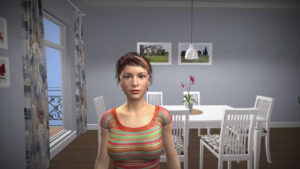
Manuela Chessa is an Associate Professor in Computer Science at DIBRIS (Department of Informatics, Bioengineering, Robotics, and Systems Engineering) within the Interschool Section of Mathematical, Physical, and Natural Sciences at the University of Genoa. Her research focuses on natural human-machine interfaces using virtual, augmented, and extended reality (XR) systems, with an emphasis on perceptual and cognitive aspects of immersive interaction. MSc in Bioengineering (2005) and PhD in Bioengineering (2009) from University of Genoa Her work integrates bioinspired models with modern XR technologies to address misperception issues, visual stress, and fatigue in immersive environments. She investigates the use of sensing (Kinect, RealSense, ZED) and visualization devices (HMDs, 3D monitors) to create ecological interaction systems grounded in human perception principles. Current research themes include: XR for rehabilitation and training User Experience (UX) in immersive systems 3D reconstruction techniques Self-avatar representation Change detection in virtual environments Her publications span topics like gamified coding in XR, cognitive aspects of interaction, and bioinspired VR design. She leads the Perception & Interaction Lab @ DIBRIS, supervising 4 PhD students and 1 research associate.
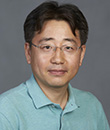
SJ (Si Jung) Kim, Ph.D. is an Associate Professor in the Department of Entertainment Engineering and Design at the Howard R. Hughes College of Engineering, University of Nevada, Las Vegas (UNLV) , and serves as the founding director of the Digital Experience Lab (DEX Lab) . With more than 20 years of interdisciplinary experience spanning human-computer interaction, mechatronics, and intelligent systems, he leads cutting-edge research that bridges cyber-physical systems and interactive media to enhance user experiences. Education: Ph.D. in Human-Computer Interaction (HCI) M.S. in Robotics B.S. in Electronic/Mechatronics Engineering Research Interests: Dr. Kim’s work centers on intelligent interactive interfaces and technologies grounded in human-factors theory and HCI principles. Core areas include: Design and evaluation of immersive AR/VR systems Machine-learning-driven human augmentation Cyber-physical systems that seamlessly merge physical and digital worlds User-centered design of next-generation entertainment and educational technologies His research agenda emphasizes interdisciplinary collaboration to push technological boundaries while ensuring meaningful human benefit. Publication Landscape: Across 50+ peer-reviewed works from 1998 to 2024, Dr. Kim’s scholarship reveals three dominant trajectories: (1) convergence of mixed reality and IoT/digital-twin ecosystems, (2) empirical studies on user presence, cognition, and performance in virtual environments, and (3) development of novel hardware–software platforms for education, healthcare, and entertainment. These contributions collectively advance the theoretical and practical frameworks for intelligent interactive systems. Professional Appointments & Collaborations: Associate Professor, UNLV (current) Director, Digital Experience Lab (DEX Lab) Former roles: Samsung Electronics, Korea Institute of Science & Technology (KIST), Electronics and Telecommunications Research Institute (ETRI), and HP Labs, Palo Alto (intern) Labs & Teams: The DEX Lab under Dr. Kim’s direction is dedicated to exploring and advancing intelligent interactive media and systems. The lab fosters an environment of collaboration among graduate researchers and industry partners, focusing on projects that integrate AR/VR, AI, and IoT to create transformative user experiences.
David Ryan Glowacki is a cross-disciplinary Research Professor at Universidad de Santiago de Compostela, specializing in the intersection of virtual reality, molecular dynamics, and computational chemistry. He is the founder of the Intangible Realities Laboratory (IRL), a research group working at the immersive frontiers of scientific, aesthetic, computational, and technological practice. His educational background includes a B.A. from the University of Pennsylvania (2003), an M.A. in cultural theory from Manchester University (2004), and a Ph.D. in molecular physics from Leeds University (2008). His diverse academic training spans chemistry, mathematics, philosophy, comparative literature, and religions, reflecting his interdisciplinary approach. Glowacki's research focuses on interactive virtual reality applications for scientific simulation and visualization, particularly in molecular dynamics and drug discovery. He has pioneered the development of interactive molecular dynamics in virtual reality (iMD-VR) as a tool for flexible substrate and inhibitor docking, reaction network exploration, and computational drug design. His work bridges computer science, nanoscience, aesthetics, and cultural theory, creating innovative approaches to scientific problems. An analysis of his recent publications reveals a strong trend toward applying virtual reality technologies to solve complex problems in computational chemistry and drug discovery. His work on iMD-VR has been particularly influential, demonstrating how immersive technologies can enhance molecular modeling, protein-ligand binding studies, and educational approaches in chemistry. He has made significant contributions to understanding reaction networks, SARS-CoV-2 protease inhibition, and the application of machine learning to molecular systems. Royal Society Research Fellowship Philip Leverhulme award ERC grant SIG-CHI best paper award Glowacki has secured substantial research funding through prestigious grants including an ERC grant and Royal Society Fellowship, enabling his innovative work at the intersection of science and technology. His Narupa framework provides an open-source, multi-person VR environment that has been applied across multiple research domains. While specific student advising isn't detailed in the provided information, his educational publications suggest active engagement in teaching computational chemistry through innovative VR approaches. As founder of the Intangible Realities Laboratory, Glowacki leads a team exploring how immersive technologies can transform scientific practice. The lab's work spans from fundamental molecular dynamics research to applications in drug discovery and mental health, demonstrating the broad impact potential of interactive VR technologies. Their citizen science approach to distributed VR experiments represents a novel methodology for conducting large-scale psychological research.
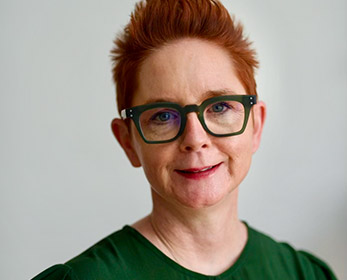
Professor Helena Grehan is Vice Chancellor’s Professorial Research Fellow at the Western Australian Academy of Performing Arts (WAAPA), Edith Cowan University. Since joining WAAPA in February 2024, she brings more than two decades of leadership in theatre and performance studies, ethics, and digital cultural heritage. Education Doctor of Philosophy (Theatre Studies), Murdoch University, 1999 Research Interests Professor Grehan’s scholarship interrogates how contemporary performance, installation and digital arts negotiate ethics and responsibility . Through critical frameworks spanning climate disaster preparedness, post-digitisation futures for vulnerable HASS collections, and the politics of spectatorship, her work connects creative practice with urgent societal challenges. Recent projects explore how extreme weather events reshape artistic practice and how digital technologies can safeguard—and re-imagine—cultural heritage. Publications & Trends Across 2021–2024, Grehan’s output has clustered around four inter-related themes: climate futures, cyber-physical aesthetics, listening ethics, and activist dramaturgy. Book chapters and journal articles repeatedly deploy performative methodologies to examine how art mediates ecological crisis, political refusal, and community resilience, signalling a scholarly trajectory that merges critical theory with applied creative research. Awards & Recognition Fellow of the Australian Academy of the Humanities (2023) Australasian Drama Studies Association Joanne Tompkins Prize for Editing (2021) Murdoch University Vice Chancellor’s Award for Distinguished and Sustained Achievement in Research (2019) Marlis Thiersch Research Award (2011) Rob Jordan Book Prize (2010) Murdoch University Vice Chancellor’s Excellence in Teaching Award (2008) Doctoral Supervision & Grants Grehan has successfully supervised over 20 HDR candidates to completion and currently leads three doctoral projects as principal supervisor, alongside one as associate supervisor. She is Chief Investigator on the ARC Linkage project Life after Digitisation: Future-proofing WA's Vulnerable Cultural Heritage (AUD $1.13 M, 2022–2027), collaborating across performing arts, information science and climate humanities. Labs & Teams At WAAPA she anchors a growing research cluster on Performance, Climate & Digital Futures , convening interdisciplinary teams across performance, design, screen, and digital humanities to prototype new models of creative practice and cultural preservation.
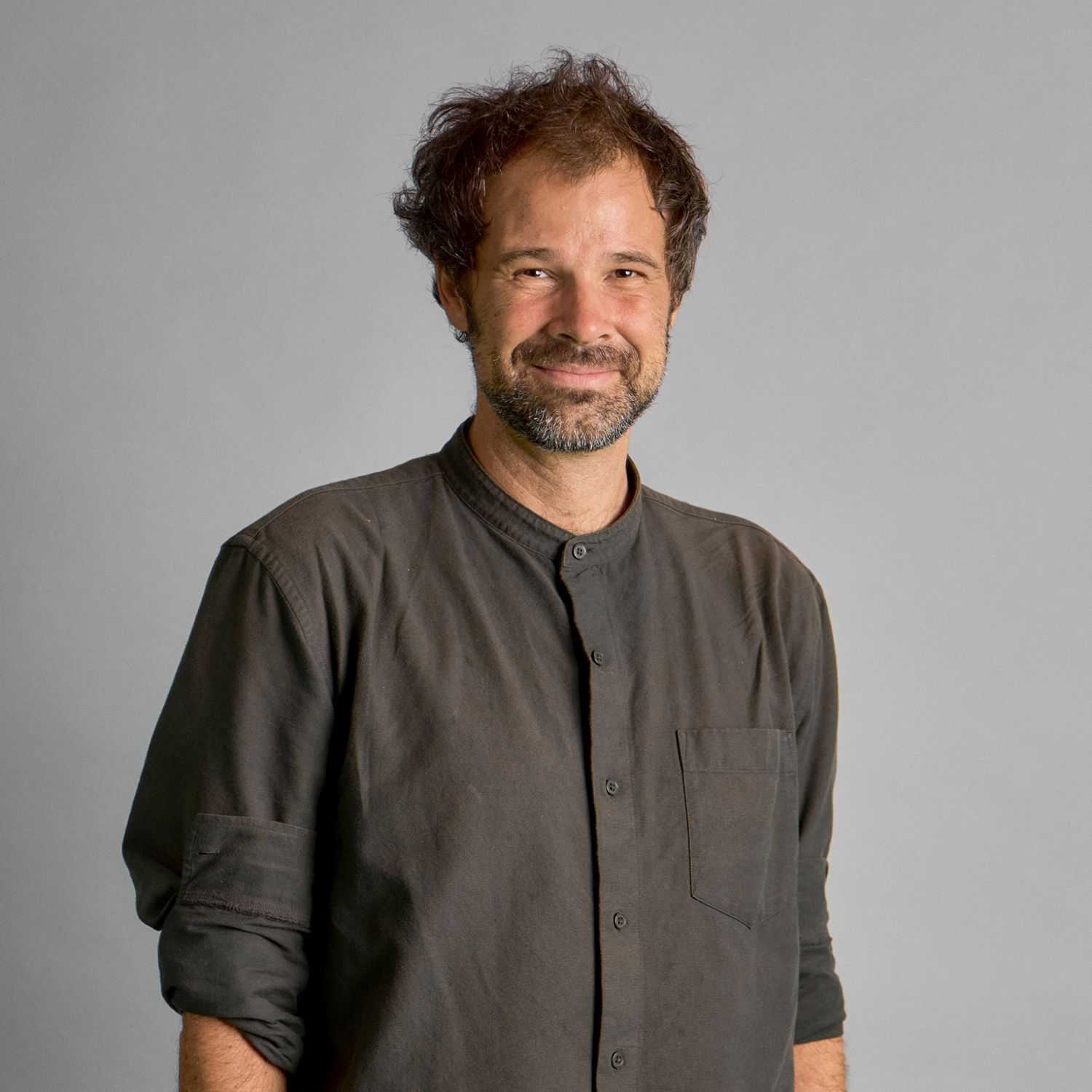
Volker Kuchelmeister is a Research Fellow at the University of New South Wales (UNSW), working as lead immersive designer at the UNSW felt Experience and Empathy Lab (feel). He has established and directed leading media-art research labs including the ZKM Centre for Art and Media Karlsruhe Germany - Multimedia Studio; UNSW iCinema Centre Media Lab and the UNSW National Institute for Experimental Art - Immersive Media Lab. Kuchelmeister is an expert in presence, embodiment and place representation for immersive applications. His research spans immersive visualization, human-computer interaction, interface design, new media in the performing arts, cinematography, interactive narrative, experimental imaging, and spatial mapping. He explores how immersive technologies can transform understanding of memory, dementia, urban environments, and cultural heritage through projects like EmbodiMap VR, InSight AR, and waumananyi: the song on the wind. His recent work focuses on using immersive technologies for health applications, particularly dementia care and mental health. Projects like The Visit VR demonstrate his commitment to using immersive experiences to foster empathy and understanding of complex health conditions while exploring new forms of documentary and therapeutic applications. Dr. Kuchelmeister has received numerous awards for his work, including: Originality and Impact Award at the 25th ACM Symposium on Virtual Reality Software and Technology (2019) Dean's Award for Excellence in Research from UNSW Art & Design (2019) Gold IDEA Award for International Design Excellence (2009) Silver Medal at the Interactive Media Design Review (2001) Kuchelmeister has collaborated as Chief Investigator on multiple Australian Research Council, Australian Council for the Arts and University grants totaling over AUD 1.5 million. He has been a Senior Research Associate on groundbreaking immersive visualization projects and is a Co-Inventor of key iCinema technologies including AVIE (Advanced Visualization and Interaction Environment), iDome, and Spherecam 360º video capture system. These platforms have been deployed across twelve sites globally and generated $6.5 million in commercial sales. His immersive experiences, interactive installations and experimental video projects are exhibited internationally in prestigious venues including Centre Pompidou Paris, The Institute of Contemporary Art Boston, ZKM Center for Art and Media Karlsruhe, Powerhouse Museum Sydney, and Museum Victoria. He has collaborated with renowned artists including Robert Lepage, Saburo Teshigawara, Liz Lecompte and The Wooster Group, and William Forsythe.
Zerrin Yumak is an Assistant Professor at the Department of Information and Computing Sciences, Faculty of Science, Utrecht University, specializing in virtual humans and social robotics. She leads Task 3.2: Embodiment and Physical Interaction in the RAGE project. Her research focuses on Social and emotional behavior analysis for virtual characters Machine learning applications in motion capture data Constrained motion graph search algorithms Lip-sync and gesture animation generation Real-time multimodal interaction systems Notable projects include the Virtual Human Controller asset for Unity 3D, integrated with BiP Media and Randstad applications. Recent work spans 2025: SemGes for semantics-aware gesture generation 2024: ProbTalk3D emotion-controllable facial animation 2023: Diffusion model-based facial animation (Facediffuser) 2020: Music-driven expressive gesture generation She contributes to workshops like GENEA (2021-2022) and MASSXR (2025), advancing non-verbal behavior modeling for embodied agents.
Dr. Alexandra Covaci is a Senior Lecturer in Digital Arts and Technology at the University of Kent, where she also serves as Deputy Head of School. Her office is located in the Jennison Building on the Canterbury campus. She teaches the undergraduate module Introduction to Virtual Reality (EL681) , focusing on VR principles and hands-on development using mobile/desktop headsets. Her research intersects virtual reality, multisensory media, human-computer interaction, and psychology. Key interests include: Leveraging VR for transformative applications (e.g., skills training for cognitive disabilities) Designing systematic multisensory experiences (visual, auditory, haptic, olfactory) Perceptual media quality and collaborative VR environments for data visualization Her publications (2019–2025) reveal strong emphases on: Healthcare VR : Dementia care, wheelchair training, and autism support Multisensory QoE : Cross-modal perception, olfactory/haptic feedback, and AV synchronization Imaging & Interaction : Light-field reconstruction, passive haptics, and conversational agents She actively supervises students in VR social scenarios, AR interaction, and complex data visualization. No awards or grants are mentioned in the source material.
John Bodinger serves as Professor of Anthropology at Susquehanna University, holding concurrent leadership roles as Chair of the Department of Sociology and Anthropology, Director of Museum Studies, Director of Diversity Studies, and Program Director for study abroad initiatives in Iceland and Morocco. His academic trajectory spans over two decades at the institution, progressing from Assistant Professor (2003) to Associate Professor (2009) to full Professor (2021), while maintaining active research and program development. His educational background includes a BA from Vassar College, followed by MA and PhD degrees from the University of Texas at Austin, where he combined photography with cultural anthropology after a decade in commercial photography. This unconventional path informs his interdisciplinary approach to visual representation and institutional analysis. Bodinger's research centers on museum studies, particularly examining Native American representation in tribal casinos and museums, Icelandic national identity construction, and the anthropology of tourism. His work critically analyzes how visual and spatial practices shape narratives of sovereignty, with significant contributions to understanding service learning pedagogy and the impacts of global crises like the COVID-19 pandemic on study abroad programs. His methodology blends ethnographic observation with visual analysis to interrogate power dynamics in representational spaces. His publication portfolio reveals evolving thematic priorities: early work focused on Mashantucket Pequot tribal representation (culminating in the 2007 monograph Casino and Museum ), expanding to Icelandic museology and critical study abroad pedagogy in recent years. This trajectory demonstrates a consistent concern with how institutions mediate cultural identity, increasingly emphasizing decolonial frameworks and crisis-responsive educational innovation. Fulbright–NSF Arctic Research Scholar Award (2017) Andrew W. Mellon Foundation Planning Grant for Museum Studies ($20,000, 2015) Sycuan Institute Tribal Gaming Research Grant ($13,250, 2009) Eight Susquehanna University Faculty Development Grants (2006-2022) As academic administrator, Bodinger directs multiple interdisciplinary programs while advising the university's Ultimate Frisbee team. His grant portfolio demonstrates strategic focus on program development (Museum Studies) and crisis-responsive pedagogy (post-pandemic study abroad). Current projects include co-authoring No Two Identical Things about the Museum of Sundry Objects and examining sovereignty narratives at Iceland's National Museum through Fulbright-supported research. Though not explicitly detailing laboratory facilities, his work involves collaborative research with Icelandic institutions and tribal nations, utilizing museum spaces as primary field sites. His leadership in the Council for Museum Anthropology and American Anthropological Association panels indicates active community engagement in shaping disciplinary discourse around representation and pedagogy.
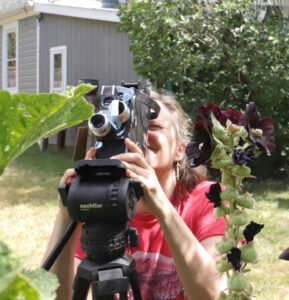
Cindy Stillwell is a Professor and Program Director of the MFA in Science & Natural History Filmmaking at Montana State University's School of Film & Photography within the College of Arts & Architecture. She is also affiliated with the Ivan Doig Center for the Study of the Lands and Peoples of the North American West and was previously a member of the University Film and Video Association from 2005 to 2023. Professor Stillwell earned her M.F.A. in Film from New York University in 1996 and her B.F.A. in Photography from the University of Georgia in 1991. Her work focuses on human and nonhuman relationships within the natural world, with particular attention to flora and fauna. She specializes in analog filmmaking techniques including hand processing super 8 and 16mm film, cameraless motion picture processes using cyanotype animation, and eco-processing techniques that utilize plant-based developers foraged on-site. Her recent creative output shows a strong trend toward environmental observation through alternative film processes, with numerous works exploring botanical subjects through hand-processed film techniques. She has created a distinctive body of work that bridges documentary, experimental, and personal essay forms, often incorporating mixed media approaches that blend film, photography, and painting. Emmy Award Nomination (2016) E. B. Craney Broadcasting Award (2016) Best Experimental Documentary, BZN International Film Festival (2021) Multiple artist residencies at MacDowell Colony, Ucross Foundation, and Helene Wurlitzer Foundation Selections at Sundance Film Festival, Museum of Modern Art, and international festivals worldwide Professor Stillwell actively mentors students through the MFA program she directs and maintains an active production schedule with numerous current projects including the 'Forget Me Not' series of flower films and 'Mojave Dreams,' an experimental documentary about Joshua Trees in the Mojave desert. Her work with Hybrid Media, LLC demonstrates her commitment to both artistic practice and practical film production. She leads the 'Forget Me Not' project, which involves growing a 'developers garden' of plants used to create eco-friendly film developers, and continues to explore the intersection of art, science, and environmental observation through her filmmaking practice.
Silvia Tengner Barros Pinto Coelho is a Researcher at the NOVA Institute of Communication (ICNOVA) within the Faculty of Social and Human Sciences at NOVA University Lisbon. Her work bridges artistic practice and theoretical research across multiple disciplines. Her research interests span a diverse range including: Arts and Artistic Research Dance Studies, Choreography, and Performance Practice Attention Studies and Attention Practices Choreographic Thinking and Process Philosophy Techno-Aesthetics and Care frameworks This interdisciplinary approach connects Anthropology, Humanities, and Communication and Arts through innovative performance methodologies. Dr. Coelho's recent publications explore virtual reality performance, mourning rituals in dance, and the relationship between choreography and cinema. Her completed research project 'Attention and Choreographic Thinking' demonstrates her focus on ethico-aesthetic paradigms across performance media. Her professional experience includes: Choreography and contemporary dance interpretation Teaching Dance Techniques, Composition/Improvisation History of Dance instruction Dance and Film Production assistance Service on the DGArtes-MC Monitoring Committee (2017) Dr. Coelho earned her Doctorate in Communication Sciences - Communication and Arts from NOVA University Lisbon in 2016, following earlier degrees in Communication Sciences (2011) and Anthropology (2006) from the same institution. Her academic trajectory reflects a consistent integration of theoretical study with artistic practice.
Franziska Windisch is a sound artist and lecturer specializing in sound art, performance, and installation. She currently teaches 'listening constellations sound/converter – Introduction to sound art' at Universität der Künste Berlin for the Winter Semester 2025/26. Her academic affiliations include previous teaching positions at the Cologne University of Media Arts, EPAS Institute (KASK) in Ghent, Institute for Applied Theatre Studies at Justus Liebig University in Giessen, and as a visiting professor at Braunschweig University of Fine Arts. Windisch's research focuses on the poetic relationships between sounds, movements, language, and materials. She develops open structural scores where inner states and external influences interact, emphasizing transformation and perception processes. Her work spans participatory sound performances, spatial installations, and sound walks that investigate listening practices and urban soundscapes. Notable projects include 'Variables II,' a performative sound installation exploring city noise transformation, and 'Annotations,' a participatory performance using wooden boxes playing multi-channel compositions. Her artistic output demonstrates consistent engagement with spatial sound composition, with recent works like 'Accord' (2025), 'Annotations' (2024), and 'On Open Form' (2024) showing an evolving interest in interactive sound systems and listening constellations. These works share common threads of transforming environmental sounds, creating participatory experiences, and exploring the boundaries between noise and information. Windisch actively collaborates through several projects: 'multilogue' with Jiyun Park, Sybella Perry, and Hye Young Sin; 'MARTINI WINDISCH' with Daniele Martini; 'CONFLUENCES' with Giulia Vismara; and 'duo haddenbruchwindisch' with pianist Dorothee Haddenbruch. These collaborations extend her exploration of sound into diverse contexts and formats. Her international exhibition history is extensive, with presentations at festivals including HEAR/HERE (Belgium), Tuned City (Greece), Klangkunstfestival Intraregionale (Germany), and Oscillations Festival (Belgium), among others. Her work has been shown in major institutions such as the Kunstmuseum Bochum, Edith Russ House for Media Art in Oldenburg, and MU Eindhoven.
Desmond Wee serves as Professor of Tourism Sciences & Spatial Theories and Head of the Bachelor Programme in International Tourism Management (ITM) at Karlshochschule International University, Germany, since September 1, 2025. His academic profile bridges tourism studies, cultural geography, and social theory with emphasis on global educational engagement, intercultural competencies, and experiential learning methodologies through participatory design and embodied practices. Academic qualifications include: PhD in Tourism Sciences & Cultural Change, Centre for Tourism & Cultural Change (CTCC), Leeds Beckett University, UK MA in Social Science: Anthropology, International School for Humanities and Social Sciences (ISHSS), Universiteit van Amsterdam, NL BA in Communication Studies and Leisure, Tourism & Society Studies (Double Major), University of Calgary, Canada Lee Kong Chian Research Fellowship, National Library, Singapore Certificate of Professional Development in Education (PDE), Teaching and Learning Centre, Ngee Ann Polytechnic, Singapore Wee's research explores tourism practices through mobilities studies, consumption theory, heterotopias, urban geographies, and narrative/visual methodologies. His work examines how tourism shapes identity, space, and culture via ethnographic approaches, cultural mapping, and immersive experiences, with particular attention to Asian-European contexts and transformative educational travel. He investigates transversal intercultural competencies and creative worlding laboratories that challenge conventional tourism paradigms. Analysis of his 15 most recent publications reveals intensifying focus on digital tourism (Instagram, media consumption), geopolitical narratives (Belt & Road Initiative), ethical tourism research, and innovative pedagogy (HoTEL simulations). His scholarship consistently bridges theoretical rigor with practical applications, emphasizing narrative construction, embodied learning, and tourism's societal transformation potential across diverse geographical contexts. Major accolades include UNITWIN UNESCO Best Poster (2019), FIBAA Premium Seal (2014), Andre Jordan Best Paper Award (2013), and Jon Rieger Award in Visual Sociology (2012), alongside significant fellowships like Lee Kong Chian Research Fellowship and Centenary PhD Studentship Award. Wee actively supervises BA, MA, and PhD theses in tourism practices, consumption theory, and visual methodologies. His grant portfolio includes BISA Research Grant (2011-2012) and Youth Expedition Project (2005). He directs creative laboratories featuring Management and HoTEL simulations, international conferences (Touring Consumption, Picture Europe), and transformative educational travel programs that foster critical consciousness and future capabilities.
Alex Cockain is a Senior Lecturer in Social Work within the Faculty of Medicine, Health and Social Care at Canterbury Christ Church University (CCCU), where he has been employed since 2021. He also holds a position in The Graduate College, supervising doctoral students and teaching sessions on ethnographic approaches and visual data in qualitative research. Cockain completed his PhD in Social Anthropology at the University of London in 2009, following academic positions in Beijing, Shanghai, and nine years in Hong Kong where he progressed from Instructor (2012-13) to Teaching Fellow (2013-16) and Assistant Professor (2016-21). His educational background and international teaching experience inform his interdisciplinary approach to disability studies. PhD in Social Anthropology, University of London (2009) Assistant Professor in Hong Kong (2016-21) Senior Lecturer at CCCU (2021-present) His research takes inspiration from anthropology, sociology, social theory, and disability studies, with a particular focus on how these perspectives can be entangled in conversations to think beyond singular disciplinary boundaries. Cockain's work is primarily qualitative and ethnographic, investigating how social, cultural, material, and discursive worlds are both made and make us. His research often explores the taken-for-granted boundaries between research and life, creating immersive ethnographic studies. Cockain's scholarly output includes numerous publications in leading journals such as Disability and Society, The British Journal of Social Work, Cultural Geographies, The China Journal, Time and Society, and Social Semiotics. His most significant recent contribution is the 2024 book Learning Disability and Everyday Life published by Routledge as part of their Advances in Disability Studies series. This ethnographic work examines the everyday life of a middle-aged man with learning disabilities and autism, using detailed observations of ordinary activities to reflect on broader societal constructions of disability. Learning Disability and Everyday Life (2024) Regular reviewer for multiple journals including Ethnography and Education, HAU: Journal of Ethnographic Theory, and The Tizard Learning Disability Review Recipient of the outstanding reviewer award from The Tizard Learning Disability Review (2023) Cockain serves as a regular reviewer for several peer-reviewed journals and has made significant contributions to disability scholarship through his ethnographic approach that bridges micro-level observations with macro-level social analysis. His work challenges conventional understandings of disability by examining how meanings about normalcy and abnormalcy are constructed through everyday social interactions, discourse, and material conditions.
Natasha Stott is a Lecturer at the University of Salford's School of Arts, Media and Creative Technologies, with additional lecturing experience at the China Academy of Arts. She is a researcher-practitioner, visualist, choreographer, movement director, and facilitator with over 20 years of national and international experience in movement, facilitation, project management, and practice-led research. Founder of MindScape Lab (XR environment for mental well-being) Chair and Trustee of Touchdown Dance Participant in international residencies including Future Lab at West Bund China Participant in Continuum Kuala Lumpur, Malaysia Her research centers on intermedial performance and XR environments, specifically developing the Performance Projection Paradigm methodology that explores dialogue between moving bodies and projected images through improvisation. Stott's work bridges dance practice with theories of improvisation and becoming, creating transdisciplinary and cyborgian narratives through immersive technologies. She has developed connective techniques including the Suggestive Spectrum, Shifting Shape System, and Choice Method to facilitate creative pathways between performers and visual elements. Her recent doctoral work represents the culmination of iterative research waves exploring connectivity between movement practitioners and visualists. Last year, her work was presented as best practice by the Dean of Media & Performance at Salford University at Nanjing University, China. Natasha Stott's academic credentials include: PhD (Part Time) from University of Salford (2014-2025) MA in Performance & Live Art from Nottingham Trent University (2004-2005) Postgraduate Diploma in Business startup (2007) BA (Hons) in Dance & Professional Practice from Coventry University (1999-2001) Her practice develops strategies to prompt conversational performance-play between moving bodies and projected images, with research informed by moment-to-moment dialogic interplay. Stott's work has been recognized for its innovative approach to combining physical movement with digital projection in ways that enhance both artistic expression and mental well-being.
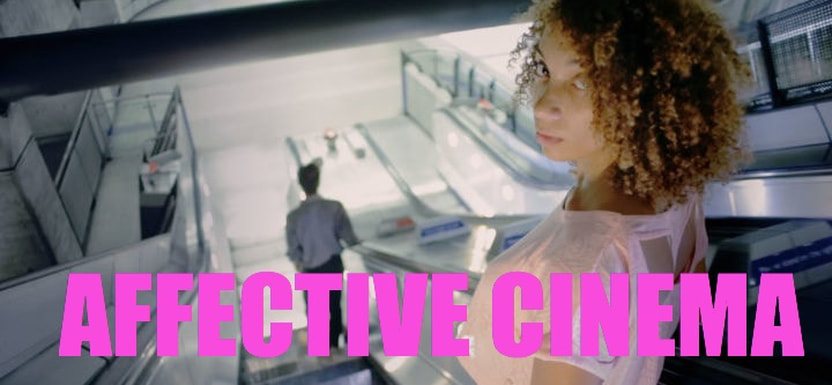
Dr. Pavel Prokopic is a Lecturer at the University of Salford within the School of Arts, Media and Creative Technologies. He specializes in experimental film, directing fiction, and innovative filmmaking practices, with a particular focus on how technology can expand cinematic storytelling while maintaining emotional connection to the audience. His research interests span film performance, affect theory, film philosophy, cinematography, and the intersection of traditional filmmaking with new technologies. Dr. Prokopic leads two major research initiatives: Nested Cinema (www.nestedcinema.com) and the International Network of Experimental Fiction Filmmaking (www.ineff.org), and is affiliated with the Creative Technology Research Centre at Salford. His recent publications demonstrate a consistent focus on immersive cinematic experiences, affective approaches to filmmaking, and the philosophical underpinnings of film as an art form. His work shows a progression from his AHRC-funded PhD research on 'Affective Cinema' toward increasingly sophisticated explorations of multi-platform storytelling, spatial cinema, and the integration of emerging technologies like VR with traditional filmmaking practices. His notable achievements include: Award in Creative Media Research from the International Journal of Creative Media Research Publications in prestigious journals including Leonardo (MIT Press) Exhibitions at the Grosvenor Gallery, Stephen Lawrence Gallery, and Victoria & Albert Museum Collaborations with BBC R&D and the British Council Dr. Prokopic actively supervises PhD students and has developed teaching approaches informed by his practice-based research. His Nested Cinema Co-creation project (2025) demonstrates his commitment to advancing female inclusion through immersive experience innovation and storytelling with students at the University of Salford.