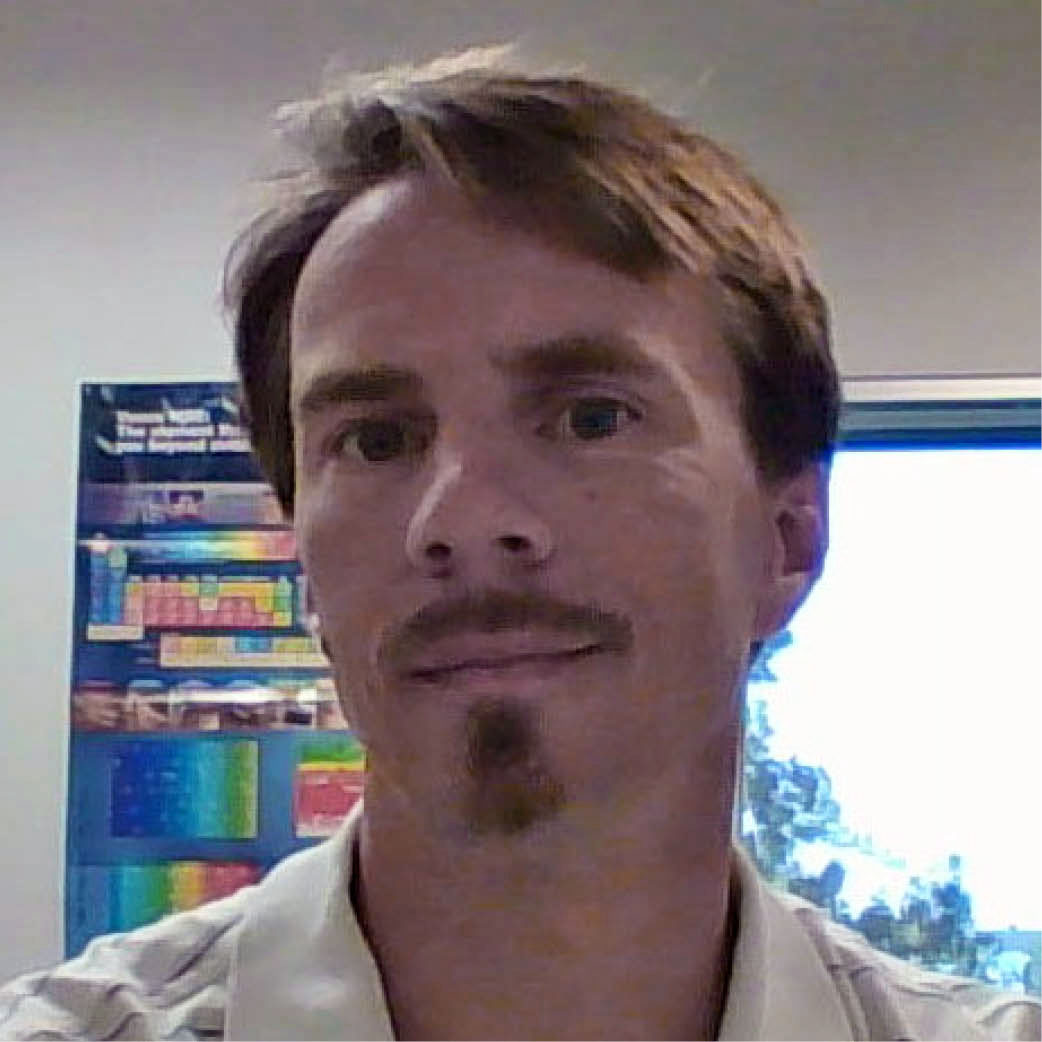
Premysl Marsik is a Senior Researcher in the Department of Physics at the University of Fribourg (Faculty of Science and Medicine). His expertise centers on ellipsometry, a technique critical for material characterization. He is affiliated with the PER 08 building (Room 1.58B) and actively contributes to teaching and research activities within the department. Research interests focus on advanced optical measurement methodologies and their applications in materials science. His work likely involves interdisciplinary collaborations given the department's emphasis on applied physics and nanotechnology. Teaching responsibilities are listed but specific courses are not detailed here. No grants, awards, or student advisees are explicitly mentioned in the provided text. Labs or facilities associated with his role include the Department of Physics infrastructure at the University of Fribourg's PER 08 building.
Coenraad Hemker is a Professor and Senior Councillor at the Cardiovascular Research Institute Maastricht (CARIM), with a distinguished career spanning multiple institutions, including Maastricht University (1975–1999), Leiden University (1962–1996), and Mount Sinai Medical School (1995–2005). He is also the General Director of Synapse BV, a research company focused on haemostasis and thrombosis. Education: MD (University of Amsterdam, 1959) PhD in Biochemistry (University of Amsterdam, 1962) His research focuses on blood coagulation mechanisms, thrombin generation, and anticoagulant therapy. Key contributions include the discovery of uncarboxylated clotting factors (PIVKAs), the prothrombin-converting enzyme complex, and the development of calibrated automated thrombinography (CAT). Scientific Awards and Distinctions: Prix Européen Ganassini (1967) Boerhaave Medal (1974) Ernst Jung Price (1985) Commandeur de l'Ordre des Palmes Académiques (1987) Member of the Royal Dutch Academy of Arts and Sciences (1987) Career Award (ISTH, 1987) Chevalier de la Légion d'Honneur (1990) Member of the Academia Europaea (1990) Knight of the Order of the Netherlands Lion (2000) Foreign member of the Académie Nationale de Médecine (2001) Hemker received grants such as the 1993 Dutch Science Foundation 8-year program grant. He served as Editor-in-Chief of Haemostasis (1980–2002) and supervised over 60 PhD theses. He founded Synapse BV, a research company specializing in haemostasis and thrombosis, and co-developed methods like the Endogenous Thrombin Potential (ETP) and ellipsometry for biochemical surface analysis.
Dr. Carsten Bundesmann is a Researcher at the Leibniz Institute for Surface Modification (IOM) in Leipzig, Germany. His work focuses on ion beam technology , thin film deposition , and electric propulsion diagnostics . He has been active at IOM since 2006, with prior affiliations at the University of Leipzig where he completed his PhD in 2005. University of Leipzig (PhD in Physics, 2005) University of Liverpool (Mathematics exchange program, 1997-1998) Research interests span ion beam sputtering , infrared ellipsometry , and plasma diagnostics for space propulsion systems. His work addresses: Thin film property control via ion beam parameters In situ characterization of electric propulsion thrusters Development of advanced diagnostic tools Phonon/plasmon analysis in semiconductor materials Scientific contributions include 5 recent publications with topics ranging from gallium oxide thin films to plasma erosion measurement systems . Key projects include: DFG-funded TiO 2 deposition studies (2011-2018) ESA/ESTEC AEPD system qualification (2013-2019) SAB PRECIOS project for magnetron deposition control (2012-2014) Awarded the German Academic Scholarship Foundation grant (1996-2001), he serves on the Scientific and Technical Council of IOM and has delivered over 15 invited lectures globally. Current activities include membership in the Interdisciplinary Working Group for Semiconductor Research Leipzig and the Ellipsometry Working Group (AKE) .
Xiaoshan Xu is a Professor in the Department of Physics and Astronomy at the University of Nebraska-Lincoln . He is affiliated with the Nebraska Center for Materials and Nanoscience , focusing on advanced materials research. Research Interests : Multiferroic materials, magnetic anisotropy, spintronics, nanoscience, and thin film engineering. His work explores the interplay between ferroelectricity, magnetism, and electronic structure in complex oxides. Publications : Over 15 articles (2003–2019) highlight his contributions to multiferroic systems, organic spin valves, and cluster magnetism. Key trends include voltage-controlled spin states and strain-dependent magnetic properties. Notable Collaborations : Extensive collaborations with Oak Ridge National Laboratory, Argonne National Laboratory, and international institutions on topics like magnetoelectric coupling and quantum materials. Teaching : Courses such as PHYS 231: Electric and Electronic Circuits demonstrate his commitment to physics education.
Kenneth Järrendahl is a Professor at Linköping University, currently serving as Head of Division and Head of the Materials Optics unit. His research focuses on polarization phenomena in nanoscale structures using spectroscopic ellipsometry, electron microscopy, and X-ray diffraction. Primary affiliation: Department of Physics, Chemistry and Biology (IFM) Research interests include: Chiral nanostructures (III-nitrides, beetle epicuticles) Photonic crystals and metamaterials Biophotonic materials and natural nanostructures Advanced optical characterization techniques Recent publications highlight work on gallium oxide devices, cellulose nanocrystal films, and polarization properties of biological and synthetic chiral materials. He actively contributes to educational projects in Electromagnetics and Optics.
Dr. Marco Diegel is a Researcher at the Leibniz Institute of Photonic Technology (Leibniz-IPHT) in Jena, Germany, affiliated with the Center of Competence for Micro and Nanotechnologies and the Microstructure Analysis Working Group. His contact information includes email (marco.diegel@leibniz-ipht.de) and office locations HG S43 and HG 151. Dr. Diegel's research focuses on advanced materials for optoelectronic and energy applications with expertise in nanomaterials synthesis , thin film characterization , and device fabrication . Key areas include: Development of porous platinum for electrocatalysis and optical applications Investigation of epsilon-near-zero properties in $$\text{ITO}$$ thin films Study of resistive switching mechanisms in memristive devices using $$\text{HoMnO}_3$$ and $$\text{BiFeO}_3$$ Design of nanozymes for colorimetric detection applications Characterization of plasmonic nanowire lasers using $$\text{ZnO}$$ structures Analysis of Dr. Diegel's recent publications reveals a strong interdisciplinary focus bridging fundamental materials science with practical device implementation. His work demonstrates particular strength in resistive memory devices , photocatalysis , and optical sensing , with collaborations spanning physics, chemistry, and engineering disciplines. The progression of his research shows increasing sophistication in materials engineering for targeted applications. Dr. Diegel is an active contributor to the Microstructure Analysis Working Group at Leibniz-IPHT, with research that has practical implications across renewable energy, environmental monitoring, and biomedical technologies. His work on tunable magnetic nanoparticles and nanozyme-based sensors shows particular promise for real-world applications.
Ahmet Kusoglu is a Staff Scientist in the Energy Conversion Group at Lawrence Berkeley National Laboratory, where he conducts research on ionomers and functional materials for hydrogen technologies and electrochemical energy applications. His work spans fundamental aspects of ion-conductive materials and soft-hard interfaces for electrochemical systems, as well as related chemical-mechanical phenomena aimed at enhancing performance and durability in applied energy technologies. Dr. Kusoglu's educational background includes: PhD in Mechanical Engineering, University of Delaware (2005-2010) B.S. in Mechanical Engineering, Istanbul Technical University (2000-2004) His research focuses on understanding the structure-stability-function interplay in electrochemical systems to develop durable materials for energy technologies including fuel cells, water-splitting electrolyzers, flow batteries, and CO2-reduction systems. Dr. Kusoglu's approach involves chemical-mechanical interrogation of functional materials, merging data-driven systematic investigations with multi-modal measurements to capture material-system environment and morphological characterization through advanced X-ray techniques at the Advanced Light Source (ALS). His team has made significant contributions to understanding PFSA membranes, confinement effects, and interfacial phenomena in electrochemical systems. Analysis of Dr. Kusoglu's recent publications reveals a strong emphasis on ionomer membrane science with particular focus on structure-property relationships, water management, and mechanical stability. His work bridges fundamental materials science with practical applications in hydrogen technologies, showing increasing sophistication in characterization techniques and multi-scale modeling approaches. Dr. Kusoglu has received numerous prestigious awards recognizing his contributions to energy research: Presidential Early Career Award for Scientists and Engineers (PECASE) in 2025 S.Srinivasan Young Investigator Award of the Energy Technology Division of the Electrochemical Society ECS Toyota Fellowship (2017-2018) Best Poster Paper Award at the 2012 Fuel Cell Science and Technology Grove Conference Dr. Kusoglu has secured significant funding through multiple DOE consortia including M2FCT (Million Mile Fuel Cell Truck), HydroGEN, H2NEW, and CIWE. He serves as communication officer for the M2FCT consortium, overseeing outreach and education efforts related to fuel cells in transportation. He regularly contributes to scientific discourse through invited presentations at major conferences and webinars including the Electrochemical Society and H2IQ. As a contributing editor for Electrochemical Interface, he bridges technical research with science communication. Dr. Kusoglu's research group at Lawrence Berkeley National Laboratory operates at the intersection of materials science, electrochemistry, and mechanical engineering. They maintain strong connections with the Advanced Light Source facility for cutting-edge X-ray characterization and collaborate extensively with industry partners to translate fundamental discoveries into practical energy technologies. The team's work continues to advance the scientific understanding of ion-conductive materials critical to the hydrogen economy.
Shriram Ramanathan is an Adjunct Professor in the Department of Physics and Astronomy at the School of Arts and Sciences, Rutgers University. His research focuses on condensed matter physics and materials science, with an emphasis on quantum materials and neuromorphic computing applications. His primary research interests include: Condensed Matter Physics Materials Science Neuromorphic Computing Quantum Materials Phase Transitions Oxide Electronics Dr. Ramanathan's recent publications reveal a strong trend toward leveraging metal-insulator transitions in correlated oxides (particularly vanadium dioxide and rare earth nickelates) for next-generation computing and sensing. His work spans neuromorphic device engineering, ultrafast dynamics characterization, and sustainable AI hardware development, with significant contributions in hydrogen-doped nickelates for multilevel memory and VO 2 -based photonic switches. Key subfields include perovskite nickelate biosensors, Mott neuron implementations, and defect-engineered phase-transition materials for energy-efficient computation. No scientific awards are mentioned in the provided text. Dr. Ramanathan advises graduate students in experimental condensed matter physics and has secured research funding for oxide materials synthesis and device characterization, though specific student names and grant details are not provided in the available information. His work involves collaborations across materials science, electrical engineering, and physics disciplines. His laboratory specializes in the experimental investigation of correlated electron systems, with capabilities in thin-film deposition, nanoscale characterization (including Kelvin Probe Force Microscopy and ultrafast spectroscopy), and neuromorphic device prototyping. Current efforts focus on hydrogen-doped nickelate networks, VO 2 thermal switches, and reconfigurable metasurfaces for photonic computing applications.
Dr. Gabriel Zieger serves as Group Leader (Arbeitsgruppenleiter) in the Photonics and Quantum Detection Department at the Leibniz Institute of Photonic Technology (Leibniz-IPHT) in Jena, Germany, where he heads the IR Radiation Detection working group. His research spans advanced materials engineering with particular focus on nanoporous platinum structures, thermoelectric materials, and infrared detection systems. With continuous publication output from 2017 through 2025, Dr. Zieger maintains an active research program within this photonics research institute. Dr. Zieger's research interests center around the development and characterization of novel photonic materials, particularly platinum-based nanostructures for infrared applications. His work explores electrochemical fabrication methods for nanoporous materials, optical properties of nanoscale structures, and energy conversion technologies. He investigates how material composition and nanostructure affect optical absorption, electrical conductivity, and thermoelectric performance across various applications from security imaging to wearable energy harvesting systems. His research bridges fundamental materials science with practical device engineering for photonics applications. Analysis of Dr. Zieger's publication record reveals consistent focus on material engineering for photonics applications, with particular emphasis on platinum-based nanostructures for infrared detection. His work demonstrates progression from fundamental studies of nanoporous platinum growth mechanisms toward increasingly applied research in thermoelectric devices and security imaging systems. The interdisciplinary nature of his publications spans materials science, optics, electrochemistry, and device engineering, showing collaboration across multiple research groups at Leibniz-IPHT. Recent publications indicate growing emphasis on practical applications including textile-based energy generation and terahertz security cameras. As Arbeitsgruppenleiter, Dr. Zieger leads the IR Radiation Detection research group, which appears to focus on developing advanced materials for infrared sensor applications. His laboratory work involves electrochemical deposition techniques, materials characterization using electron microscopy and spectroscopy, and device testing for optical and thermoelectric properties. The group maintains strong collaborative ties within Leibniz-IPHT, particularly with researchers working on nanomaterials, sensor development, and photonic devices.
Prof. Julien Bachmann is a Chair of Thin Film Materials Chemistry at the Faculty of Chemistry and Pharmacy , Friedrich-Alexander-University Erlangen-Nürnberg . His research focuses on advanced thin film synthesis methods such as atomic layer deposition (ALD) and solution ALD (sALD) , with applications in photovoltaics , electrocatalysis , and nanomaterials engineering . Key Affiliations : Chair of Thin Film Materials Chemistry (2017–present) Professor, Inorganic and General Chemistry (2012–present) Former PostDoc, Max Planck Institute for Microstructure of Solids (2007–2008) Research Themes : Photovoltaics : Sb2S3/Sb2Se3 solar cells, quantum dot integration, interfacial charge management Electrocatalysis : Oxygen evolution reaction, Ir-based nanofibers, stability-activity relationships 3D Printing & Nanostructuring : Atomic layer additive manufacturing, spray-dried supraparticles, SCALMS model systems Material Characterization : In situ X-ray scattering, impedance spectroscopy, spectroscopic ellipsometry Recent Article Trends : Advancements in ALD/sALD for catalysts and solar cells Focus on earth-abundant materials and low noble-metal loading Development of self-aligned fabrication and corrosion-resistant interfaces Integration of computational modeling with experimental validation Exploration of liquid metal solutions and photocorrosion mechanisms Labs & Collaborations : Leads the Bachmann Group at FAU, collaborating with institutions across Germany, France, Italy, and the UK . Partners include researchers in nanochemistry , energy materials , and microfluidic engineering .
Morten Kildemo is a Professor in the Department of Physics at the Norwegian University of Science and Technology (NTNU), specializing in advanced optical characterization techniques. His research focuses on developing and applying spectroscopic and Mueller matrix ellipsometry to investigate complex nanostructured materials and photonic devices. His primary research interests include nanoplasmonics, metasurfaces, photonic crystals, and materials for intermediate band solar cells. He pioneers methods for characterizing anisotropic, chiral, and magneto-optical systems, with significant contributions to understanding light-matter interactions in nanoscale architectures. His work bridges experimental physics and materials engineering for next-generation optoelectronic applications. Analysis of his recent publications reveals a strong trend toward polarization-sensitive characterization of engineered nanostructures, particularly for photonic and energy applications. His group consistently advances ellipsometric methodologies to probe complex optical responses in metasurfaces, plasmonic arrays, and quantum-confined systems. Professor Kildemo has supervised multiple doctoral and master's students, including Thomas Vågenes Brakstad (intermediate band materials), Maja Bjerke Drøyli (quantum dot solar cells), Brage Bøe Svendsen (Mueller matrix modeling), and Andreas Liudi Mulyo (quantum dot characterization). His collaborative research spans materials synthesis, optical instrumentation development, and theoretical modeling of nanophotonic systems.
Adam Phillips is an Associate Research Professor in the Department of Physics and Astronomy at the University of Toledo's College of Natural Sciences and Mathematics. He serves as the Lab Manager for the Wright Center for Photovoltaics Innovation and Commercialization (PVIC). With a Ph.D. from the University of Virginia (2007), Dr. Phillips focuses on advancing photovoltaic technology through innovative research and development. Dr. Phillips' research centers on developing novel measurement methods for solar cells, particularly thin-film materials. His work spans multiple cutting-edge areas including Perovskites, CdTe, Thin Film PV, and Tandem solar cells . He specializes in understanding and eliminating recombination in thin film photovoltaics to increase their energy conversion efficiency. His research particularly focuses on CdTe, perovskites, and other emerging materials that compete with traditional silicon wafer technology. He also investigates tandem solar cells with multiple transparent layers to absorb more energy from the full light spectrum. Analysis of Dr. Phillips' recent publications reveals a strong focus on high-efficiency solar cell development, with particular emphasis on CdSeTe materials, perovskite-CdSeTe tandems, and novel doping techniques. His work spans fundamental materials science, device physics, and practical manufacturing considerations. The research demonstrates progression toward higher efficiency targets (25-30% conversion efficiency) while addressing critical challenges like recombination mechanisms, interface engineering, and material characterization. Dr. Phillips manages the Wright Center for Photovoltaics Innovation and Commercialization lab, which appears to be a significant research facility focused on advancing photovoltaic technology from laboratory innovation to commercial application. His work bridges fundamental research with practical implementation in the renewable energy sector.
Dr. Feng Gao is a Reader in the Department of Engineering at the University of Huddersfield's School of Computing and Engineering. With a background in precision measurement and instrumentation from Tianjin University, he previously worked at the National Institute of Metrology in Beijing and Physikalisch-Techniche-Bundesanstalt (PTB) in Germany. Gao's research expertise spans optical metrology, instrument development, and interferometric techniques. His work focuses on advanced 3D measurement systems including fringe projection profilometry, phase measuring deflectometry, and chromatic confocal sensing. Current projects investigate deep learning-enhanced optical measurement, ultra-compact metasurface sensors, and high-precision interferometry. As a member of the Centre for Precision Technologies, Gao contributes to the EPSRC Future Metrology Hub. He regularly presents research at international conferences and has published extensively in optics and measurement journals.
Dr. Shan Lou is a Reader in Precision Metrology at the University of Huddersfield, holding positions in the Department of Engineering within the School of Computing and Engineering. He is an integral member of the Centre for Precision Technologies (CPT) and the EPSRC Future Metrology Hub, where he conducts pioneering research in precision metrology with a focus on additive manufacturing applications. Dr. Lou's research spans multiple critical areas in metrology including precision metrology for additive manufacturing (dimension, surface texture, and internal defects), X-ray computed tomography metrology, in-process metrology for advanced manufacturing, advanced surface texture measurement and characterisation, robot-assisted large-volume metrology, and applied machine learning for metrology applications. His work demonstrates strong interdisciplinary connections between engineering, computer science, and materials science. Analysis of Dr. Lou's recent publications reveals a strong trend toward integrating advanced computational methods with traditional metrology techniques. The research spans from fundamental metrology principles to practical industrial applications, with significant emphasis on solving measurement challenges specific to additive manufacturing processes. Key themes include the development of novel algorithms for surface characterization, integration of machine learning for automated metrology, and creation of reference standards for emerging manufacturing technologies. EPSRC New Investigator Grant recipient RCUK Catapult Researchers in Residence Grant recipient Chartered Engineer of the Institution of Mechanical Engineers (IMechE) Fellow of the Higher Education Academy (HEA) Editorial board member of 'Bio-design and Manufacturing' Committee Member of Dimensional X-ray Computed Tomography (DXCT) Committee Member of British Standard Institution (BSI) AMT/8 and TDW/4/4/1 Dr. Lou actively supervises numerous PhD and Master's students, with current projects focusing on robot-assisted metrology for automated inspection, XCT imaging and data processing, surface roughness impact on mechanical performance, in-situ quality control of 3D printing, and digital twin applications for additive manufacturing. His research is supported by substantial external funding from EPSRC, Royal Society, Horizon Europe, and industry partners including Digital Surf, Nikon metrology, HiETA, and Sartorius. As part of the Centre for Precision Technologies, Dr. Lou collaborates with the National Measurement Institute (NPL) and Catapult HVM centres (MTC, AMRC) to develop precision metrology technology specifically for the additive manufacturing industry, contributing significantly to the advancement of measurement science in this rapidly evolving field.
Carl J. Seliskar is a Professor of Chemistry and Chair of the Chemical Sensors Group at the University of Cincinnati. His research focuses on chemical sensors, optical materials, and spectroscopic techniques. He earned his PhD in Chemistry from Johns Hopkins University in 1970 and has held academic roles since 1972. His work emphasizes molecular spectroscopy, optical sensor design, and thin film dynamics. Key research areas include spectroelectrochemical sensors for environmental contaminants (e.g., pertechnetate), optical waveguides, and microfluidic devices. He has led or co-led numerous high-impact grants totaling over $8M, including projects funded by the National Science Foundation, Department of Energy, and industry partners. Notable collaborations involve developing sensors for water safety and bioterrorism agent detection, as well as advancements in microchip electrophoresis. He has authored/presented over 50 works, including contributions to ACS symposia and peer-reviewed journals. His patents include a low-pressure water-cooled inductively coupled plasma torch. Current research emphasizes sensor selectivity, thin film characterization via spectroscopic ellipsometry, and plastic microchip instrumentation.