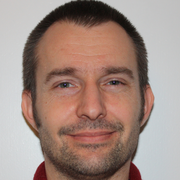
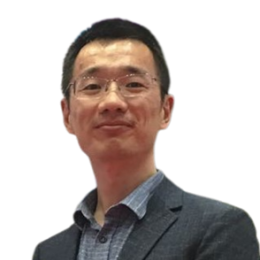
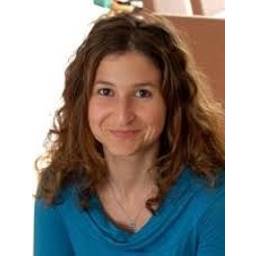
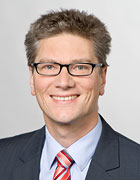
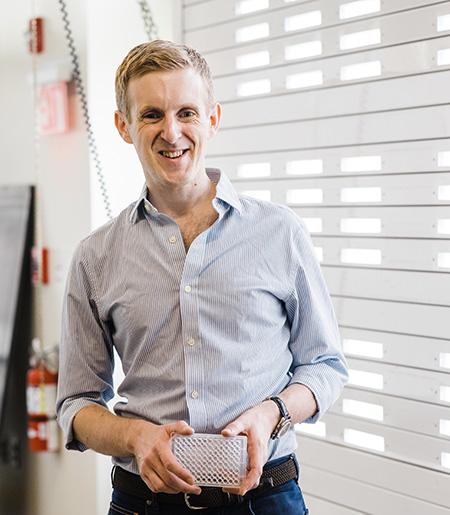
Laurent Tapie is a Senior Lecturer at Paris Descartes University with a focus on Biomedical Engineering, Mechanical Engineering, and CAD/CAM . As Deputy Director of the URB2i research unit and manager of the PlatiNum platform , he coordinates the 3d4care.org consortium . His academic background includes a Doctorate in Mechanical Engineering from École Normale Supérieure de Cachan and authorization to direct research (HDR) from Université Paris 13. Research Interests: Mechanical Engineering, Biomedical Engineering, Medical Devices, CAD/CAM, Shaping of Biomaterials Theses Supervised: 3D evaluation of dento-prosthetic joints, impact of CAD/CAM on dental prosthesis integrity, and metrological evaluations of prostheses. Publications: His work spans dental CAD/CAM systems, surface integrity of prostheses, additive manufacturing, and 3D printing applications during the COVID-19 pandemic . Recent articles focus on data dispersion in CAD/CAM chains, tool-material influence on roughness, and numerical workflow standardization . Scientific Award: Prix du comité scientifique de la session recherche (2019). Projects: Currently leads initiatives like ProGéoMéca (Labex LaSIPS), Bio-Dents (CNRS Biomimicry), and additive process development for multi-material dental aligners .
Yu Xia is a Post Doc at the Department of Chemistry, Stockholm University, Sweden. He is affiliated with the Tom Willhammar Research Group, focusing on advanced electron microscopy and diffraction techniques for structural characterization of materials. PhD (2019–2023) from a joint program between the University of Birmingham (UK) and the Southern University of Science and Technology (China). Research emphasizes fabrication of metallic nanoparticles with non-equilibrium structures and shapes using gas-phase condensation and thermal shock methods. Specializes in scanning transmission electron microscopy (STEM), in-situ heating experiments, and electron energy loss spectroscopy (EELS) for nanoparticle analysis. Current work prioritizes 4DSTEM imaging for electron beam-sensitive materials and Python-based post-processing of electron microscopy datasets. Yu Xia's research spans Materials Science , Nanotechnology , and Electrocatalysis , with applications in photocatalytic hydrogen evolution , graphene composites , and advanced electron microscopy techniques . His work often integrates computational image processing with structural characterization to optimize material properties. Publications highlight innovations in heterostructure engineering , metallic alloy catalysts , and electron beam-sensitive material imaging . No scientific awards are explicitly mentioned in the provided text. Yu Xia's technical expertise includes Python scripting for image analysis, in-situ electron microscopy , and multifunctional graphene-based materials .
Anne-Sophie Chauvin is a Senior Lecturer and Researcher at École Polytechnique Fédérale de Lausanne (EPFL), School of Basic Sciences, within the Institute of Chemical Sciences and Engineering and the Supramolecular Chemistry Laboratory. She actively engages in supramolecular and inorganic chemistry, focusing on f-element (lanthanides and actinides) coordination polymers and luminescent bioprobes for biological and technological applications, including invisible inks and dye-sensitized solar cells. PhD in Bioinorganic Chemistry from University Paris V-René Descartes (thesis on Nitrile Hydratase mimetics) Postdoctoral work at University of Geneva on chiral alcohol configuration analysis Habilitation à Diriger des Recherches (HDR) from University René Descartes (2006) Her research spans Lanthanide and Actinide Chemistry , Luminescence , Coordination Polymers , Metallacages , and Photovoltaic Materials . Recent publications emphasize catalytic spiro stereocenter formation, actinide coordination polymers, and photoredox-enabled biomolecule functionalization. She has supervised PhD students including Andrei Andreichenko , Julien Andrès , Steve Comby , and Aurélien Willauer . Recognitions include Fellowship of the Royal Society of Chemistry (FRSC) and membership in the Swiss Chemical Society (SCS). Current roles include teaching General and Analytical Chemistry to first-year Pharmacy and Biology students at the University of Lausanne (UNIL), overseeing practical sessions, and serving on the EPFL School of Basic Sciences Faculty Council.
Ulrich Vogt is a Professor in Applied Physics at Kungliga Tekniska Högskolan (KTH) and leads the X-ray Optics and Nanoimaging group within the Bio-Opto-Nano unit. He serves as Vice-head of the Applied Physics department for undergraduate education. His research focuses on developing advanced X-ray microscopy techniques, particularly at synchrotron facilities like MAX IV’s NanoMAX beamline. He specializes in X-ray optics, nanoimaging, and diffractive optical elements for applications in materials science, biology, and medicine. Key contributions include the design of the NanoMAX beamline, optimization of X-ray zone plates via metal-assisted chemical etching, and advancements in multi-beam ptychography. Vogt has pioneered compact X-ray microscopy systems using laser-plasma sources and liquid-jet targets. His work integrates nanofabrication, computational imaging, and synchrotron instrumentation to achieve sub-100 nm resolution in hard and soft X-ray regimes. Teaching responsibilities include courses on experimental physics, photonics, and X-ray applications. His lab collaborates internationally on projects like the European XFEL, emphasizing high-brightness sources and radiation-resistant optics. Recent innovations include adaptive multi-beam ptychography and stereo X-ray imaging for 3D nanoscale visualization. Research highlights span over 100 peer-reviewed articles, with a focus on coherence characterization, beamline instrumentation, and nanostructured materials. Vogt’s grants include a Röntgen-Ångström Cluster award supporting multi-beam ptychography and cryo-microscopy advancements.
Assoc. Prof. Dietmar Pum is a leading researcher at the Institute of Biophysics, University of Natural Resources and Life Sciences, Vienna (BOKU). With a career spanning over three decades, he has pioneered work on S-layer proteins as nanobiotechnological tools and biomimetic surface functionalization. His research bridges microbiology, biophysics, and nanomaterials science. Education & Career Doctorate (1984) and Habilitation (1992) at Vienna University of Technology Awarded FEBS (1987) and EMBO (1982) fellowships Assoc. Univ. Prof. since 1997, Deputy Head of Biophysics Institute since 2014 Research Focus Dr. Pum's work centers on leveraging S-layer proteins for nanoscale fluid mechanics , molecular imprinting , and biohybrid materials . His projects explore: Self-assembly of 2D protein crystals Functionalization of carbon nanotubes Biomimetic sensor development Applications in diagnostics and environmental technology Publication Trends His recent publications (2025-2019) highlight interdisciplinary advancements in: Nanoscale biofluid dynamics Gold nanoparticle synthesis via microbial enzymes Archaeal S-layer characterization Protein-directed nanomaterials Biosensor platforms Lipid quantification via machine learning Scientific Recognition Philip Morris Research Prize (1998) Cardinal Innitzer Prize (1992) ÖAGM Prize (1986) Peer reviewer for Nature Materials , Advanced Materials , and Biophysical Journal Advising & Collaborations Dr. Pum has supervised over 15 theses, mentoring students in topics ranging from Caenorhabditis elegans imaging to nanomembrane fabrication. He leads international collaborations under EU Horizon and FWF grants, including the Stimuli Responsive Materials project (2020-2025). Labs & Networks As a core member of BOKU's Center for NanoBiotechnology and the Ludwig Boltzmann Institute for Molecular Nanotechnology , he develops bioinspired nanomaterials and contributes to global programs in molecular self-assembly.
Dr. Olga Barrera is a Reader in Mechanical Engineering at Oxford Brookes University, School of Engineering, Computing and Mathematics. She serves as a year tutor for undergraduate engineering programs and has previously held a Research Fellow position at the Department of Engineering Science, University of Oxford (2008–2017), and a consultancy role at China Medical University Hospital, Taiwan. Her academic work spans teaching, supervision, and leading a research lab focused on image-based multi-physics modeling of multi-phase materials. Reader in Mechanical Engineering, Oxford Brookes University (2018–present) Research Fellow, Department of Engineering Science, University of Oxford (2008–2017) Consultant, Department of Medical Research, China Medical University Hospital, Taiwan Her research interests lie at the intersection of computational mechanics, biomechanics, and materials science, with a focus on soft load-bearing tissues such as the knee meniscus. She integrates advanced imaging (micro-CT), experimental testing, and fractional calculus-based modeling to study tissue behavior and bio-inspired materials. Her work also extends to hydrogen embrittlement in metals and innovative finite element methods. Her recent publications (2023–2025) reveal a strong trend in image-driven modeling of biological tissues, fractional viscoelasticity, and bioinspired engineering solutions. Key themes include the mechanical behavior of meniscal tissue, fluid-structure interaction, anomalous transport in porous media, and deep learning applications in tissue mimicry. These works are published in high-impact journals such as Philosophical Transactions of the Royal Society A , Materials & Design , and Acta Biomaterialia . Scientific awards and grants highlight her international recognition and research leadership: Marie Skłodowska-Curie Individual Fellowship (€190K, 2018–2020) EPSRC HemS grant (Co-I, £340K, 2014–2017) Research Excellence Award, Oxford Brookes (2021–2022, £20K) Visiting Professor Scholarship, France (2023, €4K) FNR Luxembourg Crucible Grant (€8K, 2021–2022) She has supervised numerous postgraduate students including PhD and MSc researchers, and has advised over 30 undergraduate final-year projects across Oxford and Oxford Brookes. She has led or co-led significant research grants from EPSRC, FNR, Rolls-Royce, and the Oxford Orthopaedic Engineering Centre. Her lab, the Oxford image-based multi-physics modelling of multi-phase materials, collaborates with institutions in Italy, Luxembourg, and France. She is an active member of the Materials Processing and Modelling (MPM) research group.
Dr. Sharon O'Rourke is an Assistant Professor and Ad Astra Fellow at the University College Dublin (UCD) School of Biosystems and Food Engineering since 2019. Previously, she held roles at the University of Sydney and UCD's School of Agriculture and Food Science, focusing on soil science and environmental protection. She holds a BAgrSc from UCD and a PhD in Soil Nutrient Management from Queen's University Belfast. Research Interests: Her work centers on sustainable soil management, soil carbon sequestration, and environmental protection. She employs spectral techniques (e.g., mid-infrared, hyperspectral imaging) and modeling to study soil geochemistry, carbon dynamics, and climate change mitigation. Current projects include ClimateCropping (EU-wide soil carbon management), PRISM (in-field soil sensors), and CFunction (carbon-nutrient stoichiometry). Grants & Projects: Key grants include funding from Teagasc, the Department of Agriculture, and the Sustainable Energy Authority of Ireland. Notable projects include proximal soil sensing for carbon monitoring and bio-based product development via pyrolysis. Teaching: She coordinates modules such as 'Carbon & Sustainability,' 'Soil Technology,' and 'Research Skills,' emphasizing agricultural systems and climate-smart practices. Awards: Recognized as an Ad Astra Fellow, highlighting her contributions to innovative soil science research.
Prof. Dr. Franz Pfeiffer is a full professor at the Chair of Biomedical Physics within the Department of Physics at the Technical University of Munich (TUM) . He has served as director of the Munich School of BioEngineering since 2016. His research focuses on translating advanced X-ray physics concepts to biomedical imaging and clinical applications, particularly for early cancer and osteoporosis diagnostics. Research Interests: X-ray phase-contrast and dark-field imaging, synchrotron instrumentation, CT reconstruction algorithms, and medical imaging technology. Awards: Alfred Breit Prize (2017) ERC Advanced Grant (2016) Leibniz Prize (2011) National Latsis Prize (2010) ERC Starting Grant (2009) His work bridges fundamental X-ray physics with clinical translation, involving collaborations with radiologists, engineers, and medical researchers. Recent publications emphasize AI integration in CT, dark-field chest radiography, and spectral imaging applications.
Dr. Lateef Akanji is a Senior Lecturer in the Department of Petroleum Engineering at the School of Engineering, University of Aberdeen, where he has been contributing since 2014. He previously served as Lecturer and Head of the Petroleum Technology Research Group at the University of Salford, Assistant Professor at King Saud University, and Visiting Lecturer at the University of Leoben. His academic journey includes a PhD from Imperial College London and degrees from the University of Ibadan. University: University of Aberdeen School: School of Engineering Position: Senior Lecturer, Petroleum Engineering Email: l.akanji@abdn.ac.uk Education: PhD, Petroleum Engineering, Imperial College London M.Sc., Petroleum Engineering, University of Ibadan B.Sc. (Honours), Petroleum Engineering, University of Ibadan DIC (Diploma of Imperial College) Research Interests: Dr. Akanji's research centers on multiphase flow in porous and permeable media, with applications in enhanced oil recovery (EOR) in clastic, carbonate, and unconventional shale reservoirs. His work integrates theoretical, experimental, and computational fluid dynamics, utilizing platforms like Python, C++, and Fortran. He is pioneering the application of artificial intelligence in petroleum engineering, particularly in EOR screening and production optimization. His research includes pore-scale modeling, gas-lift systems, and nuclear reactor flow dynamics. Publication Trends: His recent publications (2025–2021) reflect a strong focus on fluid displacement in porous media, shale reservoir characterization, AI applications in energy, and nuclear safety. Notable themes include computational modeling of multiphase flow, biosurfactant EOR, and advanced numerical methods for reservoir simulation. Scientific Awards and Honors: Fellow of the Higher Education Academy (FHEA) Chartered Engineer (CEng) Chartered Petroleum Engineer European Engineer (Eur Ing) Member of the Energy Institute (MEI) Advising and Grants: Dr. Akanji supervises numerous PhD students in areas such as AI-based production optimization, permeability upscaling, and biosurfactant EOR. He leads research funded by PTDF, TETFUND, Sonangol, and Elphinstone, focusing on high-pressure high-temperature flow loops, gas-lift pilot rigs, and neuro-fuzzy screening systems. His collaborative projects involve institutions in the UK, Austria, and Australia. Laboratories and Research Platforms: He contributes to the development of the Complex System Modelling Platform (CSMP++), a C++-based API for simulating multi-physics flow in porous systems, co-developed with ETH Zurich and Montanuniversität Leoben. He also leads a technology innovation platform for EOR, including experimental rigs for biosurfactant screening and gas-lift stability testing.
Professor Tobin J. Marks is the Vladimir N. Ipatieff Professor of Catalytic Chemistry, Professor of Materials Science and Engineering, Professor of Applied Physics, and Professor of Chemical and Biological Engineering at Northwestern University. He also serves as a Distinguished Adjunct Professor at Texas A&M Qatar University and is a Senior Fellow of the Hong Kong Institute for Advanced Study at City University of Hong Kong. Dr. Marks is a member of the US National Academy of Engineering, the US National Academy of Sciences, and a Fellow of the Royal Society of Chemistry, UK. Dr. Marks received his BSc in Chemistry from the University of Maryland in 1966 and his PhD in Inorganic Chemistry from MIT in 1970. His academic career at Northwestern began as an Assistant Professor of Chemistry in 1970, progressing to Associate Professor in 1974, Professor of Chemistry in 1978, Charles E. & Emma H. Morrison Professor of Chemistry from 1986-1999, Vladimir N. Ipatieff Professor of Catalytic Chemistry since 1999, Professor of Materials Science and Engineering since 1987, Professor of Applied Physics since 2009, and Professor of Chemical and Biological Engineering since 2017. Professor Marks' research spans numerous areas of chemistry and materials science. His work focuses on transition metal and f element organometallic chemistry, catalysis, vibrational spectroscopy, synthetic facsimiles of metalloprotein active sites, carcinostatic metal complexes, solid state chemistry and low-dimensional molecular metals, nonlinear optical materials, polymer chemistry, tetrahydroborate coordination chemistry, macrocycle coordination chemistry, molecular electro-optics, metal-organic chemical vapor deposition, polymerization catalysis, printed flexible electronics, solar energy, and transparent conductors. His research group consists of nearly 40 researchers working across four laboratories. Analysis of Professor Marks' recent publications reveals a strong focus on advanced materials for electronic and energy applications. His work spans organic electronics, flexible and stretchable devices, catalysis for sustainable chemistry, and novel materials characterization techniques. Key trends include the development of organic electrochemical transistors, high-efficiency organic solar cells, advanced catalysts for polymer recycling, and quantum materials for next-generation electronics. Professor Marks has received numerous prestigious awards throughout his career, including: US National Medal of Science American Chemical Society Joseph Priestley Medal Camille and Henry Dreyfus Prize in the Chemical Sciences Principe de Asturias Prize for Technical and Scientific Research US National Academy of Sciences Award in the Chemical Sciences Materials Research Society Von Hippel Award Harvey Prize in Science and Technology Karl Ziegler Prize from the German Chemical Society Professor Marks has mentored numerous students and postdoctoral researchers throughout his career, with his group currently consisting of nearly 40 researchers. He has received substantial research funding from multiple agencies including NSF, DOE, and DoD. His entrepreneurial spirit has led to the founding or co-founding of 15 startups, with technologies generating an estimated USD 100 billion in sales. Professor Marks leads several research teams focused on catalysis and organic electronic materials. His work has significant implications for sustainable chemistry, renewable energy, and next-generation electronic devices. He continues to be highly active in research, with numerous publications in 2025 demonstrating his ongoing scientific leadership.
Iwijn De Vlaminck is an Associate Professor in the Meinig School of Biomedical Engineering at Cornell University. His research focuses on developing precision medicine technologies, including liquid biopsies for diagnosing infectious and immune-related diseases, and spatial profiling of microbiomes and host-microbiome interactions. He leads the De Vlaminck Lab, which integrates engineering, biophysics, and computational biology to advance diagnostics and therapeutics. Key affiliations include the College of Engineering and interdisciplinary graduate fields such as Biomedical and Biological Sciences and Computational Biology. Education: B.S., Electronic Engineering, Katholieke Universiteit Leuven (2000) M.S., Electronic Engineering, K.U. Leuven (2003) Ph.D., Science and Engineering, K.U. Leuven (2008) Research Interests: His lab develops high-throughput technologies for studying diseases like organ transplant rejection, urinary tract infections, and viral myocarditis. Innovations include spatial transcriptomics and methods to map microbial communities in tissues. Recent work addresses biomarkers for MIS-C in children and applications of cell-free DNA in spaceflight studies. Awards: NIH New Innovator Award (2017) Elected Fellow of the American Institute for Medical and Biological Engineering (2025) Rainin Foundation Synergy Award (2019) Teaching Excellence Awards (2017, 2022) Grants & Collaborations: Recipient of a $3M NSF grant for bio-inspired architecture and a $9.5M NIH grant for chronic fatigue syndrome research. Collaborates with institutions like Weill Cornell Medicine and NASA on spaceflight biology and clinical diagnostics. Labs & Teams: Directs the De Vlaminck Lab, which includes interdisciplinary researchers working on spatial omics, liquid biopsies, and microbiome technologies. Engaged in industry partnerships, including co-founding Kanvas Biosciences.
Dr. Yuhang Hu is an Associate Professor at the Georgia Institute of Technology, affiliated with the George W. Woodruff School of Mechanical Engineering and the School of Chemical and Biomolecular Engineering. Her research focuses on soft active materials, particularly hybrid systems combining solid and liquid components. She explores chemo-mechanical modeling, mechanical characterization of soft materials, and the development of dynamic multi-functional materials for applications like energy conversion and biomedical devices. Education: Ph.D. in Engineering Sciences from Harvard University (2011), M.S. in Applied Physics (Harvard, 2009), and prior degrees from Nanyang Technological University and Shanghai Jiao Tong University. She previously held positions at the University of Illinois at Urbana-Champaign and Harvard. Research Interests: Soft materials mechanics, stimuli-responsive gels, bio-inspired materials, and material characterization challenges. Her work integrates experimental and theoretical approaches to bridge mechanics and materials chemistry. Outreach: Active in STEM education through initiatives like B.T. Washington Elementary STEM Academy and the Midwest Experimental Mechanics Student Conference. Her lab emphasizes interdisciplinary innovation at the Chemomechanics of Soft Materials Lab.
Francesca Rappa is a Full Professor in the Department of Human Anatomy and Histology within the School of Medicine and Surgery at the University of Palermo. Her academic position (BIOS-12/A classification) centers on biomedicine, neuroscience, and advanced diagnostics with a focus on molecular mechanisms of disease. Her research spans multiple interconnected domains centered on stress response systems. Key interests include: Molecular chaperone networks (particularly Hsp60, Hsp90, Hsp27) in carcinogenesis Thyroid and colorectal cancer pathophysiology Glioblastoma multiforme molecular characterization Probiotic interventions for gut-liver-muscle axis disorders Nanovesicle-based therapeutics from citrus and tomatoes Diagnostic applications of heat shock proteins in inflammatory diseases Publication analysis reveals consistent focus on chaperone systems across cancer types (thyroid, salivary, colorectal, brain), with recent expansion into nutraceutical mechanisms involving citrus nanovesicles and golden tomatoes. Her 2023-2025 output shows increasing emphasis on multi-organ communication pathways (gut-brain, gut-liver-muscle) and industrial-scale therapeutic applications. Methodologically, she integrates immunohistochemistry, proteomics, and animal disease models. Teaching responsibilities include core anatomy courses for Medicine and Radiology programs: Anatomy I (10 CFU) and II (6 CFU) for Medicine Human Anatomy with Histology elements (6 CFU) for Radiology Integrated Anatomy/Biochemistry/Physiology modules (12 CFU) She actively supervises graduate research, with four theses directed between 2020-2024 covering celiac disease histopathology, stress protein interactions in colorectal cancer, glioblastoma biomarkers, and thyroid stress responses. Her laboratory work focuses on immunomorphological analysis of chaperone systems in tumor tissues and development of probiotic/nanovesicle interventions for metabolic and inflammatory conditions.
Dr. Matthieu Gresil is a Senior Lecturer in both the Department of Materials Science and Engineering and the Department of Mechanical and Aerospace Engineering at Monash University. He joined Monash in 2020 and leads the Circular Plastic Research Node within the Faculty of Engineering, focusing on advancing sustainable materials and recycling technologies. His expertise spans multifunctional composites, vitrimers, bio-based materials, and structural health monitoring. Gresil holds a PhD from École Normale Supérieure of Cachan (2009), with postdoctoral experience at the University of South Carolina and the University of Manchester. Education: BSc in Physics, University of Nantes (2004) MSc in Physics (Matter and Materials), University of Nantes (2006) PhD in Physics/Materials, École Normale Supérieure of Cachan (2009) Research Interests: Multifunctional composites (health monitoring, self-healing) Vitrimers and bio-based polymers Nanocomposites and recycling technologies Bio-inspired morphing materials via 3D printing and nanotechnology Grants and Projects: "Vitrimer composites - a new material for Defence applications" (2025–2026) "Developing vitrimers: next generation reusable plastics" (2024–2027) "Recycled Materials for Tram Stop Platforms" (2021–2024) Labs and Roles: Leads the Circular Plastic Research Node, fostering collaboration on sustainable materials and circular economy initiatives.
Buz Barstow is an Assistant Professor in the Department of Biological and Environmental Engineering at Cornell University's College of Agriculture and Life Sciences. His work focuses on developing sustainable solutions for energy and environmental challenges through synthetic biology approaches. Professor Barstow leads research in microbial engineering for resource recovery, with specific emphasis on rare earth element bioleaching using engineered organisms like Gluconobacter oxydans . His team investigates bio-accelerated weathering processes, microbial transformation techniques, and sustainable methods for critical metal recovery from waste streams. Recent publications demonstrate consistent focus on: Enhancing bioleaching efficiency through genomic engineering Developing circular economy approaches for industrial wastewater Advancing fundamental understanding of microbe-mineral interactions Creating low-carbon biotechnology platforms Laboratory facilities include specialized equipment for microbial cultivation, molecular biology, and materials characterization that support interdisciplinary investigations at the biology-engineering interface.