
Professor James Im serves as Professor of Materials Science in the Departments of Earth and Environmental Engineering and Applied Physics and Applied Mathematics at Columbia University, with an office at 1106 S.W. Mudd (Mail Code 4701). His academic career spans over three decades at Columbia, where he progressed from Assistant Professor (1991-1994) to Associate Professor (1995-2002), and ultimately to full Professor (2002-present), including a tenure as Chair of the Materials Science and Engineering Program (2002-2014). His educational background includes a B.S. with Distinction in Materials Science from Cornell University (1984) and a Ph.D. in Electronic Materials from MIT (1989), followed by postdoctoral research at Caltech (1989-1991). Cornell University: B.S. Materials Science (1984) MIT: Ph.D. Electronic Materials (1989) Caltech: Postdoctoral Scholar (1989-1991) Im's research centers on ultra-rapid phase transitions in beam-irradiated thin films, specifically focusing on laser crystallization of silicon films , energy-beam-induced melting and solidification , and nucleation in discontinuous phase transitions . His work employs experimental, computational, and theoretical approaches to develop innovative semiconductor materials for advanced displays, solar cells, and integrated circuits. Notably, his invention of Sequential Lateral Solidification (SLS) technology has been licensed to major display manufacturers (Samsung, LG, Sharp) and implemented in products by Apple, Blackberry, and Nokia. Current research focuses on advancing the Spot-Beam Crystallization (SBC) platform using fiber lasers for next-generation microelectronics. His publication record spans environmental aerosol studies (2019-2024), oilfield operations technology (2002-2014), and foundational atmospheric research (1980s), reflecting interdisciplinary expertise bridging materials science, environmental engineering, and petroleum technology. The most recent works emphasize low-cost sensor development and aerosol monitoring. Professional recognition includes membership in prestigious societies: Bohmisch Physical Society Sigma Xi Alpha Sigma Mu Materials Research Society American Physical Society Im's research group maintains strong industry connections through technology licensing and collaborative projects, particularly in display manufacturing. His leadership as former department chair demonstrates administrative commitment alongside scientific innovation. The laboratory leverages state-of-the-art laser systems and beam delivery optics for materials development, with recent focus shifting toward environmental monitoring applications while maintaining core semiconductor research.
جستجوی استاد راهنمای دانشگاهی
برای مسیر پژوهشیتان، استاد راهنما، استاد دانشگاه و پژوهشگر مناسب را پیدا کنید و با آنها ارتباط بگیرید.
نمایش ۱-۱۵ از ۳۶ استاد راهنما
اطلاعات پروفایلها از صفحات عمومی دانشگاهها گرفته شده و ممکن است بهروز نباشد.
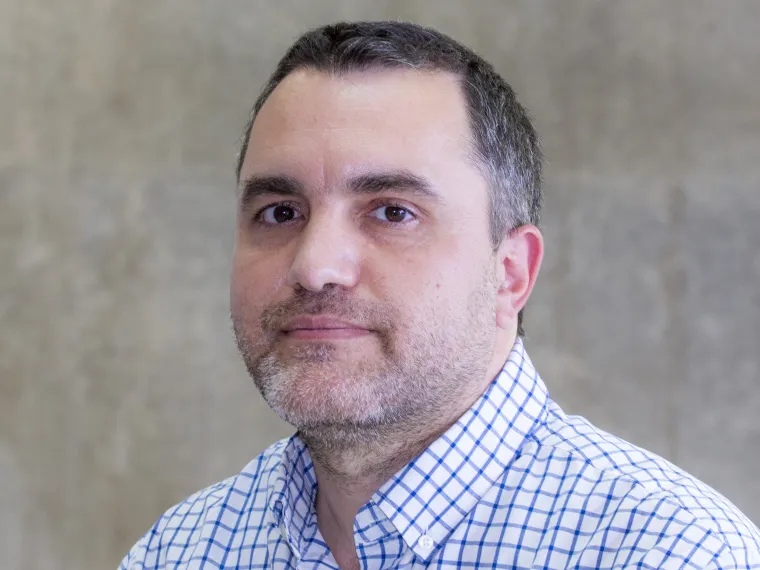
Mehmetcan Akbulutمشاهده پروفایل
استاد پژوهش
- Photonics
- Directed Energy
- Remote Sensing
- +۱۲ مورد دیگر
Mehmetcan Akbulut is an Associate Research Professor at the Wyant College of Optical Sciences , The University of Arizona. His office is located in GCRB 447. Research Focus: Photonics subsystems and systems development with applications in Directed Energy, Remote Sensing, Quantum Optical Networks, Optical Computing, Ultrafast & RF Photonics, and Biophotonics. Key Research Areas: High-energy fiber lasers, coherent beam combining, LIDAR systems, quantum communications, optical computing architectures, and photonic biosensors. Recent publications highlight advancements in injection-locked fiber lasers, SBS suppression techniques, optical Ising machines, and frequency comb applications. His work intersects academic and applied research through collaborations like the Center for Quantum Networks and CIAN projects. The Photonics & Systems Laboratory explores technologies for Directed Energy, wind shear sensing, distributed fiber sensing, and AI-driven biomedical imaging systems.
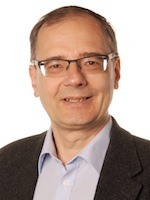
Prof. Dr. Gerald Urban is a distinguished Professor at the Institute for Microsystems Technology (IMTEK) within the Faculty of Engineering at the University of Freiburg, Germany. With over three decades of academic and research experience, he has established himself as a leading expert in biomedical microtechnology and sensor systems. His career spans prestigious institutions including the Vienna University of Technology and collaborations with major research centers worldwide. His educational journey includes: 1973: Graduated from Sigmund Freud Gymnasium in Vienna 1979: Completed studies in Technical Physics at Vienna University of Technology 1985: Earned Doctorate (Dr.-Ing.) with distinction (Summa cum Laude) from Vienna University of Technology 1994: Completed habilitation in Sensorics Prof. Urban's research focuses on the development and application of miniaturized integrated sensors for clinical and industrial applications. His work bridges the gap between fundamental materials science and practical medical devices, with particular emphasis on biomedical microtechnology , electrochemical biosensors , and organ-on-chip systems . His team has pioneered innovations in point-of-care diagnostics, therapeutic drug monitoring, and micro energy harvesting technologies. The research group maintains strong collaborations with clinical partners to ensure translational impact of their technological developments. Analysis of Prof. Urban's recent publications reveals a clear trajectory toward increasingly sophisticated multiplexed sensing platforms that integrate CRISPR-based diagnostics with electrochemical detection systems. His work demonstrates growing emphasis on point-of-care applications, with particular focus on making complex diagnostic capabilities accessible outside traditional laboratory settings. The integration of additive manufacturing techniques with sensor technology represents another significant trend in his recent work, enabling customized microreactor and organ-on-chip platforms. Among his notable scientific achievements: Stefan Schuy Prize for Biomedical Engineering (1990) AVL-List Prize (1993) Best Poster at Eurosensors (1993) Hoechst-Price (1994) Corresponding member of the Austrian Academy of Sciences (2010) EAMBES-Fellow (2018) Prof. Urban has successfully secured substantial research funding throughout his career, with accumulated third-party funding reaching approximately 5 million euros between 1986-1995. He has established multiple spin-off companies including Otto Sensorenfabrikationsgesellschaft (1985), Biosensor GnbR (1994), and Jobst Technologies GmbH (2002), demonstrating his commitment to translating research into practical applications. His leadership extends to major research initiatives including the excellence initiative "µMAT" and the graduate school "PolyMIC". At the University of Freiburg, Prof. Urban leads a vibrant research group within the Institute for Microsystems Technology, which forms part of the larger BrainLinks-BrainTools and BIOSS research clusters. His laboratory maintains state-of-the-art facilities for microsensor fabrication, including cleanroom access through the WebFab service center. The research environment benefits from strong connections with the Freiburg Material Research Center (FMF) and the Freiburg Institute for Advanced Studies (FRIAS), where he served as an Internal Fellow (2008-2010).
- Optics
- Photonics
- Nanophotonics
- +۱۱ مورد دیگر
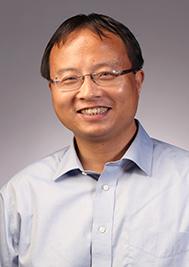
Dr. Jonathan Hu is a Professor in the Department of Electrical and Computer Engineering at Baylor University's School of Engineering and Computer Science. He holds a PhD from the University of Maryland Baltimore County (2008) and completed a postdoctoral fellowship at Princeton University (2009–2011). He is an active researcher in optics and photonics, leading the Photonics Research Laboratory and advising both graduate and undergraduate research assistants. Research Interests: Nanophotonics and metamaterials for photovoltaic and biomedical applications Mid-IR supercontinuum generation using chalcogenide photonic crystal fibers 2D materials such as graphene and their alignment via magnetic fields Coherent optical communication and quantum optical Fredkin gates Numerical simulation of electromagnetic problems and leaky mode analysis His recent publications (2019–2024) demonstrate a strong focus on quantum plasmonics, specialty optical fibers, optofluidics, and nonlinear optical phenomena, with high-impact work in journals like Science Advances , ACS Photonics , and Advanced Materials . The research shows a clear trend toward integrating photonics with 2D materials and quantum systems, with applications in sensing, communication, and materials characterization. Scientific Awards and Recognition: 35 Baylor faculty named among top 2% most cited researchers (2023) Editor’s Pick, Journal of Applied Physics (2018) Top three downloads in OSA journals for three consecutive months (2009) NSF Graduate Research Fellowship (awarded to advisee) Chinese Government Award for Outstanding Self-Financed Students Abroad (awarded to advisee) Second Place in FiO + LS Student Competition (awarded to advisee) Advising and Grants: Dr. Hu actively mentors students at all levels, with current graduate research assistants including Wei Zhang, Zhihao Hu, and Sterling Walzel. His lab is supported by external funding, though specific grants are not detailed in the text. He has advised PhD students such as Joshua Young, Chao Niu, and Chengli Wei, many of whom have gone on to successful academic and industry careers. His teaching includes core courses like EGR 1302, ELC 2320, and ELC 4320, as well as advanced topics in computational photonics and integrated photonics. Labs and Teams: He leads the Photonics Research Laboratory at Baylor University, located at the BRIC facility. He is also involved with the Baylor University Optica Student Chapter, promoting optics outreach and networking among students and researchers.
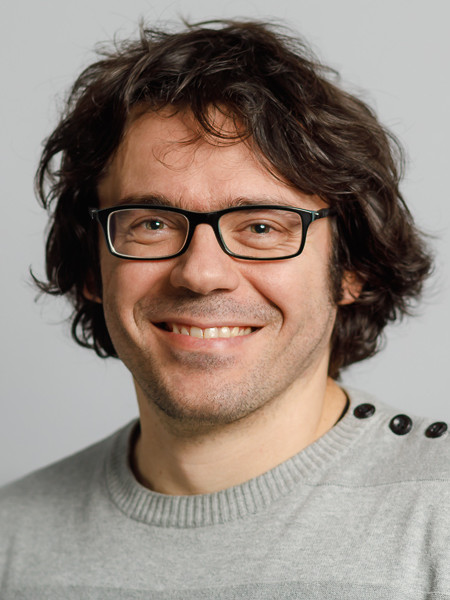
Antonino Di Piazza is a Professor of Physics at the Department of Physics and Astronomy, University of Rochester, and a Distinguished Scientist at the Laboratory for Laser Energetics (LLE). He is also a Guest at the Theory Division of the Max-Planck-Institut für Kernphysik (MPI-K), where he previously served as a Group Leader from 2009 to 2023. His academic journey includes a PhD from the University of Trieste and habilitations in both Germany and Italy, establishing his expertise in theoretical physics. His research interests lie at the forefront of quantum electrodynamics, particularly in strong and ultra-intense laser fields. He investigates fundamental phenomena such as radiation reaction, vacuum polarization, nonlinear Compton scattering, and Breit-Wheeler pair production. His work often bridges classical and quantum electrodynamics, exploring the limits of theoretical models like the local constant field approximation and developing new frameworks for tightly focused and flying-focus laser pulses. The 15 most recent publications highlight a consistent focus on strong-field QED processes. Key themes include the behavior of particles in flying focus pulses, quantum vacuum effects like birefringence, and the analytical and numerical modeling of radiation processes. His work combines deep theoretical insight with relevance to cutting-edge experimental facilities, aiming to test QED in previously inaccessible regimes. He has not received any scientific awards listed in the provided text. Dr. Di Piazza is an active educator, currently teaching Quantum Mechanics II at the University of Rochester. He has a history of lecturing and tutoring at Heidelberg University and leading numerous doctoral schools and workshops on strong-field physics. He has secured research support through collaborations with major institutions like LLE, ELI-NP, and MPI-K, enabling his theoretical work to inform and be informed by high-power laser experiments. His extensive list of invited seminars and conference talks underscores his leadership in the field. He leads the 'High-Energy Quantum Electrodynamics' research group, which is affiliated with the University of Rochester and the Max-Planck-Institut für Kernphysik. This group focuses on theoretical investigations of quantum vacuum and particle dynamics in extreme electromagnetic fields, contributing significantly to the global effort in high-field science.

Ifana Mahbubمشاهده پروفایل
دانشیار
Ifana Mahbub is an Associate Professor at the Erik Jonsson School of Engineering and Computer Science , University of Texas at Dallas, specializing in Electrical & Computer Engineering . Her research focuses on energy-efficient integrated circuits, wireless power transfer systems for biomedical sensors, and advanced antenna designs for UAV and mm-wave applications. She leads the Integrated Biomedical, RF Circuits and Systems Lab . Education: Ph.D. in Electrical Engineering (2017), University of Tennessee, Knoxville B.S. in Electrical Engineering (2012), Bangladesh University of Engineering and Technology Research interests include: Ultrawideband/mm-wave phased-array antennas Far-field wireless power beaming V2V communication for UAVs Energy harvesting via reverse electrowetting Implantable/wearable sensor systems Recent work highlights advancements in high-efficiency rectennas, beamforming algorithms, and AI-driven metasurface design. Her systems address critical challenges in biomedical telemetry and aerial communication.
Dustin Froulaمشاهده پروفایل
استادیار
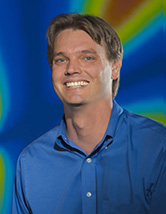
Dustin Froula serves as Assistant Professor in the Department of Physics and Astronomy at the University of Rochester and leads the Plasma and Ultrafast Physics group at the Laboratory for Laser Energetics (LLE). His research focuses on experimental plasma physics for inertial confinement fusion and high-energy-density science using major facilities including OMEGA, OMEGA EP, and the National Ignition Facility. His academic credentials include: MS in Physics, University of California, Davis (2000) PhD in Physics, University of California, Davis (2002) Froula's research centers on laser-plasma interactions , Thomson scattering diagnostics , and laser-plasma acceleration in inertial confinement fusion contexts. He investigates phenomena like stimulated Brillouin/Raman scattering, cross-beam energy transfer, and turbulent dynamos, with applications spanning fusion energy development and laboratory astrophysics. His work combines advanced experimental techniques with computational modeling to address fundamental plasma transport questions. Analysis of his 2023-2025 publications reveals dominant trends in flying-focus laser techniques for particle acceleration, laboratory dynamos for astrophysical modeling, and instability mitigation for fusion ignition. Key thematic clusters include high-resolution plasma diagnostics, advanced laser pulse shaping, and magnetized turbulence studies using multi-facility experimental platforms. His scientific recognition includes: Department of Energy's Outstanding Mentor Award (2007) APS Fellowship (2017) John Dawson Award (2019) Ernest Orlando Lawrence Award (2020) Thomas H. Stix Award (2023) Froula has mentored numerous students earning the DOE Mentor Award, with research funded by Department of Energy and National Science Foundation grants supporting his work on OMEGA, NIF, and OPAL facilities. His group develops novel diagnostic techniques like continuous angular-resolution Thomson scattering and flying-focus pulse systems for electron acceleration. He directs the Plasma and Ultrafast Physics group at LLE, operating the OMEGA 60-beam laser, OMEGA EP petawatt system, and MTW short-pulse facility while collaborating with Lawrence Livermore's Jupiter Laser Facility and National Ignition Facility. Current projects include dephasingless wakefield acceleration platforms and turbulent dynamo experiments for astrophysical analog studies.

Julia Mikhailova is an Associate Professor at the Department of Mechanical and Aerospace Engineering, Princeton University. She is also affiliated with the Program in Plasma Physics, the Princeton Plasma Physics Laboratory, and the Andlinger Center for Energy and the Environment. Her research integrates experimental and theoretical approaches to study laser-matter interactions under extreme conditions, focusing on ultrafast dynamics in materials and plasmas. Ph.D. in Physics, Lomonosov Moscow State University (2007) M.A. in Journalism, Lomonosov Moscow State University (2005) M.S. in Physics, Lomonosov Moscow State University (2003) Her research spans Applied Physics , Optical Materials , Light-Matter Interactions , Plasma Physics , and Ultrafast Dynamics . Recent work explores ionization plasma gratings for attosecond pulse compression, relativistic harmonic generation, and magnetized plasma amplification. Articles emphasize nonlinear optics, quantum coherence, and high-intensity laser applications. Scientific Awards: Gordon and Betty Moore Foundation Experimental Physics Investigator award Kavli Frontiers of Science Fellowship (National Academy of Sciences) U.S. Department of Energy Early Career Award Alfred Rheinstein Faculty Award Humboldt Research Fellowship Mikhailova has advised graduate student Matthew Edwards, now a faculty member at Stanford University. Her funded projects include NSF grants (PHY 1506372, PHY 1806911, PHY 2206711) and the DOE Early Career Award DE-SC0017907. She leads the ETOILES (Experimental and Theoretical Optics of Intense Laser Envelopes and Strong fields) research group.

Mark Baileyمشاهده پروفایل
پژوهشگر
Mark Bailey is a researcher at the Department of Health Technology Dosimetry at the Danish Technical University (DTU). His work is centered on dosimetry and luminescence dating, with a focus on electron spin resonance (ESR) and optically stimulated luminescence (OSL) applications in geological and historical dating. Recent publications highlight his contributions to understanding quartz sensitization in andesite, dose calculation calibration, and X-ray irradiation effects on ESR signals. His research spans multiple subfields, including Quartz and alanine dosimetry Luminescence dating methodologies Dose rate modeling for sediment dating Bleaching mechanisms in ESR signals X-ray attenuation and calibration Mark's collaborations include institutions in Denmark and Iran, with fieldwork involving andesite, sedimentary quartz, and X-ray beam efficiency studies. His work intersects radiation physics, geochronology, and health technology.
- Bioelectronics
- Neuroscience
- Microfabrication
- +۱۲ مورد دیگر
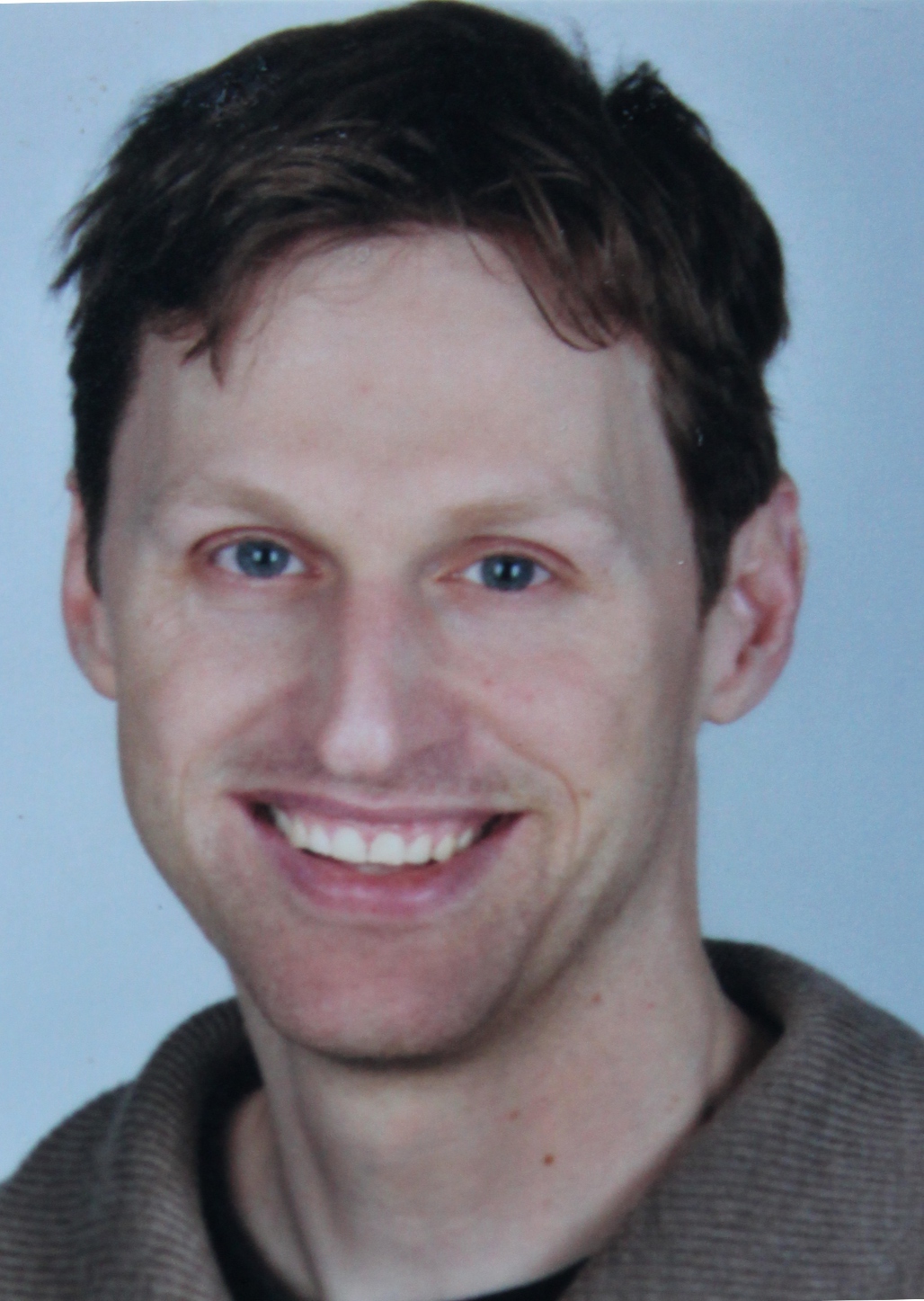
Prof. Bernhard Wolfrum is a Principal Investigator at the Institute for Medical Engineering (IMETUM) of the Technical University of Munich (TUM), developing advanced neuroelectronic interfaces. His work combines micro- and nanofabrication technologies with printing methods to create flexible, biocompatible devices for real-time electrochemical sensing and neural stimulation. Key research areas include cell-chip coupling, microfluidic cell culture systems, and lesion/degeneration models. He pioneers inkjet-printed 3D sensor arrays, redox-cycling techniques, and origami-inspired biohybrid devices. His group includes PostDoc Philipp Rinklin and PhD student Troung Ka My Dang. Scientific Approach: Utilizes rapid prototyping, direct integration of biomaterials, and electrochemical methods to map cellular chemical cues and design structured neuronal networks. Focuses on scalable fabrication techniques for medical applications like implantable electrodes and organ-on-chip systems. Recent Publications: Highlight trends in flexible bioelectronic interfaces, silver nanoparticle sensing, and laser-processed MOF-derived electrodes, emphasizing interdisciplinary integration of material science and neuroscience.
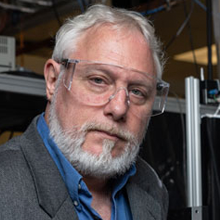
Thomas Orlando is a Regents' Professor in the School of Chemistry and Biochemistry at the Georgia Institute of Technology, where he leads the Orlando Research Group. His work focuses on electron- and photon-stimulated interface and surface processes with applications spanning planetary science, environmental chemistry, and biophysics. He maintains laboratory facilities in the Molecular Science and Engineering Building (MoSE G209C) and collaborates extensively with researchers across Georgia Tech and other institutions. His educational background includes a B.S. from Southampton College, a Ph.D. from State University of New York-Stony Brook, and postdoctoral work at Sandia National Labs and the Institut fur Physikalische Chemie. He was also a NATO Collaborative Research Fellow and Visiting Professor at CNR/University of Rome, La Sapienza from 1997-2000. Professor Orlando's research explores three primary areas: Electron- and Photon-stimulated Interface and Surface Processes, Environmental Chemistry and Planetary Surface Science, and Biophysical Chemistry. His group utilizes state-of-the-art ultra-high vacuum surface science systems with UV-laser sources and low-energy electron beams to study reactions on various substrates. They investigate water-related processes in terrestrial and planetary environments, DNA damage mechanisms, and develop new analytical techniques for mass spectrometry imaging. The group's work spans from fundamental molecular physics to applied areas relevant to atmospheric chemistry, catalysis, and human spaceflight. His recent publications reveal a strong focus on lunar and planetary surface chemistry, particularly water formation and detection on airless bodies like the Moon and Mercury. The research combines experimental surface science with theoretical modeling to understand radiation-induced processes, space weathering effects, and volatile formation mechanisms. Key themes include electron-stimulated desorption, photon-induced reactions, and the role of water in planetary environments. Fellow of the American Physical Society Fellow of the American Association for the Advancement of Science NIH Young Investigator Award (1998) NATO Collaborative Research Fellowship Associate Editor, Journal of Geophysical Research-Planets Professor Orlando has mentored numerous graduate students and postdoctoral researchers who have gone on to successful careers in academia and industry. His research has been supported by multiple grants from NASA, NSF, NIH, and other agencies focused on planetary science, radiation chemistry, and analytical instrumentation development. The Orlando Group maintains state-of-the-art facilities for ultra-high vacuum surface science, microplasma development, and advanced mass spectrometry. The Orlando Research Group operates within Georgia Tech's Electron- and Photon-Induced Chemistry on Surfaces (EPICS) laboratory, which features multiple ultrahigh vacuum systems equipped with electron and photon sources, mass spectrometers, and laser detection systems. The group collaborates with researchers at Argonne National Laboratory's Advanced Photon Source and maintains partnerships with planetary scientists studying data from missions to Mercury, the Moon, and outer solar system objects.

Emad Ebbini is a Professor in the Department of Electrical and Computer Engineering at the University of Minnesota. He leads the Ultrasound Imaging & Signal Processing Lab , focusing on developing image-guided ultrasound phased-array systems for noninvasive surgery and neuromodulation. His work integrates real-time 3D imaging, temperature mapping, and self-focusing arrays for therapeutic applications. Research Focus: High-Intensity Focused Ultrasound (HIFU), Transcranial Ultrasound, Neuromodulation, Vascular Imaging, Nonlinear Ultrasound Current Projects: First-in-human HIFU trials for cancer immunotherapy, wearable tFUS systems, and awake animal neuromodulation studies funded by NIH and Rainwater Charitable Foundation Scientific Contributions: Pioneered dual-mode ultrasound arrays, transskull refocusing techniques, and Volterra filter-based nonlinear imaging. His lab advances HIFU for atherosclerosis, pancreatic cancer, and neurovascular ablation. Collaborations: Works with researchers in neurology, radiology, and biomedical engineering, emphasizing SDGs related to health innovation. His publications span therapeutic ultrasound, signal processing, and medical device design.
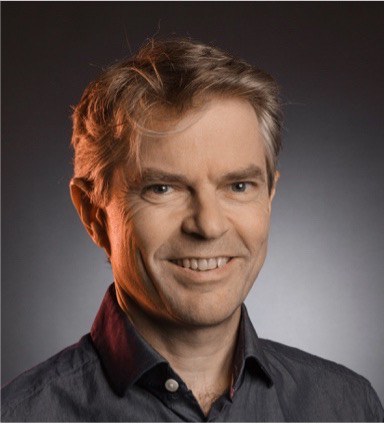
Paul Gibbon is a Professor and current Head of the HPC in Applied Sciences and Engineering division at the Jülich Supercomputing Centre (JSC), Forschungszentrum Jülich. He also maintains a part-time teaching appointment at Katholieke Universiteit Leuven where he teaches computational physics. Having joined JSC in 2001, he helped establish the Simulation Labs for Plasma Physics in 2008 and served as Head of the Computational Science Division from 2009 to 2022. After a brief period working in the fusion energy industry, he returned to JSC in 2024 as co-head of his current division. Gibbon's educational background includes physics studies at Bristol University followed by plasma physics research at Imperial College London. His postdoctoral journey took him across Europe to CEA Saclay and the University of Jena before settling at JSC. His research spans computational plasma physics, laser-based particle and radiation sources, and parallel mesh-free N-body simulation techniques. His publication record demonstrates significant contributions to computational plasma physics, with recent work focusing on N-body simulation methods (particularly the PEPC solver), laser-plasma interactions, particle acceleration mechanisms, and fusion energy applications. His research shows a clear trajectory from fundamental plasma simulation methods toward practical fusion energy applications, with substantial contributions to high-performance computing techniques for scientific simulation. Gibbon has been instrumental in advancing high-performance computing applications for plasma physics and fusion research, with leadership roles in developing simulation capabilities at one of Europe's premier supercomputing centers. His work bridges theoretical plasma physics with practical computing implementations, contributing to both the computational methods community and fusion energy research.
David Bortonمشاهده پروفایل
دانشیار
David Borton is an Associate Professor at Brown University in the School of Engineering , with additional appointments in Neurosurgery and Brain Science . He leads the Institute for Biology, Engineering and Medicine (I-BEAM) as Interim Director, focusing on neuroengineering and brain-machine interfaces for treating spinal cord injury and neuropsychiatric disorders . His research laboratory develops implantable neural interfaces , kinematic sensors , and biochemical sensors to study neuromotor diseases and create high-resolution motion capture systems. He has received the Marie Curie International Fellow award and is supported by DARPA , NINDS , NIMH , and Brown University Seed funds . Key research themes include contextual dependence of cortical circuits , wireless neural telemetry , and adaptive neuromodulation . His work bridges engineering , neuroscience , and clinical applications , particularly for spinal cord injury and Parkinson's disease .

Professor Wouter Serdijn is a distinguished faculty member at Delft University of Technology, working within the Department of Bio-Electronics in the Faculty of Electrical Engineering, Mathematics and Computer Science. With over 338 research outputs to his name, he is a leading expert in bioelectronic medicine, neural stimulation, and implantable medical devices. His research group maintains strong collaborations across international institutions, focusing on cutting-edge solutions for medical applications. Dr. Serdijn's research interests center around bioelectronics, with particular emphasis on neural stimulation systems , wireless power transfer for implants , and microelectronic circuit design for biomedical applications . His work bridges the gap between electrical engineering and neuroscience, developing novel approaches to interact with the nervous system through electronic means. His fingerprint analysis shows strong expertise in power systems (100%), circuit design (76%), neural stimulation (74%), implantable devices (74%), voltage control (66%), signal processing (59%), and energy efficiency (49%). His recent publications demonstrate a clear trend toward solving critical challenges in implantable medical devices, particularly focusing on power delivery solutions for neural implants, longevity of implantable electronics , and biocompatible packaging . His research spans from fundamental circuit design to in vivo testing of complete systems, with a strong emphasis on practical clinical applications. The publications show increasing collaboration with medical researchers to ensure clinical relevance of the developed technologies. Professor Serdijn has supervised 18 research projects and maintains an active role in academic service through editorial activities and conference participation. His research has attracted significant attention, with multiple publications receiving news coverage and social media mentions. His work on tinnitus treatment and electroceuticals has generated particular public interest, with multiple media appearances discussing these topics. His laboratory focuses on developing complete systems for bioelectronic medicine, with particular attention to circuit design for neural interfaces, power delivery solutions for implants, and biocompatible integration of electronics with biological systems. The research group maintains close ties with medical institutions to ensure clinical relevance of their developments, with several projects moving toward clinical trials for conditions like tinnitus and locomotion recovery.